Skip to content

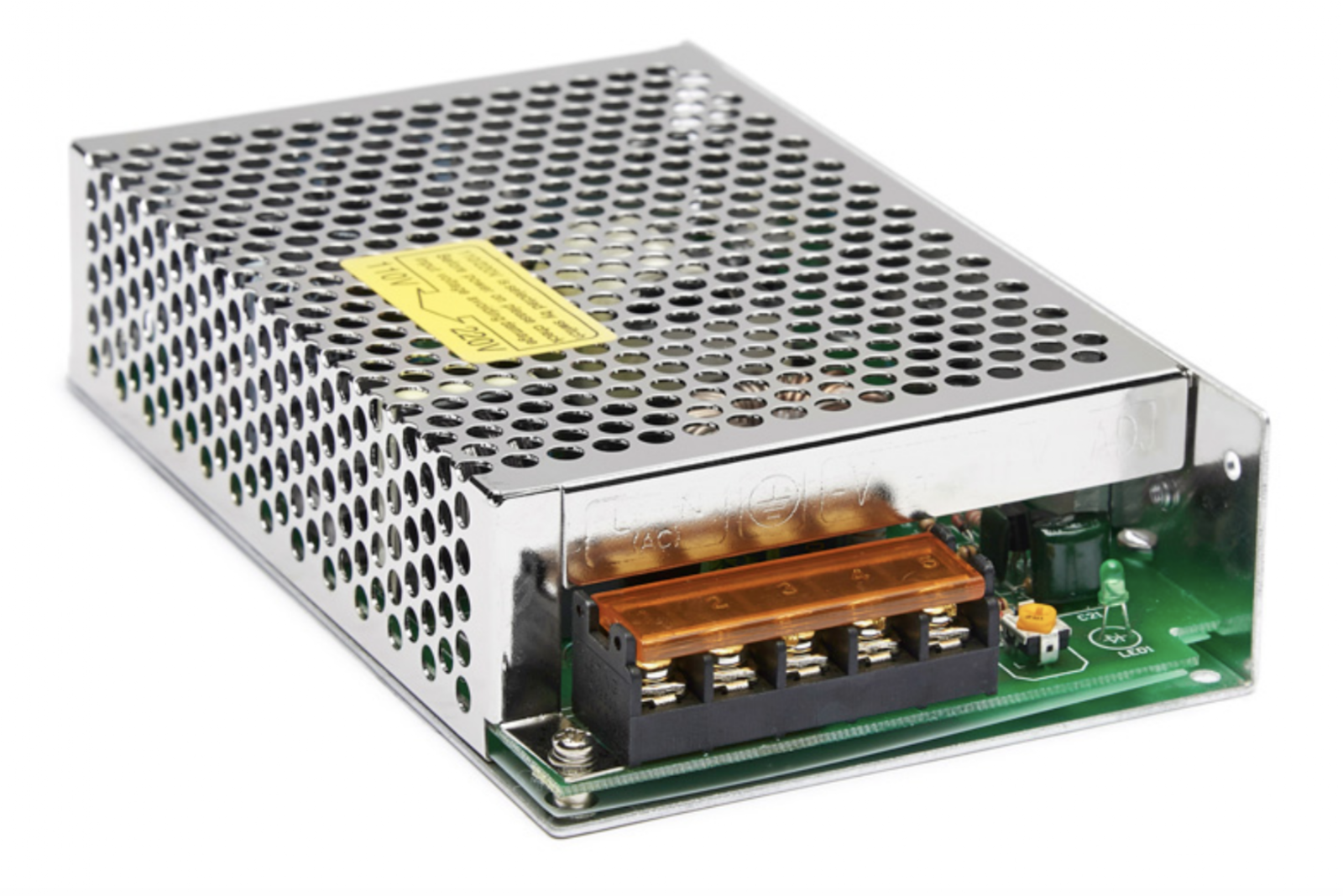
Switching power supplies have become one of the most important foundations of modern electronics. From industrial automation lines and telecom cabinets to LED systems, security devices, medical equipment, and consumer electronics, almost every sector now depends on stable and efficient power conversion. Yet many buyers still compare power supplies only by wattage, price, or dimensions. In reality, the real difference between an average unit and a high-performance product is hidden inside its design architecture, semiconductor selection, thermal strategy, and control technology.
Why can one 24V power supply run for years in a harsh factory while another fails after months? Why are some products compact and cool-running, while others become hot under partial load? Why do certain brands perform better in unstable grid environments? The answer is not marketing language—it is engineering.
In recent years, switching power supply technology has advanced rapidly. Efficiency targets are higher, footprints are smaller, and global customers increasingly expect smarter protections, longer life cycles, and stronger compatibility with automation systems. For professional buyers evaluating suppliers such as SIPURUI, understanding these technology trends is one of the best ways to select the right long-term partner.

Why Has the Switching Power Supply Replaced Traditional Linear Designs?
The reason is simple: modern systems demand more power in less space. Traditional linear supplies are reliable in certain low-noise environments, but they are heavy, inefficient, and thermally wasteful. A switching power supply converts energy through high-speed switching rather than continuous dissipation, which dramatically improves efficiency and reduces heat. That allows manufacturers to shrink the overall size of the unit while increasing usable output power.
This shift has become especially important in industrial control panels where every millimeter matters, in telecom racks where thermal density affects uptime, and in OEM equipment where shipping weight and internal layout directly influence cost. As a result, switching power supplies have become the default choice across nearly all modern industries.
| Parameter | Linear Supply | Switching Power Supply |
| Efficiency | 40%–65% | 85%–96% |
| Size | Large | Compact |
| Weight | Heavy | Light |
| Heat | High | Lower |
| Input Range | Limited | Wide |
| Scalability | Low | High |

1. Why Is High-Frequency Design So Important?
One of the biggest reasons modern power supplies keep getting smaller is higher switching frequency. When engineers increase the operating frequency, magnetic components such as transformers and inductors can be reduced in size while still storing the required energy. Capacitors can also be optimized, allowing the entire design to become more compact.
This is why a modern industrial 120W unit can now fit into a much smaller enclosure than products from ten years ago. In applications such as DIN rail systems, slim LED cabinets, and distributed automation nodes, that size reduction creates real value.
However, frequency alone is not a magic solution. As switching speed rises, losses, EMI noise, and thermal concentration also become harder to control. That is why advanced high-frequency power supplies must also use better semiconductors, stronger layout engineering, and improved cooling strategy. Brands such as SIPURUI that focus on balanced design can benefit customers more than suppliers who simply chase smaller size without solving the side effects.
2. Are GaN and SiC Devices Changing the Industry?
Absolutely. Gallium Nitride (GaN) and Silicon Carbide (SiC) devices are among the most important developments in modern power electronics. These materials switch faster and waste less energy than traditional silicon MOSFETs. That means designers can raise efficiency, reduce heatsink size, and increase power density.
GaN is particularly attractive in compact chargers and smaller high-efficiency platforms because it supports extremely fast switching in limited space. SiC performs strongly in higher-voltage industrial environments where temperature tolerance and ruggedness are critical. While not every power supply requires these devices, they are increasingly relevant in premium designs.
For customers, the significance is practical rather than theoretical. A better semiconductor platform often means lower operating temperature, longer service life, and more stable output under demanding conditions.
| Device Type | Strength | Typical Use |
| Silicon MOSFET | Mature and economical | Standard SMPS |
| GaN | High speed, compact size | Fast chargers, dense adapters |
| SiC | High voltage, thermal robustness | Industrial and infrastructure |

3. Why Do Better Power Supplies Run Cooler?
Many users assume cooling is determined only by fan size or enclosure material. In reality, internal efficiency is the first factor. One major example is synchronous rectification. Traditional designs use diodes in the rectification stage, but diodes waste power through voltage drop. Modern designs often replace them with controlled MOSFETs that have much lower resistance.
The result is less wasted energy and lower heat generation, especially in low-voltage, high-current outputs such as 5V or 12V rails. That lower heat reduces stress on electrolytic capacitors and improves long-term reliability. In industrial installations where ambient temperatures are already high, this advantage can be substantial.
This is one reason why two power supplies with the same output rating may behave very differently in the field. One may run comfortably within specification, while another operates near thermal limits from the first day.
4. Why Is LLC Resonant Topology So Popular?
As efficiency requirements rise, many premium AC-DC power supplies now use LLC resonant architecture. Instead of switching abruptly under voltage and current overlap, LLC designs create resonance between inductive and capacitive elements to reduce switching stress.
In practical terms, this allows higher efficiency, reduced heat, and lower EMI emissions. It is especially effective in medium to higher wattage designs where traditional hard-switching topologies would generate greater losses.
That is why LLC converters are common in telecom rectifiers, larger LED systems, premium enclosed supplies, and high-performance adapters. For buyers comparing long-life platforms, resonant design often indicates a more advanced engineering level.

5. Can Power Supplies Become Intelligent?
Yes, and this trend is accelerating. Traditional analog control remains common, but digital power control is increasingly valuable in industrial and connected systems. By using microcontrollers or DSP-based management, a power supply can monitor conditions in real time and respond dynamically.
This may include temperature-based fan control, fault logging, predictive maintenance alerts, programmable output behavior, and communication with higher-level systems. In a smart factory or telecom room, that means maintenance teams can identify degradation before a shutdown occurs.
Instead of seeing the power supply as a passive component, more companies now treat it as an active part of system management. This shift is likely to expand significantly over the next few years.
6. Why Does Active PFC Matter More Than Ever?
Power Factor Correction is no longer a niche topic. As regulations tighten and facilities demand cleaner power usage, active PFC has become standard in many serious commercial and industrial products.
Without correction, a power supply may draw distorted current from the AC line, increasing harmonics and reducing effective utilization. With active PFC, the current waveform more closely follows the voltage waveform, often pushing power factor toward 0.95–0.99.
For buyers shipping products globally, this matters because compliance, efficiency expectations, and installation compatibility increasingly depend on proper front-end design.
| Metric | Non-PFC Design | Active PFC Design |
| Power Factor | 0.50–0.75 | 0.95–0.99 |
| Harmonics | Higher | Lower |
| Grid Compatibility | Basic | Strong |
| Premium Market Acceptance | Limited | High |
7. Why Do Sensitive Devices Need Cleaner Output Power?
Not every application only needs nominal voltage. Many systems also require low ripple, fast transient response, and precise regulation. Communication boards, measurement electronics, sensors, and medical circuits are more sensitive to output quality than basic loads such as heaters or simple motors.
For these environments, stronger filtering and post-regulation stages can significantly improve performance. That may involve secondary DC-DC stages or precision regulation techniques after the main conversion stage.
This is why professional sourcing should begin with application requirements, not just wattage. A lower-cost generic supply may power the device, but it may not support the performance level the device was designed to achieve.
8. What Really Separates Industrial-Grade Power Supplies from Cheap Alternatives?
The answer is usually protection engineering and durability margins. Many low-end products advertise output rating, but real quality appears during overload, short-circuit, surge events, or high ambient temperatures.
Professional designs should include over-voltage, over-current, short-circuit, and over-temperature protection. Stronger units also consider inrush current control, surge resilience, brownout tolerance, and thermal derating behavior.
When buyers evaluate suppliers such as SIPURUI, it is wise to ask for MTBF data, operating temperature range, EMC standards, and derating curves rather than only asking for price. Those documents often reveal more about real product quality than any brochure.
9. Why Are Modular and Distributed Power Systems Growing?
As systems become larger and more complex, centralized power architecture is often less efficient to maintain. Instead of one oversized source, many facilities now use distributed power systems made of multiple coordinated modules.
This improves thermal distribution, allows redundancy, simplifies replacement, and enables future expansion. If one module fails, the entire system may continue operating depending on the architecture.
This is particularly valuable in servers, telecom racks, automation lines, and production equipment where downtime is expensive. For OEM customers, modular power planning can lower service cost over the product lifetime.
10. What Will Customers Expect from Power Supplies in 2026 and Beyond?
The market is moving toward a clear combination of expectations: smaller size, higher watt density, lower temperature rise, stronger protections, better efficiency, and smarter communication. Customers increasingly want power supplies that install quickly, run quietly, and integrate easily into connected systems.
That means future leaders will not compete only on price. They will compete on engineering consistency, certification readiness, long-term reliability, and customization support. Brands such as SIPURUI that continue investing in practical industrial design will be well positioned in this next stage of growth.
How Should Buyers Choose the Right Switching Power Supply?
The smartest purchase decision begins with understanding the real operating environment. Input voltage conditions, ambient temperature, duty cycle, available airflow, regulatory market, and load type all matter. A factory control cabinet, outdoor LED enclosure, telecom shelf, and laboratory instrument may all need very different power characteristics.
Selecting the right supplier means choosing a company that understands those differences and can recommend the correct platform rather than simply quoting the lowest price.

Final Thoughts
Switching power supplies are evolving faster than many buyers realize. Behind every compact enclosure and every stable output rail lies a combination of semiconductor progress, topology innovation, thermal engineering, and intelligent control. The companies that understand these technologies make better products. The buyers who understand them make better purchasing decisions.
If you are sourcing reliable power solutions for industrial or commercial applications, choosing an experienced manufacturer such as SIPURUI can help reduce risk, improve product reliability, and strengthen your competitiveness in the market.