Skip to content

Modern industry is entering an era defined by automation, intelligent control, renewable energy, and interconnected devices. Behind every PLC controller, monitoring terminal, industrial robot, and smart energy system lies one critical component that quietly determines system stability and operational reliability: the AC/DC module power supply.
Today’s industrial electronics no longer tolerate unstable voltage, excessive electromagnetic interference, or inefficient thermal performance. As systems become more compact and intelligent, engineers are placing unprecedented demands on power conversion technology. This is why modular AC/DC power supplies are rapidly replacing traditional discrete power designs across industrial automation, smart grid infrastructure, renewable energy equipment, and intelligent monitoring systems.
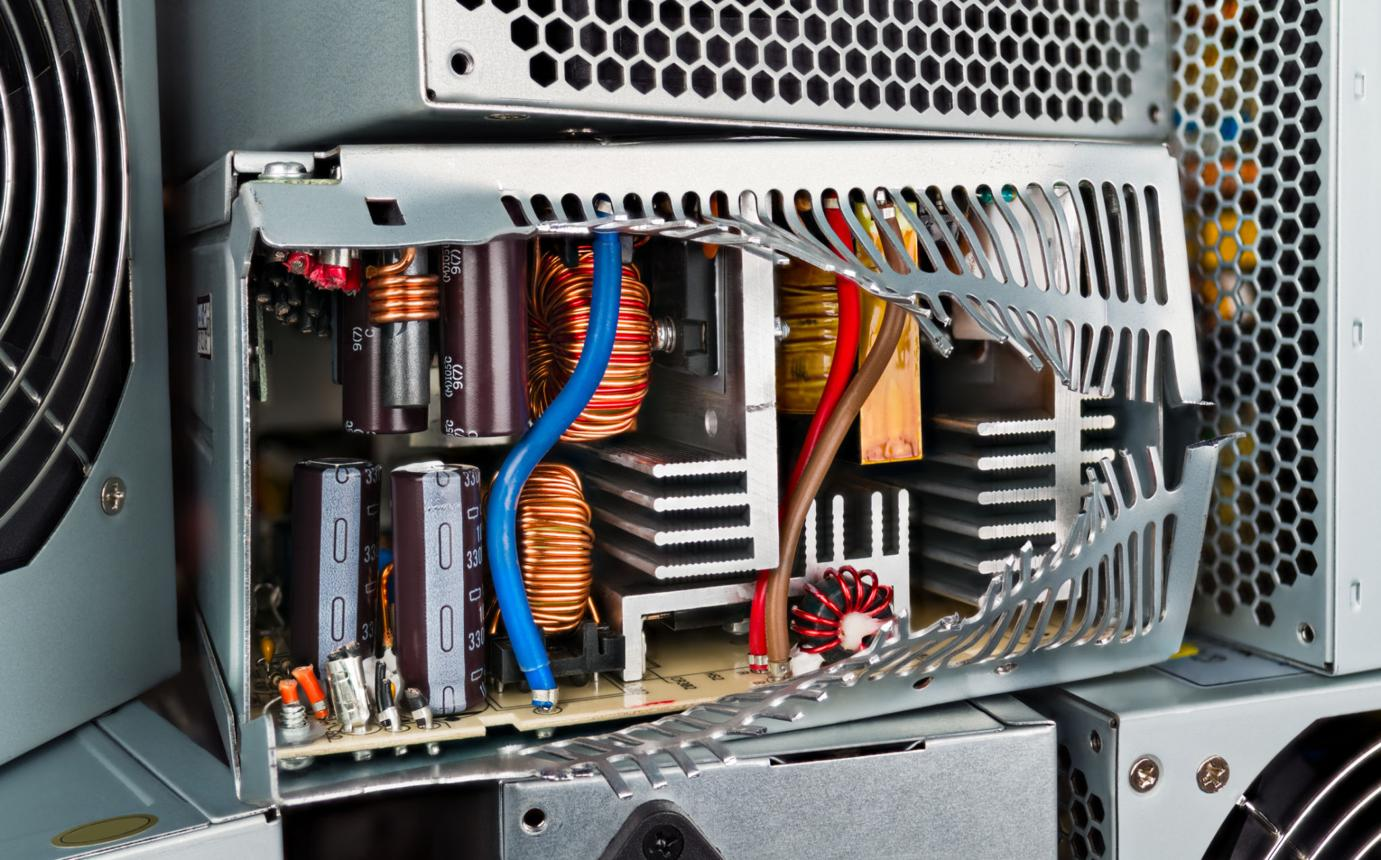
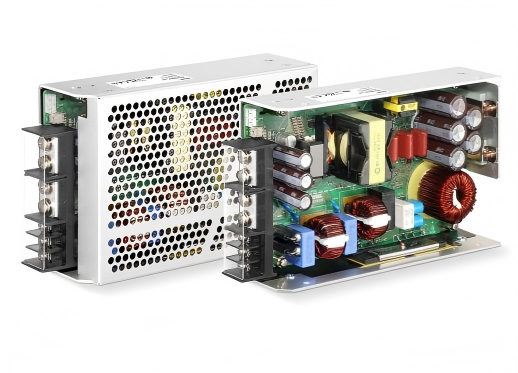
Unlike conventional power architectures that require complex peripheral circuits and lengthy EMC optimization, modern AC/DC modules integrate rectification, voltage regulation, isolation, protection, and filtering into compact industrial-grade packages. The result is higher efficiency, better reliability, faster development cycles, and significantly simplified system integration.
For manufacturers developing next-generation industrial electronics, choosing the right power module is no longer simply about supplying voltage. It is about ensuring long-term stability, EMC compliance, thermal reliability, and operational safety under harsh real-world conditions.
What Makes ac dc modular power supplies So Important in Modern Electronics?
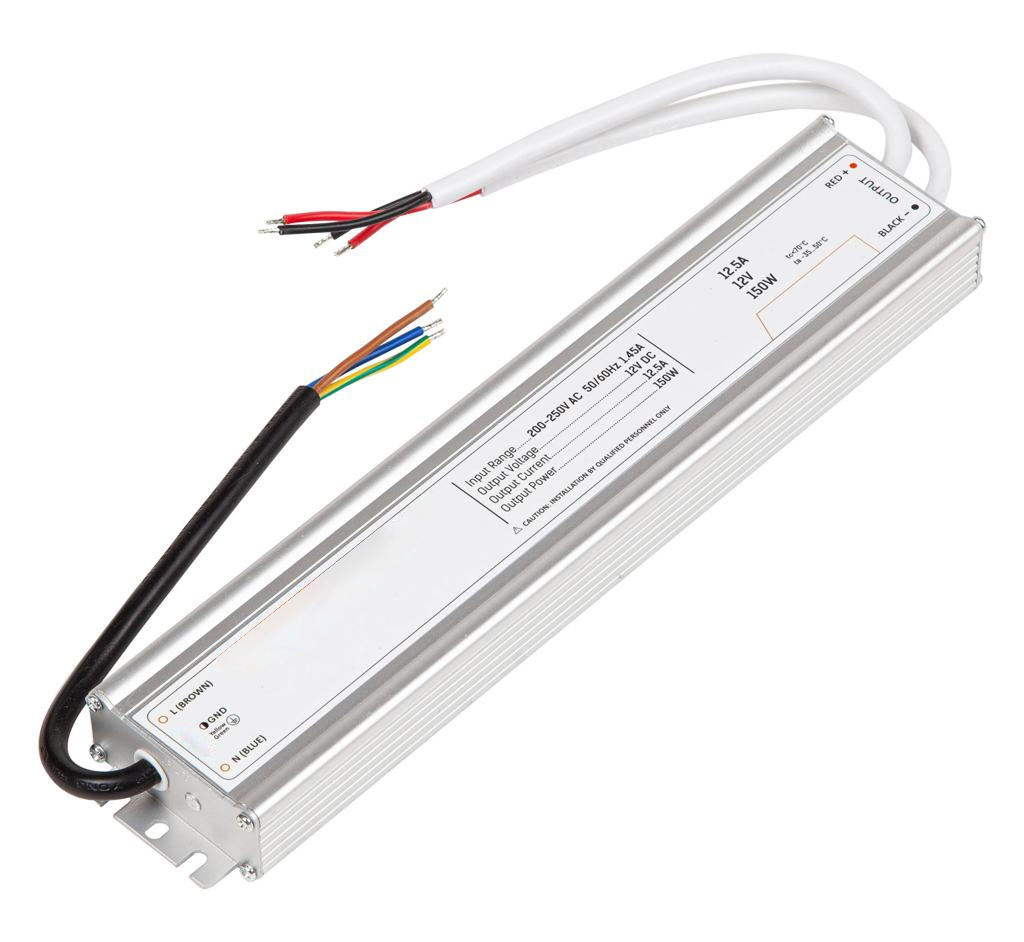
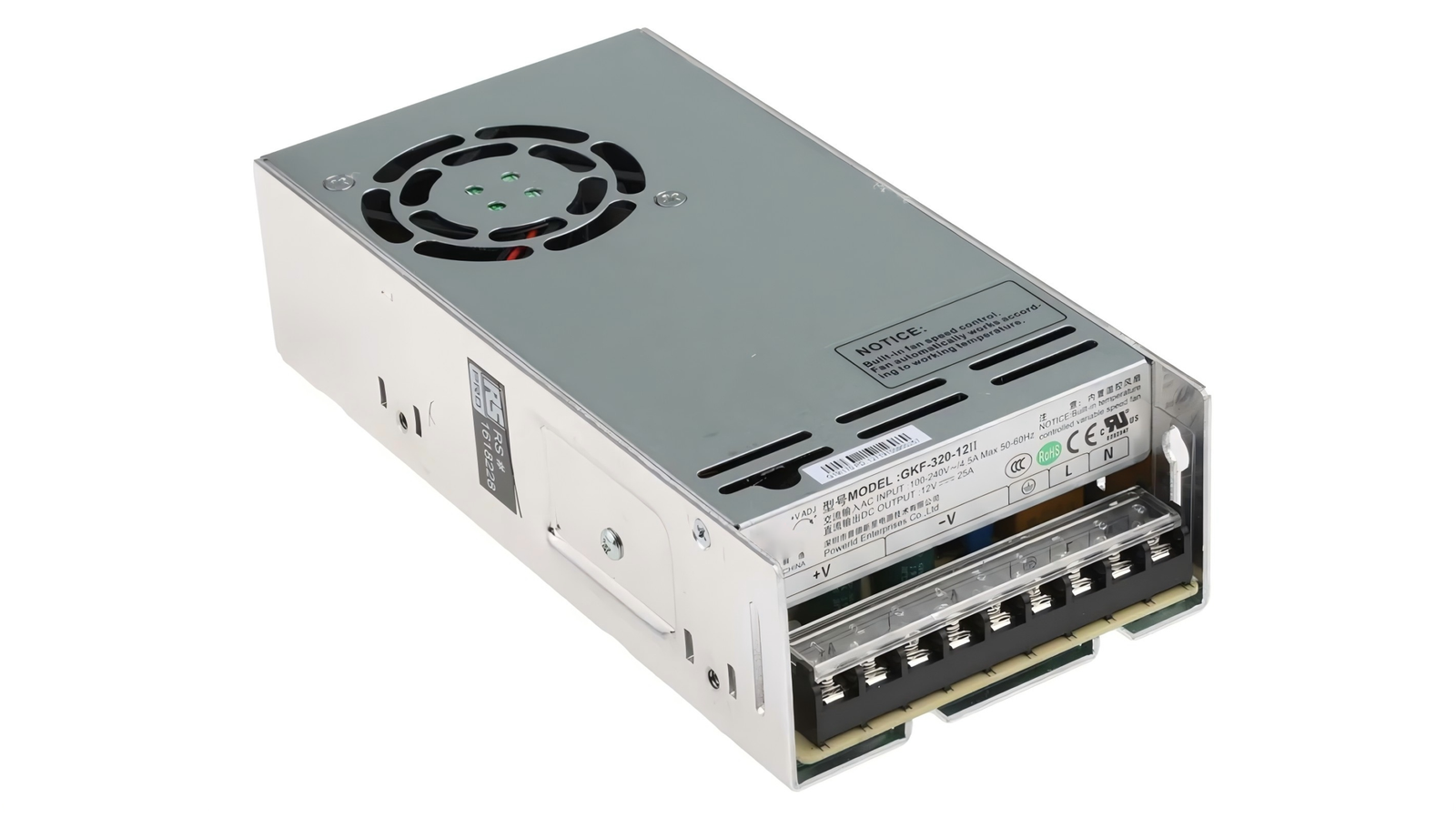
An AC/DC module power supply converts alternating current from the electrical grid into stable direct current required by electronic systems. However, modern industrial-grade modules do much more than simple voltage conversion.
High-performance AC/DC modules from SIPURUI integrate:
- Wide input voltage capability
- Reinforced isolation
- Low ripple output
- Multiple protection mechanisms
- Industrial EMC optimization
- High conversion efficiency
This modular architecture significantly reduces engineering complexity while improving long-term reliability.
In compact industrial systems where PCB space is limited, modular power supplies help simplify internal layouts and accelerate product development. Instead of designing power circuits from scratch, engineers can integrate highly tested power modules directly into their systems.
This becomes increasingly valuable in applications such as:
- Industrial automation
- Smart meters
- Renewable energy systems
- Security monitoring
- Industrial IoT gateways
- Communication equipment
where reliability and compactness are critical.
Industrial Automation Is Growing Fast — But Can Traditional Power Designs Still Keep Up?
Industrial automation systems are becoming smarter, faster, and more interconnected. Modern factories rely heavily on PLC controllers, servo systems, robotic arms, machine vision equipment, and industrial Ethernet communication networks.
All of these systems require highly stable DC power.
Even small voltage fluctuations may lead to:
- Communication instability
- Sensor errors
- Equipment shutdown
- Motion control inaccuracies
- Data transmission failure
This is why industrial engineers are increasingly choosing modular AC/DC power supplies instead of traditional open-frame power designs.
Industrial Automation Application Scenario

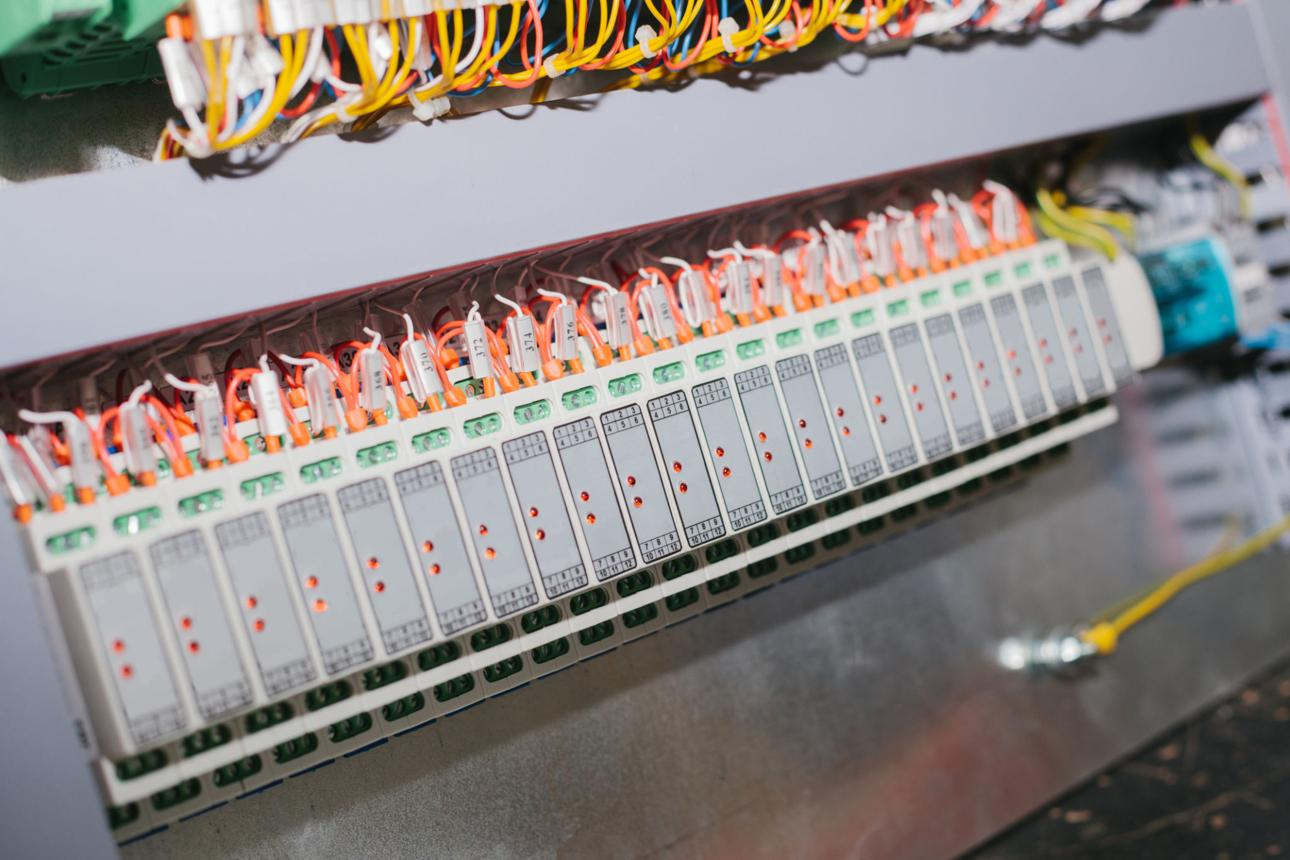
In automotive manufacturing plants, robotic welding systems and automated conveyors generate large startup currents during operation. Power supplies must respond quickly to dynamic load changes while maintaining stable output voltage.
SIPURUI industrial AC/DC modules are specifically engineered for such demanding conditions. Features such as low ripple noise, strong surge resistance, and high overload tolerance ensure stable operation even in electrically noisy industrial environments.
At the same time, industrial facilities contain large numbers of frequency converters, switching devices, and wireless communication systems that generate severe electromagnetic interference. Poor EMC performance may disrupt communication networks and reduce production stability.
To solve this challenge, SIPURUI modules are designed according to strict EMC standards including IEC61000 and EN55032, helping industrial systems achieve higher immunity against electrical noise.
Why Is EMC Performance Becoming a Core Engineering Requirement?
As industrial systems become increasingly interconnected through Industrial Internet of Things (IIoT) technologies, electromagnetic compatibility is becoming one of the most important aspects of power supply design.
Modern factories now contain:
- Variable-frequency drives
- High-speed switching circuits
- Wireless communication systems
- High-current motor equipment
- Dense communication networks
These environments generate substantial electromagnetic interference that can negatively affect nearby electronics.
Without proper EMC optimization, power supplies may cause:
- Sensor instability
- Data corruption
- Communication interruption
- Unexpected system rebooting
High-quality AC/DC modules therefore require advanced EMI filtering structures and reinforced isolation design.
EMC and Industrial Control Environment

SIPURUI industrial AC/DC modules are optimized to minimize both conducted and radiated emissions while maintaining strong anti-interference capability. This helps customers simplify EMC certification and improve long-term operational reliability.
| EMC Standard | Function |
| IEC 61000-4-2 | Electrostatic discharge immunity |
| IEC 61000-4-4 | Electrical fast transient protection |
| IEC 61000-4-5 | Surge immunity |
| EN55032 | EMI emission limitation |
| IEC 62368 | Electrical safety compliance |
Why Are Smart Grid Systems Increasingly Using ac dc modular power supplies?
Modern power infrastructure is evolving rapidly toward intelligent energy management and smart grid architecture. Smart meters, protection relays, communication terminals, and distribution automation systems all require highly stable DC power.
Unlike consumer electronics, power grid equipment often operates continuously for years under extremely demanding environmental conditions.
Outdoor electrical systems may experience:
- Extreme temperatures
- Lightning surges
- Dust and humidity
- High-voltage interference
- Unstable grid conditions
This creates very strict reliability requirements for power supplies.
Smart Grid and Power Infrastructure Applications

To ensure stable operation in harsh environments, SIPURUI AC/DC modules incorporate:
- Over-voltage protection
- Over-current protection
- Short-circuit protection
- Thermal shutdown
- Surge suppression
- Reinforced insulation
These protection mechanisms significantly improve operational safety and equipment lifespan.
| Protection Function | Importance |
| Over-voltage Protection | Prevents damage from unstable input |
| Over-current Protection | Protects circuits during overload |
| Thermal Protection | Prevents overheating failure |
| Surge Protection | Improves lightning resistance |
| Isolation Protection | Enhances operational safety |
Why Is High Efficiency So Critical in Renewable Energy Systems?
Renewable energy systems such as solar and wind installations are creating new technical requirements for power conversion.
Unlike traditional industrial systems, renewable applications often operate under unstable electrical conditions with fluctuating voltage levels and strong electromagnetic interference.
At the same time, efficiency has become critically important because every percentage of energy loss directly affects overall system performance and operating cost.
This is why high-efficiency AC/DC modules are increasingly preferred in:
- Solar inverters
- Battery management systems
- Energy storage equipment
- Renewable monitoring systems
- Smart charging infrastructure
Modern SIPURUI modules utilize advanced switching topologies such as LLC resonant conversion and synchronous rectification to achieve conversion efficiencies exceeding 90%.
How Does Higher Efficiency Improve Reliability?
Higher efficiency does not simply reduce power consumption. It also significantly lowers internal heat generation.
Lower operating temperature provides several important advantages:
- Longer capacitor lifespan
- Reduced thermal stress
- Smaller cooling requirements
- Improved long-term reliability
- Higher power density

High-Efficiency Power Conversion Technology
| Power Supply Architecture | Typical Efficiency |
| Linear Power Supply | 40–60% |
| Traditional Switching Power Supply | 75–85% |
| Standard AC/DC Module | 85–90% |
| SIPURUI High-Efficiency Module | 90–94% |
As industrial electronics become smaller and more integrated, thermal optimization is becoming one of the biggest engineering challenges. High-efficiency power conversion helps reduce heat accumulation while improving overall product lifespan.

Why Are Compact AC/DC Modules Ideal for Intelligent Monitoring Systems?
Modern monitoring systems are rapidly expanding across industries including:
- Smart city infrastructure
- Security surveillance
- Environmental monitoring
- Industrial predictive maintenance
- Transportation systems
- Water treatment facilities
These devices often require continuous 24/7 operation with minimal maintenance.
Power instability in monitoring systems may lead to:
- Data loss
- Camera rebooting
- Communication failure
- Sensor inaccuracy
- System downtime
Compact SIPURUI AC/DC modules are optimized for these applications by combining:
- Small package size
- Low ripple output
- Excellent EMC immunity
- Wide operating temperature range
- Long operational lifespan
This makes them highly suitable for intelligent monitoring infrastructure.
What Technologies Will Define the Future of ac dc modular power supplies?
The future of industrial power electronics is moving toward higher efficiency, smaller size, greater power density, and smarter control.
One of the biggest innovations comes from wide-bandgap semiconductor technologies such as:
- Gallium Nitride (GaN)
- Silicon Carbide (SiC)
Compared with traditional silicon devices, these technologies provide:
| Technology | Main Advantage |
| GaN | Higher switching frequency |
| SiC | Better high-temperature performance |
| Both | Lower switching loss |
| Both | Smaller magnetic components |
| Both | Higher overall efficiency |
As industrial systems continue evolving toward AI-driven automation, edge computing, and smart energy management, power supplies will increasingly require intelligent thermal control, digital monitoring, and predictive diagnostics.
SIPURUI continues investing in industrial-grade power technology development to support the next generation of intelligent electronic systems.

Conclusion
ac dc modular power supplies may appear to be small components, but they have become one of the most important foundations of modern industrial electronics.
From industrial automation and smart grids to renewable energy systems and intelligent monitoring infrastructure, stable and efficient power conversion directly determines system reliability and long-term operational performance.
As industries continue moving toward smarter, more connected, and more energy-efficient systems, demand for high-performance modular power supplies will continue growing rapidly.
With advanced EMC optimization, high efficiency, compact design, and industrial-grade reliability, SIPURUI ac dc modular power supplies are helping manufacturers build safer, smarter, and more dependable electronic systems for the future.