Skip to content

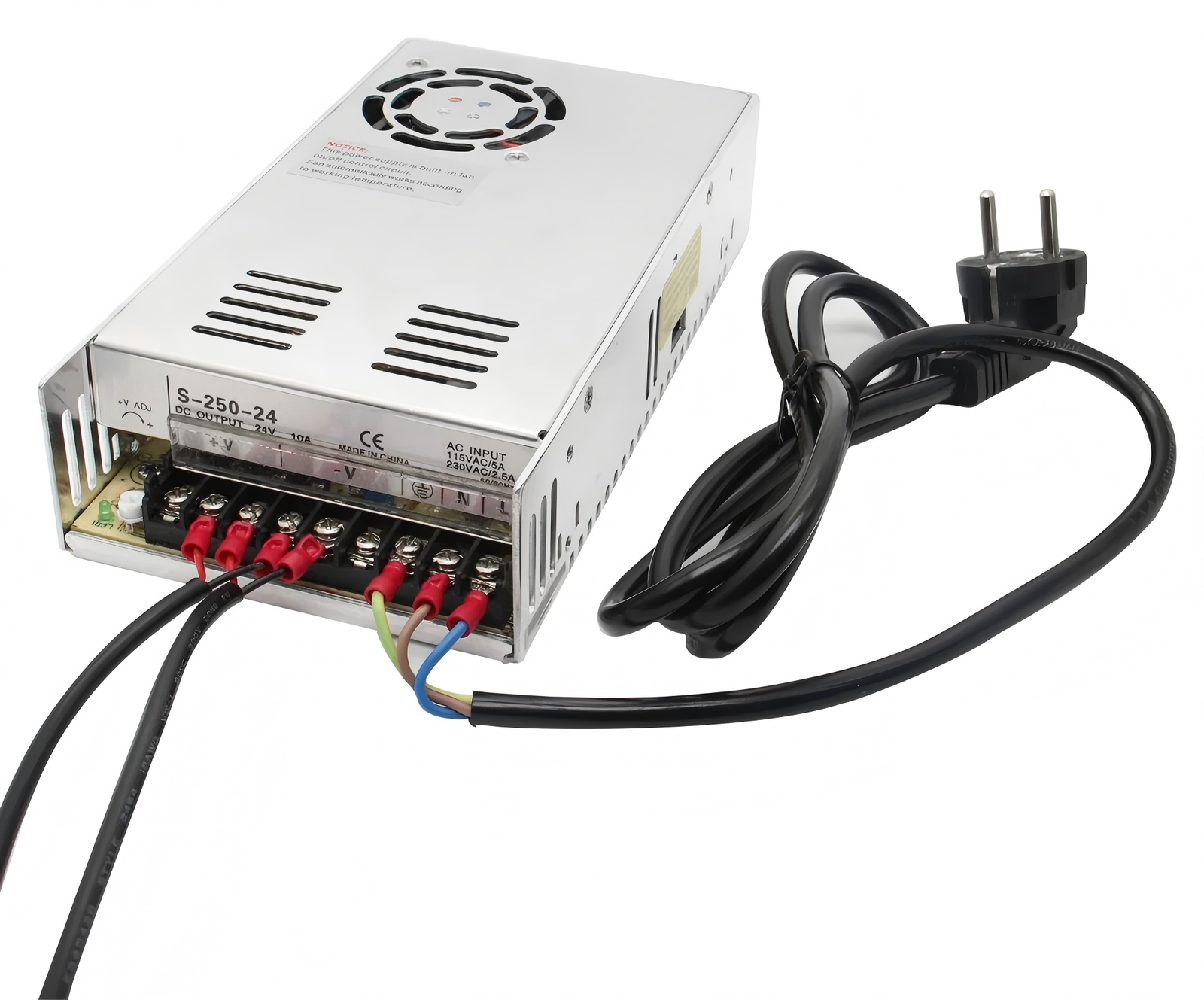
In today’s electronics industry, switching power supplies are everywhere. From smartphone chargers and industrial automation systems to telecom infrastructure and EV charging stations, almost every modern electronic device depends on an efficient and reliable power conversion system. Yet many engineers, buyers, and OEM manufacturers still ask the same questions: What exactly is a switching power supply? Why has it replaced traditional linear power supplies? And how do you choose the right switching power supply for industrial or commercial applications?
The answer lies in efficiency, compact design, and modern power conversion technology. As industries continue demanding smaller, smarter, and more energy-efficient systems, switching power supplies have become the global standard for power management.
This article explores how switching power supplies work, the major SMPS topologies, installation types, industrial applications, and the latest technology trends shaping the future of the power supply industry.
What Is a Switching Power Supply?
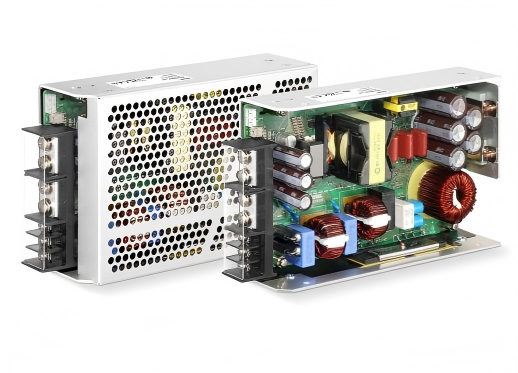
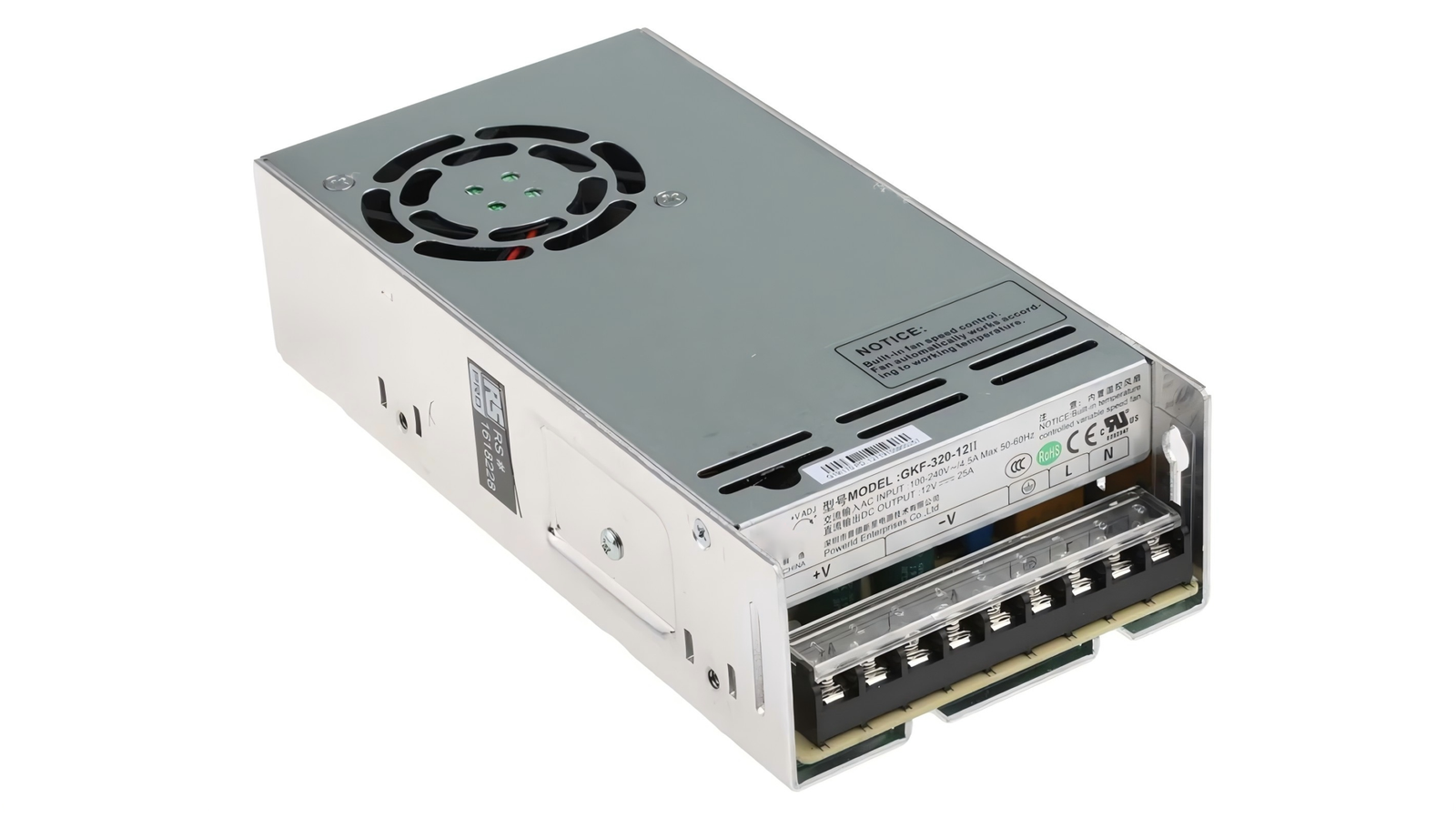
A switching power supply, also known as an SMPS (Switched-Mode Power Supply), is an electronic power conversion device that regulates voltage and current using high-frequency switching technology. Unlike traditional linear power supplies, which reduce voltage by dissipating excess energy as heat, switching power supplies rapidly turn electronic switching devices on and off to transfer energy efficiently.
This high-frequency operation is the key difference between old and modern power systems. Traditional transformers operate at only 50Hz or 60Hz, which requires large magnetic cores and bulky structures. In contrast, switching power supplies operate at frequencies ranging from tens of kilohertz to several megahertz, allowing transformers and magnetic components to become dramatically smaller and lighter.
As a result, modern switching power supplies offer several major advantages:
- High energy efficiency
- Compact size
- Lightweight construction
- Lower heat generation
- Wide input voltage compatibility
- Better power density
These advantages explain why switching power supplies have become essential in consumer electronics, industrial automation, telecommunications, renewable energy systems, and medical equipment.

Why Have Switching Power Supplies Replaced Linear Power Supplies?
For many years, linear power supplies were the standard solution for voltage regulation. Their design was relatively simple, and they produced low electrical noise, making them suitable for laboratory equipment and analog audio systems. However, linear power supplies suffered from several serious limitations that became increasingly problematic as electronics evolved.
The biggest disadvantage was inefficiency. Linear power supplies waste excess voltage as heat, which means they require large heat sinks and generate significant thermal loss during operation. As power requirements increased, these systems became larger, heavier, and more difficult to cool.
Switching power supplies solved these problems by introducing high-frequency switching conversion. Instead of continuously dissipating energy, switching devices only operate fully on or fully off, dramatically reducing power loss.
Switching Power Supply vs Linear Power Supply
| Feature | Switching Power Supply | Linear Power Supply |
| Efficiency | 80%-95% | 40%-60% |
| Heat Generation | Low | High |
| Size | Compact | Large |
| Weight | Lightweight | Heavy |
| Cooling Requirement | Minimal | Significant |
| Input Voltage Range | Wide | Narrow |
| Industrial Applications | Extensive | Limited |
Today, linear power supplies remain only in specialized applications such as precision measurement systems, laboratory instruments, and certain audio equipment. In almost every other industry, switching power supplies have become the dominant solution.
How Does a Switching Power Supply Work?
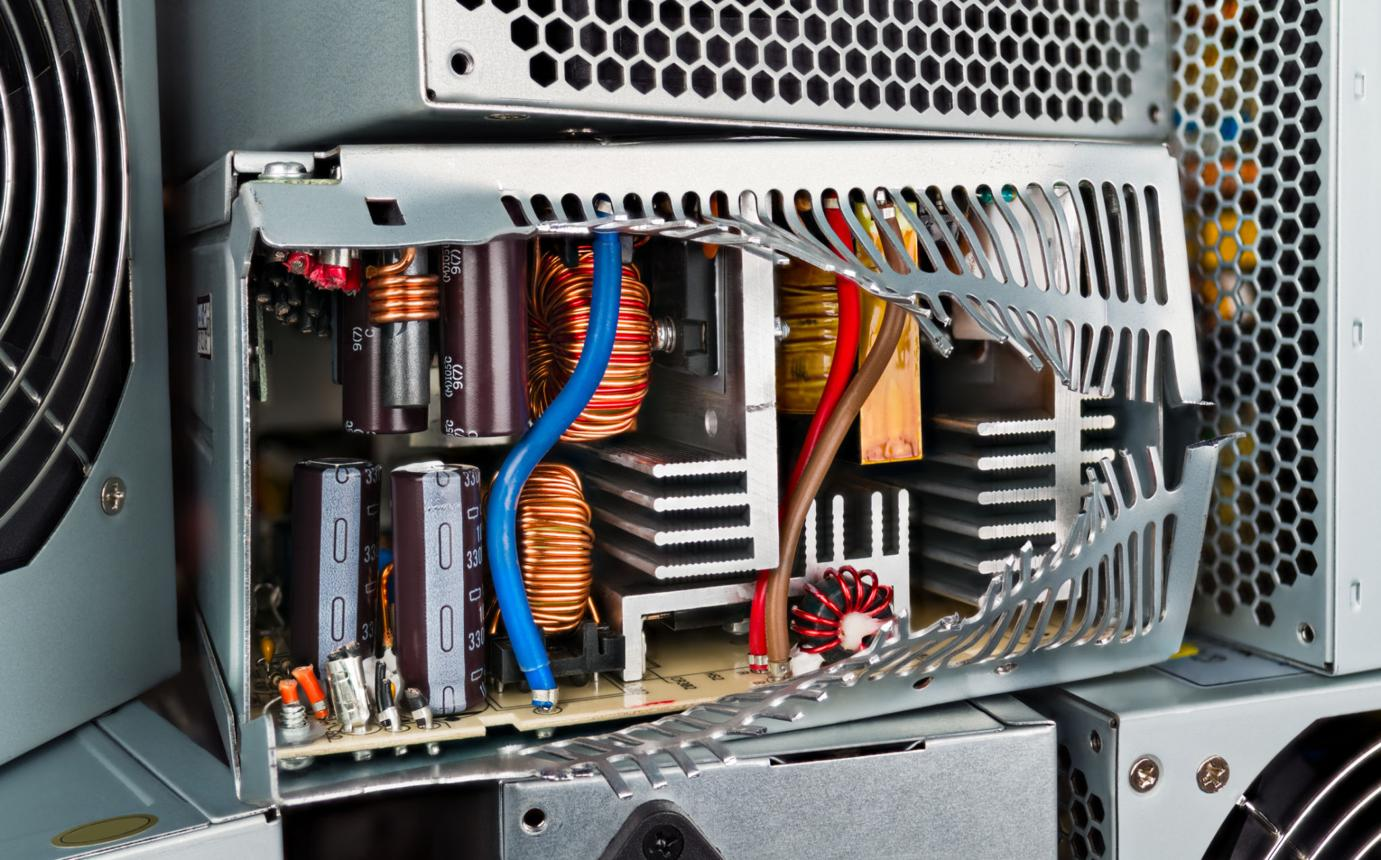
Although switching power supplies may appear complex, their operating principle can be understood through several basic stages. First, the AC input voltage is rectified into DC power. Next, high-speed switching transistors rapidly turn the current on and off at high frequency. This pulsed energy is transferred through a transformer, which provides voltage conversion and electrical isolation. Finally, the output is rectified and filtered into stable DC power.
The use of high-frequency switching dramatically improves efficiency because the switching devices spend very little time in energy-loss conditions. At the same time, higher operating frequency allows the transformer size to shrink significantly, which is one reason modern chargers and industrial power supplies are much smaller than older designs.
Modern switching power supplies may use advanced semiconductor technologies such as:
- MOSFETs
- IGBTs
- Gallium Nitride (GaN) devices
- Silicon Carbide (SiC) devices
These technologies continue pushing power supplies toward higher efficiency, smaller size, and improved thermal performance.
Understanding the Main Types of Switching Power Supplies
Switching power supplies can be classified in several different ways depending on topology, installation method, output mode, or application environment. Among these, topology is one of the most important because it directly affects efficiency, power range, thermal performance, and system cost.
Flyback Power Supplies – Why Are They So Common?
Flyback topology is the most widely used switching power supply structure for low-power applications. Its popularity comes from its simple design, low component count, and low manufacturing cost. Flyback converters are commonly used for power levels below 150W and are ideal for compact electronic devices.
Typical applications include:
- Smartphone chargers
- Router adapters
- Security camera power supplies
- Smart home devices
Because of their small size and economical structure, flyback switching power supplies are widely used in consumer electronics and embedded systems. SIPURUI compact flyback power supplies are designed to provide stable output voltage with high efficiency for small industrial and commercial devices.
Why Are Forward Power Supplies Popular in Industrial Systems?
As power requirements increase, forward topology becomes more practical than flyback designs. Forward converters offer better transformer utilization, improved efficiency, and lower output ripple, making them ideal for medium-power industrial equipment.
Forward switching power supplies are commonly found in:
- PLC systems
- Industrial automation equipment
- Communication systems
- Factory control cabinets
Most forward power supplies operate in the 150W to 500W range and are designed for continuous industrial operation. SIPURUI industrial power solutions use optimized forward conversion technology to improve long-term reliability in demanding industrial environments.
Half-Bridge and Full-Bridge Topologies for High-Power Applications
When applications require higher current and larger power output, bridge-based topologies become necessary. Half-bridge and full-bridge switching power supplies are designed for applications where efficiency, thermal management, and load capacity are critical.
These topologies are widely used in:
- EV charging stations
- Telecom infrastructure
- Data centers
- Industrial robotics
- Renewable energy systems
Because these designs distribute electrical stress more effectively across switching components, they are suitable for kilowatt-level power systems.
Why Is LLC Resonant Technology Becoming the Industry Standard?
Among modern switching power supply topologies, LLC resonant technology is considered one of the most advanced. LLC power supplies achieve extremely high efficiency through soft-switching operation, which minimizes switching loss and reduces heat generation.

This technology is increasingly used in:
- GaN fast chargers
- AI server power systems
- Medical equipment
- Industrial automation
- Telecom power infrastructure
Modern LLC resonant switching power supplies commonly achieve efficiencies above 95%, making them ideal for applications where energy savings and thermal management are essential.
SIPURUI LLC switching power supplies are engineered for high-reliability industrial environments that require stable long-term operation, compact installation, and reduced thermal stress.

Common SMPS Topologies
| Topology | Typical Power Range | Efficiency | Typical Applications |
| Flyback | <150W | Medium | Chargers, adapters |
| Forward | 150W-500W | High | Industrial control |
| Half-Bridge | 500W-2kW | High | Telecom systems |
| Full-Bridge | >2kW | Very High | EV charging systems |
| LLC Resonant | 100W-5kW | Excellent | Fast charging, AI servers |
Why Are DIN Rail Power Supplies Essential in Industrial Automation?
In industrial automation systems, installation method is just as important as electrical performance. DIN rail switching power supplies are specifically designed for industrial control cabinets and automation systems where space efficiency and reliability are critical.
DIN rail power supplies are widely used in:
- PLC systems
- Sensor networks
- Industrial automation lines
- Process control equipment
Their compact structure allows them to snap directly onto standard DIN rails inside control cabinets, simplifying installation and maintenance.
Industrial-grade DIN rail power supplies also include advanced protection systems such as:
- Over-voltage protection
- Over-current protection
- Short-circuit protection
- Over-temperature protection
SIPURUI DIN rail switching power supplies are designed for continuous 24/7 industrial operation and support wide input voltage ranges for global industrial applications.

Constant Voltage vs Constant Current Power Supplies
Another important classification method is output type. Different devices require different output regulation modes depending on their operating characteristics.
Constant voltage power supplies maintain a stable output voltage while allowing current to vary according to load demand. These are the most common switching power supplies and are used in networking equipment, industrial controllers, cameras, and communication systems.
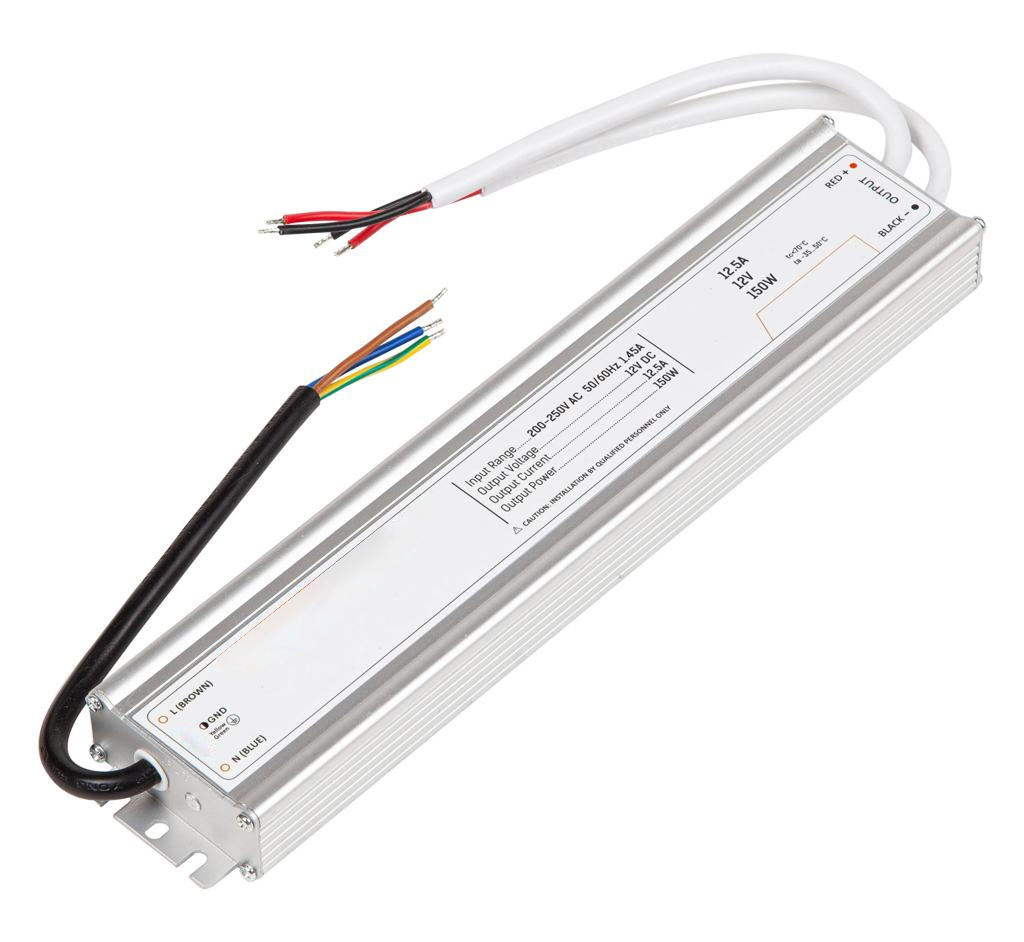
Constant current power supplies regulate output current instead of voltage and are commonly used in LED lighting applications. LEDs are highly sensitive to current fluctuation, so constant current drivers help maintain brightness consistency and extend operating lifespan.
Some applications require both functions. Constant voltage and constant current hybrid power supplies are commonly used in battery charging systems, lithium battery packs, laboratory equipment, and intelligent LED drivers.
Recommended SMPS Types by Application
| Application | Recommended Power Supply |
| Consumer Electronics | Desktop CV Power Supply |
| Industrial Automation | DIN Rail SMPS |
| LED Lighting | Constant Current Driver |
| EV Charging | LLC Resonant SMPS |
| Medical Equipment | Medical Grade SMPS |
| Battery Charging | CV/CC Power Supply |
How Is GaN Technology Transforming Switching Power Supplies?
Gallium Nitride technology is rapidly reshaping the switching power supply industry. Compared with traditional silicon semiconductors, GaN devices can switch at much higher frequencies with lower energy loss.
This enables:
- Smaller transformers
- Higher efficiency
- Lower heat generation
- Greater power density
As a result, GaN technology is now widely used in compact fast chargers, AI server power systems, and high-performance industrial power supplies.
Combined with LLC resonant topology, GaN technology is expected to dominate the next generation of advanced power conversion systems.
How Should You Choose the Right Switching Power Supply?
Selecting the correct switching power supply requires evaluating several technical factors, including output voltage, output current, installation environment, operating temperature, efficiency requirements, and safety certifications.
Engineers should always leave sufficient power margin during system design. Industry best practice recommends operating at no more than 80% of the rated power capacity to improve reliability and extend service life.
Environmental conditions are equally important. Industrial applications may expose power supplies to dust, humidity, vibration, and high temperatures, making ruggedized industrial-grade designs essential.
Certifications such as CE, UL, FCC, and RoHS are also critical for international projects and export applications.
The Future of Switching Power Supplies
The global switching power supply industry continues evolving alongside major technology trends such as AI computing, electric vehicles, renewable energy, industrial automation, and smart manufacturing.
Future switching power supplies will continue moving toward:
- Higher efficiency
- Smaller size
- Greater power density
- Digital power management
- Smarter thermal control
- Wider GaN and SiC adoption
As industries demand increasingly efficient and intelligent energy systems, switching power supplies will remain one of the most important foundational technologies in modern electronics.

Final Thoughts
Switching power supplies have transformed the way modern electronics manage electrical energy. Their high efficiency, compact design, and adaptability make them essential across nearly every industry today.
Whether the application involves industrial automation, LED lighting, telecom infrastructure, renewable energy systems, or consumer electronics, understanding switching power supply topology and application requirements is critical for selecting the right solution.
SIPURUI focuses on developing reliable and efficient switching power supply solutions for industrial and commercial markets, with emphasis on long-term stability, high efficiency, industrial-grade protection, and global compatibility.
As the demand for smarter and more energy-efficient systems continues growing, switching power supplies will remain at the center of modern power technology.