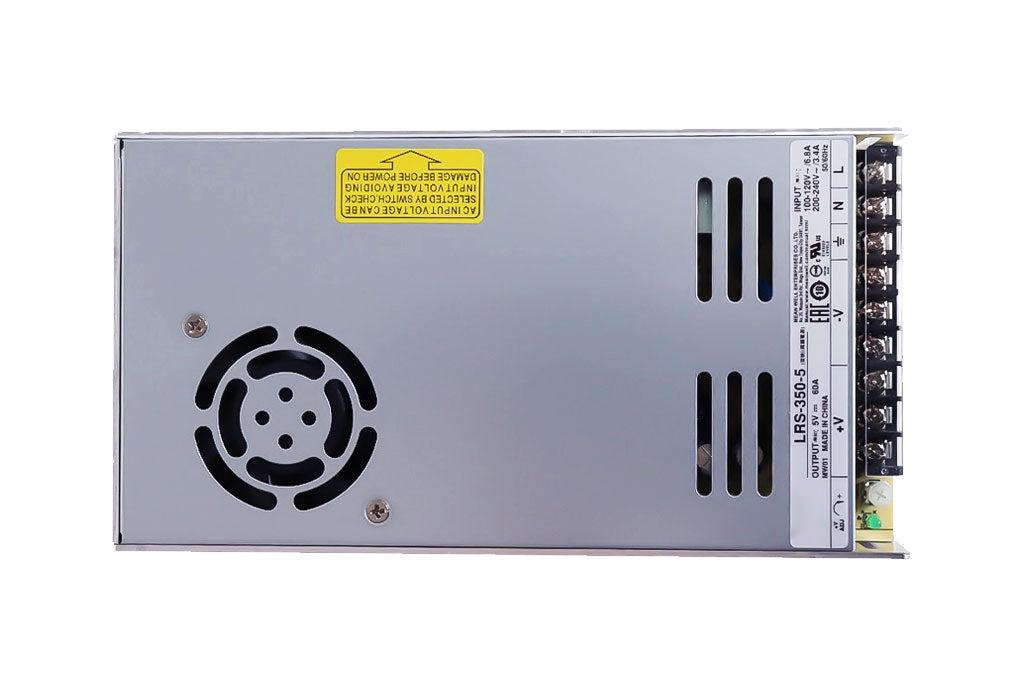
...

How Much Does a Switching Power Supply Cost in 2026?

A Real Buyer’s Guide to SMPS Pricing, Performance, and Long-Term Value

If you are sourcing a switching power supply (SMPS) for industrial, commercial, or OEM applications, you have probably asked yourself a simple question:

Why do switching power supplies range from under $10 to over $1,500?

At first glance, many units look similar. They may share the same voltage, similar wattage, and even comparable form factors. Yet the price differences can be dramatic. This is where many buyers get stuck—especially when trying to balance cost, reliability, and long-term performance.

This guide is designed to give you a clear, practical understanding of switching power supply pricing in 2026, with real-world context. Instead of generic explanations, we will focus on how pricing works across actual SMPS product categories, what you are really paying for, and how to choose the right solution for your application.


What Is the Typical Price Range for a Switching Power Supply?

Let’s start with a straightforward benchmark. While prices vary depending on specifications and certifications, most switching power supplies fall into the following general ranges:

Power RangeTypical VoltageCommon Use CasesPrice Range
<100W5V / 12V / 24VLED drivers, small devices$8 – $80
100W–500W12V / 24V / 48VAutomation, telecom, control panels$80 – $300
500W–1500W24V / 48VIndustrial systems, robotics$300 – $1,200+

These ranges are based on current market trends across standard enclosed, DIN rail, and open-frame switching power supplies.

But this raises a more important question:

Why does a 24V 200W power supply sometimes cost $60, and other times $180?


Are All Switching Power Supplies Really the Same?

On paper, two SMPS units may look identical. In reality, they are often fundamentally different in design and performance.

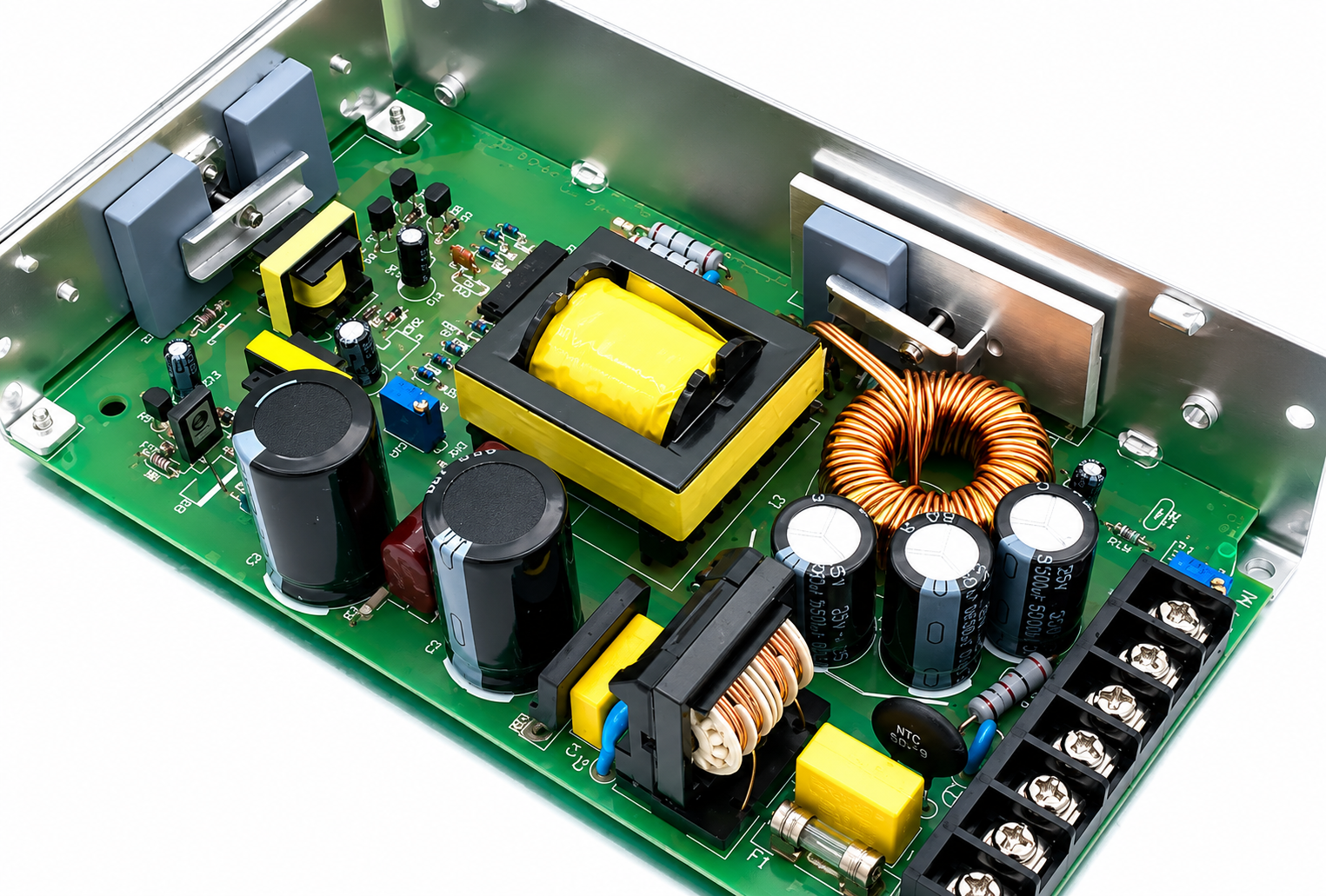
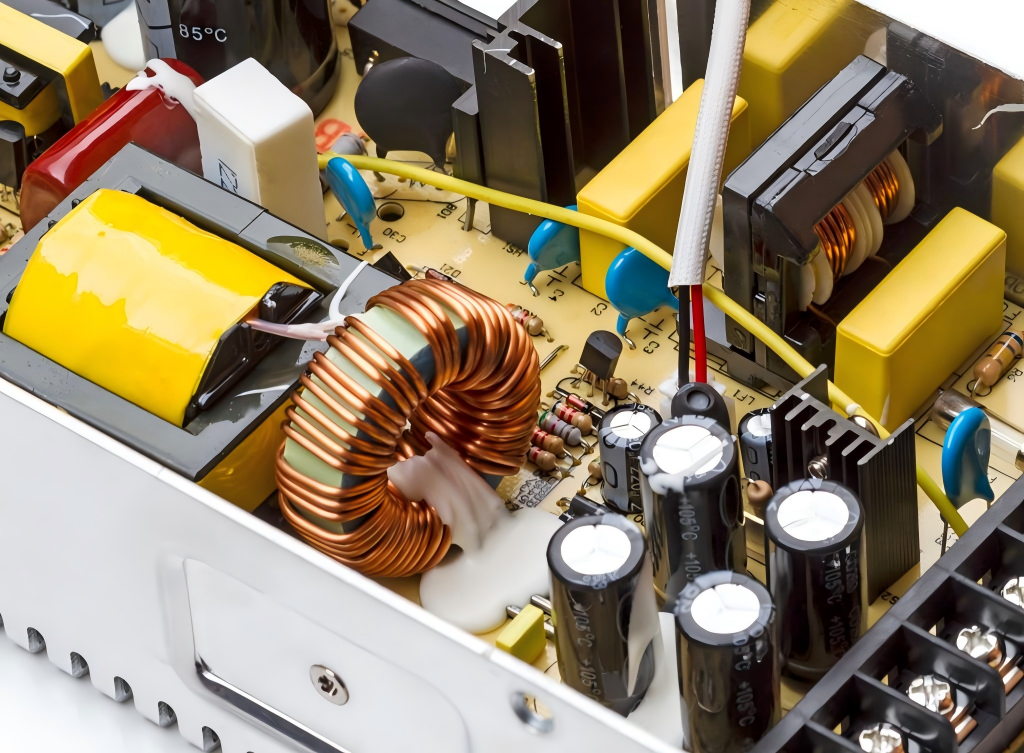
The key difference lies in internal engineering and component quality. A low-cost switching power supply may meet basic voltage output requirements, but it often lacks:

·Stable ripple and noise control

·High-quality capacitors

·Adequate thermal management

·Long lifecycle testing

By contrast, a well-designed switching power supply—such as those in the SIPURUI industrial SMPS series—is engineered for consistent output, long-term stability, and compliance with international safety standards.

This is why price is not just about power output. It is about how reliably that power is delivered over time.


How Does Wattage Influence Switching Power Supply Cost?

Wattage is one of the most visible factors affecting price, but it is not just about “more power equals higher cost.” The relationship is more nuanced.

As wattage increases, several design challenges emerge:

·Heat dissipation becomes critical

·Component stress increases

·Efficiency optimization becomes more complex

·PCB layout and insulation requirements grow stricter

For example, a 24V 50W unit can often operate with passive cooling and a simple design. However, a 24V 600W switching power supply requires advanced thermal design, larger heatsinks, and higher-grade switching components.

The result is a non-linear cost increase.

WattageDesign ComplexityCooling RequirementCost Trend
<100WLowPassiveLow
100–300WModeratePassive / Fan optionalMedium
>500WHighActive coolingHigh

This is why industrial-grade high-wattage SMPS units are significantly more expensive—not just larger.


Why Do Certifications Increase SMPS Prices?

If your application involves industrial equipment, medical devices, or export markets, certifications are not optional—they are mandatory.

But why do they increase cost so much?

Certifications such as UL, CE, and IEC standards require:

·Electrical safety validation

·Isolation testing

·EMI/EMC compliance testing

·Long-term reliability verification

For example, SIPURUI switching power supplies designed for industrial automation are built to comply with global safety requirements, ensuring compatibility across North America, Europe, and Asia.

These processes add cost at both the design and manufacturing levels. However, they also reduce risk, improve market access, and ensure system safety.


How Much Does Efficiency Really Matter?

Efficiency is one of the most underestimated factors in power supply selection.

A difference between 85% and 94% efficiency may not seem significant at first glance. But over time, it has a measurable financial impact.

EfficiencyEnergy LossHeat GenerationLong-Term Cost
85%HighHighHigher
90%ModerateModerateBalanced
94%+LowLowLowest

Higher efficiency switching power supplies:

·Reduce electricity consumption

·Minimize cooling requirements

·Extend component lifespan

In large-scale or continuous operations, this translates directly into cost savings. For many industrial users, the higher upfront cost of a high-efficiency SMPS is quickly offset by reduced operating expenses.


What Role Do Components and Build Quality Play?

This is where the biggest hidden cost differences lie.

Low-cost switching power supplies often use:

·Lower-grade electrolytic capacitors

·Basic MOSFETs with limited lifespan

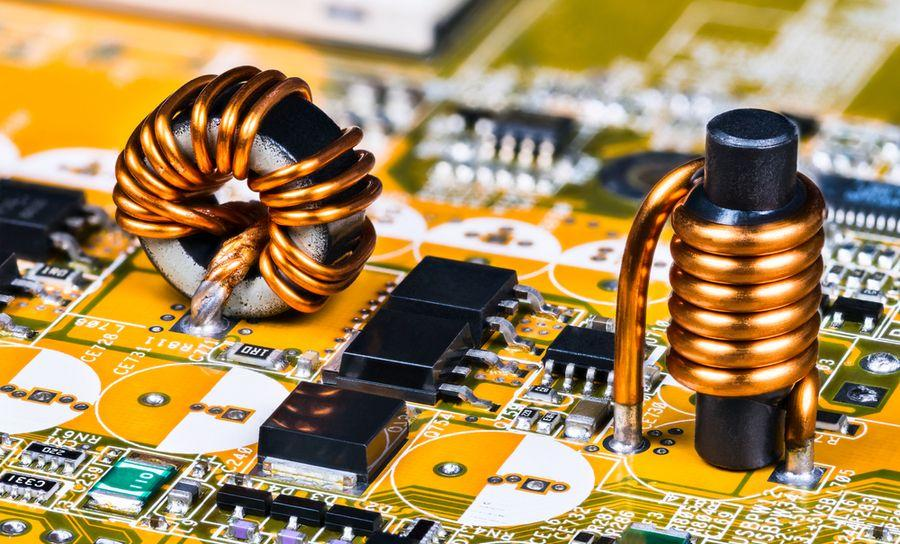
·Simplified PCB layouts

These components are more susceptible to:

·Heat degradation

·Voltage fluctuations

·Early failure

In contrast, SIPURUI switching power supplies are designed with:

·High-temperature capacitors

·Optimized switching topology

·Enhanced protection circuits (OVP, OCP, OTP)

This results in improved durability and stability, especially in demanding environments such as industrial automation or outdoor installations.


Is It Better to Choose Cheap or High-End SMPS?

This is one of the most common dilemmas buyers face:

Should you prioritize upfront cost or long-term reliability?

The answer depends on how you evaluate total cost.

Consider the following comparison:

Cost Factor (10 Years)Low-Cost SMPSHigh-Quality SMPS
Initial PurchaseLowHigher
Energy ConsumptionHighLower
Failure RateHighLow
Replacement CostFrequentMinimal
Downtime RiskSignificantMinimal

In most industrial scenarios, downtime and replacement costs far exceed the initial price difference.

This is why experienced buyers increasingly focus on total cost of ownership (TCO) rather than just purchase price.


How Do Different SMPS Types Affect Pricing?

Not all switching power supplies are designed for the same installation environment. Different form factors also influence pricing.

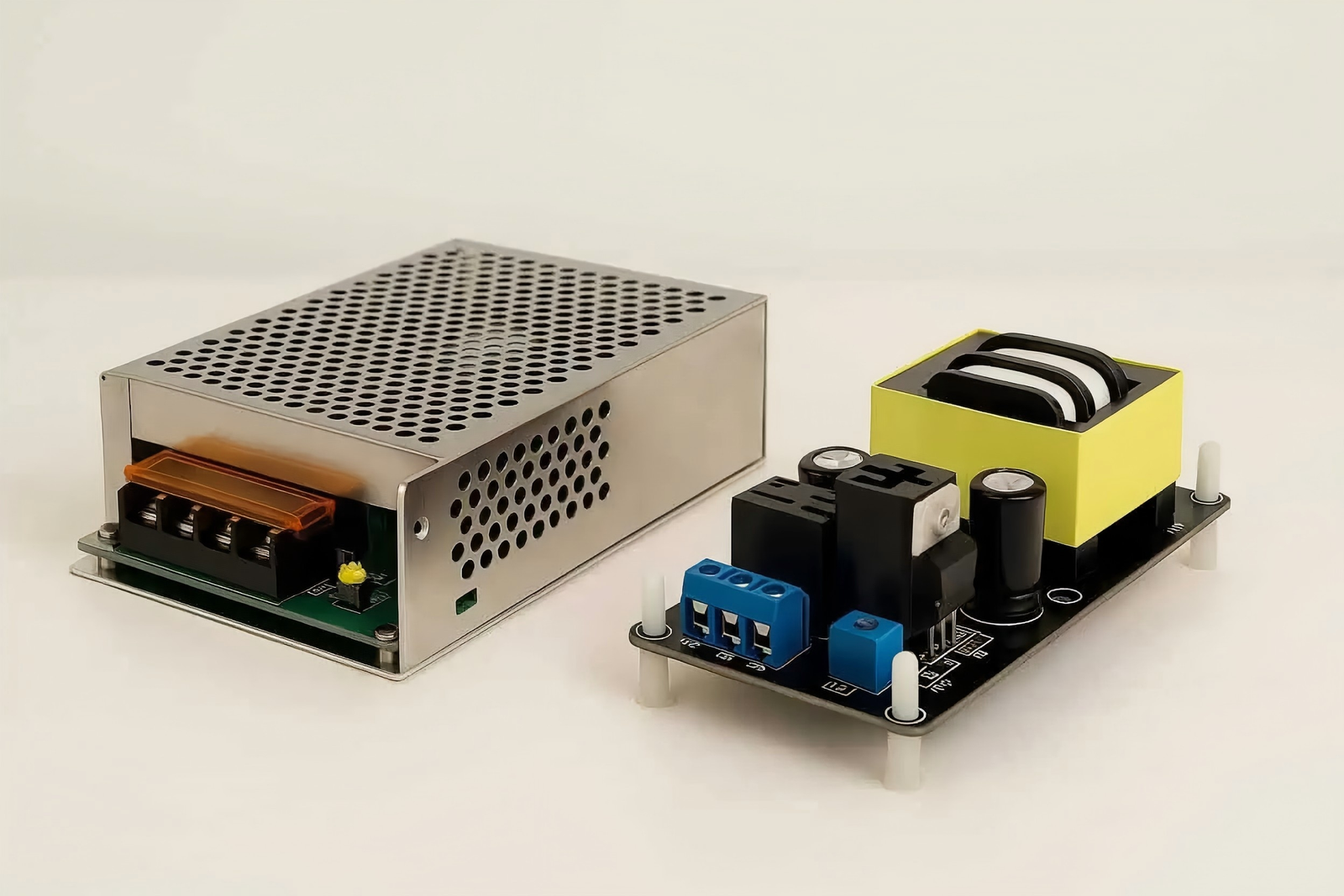
Enclosed Power Supplies

These are the most common type, widely used in industrial equipment and automation systems. They offer a good balance between cost and performance.

DIN Rail Power Supplies

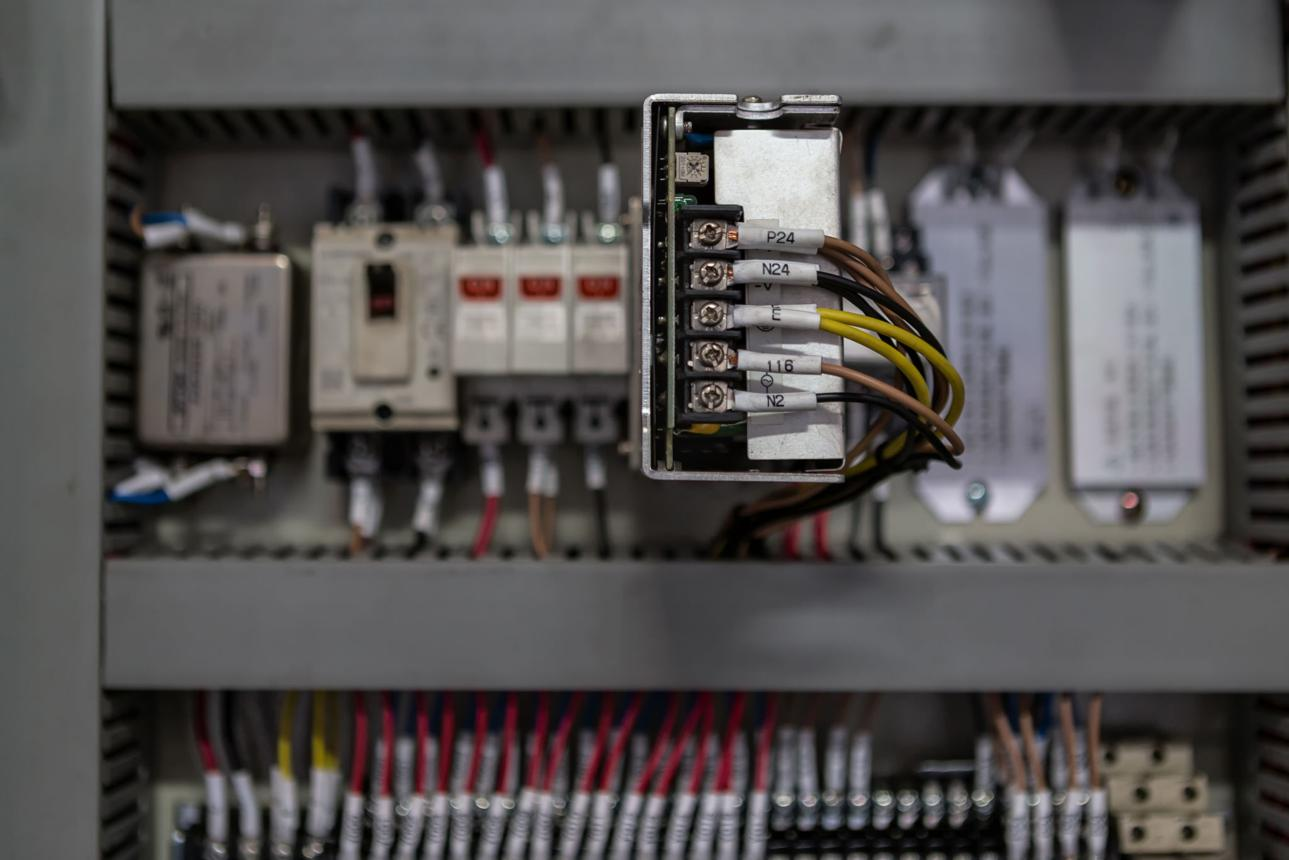
Designed for control cabinets and industrial panels, DIN rail units typically cost more due to their compact design and mounting convenience.

Open Frame Power Supplies

Used in embedded systems and OEM applications, these are often lower cost but require additional system-level protection.

Fanless vs Fan-Cooled Designs

Fanless designs tend to be more expensive due to higher efficiency requirements and thermal optimization.

Each of these categories is available within the SIPURUI switching power supply portfolio, allowing customers to select solutions based on both technical and cost requirements.


When Should You Consider Custom Switching Power Supplies?

Standard products cover most applications, but not all.

Custom switching power supplies may be necessary when you need:

·Unique voltage or current outputs

·Special form factors

·Communication interfaces (RS-485, CANBus)

·Harsh environment protection

Customization increases engineering cost, but it can significantly improve system integration and performance.

For OEM customers, custom SMPS solutions from SIPURUI often provide better long-term value than adapting standard products.


So, How Much Should You Expect to Pay?

After considering all these factors, the realistic answer is:

·Basic SMPS: $10 – $80

·Industrial-grade SMPS: $80 – $300

·High-power / specialized SMPS: $300 – $1,500+

But more importantly, you should ask:

What level of reliability, efficiency, and lifespan does your application require?

Because that is what ultimately determines the true cost.


Final Thoughts: Is a Power Supply a Cost or an Investment?

A switching power supply is not just another component. It is the foundation of your entire system.

Choosing a low-cost unit may reduce your initial budget, but it can introduce instability, inefficiency, and risk. On the other hand, selecting a well-engineered SMPS—such as those from SIPURUI—ensures consistent performance, lower operating costs, and long-term reliability.

In today’s competitive and efficiency-driven market, the question is no longer:

“What is the cheapest power supply I can buy?”

But rather:

“What is the most reliable and cost-effective power solution for my application?”

Answer that correctly, and your investment will pay off for years to come.

Related Posts

Need a Reliable Power Supply Partner?

Contact us today to discuss your project and get professional support.

“Wait! Don’t leave without your free quote”

“Get in touch now and we’ll provide a personalized solution for your project. Fill the form below to get started!”


Seraphinite AcceleratorOptimized by Seraphinite Accelerator
Turns on site high speed to be attractive for people and search engines.