Introduction
Selecting the right enclosed power supply is essential for ensuring the stability, safety, and long-term reliability of electronic systems. In industrial automation, telecommunications, and IoT applications, the power supply is not just a supporting component—it directly determines whether the system can operate continuously and efficiently.
Improper selection can lead to overheating, voltage instability, reduced lifespan, and even system failure. For engineers, purchasing managers, and system integrators, understanding how to choose a suitable enclosed power supply is critical.
This guide provides a structured and practical overview of key selection criteria, supported by real-world considerations and product-level insights, to help you make informed decisions.
What Is an Enclosed Power Supply?

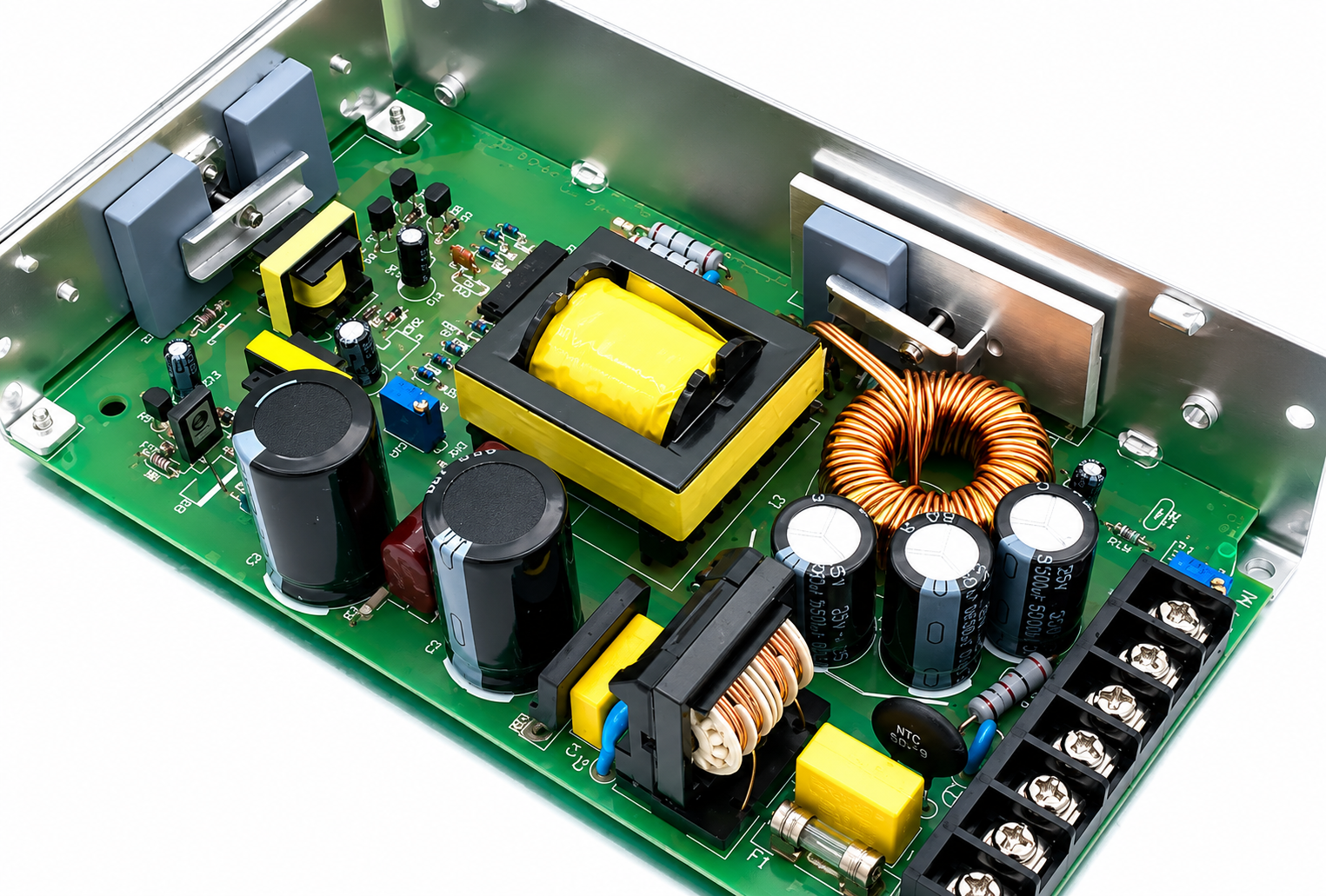
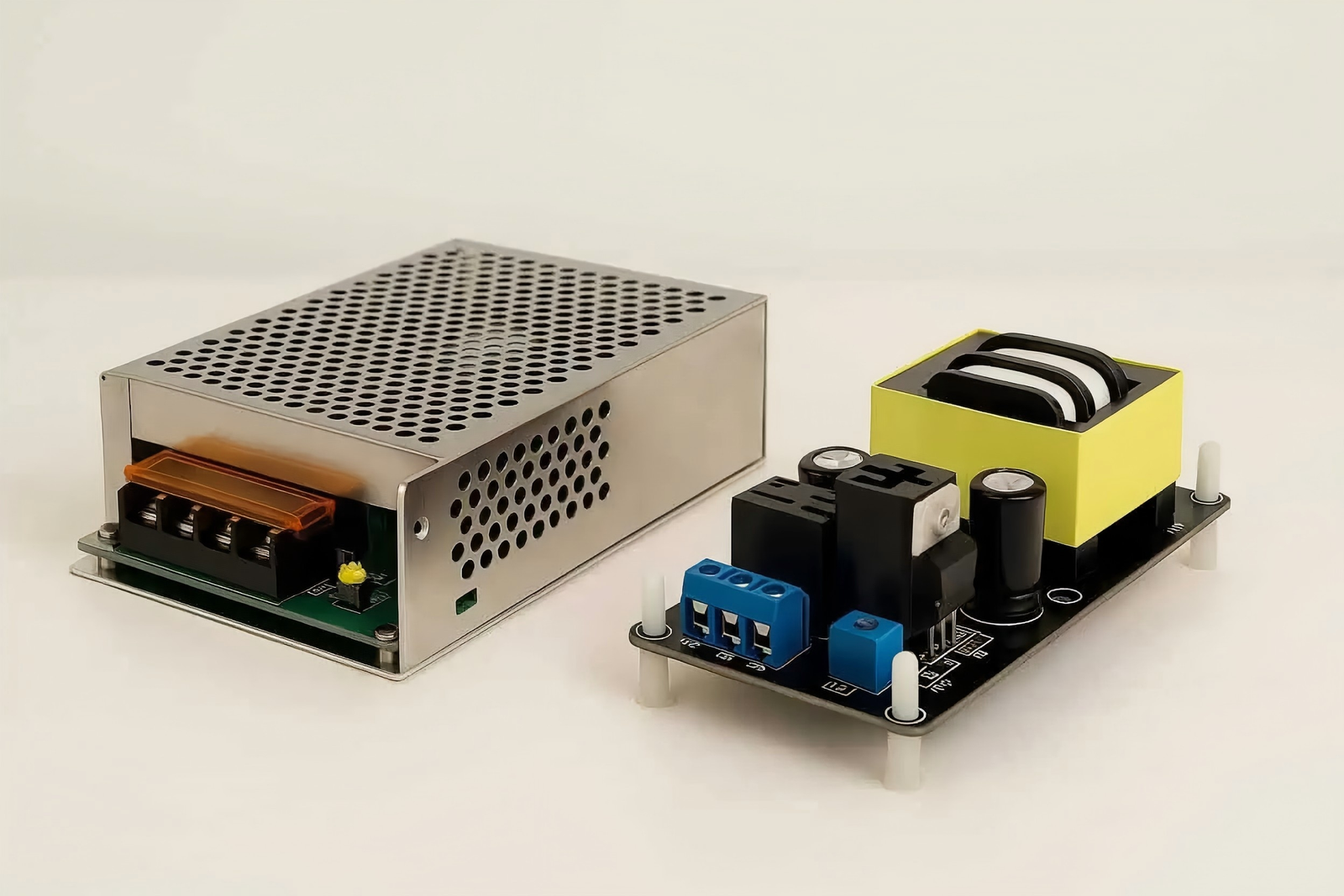
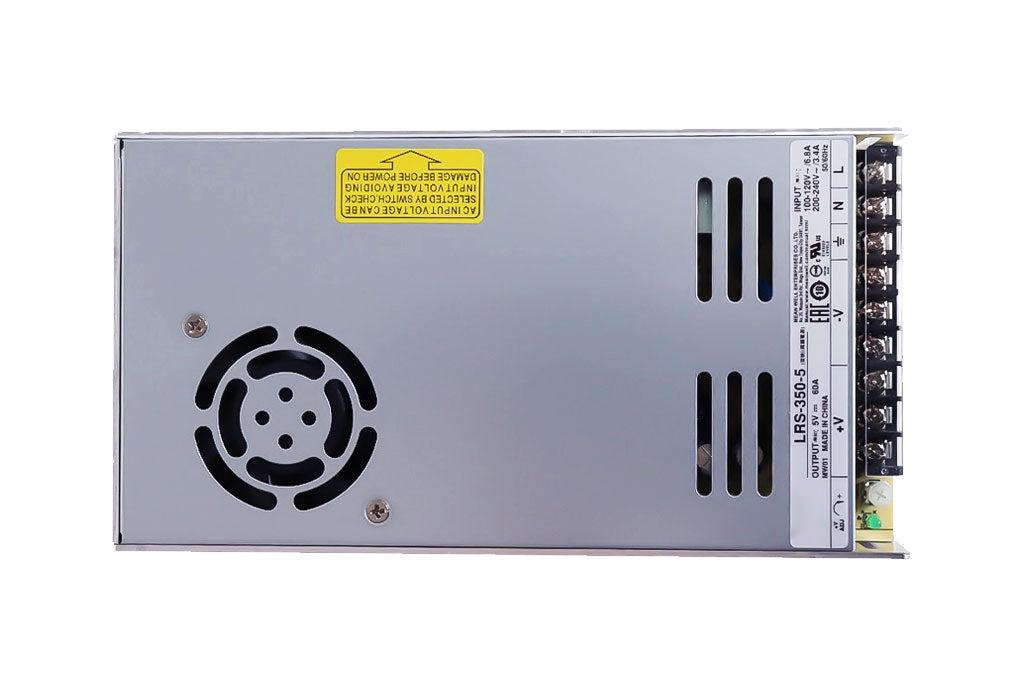
An enclosed power supply is a type of switched-mode power supply (SMPS) housed in a protective casing, typically made of aluminum or steel. The enclosure serves both mechanical and electrical purposes.
Compared to open-frame designs, enclosed power supplies offer:
·Protection against dust, debris, and accidental contact
·Improved structural strength and durability
·Better thermal performance through integrated heat dissipation
·Higher suitability for industrial and commercial environments
These characteristics make them widely used in control cabinets, automation systems, telecom infrastructure, and embedded devices.
How to Determine the Required Power Capacity
The first step in selecting an enclosed power supply is to calculate the total load requirement of your system.
Load Calculation and Safety Margin
You should always include a safety margin to ensure stable operation and allow for future expansion.
| System Load (W) | Recommended Power Supply (W) | Design Consideration |
| 100W | 130W–150W | Avoid full-load operation |
| 200W | 250W–300W | Allow for expansion |
| 500W | 600W–750W | Improve reliability |
Operating a power supply continuously at or near 100 percent load significantly reduces its lifespan. A margin of 20 to 30 percent is generally recommended in industrial applications.
Input Voltage Range and Global Compatibility
Power systems vary across regions, so input voltage compatibility is an important factor, especially for equipment intended for international use.
Recommended Input Specifications
·Input voltage range: 85–264V AC
·Frequency: 50/60 Hz
·Built-in surge and transient protection
A wide input range ensures that the power supply can operate reliably under fluctuating grid conditions and across different countries.
| Input Type | Typical Application | Limitation |
| Fixed 110V | Domestic systems | Limited adaptability |
| Fixed 220V | Industrial local systems | Regional restriction |
| 85–264V AC | Global equipment | High flexibility |
SIPURUI enclosed power supplies are designed with universal input ranges, making them suitable for global deployment without modification.
Efficiency and Energy Performance
Efficiency is a key indicator of power supply performance. It directly affects heat generation, energy consumption, and overall reliability.
Why Efficiency Matters
Lower efficiency results in higher energy loss, which is converted into heat. Excessive heat accelerates component aging and increases the risk of failure.
| Efficiency Level | Heat Generation | System Impact |
| Below 85% | High | Reduced lifespan |
| 85–90% | Moderate | Acceptable for general use |
| Above 90% | Low | Recommended for industrial use |
Modern enclosed power supplies, such as SIPURUI industrial series, typically achieve efficiency levels between 90 percent and 93 percent, reducing energy loss and improving long-term stability.
Size, Form Factor, and Installation Constraints


In many applications, especially in control cabinets and embedded systems, space is limited.
Key Considerations
·Available installation space
·Clearance for airflow and cooling
·Power density (W/cm³)
Compact power supplies with high power density allow for more flexible system design without compromising performance.
SIPURUI offers compact enclosed power supply models optimized for space-constrained environments such as IoT devices and integrated control systems.
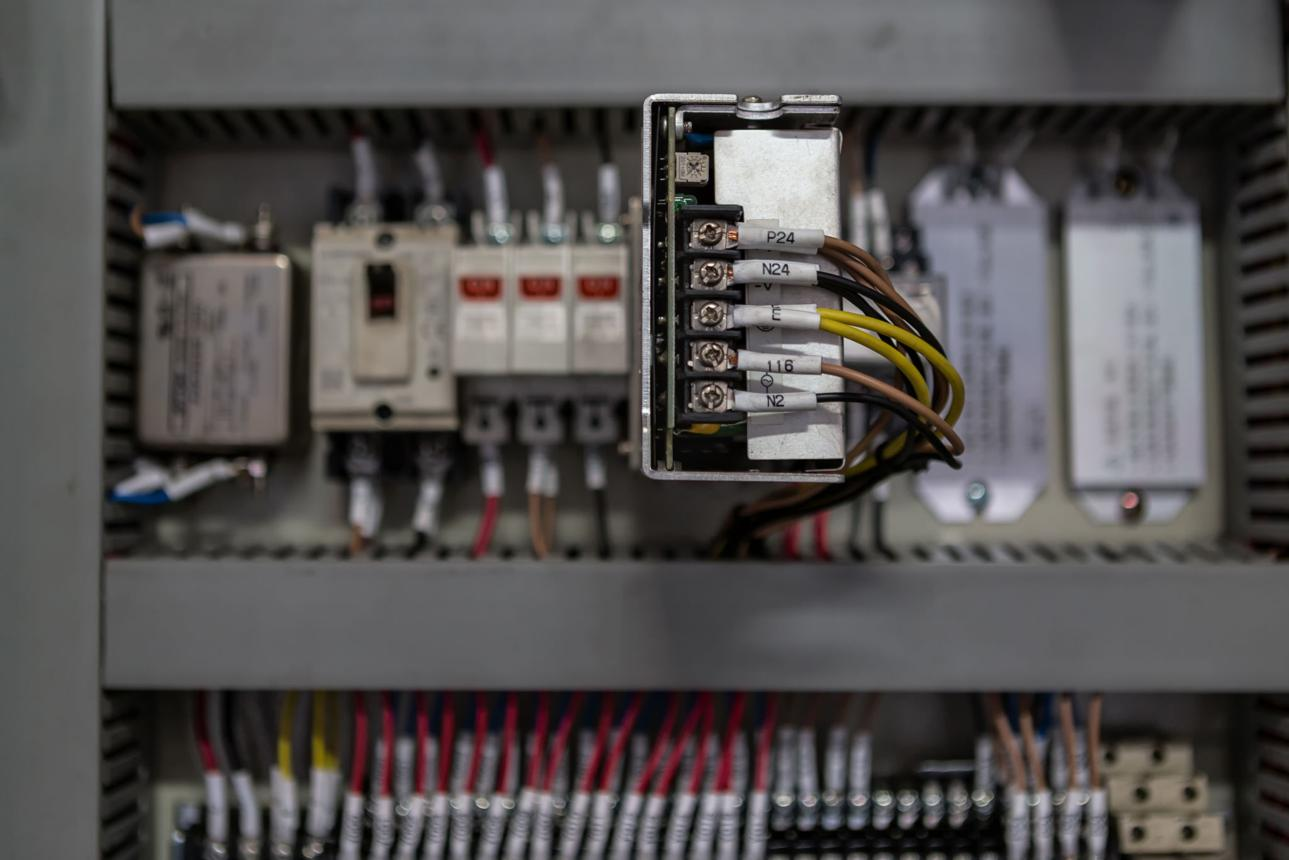
Mounting Options: DIN Rail vs. Chassis Mount
Selecting the appropriate mounting method depends on the installation environment and maintenance requirements.
| Feature | DIN Rail Mount | Chassis Mount |
| Installation | Fast and modular | Fixed installation |
| Maintenance | Easy replacement | More complex |
| Application | Control panels | Internal system integration |
| Flexibility | High | Lower |
DIN rail mounting is commonly used in industrial automation systems, while chassis mounting is more suitable for equipment-level integration.
Safety Features and Certifications
Safety is a fundamental requirement in any power supply design.
Essential Protection Functions
·Overvoltage protection (OVP)
·Overcurrent protection (OCP)
·Short circuit protection (SCP)
·Over-temperature protection (OTP)
Required Certifications
·UL (North America)
·CE (Europe)
·RoHS (Environmental compliance)
These features ensure compliance with international standards and protect both equipment and operators.
SIPURUI enclosed power supplies are designed to meet these safety requirements for global markets.
Thermal Management and Cooling Design

Thermal management plays a critical role in determining the lifespan of a power supply.
Cooling Methods
| Cooling Type | Characteristics | Application |
| Passive cooling | No moving parts, silent | Low to medium power |
| Active cooling | Fan-assisted, higher capacity | High power systems |
In addition to cooling type, you should also evaluate:
·Operating temperature range
·Derating curves
·Ventilation requirements
SIPURUI power supplies are designed with optimized heat dissipation structures to ensure stable operation under continuous load.
IP Rating and Environmental Protection
Environmental conditions can significantly affect power supply performance.
Common IP Ratings
| IP Rating | Protection Level | Application |
| IP20 | Basic protection | Indoor environments |
| IP54 | Dust and splash resistance | Light industrial use |
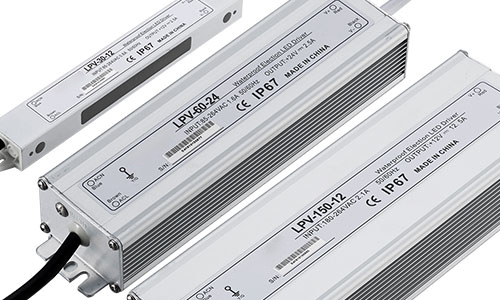
| IP65/IP67 | Dustproof and waterproof | Outdoor or harsh environments |
For industrial applications, selecting a higher IP rating improves reliability and reduces maintenance risks.
Component Quality and Expected Lifespan
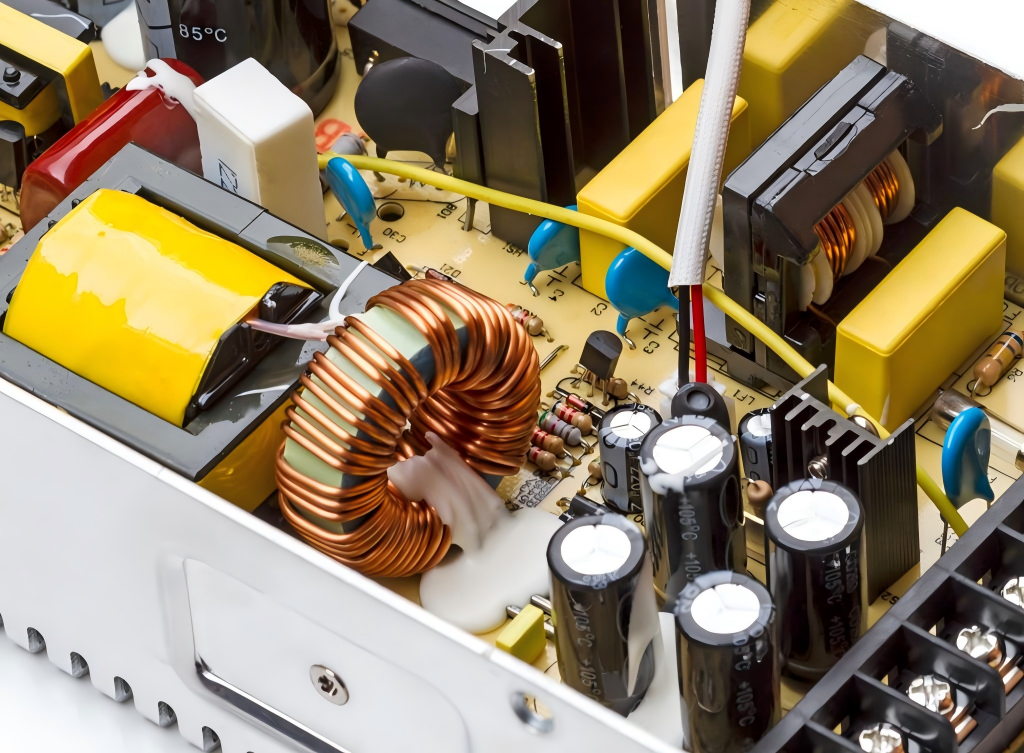
The internal components of a power supply determine its durability and long-term performance.
Key Factors
·High-temperature capacitors (typically rated at 105°C)
·Stable circuit design
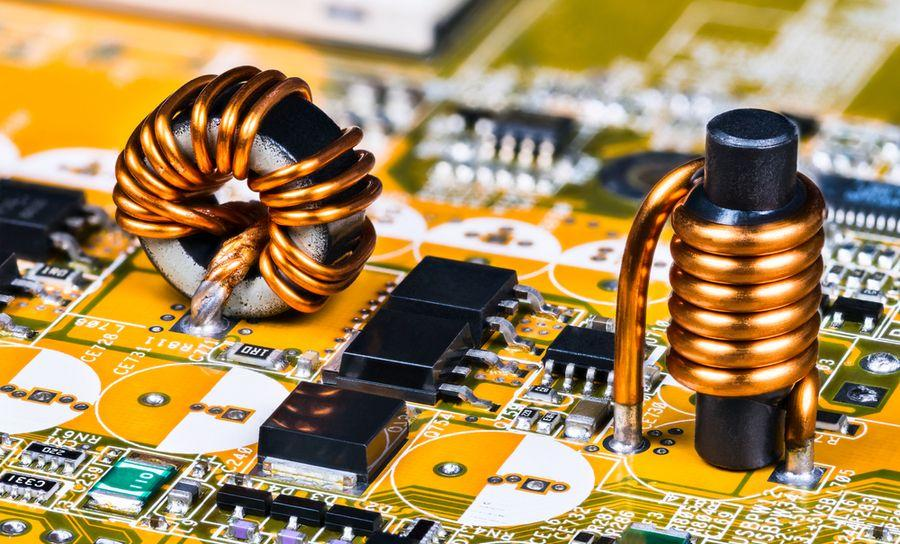
·Quality transformers and switching components
Lifespan Influencing Factors
| Factor | Impact on Lifespan |
| Temperature | Higher temperature reduces life |
| Load level | Continuous overload accelerates failure |
| Component quality | Directly affects durability |
Under proper operating conditions, a high-quality enclosed power supply can last between 5 and 10 years.
SIPURUI products are built with industrial-grade components to ensure consistent performance over extended periods.
Application Scenarios
Enclosed power supplies are widely used across multiple industries.
Industrial Automation
·PLC systems
·CNC machines
·Robotics and control systems
Telecommunications
·Base stations
·Network infrastructure equipment
IoT and Smart Devices
·Sensors and controllers
·Embedded systems
These applications require stable output, compact design, and high reliability, making enclosed power supplies a preferred choice.
SIPURUI Enclosed Power Supply Solutions
SIPURUI focuses on providing high-performance switching power supplies for industrial and commercial applications.
Product Advantages
·High efficiency up to 93 percent
·Wide input voltage range (85–264V AC)
·Comprehensive protection features
·Compact and durable metal enclosure
·Stable output for sensitive electronic systems
SIPURUI enclosed power supplies are suitable for automation systems, IoT devices, and telecom equipment, offering reliable performance in demanding environments.
Conclusion
Choosing the right enclosed power supply requires more than matching voltage and current specifications. It involves evaluating efficiency, thermal performance, safety features, installation constraints, and environmental conditions.
By selecting a properly rated and high-quality power supply, you can significantly improve system reliability, reduce maintenance costs, and extend the operational lifespan of your equipment.

FAQ
What is the typical lifespan of an enclosed power supply?
Most enclosed SMPS units have a lifespan of 5 to 10 years, depending on operating conditions, load level, and component quality.
How do I choose between DIN rail and chassis mounting?
DIN rail mounting is suitable for industrial control systems due to ease of installation and maintenance. Chassis mounting is preferred for fixed installations within equipment.
What are common signs of power supply failure?
Typical indicators include unstable output voltage, excessive heat, abnormal noise, and intermittent system shutdowns.