...

Power Supply for LED Lighting Systems: Are You Choosing the Right One—or Shortening Your LEDs’ Life?

Introduction: Why the “Invisible Component” Decides Everything

When people talk about LED lighting systems, they usually focus on brightness, color temperature, or chip brands. But there’s a more important question hiding behind all of that:

What is powering your LEDs—and how stable is it?

An LED system is only as reliable as its power supply. Even the highest-quality LED chips will fail prematurely if the electrical conditions are unstable. In fact, in many real-world failures, the root cause is not the LED itself, but the driver behind it.

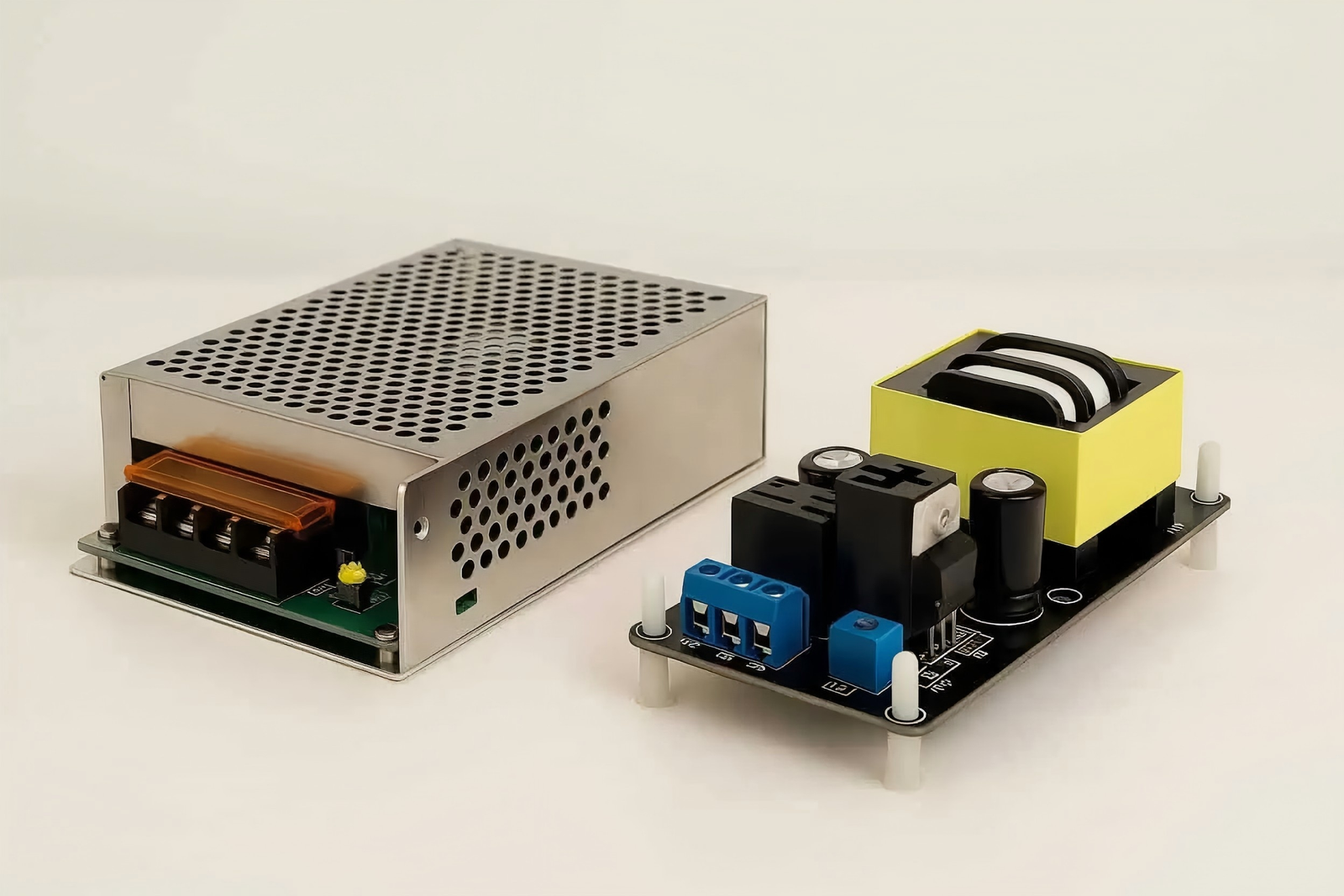
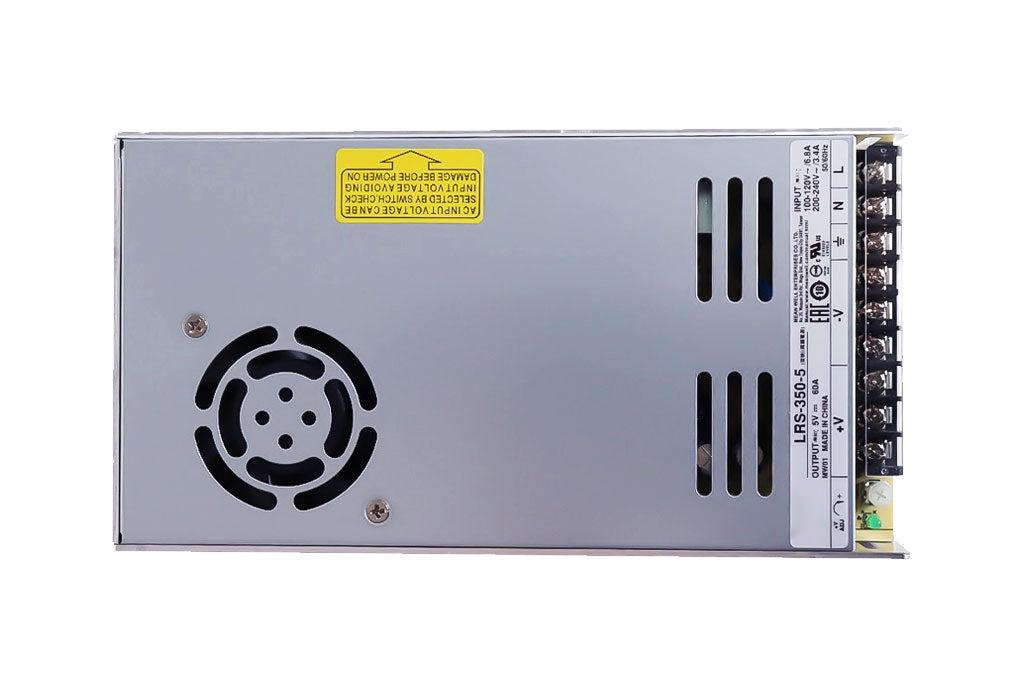
Unlike traditional lighting, LEDs are extremely sensitive to current fluctuations. A small deviation can result in visible flicker, thermal stress, or long-term lumen depreciation. That is why professional systems increasingly rely on high-quality switching power supplies such as those developed by SIPURUI, where regulation accuracy and protection design are treated as core engineering priorities rather than secondary features.


Understanding LED Systems: Why Stability Matters More Than Power

At first glance, LEDs appear simple—they light up when powered. But electrically, they behave very differently from incandescent or fluorescent lamps. LEDs are current-driven devices, meaning their brightness is directly tied to the current flowing through them, not just the voltage applied.

This creates a critical challenge: if the current is not controlled precisely, the LED can draw more than it should, leading to overheating and rapid degradation. Conversely, insufficient current leads to dim or inconsistent output.

In a properly designed system, the power supply acts as a regulator, not just a source. It ensures that the LED receives exactly the electrical conditions it was designed for, regardless of fluctuations in input voltage or environmental conditions.

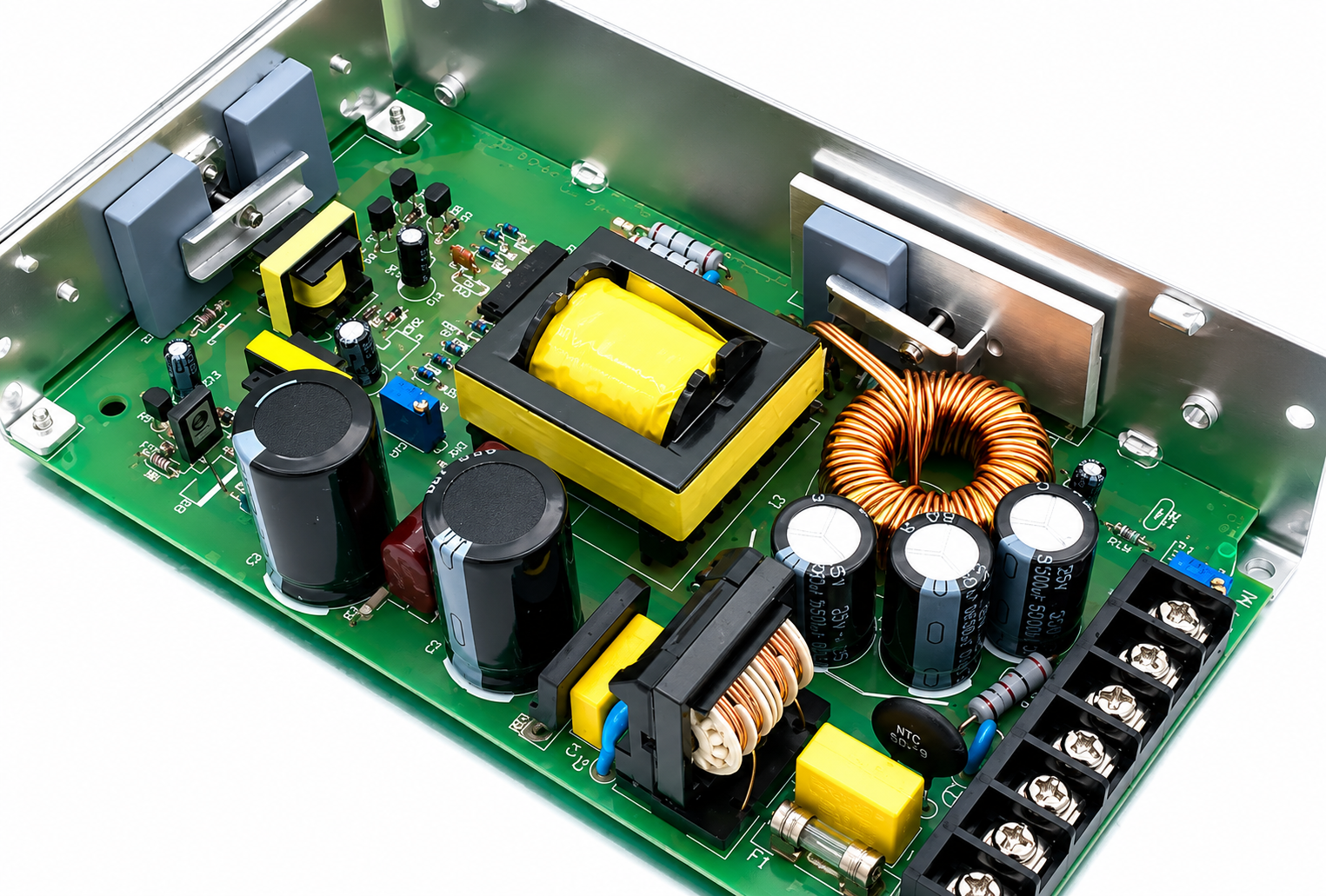
This is where high-performance switching power supplies—such as SIPURUI’s industrial LED drivers—become essential. With high conversion efficiency and tight output tolerance, they maintain consistent performance across a wide operating range, which is particularly important in commercial and industrial lighting installations.


Constant Voltage vs Constant Current: Are You Using the Right Approach?

One of the most fundamental decisions in LED system design is whether to use a constant voltage (CV) or constant current (CC) power supply. This is not just a technical detail—it determines the entire behavior of the system.

Constant voltage power supplies deliver a fixed voltage, typically 12V or 24V, while allowing current to vary depending on the load. They are widely used in LED strips and modular lighting systems where resistors or internal circuits already regulate current. Their biggest advantage is flexibility: multiple lighting segments can be connected in parallel, making installation straightforward and scalable.

In contrast, constant current drivers supply a fixed current—such as 350mA or 700mA—while automatically adjusting the voltage to match the load. This makes them indispensable for high-power LEDs, COB modules, and precision lighting applications. By ensuring that each LED receives exactly the same current, they prevent thermal runaway and significantly extend system lifespan.

The difference becomes clearer when comparing their characteristics:

AspectConstant Voltage (CV)Constant Current (CC)
Output behaviorFixed voltageFixed current
Typical applicationsLED strips, signageHigh-power LEDs, COB modules
Wiring methodParallelSeries
System flexibilityHighLower
Risk factorCurrent imbalanceVoltage mismatch

In practice, SIPURUI offers both CV and CC solutions, allowing engineers to match the driver precisely to the application rather than forcing a compromise. This flexibility is especially valuable in mixed lighting environments where different types of LEDs coexist.


Where Things Go Wrong: The Hidden Cost of Wrong Power Supply Choices

Many LED system issues do not appear immediately. Instead, they develop gradually—flickering after a few months, reduced brightness, or unexpected failures. In most cases, these problems can be traced back to incorrect power supply selection.

One of the most common mistakes is assuming that matching voltage is sufficient. While voltage compatibility is necessary, it is not enough. Without proper current control, LEDs may operate outside their safe range without obvious warning signs.

Another frequent issue is underestimating the required power capacity. Designing a system with no safety margin may reduce initial cost, but it forces the power supply to operate at full load continuously. This increases heat generation, reduces efficiency, and shortens lifespan. A well-designed system typically includes a 20–30% power margin, or even higher in demanding environments.

The following table illustrates how margin affects reliability:

Load ConditionRecommended Power Supply Capacity
100W LED load120–130W (indoor)
100W commercial use130–140W
100W outdoor system140–160W

SIPURUI power supplies are often selected with this margin in mind, as their thermal design and efficiency curve are optimized for long-term operation rather than peak output alone.


How to Calculate the Right Power Supply—Without Guesswork

Proper sizing of a power supply is both straightforward and frequently misunderstood. For constant voltage systems, the total required power is simply the sum of all connected loads.

For example, consider an LED strip rated at 14.4W per meter. If the installation uses 10 meters, the total load is 144W. Applying a 25% safety margin brings the recommended power supply to approximately 180W. In this scenario, a SIPURUI 24V 200W switching power supply would be an appropriate choice, ensuring both stability and headroom for future expansion.

For constant current systems, the process is different. Instead of total wattage, the focus shifts to matching the driver’s output current to the LED’s rated current, while ensuring the voltage range covers the total forward voltage of the LED chain. This requires more precision but results in superior performance and reliability.

The comparison below highlights the difference in calculation logic:

ParameterConstant Voltage SystemConstant Current System
Key variableTotal wattageRated current
Design focusPower capacityCurrent matching
FlexibilityHighModerate
Risk if miscalculatedOverload or instabilityLED damage

Indoor vs Outdoor: Why Environment Changes Everything

The environment in which a power supply operates has a profound impact on its performance and durability. Yet this factor is often underestimated during system design.

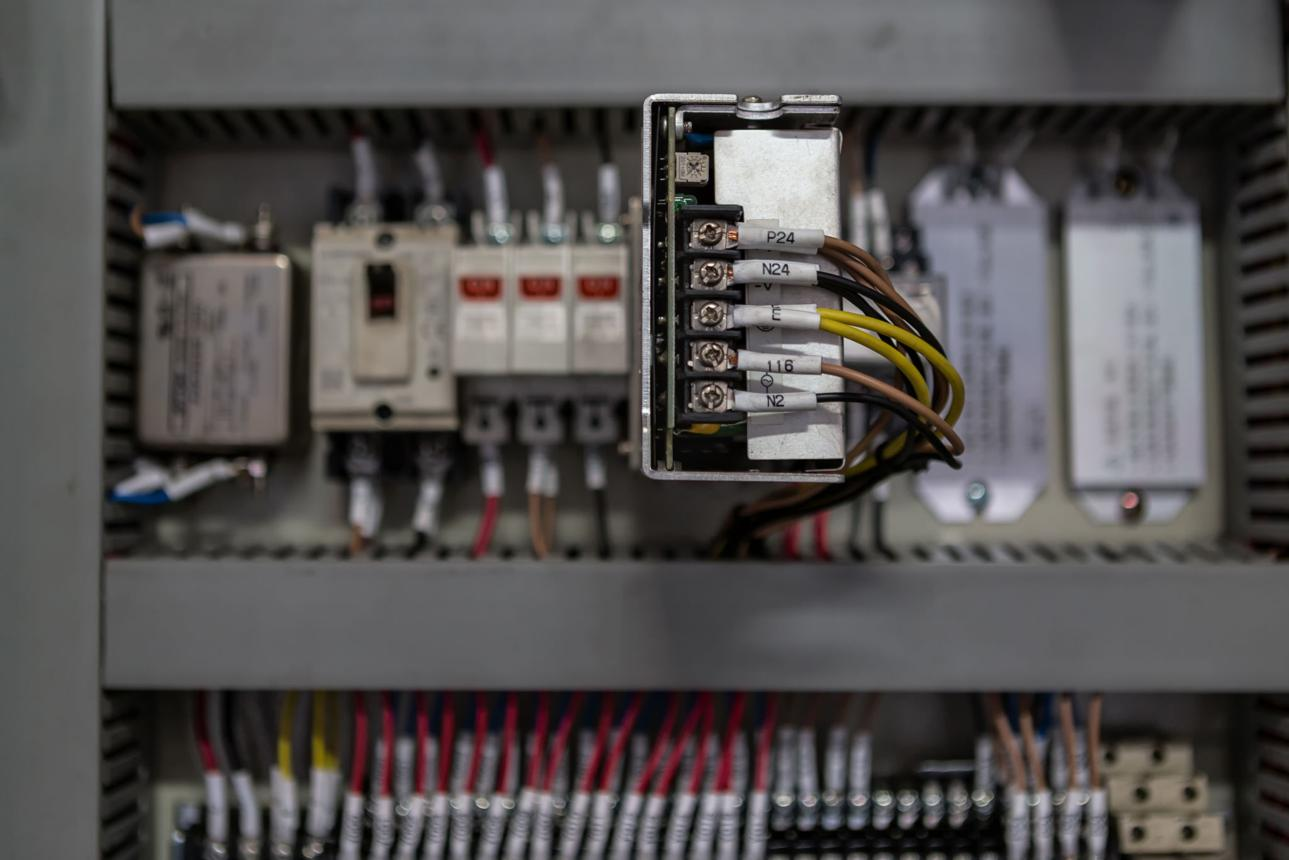
Indoor applications typically benefit from controlled temperatures and lower exposure to moisture or dust. In these cases, compact designs with high efficiency and good ventilation are sufficient. Power supplies with IP20 ratings are commonly used in cabinets or enclosed fixtures.

Outdoor installations, however, introduce a completely different set of challenges. Moisture, temperature fluctuations, and electrical surges all become significant risks. In such conditions, using a standard indoor power supply is not just inefficient—it can be dangerous.

Outdoor systems require:

·Waterproof ratings of at least IP65

·Wide operating temperature ranges

·Surge protection against unstable grids

·Durable, corrosion-resistant enclosures

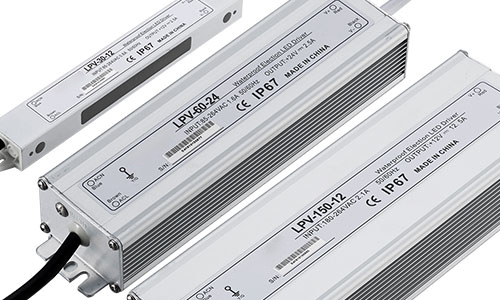
SIPURUI outdoor power supplies are designed specifically for these environments, featuring sealed aluminum housings and enhanced protection circuits. This ensures stable operation even in harsh weather or industrial conditions.


Protection and Lifespan: What Really Determines 50,000 Hours?

The lifespan of an LED system is often advertised as 50,000 hours or more. However, this figure assumes ideal operating conditions—conditions that depend heavily on the power supply.

A high-quality power supply does more than convert electricity. It actively protects the system. Features such as over-voltage protection, over-current limiting, short-circuit protection, and thermal shutdown are not optional—they are essential for maintaining long-term reliability.

Without these protections, even minor electrical anomalies can cause irreversible damage. With them, the system can withstand fluctuations and continue operating safely.

The relationship between power supply quality and lifespan is clear:

Power Supply LevelExpected System Lifespan
Low-cost generic PSU10,000–20,000 hours
Standard industrial PSU25,000–35,000 hours
SIPURUI-grade PSU50,000+ hours

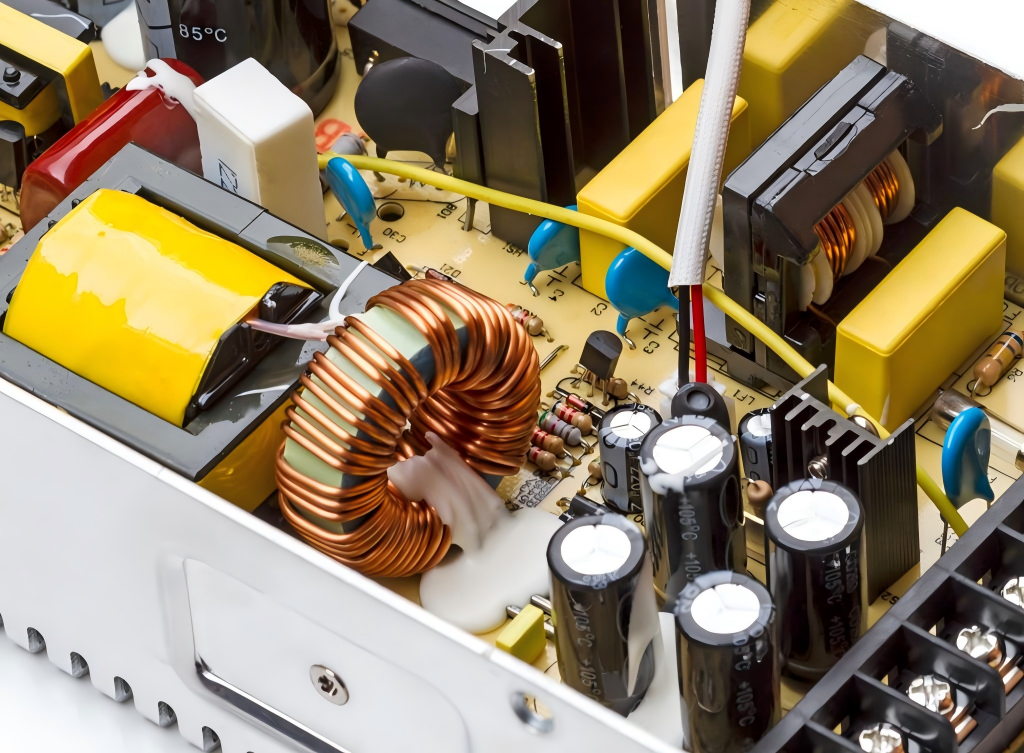
SIPURUI integrates multi-layer protection and high-grade components to ensure consistent performance over time. Combined with high efficiency (typically above 90%), this reduces thermal stress and extends both driver and LED life.


Conclusion: Are You Powering Your LEDs—or Limiting Them?

Selecting the right LED power supply is not just a technical step—it is a strategic decision that affects performance, safety, and long-term cost.

A well-matched system delivers stable brightness, high efficiency, and long lifespan. A poorly matched one leads to hidden losses, maintenance issues, and premature failure.

The difference often comes down to a few key questions:

·Are you using constant voltage or constant current correctly?

·Have you allowed sufficient power margin?

·Is your power supply suited for the environment?

·Does it include comprehensive protection features?

By choosing a reliable solution—such as SIPURUI switching power supplies—you are not just powering LEDs. You are ensuring that the entire system performs as intended, day after day, year after year.

In LED lighting, stability is not a luxury. It is the foundation.

Related Posts

Need a Reliable Power Supply Partner?

Contact us today to discuss your project and get professional support.

“Wait! Don’t leave without your free quote”

“Get in touch now and we’ll provide a personalized solution for your project. Fill the form below to get started!”


Seraphinite AcceleratorOptimized by Seraphinite Accelerator
Turns on site high speed to be attractive for people and search engines.