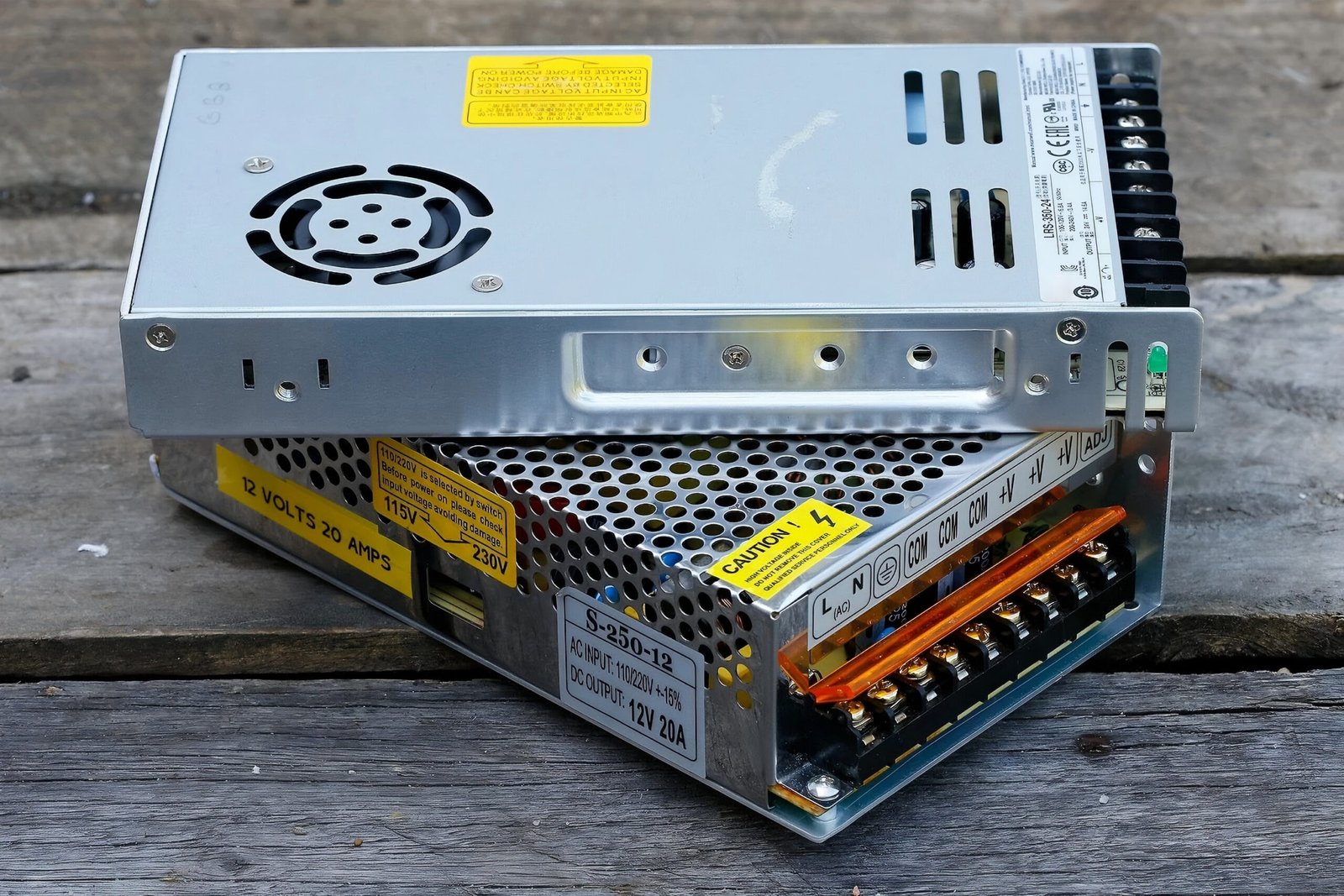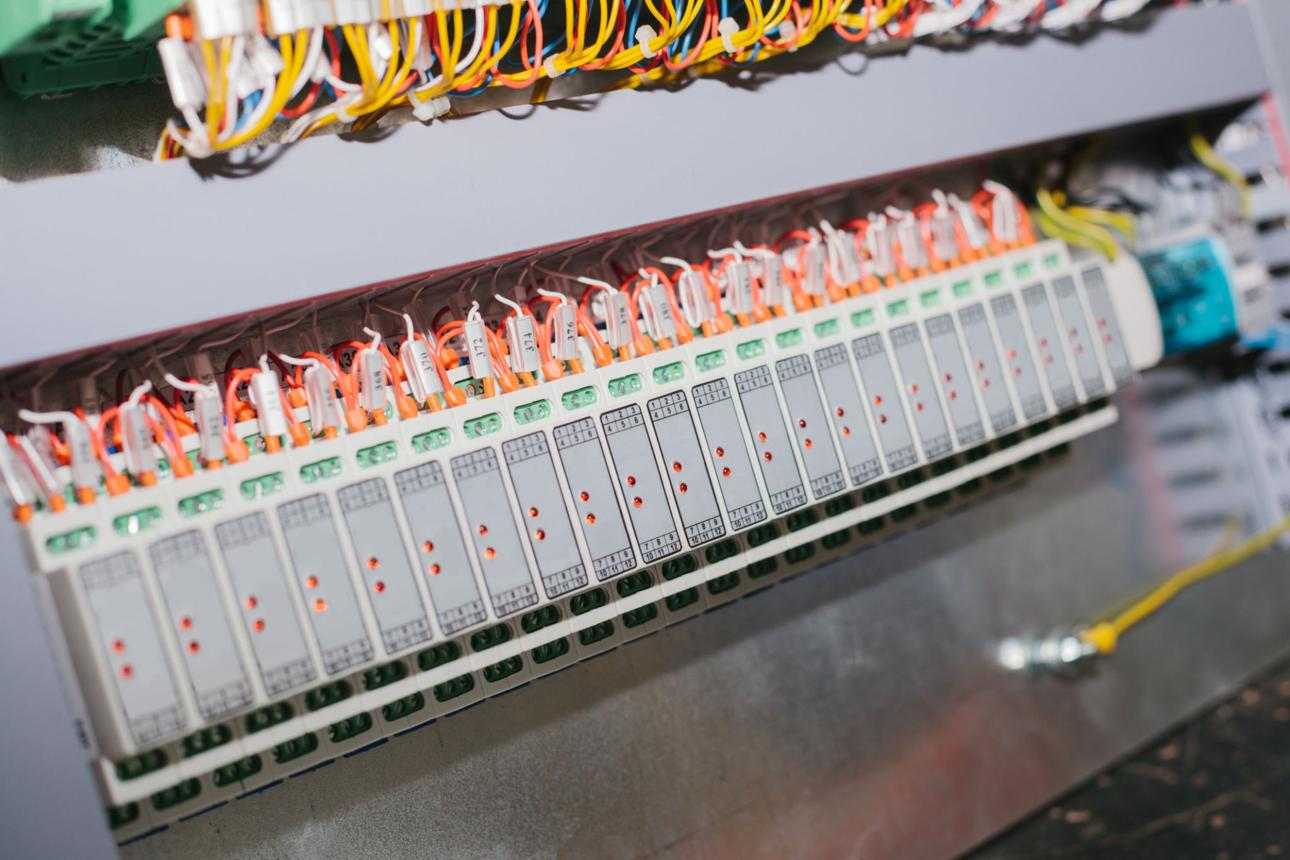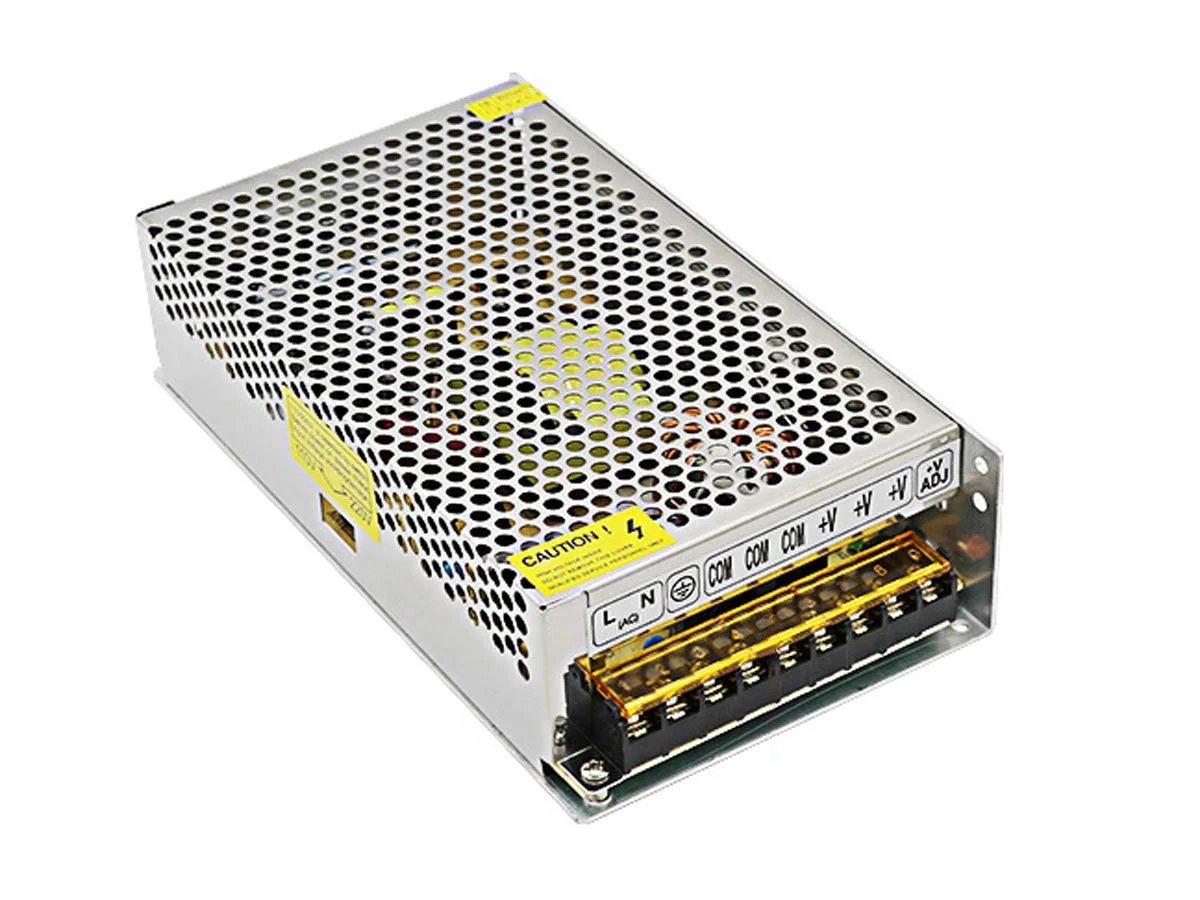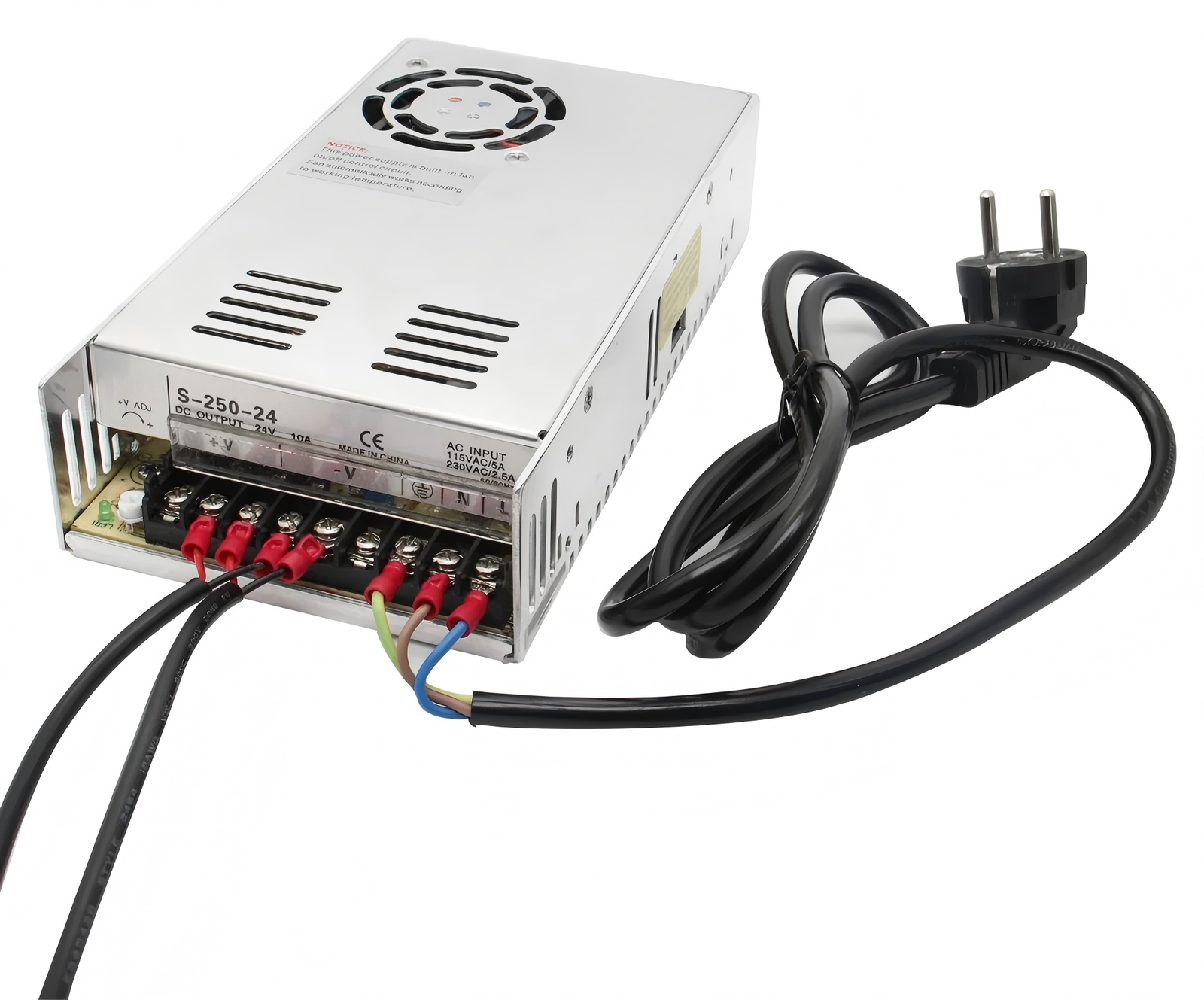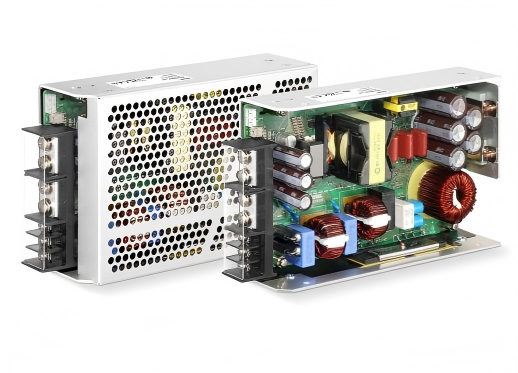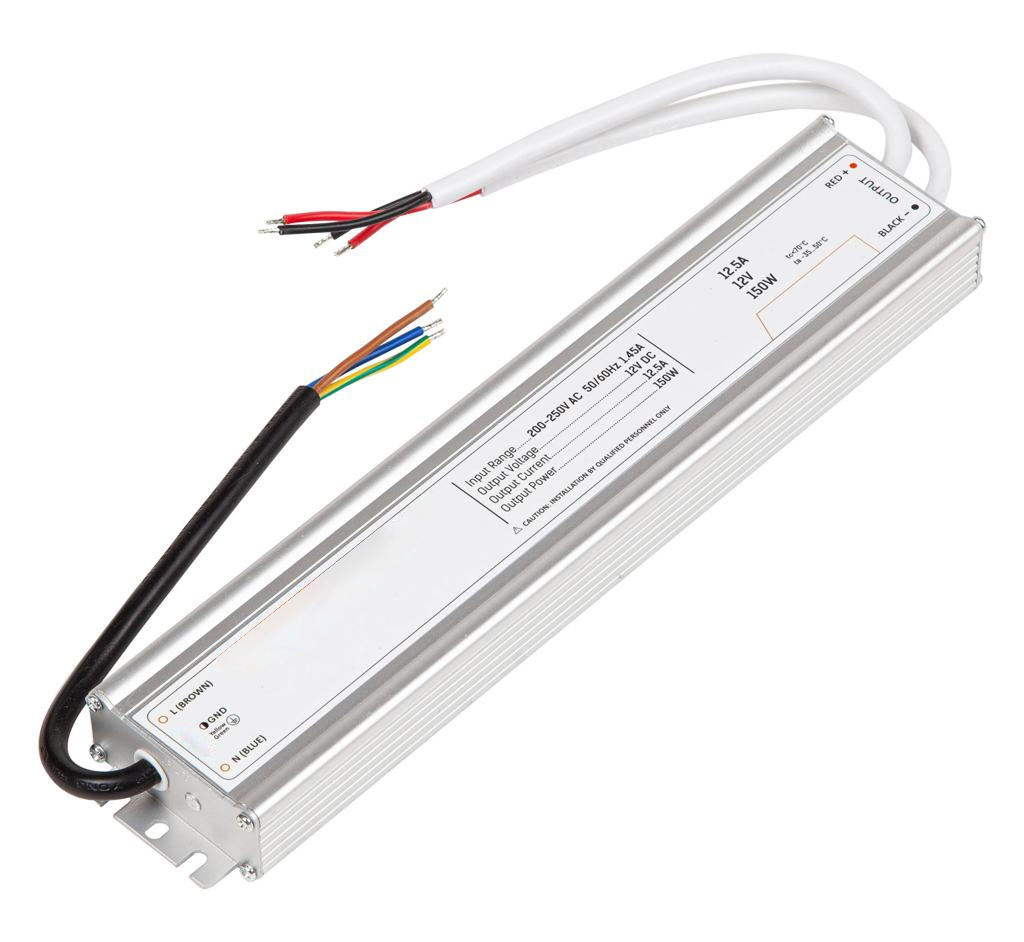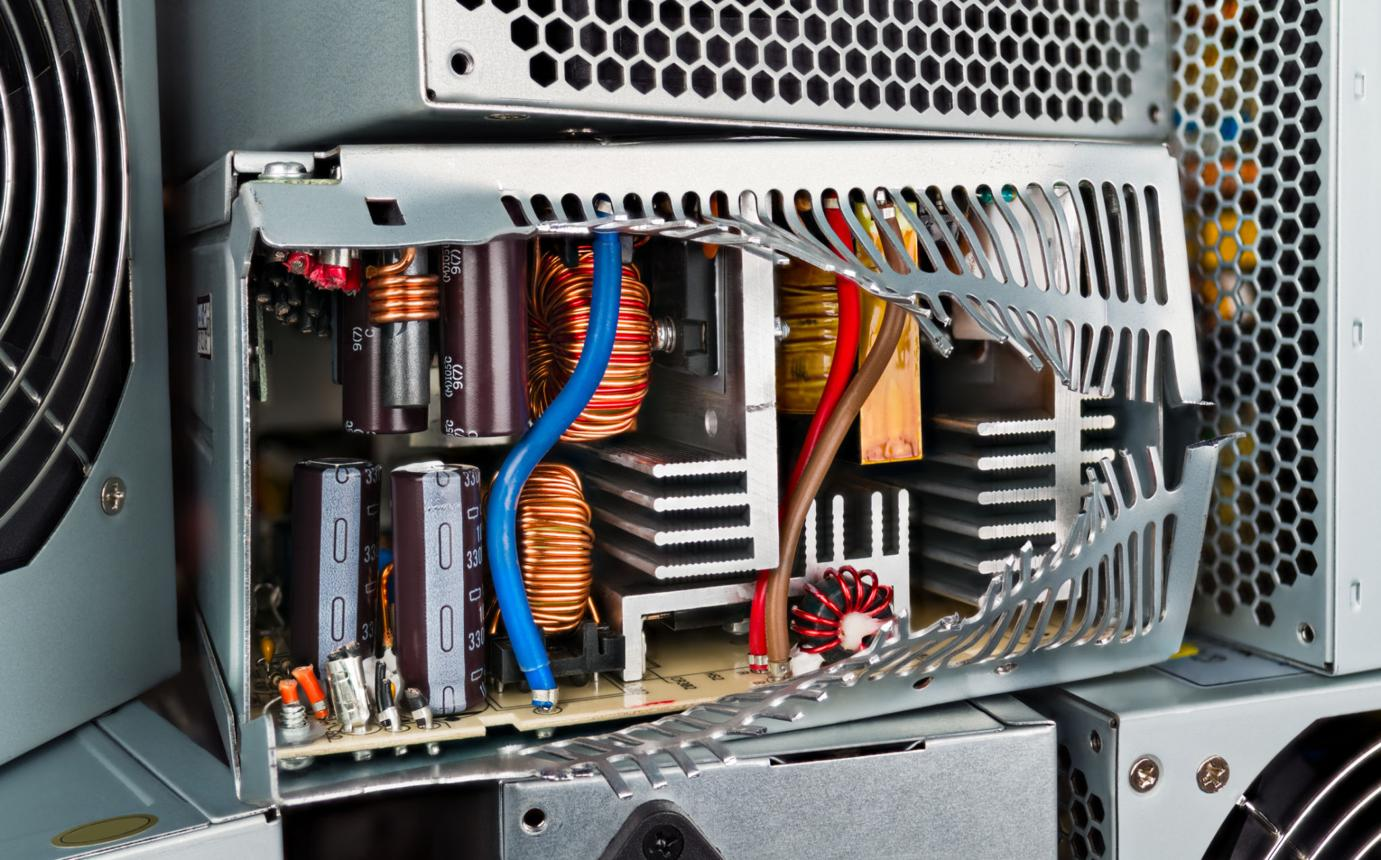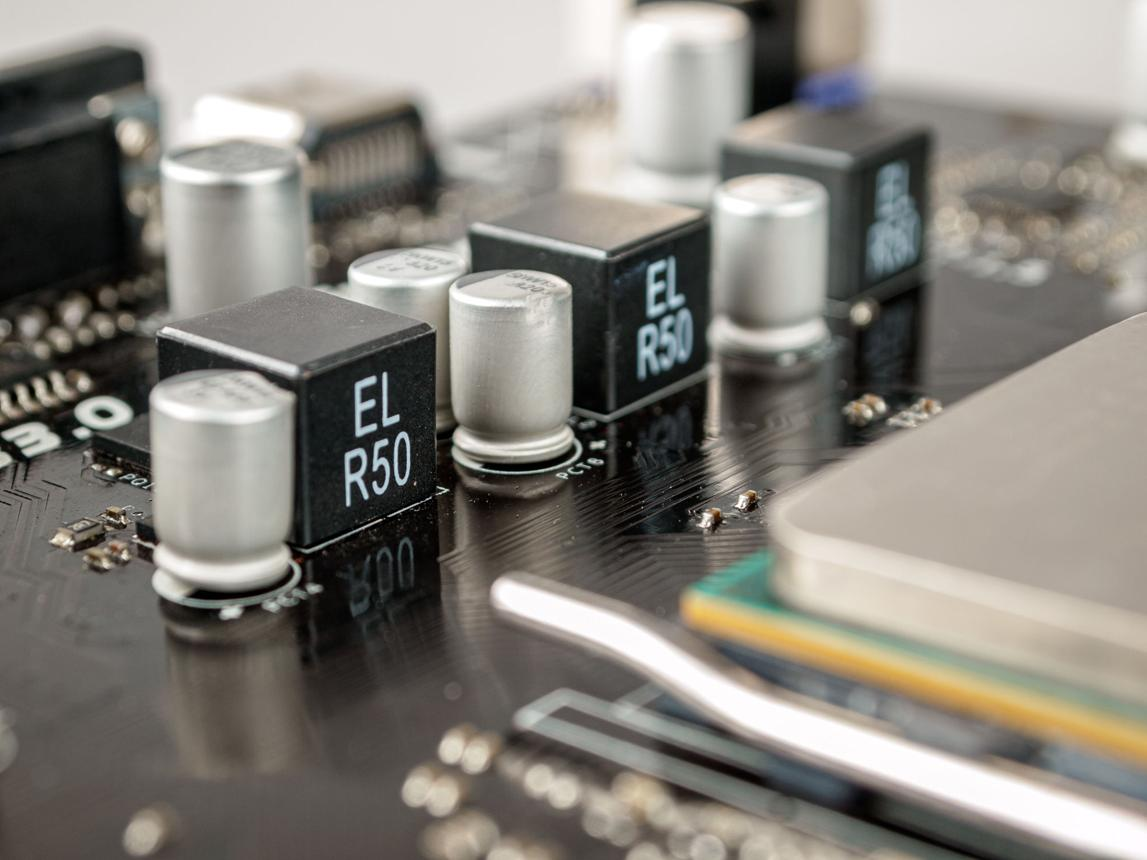


In today’s electronics-driven world, switching power supplies have quietly become one of the most critical technologies behind nearly every device we use. From compact phone chargers to industrial automation systems and renewable energy equipment, these power conversion units are responsible for delivering stable, efficient, and reliable electrical energy. Yet, despite their widespread use, many engineers, buyers, and even technicians only have a superficial understanding of how they actually work and what differentiates a high-quality power supply from a poor one.
So what exactly makes a switching power supply so important? Why has it almost completely replaced traditional linear power supplies in most applications? And how can you select the right model for your specific project or product line? This article provides a comprehensive, technically grounded explanation—while also connecting those principles directly to real-world applications and product-level considerations, including modern SIPURUI switching power supply solutions.
What Is a Switching Power Supply and Why Has It Replaced Linear Designs?
A switching power supply, commonly referred to as SMPS (Switched Mode Power Supply), is an electronic device that converts electrical energy using high-frequency switching techniques. Unlike linear power supplies, which regulate voltage by dissipating excess energy as heat, switching power supplies operate by rapidly turning a switching device—typically a MOSFET—on and off, controlling how much energy is transferred to the output by adjusting the switching duty cycle.
This fundamental difference in operation leads to dramatic improvements in efficiency, size, and thermal performance. Instead of continuously “burning off” unused power, an SMPS delivers energy in controlled pulses, which are then smoothed into a stable output. This is why modern switching power supplies typically achieve efficiencies above 90%, while linear power supplies often struggle to exceed 60%.
The comparison below highlights the key differences:
| Parameter | Switching Power Supply | Linear Power Supply |
| Efficiency | 80% – 95%+ | 40% – 60% |
| Heat Generation | Low | High |
| Size & Weight | Compact | Bulky |
| Energy Loss | Minimal | Significant |
As electronic devices continue to demand higher performance in smaller form factors, the advantages of switching power supplies have made them the dominant solution across consumer, industrial, and energy sectors.
How Does a Switching Power Supply Actually Work?
Although switching power supplies are often considered complex, their operation can be understood as a sequence of energy transformations that follow a logical and repeatable path. When examined step by step, the process becomes far more intuitive.
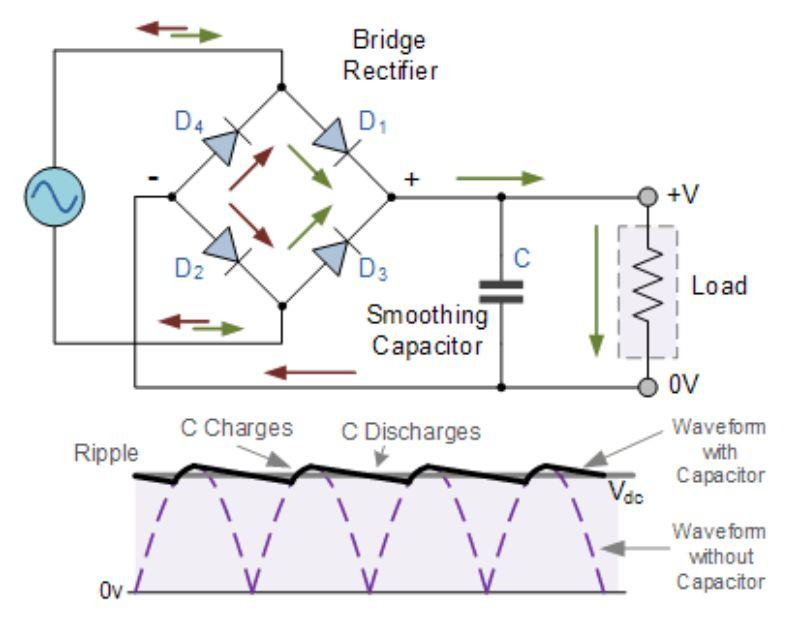
The first stage begins with the conversion of AC input into high-voltage DC. Since most systems are powered by grid electricity, which is alternating current, the power supply must first rectify this AC waveform. This is typically achieved using a diode bridge, followed by a bulk capacitor that smooths the pulsating waveform into a relatively stable DC voltage. For a 220V input, this stage typically produces a DC bus voltage of around 300V.
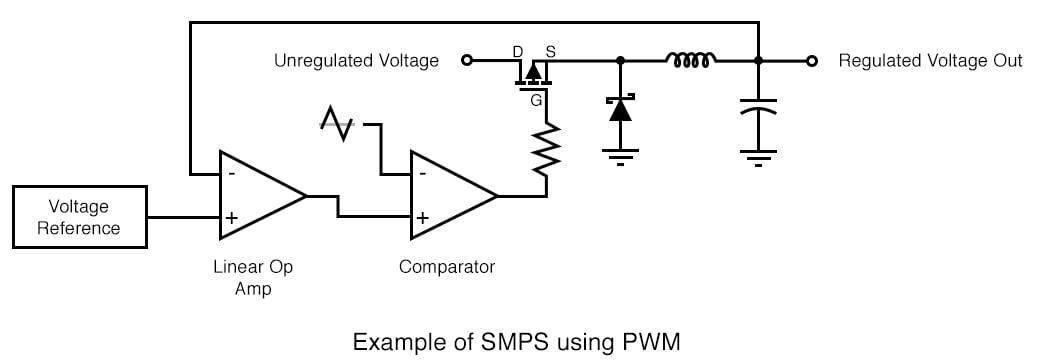
Once this high-voltage DC is established, the system enters its most critical stage: high-frequency switching. A PWM (Pulse Width Modulation) controller drives a MOSFET or similar switching device, turning it on and off at high speed—often tens or hundreds of kilohertz. This rapid switching effectively chops the DC into a high-frequency waveform. The importance of this step cannot be overstated, because it enables the use of high-frequency transformers, which are significantly smaller and lighter than traditional low-frequency transformers.
The resulting high-frequency signal is then passed through a transformer, where voltage conversion and electrical isolation take place simultaneously. Because the transformer operates at high frequency, it can be built using compact ferrite cores instead of large iron cores, dramatically reducing the size and weight of the entire power supply. This is one of the primary reasons why modern adapters and industrial power modules can be so compact while still delivering significant power.
After transformation, the waveform is no longer suitable for direct use by electronic circuits, so it must be converted back into DC. This is achieved using fast recovery diodes or synchronous rectification techniques, followed by filtering components such as inductors and capacitors. These elements smooth out high-frequency ripple and produce a stable DC output that meets the requirements of downstream devices.
Finally, a feedback control loop continuously monitors the output voltage and adjusts the switching behavior in real time. If the load increases or decreases, the controller modifies the duty cycle to maintain a consistent output. This closed-loop regulation is what allows switching power supplies to deliver precise voltage levels under dynamic conditions.
What Topologies Are Used in Modern Switching Power Supplies?
While the basic operating principle remains consistent, different circuit topologies are used depending on power level, cost constraints, and application requirements. Among these, the flyback topology is particularly common in low-power applications due to its simplicity and cost-effectiveness. It integrates energy storage and transfer into a single transformer structure, making it ideal for compact adapters such as those found in consumer electronics.
For higher power levels, forward converters and bridge-based topologies offer improved efficiency and performance. These designs are widely used in industrial and energy applications where reliability and thermal management are critical.
| Topology | Power Range | Key Advantage | Typical Use Case |
| Flyback | < 100W | Low cost, simple | Chargers |
| Forward | 100W – 500W | Better efficiency | Industrial PSU |
| Half-Bridge | 200W – 1kW | Balanced performance | Telecom |
| Full-Bridge | > 500W | High power capability | EV systems |
SIPURUI switching power supply products are designed with topology optimization based on application scenarios, ensuring that each product line delivers the best balance of efficiency, cost, and reliability.
Where Are Switching Power Supplies Used Today?
The widespread adoption of switching power supplies is closely tied to their versatility. In consumer electronics, they enable compact, lightweight chargers and adapters that support fast charging and global voltage compatibility.
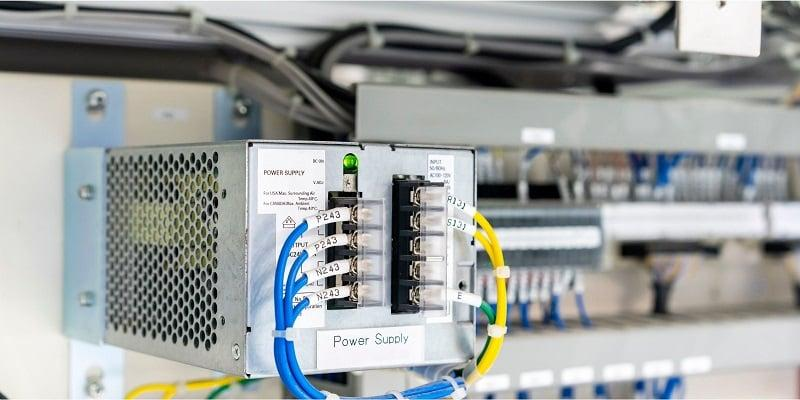
In industrial environments, switching power supplies are essential for powering control systems, PLCs, and automation equipment. These applications demand high reliability, wide input voltage ranges, and long operational lifespans. SIPURUI industrial power supply series are specifically engineered for such conditions, offering robust performance even in harsh environments.
In the renewable energy and electric vehicle sectors, switching power supplies play a crucial role in energy conversion and management. From solar inverters to EV charging stations, these systems require high efficiency and advanced thermal design to handle large power loads safely and effectively.
What Defines a High-Quality Switching Power Supply?
Not all switching power supplies are created equal. While many products may meet basic voltage and current specifications, true performance is defined by deeper engineering parameters such as efficiency, ripple control, thermal behavior, and long-term reliability.
| Parameter | Typical Value | Importance |
| Efficiency | > 90% | Reduces energy loss |
| Ripple & Noise | < 100mV | Ensures stable operation |
| Load Regulation | ±1% – ±3% | Maintains voltage accuracy |
| MTBF | > 100,000 hours | Indicates lifespan |
| Protection | OVP / OCP / SCP / OTP | Ensures safety |
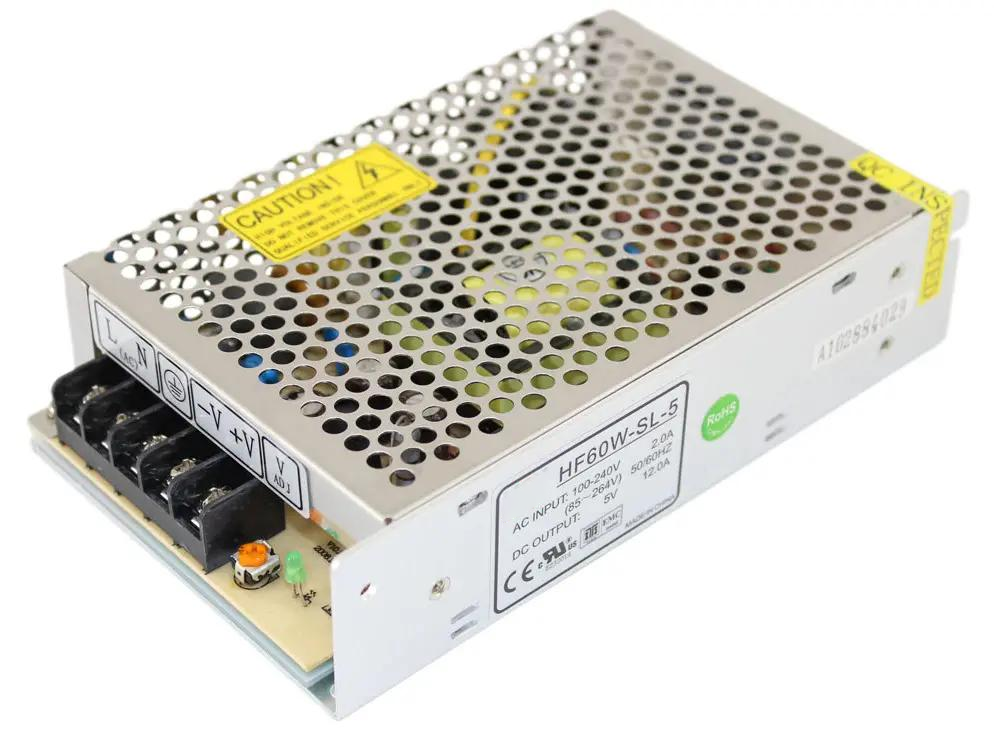
SIPURUI switching power supplies are developed with these factors in mind, integrating advanced PWM controllers, high-efficiency switching devices, and optimized thermal layouts. This results in products that not only meet international standards but also deliver consistent performance across a wide range of applications.
How Should You Choose the Right Switching Power Supply?
Selecting the correct power supply requires more than matching voltage and current ratings. It involves understanding the operating environment, load characteristics, and safety requirements of your application. For instance, products intended for global markets should support wide input voltage ranges, typically from 100V to 240V AC. Industrial applications may require additional protections and certifications, while compact consumer devices may prioritize size and efficiency.
Equally important is ensuring that the power supply is not operated beyond its rated capacity. Overloading can lead to overheating, reduced lifespan, or even failure. Proper thermal management, including adequate ventilation and heat dissipation, is also essential for maintaining long-term reliability.
What Is the Future of Switching Power Supply Technology?
As electronic systems continue to evolve, switching power supplies are also advancing rapidly. One of the most significant developments is the adoption of GaN (Gallium Nitride) technology, which allows for higher switching frequencies, improved efficiency, and smaller form factors. Digital control systems are also becoming more common, enabling programmable outputs and remote monitoring capabilities.
At the same time, efficiency standards are becoming increasingly stringent, with many modern designs approaching or exceeding 95%. SIPURUI is actively investing in next-generation power solutions that incorporate these innovations, ensuring that its products remain competitive in both performance and reliability.

Conclusion: Why Switching Power Supplies Are Indispensable
Switching power supplies have fundamentally transformed the way electrical energy is converted and delivered. By combining high efficiency, compact design, and precise control, they have become indispensable across virtually every sector of modern technology.
Whether you are designing a consumer product, building an industrial system, or developing energy infrastructure, understanding how switching power supplies work—and how to choose the right one—can significantly impact the performance and reliability of your final solution.
For engineers and buyers alike, partnering with a reliable manufacturer such as SIPURUI ensures access to power solutions that meet both technical requirements and real-world demands.