
Why Modern Telecom Systems, EV Chargers, and Industrial Equipment Depend on Advanced Switching Power Supplies
In the world of modern electronics, power supply design is no longer just about converting voltage. It directly affects system efficiency, thermal management, EMC performance, reliability, and even the overall competitiveness of a product. Whether it is a telecom power cabinet running 24 hours a day, a fast EV charger delivering kilowatts of energy, or an industrial automation system operating in harsh environments, the quality of the power architecture determines how stable and efficient the entire system can be.
For decades, engineers have debated the advantages of switching power supplies and linear power supplies. Linear supplies are known for their clean output and low noise, while switching power supplies dominate modern electronics because of their exceptional efficiency and compact design. Today, however, the conversation has evolved. Modern digital power technologies such as LLC resonant converters, interleaved topologies, digital PWM control, and bidirectional AC/DC architectures have pushed switching power supplies far beyond traditional expectations.
This article explores the real technical differences between switching and linear power supplies, examines where each technology still excels, and analyzes how advanced digital power designs are transforming industries such as telecom, industrial automation, and EV charging. We will also look at how modern switching power brands like SIPURUI are aligning with these trends to deliver reliable and efficient power solutions for next-generation electronics.
What Makes Linear Power Supplies Different?
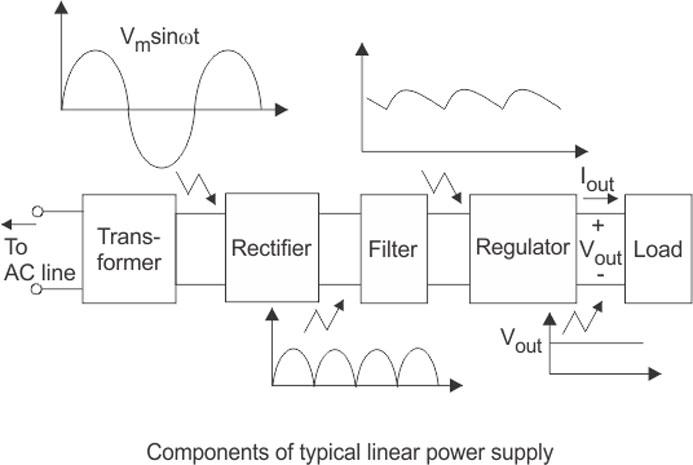
Linear power supplies use analog regulation techniques to stabilize output voltage. In a traditional linear design, the AC input is stepped down through a large low-frequency transformer, rectified into DC, filtered, and then regulated through a transistor operating in its linear region. The transistor continuously dissipates excess voltage as heat to maintain stable output.
This design philosophy gives linear power supplies an important advantage: exceptionally clean output voltage. Since there is no high-frequency switching action, output ripple and electromagnetic interference are extremely low. This is why linear supplies were historically preferred in audio amplifiers, laboratory instruments, medical systems, and sensitive analog circuits.
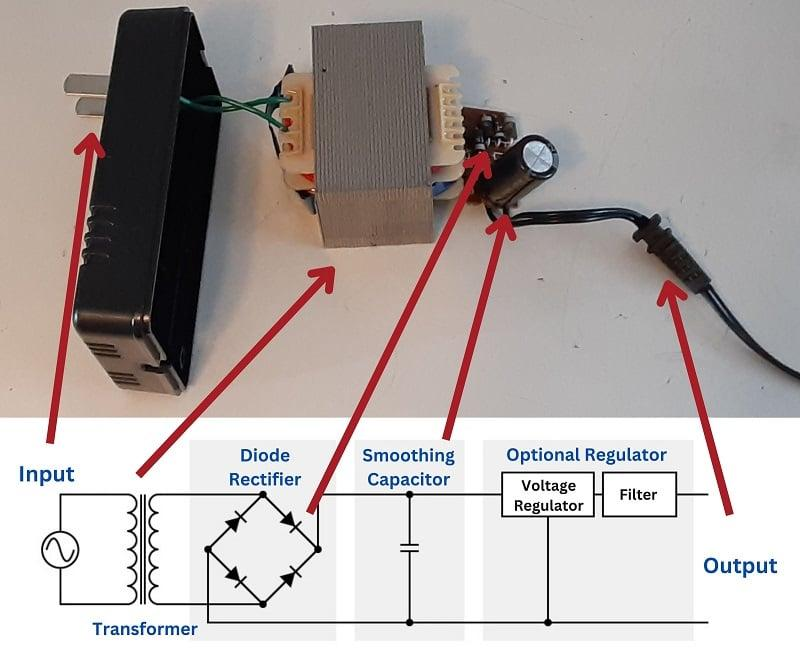
However, the same principle that provides stability also creates inefficiency. When a regulator drops voltage, the unused energy becomes heat. Large heatsinks, bulky transformers, and lower efficiency make linear supplies increasingly impractical for modern high-power systems.
Even today, there are still applications where linear power supplies remain the best solution. High-end audio systems, RF instrumentation, and precision measurement equipment often require ultra-low noise characteristics that switching power supplies may struggle to achieve without additional filtering stages.
Why Have Switching Power Supplies Become the Industry Standard?
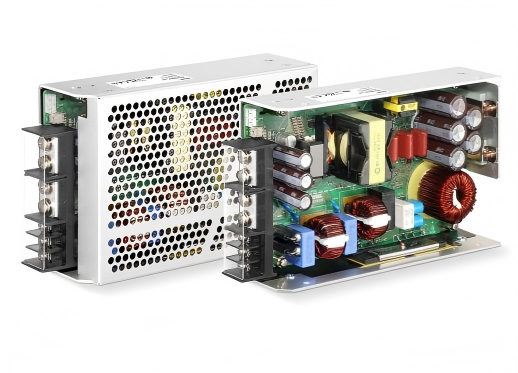
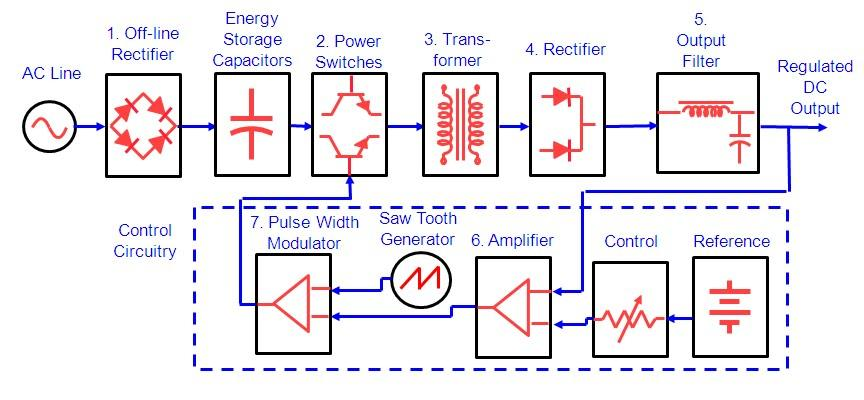
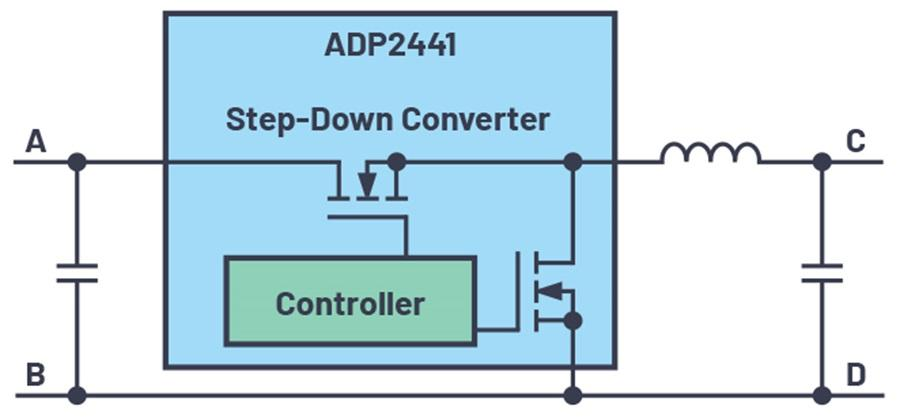
The rise of switching power supplies fundamentally changed electronics design. Instead of dissipating excess energy continuously, switching power supplies rapidly switch MOSFETs or IGBTs on and off at high frequency. Energy is transferred through compact high-frequency transformers and regulated through PWM control.
This approach dramatically increases efficiency because the switching devices spend very little time operating in high-loss states. Modern switching power supplies commonly achieve efficiencies above 90%, while advanced architectures can exceed 97% or even 99%.
The impact on system design is enormous. Higher efficiency means lower heat generation, smaller cooling systems, reduced power consumption, and better long-term reliability. High-frequency operation also reduces transformer size, allowing compact and lightweight power modules that would be impossible with traditional 50Hz or 60Hz transformers.
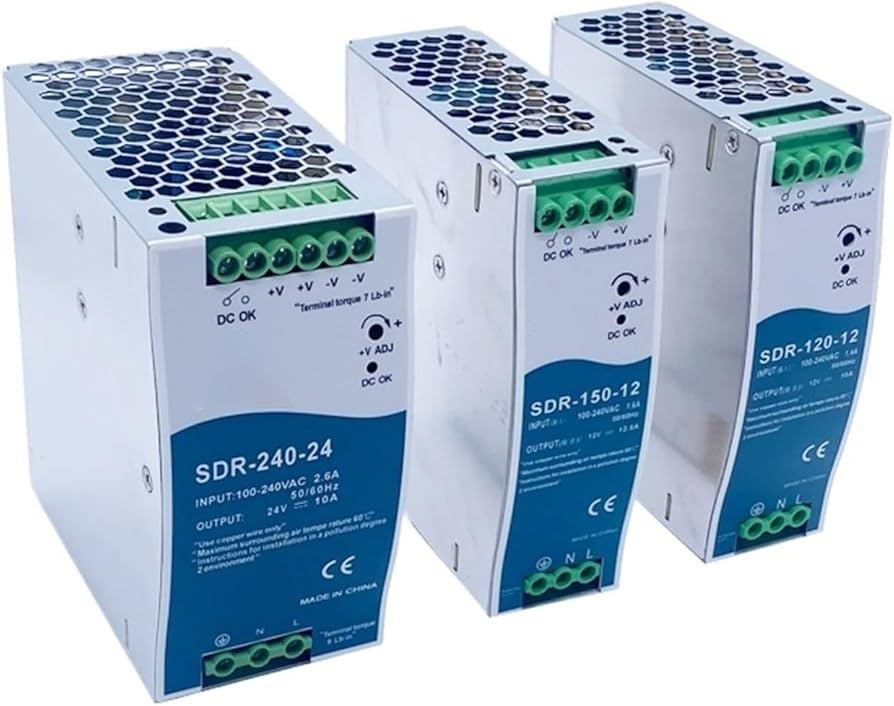
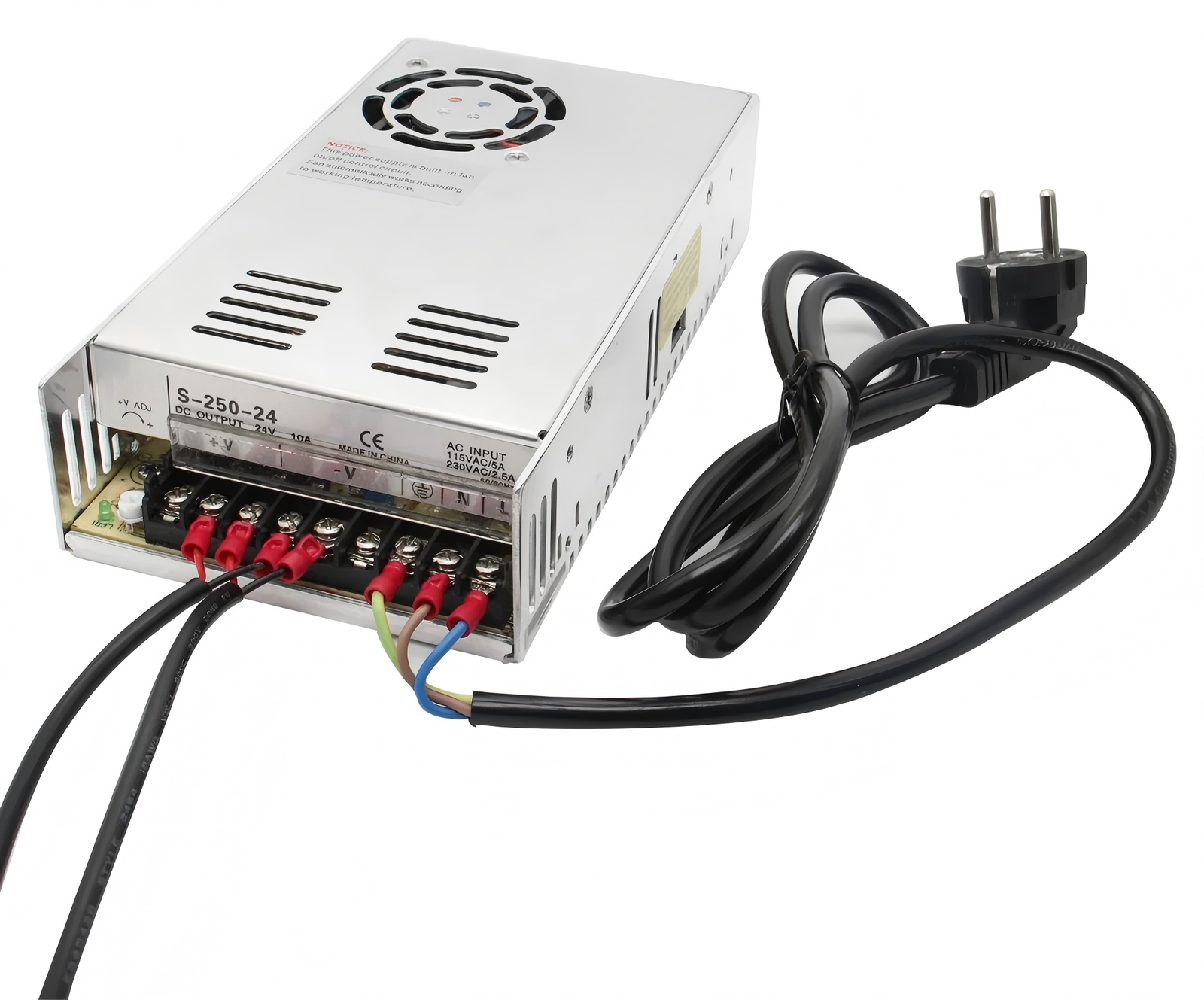
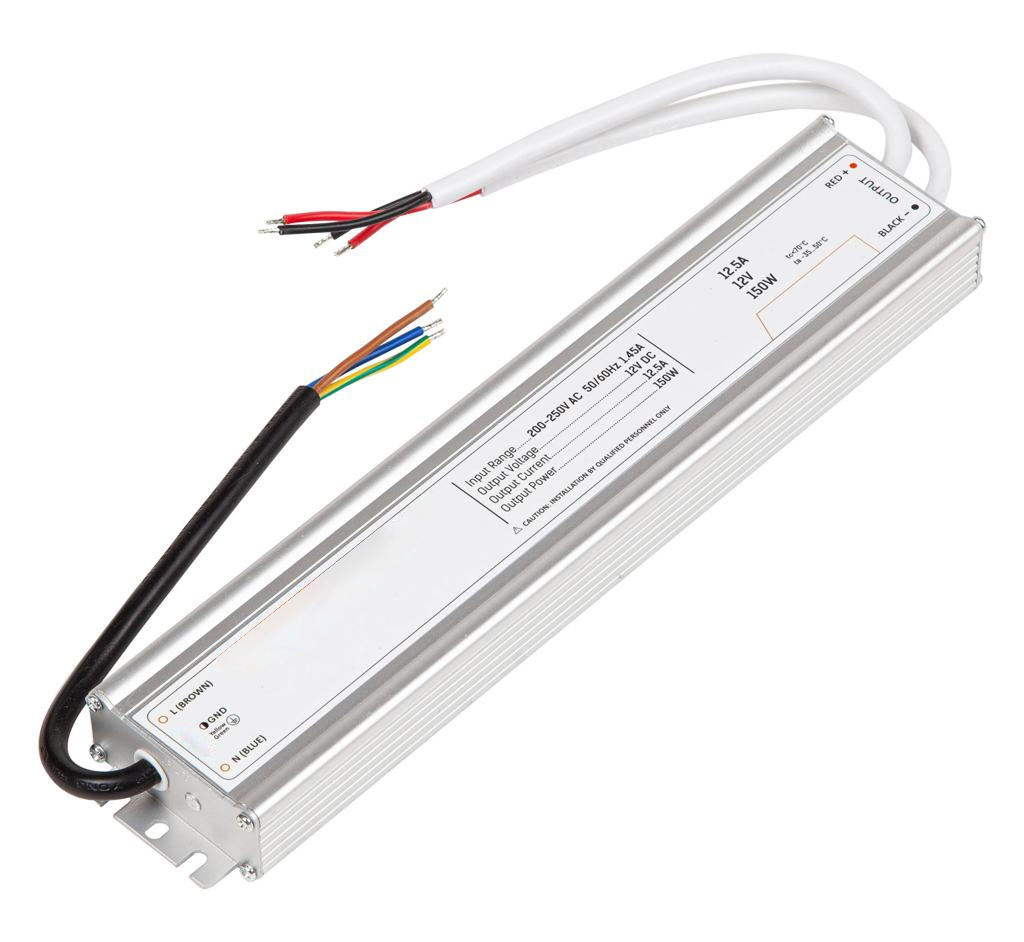
Today, switching power supplies dominate nearly every high-power application, including servers, telecom systems, industrial automation, LED systems, robotics, renewable energy, and EV charging infrastructure.
Why Is Efficiency More Important Than Ever?
Efficiency is no longer just a specification in a datasheet. It directly affects operational cost, thermal stability, sustainability targets, and product lifespan.
In data centers and telecom systems, even a small efficiency improvement can translate into massive energy savings over time. For example, a 3% efficiency increase in a high-power server rack can reduce cooling requirements significantly across thousands of units.
This is why modern switching power supply manufacturers increasingly focus on advanced topologies such as PFC correction, LLC resonant conversion, and soft-switching techniques.
| Power Supply Type | Typical Efficiency | Heat Generation | Cooling Requirement |
| Linear Power Supply | 30%–60% | High | Large Heatsink |
| Standard SMPS | 80%–90% | Moderate | Compact Cooling |
| LLC Resonant SMPS | 92%–97% | Low | Optimized Thermal Design |
| Vienna Rectifier Systems | Up to 99% | Very Low | High Power Density |
Linear power supplies often operate inefficiently because excess energy becomes heat. As power density requirements continue increasing, this becomes a major disadvantage.
Is Noise Still a Problem for Switching Power Supplies?
One of the traditional criticisms of switching power supplies has always been noise. Since the system switches currents and voltages at high frequencies, it naturally generates EMI, switching spikes, and ripple noise.
However, modern SMPS technology has evolved dramatically. Advanced digital control techniques and improved semiconductor technologies now allow switching power supplies to achieve excellent noise performance while maintaining very high efficiency.
Technologies such as soft-switching LLC converters, synchronous rectification, spread-spectrum modulation, and multi-stage EMI filtering significantly reduce ripple and electromagnetic interference.
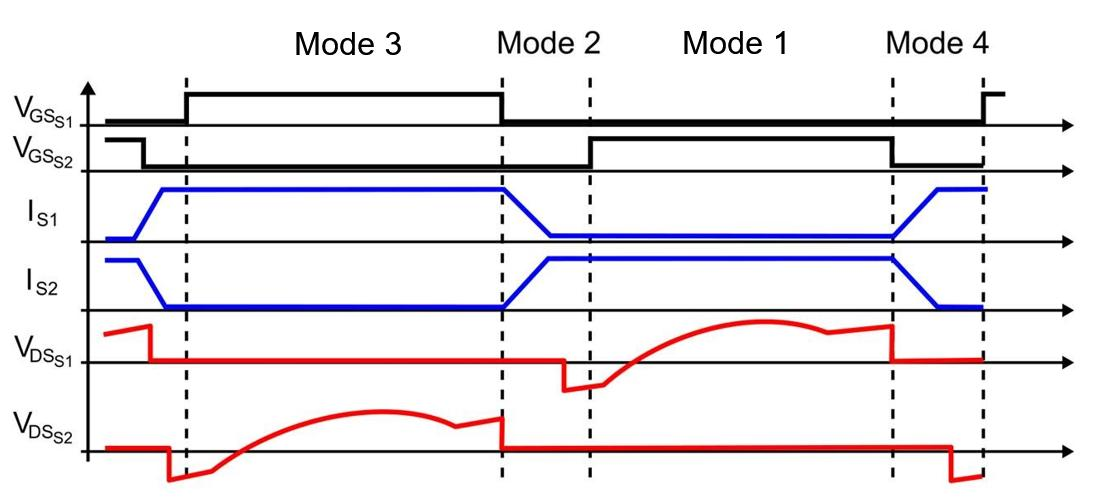
As a result, many modern industrial and telecom switching power supplies now achieve ripple levels that were previously considered impossible for high-frequency systems.
Why Are Digital Power Controllers Changing the Industry?
Traditional analog control circuits are gradually being replaced by digital power control architectures. This transition is one of the biggest changes in modern power electronics.
Digital controllers provide much greater flexibility than analog systems. Instead of relying entirely on fixed hardware compensation networks, engineers can implement sophisticated control algorithms through firmware. This allows adaptive tuning, dynamic protection management, and real-time system monitoring.
A good example is the APM32F407 communication power solution based on the Geehy Semiconductor platform. This architecture combines a boost PFC stage with a full-bridge LLC resonant converter and allows a single MCU to control both stages simultaneously.
| Controller Feature | APM32F407 Capability |
| CPU Core | Arm Cortex-M4F |
| Frequency | 168MHz |
| ADC Channels | 3 × 12-bit ADC |
| PWM Timers | Advanced 16-bit PWM |
| Flash Memory | Up to 1MB |
| Communication | UART / USART |
This level of integration simplifies system architecture while improving efficiency and reliability. By implementing digital control algorithms, the system can maintain zero-voltage switching across a wide load range, reducing switching losses and improving thermal performance.
How Are High-Power LLC Topologies Improving Industrial Power Systems?
As industrial systems demand higher power density, traditional single-phase power architectures face limitations in ripple current, thermal balance, and efficiency. This is where interleaved LLC topologies have become increasingly important.
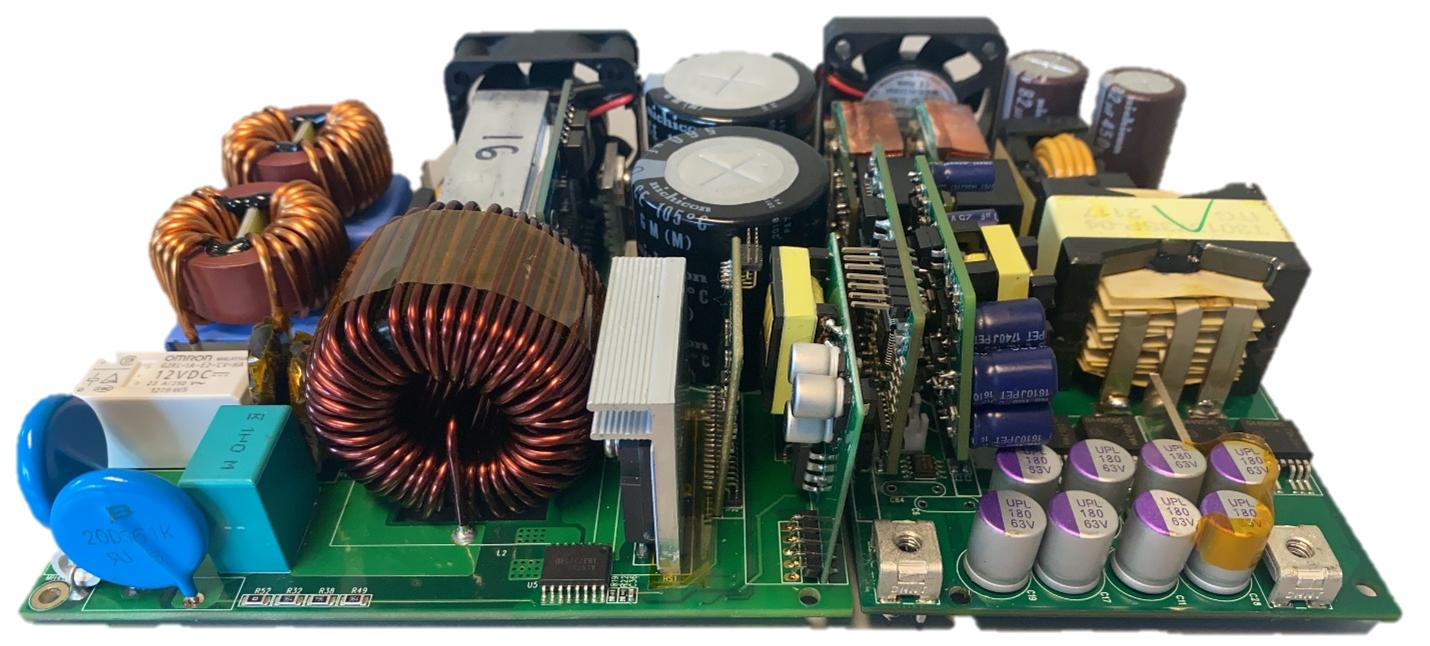
A notable example is the 3kW two-phase interleaved full-bridge LLC design based on the HC32F334 digital power controller from Huada Semiconductor.
By operating multiple phases with controlled phase shifting, the design significantly reduces output ripple current while improving thermal distribution. The result is a power system capable of achieving 97% peak efficiency with excellent current balancing performance.
This type of architecture is particularly valuable in telecom power supplies, server power modules, charging systems, and industrial DC/DC converters where both efficiency and compact size are critical.
Why Are Bidirectional Power Supplies Becoming Essential for EV Charging?
The rapid growth of electric vehicles is driving major innovation in power conversion technology. Traditional AC/DC power supplies are no longer enough for modern charging infrastructure.
Future charging systems increasingly require bidirectional energy flow. This means the power supply must support both AC-to-DC conversion for charging and DC-to-AC conversion for feeding energy back into the grid.
One advanced implementation is the 15kW three-phase bidirectional Vienna topology controlled by the STM32G474RET6 from STMicroelectronics.
| System Parameter | Specification |
| AC Input | 400Vac |
| DC Output | 800Vdc |
| Power Rating | 15kW |
| Efficiency | Up to 99% |
| Topology | Three-Phase Vienna |
| Control Platform | STM32G474RET6 |
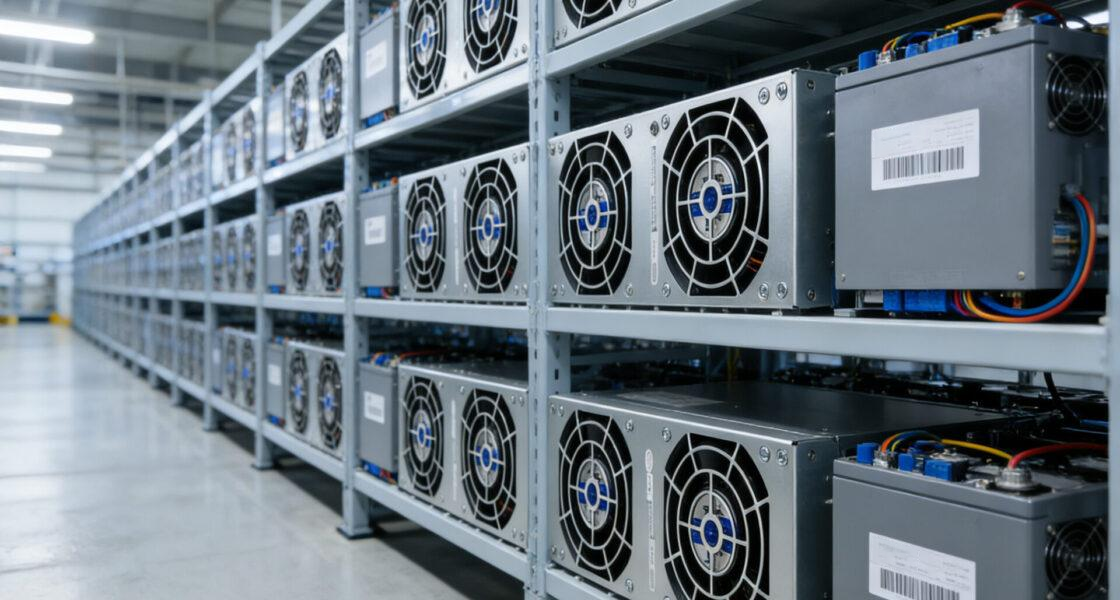
The system combines high-frequency digital control with advanced protection features, including soft-start functionality, overcurrent monitoring, and high-resolution PWM generation.
As EV charging infrastructure expands globally, these types of high-efficiency digital power architectures will become increasingly important.
Where Does SIPURUI Fit Into the Future of Switching Power Supplies?
As switching power technologies become more advanced, customers are no longer focused only on output voltage and wattage. They increasingly care about reliability, thermal management, EMI performance, compact design, and long-term operational stability.
This is where manufacturers like SIPURUI can create real value.
Modern SIPURUI switching power solutions are designed around the same industry trends driving next-generation power electronics: high efficiency, intelligent control, compact structure, and industrial reliability.
Whether the application involves industrial automation, communication equipment, embedded systems, or charging infrastructure, modern customers expect power supplies that combine performance with long-term durability.
In competitive markets, the quality of a switching power supply often determines the stability of the entire system. Poor thermal design, weak EMI suppression, or unstable transient response can cause failures across the entire product.
This is why advanced switching power supply design has become a core engineering discipline rather than just a supporting component category.
What Does the Future of Power Electronics Look Like?
The future of power electronics is moving toward higher efficiency, higher switching frequency, and smarter digital control.
Wide-bandgap semiconductors such as GaN and SiC are enabling faster switching speeds and lower losses. AI-assisted energy management systems are beginning to optimize power conversion dynamically. Digital power architectures are becoming more software-defined and increasingly integrated with industrial communication systems.
At the same time, industries such as AI computing, renewable energy, robotics, and EV infrastructure continue demanding higher power density and greater efficiency.
This means the next generation of switching power supplies will become smaller, smarter, more efficient, and more digitally integrated.

Final Thoughts
The discussion between switching power supplies and linear power supplies is no longer about which technology is universally better. It is about understanding application requirements and selecting the right architecture for the job.
Linear power supplies still excel in ultra-sensitive analog environments where noise performance is critical. But in the modern world of telecom systems, industrial automation, AI infrastructure, renewable energy, and EV charging, switching power supplies have become the foundation of advanced electronics.
With digital control, high-efficiency topologies, and intelligent power management technologies continuing to evolve, companies like SIPURUI are positioned to support the growing demand for reliable and efficient switching power solutions in the years ahead.