
Modern LED lighting has transformed the global lighting industry. From residential bulbs and office panels to industrial high bays and outdoor street lights, LEDs are now expected to deliver higher efficiency, longer lifespan, and lower maintenance costs than traditional lighting technologies ever could. Yet many buyers, importers, and even lighting brands still overlook the most critical component inside an LED fixture: the driver power supply.
Two LED lamps may appear almost identical on the outside. Both may use similar SMD LEDs, similar wattage ratings, and even similar housings. However, one product may operate reliably for more than 50,000 hours while the other begins flickering or failing after only a few months. In most cases, the difference comes down to the design and quality of the LED driver.
For professional lighting manufacturers, understanding driver topology is no longer optional. The LED driver directly influences electrical safety, energy efficiency, flicker performance, thermal stability, electromagnetic compatibility, and overall product reliability. In global markets where certification standards continue to tighten, driver selection also determines whether a product can successfully pass CE, UL, EMC, ERP, or FCC testing.
This article takes a detailed look at the three most common LED driver technologies used in today’s lighting industry:
- Switching constant current power supplies
- Linear IC LED drivers
- Capacitive dropper power supplies
We will compare their operating principles, structural differences, cost levels, performance characteristics, and application scenarios to help lighting manufacturers and buyers understand which solution best fits different market demands.
Why Is the LED Driver More Important Than the LED Chip?
Many low-cost LED products focus heavily on LED chip specifications while minimizing investment in the driver section. However, experienced lighting engineers know that the driver often determines whether the LEDs can actually achieve their theoretical lifespan.
An LED is fundamentally a low-voltage, constant-current semiconductor device. It cannot be connected directly to AC mains power such as 110V or 220V. The LED driver is responsible for converting high-voltage AC into stable DC current while simultaneously protecting the LEDs from voltage fluctuations, current spikes, thermal overload, and electrical noise.
A well-designed driver power supply provides:
- Stable constant current output
- Low ripple and reduced flicker
- High power factor
- Efficient thermal management
- Over-voltage and short-circuit protection
- Long-term electrical reliability
Without these protections, even high-quality LEDs will rapidly degrade.
The Three Main Types of LED Driver Power Supplies
Today’s LED lighting market is largely dominated by three driver architectures. Each design targets a different balance between cost, efficiency, reliability, and safety.
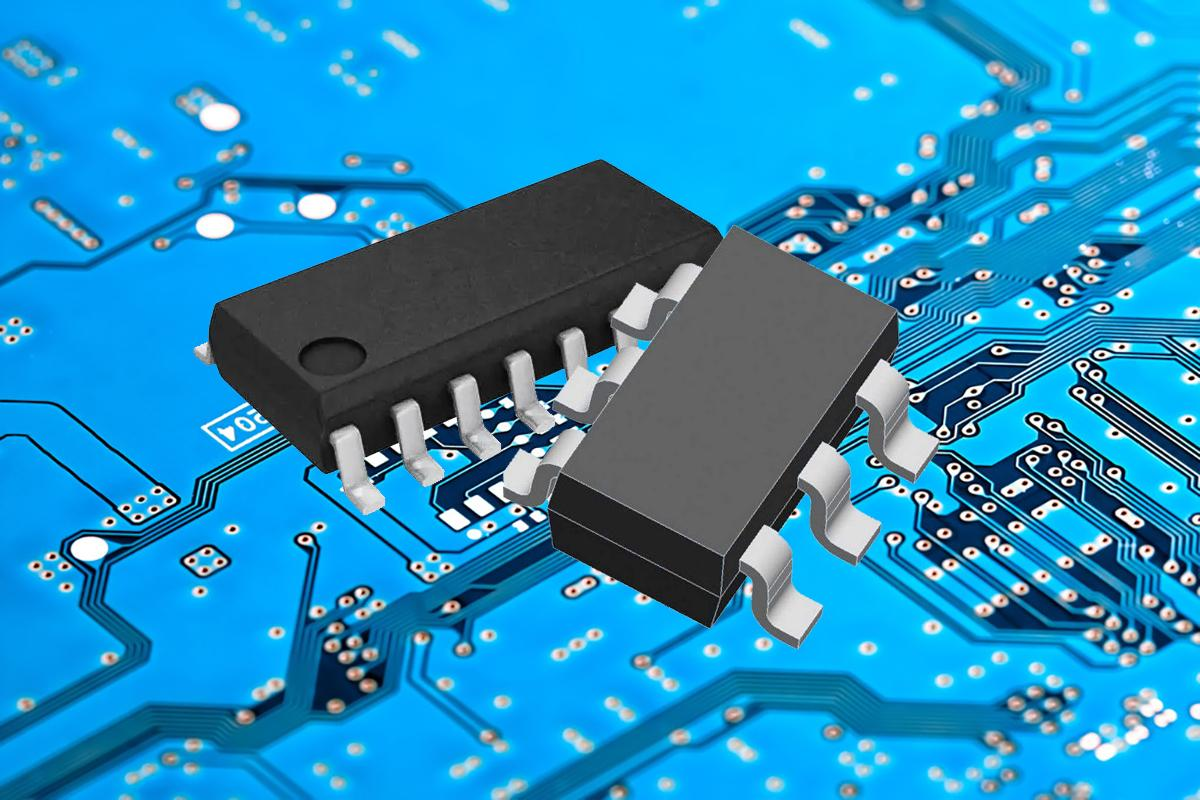
Switching Constant Current Power Supplies: Why Are They Still the Industry Standard?
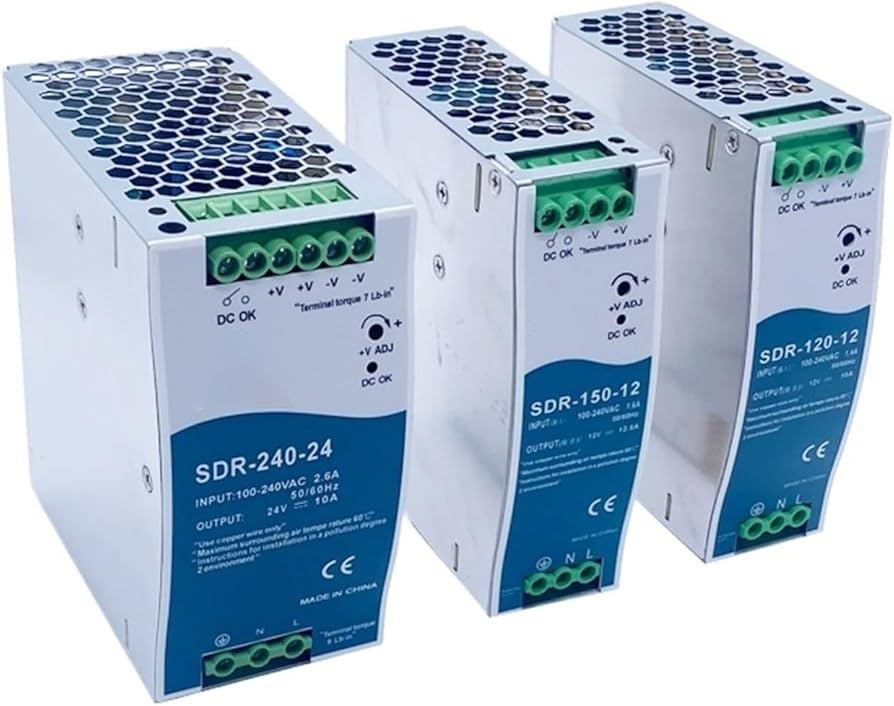
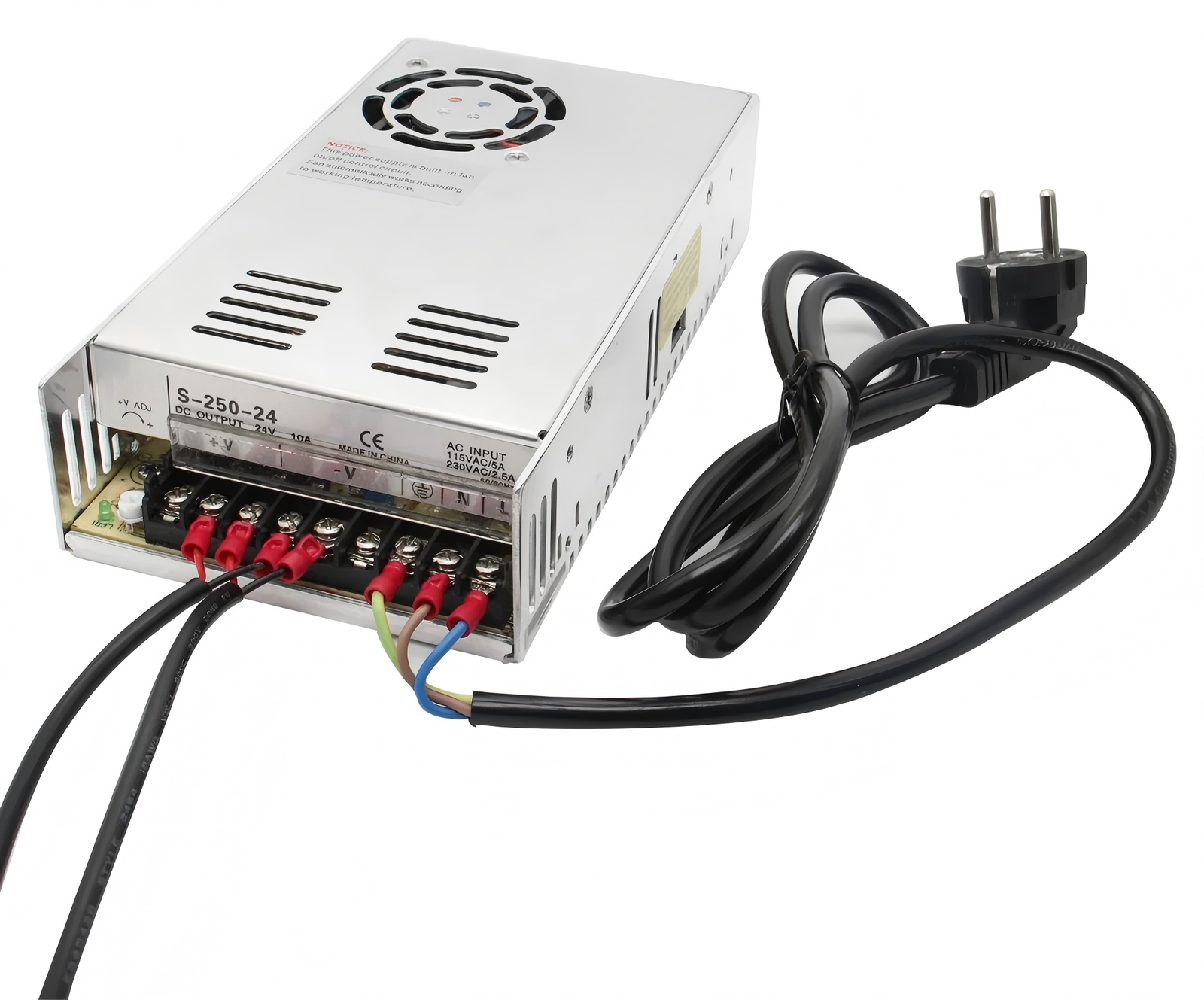
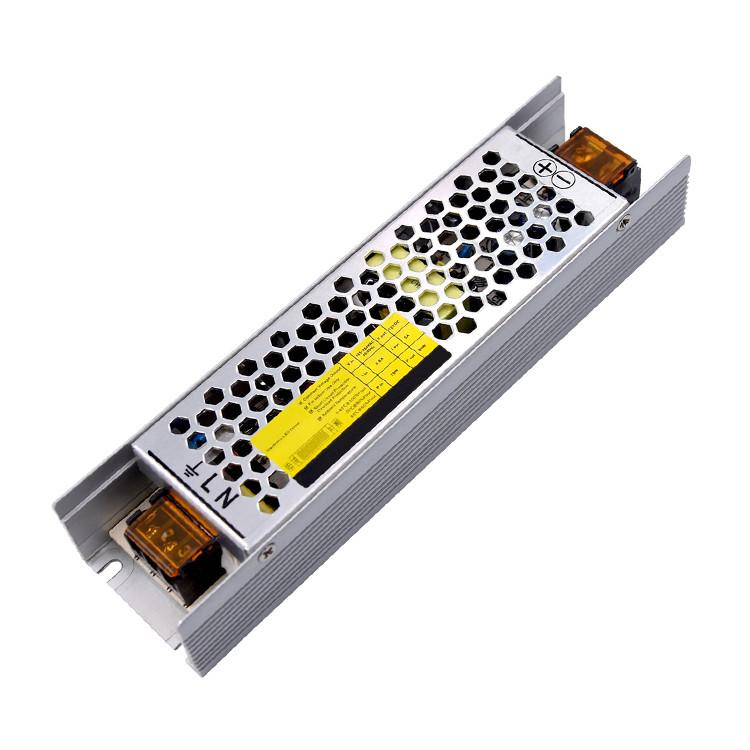
Switching constant current power supplies remain the preferred solution for professional LED lighting applications. These drivers use high-frequency switching technology combined with inductors or transformers to efficiently convert AC power into regulated DC current.
Unlike simple resistor or capacitor-based current limiting methods, switching drivers actively regulate output current, which dramatically improves efficiency and LED lifespan.
In modern commercial lighting, switching drivers are widely used because they offer the best overall balance of:
- Electrical efficiency
- Output stability
- Long-term reliability
- Thermal performance
- Safety compliance
Switching drivers are generally divided into two major categories: isolated and non-isolated designs.
What Makes Isolated Switching Drivers So Reliable?
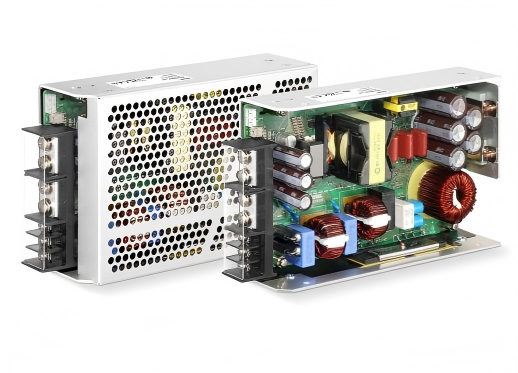
An isolated LED driver uses a transformer to electrically separate the input side from the output side. This isolation barrier significantly improves electrical safety and reduces the risk of electric shock.
Because of their superior safety characteristics, isolated drivers are commonly used in:
- Commercial lighting systems
- Industrial lighting fixtures
- Medical lighting equipment
- Outdoor lighting products
- Export-grade LED luminaires
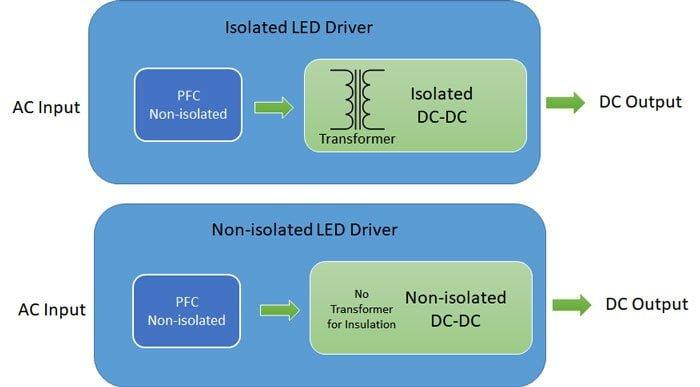
In professional lighting projects, isolation is especially important because fixtures may be installed in environments where users can physically contact metal housings or maintenance personnel may interact with wiring systems. Isolation also helps simplify compliance with international safety standards such as UL and CE.
Another major advantage of isolated switching power supplies is their excellent ability to maintain stable current output even when input voltage fluctuates. In regions where electrical grids are unstable, this capability becomes essential for preventing premature LED degradation.
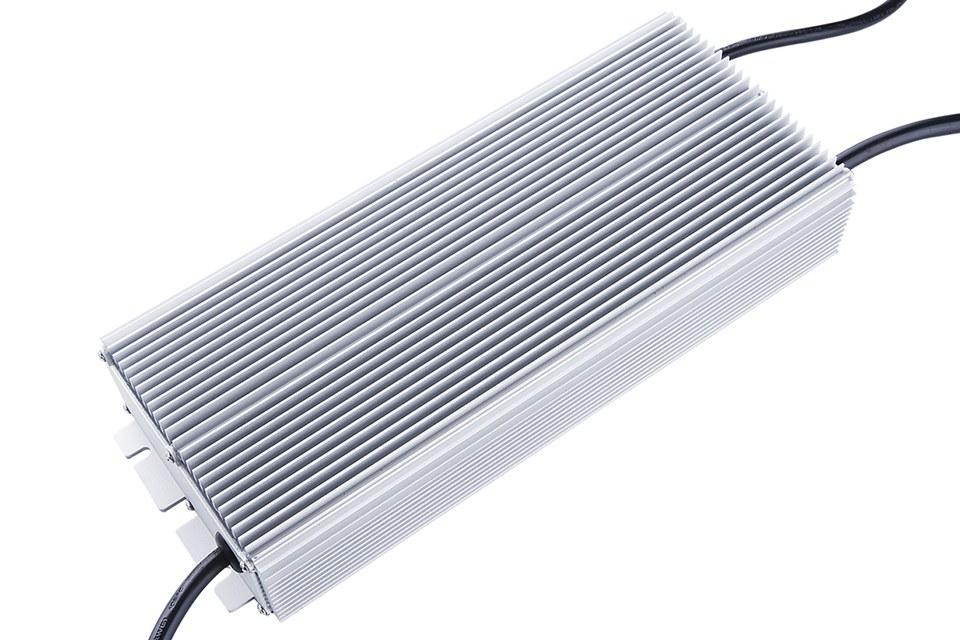
However, these benefits come at a cost. Isolated drivers require transformers, additional magnetic components, more complex PCB layouts, and stricter EMI control. As a result, isolated switching drivers are usually the most expensive LED driver solution.
Still, for premium lighting products, the additional cost is often justified by improved reliability and reduced warranty failure rates.
Why Do Non-Isolated Switching Drivers Dominate Mid-Range Markets?
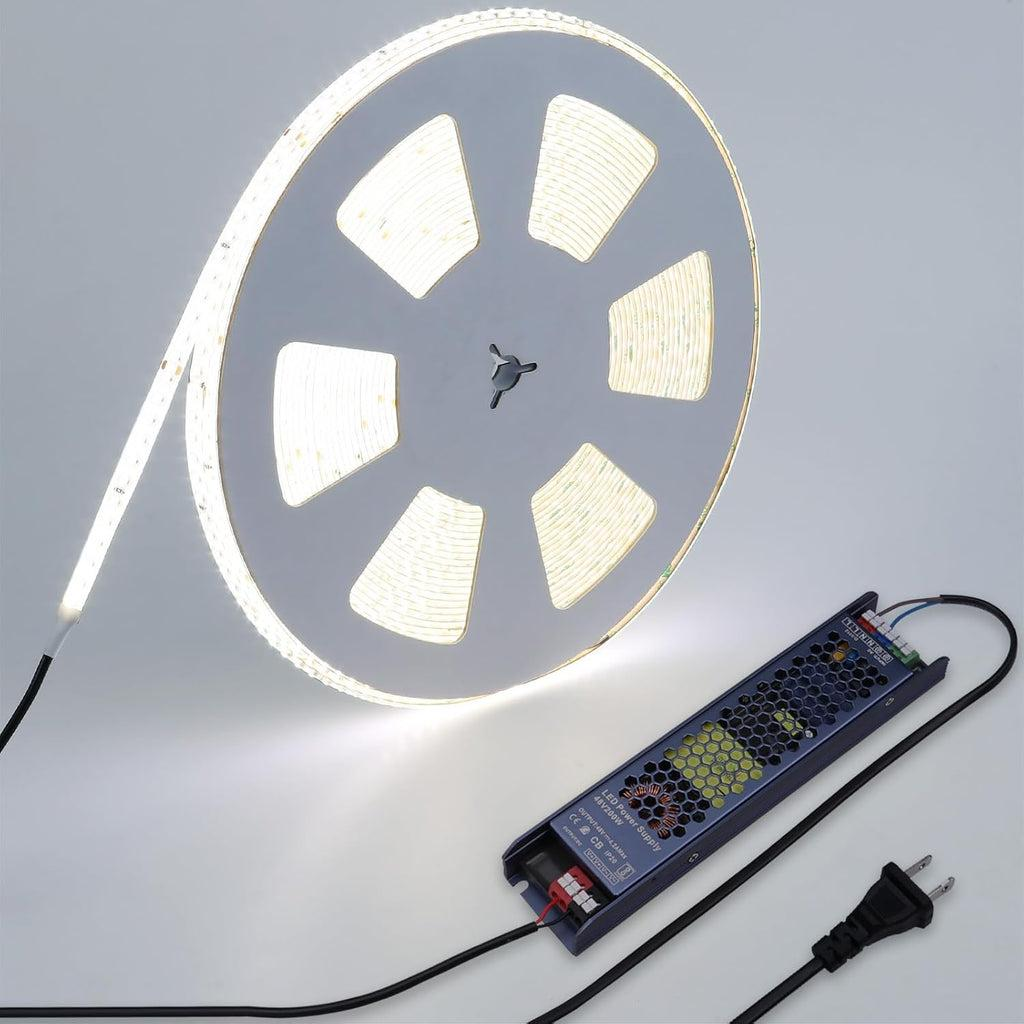
While isolated drivers offer maximum safety, non-isolated switching drivers have become extremely popular in mainstream LED lighting products because they provide excellent performance at a lower cost.
In a non-isolated design, the transformer isolation stage is removed. This reduces:
- Material cost
- PCB size
- Overall driver dimensions
At the same time, modern non-isolated switching circuits can still achieve high efficiency and stable current regulation.
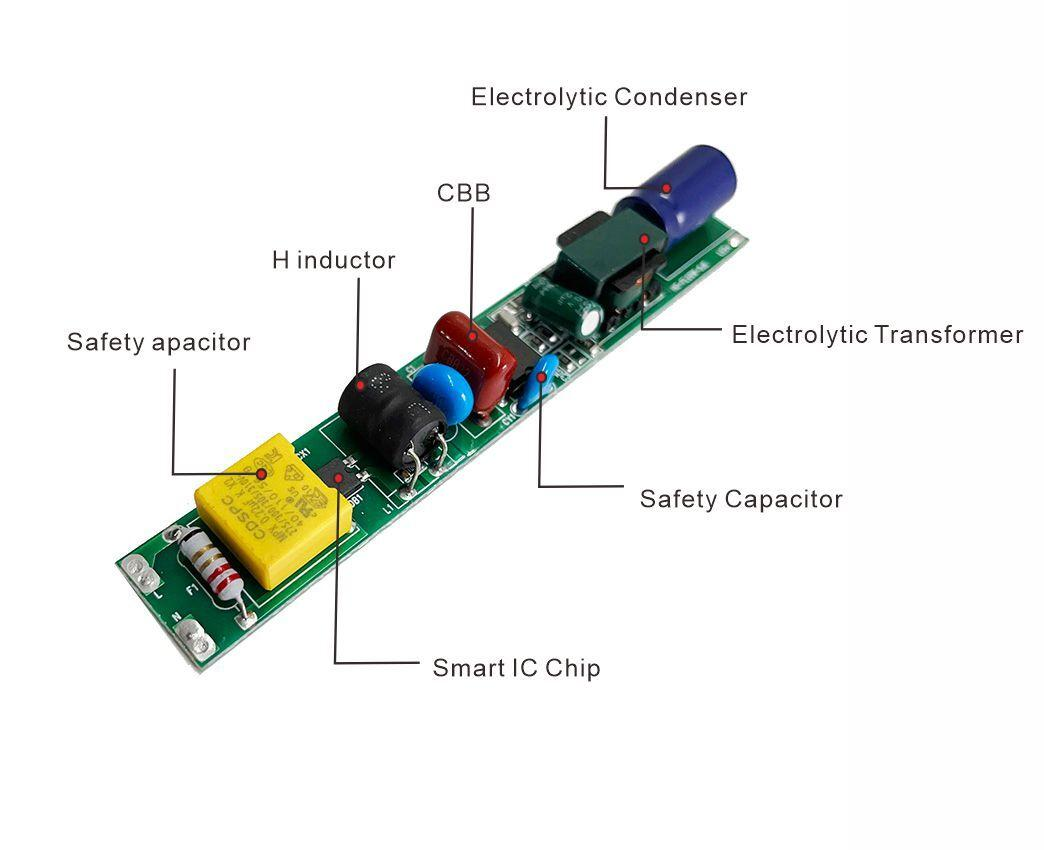
For applications such as:
- LED bulbs
- T8 LED tubes
- Downlights
- Ceiling lights
- Indoor commercial lighting
non-isolated switching drivers often provide the ideal balance between performance and manufacturing cost.
Professional manufacturers such as SIPURUI optimize insulation spacing, thermal paths, and surge protection to improve the safety and reliability of non-isolated designs. In many modern fixtures, structural insulation inside the housing compensates for the lack of transformer isolation.
As a result, non-isolated switching drivers continue to dominate large portions of the global lighting market.
Linear IC LED Drivers: Why Are They Growing So Quickly?
Over the past several years, linear IC LED drivers have gained significant attention in the lighting industry. Their simplified structure allows manufacturers to reduce cost and increase lifespan by eliminating some of the most failure-prone components used in traditional switching drivers.
Linear IC drivers regulate current directly through integrated semiconductor control circuits rather than through transformer-based switching conversion.
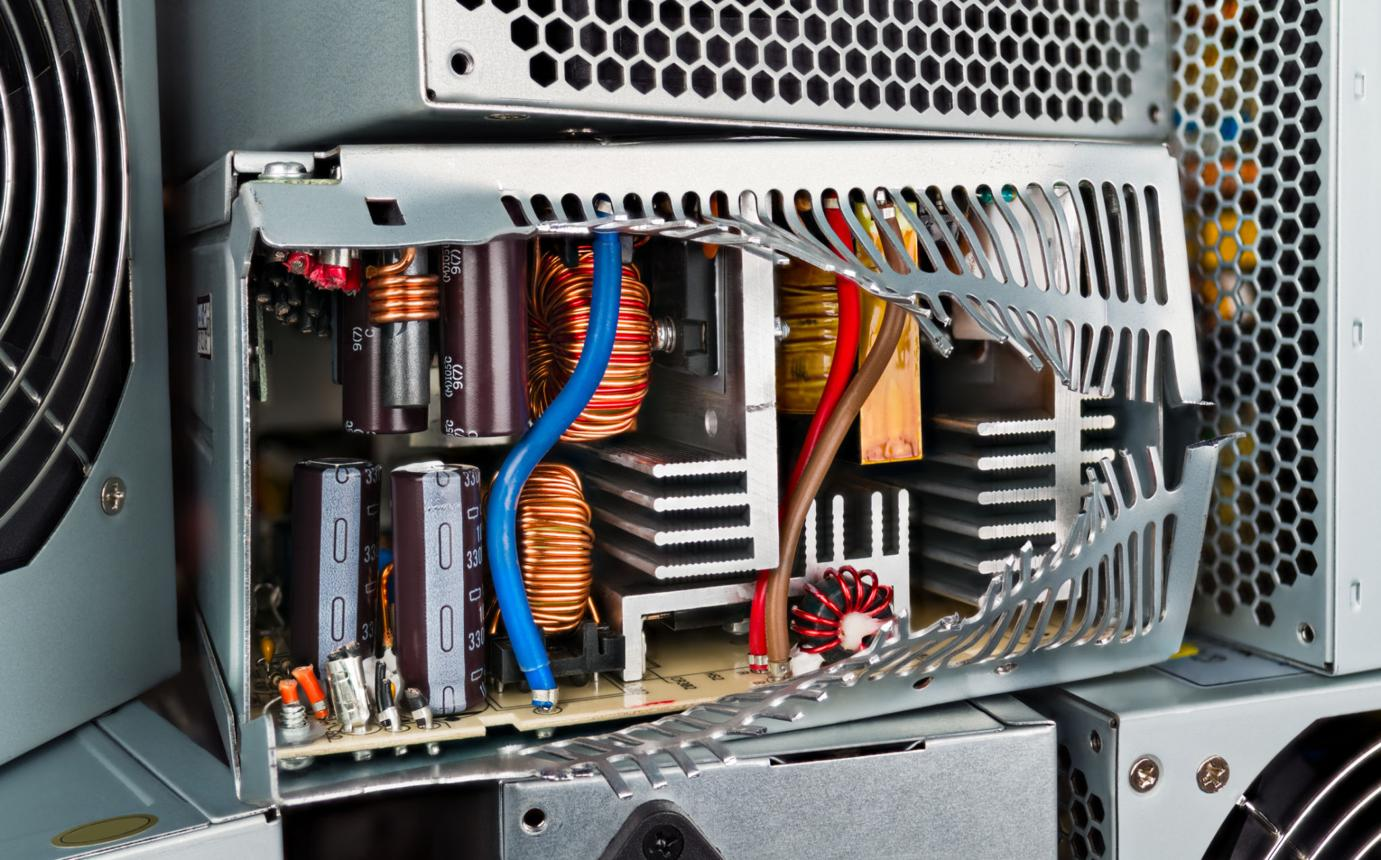
One of the biggest advantages of linear IC designs is the elimination of electrolytic capacitors. Since electrolytic capacitors are often the first component to fail in LED drivers due to heat and aging, removing them can significantly extend operational lifespan.
This is why many modern “long-life” LED products advertise:
- No electrolytic capacitors
- Extended lifespan
- Maintenance-free operation

Linear IC drivers also offer:
- Simplified PCB layouts
- Reduced component count
- Lower assembly complexity
- Compact dimensions
These characteristics make them highly attractive for residential lighting and slim-profile fixtures.
However, linear IC drivers are not perfect solutions. Since most designs are non-isolated, they still carry high-voltage output risks and require proper insulation engineering. Some low-cost designs may also suffer from visible flicker if current regulation and filtering are poorly implemented.
Nevertheless, for many mid-range lighting products, linear IC drivers offer an outstanding balance between cost, simplicity, and reliability.
Why Are Capacitive Dropper Drivers Still Used in Low-End LED Products?
Capacitive dropper power supplies represent the simplest and cheapest form of LED driver technology still widely used today.
Instead of actively regulating current through switching control, these circuits use capacitors to limit AC current directly.
The primary advantage of capacitive droppers is extremely low manufacturing cost. With only a small number of components required, these circuits occupy minimal PCB space and can be produced at very low prices.
This makes them attractive for ultra-budget LED products.
However, the technical limitations are severe.
Because capacitive drivers do not actively stabilize current, LED performance can fluctuate dramatically when input voltage changes. This instability accelerates LED degradation and shortens product lifespan.
In addition, capacitive droppers usually have very poor power factor performance, often below 0.3, which fails to meet modern energy regulations in many countries.
Another serious issue is safety. Since capacitive droppers are non-isolated and lack advanced protection circuitry, electrical shock risk is significantly higher compared with professional switching drivers.
For these reasons, capacitive droppers are generally limited to:
- Cheap residential bulbs
- Decorative lighting
- Small night lights
- Ultra-low-cost consumer products
Professional commercial lighting rarely uses this topology today.
Comparing the Three LED Driver Technologies
The differences between these driver solutions become much clearer when comparing their overall characteristics side by side.
| Driver Type | Safety | Efficiency | Reliability | Cost | Typical Applications |
| Isolated Switching Driver | Excellent | Excellent | Excellent | High | Industrial & commercial lighting |
| Non-Isolated Switching Driver | Very Good | Very Good | Very Good | Medium | General LED lighting |
| Linear IC Driver | Medium | Good | Good | Medium-Low | Residential lighting |
| Capacitive Dropper Driver | Low | Poor | Poor | Lowest | Budget consumer products |
Why Does LED Lighting Price Vary So Much?
Many buyers are surprised when two LED lamps with identical wattage have dramatically different pricing.
The explanation usually lies inside the driver section.
| Product Type | Driver Technology | Estimated Driver Cost |
| Premium Commercial Fixture | Isolated Switching Driver | Highest |
| Mid-Range LED Tube | Non-Isolated Switching Driver | Medium |
| Residential Budget Lamp | Linear IC Driver | Low |
| Ultra-Cheap LED Bulb | Capacitive Dropper | Very Low |
In high-quality lighting products, the driver may account for a significant portion of total manufacturing cost. However, investing in better driver technology reduces warranty claims, improves user satisfaction, and enhances product reputation.
What Direction Is the LED Driver Industry Moving Toward?
The future of LED driver technology is increasingly focused on:
- Higher efficiency
- Lower flicker
- Smart dimming integration
- Compact size
- Longer lifespan
- Improved thermal performance
- Better EMC compatibility
Advanced switching power supplies continue to dominate high-performance applications because they offer the flexibility required for intelligent lighting systems and IoT integration.
Meanwhile, linear IC drivers continue gaining market share in compact consumer lighting where simplified structure and long lifespan are highly valued.
Capacitive dropper solutions, however, are gradually disappearing from higher-end markets due to growing regulatory and safety requirements.

Final Thoughts
In modern LED lighting systems, the driver power supply is far more than a supporting component. It is the core technology that determines whether a lighting product can achieve stable long-term operation.
Choosing the right driver topology requires balancing:
- Safety requirements
- Performance expectations
- Certification standards
- Product positioning
- Manufacturing cost
For professional lighting manufacturers seeking stable quality and long operational lifespan, switching constant current power supplies remain the most reliable solution.
At SIPURUI, we continue to focus on advanced switching power supply technology engineered for modern LED lighting applications, helping manufacturers achieve higher efficiency, better reliability, and stronger market competitiveness in global lighting markets.