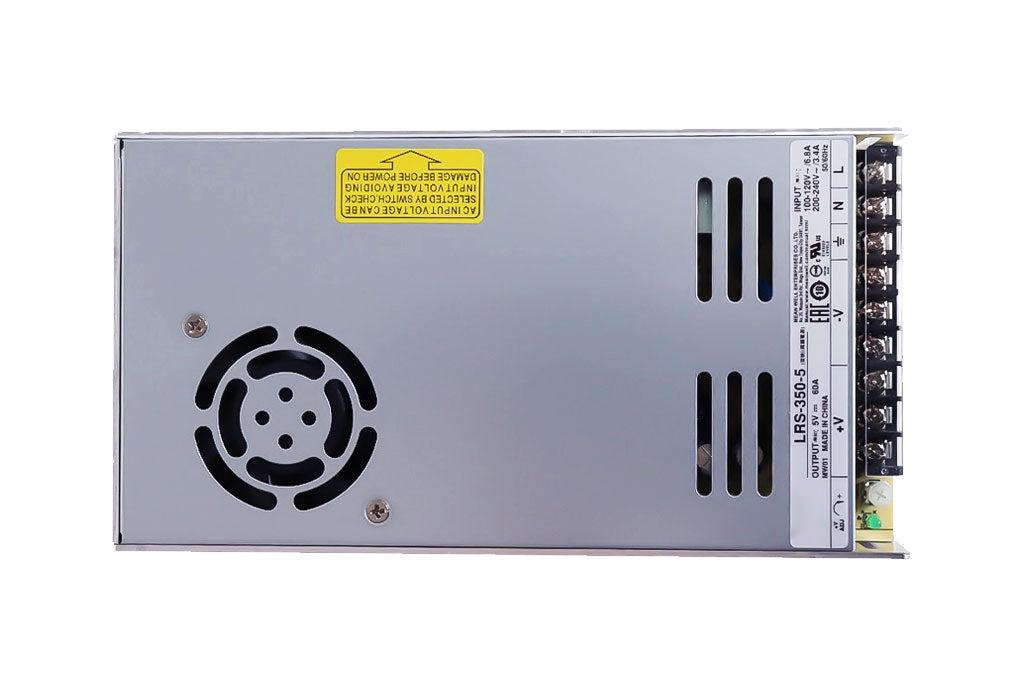
...

What Does a Power Supply Really Do? A Deep Dive into Switching Power Supplies and Why SIPURUI Stands Out

Introduction: Why Is the Power Supply So Critical Yet Overlooked?

In modern electronics, attention is often focused on processors, sensors, or software. However, none of these components can function without a stable and reliable power source.

A power supply unit (PSU) is responsible for delivering the exact type of electrical energy required by electronic systems. Without it, devices may malfunction, degrade quickly, or fail entirely.

From LED lighting systems and industrial automation to telecommunications and security infrastructure, power supplies are the foundation of performance and reliability.

This article explores in depth what a power supply does, how switching power supplies work, and how to select a high-quality solution such as those offered by SIPURUI.


What Does a Power Supply Do?

Is It Just Converting AC to DC?

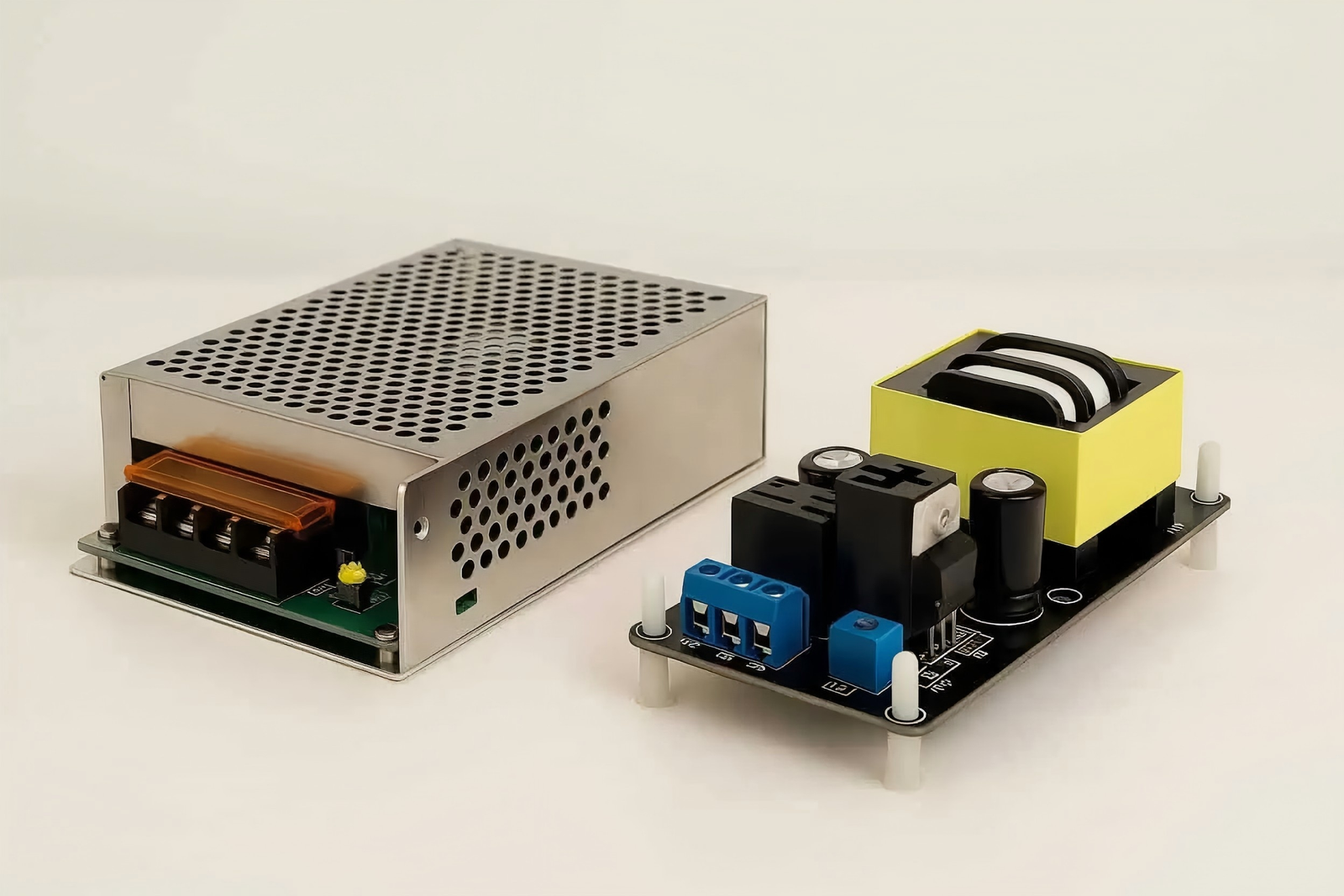
At a basic level, a power supply converts AC power from the electrical grid into DC power suitable for electronic devices.

However, this definition is incomplete.

A modern switching power supply performs several critical roles simultaneously:

·Converts voltage and current levels

·Stabilizes output under varying conditions

·Protects connected devices from electrical faults

·Improves energy efficiency

·Adapts dynamically to load changes

Without these functions, electronic systems would be vulnerable to instability, overheating, and premature failure.


How Does a Power Supply Work?

Understanding the AC to DC Conversion Process

The conversion process involves several stages:

1. Transformation
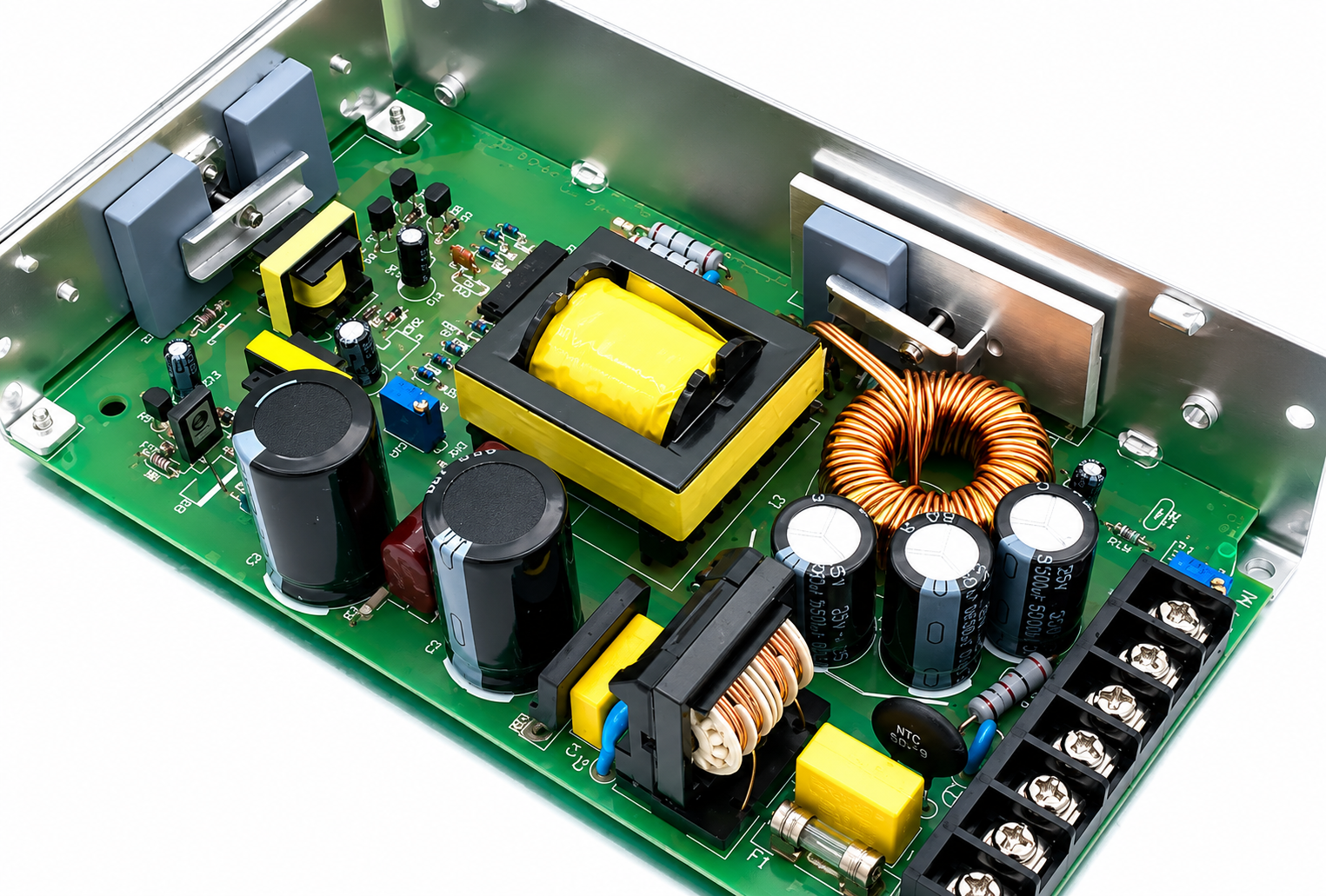
The input voltage is adjusted to a suitable level. In switching power supplies, this is done using high-frequency transformers.

2. Rectification
A diode bridge converts AC into pulsating DC.

3. Filtering
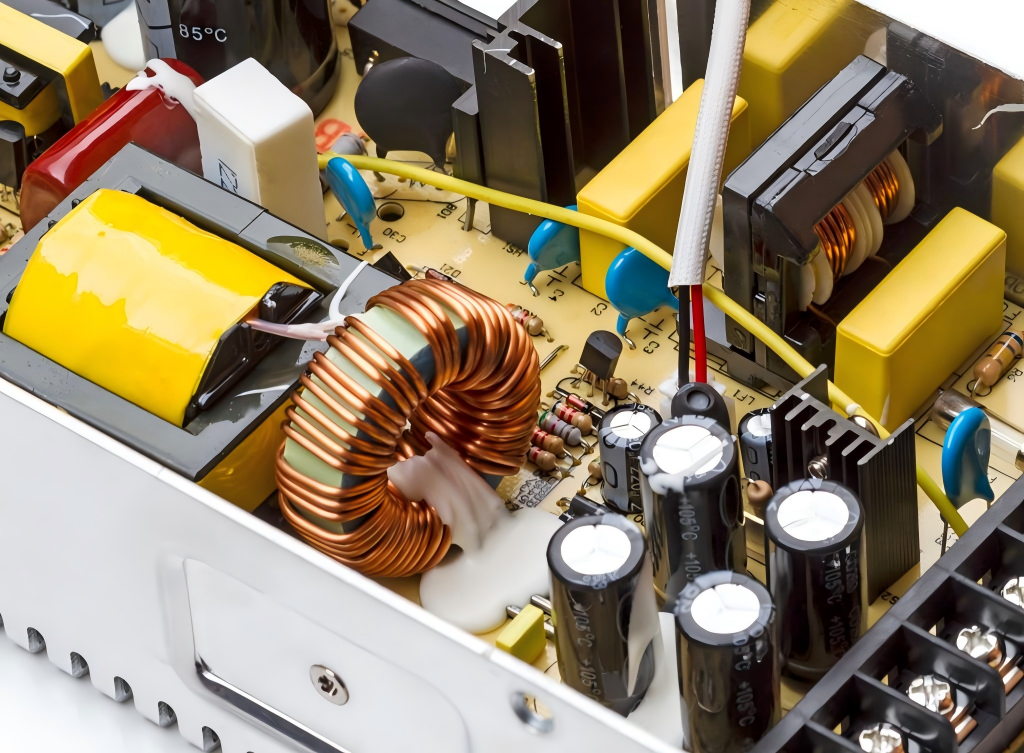
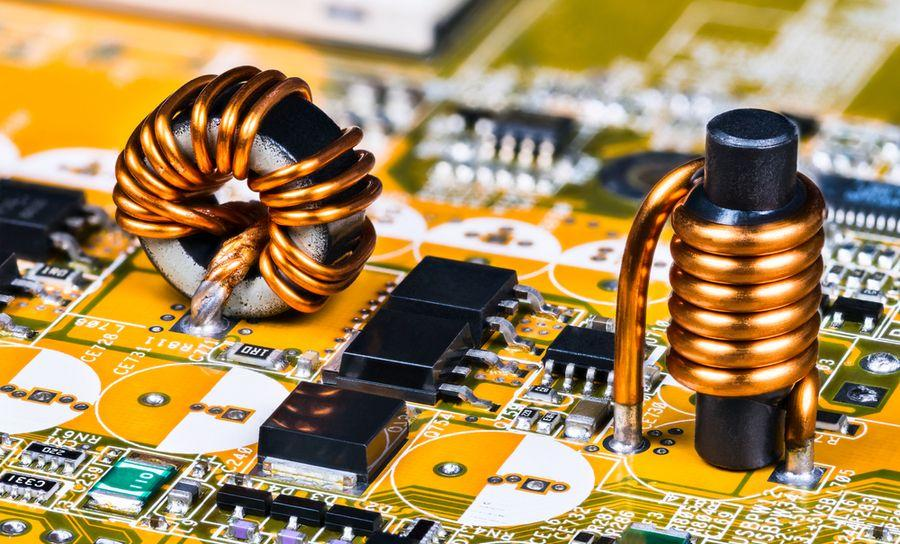
Capacitors and inductors smooth the waveform and reduce ripple.

4. Regulation
A feedback control loop ensures the output voltage remains constant even when input voltage or load changes.

This multi-stage design ensures stable and reliable power delivery.


Why Are Switching Power Supplies Dominating the Market?

What Makes SMPS More Advanced?

Switching power supplies use high-frequency switching technology combined with pulse-width modulation (PWM) to regulate output.

Instead of continuously dissipating excess energy, they switch rapidly between on and off states, dramatically improving efficiency.


Linear vs Switching Power Supplies: A Practical Comparison

FeatureLinear Power SupplySwitching Power Supply
Efficiency40–60%80–95%+
Heat GenerationHighLow
SizeLargeCompact
WeightHeavyLightweight
Energy LossSignificantMinimal
Application ScopeLimitedWide

Switching power supplies are now the preferred solution in nearly all commercial and industrial applications.


Where Are Switching Power Supplies Used?

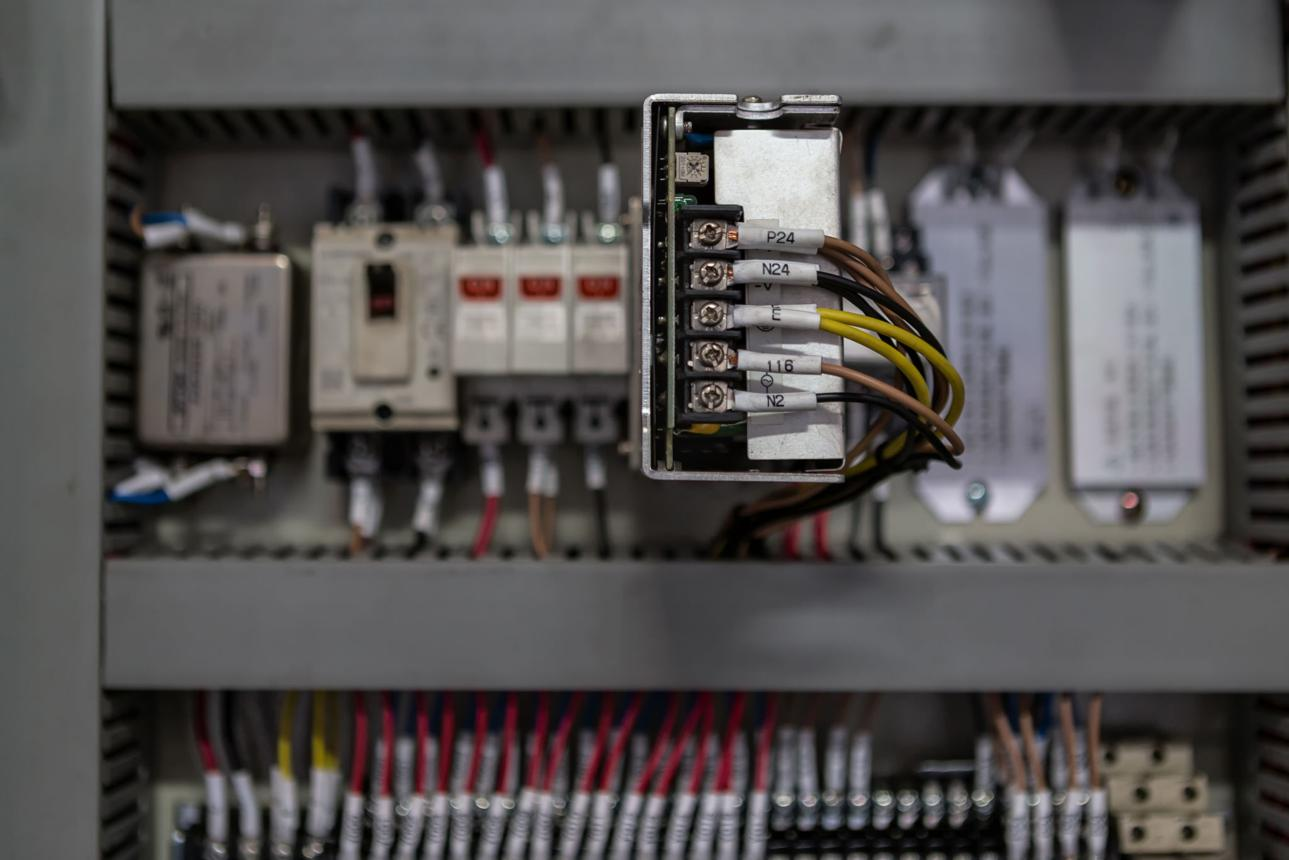
Switching power supplies are used across multiple industries:

·LED lighting systems

·Industrial machinery and CNC equipment

·Automation and robotics

·Telecommunications infrastructure

·Security and surveillance systems

Among these, LED driver applications are particularly demanding.


LED Driver Power Supplies: Why Are They So Demanding?

LED systems require precise electrical characteristics.

Unlike traditional lighting, LEDs are sensitive to current fluctuations and thermal stress.

Key Technical Requirements

RequirementTechnical Impact
Constant currentEnsures consistent brightness and prevents damage
High efficiencyReduces thermal load and improves lifespan
Waterproof designEnables outdoor and harsh environment use
Power factor correctionMeets regulatory and efficiency standards
Surge protectionProtects against unstable grid conditions

This is why LED driver power supplies must meet higher standards than many other applications.


What Defines a High-Quality Switching Power Supply?

Efficiency and Thermal Performance

Efficiency directly affects heat generation. Lower heat improves component lifespan and system reliability.

High-quality switching power supplies typically achieve efficiency levels above 90 percent.


Protection Functions

Protection TypePurpose
Overvoltage Protection (OVP)Prevents excessive voltage output
Overcurrent Protection (OCP)Limits current to safe levels
Short Circuit Protection (SCP)Prevents catastrophic failure
Over Temperature Protection (OTP)Protects against overheating
Surge ProtectionHandles transient voltage spikes

These features are essential for industrial-grade reliability.


Power Factor Correction (PFC)

Modern power supplies include active PFC to improve efficiency and reduce harmonic distortion.

A power factor above 0.9 is typically required in commercial applications.


Component Quality

Internal design determines long-term performance. High-quality power supplies use:

·Long-life electrolytic capacitors

·Efficient MOSFET switching devices

·Advanced PWM controllers

·Optimized thermal structures


Environmental Protection

For outdoor applications, durability is critical.

Typical requirements include:

·IP65 or IP67 waterproof rating

·Dust and corrosion resistance

·Stable operation across temperature ranges


SIPURUI Switching Power Supplies: Designed for Real-World Applications

SIPURUI focuses on developing switching power supplies for demanding environments, particularly in LED and industrial applications.

Key Advantages

High Efficiency
Up to 92–95 percent efficiency, reducing energy loss and operating cost.

Wide Input Voltage Range
Supports 100–277V AC, making it suitable for global markets.

Waterproof Design
IP67-rated models ensure stable performance in outdoor conditions.

Long Lifespan
Designed for over 50,000 hours of operation.

Comprehensive Protection
Integrated protection circuits ensure safe operation under various conditions.


Example Specifications of SIPURUI LED Drivers

ParameterTypical Value
Input Voltage100–277V AC
Output Voltage12V / 24V / 48V
EfficiencyUp to 94%
Power Factor> 0.95
Protection RatingIP67
Protection FeaturesOVP, OCP, SCP, OTP
Lifespan50,000+ hours

These specifications demonstrate suitability for industrial and outdoor applications.


How to Choose the Right Switching Power Supply

Are You Selecting Based on Price Alone?

This is a common mistake. A low-cost power supply may lead to higher long-term costs due to failure or inefficiency.

Key Selection Criteria

1. Output Matching
Ensure voltage and current match the load requirements.

2. Power Margin
Select a power supply with 20–30 percent additional capacity.

3. Environmental Conditions
Outdoor applications require waterproof designs.

4. Certifications
Ensure compliance with CE, RoHS, and FCC standards.

5. Manufacturer Reliability
Choose a supplier with proven quality and consistency.

Conclusion: Why the Power Supply Should Never Be an Afterthought

A power supply is not just a supporting component. It is a critical part of system design that directly affects performance, safety, and lifespan.

Switching power supplies have become the standard due to their efficiency, compact size, and versatility.

Choosing a high-quality solution such as SIPURUI ensures:

·Stable operation

·Energy efficiency

·Long-term reliability

·Protection for the entire system

In any electronic system, the quality of the power supply ultimately determines the reliability of everything connected to it.

Related Posts

Need a Reliable Power Supply Partner?

Contact us today to discuss your project and get professional support.

“Wait! Don’t leave without your free quote”

“Get in touch now and we’ll provide a personalized solution for your project. Fill the form below to get started!”


Seraphinite AcceleratorOptimized by Seraphinite Accelerator
Turns on site high speed to be attractive for people and search engines.