...

What Power Supply Do I Need? The Complete 2026 Guide to Choosing the Right Switching Power Supply

Choosing a power supply may seem simple—until it isn’t. Why do some systems run flawlessly for years, while others fail prematurely, overheat, or suffer from unstable performance?

The answer often comes down to one overlooked component: the power supply.

So, what power supply do you actually need? How do you avoid under-sizing, overpaying, or choosing the wrong type entirely? And more importantly, how do you select a solution that is reliable in real-world conditions—not just on paper?

In this guide, we’ll walk through everything you need to know, from electrical fundamentals to product-level decisions, with a practical focus on modern switching power supplies used in industrial and electronic applications.


What Does a Power Supply Really Do—and Why Does It Matter So Much?

At its core, a power supply converts electrical energy into a form that your device can safely use. But in real applications, it does much more than simple conversion.

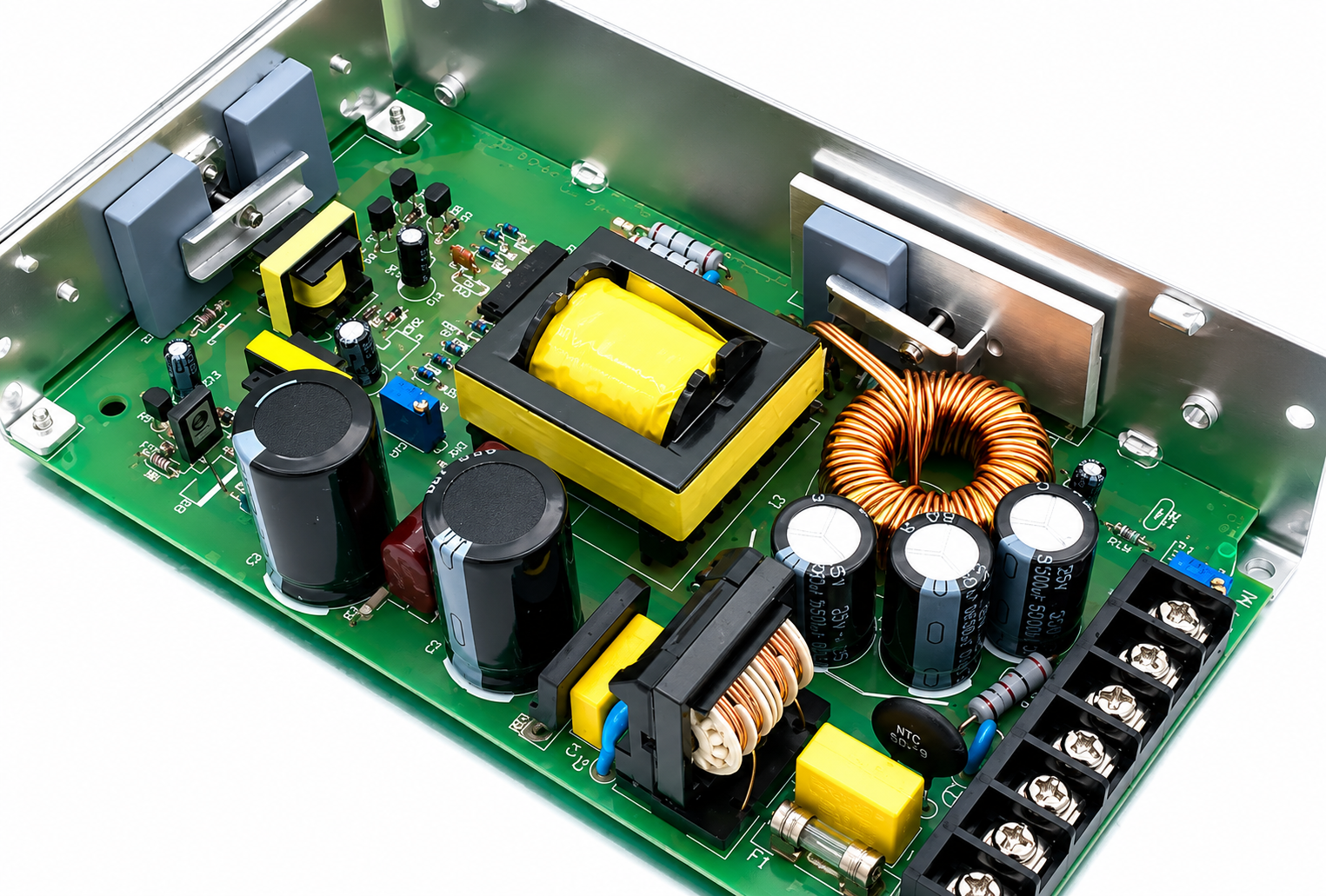
A high-quality switching power supply regulates voltage, protects against electrical faults, stabilizes output under fluctuating loads, and ensures long-term operational reliability. In industrial environments, it may also need to handle vibration, temperature extremes, and continuous operation.

This is why engineers and buyers are increasingly moving toward switching power supplies (SMPS) rather than traditional linear designs. Switching power supplies offer higher efficiency, smaller size, and better thermal performance—making them the standard across automation, LED systems, telecommunications, and embedded electronics.


AC or DC: Are You Starting With the Right Type of Power?

Before diving into specifications, the first critical question is simple: does your application require AC or DC?

Most industrial and electronic systems ultimately run on DC power. However, the input source is typically AC from the grid. This means you will need an AC-to-DC switching power supply to convert and regulate the voltage.

For example:

·LED lighting systems commonly use 12V or 24V DC

·Industrial control systems often operate on 24V DC

·Communication equipment may require 48V DC

Choosing the wrong type at this stage can lead to immediate incompatibility. Always verify both input voltage range and required output voltage before proceeding.


How Much Power Do You Actually Need?

This is where most users ask: how many watts should my power supply be?

The correct approach is not guesswork—it is calculation.

You must determine the total power consumption of your system and include a safety margin to ensure stable operation.

Typical Power Calculation Example

ComponentPower Consumption
Control board15W
Sensors (x5)25W
Actuators80W
Safety margin (25%)+30W
Total Required Power150W

A 150W system should ideally use a 200W power supply, ensuring it operates within 70–80% load range, where efficiency and lifespan are optimized.

Running a power supply at full capacity continuously can lead to overheating and reduced lifespan. On the other hand, oversizing excessively may reduce efficiency at low loads.


Why Efficiency Ratings Matter More Than You Think

Efficiency is not just about saving electricity—it directly affects system temperature, reliability, and operating cost.

Switching power supplies typically offer efficiency levels between 80% and 95%. The difference may seem small, but over time it has significant impact.

Efficiency Comparison

Efficiency LevelHeat LossEnergy Cost ImpactTypical Use Case
80%HighHigherLow-cost systems
85–88%ModerateمتوسطGeneral industrial
90–94%LowLowerHigh-performance systems

Higher efficiency means less energy wasted as heat, which reduces cooling requirements and improves component longevity.

SIPURUI switching power supplies are designed with high-efficiency topologies, ensuring stable output even under demanding load conditions.


Form Factor: Will It Fit Your System Environment?

Have you considered where your power supply will be installed?

Form factor is often overlooked, but it is critical for compatibility and system design.

Common Power Supply Types

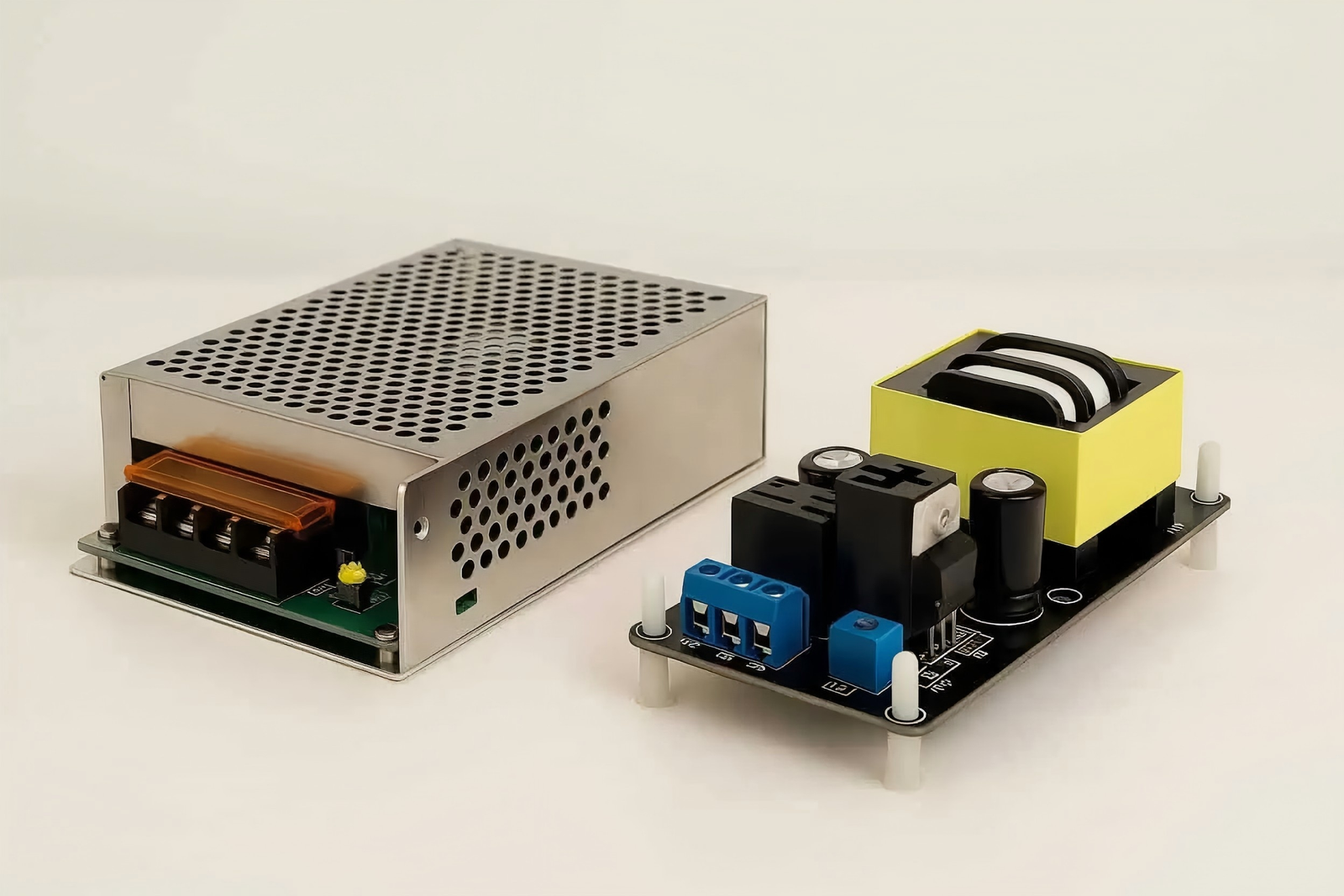
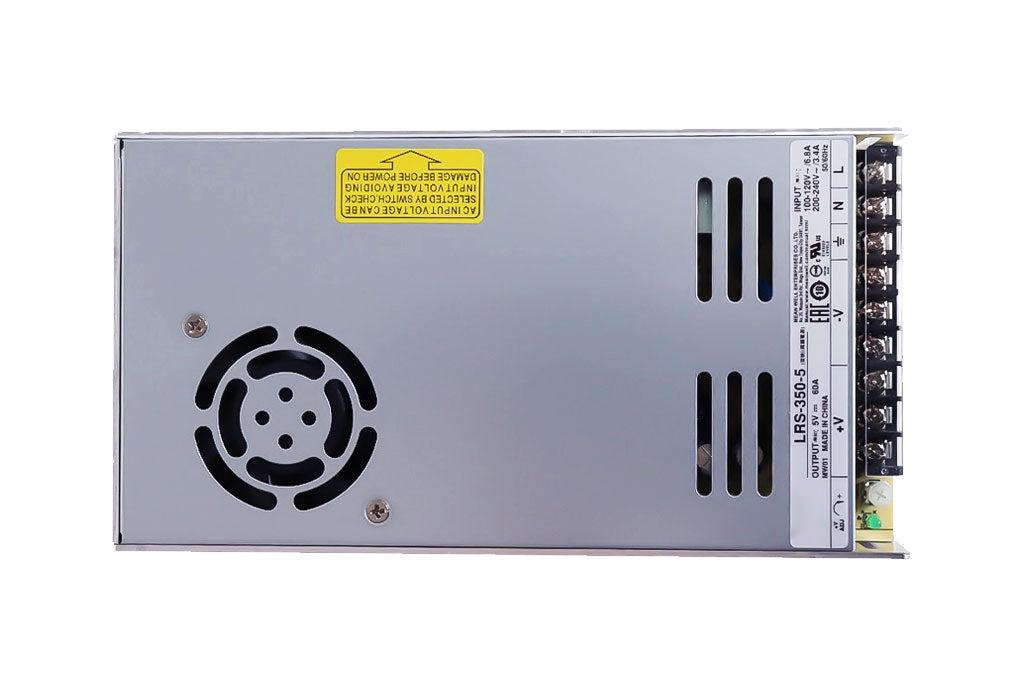
·Enclosed Power Supplies: Fully protected, ideal for industrial use

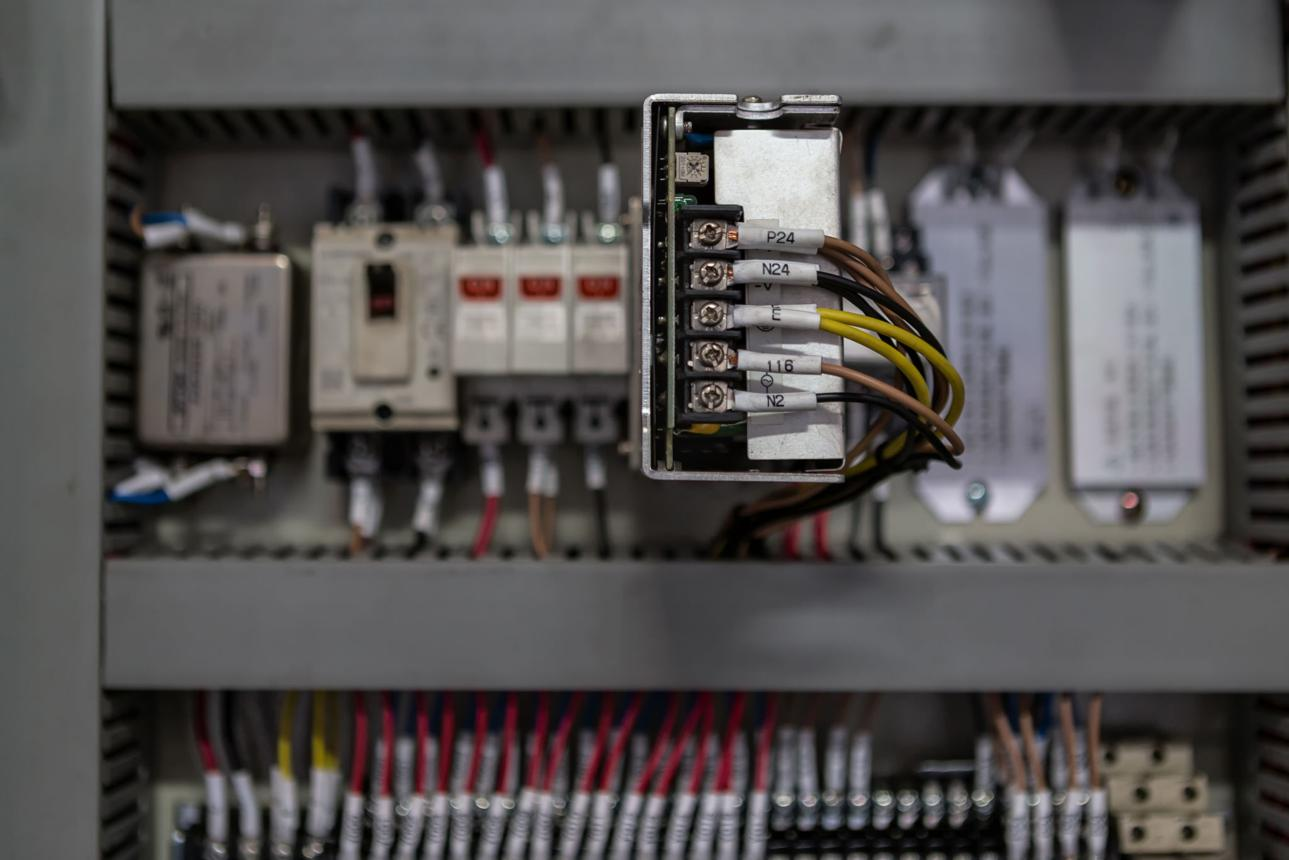
·DIN Rail Power Supplies: Designed for control cabinets and automation systems

·Open Frame Power Supplies: Compact, used in embedded or OEM applications

Typical Installation Scenarios

ApplicationRecommended TypeKey Advantage
Industrial automationDIN RailEasy mounting, modular
Machinery systemsEnclosed PSUDust protection, durability
Embedded electronicsOpen frameSpace-saving

Selecting the correct form factor ensures easier installation, better airflow, and long-term maintainability.


Are You Paying Enough Attention to Protection Features?

What happens when voltage spikes? Or when your system suddenly draws excess current?

A reliable switching power supply should include multiple protection mechanisms:

·Over-voltage protection (OVP)

·Over-current protection (OCP)

·Short-circuit protection (SCP)

·Over-temperature protection (OTP)

Without these features, even a minor electrical fault can damage your entire system.

SIPURUI power supplies are engineered with comprehensive protection circuits, ensuring safe operation across industrial environments.


Modular vs Non-Modular Design: Does It Matter in Industrial Systems?

While modular designs are often associated with PC power supplies, the concept also applies in industrial setups.

A modular approach allows flexibility in wiring, simplifies maintenance, and improves airflow. In contrast, fixed wiring solutions are more cost-effective but less adaptable.

For complex automation systems, modularity can significantly reduce downtime during maintenance or upgrades.


How Long Should a Power Supply Last?

A high-quality switching power supply is not a short-term component—it is an investment.

Typical lifespan expectations:

·Standard units: 5–7 years

·Industrial-grade units: 8–10 years or more

However, lifespan depends heavily on:

·Operating temperature

·Load level

·Environmental conditions

·Component quality

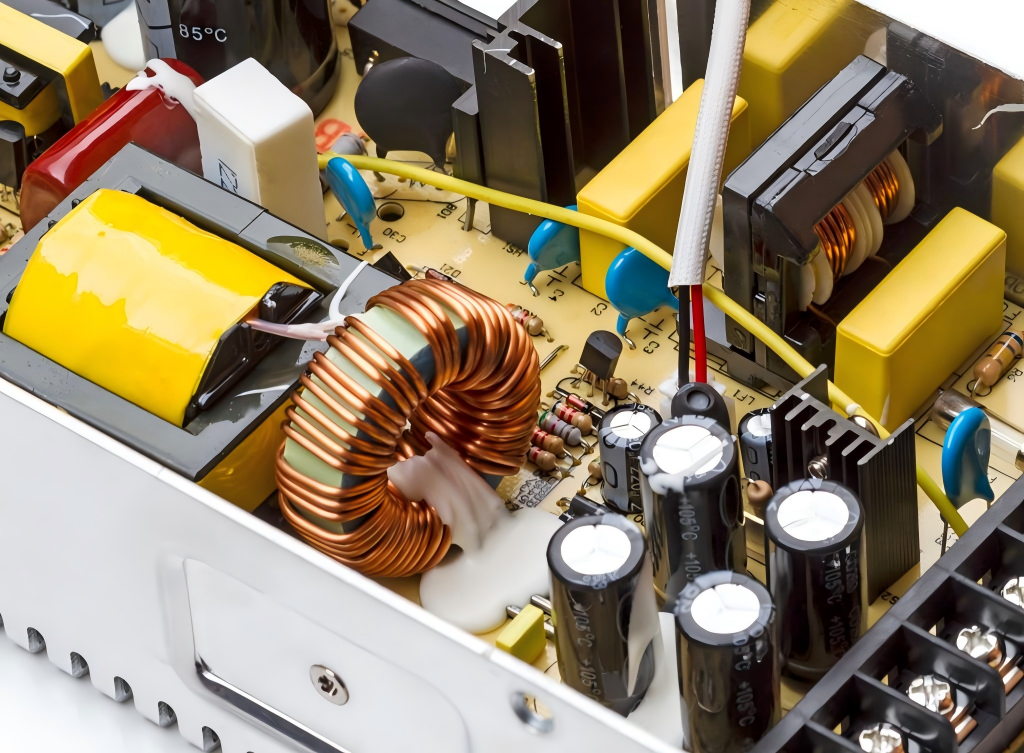
For example, capacitors—one of the most critical components—are highly sensitive to heat. Every 10°C increase in temperature can significantly reduce their lifespan.

SIPURUI designs prioritize thermal management and component selection, ensuring long-term reliability even in demanding applications.


What About Certifications and Compliance?

Are you planning to sell or deploy your equipment internationally?

If so, certification is not optional—it is mandatory.

Common certifications include:

·UL (North America)

·CE (Europe)

·RoHS (environmental compliance)

·VDE (Germany safety standard)

Certified power supplies ensure compliance with safety regulations and simplify product approvals in global markets.


Real Product-Level Considerations: What Should You Look For?

Beyond theory, choosing the right power supply often comes down to product-level details.

When evaluating a switching power supply, consider:

·Wide input voltage range (e.g., 85–264VAC)

·Stable output voltage tolerance (±1–2%)

·Low ripple and noise

·High MTBF (Mean Time Between Failures)

·Compact design for space optimization

For example, SIPURUI’s industrial switching power supply series offers:

·Wide input compatibility

·High efficiency up to 92%

·Full protection features

·Robust metal enclosure options

·DIN rail models for automation systems

These features are not just specifications—they directly translate into real-world performance and reliability.


How Do You Avoid Common Power Supply Mistakes?

Even experienced buyers make avoidable mistakes. Are you making any of these?

·Choosing based on price alone

·Ignoring load margin

·Overlooking thermal conditions

·Selecting incorrect connectors

·Using non-certified products

Each of these can result in system instability, increased maintenance cost, or even safety risks.


So, What Power Supply Do You Really Need?

By now, the answer should be clearer—but also more nuanced.

The right power supply depends on:

·Your application type

·Required voltage and wattage

·Installation environment

·Safety and certification needs

·Long-term reliability expectations

There is no one-size-fits-all solution. However, by carefully evaluating these factors, you can select a power supply that not only meets your current needs but also supports future scalability.


Final Thoughts: Why the Right Choice Makes All the Difference

A power supply is not just a supporting component—it is the foundation of your entire system.

Choosing the right switching power supply means:

·Better performance

·Higher efficiency

·Longer lifespan

·Reduced downtime

SIPURUI is committed to providing high-quality switching power solutions tailored to industrial and electronic applications, combining performance, safety, and reliability in every product.

If you are still asking, “what power supply do I need?”, the best next step is to evaluate your system requirements in detail—or consult with a supplier who understands real-world applications, not just specifications.

Related Posts

Need a Reliable Power Supply Partner?

Contact us today to discuss your project and get professional support.

“Wait! Don’t leave without your free quote”

“Get in touch now and we’ll provide a personalized solution for your project. Fill the form below to get started!”


Seraphinite AcceleratorOptimized by Seraphinite Accelerator
Turns on site high speed to be attractive for people and search engines.