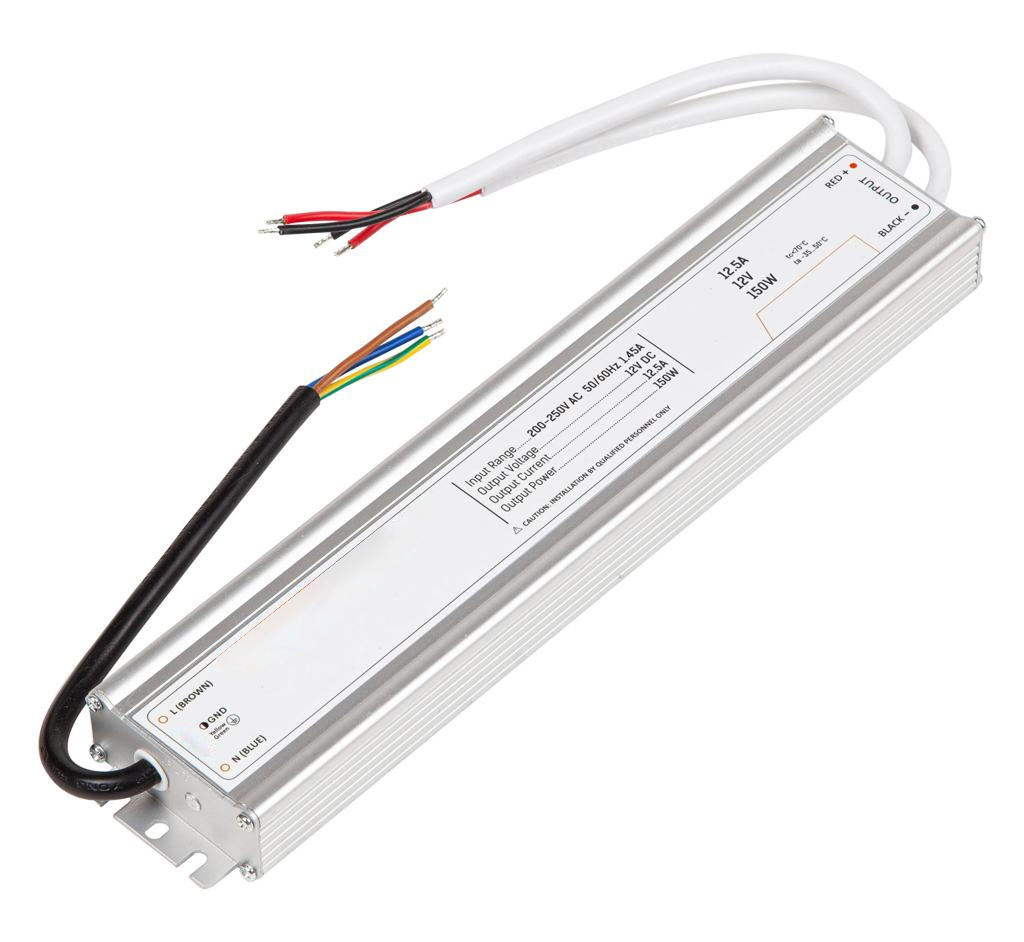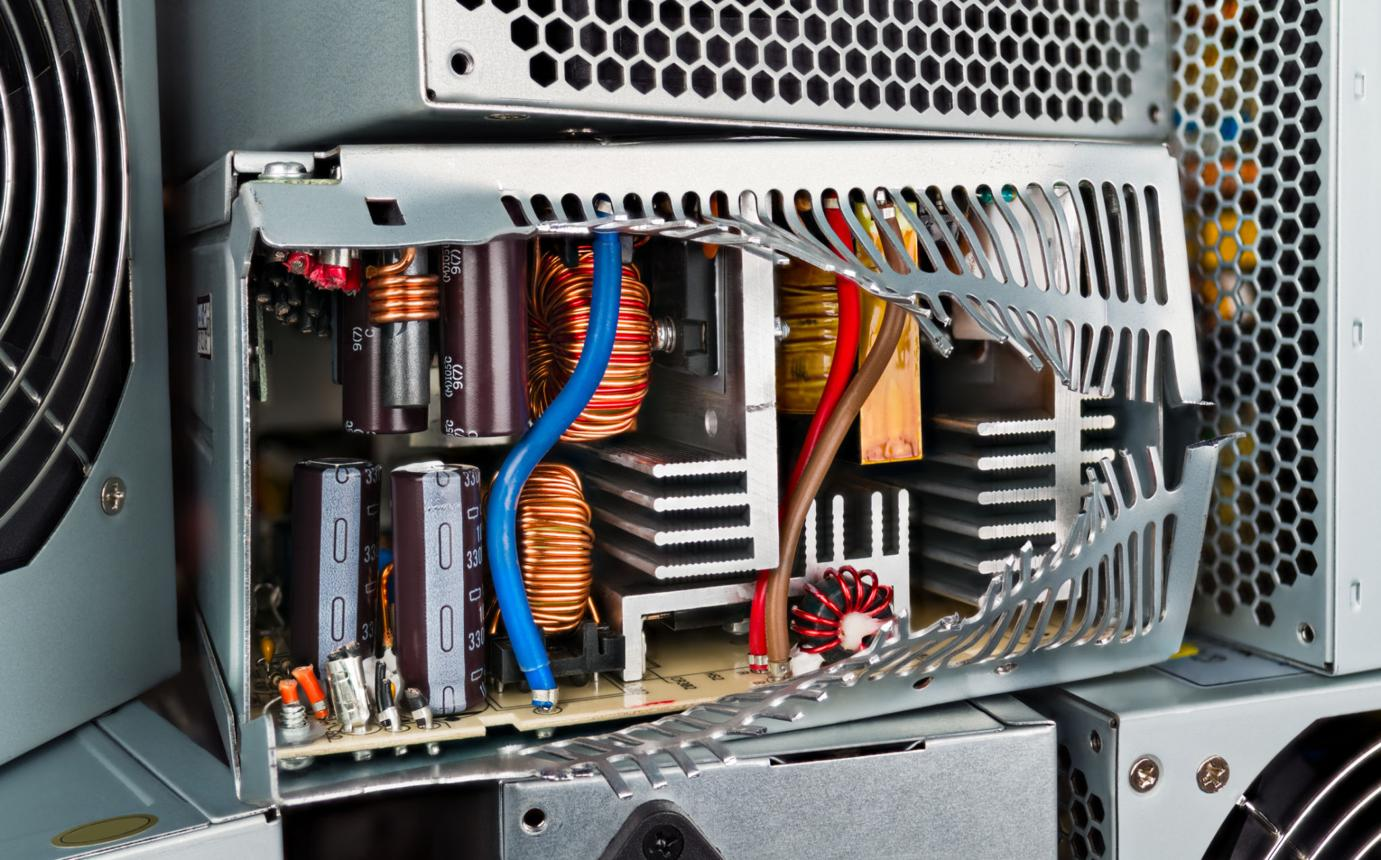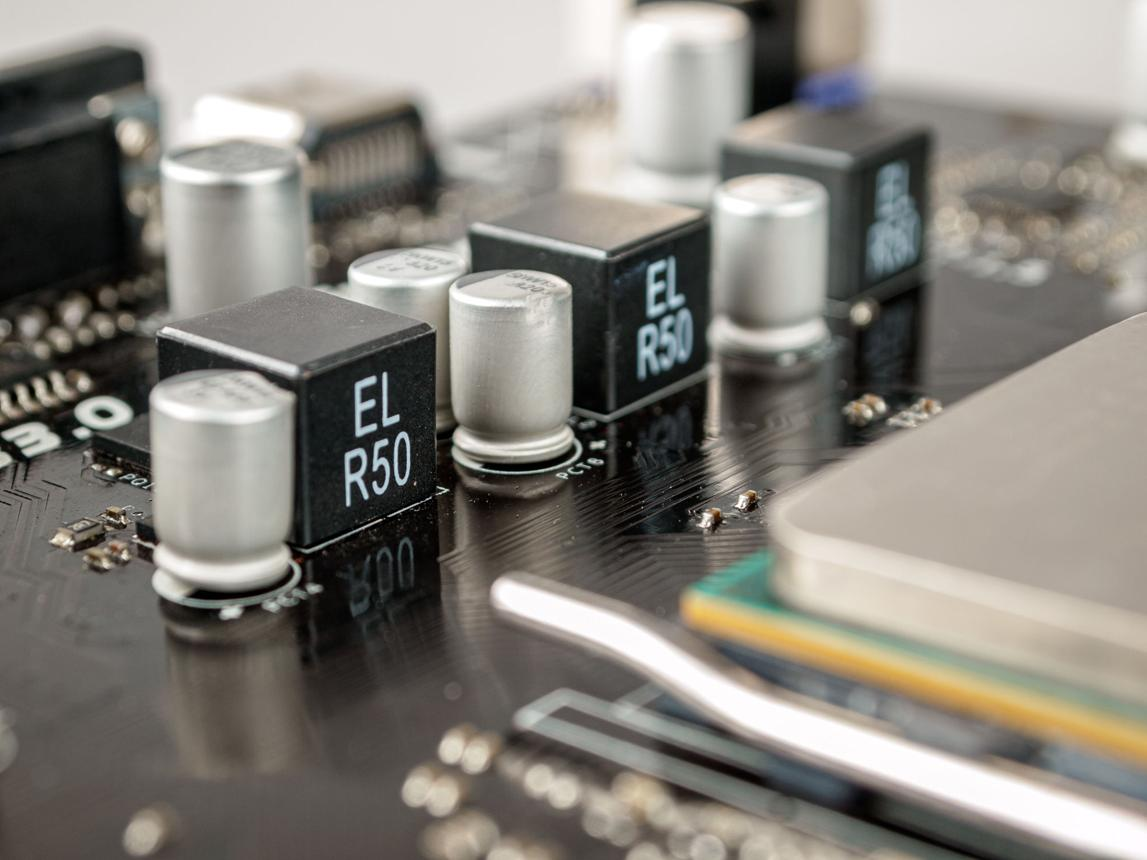

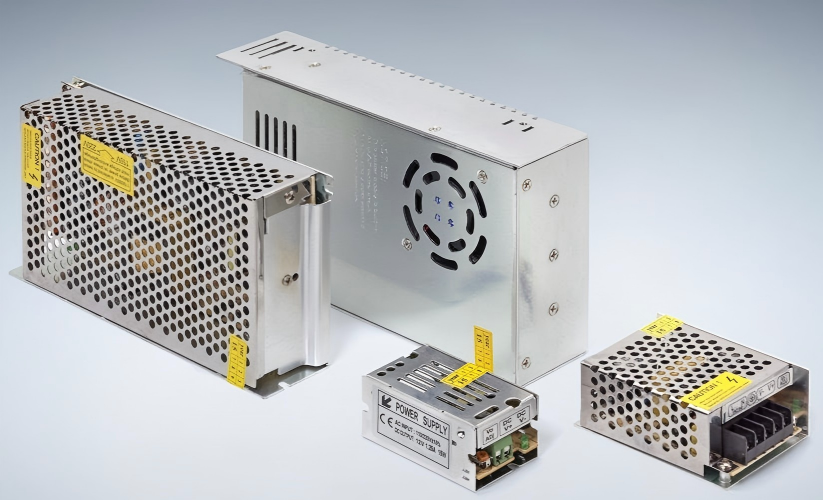
In modern industry, electronics, infrastructure, and intelligent equipment, one component works quietly behind the scenes yet determines whether an entire system performs reliably: the switching power supply.
From automated production lines and telecom networks to LED lighting, security systems, and medical equipment, stable DC power is essential. Without it, controllers fail, communication systems shut down, sensors become unstable, and equipment downtime becomes costly. That is exactly why switching power supplies have become the standard choice across global markets.
Compared with traditional linear power supplies, switching power supplies offer significantly higher efficiency, lower heat generation, smaller size, lighter weight, and better compatibility with modern electronic systems. As energy costs rise and equipment becomes more compact and intelligent, demand for high-performance power conversion continues to grow.
For OEM manufacturers, system integrators, distributors, and industrial buyers, understanding where switching power supplies are used—and how to choose the right one—has never been more important.
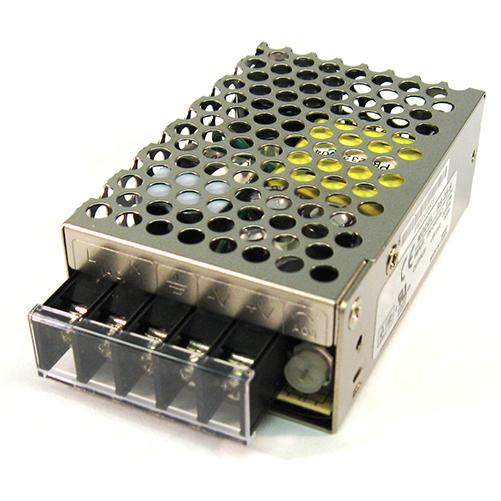
What Is a Switching Power Supply and Why Has It Replaced Older Designs?
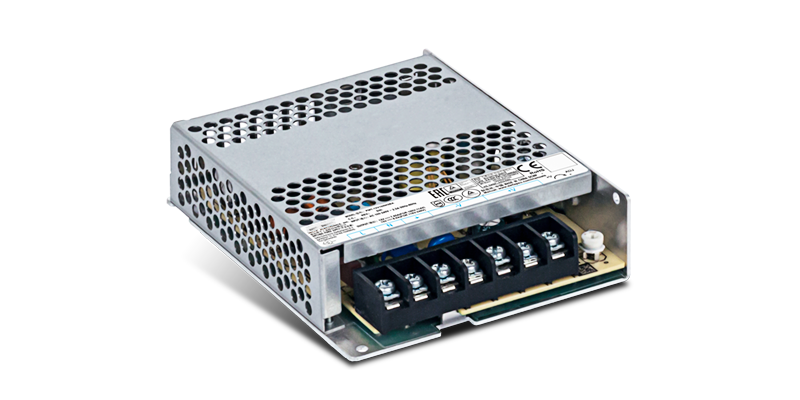
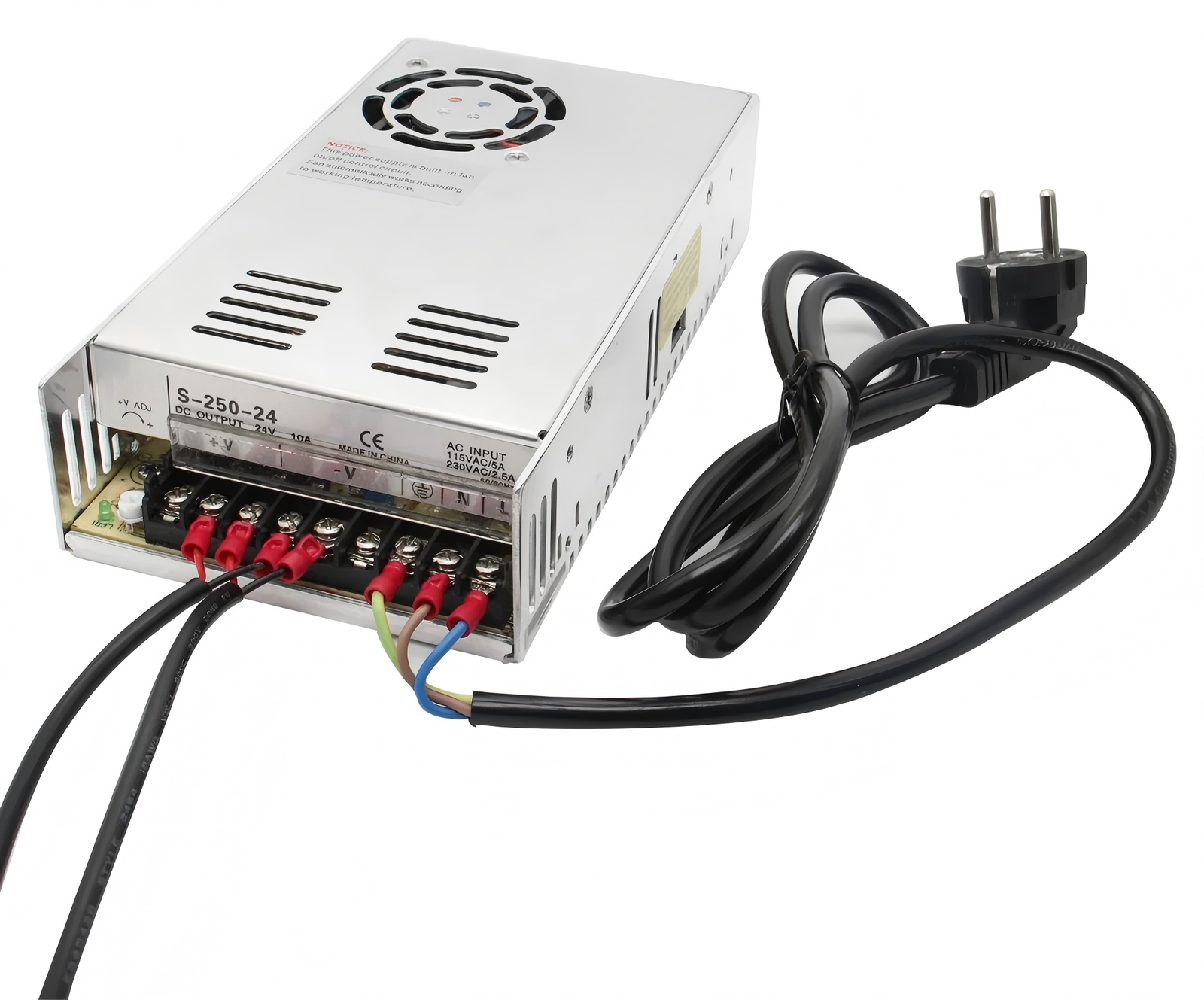
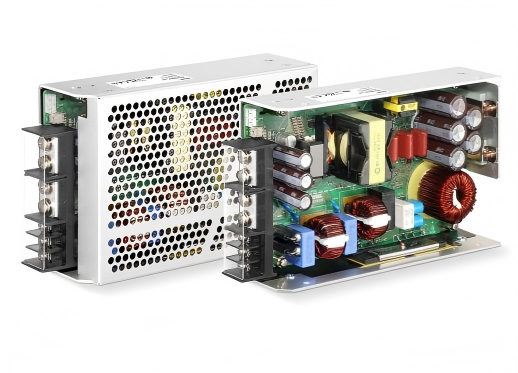
A switching power supply, often called an SMPS, converts AC or DC input power into regulated output voltage through high-frequency switching technology. Instead of dissipating excess energy as heat like traditional linear supplies, it rapidly switches power devices on and off, stores energy in magnetic components, and delivers highly efficient output control.
This operating method creates several advantages that matter directly to real-world buyers and engineers. First, efficiency is much higher, often reducing electricity loss and cooling requirements. Second, the physical size can be much smaller than older transformer-based designs. Third, wide input voltage ranges make the same unit suitable for global markets. Finally, modern protection functions such as overload, overvoltage, and short-circuit protection help improve total system safety.
These benefits explain why switching power supplies now dominate industrial equipment, consumer electronics, communications infrastructure, transportation systems, and commercial devices worldwide.
Why Are Switching Power Supplies So Important in Industrial Automation?
Factories today rely on precision control systems. Production lines contain PLC controllers, sensors, servo drives, relays, touchscreens, barcode systems, robotic arms, and industrial networking equipment. Almost all of these devices require stable low-voltage DC power, most commonly 24VDC.
This is one of the largest global markets for switching power supplies.
When a production facility experiences unstable voltage, even small fluctuations can cause machine stops, communication errors, false sensor signals, or damaged components. In automated environments, minutes of downtime may cost thousands of dollars. Because of this, engineers do not simply buy power supplies—they buy reliability.
SIPURUI industrial switching power supplies are designed for these environments with strong load regulation, compact installation formats, and dependable long-hour operation. DIN rail models are especially popular for control cabinets because they simplify wiring, maintenance, and replacement.
| Typical Industrial Device | Common Voltage | Power Need |
| PLC Controller | 24VDC | 30W–100W |
| Sensors Network | 24VDC | 20W–80W |
| HMI Display | 24VDC | 50W–150W |
| Conveyor Controls | 24VDC | 100W–350W |
| CNC Auxiliary Systems | 24VDC / 48VDC | 150W–600W |
For manufacturers building panels or exporting machinery, choosing a quality industrial power supply often reduces warranty claims later.
Why Does Nearly Every Charger and Adapter Use Switching Power Technology?
Consumer electronics represent another enormous application area. Laptop adapters, desktop computers, gaming devices, Wi-Fi routers, LED televisions, audio systems, printers, monitors, and USB chargers all depend on compact power conversion.
Years ago, chargers were heavy because they used bulky transformers. Today’s adapters are lighter, cooler, and more powerful because switching power technology made that possible.
This matters not only for appearance, but also for logistics, portability, and energy efficiency. A lighter adapter reduces shipping cost. Higher efficiency reduces heat stress on internal components. Universal voltage input allows the same product to be sold in North America, Europe, Asia, and the Middle East with fewer design changes.
For OEM electronics brands, SIPURUI provides compact enclosed and open-frame switching power solutions suitable for embedded systems, charging products, and intelligent consumer devices.
Why Is Telecom Infrastructure Dependent on High-Reliability Power Supplies?
Telecommunications equipment cannot tolerate interruptions. Base stations, optical fiber cabinets, switches, routers, and network backbone equipment must often operate continuously for years.
Unlike office electronics that can be restarted easily, telecom systems may serve thousands of users, industrial operations, or public services. Power instability can therefore become a service outage, reputational problem, and financial loss.
This is why telecom buyers focus heavily on reliability, surge tolerance, thermal performance, and long service life.
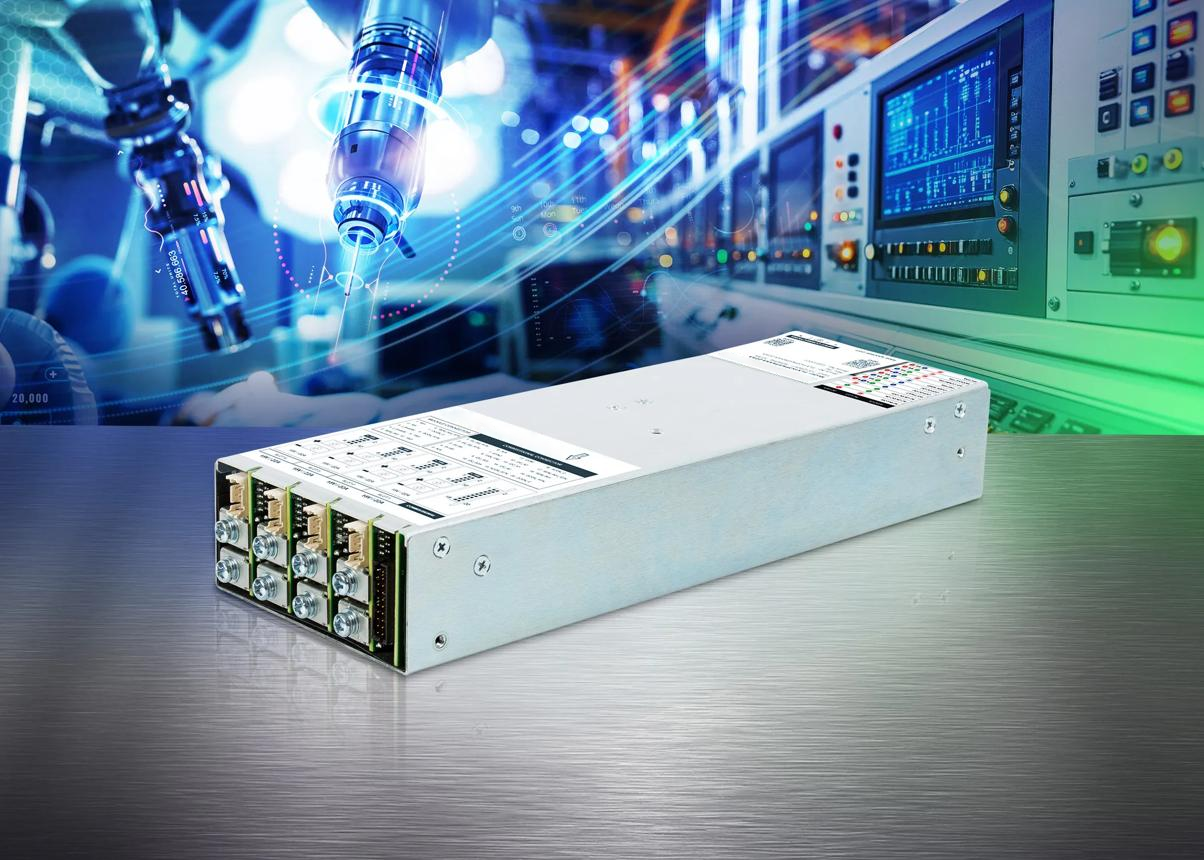
Many telecom systems use 48VDC architecture because it balances safety, cable efficiency, and historical infrastructure compatibility. Internal systems then step down voltage to other rails for processors, fans, radios, and communication modules.
SIPURUI switching power solutions for communication environments are engineered for stable operation under changing load conditions, elevated temperatures, and continuous runtime requirements.
| Telecom Application | Common Voltage |
| Router / Switch | 12VDC |
| Cabinet Control | 24VDC |
| Base Station Power Rail | 48VDC |
| PoE Systems | 48V–54VDC |
As 5G expansion and edge computing continue, dependable power systems remain essential.
What Makes Medical Power Supplies Different From Standard Models?
Medical environments demand more than simple voltage conversion. Equipment such as monitors, imaging systems, diagnostic devices, infusion equipment, and laboratory analyzers often operate near patients or sensitive measurement circuits.
That changes the engineering priorities completely.
Medical power supplies must emphasize low leakage current, reinforced isolation, low ripple noise, and compliance with strict safety standards. Electrical noise that may be acceptable in industrial equipment could interfere with sensitive signal detection in healthcare systems.
Reliability is also critical because many devices are expected to run continuously or be available instantly when needed.
For manufacturers of portable devices, embedded monitors, or specialized healthcare systems, SIPURUI can support compact and stable power platforms suitable for demanding applications.
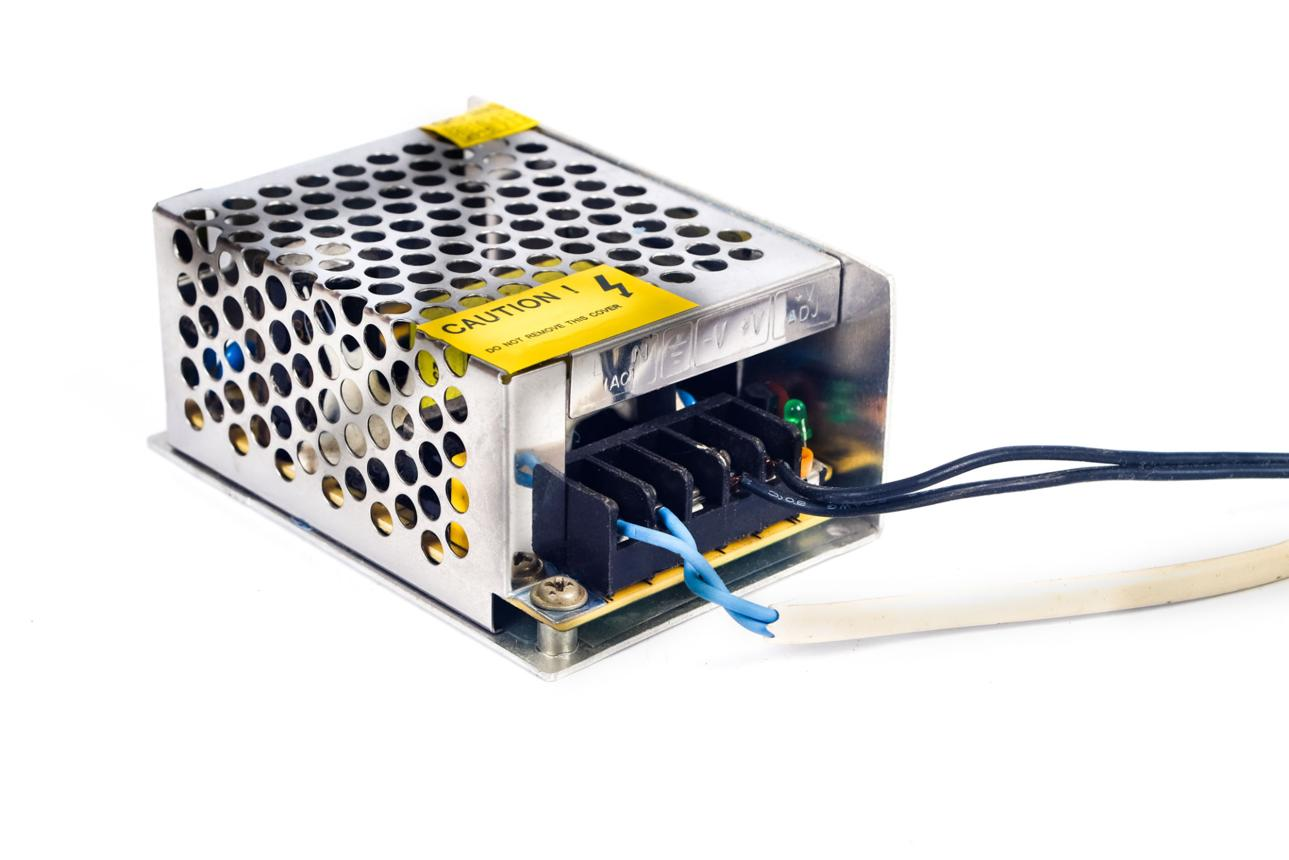
Why Is LED Lighting Actually a Power Supply Business?
Many buyers think lighting is mainly about LEDs, lenses, or housing design. In reality, the driver is often what determines lifespan, efficiency, and stability.
LEDs require controlled current or regulated voltage. Without a properly designed switching power supply, brightness instability, flicker, overheating, or shortened lifespan may occur.
That is why LED streetlights, floodlights, warehouse fixtures, commercial panels, signage systems, and architectural lighting all depend on switching power drivers.
Even a small efficiency improvement becomes significant when multiplied across hundreds or thousands of fixtures. Lower losses also reduce heat inside sealed luminaires, helping improve lifetime.
For lighting manufacturers and project contractors, SIPURUI power solutions provide dependable output options for 12V, 24V, constant-current, and custom applications.
Why Are Security Systems a Growing Opportunity for Power Supply Suppliers?
Modern security systems operate around the clock. Cameras record continuously, access control systems stay active, alarms remain armed, and remote monitoring devices must stay online.
These systems commonly use 12VDC or 24VDC switching power supplies, often combined with battery backup functions. If power quality is poor, image instability, communication faults, or system resets may occur.
This market includes:
- CCTV camera networks
- Smart building access systems
- Video intercom systems
- Alarm panels
- Storage recorders
- Perimeter monitoring equipment
As cities become smarter and security investment increases, stable low-voltage power remains fundamental.
Why Are Renewable Energy and EV Markets Creating New Demand?
Solar power, battery storage, and EV charging are transforming global energy systems. Yet behind these large installations are many smaller control circuits that still require precise low-voltage power.
Battery management systems, communication boards, displays, cooling fans, sensors, payment terminals, network gateways, and safety controls all rely on switching power supplies.
This creates growing demand for rugged, efficient, compact products that can operate in outdoor cabinets, high-temperature enclosures, or electrically noisy environments.
For buyers entering renewable energy sectors, choosing proven auxiliary power systems is often just as important as choosing the main inverter platform.
How Do You Select the Right Switching Power Supply?
Many purchasing problems happen because the wrong model is selected rather than because the product itself is poor.
The first factor is input voltage. If products are exported globally, wide-range input such as 85–264VAC is often the safest option. The second is output voltage and current. Engineers should calculate real load demand and include margin for startup current, future expansion, and temperature derating.
Environmental conditions also matter. A factory cabinet at 45°C requires different thermal design than an air-conditioned office device. Dust, vibration, humidity, and installation space all affect product choice.
Protection features should also be reviewed carefully. Overload, short-circuit, overvoltage, and overtemperature protections reduce field failure risk.
| Selection Factor | Why It Matters |
| Input Range | Supports global deployment |
| Output Stability | Protects electronics |
| Wattage Margin | Improves lifespan |
| Cooling Design | Prevents overheating |
| Certifications | Meets market requirements |
| Mechanical Size | Fits enclosure space |
Professional buyers evaluate total lifecycle cost, not only purchase price.
Why More Global Buyers Choose SIPURUI
In competitive markets, many suppliers can offer a switching power supply. Fewer suppliers can offer consistent quality, stable lead times, technical support, and long-term cooperation.
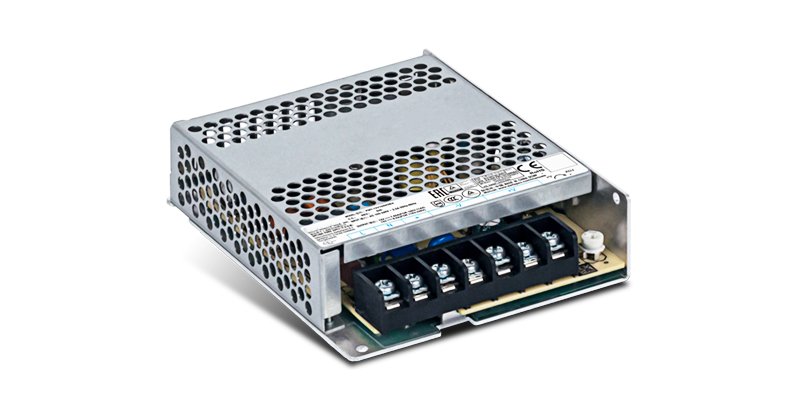
SIPURUI focuses on practical industrial and commercial power solutions for OEM manufacturers, automation integrators, distributors, and project buyers. Our product portfolio includes enclosed switching power supplies, DIN rail series, slim models, fanless units, open-frame platforms, and higher-power industrial designs.
Every product direction is built around what real customers need most: stable output, dependable materials, efficient thermal performance, and straightforward installation.
For customers with special housing dimensions, voltage outputs, labeling requirements, or branding requests, SIPURUI also supports OEM and ODM cooperation.
That is why many customers view SIPURUI not only as a supplier, but as a dependable long-term power partner.
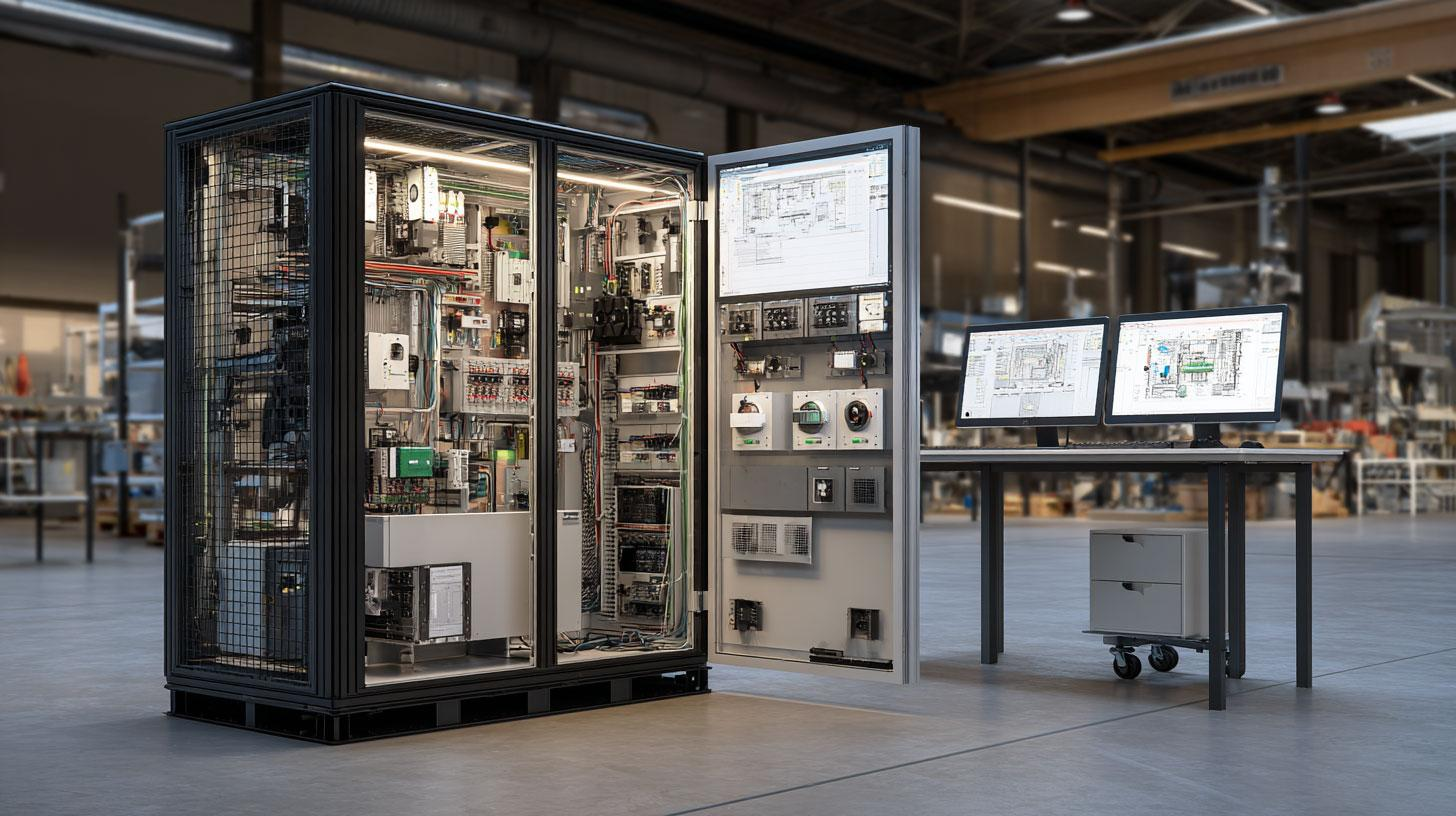
What Will the Future of Switching Power Supplies Look Like?
The next generation of power supplies is moving toward higher efficiency, smaller size, smarter monitoring, and stronger thermal performance. Wide-bandgap semiconductors such as GaN and SiC are helping designers improve switching speed and power density. Digital communication protocols are enabling remote diagnostics and predictive maintenance.
At the same time, global customers are asking for lower standby losses, greener materials, and longer service life.
This means the switching power supply is no longer just a supporting component. It is becoming a strategic part of system design.

Final Thoughts
Almost every modern industry now depends on switching power supplies. Whether the application is factory automation, communications infrastructure, healthcare devices, security systems, LED lighting, renewable energy, or consumer electronics, reliable power conversion determines how well the final product performs.
For manufacturers and buyers, selecting the right supplier can reduce downtime, improve product reputation, and lower long-term cost.
If you are sourcing dependable switching power supplies for your next project, SIPURUI is ready to support you with practical models, stable quality, and professional OEM solutions.