
A Complete Guide to Working Principles, Advantages, Product Selection, and SIPURUI Industrial Power Supply Solutions
Modern electronic systems are becoming smaller, faster, smarter, and more power-hungry. From industrial control cabinets and LED lighting systems to telecom equipment, security devices, and automation machines, almost every electrical product depends on one hidden but essential component: the switching power supply.
But why has the switching power supply become so important? Why has it replaced the traditional linear power supply in most modern applications? And how can engineers, distributors, equipment manufacturers, and purchasing managers choose the right power supply for real-world projects?
This article explains how switching power supplies work, where they are used, what advantages they offer, and how SIPURUI switching power supply solutions can support industrial and commercial applications with stable, efficient, and reliable DC power.
What Is a Switching Power Supply?
A switching power supply, also known as an SMPS, is an electronic power conversion device that converts input electrical energy into the voltage and current required by a load. In most industrial and commercial applications, it converts AC power from the grid into stable DC output such as 5V, 12V, 24V, or 48V.
Unlike a linear power supply, which regulates voltage by dissipating excess energy as heat, a switching power supply uses high-frequency switching devices such as MOSFETs to control energy transfer. These switches turn on and off rapidly, often at frequencies above 20kHz. This allows the power supply to achieve much higher efficiency, lower heat generation, smaller size, and better power density.
This difference explains why switching power supplies are now widely used in industrial automation, LED lighting, communication equipment, security systems, medical devices, and consumer electronics.
Why Did Switching Power Supplies Replace Linear Power Supplies?
Linear power supplies were once popular because they are simple and can provide low-noise output. However, they depend on large 50Hz or 60Hz transformers and dissipate unused energy as heat. This makes them heavy, inefficient, and unsuitable for many modern high-power or compact applications.
Switching power supplies solve these problems by operating at much higher frequencies. When the operating frequency increases, transformers, inductors, and capacitors can become much smaller. At the same time, because the main switching device works mostly in fully-on or fully-off states, power loss is greatly reduced.
| Feature | Linear Power Supply | Switching Power Supply |
| Typical Efficiency | 40%–60% | 85%–95% or higher |
| Size | Large | Compact |
| Weight | Heavy | Lightweight |
| Heat Generation | High | Lower |
| Transformer Frequency | 50/60Hz | 20kHz to hundreds of kHz |
| Best Use Case | Low-noise precision equipment | Industrial, LED, telecom, automation, consumer electronics |
| Cost at Higher Power | Higher due to size and heat | More cost-effective |
Where Are Switching Power Supplies Used?
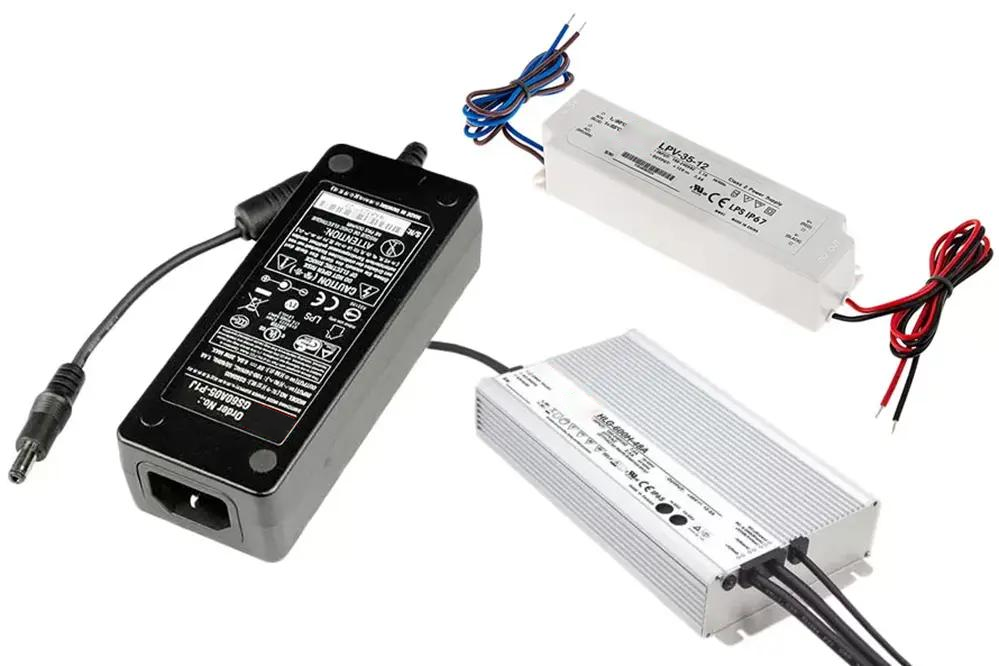
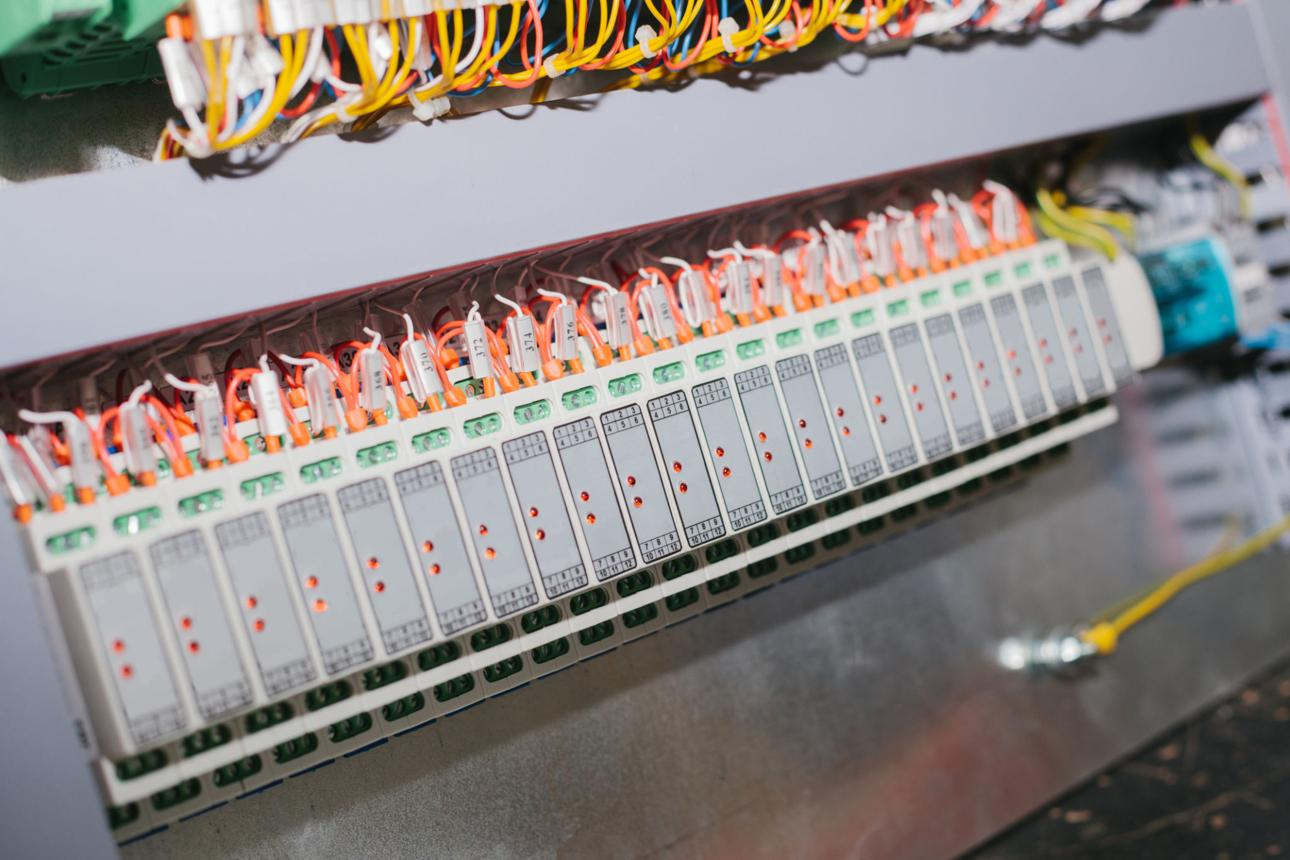
Switching power supplies are used wherever stable DC power is required. In industrial automation, they power PLCs, relays, sensors, control panels, motor control circuits, and communication modules. In LED lighting, they convert mains AC into stable DC output for LED strips, signage, street lighting, and commercial lighting systems.
In telecommunications and security systems, switching power supplies provide continuous power for routers, base stations, access control systems, CCTV cameras, and alarm equipment. In consumer electronics, they appear in chargers, adapters, monitors, audio equipment, and smart home devices.
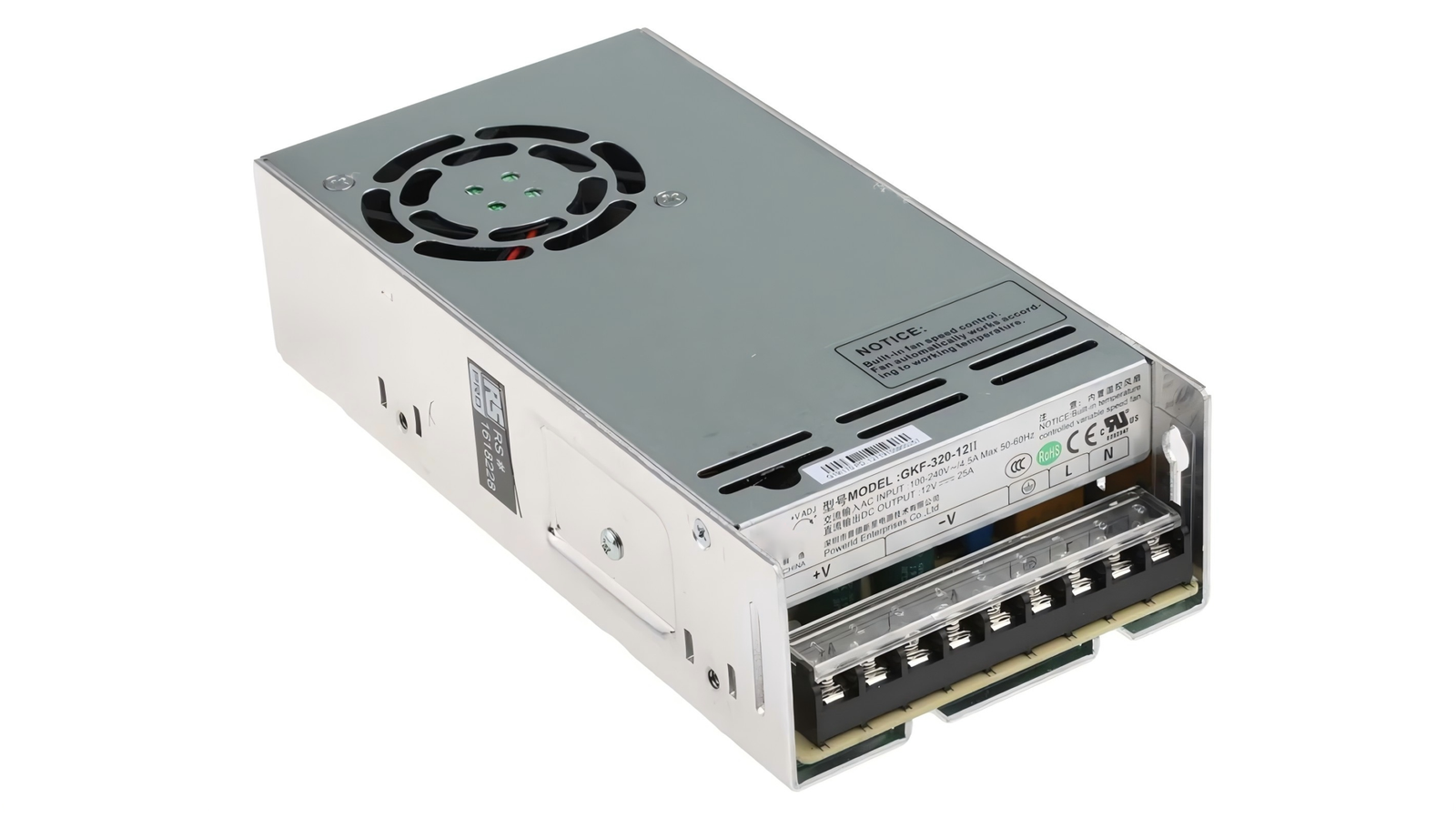
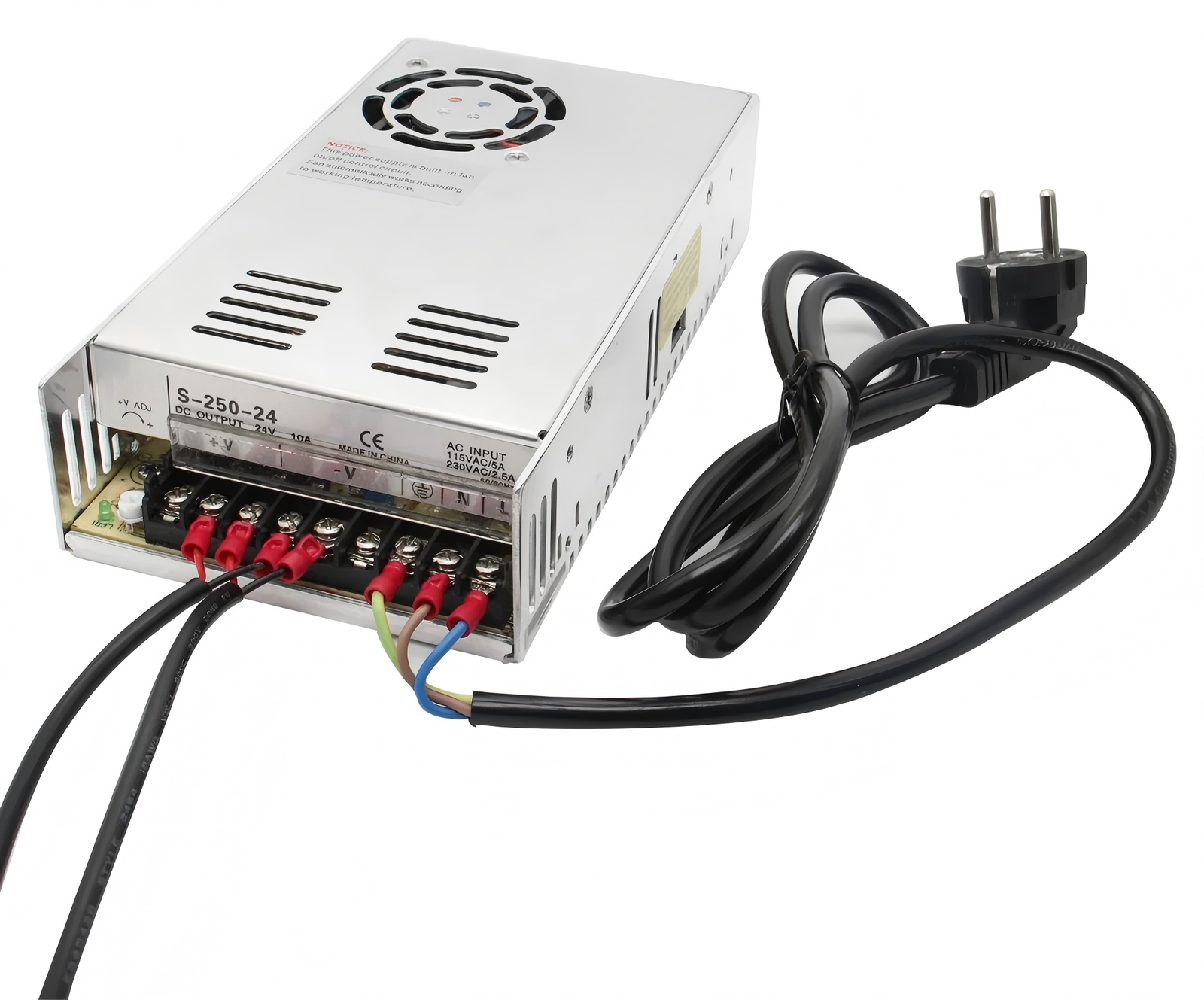
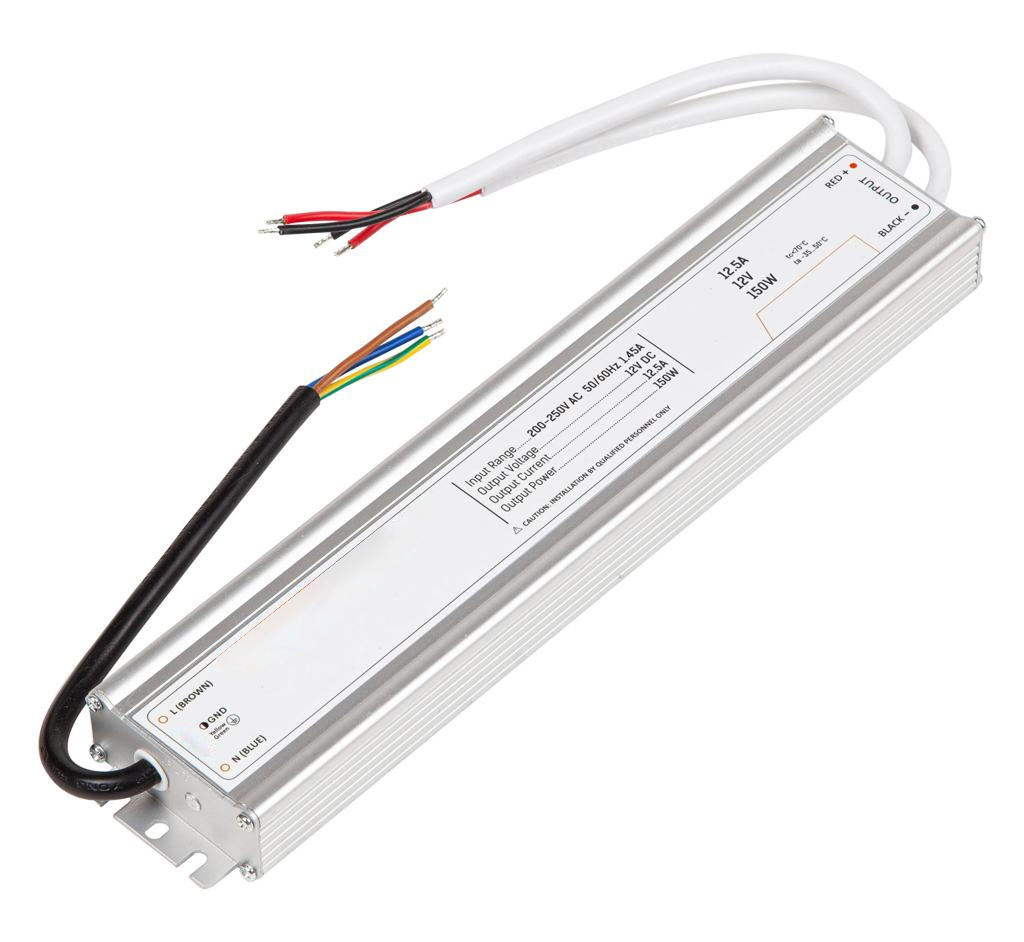
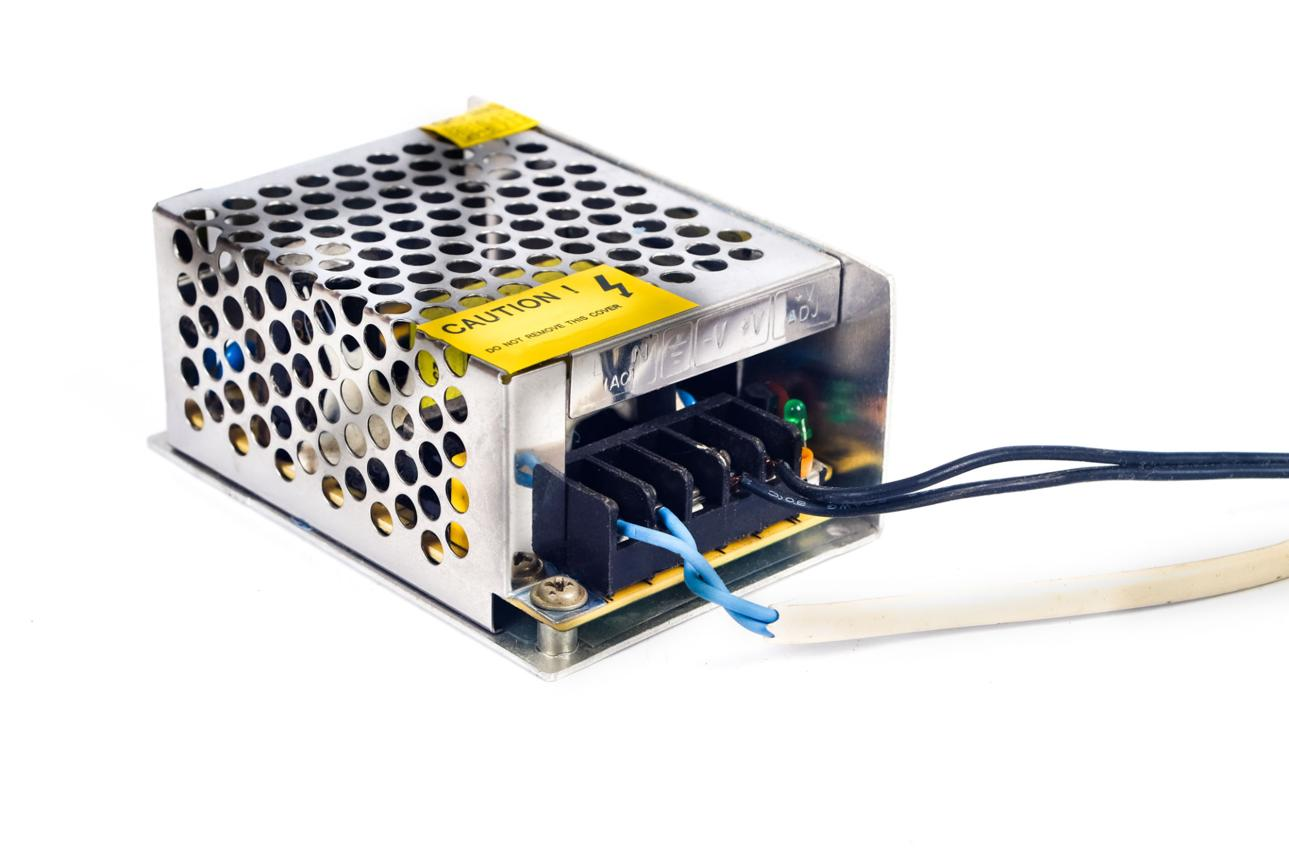
For SIPURUI, the most important application direction is industrial and commercial power conversion. Typical product categories can include enclosed switching power supplies, DIN rail power supplies, LED driver power supplies, waterproof power supplies, and compact AC/DC modules.
How Does a Switching Power Supply Work?
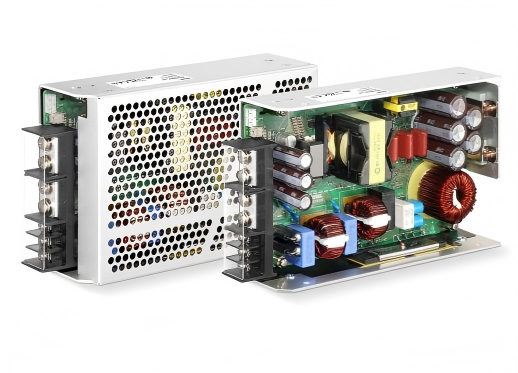
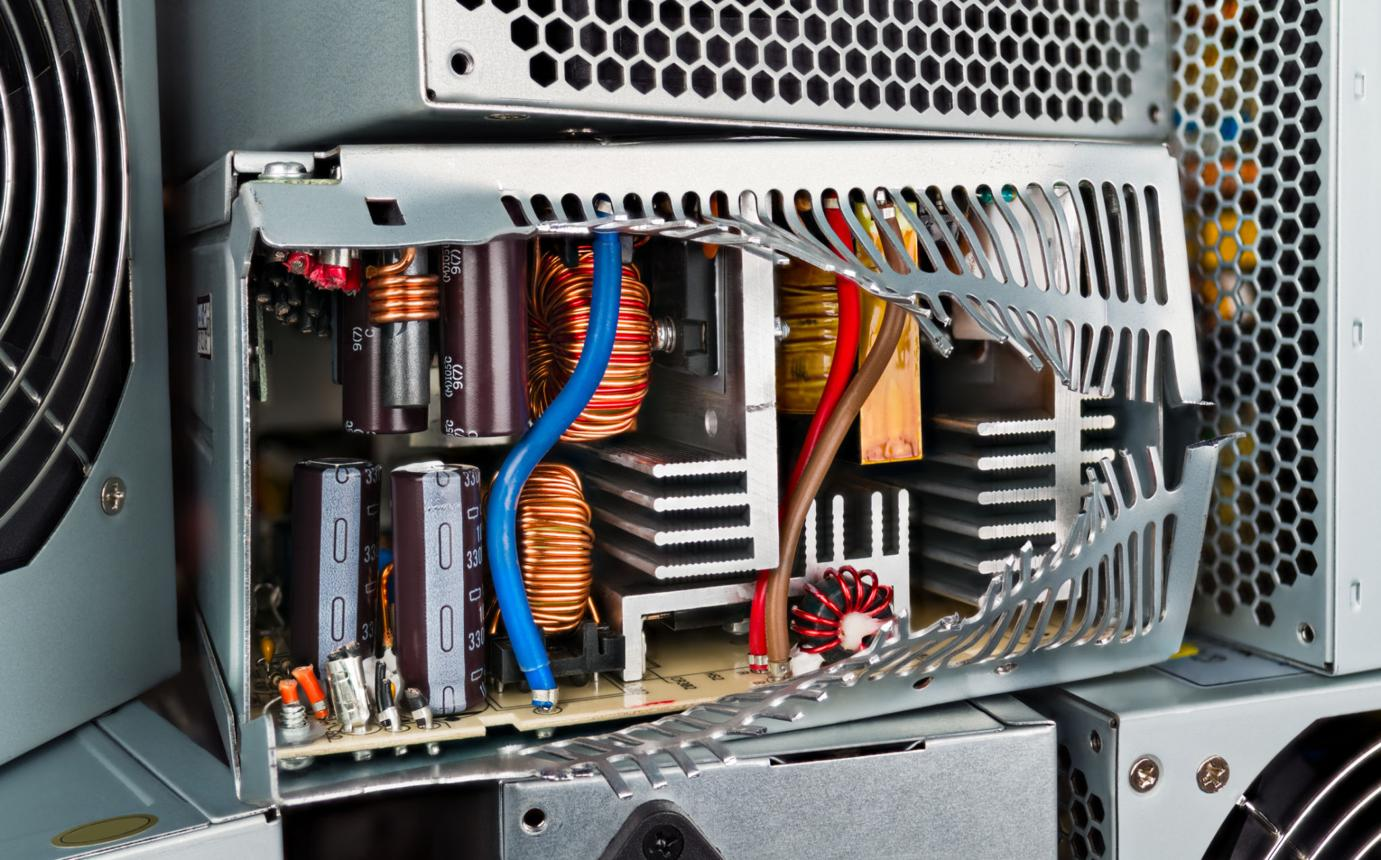
A switching power supply may look complex from the outside, but its basic working process can be understood in several stages. First, the input AC voltage is rectified into DC voltage. Then the DC voltage is filtered to reduce ripple. In many medium- and high-power designs, a Power Factor Correction stage is added to improve grid efficiency and reduce harmonic distortion. After that, the DC voltage is converted into high-frequency pulses by a switching circuit. Finally, the energy is transferred, rectified again, filtered, and regulated into a stable DC output.
This process is much more efficient than using a linear regulator because energy is not mainly controlled by heat dissipation. Instead, it is transferred through controlled switching.
What Happens During Input Rectification?
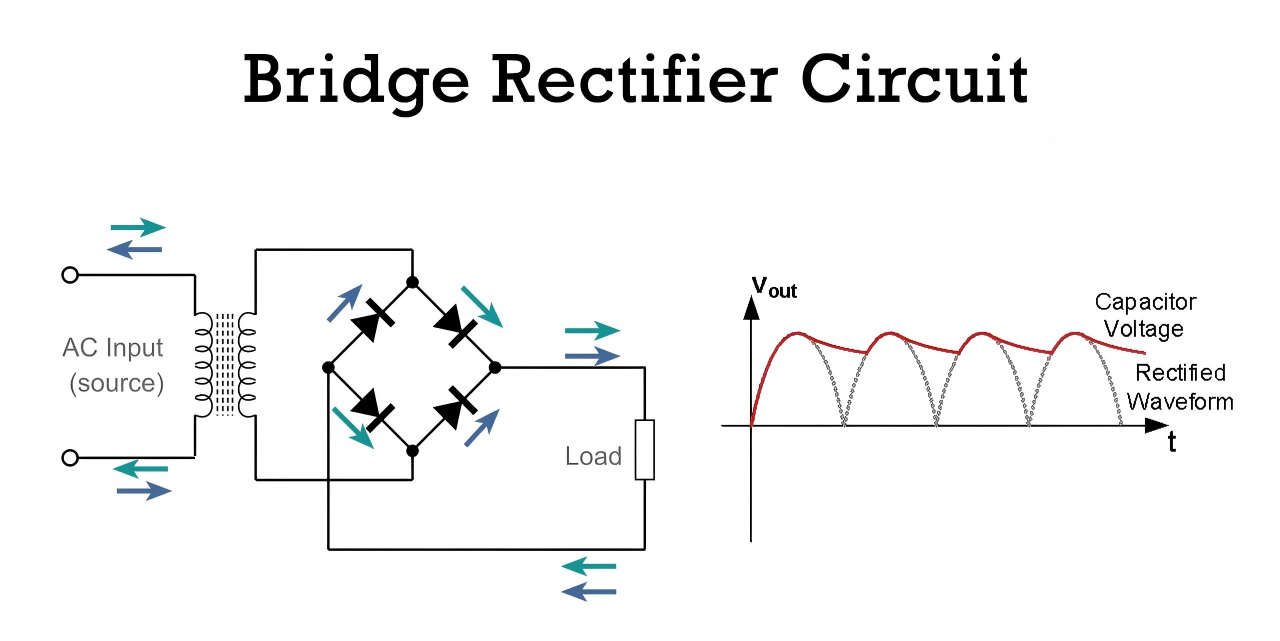
The first stage of most AC/DC switching power supplies is rectification. Since the electrical grid provides AC power, but electronic circuits need DC power, the incoming AC waveform must be converted.
A full-bridge rectifier is commonly used. It consists of four diodes arranged so that both the positive and negative halves of the AC waveform are converted into pulsating DC. However, this rectified voltage is not yet smooth enough for direct use. Therefore, capacitors are added after the rectifier to store energy at voltage peaks and release it when voltage drops.
This creates a high-voltage DC bus. For a 220–240V AC input system, the rectified DC bus can be around 310–340V before additional conversion.
Why Is PFC Important in Modern Power Supplies?
Power Factor Correction, or PFC, is one of the most important parts of modern switching power supply design. Without PFC, the input current of a rectifier-capacitor circuit is drawn in short pulses rather than smoothly following the AC voltage waveform. This creates harmonic distortion and reduces the quality of power drawn from the grid.
Active PFC uses a switching converter, usually a boost converter, to shape the input current waveform so that it follows the input voltage more closely.
| Parameter | Without PFC | Passive PFC | Active PFC |
| Power Factor | Often 0.5–0.7 | Improved but limited | Commonly 0.95–0.99 |
| Harmonic Control | Poor | Moderate | Strong |
| Circuit Size | Small | Larger magnetic parts | Compact but more complex |
| Cost | Low | Medium | Higher |
| Best Application | Low-cost low-power products | Simple medium-power designs | Industrial, LED, telecom, high-efficiency systems |
Why Is High-Frequency Switching the Core Technology?
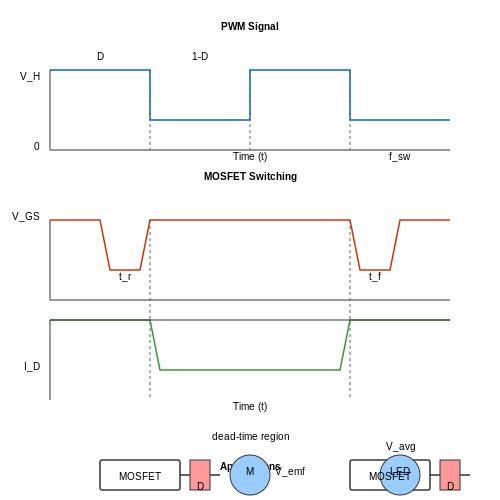
The most important difference between a switching power supply and a traditional power supply is high-frequency switching. After rectification, the DC voltage is chopped into high-frequency pulses by MOSFETs or other semiconductor switches.
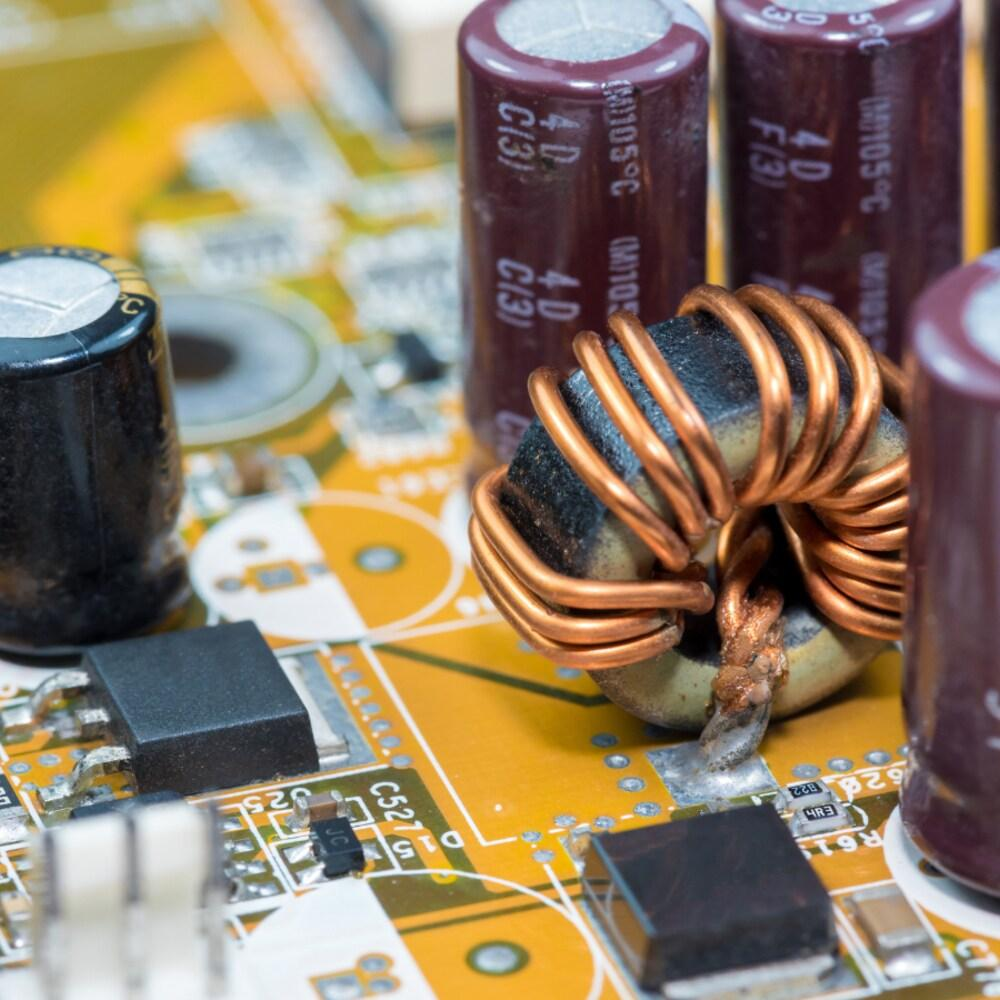
This high-frequency operation allows the transformer to become much smaller than a traditional 50/60Hz transformer. It also improves power density and makes compact power supply design possible. This is one reason modern chargers, DIN rail power supplies, and enclosed industrial power supplies can deliver high output power in a relatively small size.
The switching frequency must be carefully designed. Higher frequency can reduce magnetic component size, but it may also increase switching losses and electromagnetic interference.
What Is the Difference Between Isolated and Non-Isolated Power Supplies?
Isolation is one of the most important safety considerations in power supply design. In an isolated switching power supply, a transformer separates the input side from the output side. This prevents direct electrical connection between the high-voltage input and the low-voltage output.
| Type | Isolated Switching Power Supply | Non-Isolated Switching Power Supply |
| Safety | Higher, input and output separated | Lower, depends on system enclosure |
| Size | Larger due to transformer | Smaller |
| Efficiency | High, but transformer losses exist | Often very high |
| Cost | Medium to higher | Lower |
| Best Use Case | Industrial systems, adapters | Embedded and enclosed systems |
Isolated power supplies are widely used in industrial equipment, consumer adapters, medical devices, telecom systems, and control panels because they improve user safety and reduce the risk of electric shock.
Which SIPURUI Product Type Should Buyers Choose?
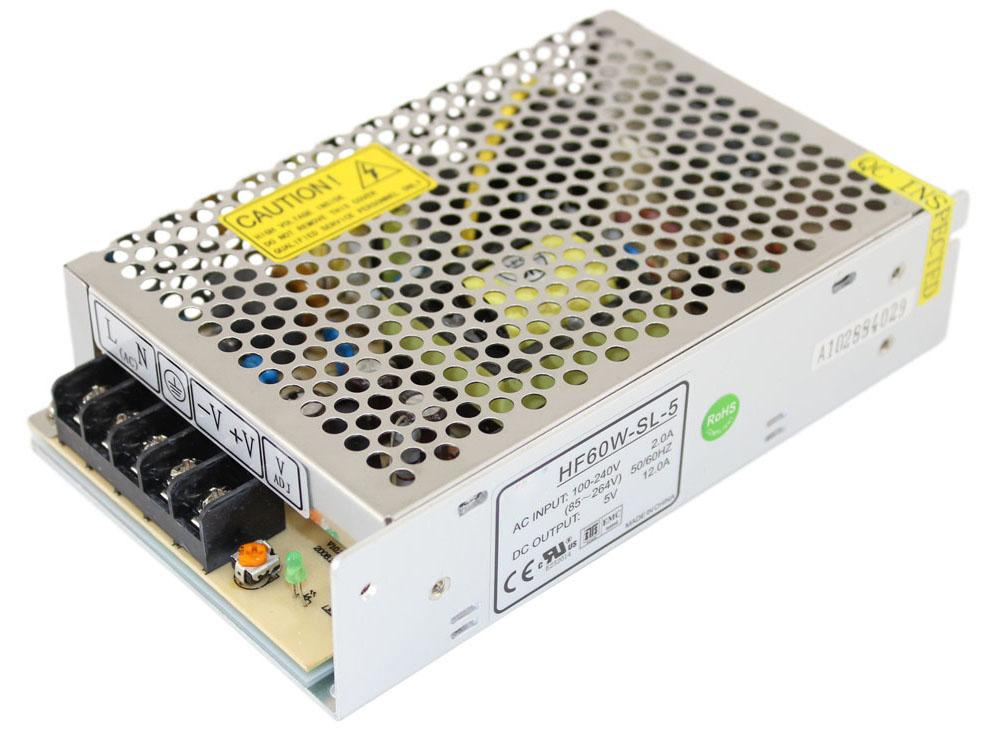
A good power supply selection should begin with application conditions, not only price. Buyers should consider input voltage, output voltage, rated power, installation space, cooling conditions, safety requirements, and protection functions.
| SIPURUI Product Category | Typical Output | Typical Application | Key Selection Factor |
| SIPURUI DIN Rail Power Supply | 12V / 24V / 48V DC | PLC systems, automation cabinets | Rail mounting, compact width |
| SIPURUI Enclosed Power Supply | 5V / 12V / 24V / 48V DC | Industrial equipment, security systems | Stable output, airflow |
| SIPURUI LED Driver Power Supply | Constant voltage/current | LED strips, signage, lighting | Waterproof rating, dimming |
| SIPURUI Waterproof Power Supply | 12V / 24V DC | Outdoor lighting | IP rating, sealing |
| SIPURUI Compact AC/DC Module | Low to medium power | Embedded electronics | Small PCB installation |
How Do Efficiency and Heat Affect Service Life?
Efficiency is not only about saving electricity. It directly affects heat generation. If a 100W output power supply operates at 80% efficiency, it needs 125W input power and wastes 25W as heat. If efficiency increases to 90%, heat loss drops dramatically.
This is especially important for enclosed power supplies and DIN rail power supplies installed in cabinets. High cabinet temperature, poor airflow, and continuous operation can shorten service life. Choosing a higher-efficiency SIPURUI model can reduce thermal stress and improve long-term reliability.
Why Are GaN and SiC Becoming Important?
Modern power supplies are also being improved by new semiconductor materials. Traditional silicon MOSFETs are still widely used, but gallium nitride and silicon carbide are becoming increasingly important.
GaN devices can switch faster with lower losses, which helps reduce the size of transformers and other passive components. SiC devices perform well in high-voltage, high-temperature, and high-power applications such as EV chargers, solar inverters, and industrial power conversion systems.
For SIPURUI, this trend can support future positioning around higher efficiency, smaller size, and advanced industrial power technology.

Conclusion: Why Should Buyers Pay More Attention to the Power Supply?
The power supply is often hidden inside a machine, cabinet, lamp, or electronic device, but it directly affects system reliability. A poor power supply can cause unstable voltage, overheating, EMI problems, short service life, and equipment failure. A well-designed switching power supply improves efficiency, reduces heat, saves space, and protects the entire system.
Switching power supplies have become the foundation of modern electronics because they combine high efficiency, compact size, wide input range, and flexible output options. From rectification and PFC to high-frequency switching and isolated conversion, every stage is designed to deliver stable and efficient DC power.
SIPURUI switching power supplies are positioned for industrial and commercial customers who need reliable power conversion solutions for automation, LED lighting, communication, security, smart equipment, and control systems. By choosing the right SIPURUI product series, customers can improve system stability, reduce installation problems, and build more reliable electronic products.