
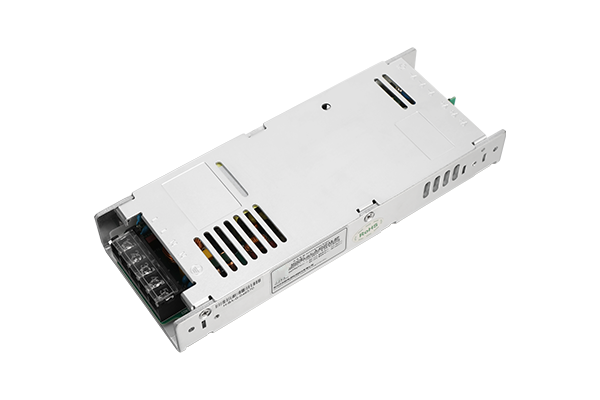
Whether you are designing PLC panels, CNC machines, LED systems, or industrial automation equipment, selecting the correct power supply can directly affect system stability, efficiency, and safety.
In modern industrial systems, 24V switching power supplies have become the backbone of control cabinets, automation equipment, and electronic systems. But why 24V? And how do you choose the right 24V power supply for your equipment?
In this comprehensive guide, we will explore:
∙What a 24V switching power supply is
∙Why 24V DC became the industrial standard
∙Typical applications in automation and electronics
∙Different types of 24V power supplies
∙Practical selection tips used by engineers
We will also include tables, real application scenarios, and technical comparisons to help you choose the right product.
What Is a 24V Switching Power Supply?
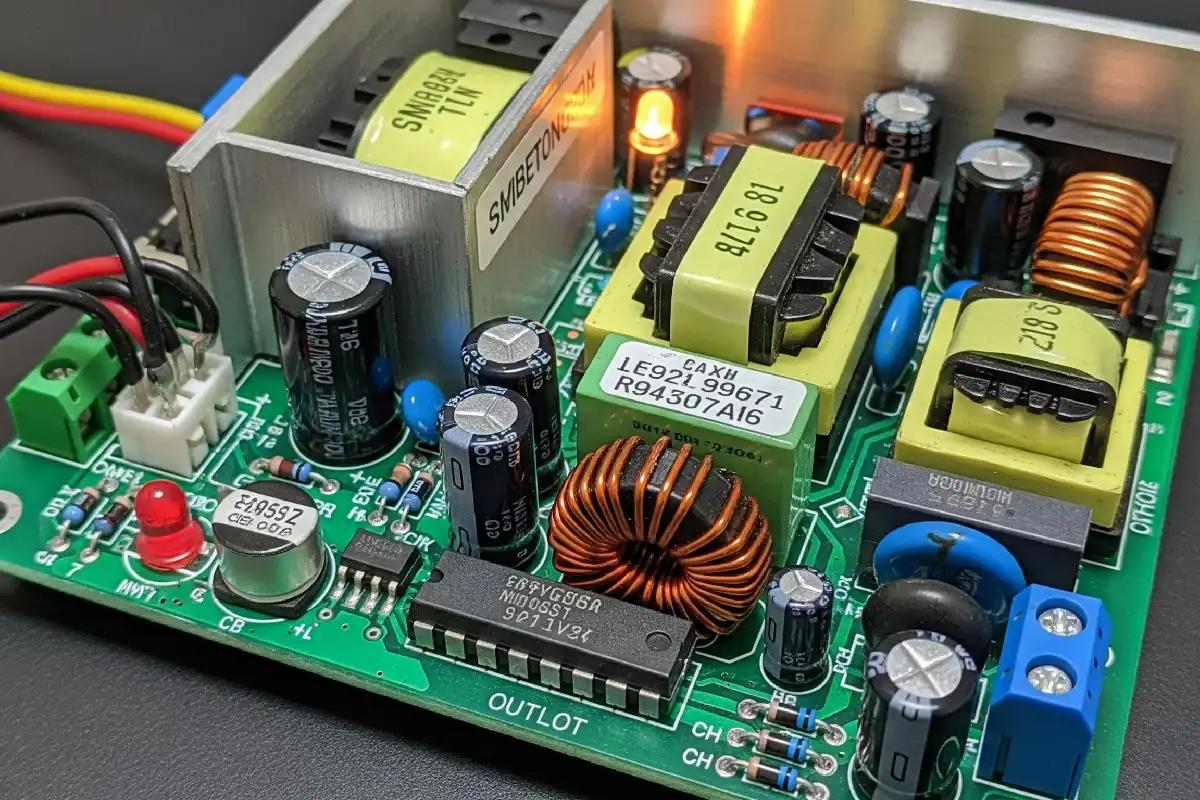
A 24V switching power supply (SMPS) is an electronic device that converts input power (usually AC 110V/220V) into a stable 24V DC output using high-frequency switching technology.
Unlike traditional linear power supplies, switching power supplies regulate voltage by rapidly turning electronic switches on and off, significantly improving efficiency and reducing heat.
Typical characteristics include:
∙Input: 100–240V AC
∙Output: 24V DC
∙Efficiency: 85–95%
∙Protection: over-voltage, over-current, short circuit
How Does It Work?
The conversion process usually involves four stages:
1.AC input
2.Rectification (AC → DC)
3.Filtering
4.High-frequency switching regulation
This design allows switching power supplies to be smaller, lighter, and more efficient than traditional transformer-based supplies.
Why Is 24V the Most Common Industrial Voltage?
If you open almost any industrial control cabinet, you will likely see 24V DC power supplies everywhere.
Why?
Because 24V offers the best balance between safety, performance, and compatibility.
1. Safe Voltage for Industrial Environments
24V DC belongs to the SELV (Safety Extra Low Voltage) category, meaning the risk of electric shock is significantly lower than high-voltage systems.
Compared with 120V or 230V AC, 24V systems:
∙Produce less arc and spark
∙Reduce electrical hazards
∙Are safer for operators and maintenance technicians
This is particularly important in environments where operators interact with control panels.
2. Strong Anti-Interference Capability
Industrial environments contain:
∙Large motors
∙Frequency converters
∙Welding machines
∙High electromagnetic noise
24V signals are more resistant to electromagnetic interference, helping maintain reliable communication between sensors, controllers, and actuators.
This stability is crucial for automation systems.
3. Global Standard for Automation Components
Most industrial devices are designed for 24V DC operation, including:
∙PLC modules
∙Sensors
∙Proximity switches
∙Solenoid valves
∙Encoders
Using the same voltage simplifies integration and maintenance.
Typical Devices Powered by 24V Systems
| Device Type | Typical Power Requirement | Notes |
|---|---|---|
| Proximity sensors | 10–30 mA | Common in automation |
| PLC I/O modules | 200–500 mA | Depends on channel count |
| Solenoid valves | 3–10 W | Used in pneumatic systems |
| LED industrial lighting | 5–50 W | Control cabinets |
| Relay modules | 1–5 W | Signal control |
Because so many devices share this voltage, 24V has become the universal language of industrial control.
Where Are 24V Switching Power Supplies Used?
24V power supplies appear in a wide range of industries.
Let’s examine the most common applications.
Industrial Automation Systems
Industrial automation is the largest market for 24V power supplies.
Typical components powered by 24V include:
∙sensors
∙PLC input modules
∙actuators
∙control relays
∙fieldbus devices
Automation systems prefer 24V because it provides stable power with minimal interference.
CNC Machines
CNC machines contain numerous control devices requiring stable DC voltage:
∙tool changers
∙limit switches
∙servo feedback sensors
∙safety switches
∙control panels
A typical CNC cabinet may include multiple 24V power supplies for redundancy and load distribution.
PLC Control Systems
Programmable Logic Controllers (PLCs) are designed around 24V DC control circuits.
Typical PLC systems use 24V for:
∙digital inputs
∙digital outputs
∙signal transmission
∙sensor power
This standardization allows equipment from different manufacturers to work together.
LED Lighting Systems
Many industrial LED lighting systems run on 24V DC because:
∙LEDs require DC power
∙low voltage improves safety
∙easier dimming control
Applications include:
∙factory lighting
∙machine indicators
∙architectural lighting
∙automotive systems
Security and Surveillance Systems
24V power supplies are widely used in:
∙CCTV cameras
∙access control systems
∙alarm systems
∙smart buildings
Low voltage improves safety and simplifies installation.
Types of 24V Switching Power Supplies
Not all power supplies are the same. Choosing the right structure and installation type is critical.
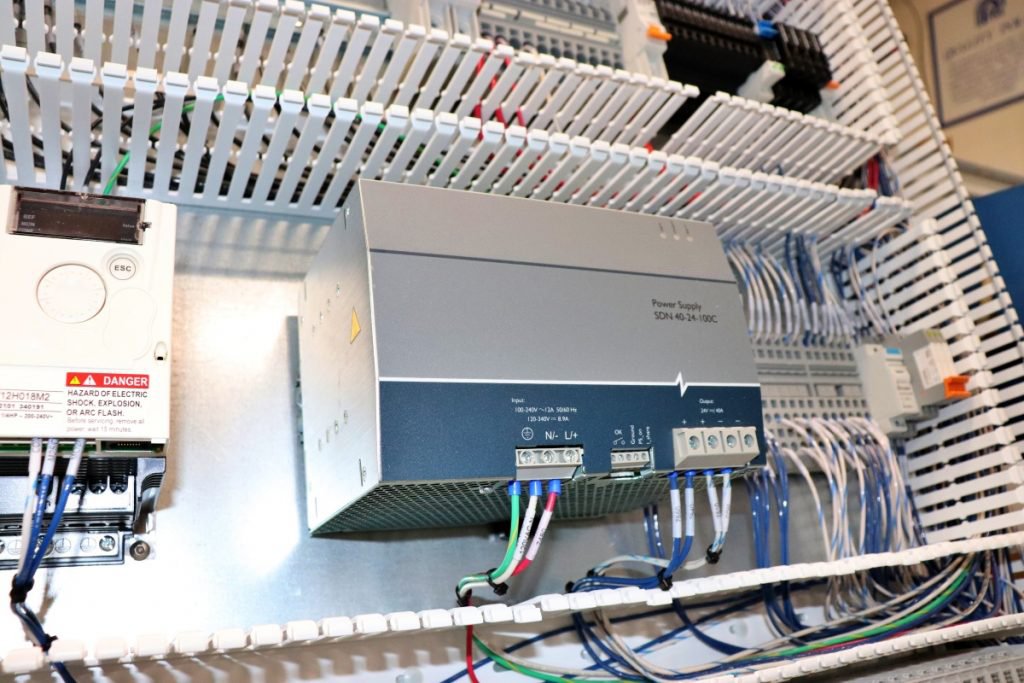
DIN Rail 24V Power Supply
DIN rail power supplies are designed for control cabinets.
Features:
∙snap-on DIN rail mounting
∙compact design
∙high reliability
∙industrial certifications
Common applications:
∙PLC panels
∙automation cabinets
∙industrial control systems
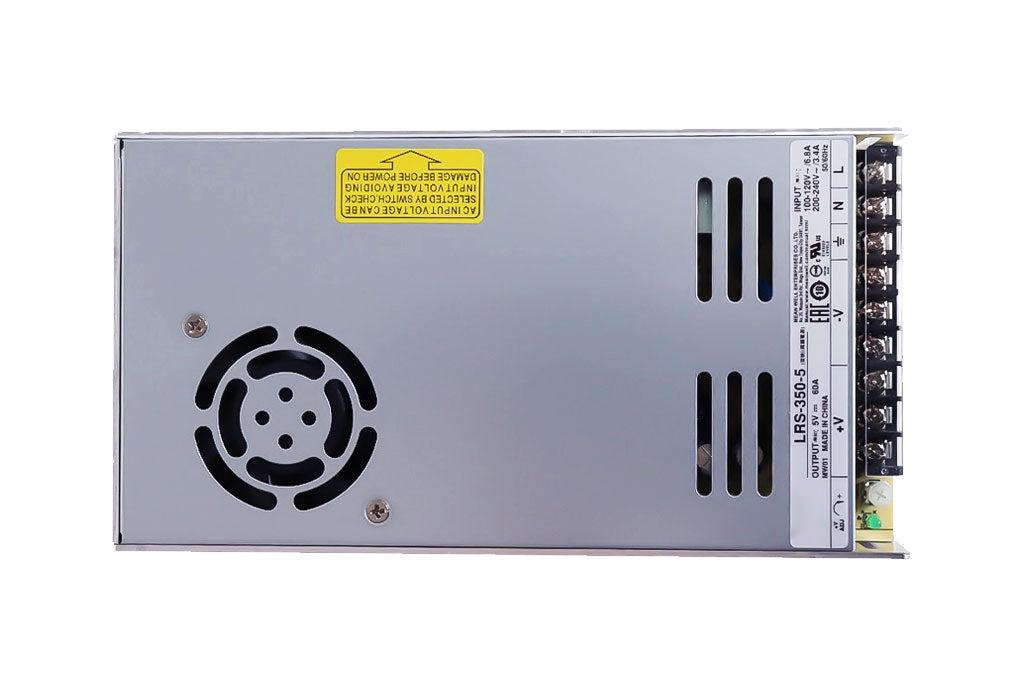
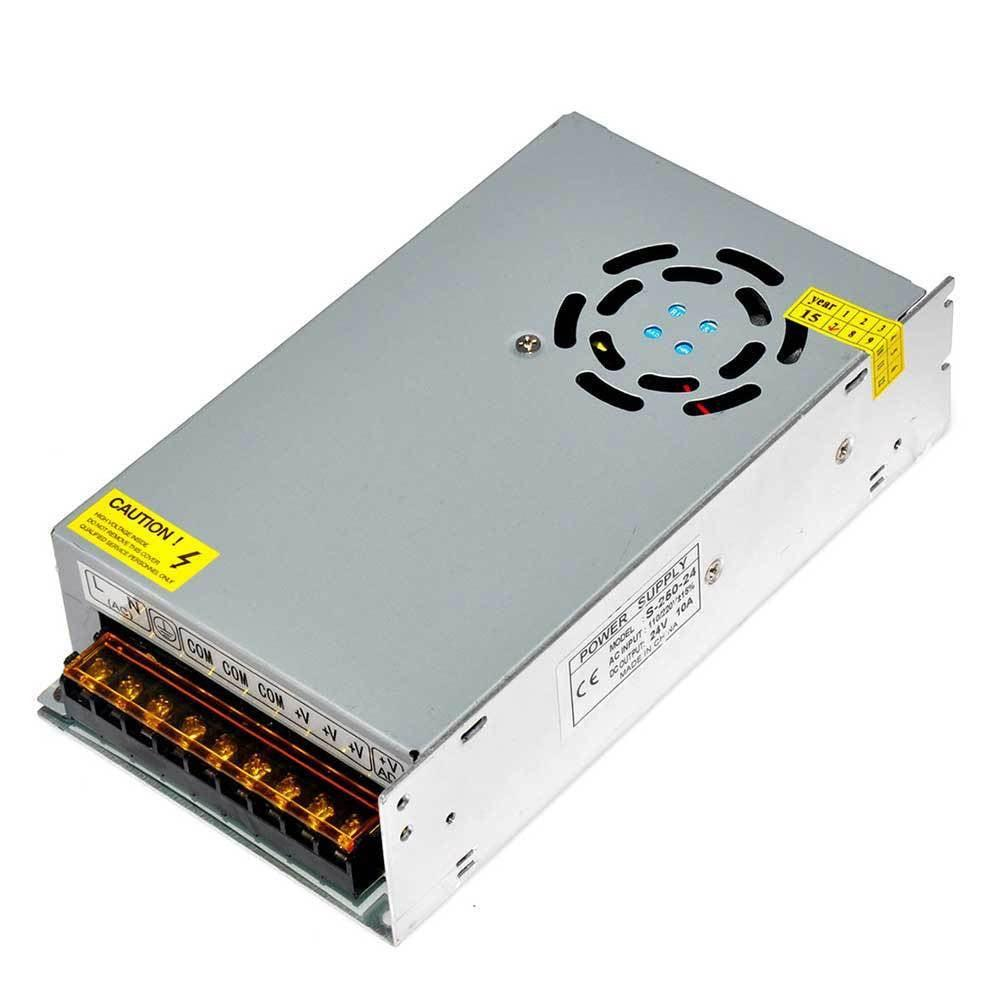
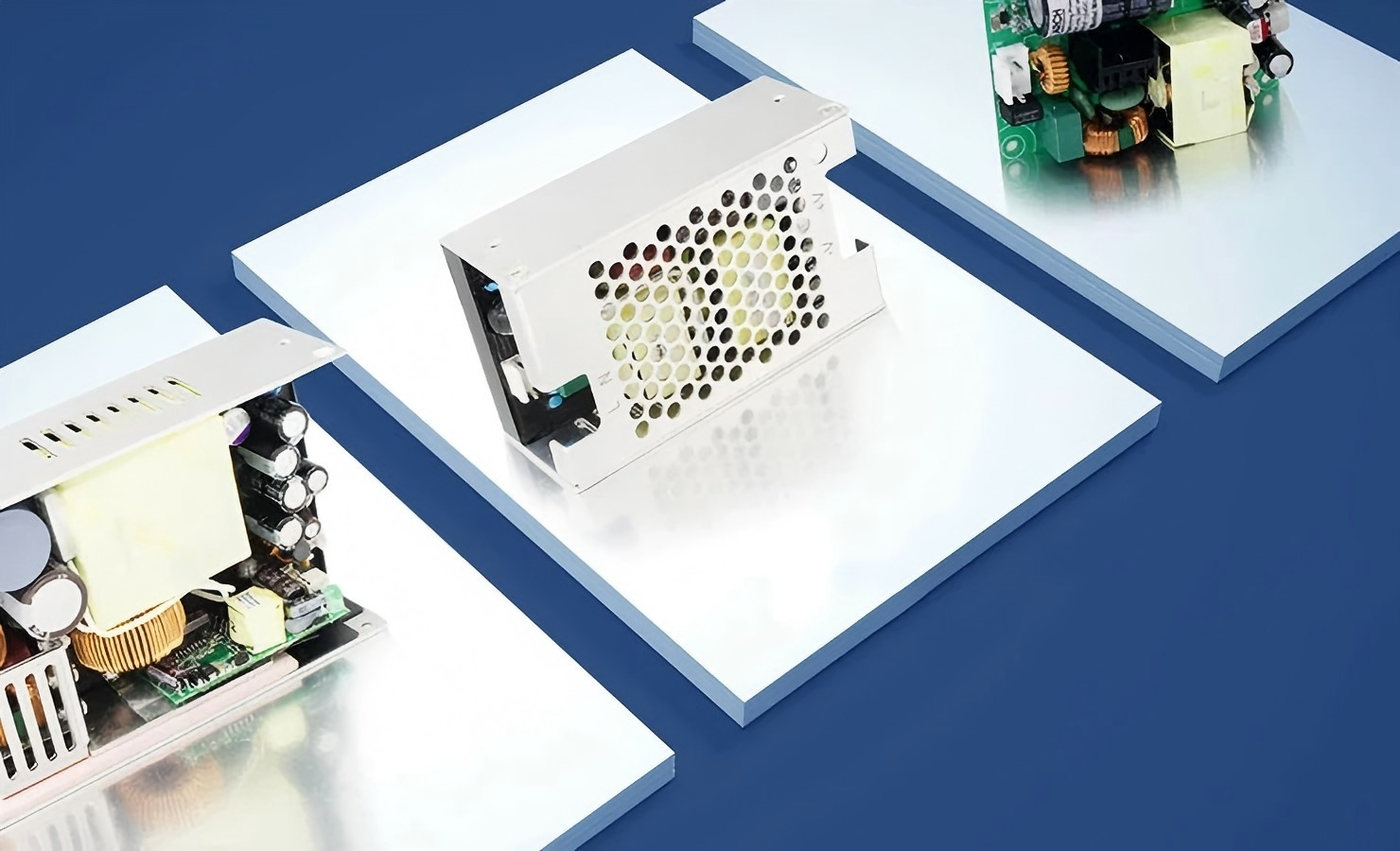
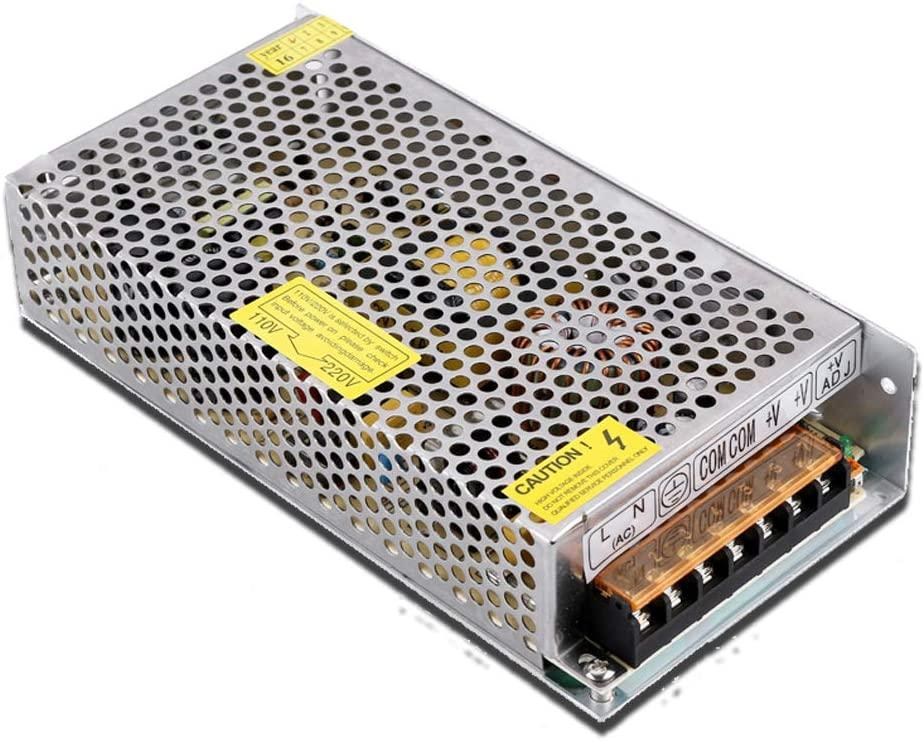
Enclosed 24V Power Supply
These are the most common open-frame power supplies.
Characteristics:
∙metal housing
∙screw terminal connections
∙internal cooling fan (optional)
Typical uses:
∙CNC machines
∙LED systems
∙industrial equipment
Waterproof 24V Power Supply
Waterproof power supplies are designed for outdoor or harsh environments.
Key features:
∙IP65 / IP67 protection
∙sealed aluminum housing
∙corrosion resistance
Applications include:
∙outdoor lighting
∙marine equipment
∙signage systems
High Power 24V Power Supply
Some industrial systems require hundreds of watts or even kilowatts.
High-power supplies are used in:
∙robotics
∙automated production lines
∙large CNC machines
∙battery charging systems
Typical Power Ratings for 24V Power Supplies
Selecting the correct power rating is critical.
Below are the most common industrial power levels.
Common 24V Power Supply Power Levels
| Model Power | Output Current | Typical Applications |
|---|---|---|
| 60W | 2.5A | small control systems |
| 120W | 5A | PLC panels |
| 240W | 10A | automation systems |
| 600W | 25A | large equipment |
For example:
∙PLC cabinet → 120W
∙automation line → 240W
∙large CNC system → 600W
How to Choose the Right 24V Power Supply?
Selecting a power supply is not only about voltage.
Engineers usually evaluate five critical parameters.
1. Calculate Required Power
Always calculate total system load.
Example Power Calculation
| Device | Quantity | Current (mA) | Total |
|---|---|---|---|
| Sensors | 6 | 20 | 120 |
| Relay modules | 4 | 40 | 160 |
| PLC logic | 1 | 200 | 200 |
| Indicators | 4 | 15 | 60 |
| Total | — | — | 540 mA |
Engineers usually add 20–30% safety margin.
So this system should use at least:
24V / 1A power supply
2. Check Efficiency
High efficiency means:
∙less heat
∙lower electricity consumption
∙longer service life
Industrial switching supplies usually reach 85–95% efficiency.
3. Protection Functions
A good power supply should include:
∙Over-voltage protection (OVP)
∙Over-current protection (OCP)
∙Short-circuit protection
∙Over-temperature protection
These protections prevent equipment damage.
4. Installation Type
Choose based on installation environment:
| Environment | Recommended Type |
|---|---|
| Control cabinet | DIN rail |
| Industrial equipment | enclosed |
| Outdoor lighting | waterproof |
| High power systems | industrial chassis |
5. Certifications
Industrial projects often require certified power supplies.
Common certifications include:
∙CE
∙UL
∙RoHS
∙FCC
These ensure compliance with safety standards.

Conclusion: Why 24V Switching Power Supplies Will Continue to Dominate Industry
From automation systems to CNC machines, the 24V switching power supply has become the universal standard for industrial control.
Its advantages include:
∙Safe low voltage
∙High compatibility with automation components
∙Excellent anti-interference performance
∙Wide product availability
∙Flexible installation options
As industrial automation continues to expand, 24V DC power systems will remain a critical infrastructure technology.