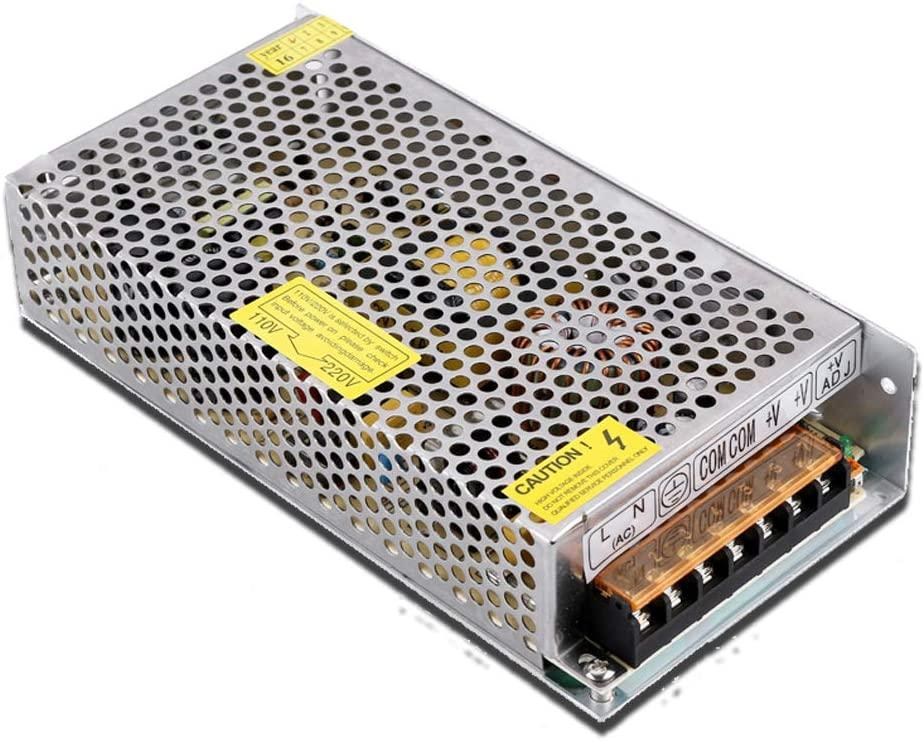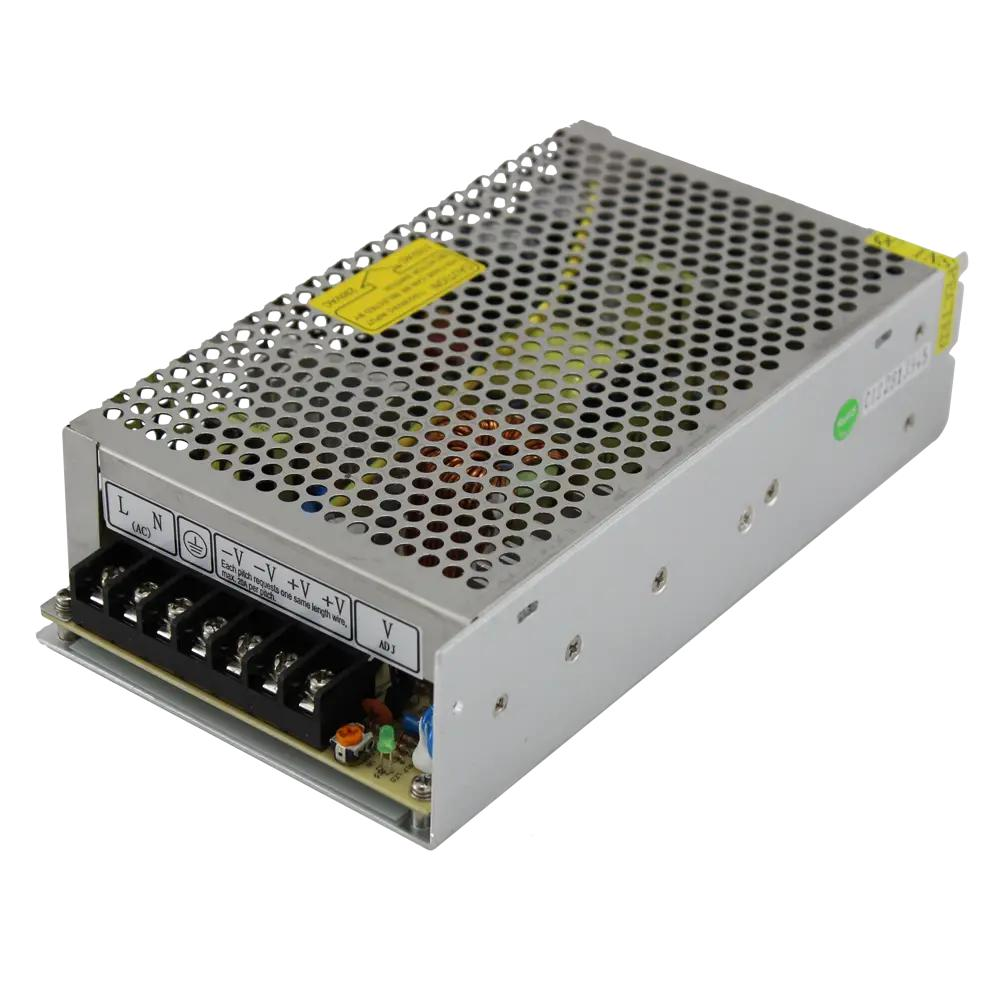

In industrial automation systems, electronic equipment, switching power supplies, and control cabinets, output voltage stability plays a critical role in overall system performance. When the output voltage falls below its rated value, the impact is often immediate. Equipment may fail to start properly, control circuits may become unstable, motors may run inefficiently, and sensitive electronic components may begin to malfunction. In many production environments, even a relatively small voltage drop can lead to reduced efficiency, unexpected downtime, or repeated troubleshooting work.
Low output voltage is one of the most common issues encountered during power supply maintenance. At the same time, it is also one of the most misunderstood, because the symptoms are often similar while the underlying causes can be very different. In some cases the fault is inside the power supply itself. In others, the power supply is functioning normally and the voltage loss occurs elsewhere in the system. For this reason, understanding where voltage loss happens and how to identify it accurately is essential for maintenance engineers, repair technicians, and equipment operators alike.
Understanding How Voltage Moves Through a Power Supply
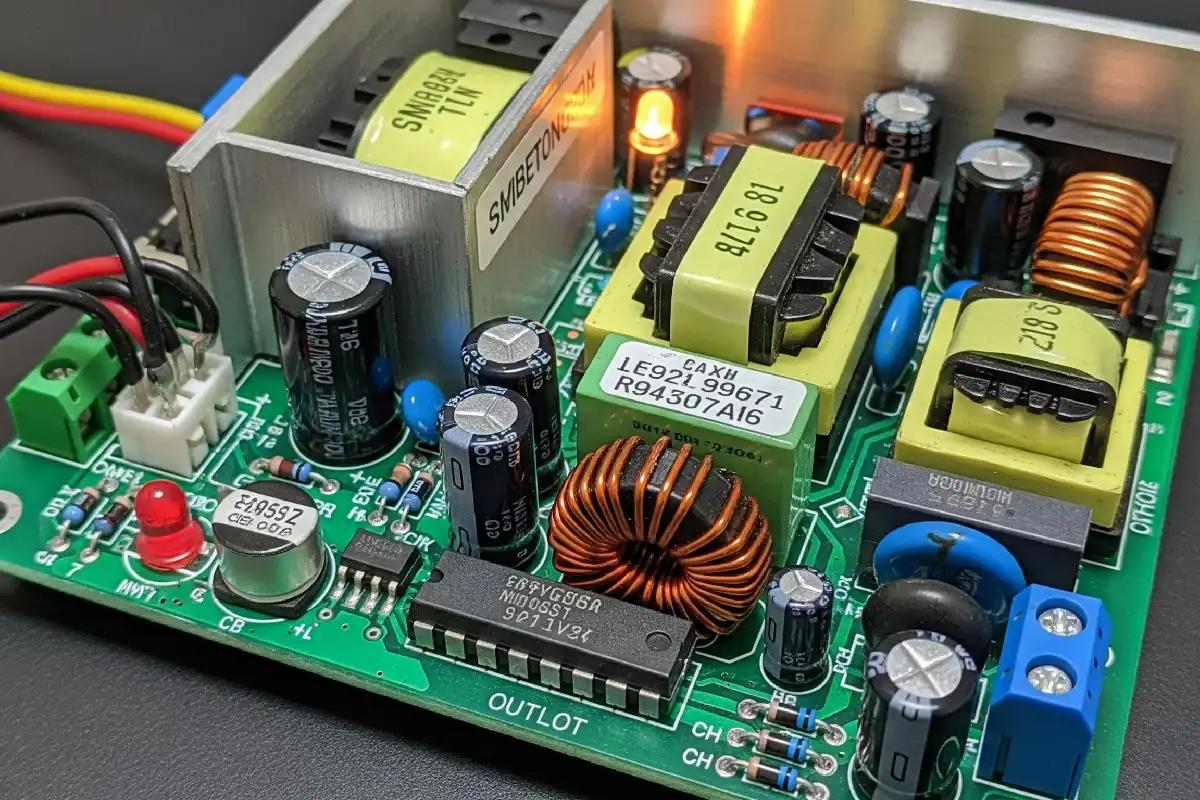
To understand why output voltage becomes too low, it is useful to first look at how a switching power supply operates. Electrical energy enters through the input stage, passes through the switching circuit, is transferred through the transformer, rectified on the secondary side, filtered, and finally delivered to the output terminal. Each stage contributes directly to the final voltage available to the connected equipment.
If any part of this energy conversion path becomes inefficient, damaged, or unstable, the output voltage can begin to fall. In some cases the voltage drop is gradual and only becomes noticeable under load. In other cases it appears suddenly after a component failure. Because of this, a low-voltage condition should always be viewed as the result of a system-level issue rather than a single isolated symptom.
Switching Transistor Performance Degradation
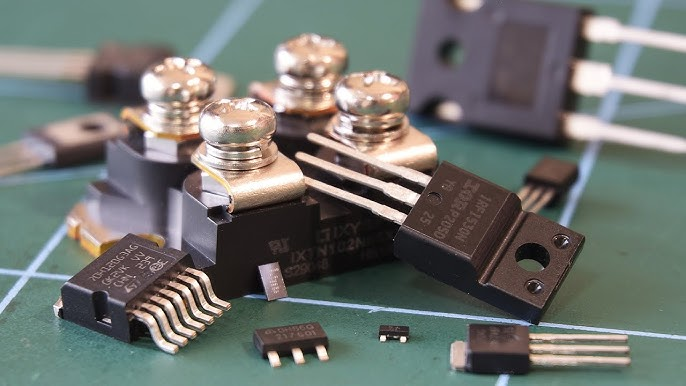
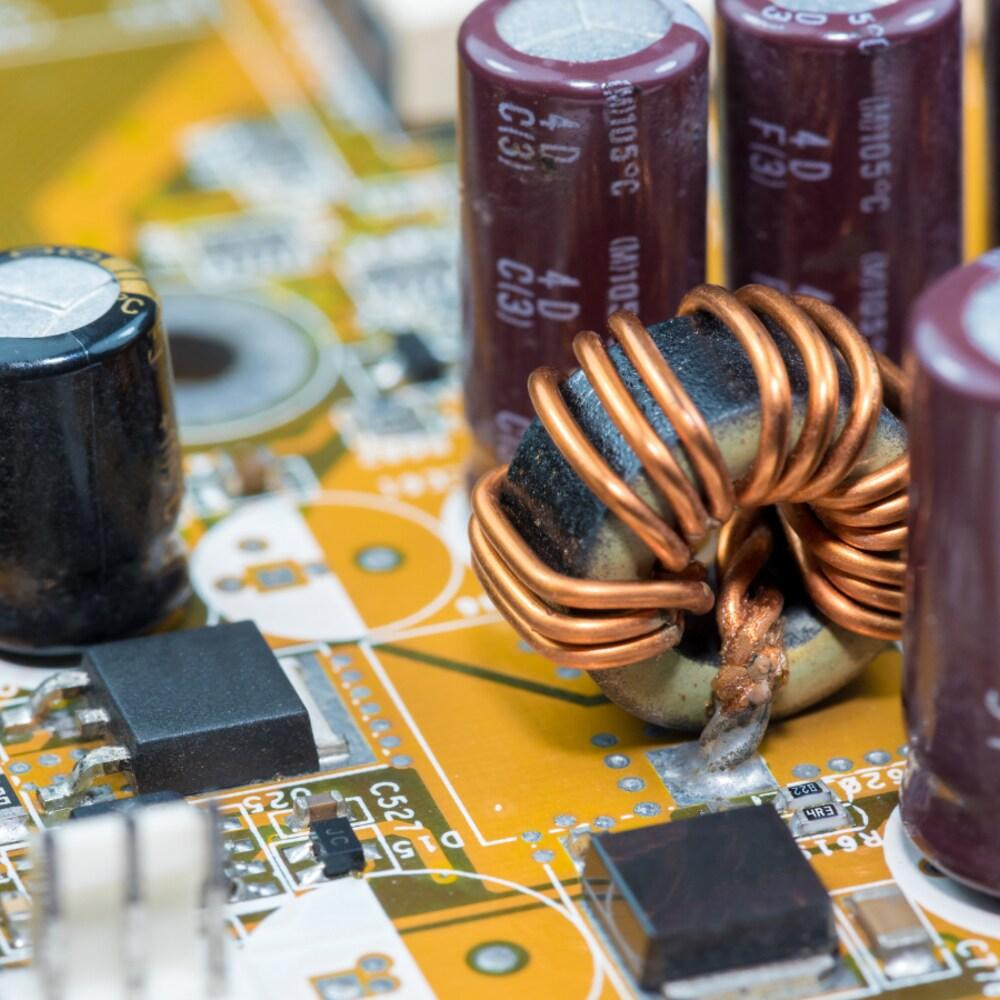
One of the most important components inside a switching power supply is the switching transistor. It is responsible for high-frequency switching and controls the transfer of energy through the entire conversion process. Because it operates continuously under electrical stress and thermal cycling, it is also one of the components most exposed to wear over time.
As switching devices age, their performance can begin to decline. When this happens, the transistor may no longer switch as efficiently as designed. Internal resistance increases, switching losses rise, and overall energy conversion efficiency drops. Once efficiency falls, the output stage receives less usable energy, which results in a lower voltage at the output terminals.
This condition is especially common in power supplies that run continuously for long periods, particularly in industrial environments where ambient temperature remains high or airflow is restricted. In many real-world maintenance cases, a weakened switching transistor does not immediately stop the power supply from operating, but instead causes output voltage to drop progressively during normal use.
Capacitor Aging and Output Voltage Instability
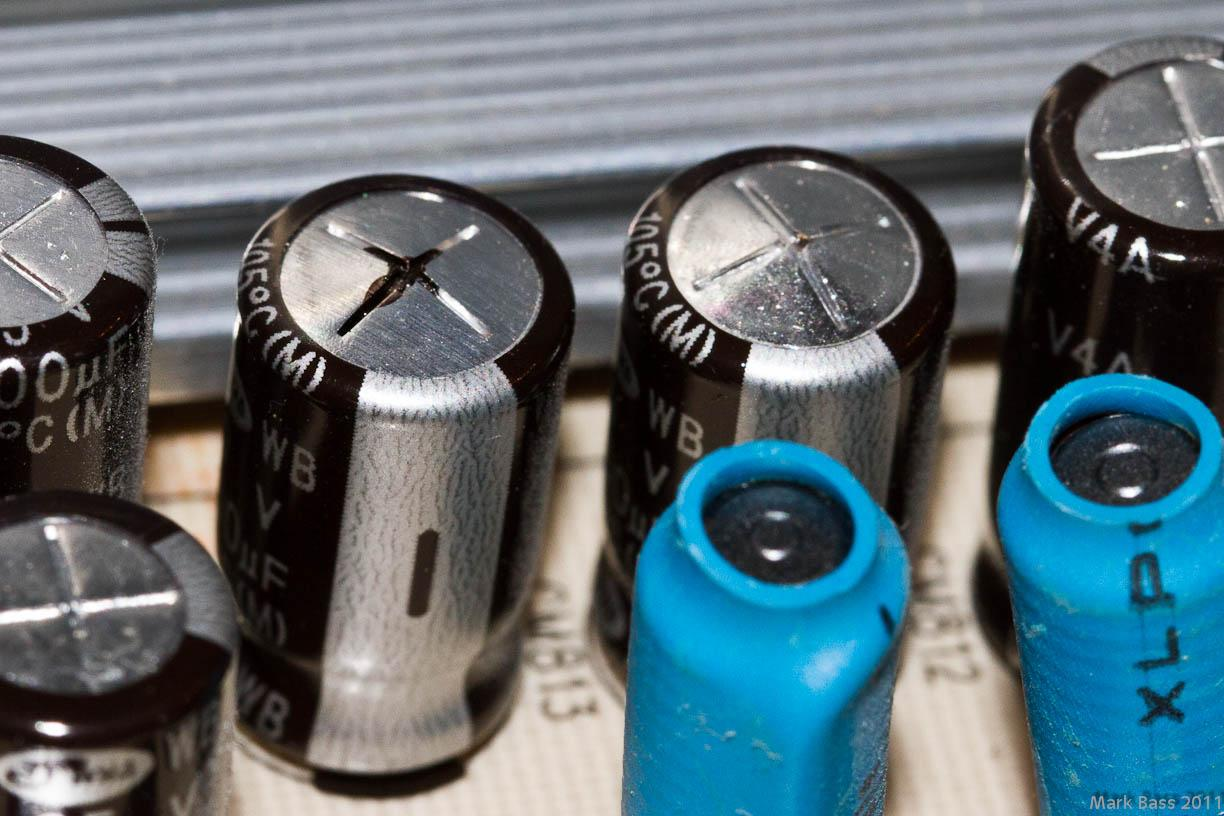
Electrolytic capacitors are another major factor in output voltage stability. Their job is to store energy, smooth ripple, and support voltage regulation when the load changes. Without proper filtering from these capacitors, the power supply cannot maintain stable output under real operating conditions.
As capacitors age, internal electrolyte gradually evaporates. This reduces capacitance while increasing ESR, which weakens filtering performance and lowers energy storage capacity. A power supply with aging capacitors may still show correct voltage when measured with no load connected, but once current demand increases, the voltage can drop noticeably.
This behavior is one of the most common failure patterns in switching power supply repair. It is particularly common in equipment that has operated for many years or in environments where internal temperatures remain high for extended periods. Capacitor aging often develops slowly, which makes it easy to overlook until the output voltage begins to show measurable instability.
| Component Area | Typical Failure Effect | Influence on Output Voltage |
| Primary filter capacitor | Reduced energy storage | Voltage drops during load |
| Secondary filter capacitor | Weak filtering | Output instability |
| High ESR capacitor | Increased internal loss | Poor voltage regulation |
| Aged electrolytic capacitor | Capacitance reduction | Lower-than-rated voltage |
Load-Related Voltage Drop
When low output voltage is discovered, the power supply is often blamed first. However, many voltage-drop problems actually originate from the load side rather than the power supply itself.
When connected equipment demands excessive current, develops a short circuit, or begins operating abnormally, the power supply may enter current-limiting or overload protection mode. In this state, voltage is intentionally reduced as part of the protection mechanism. The drop is therefore a symptom of abnormal load behavior rather than internal power supply failure.
This is why isolating the power supply from the load is such an effective diagnostic step. Measuring output voltage with the load disconnected often provides immediate clarity. If voltage returns to normal once the external circuit is removed, the issue is likely somewhere downstream. If the voltage remains low even without a load, attention should return to the internal components of the power supply itself.
This distinction is critical because it prevents unnecessary component replacement and helps locate the real source of the problem more efficiently.
Transformer Efficiency and Energy Transfer Problems
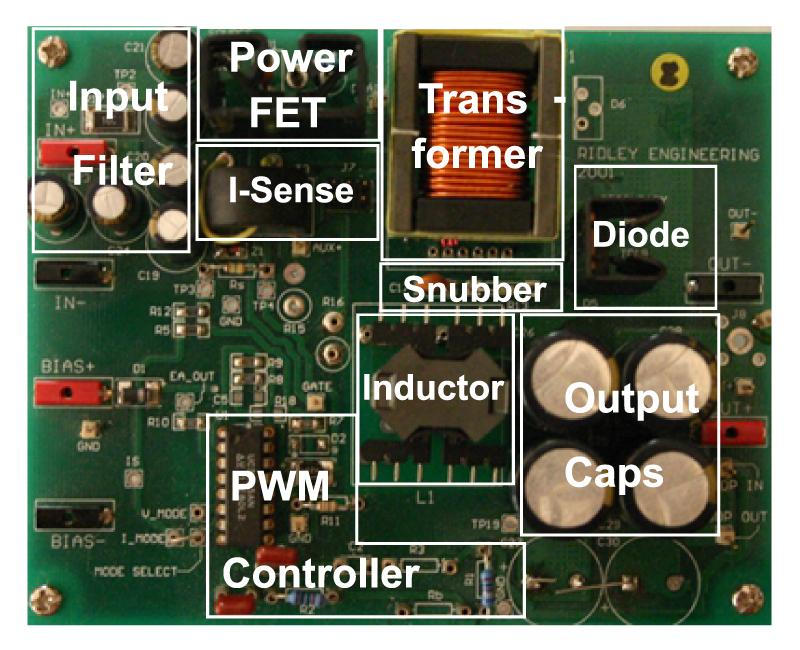
The transformer inside a switching power supply transfers electrical energy from the primary side to the secondary side. Its performance has a direct effect on how much usable power reaches the output.
Although transformer failure is less common than capacitor failure, it can still be a major cause of low output voltage. Problems such as winding damage, insulation deterioration, overheating, magnetic core aging, or poor solder connections can reduce transfer efficiency significantly. Once the transformer is unable to deliver energy effectively, the output voltage begins to fall.
Transformer-related issues are often accompanied by other symptoms such as unstable startup, audible noise, abnormal heating, or reduced load capacity. Because these symptoms overlap with other failures, transformer problems can be harder to diagnose and usually require deeper testing to confirm.
Output Rectifier and Secondary Circuit Failures
After energy is transferred through the transformer, it must be converted into DC and stabilized before being delivered to the load. This work is performed by the rectifier stage and secondary filtering section. If either part becomes unstable, the final output voltage will be affected.
A leaking rectifier diode, partially damaged Schottky diode, or weakened output capacitor can all reduce the efficiency of voltage conversion. These failures may not shut the power supply down completely, but they often result in voltage that reads below specification and fluctuates during operation.
Because the secondary side continuously handles output current and heat, these components are exposed to long-term thermal stress. Over time, performance degradation becomes increasingly likely, especially in equipment with high-duty cycles or poor ventilation.
| Output Stage Component | Possible Failure | Typical Result |
| Rectifier diode | Leakage or breakdown | Reduced DC output |
| Output capacitor | Capacitance loss | Ripple and voltage instability |
| Secondary connection | Loose solder | Intermittent voltage drop |
| Feedback circuit | Regulation error | Incorrect output voltage |
Voltage Loss Outside the Power Supply
Not every low-voltage problem originates inside the power supply housing. In many installations, measurable voltage loss happens between the power supply and the connected equipment.
Long cable runs, undersized conductors, loose terminals, connector oxidation, or poor electrical contact can all increase resistance in the circuit. Once resistance increases, voltage begins dropping across the wiring path before it reaches the load.
This situation is especially common in industrial systems with long-distance cable routing or relatively high current demand. It is entirely possible to measure correct voltage at the power supply output while seeing significantly lower voltage at the machine or device being powered.
For this reason, measuring voltage at multiple points in the system is often just as important as checking the power supply itself. Comparing voltage directly at the output terminal and again at the load side can quickly reveal whether the loss is happening internally or across the external electrical path.
| Installation Condition | Voltage Drop Risk |
| Short cable with light load | Low |
| Medium cable length | Moderate |
| Long cable with higher current | High |
| Thin wire under heavy load | Very High |
Practical Troubleshooting Method
When diagnosing low output voltage, a structured testing method is usually far more effective than replacing parts without confirmation. A reliable starting point is measuring the output voltage directly at the power supply with no load connected. This establishes whether the unit can regulate correctly under unloaded conditions.
The next step is to repeat the measurement under normal operating load. Comparing these two readings often reveals whether the voltage drop occurs only when current demand increases.
After that, attention should move to the internal components most closely related to voltage regulation. The switching transistor should be examined because reduced switching efficiency can weaken the entire power conversion process. The condition of both input and output filter capacitors should also be checked carefully, since aging capacitors are one of the most common causes of load-related voltage drop. The rectifier section should then be inspected for leakage, thermal damage, or partial breakdown. At the same time, the transformer should be evaluated for signs of overheating, poor transfer efficiency, or internal winding problems. Finally, the output terminals, cable connections, and wiring path should be tested thoroughly to confirm that voltage is not being lost between the power supply and the load.
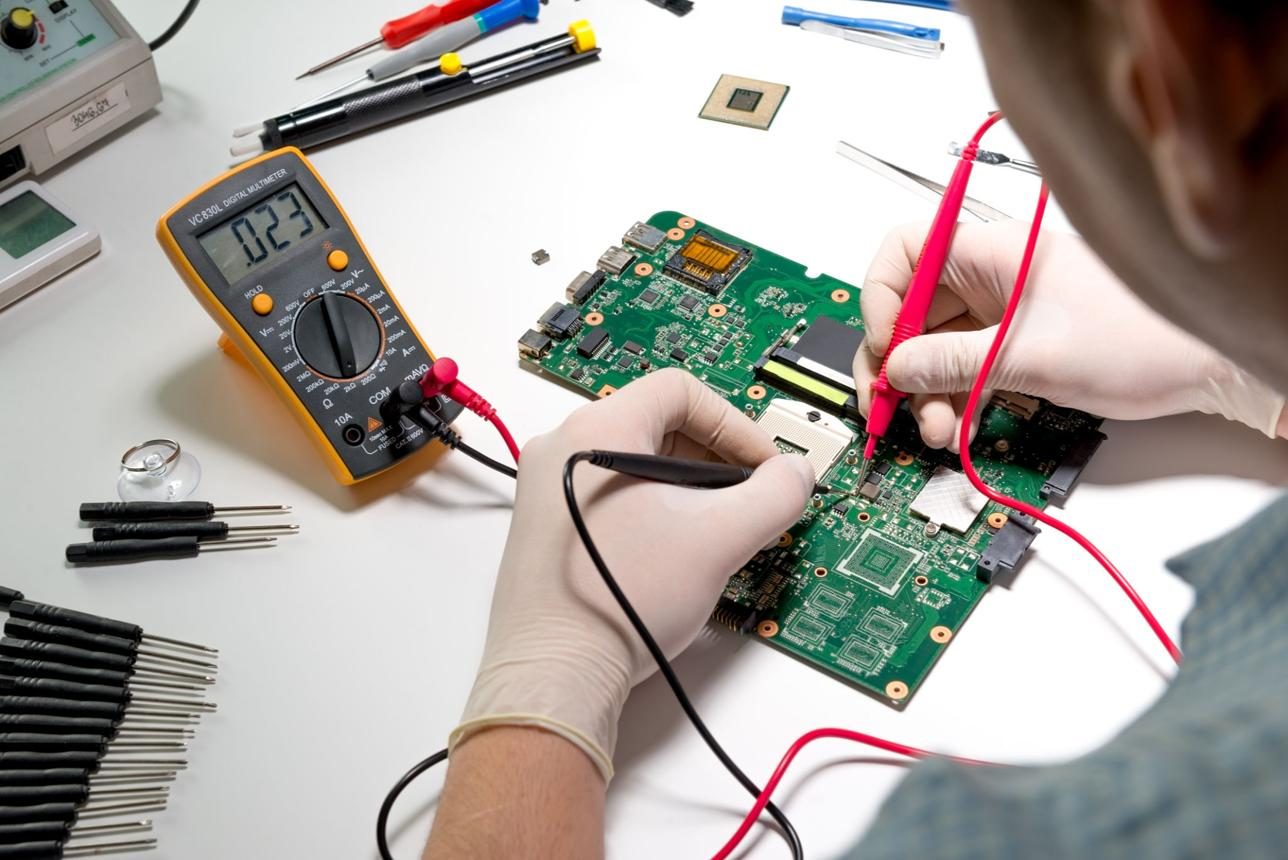
Following this sequence allows the source of the voltage loss to be narrowed down logically and usually leads to faster, more accurate repair decisions.

Conclusion
Low output voltage is one of the most common power supply issues in industrial and electronic systems, but it is rarely caused by chance. In most cases it can be traced to a specific electrical or mechanical factor such as switching device degradation, capacitor aging, transformer inefficiency, rectifier failure, abnormal load behavior, or voltage loss through external wiring.
Although the symptoms may look similar from the outside, the root cause is often different from one case to another. Accurate troubleshooting depends on careful measurement, systematic inspection, and a clear understanding of how the power supply operates as a complete system.
With proper diagnosis and regular preventive maintenance, most voltage-related failures can be identified early and corrected before they lead to equipment shutdown or costly production interruption.