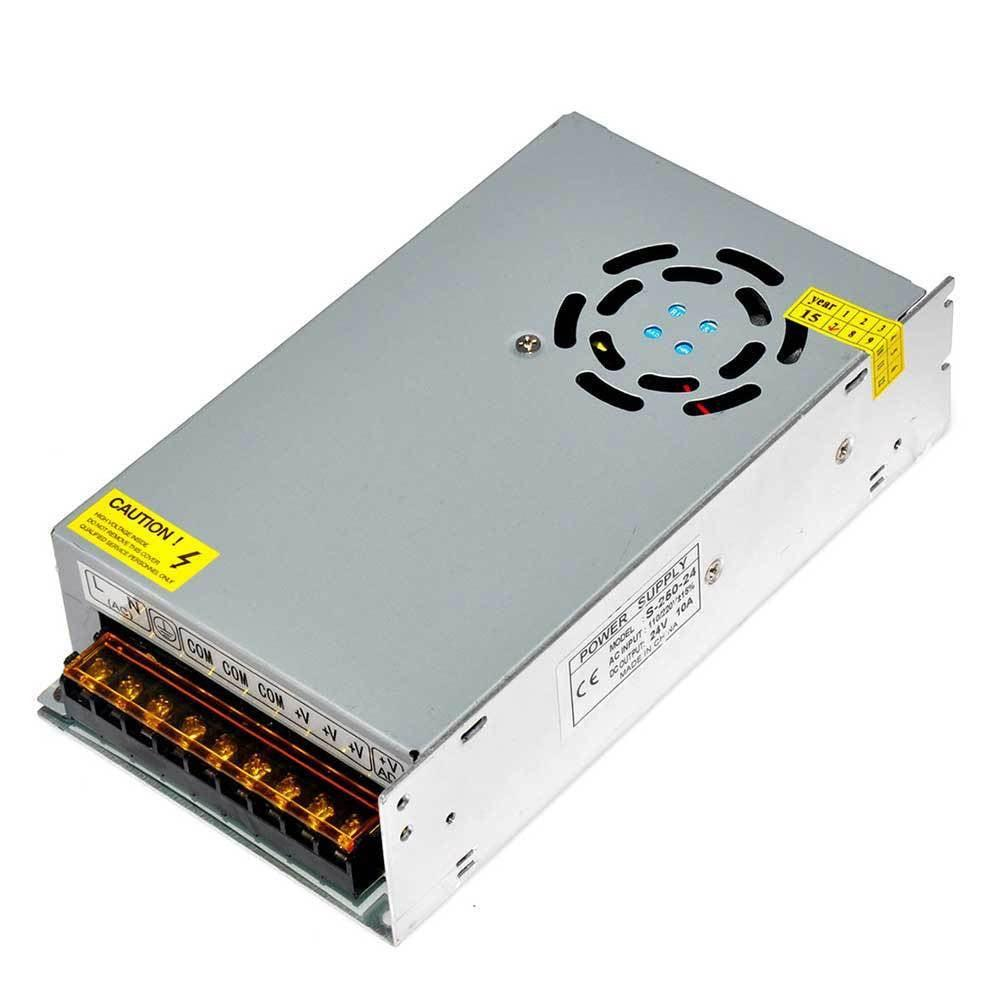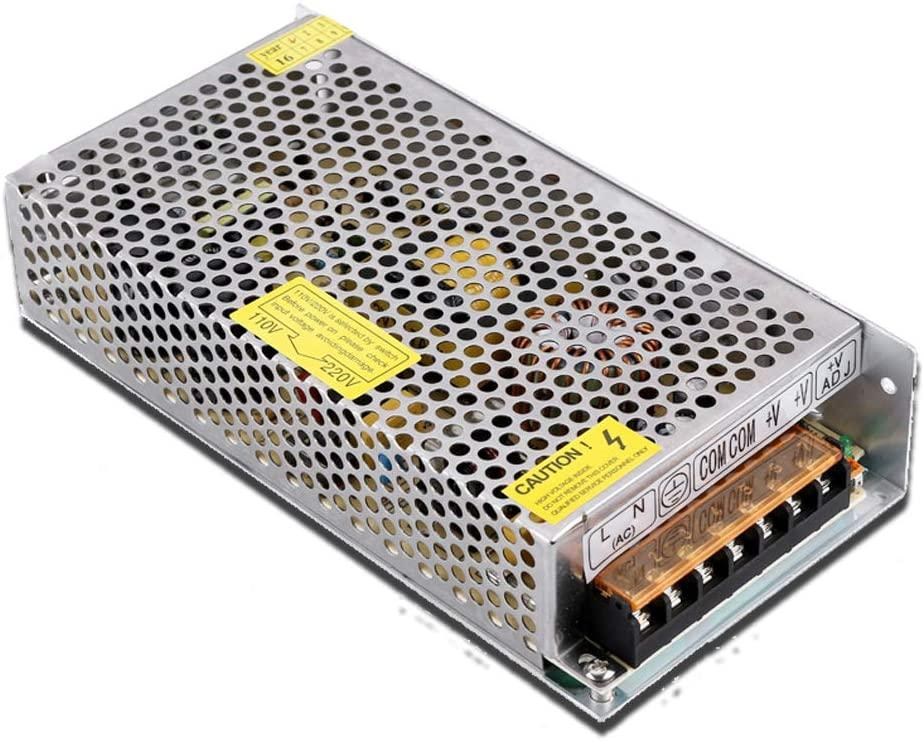

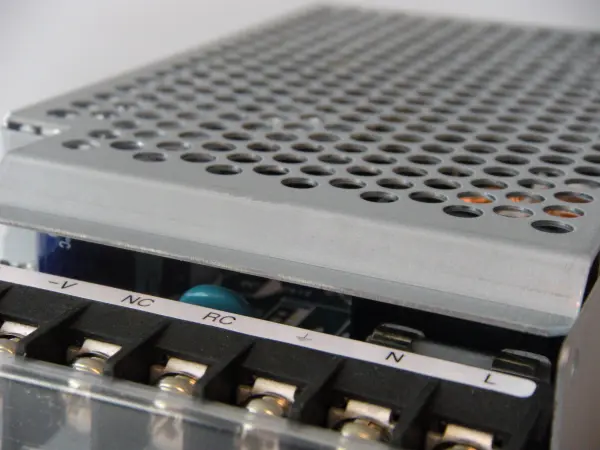
In many industrial and electronic systems, power supply problems don’t start with failure—they start with subtle warning signs that are easy to ignore. A faint buzzing sound, a slight increase in temperature, or an occasional system restart may not seem alarming at first. But these are often early indicators of a much deeper issue: power supply overload.
So how can you tell if your power supply is overloaded? More importantly, what actually happens inside the unit when it is pushed beyond its limits—and how can you prevent it from turning into a costly failure?
Understanding these questions is essential, especially for applications involving switching power supplies in automation systems, CNC equipment, and industrial control environments where stability is critical.
What Does Overload Really Mean in a Switching Power Supply?
A power supply becomes overloaded when the total electrical demand from connected devices exceeds its rated output capacity. While this definition sounds straightforward, the reality is often more complex. In many cases, systems operate very close to their limits for extended periods without immediate failure, which creates a false sense of safety.
The problem is that even if a power supply does not shut down immediately, running near or beyond its rated capacity places continuous stress on internal components. Over time, this stress accumulates, leading to thermal fatigue, reduced efficiency, and ultimately, premature failure.
The relationship between load and reliability is not linear. A system operating at 60% load may run efficiently for years, while the same system running at 90% load could experience a dramatically shortened lifespan.
| Load Level | Operating Condition | Impact on Lifespan |
| 0–60% | Optimal | Maximum lifespan |
| 60–80% | Stable | Minor impact |
| 80–100% | High stress | Accelerated wear |
| 100%+ | Overload | Failure risk |
This is why experienced engineers rarely design systems to run at full capacity continuously. Instead, they build in a margin that allows the power supply to operate comfortably under varying conditions.
Are the Warning Signs Already There?
One of the most overlooked aspects of power supply overload is how early the symptoms begin to appear. Long before complete failure, the unit often “communicates” its condition through physical and performance changes.
A common first sign is unusual noise.
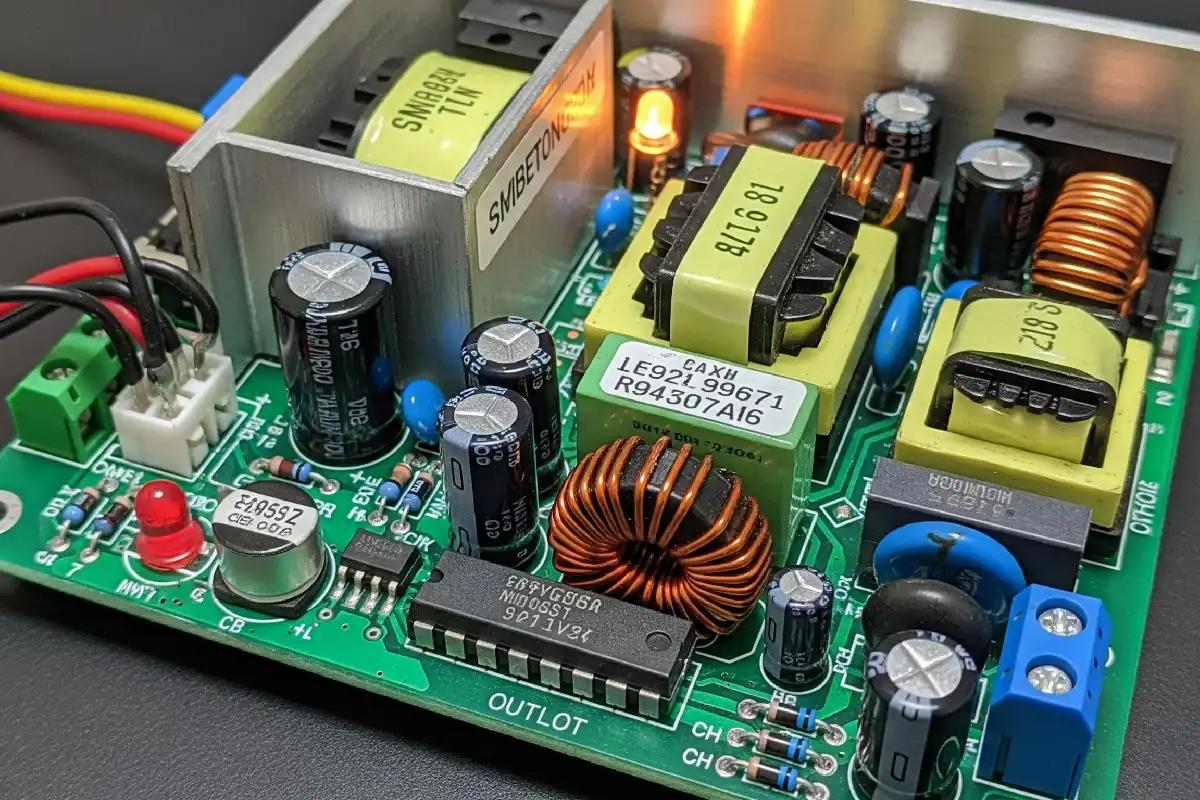
When a switching power supply is pushed beyond its normal operating range, internal magnetic components such as inductors and transformers may begin to vibrate. This results in a buzzing or high-frequency whining sound, often referred to as coil whine. While it may seem harmless, it is usually a sign that the PSU is under electrical stress.
Heat is another critical indicator, and often a more serious one.
All power supplies generate heat during operation, but excessive heat suggests inefficiency or overload. When the internal temperature rises beyond normal levels, key components such as electrolytic capacitors begin to degrade rapidly. In some cases, this is accompanied by a distinct burning or electrical odor, which should always be treated as an urgent warning.
Beyond physical signs, system behavior often reveals overload conditions. Devices may restart unexpectedly, fail to start under load, or exhibit inconsistent performance. These issues are typically caused by unstable voltage output, as the power supply struggles to meet demand.
What Is Happening Inside the Power Supply?
To fully understand the risks, it helps to look at what is happening internally when a power supply is overloaded.
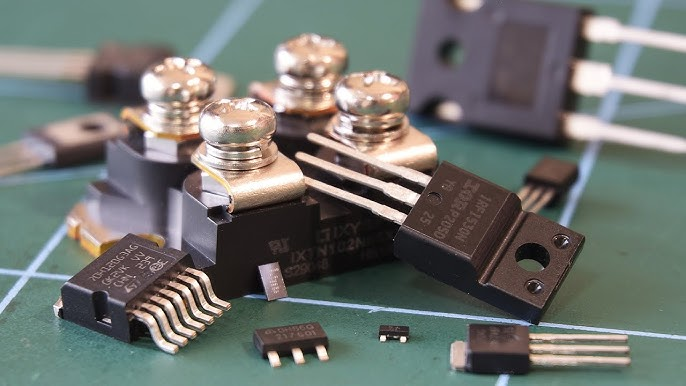
In a switching power supply, components such as MOSFETs, transformers, and capacitors are designed to operate within specific electrical and thermal limits. When these limits are exceeded, even slightly, the internal balance begins to break down.
Initially, the system may compensate by increasing switching activity or generating more heat. However, as stress continues, component degradation accelerates.
| Component | Stress Effect | Long-Term Result |
| Capacitors | Heat and ripple increase | Drying, swelling, failure |
| MOSFETs | Overcurrent stress | Switching breakdown |
| Transformers | Thermal overload | Insulation damage |
| PCB traces | Repeated heating | Cracking, instability |
Over time, these effects compound. What begins as a minor overload can evolve into a complete failure, often without much additional warning.
Why Overload Is More Dangerous Than It Appears
Many users assume that the main risk of overload is simply power supply failure. In reality, the consequences extend far beyond the PSU itself.
In industrial environments, unstable power can damage connected equipment, particularly systems that rely on precise voltage regulation. CNC machines, automation controllers, and sensor networks are especially sensitive to fluctuations. Even small deviations can lead to operational errors or hardware damage.
In data-driven systems, the impact can be even more severe. Voltage instability may cause data corruption, interrupt processes, or lead to unexpected shutdowns that compromise system integrity.
Perhaps most concerning are the safety implications.
Excessive heat generated by an overloaded power supply can increase the risk of fire, especially in enclosed or poorly ventilated environments. In high-stakes industrial settings, this is not just a technical issue—it is a safety concern that must be addressed proactively.
What Should You Do If You Suspect an Overload?
When overload is suspected, immediate action is essential. Reducing the load on the power supply is the first step. This may involve disconnecting non-critical devices or redistributing power across multiple units.
However, short-term fixes are not enough. A proper evaluation of the system’s power requirements is necessary to prevent recurrence. This involves calculating the total load, including peak demand and startup current, and comparing it to the PSU’s rated capacity.
| Device Type | Typical Power Range |
| Industrial controller | 50–200W |
| Servo motor system | 200–500W |
| Sensors and IO modules | 10–100W |
| Cooling systems | 50–300W |
Once the total load is calculated, a safety margin of at least 20–30% should be added. This ensures stable operation under varying conditions and reduces long-term stress on the system.
Why Proper PSU Selection Makes All the Difference
Preventing overload is not just about reducing demand—it is about choosing the right power supply from the beginning.
A high-quality switching power supply should not only meet current requirements but also provide stability under dynamic loads, protection against abnormal conditions, and long-term reliability.
This is where SIPURUI switching power supplies offer a clear advantage. Designed for industrial applications, SIPURUI units integrate multiple protection mechanisms, including overload, overvoltage, and thermal protection. Their high efficiency reduces heat generation, while robust internal components ensure consistent performance even under demanding conditions.
More importantly, SIPURUI power supplies are engineered with real-world operating environments in mind. This means they can handle fluctuations, transient loads, and continuous operation without compromising stability.
How Can You Prevent Overload in the Long Run?
The most effective way to avoid power supply overload is to think beyond immediate requirements and design systems with flexibility and resilience in mind.
A well-designed system does not operate at its limits. Instead, it allows room for expansion, variation in load, and environmental changes. Regular maintenance also plays a critical role. Dust accumulation, poor ventilation, and aging components can all contribute to overheating and reduced efficiency.
Monitoring is equally important. By tracking power consumption and system behavior, potential issues can be identified before they escalate into failures.

Conclusion: Are You Giving Your Power Supply Enough Margin?
Power supply overload is rarely a sudden event. It is usually the result of gradual stress, overlooked warning signs, and insufficient planning.
By paying attention to early indicators such as noise, heat, and instability, and by selecting a properly sized, high-quality solution like a SIPURUI switching power supply, you can avoid unnecessary risks and ensure long-term system reliability.
In the end, a power supply is more than just a component. It is the foundation of your entire system—and like any foundation, its strength determines everything built on top of it.