
A Deep Dive into How to Choose the Right Solution for Harsh Environments
Industrial automation is evolving rapidly, but one question remains fundamental: what truly defines a reliable AC/DC power supply in demanding environments?
From robotic assembly lines to distributed control systems, modern factories depend on stable DC power derived from AC sources. Yet, unlike office or consumer electronics, industrial systems operate in environments filled with electrical noise, mechanical stress, and unpredictable load conditions. Choosing the wrong power supply is not just a technical mistake—it can lead to system downtime, safety risks, and costly failures.
So how do engineers ensure they are selecting the right AC/DC power supply for high-reliability applications? And what distinguishes an industrial-grade solution from a standard commercial unit?
Why Are Industrial Power Supplies So Demanding?
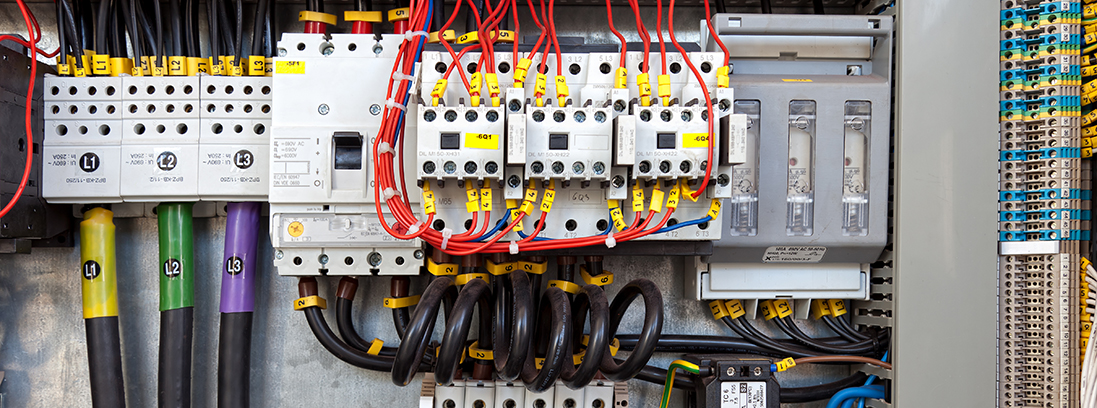
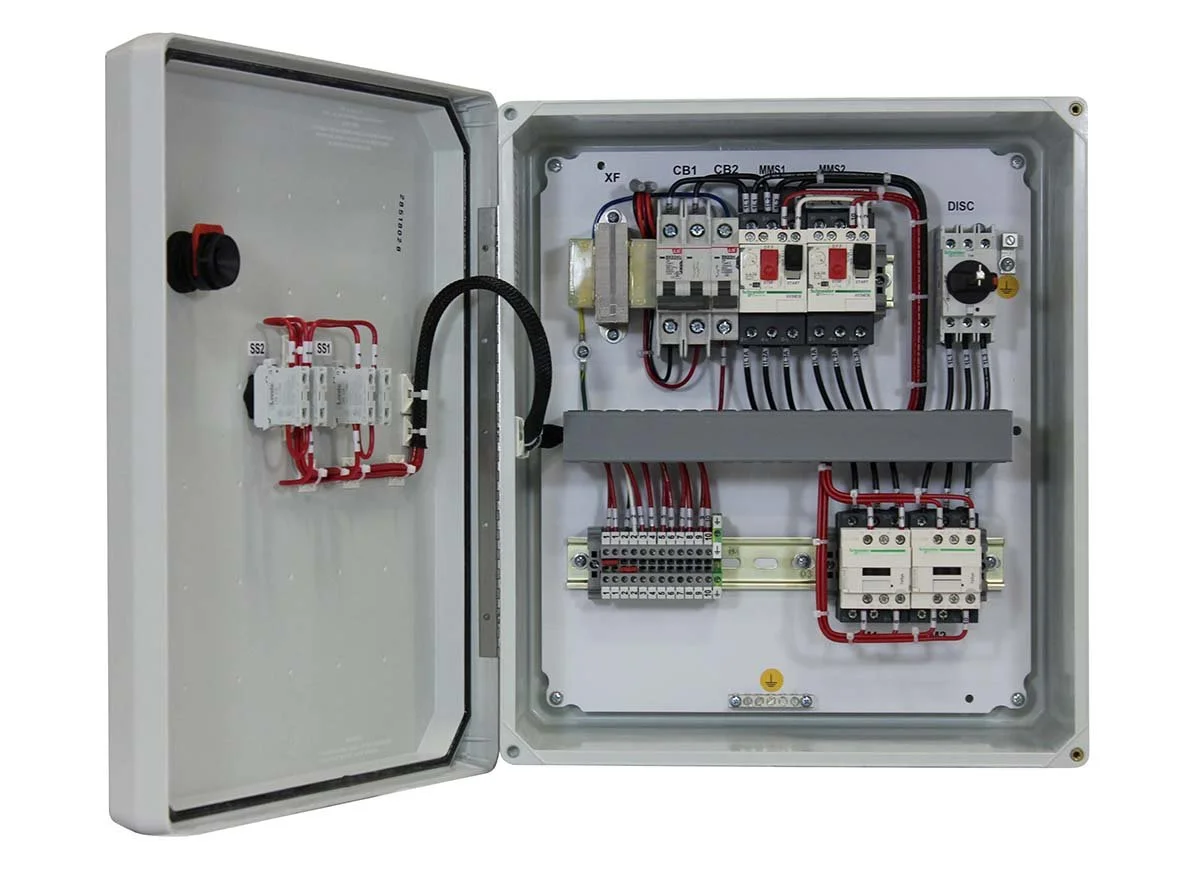
Industrial environments present a unique combination of electrical and environmental challenges. Power supplies must operate continuously while handling fluctuating loads, electromagnetic interference, and harsh physical conditions.
Consider a typical automation system. Components such as PLCs, sensors, HMIs, and actuators all rely on a regulated DC voltage—most commonly 24V DC. At the same time, motor drives and control systems introduce dynamic loads. When motors start, they generate high inrush currents that can cause voltage dips and destabilize the entire system.
Beyond electrical stress, environmental factors add another layer of complexity. Power supplies may be exposed to:
·High ambient temperatures or rapid thermal cycling
·High humidity or condensation
·Continuous vibration from machinery
·Mechanical shock during operation or transport
Under these conditions, a general-purpose AC/DC power supply often lacks the robustness required for long-term reliability.
What Electrical Standards Must a Reliable Power Supply Meet?
One of the most critical questions engineers face is: does the power supply meet the required safety and insulation standards?
A key concept here is the Overvoltage Category (OVC). Industrial systems typically require OVC III, which applies to equipment connected directly to distribution-level circuits.
Overvoltage Category Comparison
| OVC Level | Typical Application | Transient Protection Level | Risk Environment |
| OVC I | Electronics, low-energy circuits | Low | Controlled environments |
| OVC II | Appliances, portable tools | Medium | Residential/commercial |
| OVC III | Industrial equipment, distribution panels | High | Factory environments |
| OVC IV | Utility-level equipment | Very High | Outdoor/grid-level |
An OVC III-rated power supply, such as those in the SIPURUI industrial AC/DC series, is designed to withstand higher transient voltages caused by switching operations, grid disturbances, or lightning-induced surges.
In addition to OVC, compliance with standards such as IEC/UL/EN 62368-1 ensures that the power supply follows hazard-based safety engineering principles, protecting both equipment and personnel.
How Does Functional Safety Influence Power Supply Selection?
In safety-critical systems, reliability is not optional—it is quantified. This is where Safety Integrity Level (SIL) comes into play.
Every component in a safety system contributes to the overall probability of failure. A poorly designed power supply can compromise the entire system, even if all other components are compliant.
For example, in safety PLC output modules, low-power logic signals are converted into higher-power outputs to drive actuators such as valves or relays. These outputs depend on a stable external power source.
A high-reliability AC/DC power supply must therefore:
·Maintain stable output under varying loads
·Provide robust insulation and isolation
·Operate well below its maximum rated limits (derating)
These characteristics significantly reduce the risk of unexpected failures in the field.
What About Electromagnetic Interference in Industrial Systems?
Industrial environments are inherently noisy from an electrical perspective. Variable frequency drives, UPS systems, and high-speed switching devices all generate electromagnetic interference (EMI).
If a power supply is not properly designed, it can either emit excessive noise or become vulnerable to external interference. This can result in:
·Signal corruption in control systems
·Unexpected resets in PLCs
·Reduced system stability
Common Sources of EMI in Industrial Systems
| Source | Type of Interference | Impact on System |
| Motor drives | Conducted + radiated EMI | Voltage fluctuations |
| UPS systems | Harmonics | Signal distortion |
| Switching power devices | High-frequency noise | Control instability |
| Relays/contactors | Transient spikes | Component stress |
SIPURUI power supplies are designed to comply with EN/IEC 55032 (Class B) and EN 61000 series standards, ensuring both low emissions and high immunity.
What Protection Features Are Essential for Long-Term Reliability?
A reliable industrial power supply must do more than deliver power—it must actively protect itself and the system.
Key protection mechanisms include:
·Over-current protection (OCP)
·Short-circuit protection (SCP)
·Over-temperature protection (OTP)
·Overvoltage protection (OVP)
Protection Mechanisms and Their Functions
| Protection Type | Function | Recovery Mode |
| OCP | Prevents overload damage | Hiccup mode |
| SCP | Handles short circuits | Auto-restart |
| OTP | Prevents thermal failure | Temperature-based recovery |
| OVP | Protects downstream devices | Latch mode |
In advanced designs like SIPURUI’s industrial series, these protections work together to ensure that faults do not lead to permanent damage or unsafe conditions.
How Do Environmental Conditions Affect Power Supply Design?
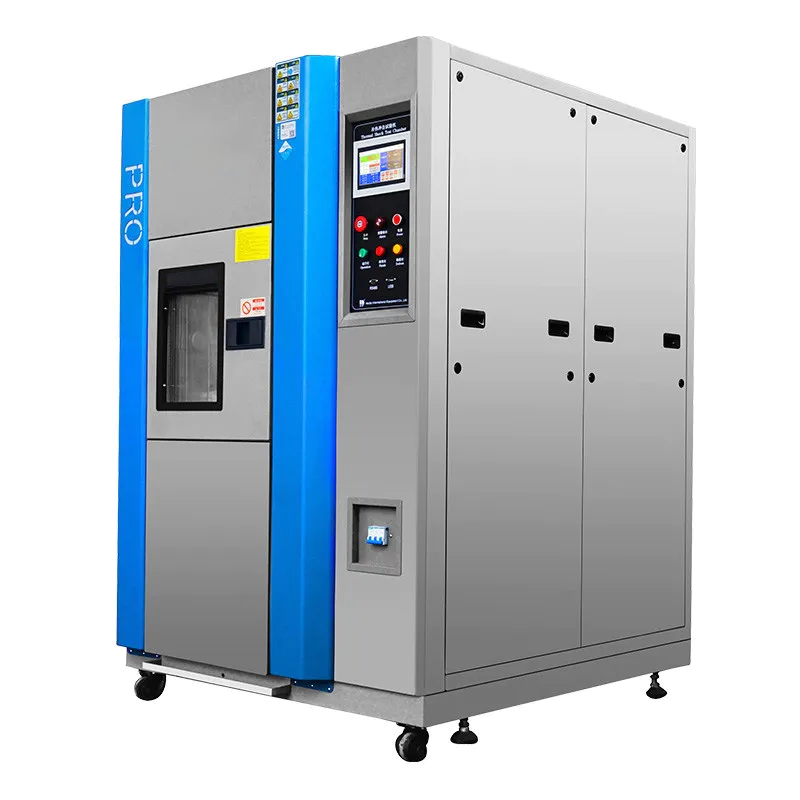
Environmental durability is often overlooked, yet it is one of the most critical factors in industrial applications.
Standards such as MIL-STD-810 define testing methods for:
·Thermal shock
·Vibration and mechanical shock
·High-altitude operation
·Humidity resistance
For example, at higher altitudes, reduced air density affects both insulation and cooling. This requires larger creepage distances and more efficient thermal design.
SIPURUI power supplies are engineered with:
·Encapsulated construction for moisture and dust protection
·Reinforced mechanical design for vibration resistance
·Wide operating temperature ranges for harsh environments
Can Thermal Management and Size Be Optimized Together?
Thermal performance and power density are closely linked. A compact power supply that generates excessive heat will fail prematurely.
Modern industrial designs focus on:
·High efficiency (reducing heat generation)
·Baseplate cooling (improving heat dissipation)
·Encapsulation (enhancing thermal stability)
A typical SIPURUI 500W full-brick AC/DC power supply offers:
·Efficiency up to 93%
·Compact dimensions suitable for space-constrained systems
·Operation across a wide temperature range (e.g., -40°C to 105°C with derating)
This combination allows integration into tight industrial enclosures without compromising reliability.
What About Scalability for Higher Power Applications?
As industrial systems grow more complex, power requirements increase. A flexible design should allow for scalability without redesigning the entire system.
Parallel operation is a key feature in modern power supplies. By connecting multiple modules, engineers can increase total output power while maintaining system redundancy.
SIPURUI solutions support parallel configurations, enabling:
·Higher total output power
·Load sharing between modules
·Improved system reliability

Conclusion: What Should You Really Look for in an Industrial Power Supply?
Selecting the right AC/DC power supply is not just about voltage and wattage—it is about ensuring long-term system stability in challenging environments.
A truly reliable industrial power supply must combine:
·Compliance with safety standards such as OVC III and IEC 62368-1
·Strong EMC performance in noisy environments
·Comprehensive protection features
·Rugged mechanical and environmental design
·Efficient thermal management and compact size
·Scalability for future system expansion
SIPURUI’s industrial AC/DC power supply series is designed with these principles in mind, providing engineers with a dependable solution for applications ranging from factory automation to advanced robotics.
As industrial systems continue to evolve, the importance of choosing the right power supply will only increase. The question is no longer whether reliability matters—but whether your current solution is truly built to deliver it.