
Why Does Your Power Supply Draw a Huge Current at Startup?
When a switching power supply is turned on, one of the most overlooked yet critical phenomena is the inrush current. Many engineers first encounter it not in simulations, but in real-world failures—blown fuses, tripped breakers, or unexpected component stress.
So what really happens at that instant of power-on?

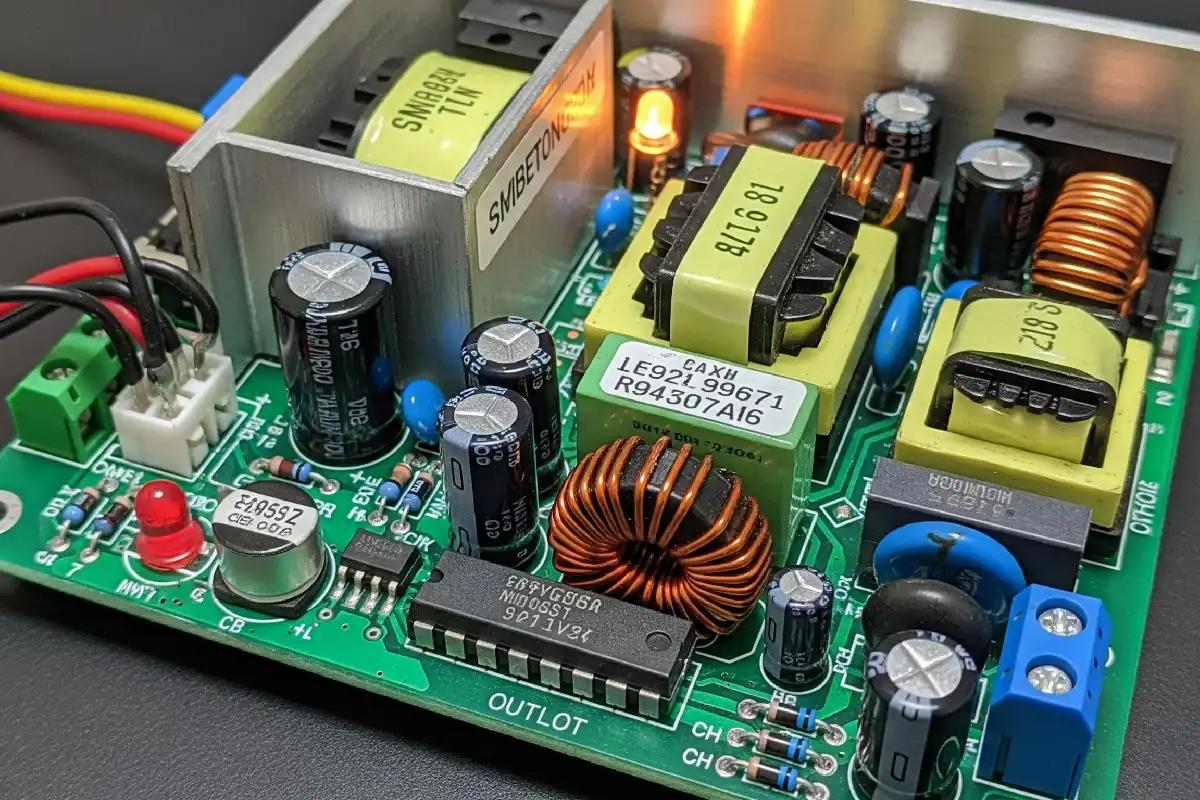
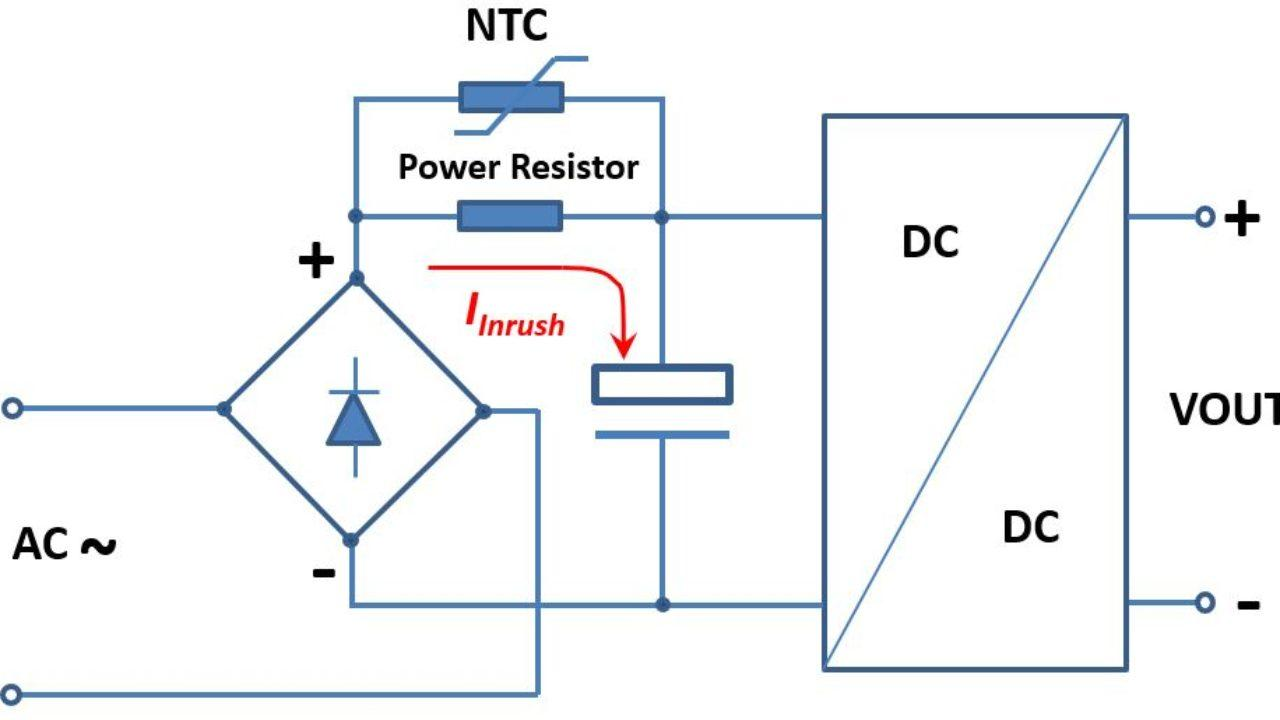
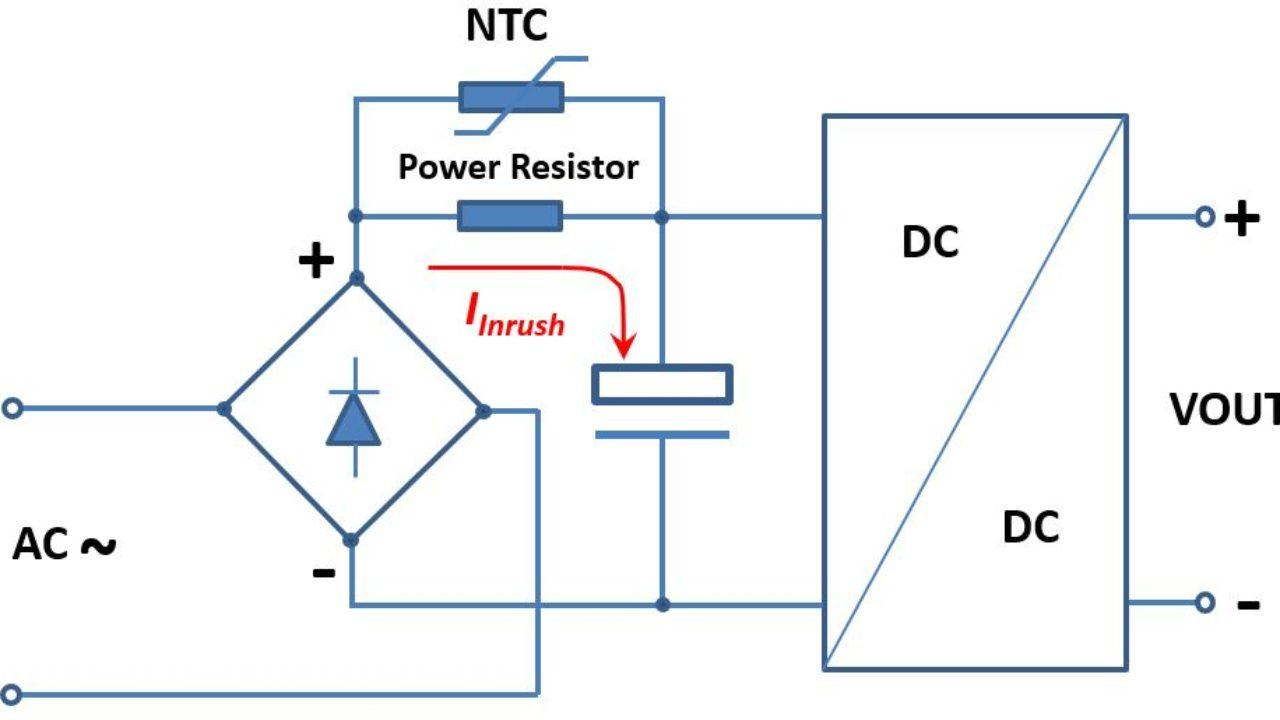
At startup, the AC input is first filtered, then rectified through a bridge, and finally used to charge large electrolytic capacitors. These capacitors, at the moment of energization, behave almost like a short circuit. The result is a sharp current spike, often reaching 10 to 50 times the normal operating current, depending on the design and timing relative to the AC waveform.
If the system happens to power on at the peak of the AC voltage, the surge becomes even more severe. This instantaneous stress propagates through the entire front-end of the power supply, affecting rectifiers, input capacitors, EMI filters, and even PCB traces.
Why Is Inrush Current No Longer Optional to Manage?
In older, low-power designs, inrush current might have been tolerated. But in modern SMPS—especially those used in industrial automation, telecom, and distributed power systems—it has become a critical design parameter.
Repeated exposure to high surge currents accelerates thermal fatigue in components and significantly reduces system reliability. From a compliance perspective, standards such as IEC and UL increasingly require controlled startup behavior, particularly in systems where multiple power supplies may start simultaneously.
In practical applications, such as SIPURUI industrial switching power supplies, uncontrolled inrush current can lead to system-level issues. For example, when multiple units are powered on in parallel, the combined surge can easily exceed circuit breaker limits or cause voltage dips across shared AC lines. This makes proper inrush current management not just a component-level concern, but a system-level necessity.
What Are the Most Effective Ways to Limit Inrush Current?
Over the years, engineers have developed several approaches to address this issue. While the fundamental goal remains the same—limit current during capacitor charging—each method introduces different trade-offs in cost, efficiency, complexity, and reliability.
Is the NTC Thermistor Still the Default Choice?
The NTC thermistor remains one of the most widely used solutions, largely because of its simplicity and cost-effectiveness. At room temperature, the device presents a relatively high resistance, effectively limiting the initial surge current. As current flows through it, the thermistor heats up, and its resistance drops significantly, allowing normal operation with minimal additional loss.
This self-regulating behavior makes NTCs particularly attractive for low-to-medium power supplies. In many SIPURUI adapter and compact SMPS designs, NTC thermistors provide a balanced solution between protection and efficiency.
However, this simplicity comes with limitations. Because the resistance depends on temperature, performance can vary significantly with ambient conditions. More importantly, during rapid power cycling, the thermistor may not have time to cool down, resulting in insufficient resistance during the next startup. This makes NTCs less suitable for systems requiring frequent on-off operation.
Can a Simple Resistor Do the Job?
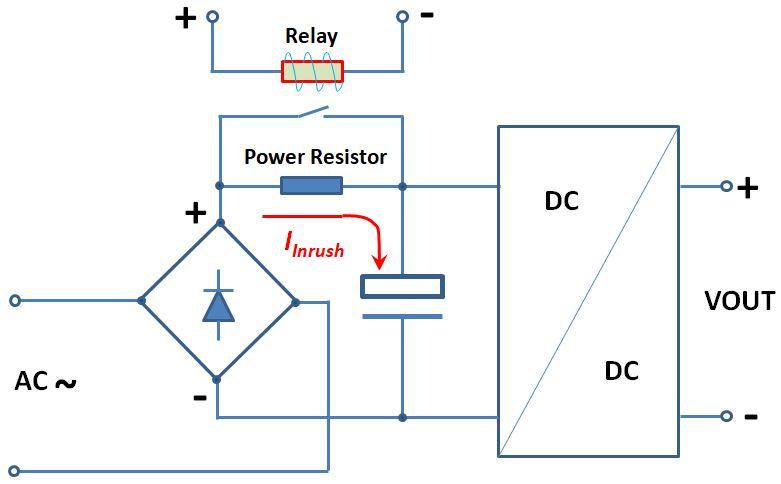
At first glance, using a fixed power resistor seems like the most straightforward solution. By placing a resistor in series with the input, the inrush current can be effectively reduced regardless of temperature or operating conditions.
Yet, what appears simple quickly becomes inefficient. Unlike NTCs or active solutions, a fixed resistor does not adapt. It continues to dissipate power not only during startup but throughout the entire operation of the power supply. This results in continuous energy loss and additional thermal stress.
The following comparison highlights the limitation:
| Parameter | Fixed Resistor | NTC Thermistor |
| Startup limiting | Stable | Temperature-dependent |
| Efficiency | Low | Medium |
| Heat dissipation | High | Moderate |
| Practical use | <10W designs | Widely used |
For this reason, fixed resistors are typically restricted to very low-power applications where efficiency is not a primary concern.
Is There a Way to Combine Efficiency and Protection?
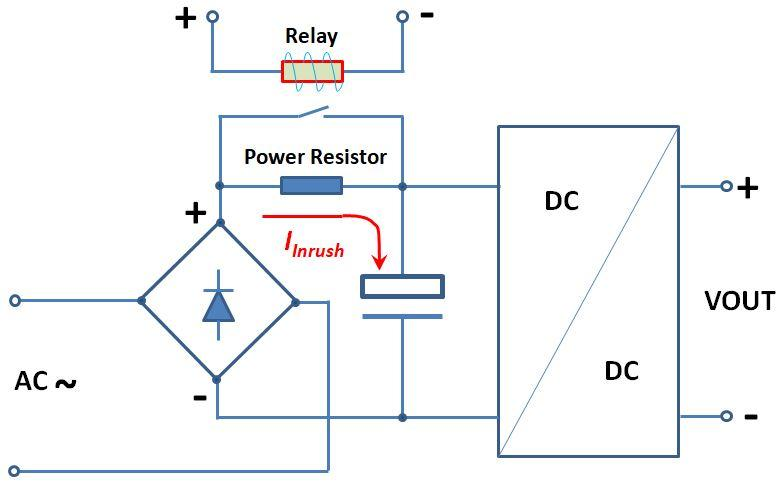
To overcome the inefficiency of permanent resistive elements, many designs adopt a hybrid approach: a resistor is used during startup and then bypassed once the system reaches steady state.
This concept is implemented using relays, MOSFETs, or even combined NTC-resistor configurations. During startup, the resistor limits the current as intended. After a short delay—typically a few tens of milliseconds—the bypass element engages, effectively removing the resistor from the circuit.
This approach significantly improves efficiency while maintaining robust surge protection. It is widely used in SIPURUI industrial SMPS systems, particularly in the 200W to 1000W range, where both efficiency and reliability are critical.
However, this added performance comes at the cost of increased circuit complexity and component count. Designers must also ensure proper timing coordination to avoid premature bypassing.
How Do SCR-Based Solutions Improve Robustness?
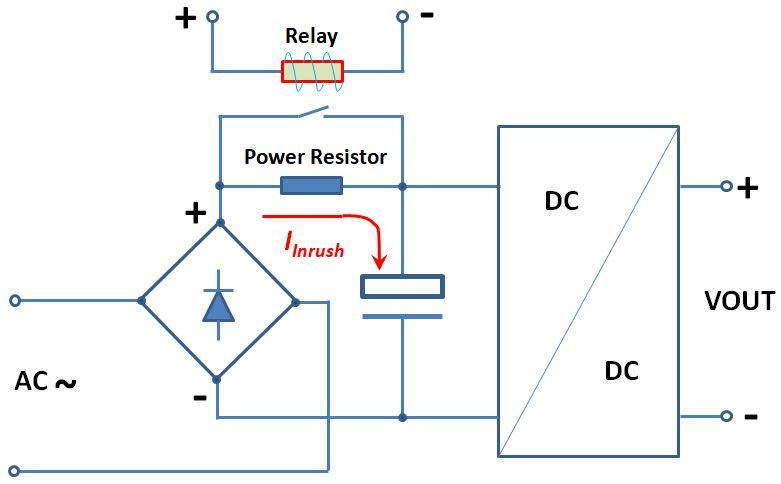
For higher power applications, SCR (thyristor)-based inrush limiting offers a more robust alternative. In this configuration, a resistor initially limits the current, while the SCR remains in a non-conductive state. After a predefined condition is met—often a voltage threshold or timing delay—the SCR turns on, bypassing the resistor.
This approach reduces steady-state losses and provides consistent performance across a wide temperature range. It is particularly well-suited for industrial and telecom power supplies where reliability is paramount.
That said, SCR-based designs typically require additional control circuitry and tend to be larger and more expensive, making them less attractive for compact or cost-sensitive products.
Why Are MOSFET Soft-Start Circuits Becoming the Preferred Solution?
6
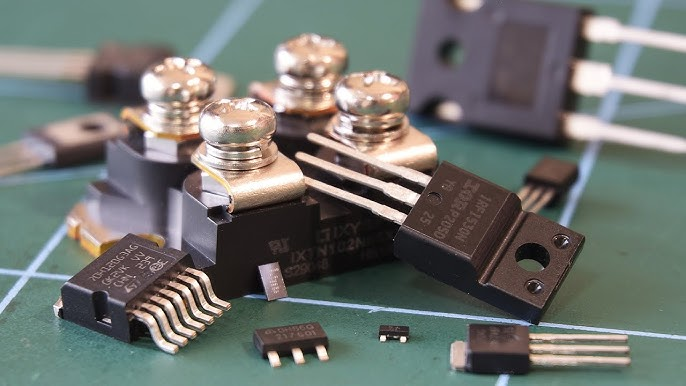
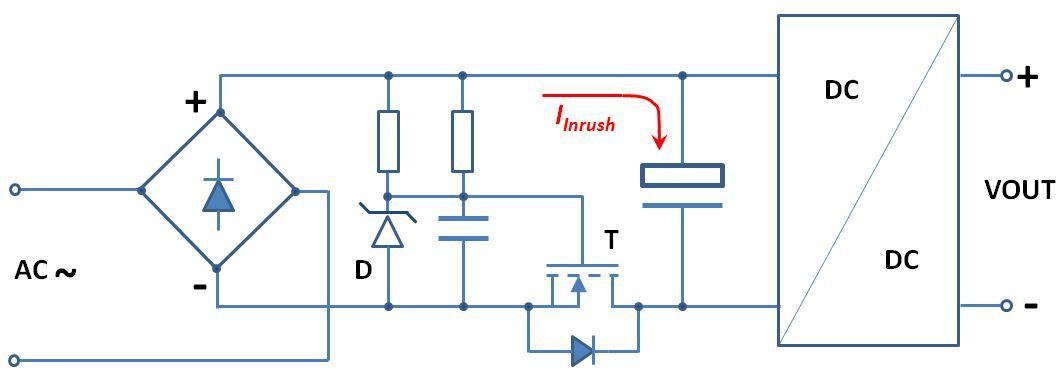
Among all available methods, MOSFET-based soft-start circuits offer the highest level of control. Instead of abruptly limiting current, these circuits shape the startup profile by gradually increasing conduction through a controlled gate voltage.
Using an RC delay network, the MOSFET transitions smoothly from a non-conductive to a fully conductive state. This allows the input capacitors to charge in a controlled manner, effectively eliminating sharp current spikes.
The benefits are clear: high efficiency, precise control, and adaptability to different system requirements. In advanced designs, this approach can even be integrated with digital control systems for programmable startup behavior.
For this reason, SIPURUI high-end programmable switching power supplies adopt MOSFET soft-start techniques to meet stringent performance and compliance requirements.
When Is a PTC Thermistor the Better Choice?
While NTC thermistors dominate many applications, PTC thermistors offer unique advantages in specific scenarios. Unlike NTCs, PTC devices increase their resistance as temperature rises. This characteristic allows them to act as a self-protecting element, especially under fault conditions.
In environments with high ambient temperatures or frequent power cycling, NTC thermistors may fail to provide sufficient protection due to their low resistance when warm. PTC thermistors, on the other hand, become more resistive under these conditions, improving safety.
The trade-off lies in cost and complexity. PTC-based solutions often require additional bypass mechanisms to maintain efficiency once the system reaches steady operation.
Which Solution Should You Choose for Your Application?
Selecting the right inrush current limiting method depends heavily on application requirements. There is no universal solution, only optimal trade-offs.
| Application Type | Recommended Method |
| Consumer SMPS | NTC thermistor |
| Low-power devices | Fixed resistor |
| Industrial SMPS | Resistor + relay bypass |
| High-power systems | SCR |
| High-performance SMPS | MOSFET soft-start |
| Harsh environments | PTC thermistor |
In practice, manufacturers like SIPURUI do not rely on a single method. Instead, different product lines are optimized using different strategies to balance cost, efficiency, and reliability.

Final Thoughts: Is There a Perfect Inrush Current Solution?
The idea of a “perfect” inrush current limiter is misleading. Every method introduces trade-offs, whether in efficiency, cost, or complexity. What matters is not choosing the most advanced solution, but selecting the most appropriate one for the specific application.
Engineers who understand these trade-offs can design power supplies that not only meet performance requirements but also deliver long-term reliability and compliance.
In today’s competitive market, where switching power supplies are expected to be compact, efficient, and robust, mastering inrush current control is no longer optional—it is a fundamental design skill.