
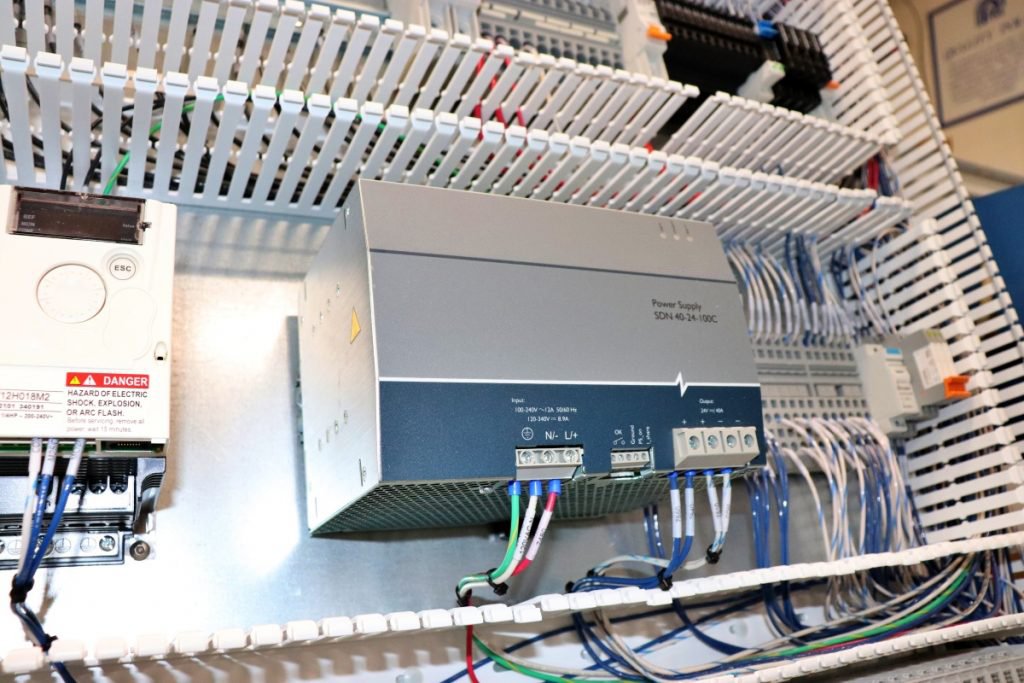
Industrial automation systems rely on stable, reliable power to operate controllers, sensors, communication modules, and motion systems. But have you ever wondered:
·Why do most PLC systems use 24 V DC power supplies?
·What makes switching power supplies (SMPS) dominate industrial control cabinets?
·And how do engineers choose between different voltage and power ratings?
Industrial automation power supplies are not just simple converters—they are critical infrastructure components that directly affect system stability, equipment lifetime, and safety.
In this guide, we will explore industrial automation power supply types, technical features, and real-world applications, while also looking at specific product configurations commonly used in modern automation systems.
1. What Is an Industrial Automation Power Supply?
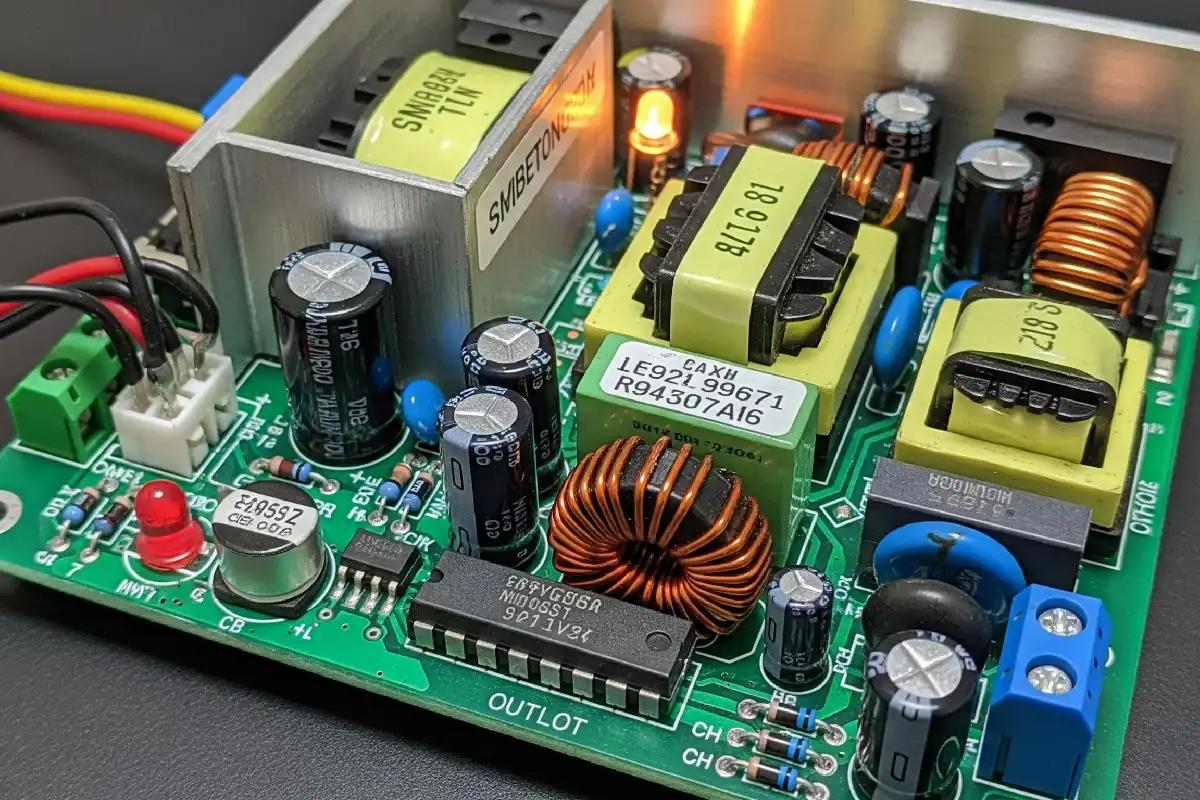
An industrial automation power supply converts electrical input—usually AC mains voltage—into stable DC output suitable for industrial devices such as PLCs, sensors, actuators, industrial PCs, and communication modules.
In most automation systems, this conversion process follows several steps:
1.AC input rectification
2.Voltage regulation
3.Filtering and stabilization
4.Protection monitoring
Modern power supplies ensure that automation equipment receives consistent voltage even when grid fluctuations occur.
Without reliable power regulation, automation equipment may experience:
·Control errors
·Sensor failures
·Communication interruptions
·Equipment shutdowns
For this reason, power supplies are often considered the “heart of industrial control cabinets.”
2. Why Is 24 V DC the Standard Voltage in Automation?
One of the most common questions engineers ask is:
Why does industrial automation almost always use 24 V DC?
There are several key reasons.
1. Safety
24 V DC belongs to the Safety Extra-Low Voltage (SELV) range, reducing risks of electric shock or fire.
2. Industry Compatibility
Most industrial components—including sensors, relays, and actuators—are designed to operate at 24 V DC, making system integration easier.
3. Standardization
Using the same voltage simplifies wiring and power distribution across large control cabinets.
4. Reliability
24 V provides sufficient power for logic circuits while maintaining safety and efficiency.
Typical Voltage Levels in Industrial Automation
| Output Voltage | Typical Devices Powered | Typical Applications |
| 5 V | Microcontrollers, embedded modules | Communication devices, electronics |
| 12 V | Control modules, lighting | Control systems, building automation |
| 24 V | PLCs, sensors, relays, actuators | Industrial automation |
| 36 V | Motor control systems | Robotics and motion control |
| 48 V | Network equipment, telecom | Data centers, industrial communication |
24 V DC is therefore the default power architecture for most industrial control systems.
3. What Types of Industrial Automation Power Supplies Are Available?
Automation power supplies come in several different forms. Understanding their characteristics helps engineers select the right one.
3.1 Switching Power Supply (SMPS)
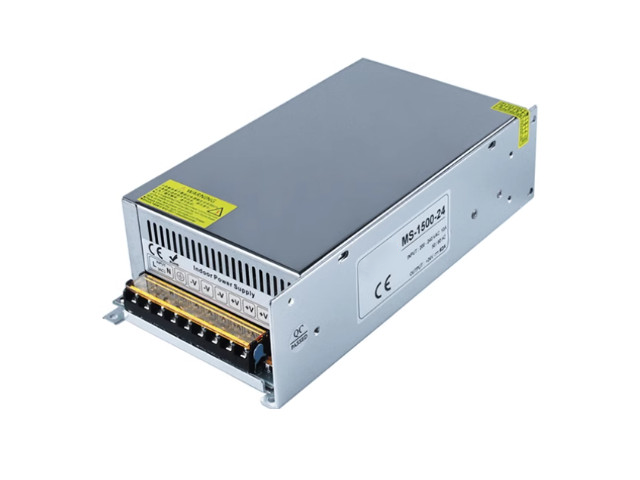
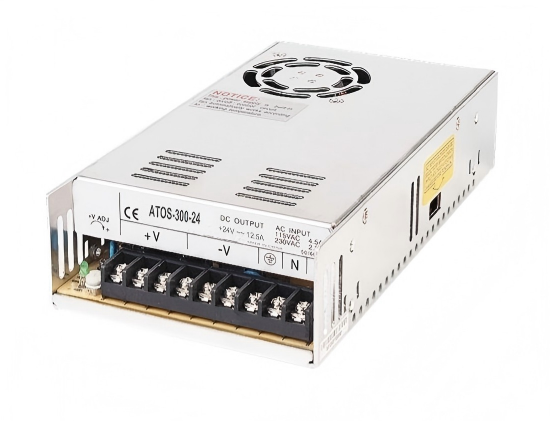
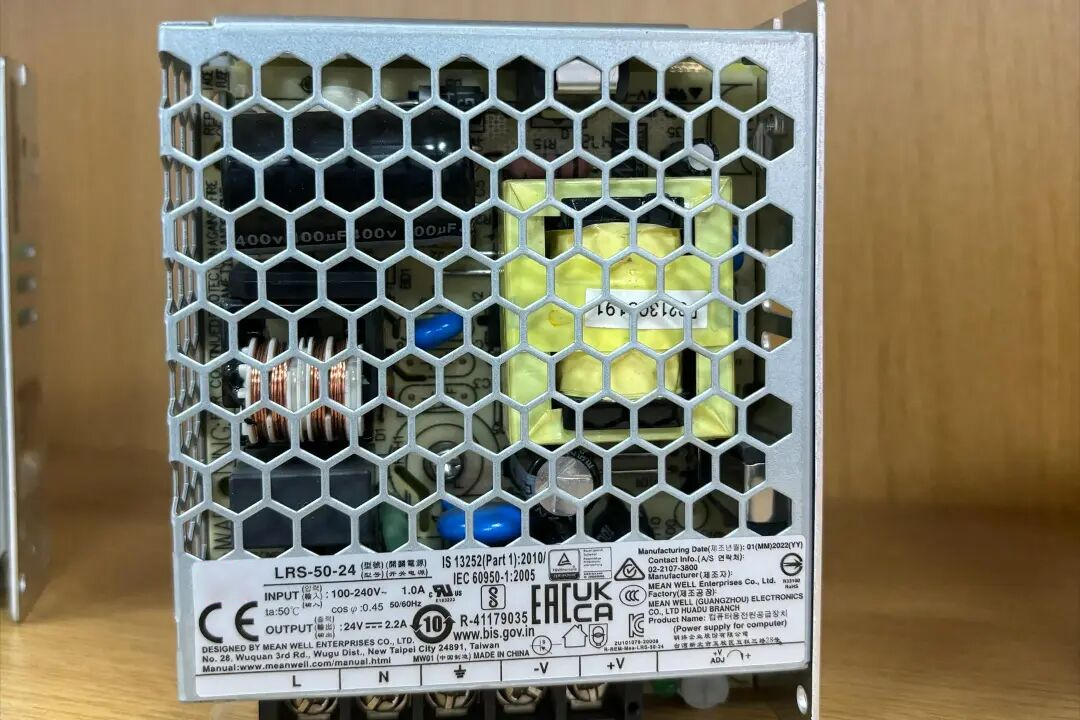
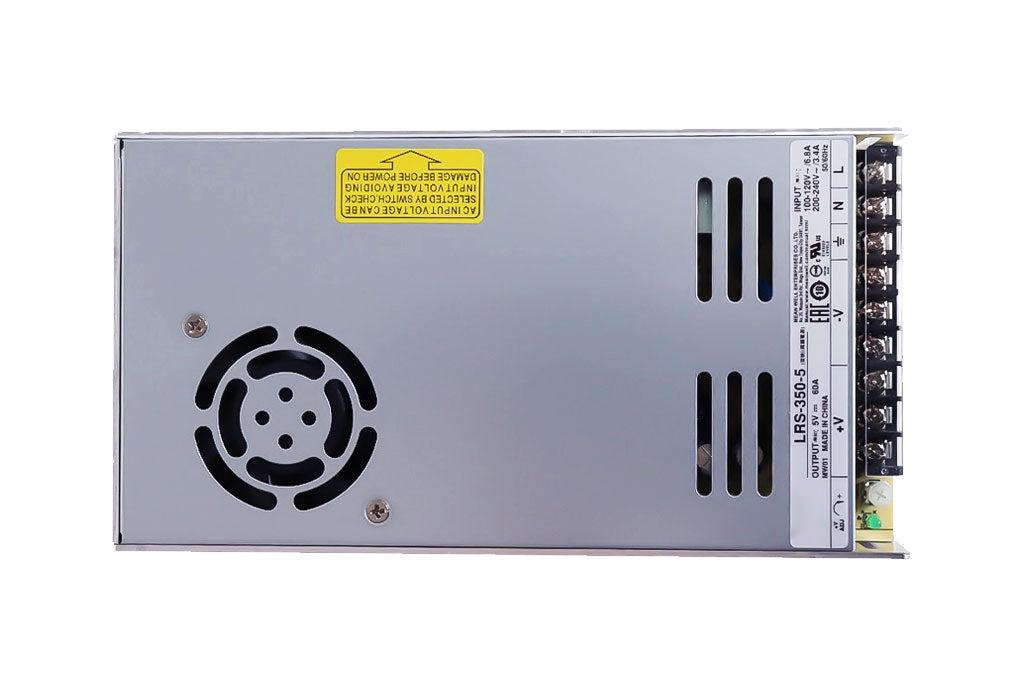
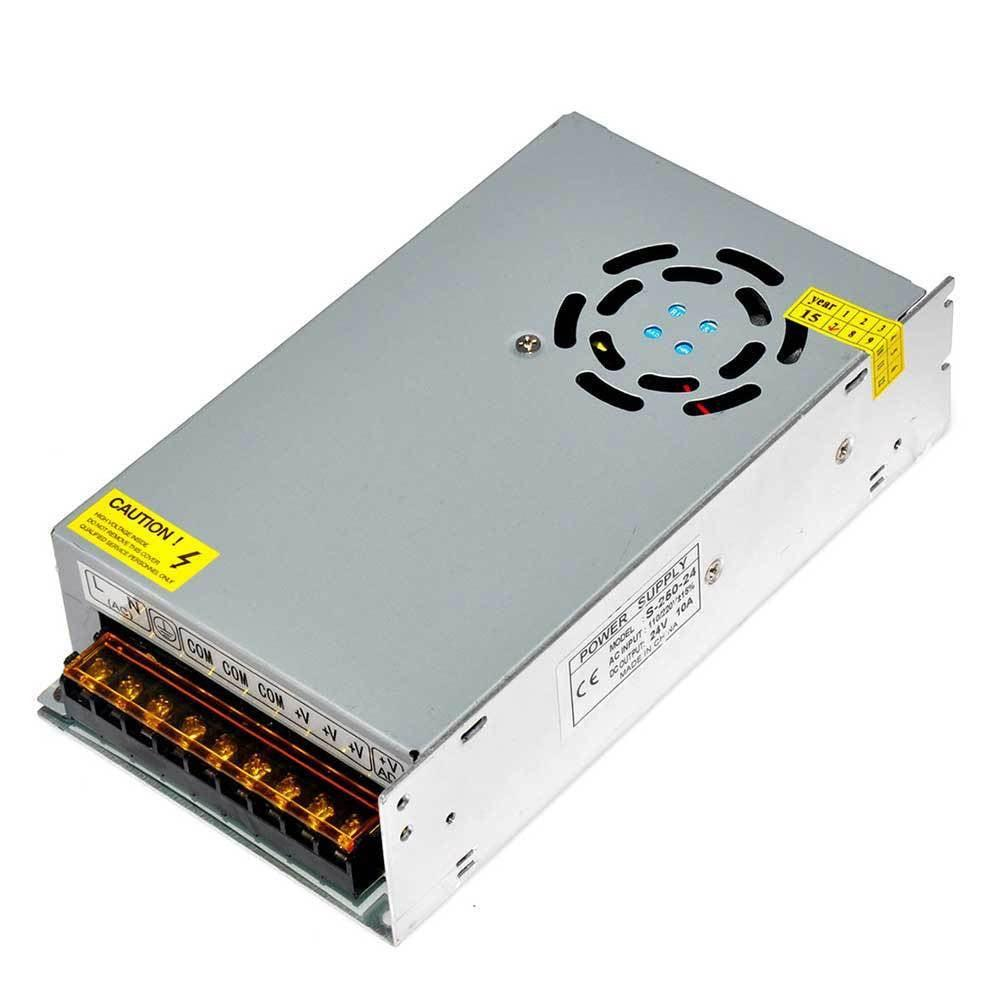
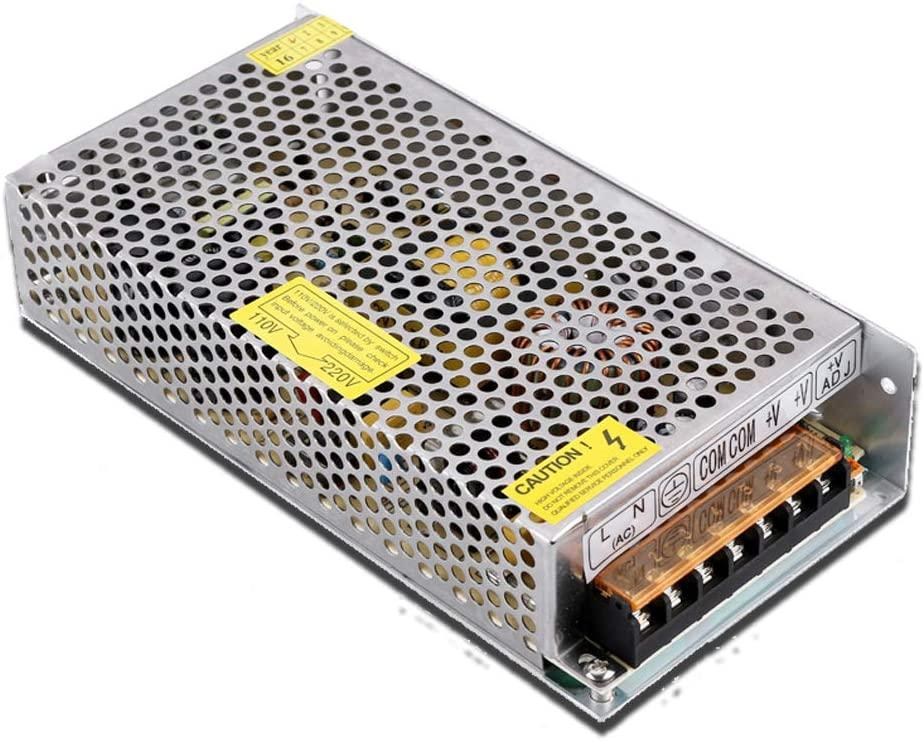
The Switch Mode Power Supply (SMPS) is the most widely used power supply in industrial automation.
Unlike linear power supplies, SMPS devices regulate voltage by switching transistors rapidly on and off, minimizing energy loss.
Key characteristics
·Efficiency often above 90 %
·Compact size
·Low heat generation
·Wide input voltage range
Typical products
·24 V / 60 W switching power supply
·24 V / 120 W DIN-rail PSU
·24 V / 480 W industrial control PSU
Typical applications
·PLC control systems
·Industrial sensors
·Control cabinets
·CNC equipment
SMPS designs dominate industrial automation because they provide high efficiency with smaller physical size.
3.2 Linear Power Supply
Before SMPS technology became widespread, linear power supplies were commonly used.
They regulate voltage by dissipating excess energy as heat.
Advantages
·Extremely low electrical noise
·Stable output voltage
·Simple design
Disadvantages
·Efficiency typically 30–40 %
·Large heat generation
·Larger size and heavier transformers
Because of these drawbacks, linear power supplies are now mainly used in:
·precision laboratory equipment
·analog instrumentation
·low-noise testing systems
3.3 DIN Rail Power Supply
A DIN rail power supply is essentially a switching power supply designed specifically to mount on a standardized DIN rail (TS-35) inside industrial control cabinets.
Key advantages
·Quick installation
·Modular control cabinet design
·Easy maintenance and replacement
Typical output specifications
·5 V
·12 V
·24 V
·48 V
Some industrial product lines can deliver up to 960 W output power, depending on the model series.
DIN rail power supplies are widely used for:
·PLC systems
·industrial sensors
·automation controllers
·building automation systems
4. What Features Should a Reliable Industrial Power Supply Have?
Industrial environments are demanding. Power supplies must withstand:
·electrical noise
·temperature changes
·mechanical vibration
·continuous operation
Below are the most important features.
4.1 High Efficiency
Modern switching power supplies can reach 90–95 % efficiency, reducing heat and energy consumption.
Higher efficiency also improves system reliability.
4.2 Wide Input Voltage Range
Industrial power supplies often support input ranges such as:
85–264 V AC
90–305 V AC
This ensures stable operation even when the grid voltage fluctuates.
4.3 Multiple Protection Mechanisms
Reliable industrial power supplies include protection functions such as:
·Over-voltage protection
·Over-current protection
·Short-circuit protection
·Over-temperature shutdown
These protections improve system reliability and prevent equipment damage.
Common Protection Features in Industrial Power Supplies
| Protection Function | Purpose |
| Over-Voltage Protection | Prevents damage from voltage spikes |
| Over-Current Protection | Stops excessive load current |
| Short-Circuit Protection | Prevents system failure during wiring faults |
| Thermal Protection | Protects the PSU from overheating |
4.4 Compact Design
Control cabinets often have limited space, so power supplies must offer:
·High power density
·Small footprint
·Modular installation
5. Where Are Industrial Automation Power Supplies Used?
Automation power supplies are essential across many industries.
PLC Control Systems
Programmable Logic Controllers require stable DC power for logic processing and I/O modules.
Typical configuration:
AC 220V → 24V DC switching power supply → PLC
Industrial Robotics
Robotic arms rely on multiple control modules, sensors, and communication systems powered by stable DC supplies.
CNC Machines
Power supplies support:
·motion control systems
·servo drivers
·sensors and limit switches
Factory Automation Equipment
Examples include:
·conveyor systems
·packaging machines
·assembly lines
Example Power Supply Selection for Automation Systems
| Equipment Type | Recommended Output | Typical Power |
| PLC Control Cabinet | 24 V DC | 120–240 W |
| Industrial Sensors | 24 V DC | 30–60 W |
| Robotics Control System | 24–48 V DC | 240–480 W |
| Communication Modules | 12–24 V DC | 30–120 W |
6. How Do Engineers Choose the Right Industrial Power Supply?
Selecting the correct power supply involves several technical considerations.
1. Calculate Total Load Power
Sum the power consumption of all connected devices.
Example:
| Device | Power |
| PLC | 20 W |
| Sensors | 15 W |
| Communication module | 10 W |
| Safety margin | 30 % |
Total recommended PSU: ≈60 W
2. Choose the Correct Voltage
Most automation systems require 24 V DC output.
However, some applications use:
·12 V
·48 V
·dual-output supplies
3. Consider Environmental Conditions
Important factors include:
·operating temperature
·vibration
·humidity
·dust levels
Industrial power supplies are often rated for –20 °C to 70 °C operation.
4. Ensure Compliance with Certifications
Reliable industrial power supplies typically comply with:
·CE
·UL
·IEC
·RoHS
These certifications ensure safety and international compatibility.
7. Future Trends in Industrial Power Supplies
Industrial power supply technology continues to evolve.
Key trends include:
Smart Power Supplies
Modern power supplies integrate:
·remote monitoring
·predictive maintenance
·communication protocols
Higher Power Density
Advanced designs deliver more power from smaller units.
Industry 4.0 Integration
Power supplies increasingly support digital monitoring and industrial networks.

Conclusion: Why the Right Power Supply Matters
Industrial automation systems depend heavily on stable, reliable DC power.
Among the many options available, switching power supplies—especially DIN rail SMPS units—have become the standard because they offer:
·high efficiency
·compact design
·strong protection features
·easy integration with PLC systems
Understanding types, voltage standards, and product specifications helps engineers choose the right solution for their automation systems.
As factories become smarter and more connected, industrial power supplies will continue evolving, playing an even more critical role in modern manufacturing infrastructure.