
A Complete Guide to SMPS Technology and the SIPURUI Industrial Power Supply Series
In today’s electrified world, almost every piece of industrial equipment depends on stable and efficient power conversion. Whether it is factory automation, telecommunications infrastructure, laboratory equipment, or large-scale LED systems, these devices require precisely regulated DC power to operate safely and reliably.
But how do we convert unstable AC electricity from the grid into stable DC output suitable for sensitive electronics?
The answer lies in switching mode power supply (SMPS) technology.
Modern high power switching power supplies have become the backbone of industrial electrical systems because they deliver high efficiency, compact size, intelligent protection features, and reliable long-term operation.
In this article, we explore:
·What a high power switching power supply is
·How SMPS technology works
·Why switching power supplies outperform traditional linear power supplies
·Key design features engineers should consider
·A closer look at the SIPURUI industrial switching power supply series
What Is a High Power Switching Power Supply and Why Is It Used?
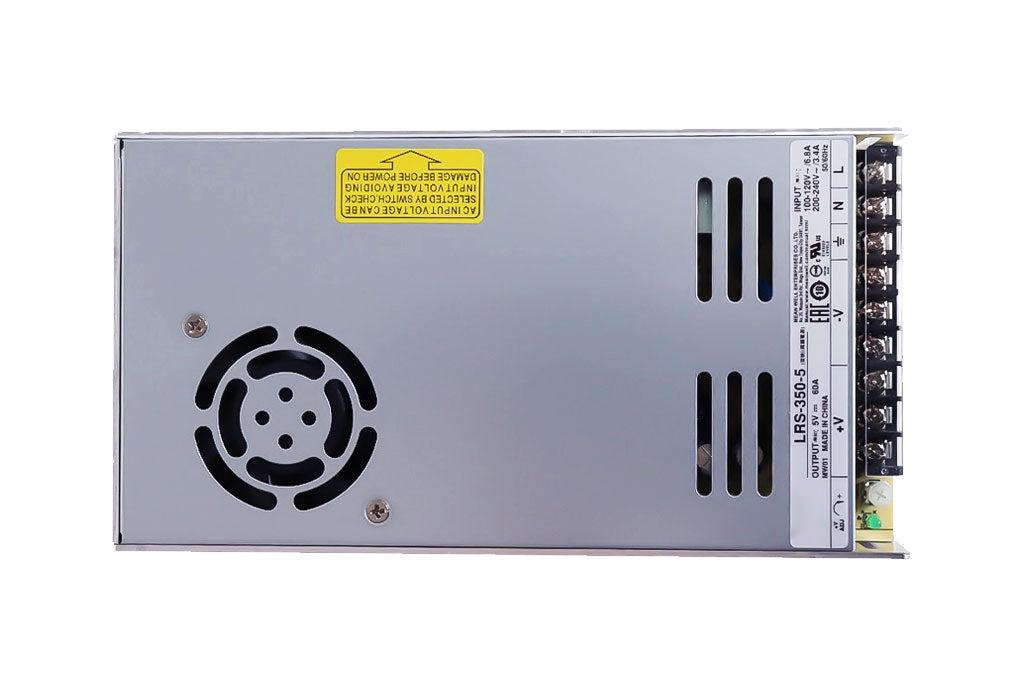
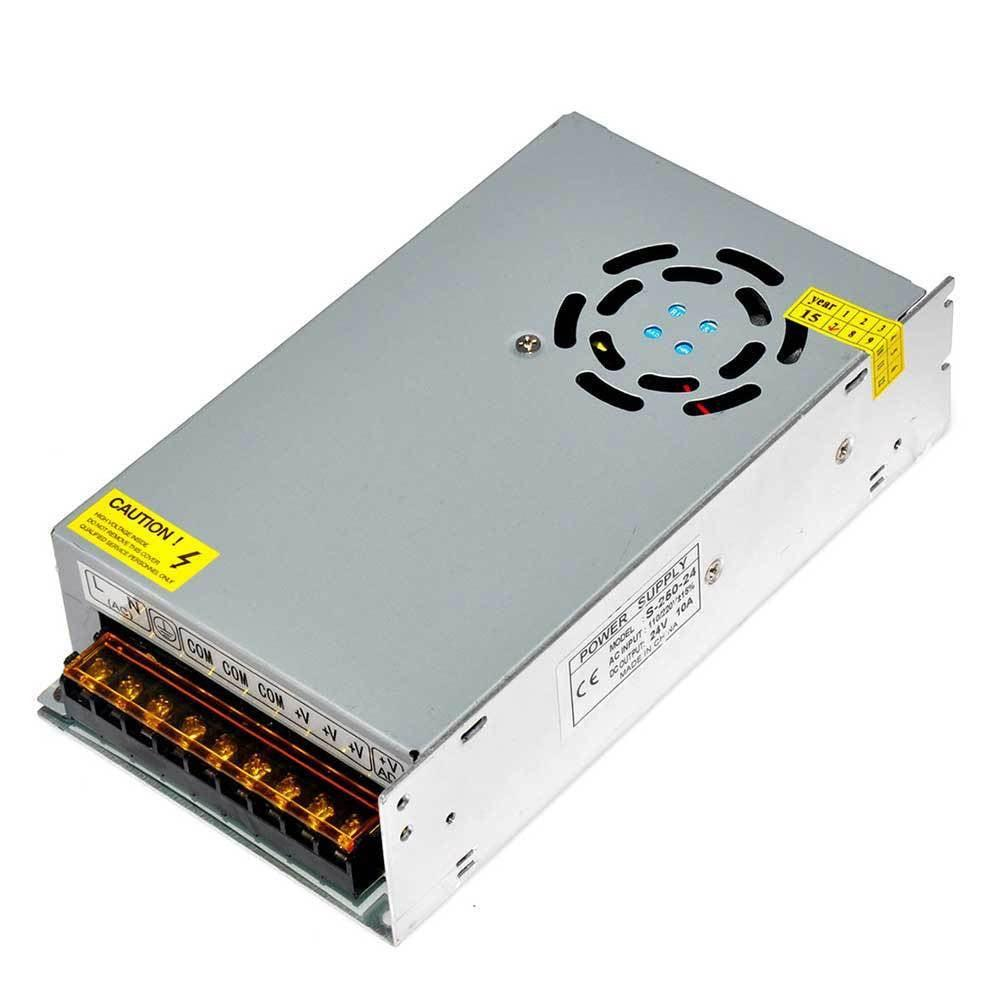
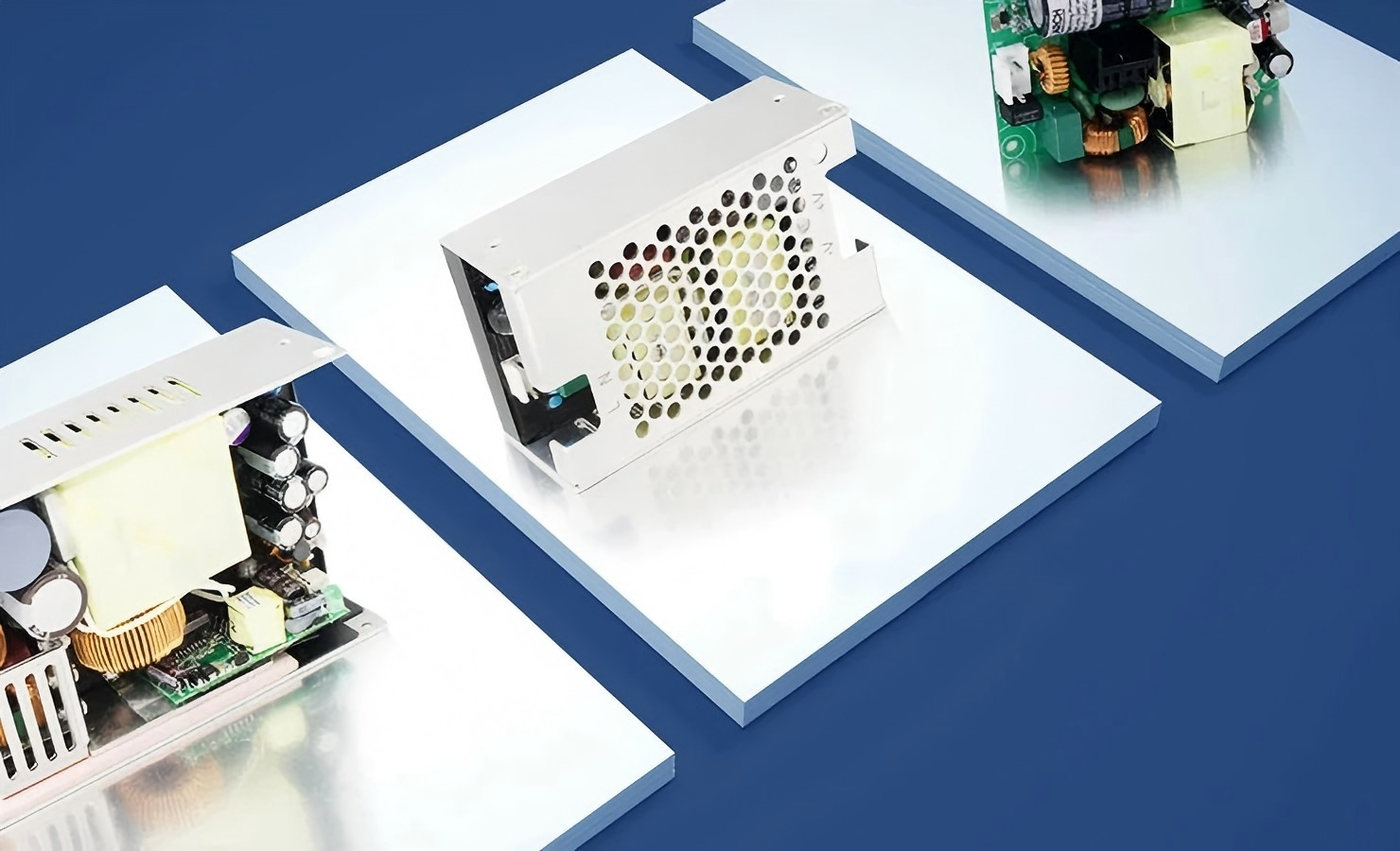
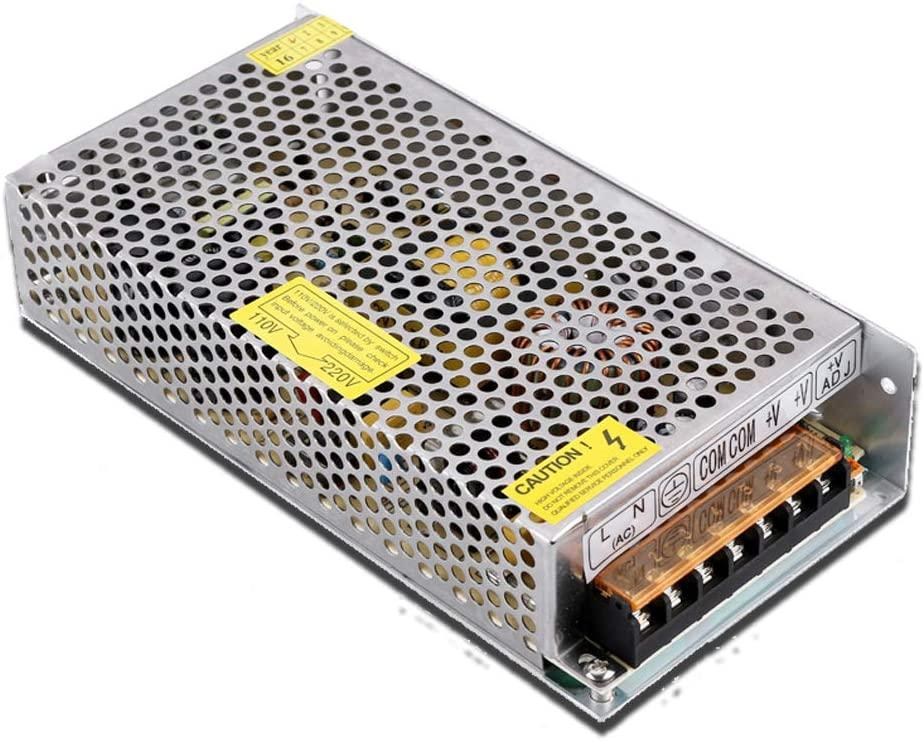
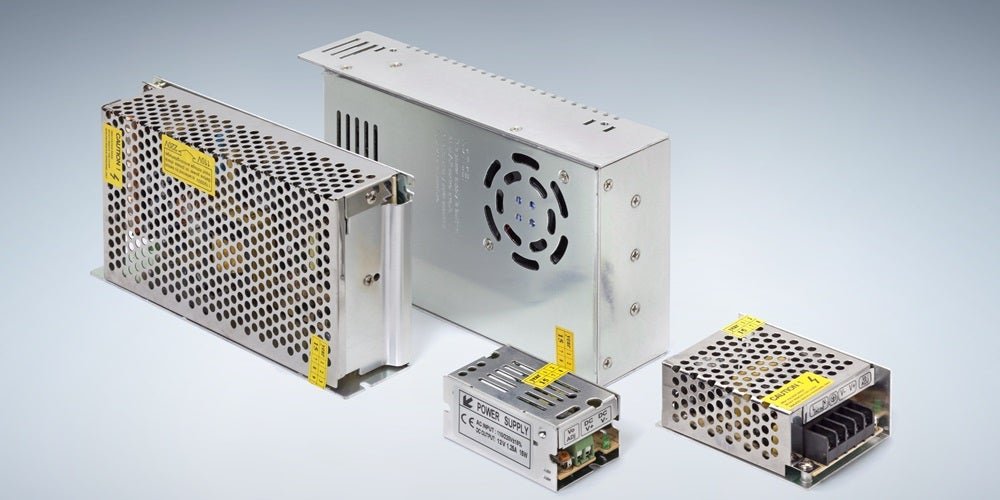
A switching power supply, also known as a Switching Mode Power Supply (SMPS), is an electronic device that converts electrical energy efficiently.
Its primary function is to transform high-voltage AC power from the grid into stable DC power required by industrial equipment.
Unlike traditional linear power supplies that dissipate excess energy as heat, switching power supplies use high-frequency electronic switching components to regulate power flow.
This technology enables power supplies to achieve efficiency levels exceeding 90%, significantly reducing energy loss and heat generation.
Typical industries that rely on high power SMPS systems include:
·Industrial automation
·Telecommunications infrastructure
·Data centers and servers
·Medical equipment
·LED lighting systems
·Laboratory and testing equipment
·Electric vehicle charging systems
Because these applications often operate continuously, they require power supplies that are both reliable and energy efficient.
What Are the Core Components of a High Power Switching Power Supply?
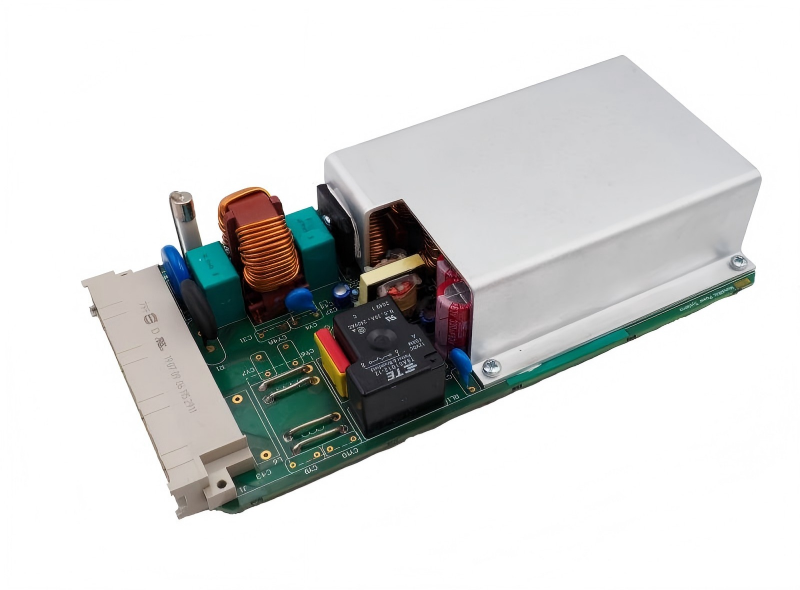
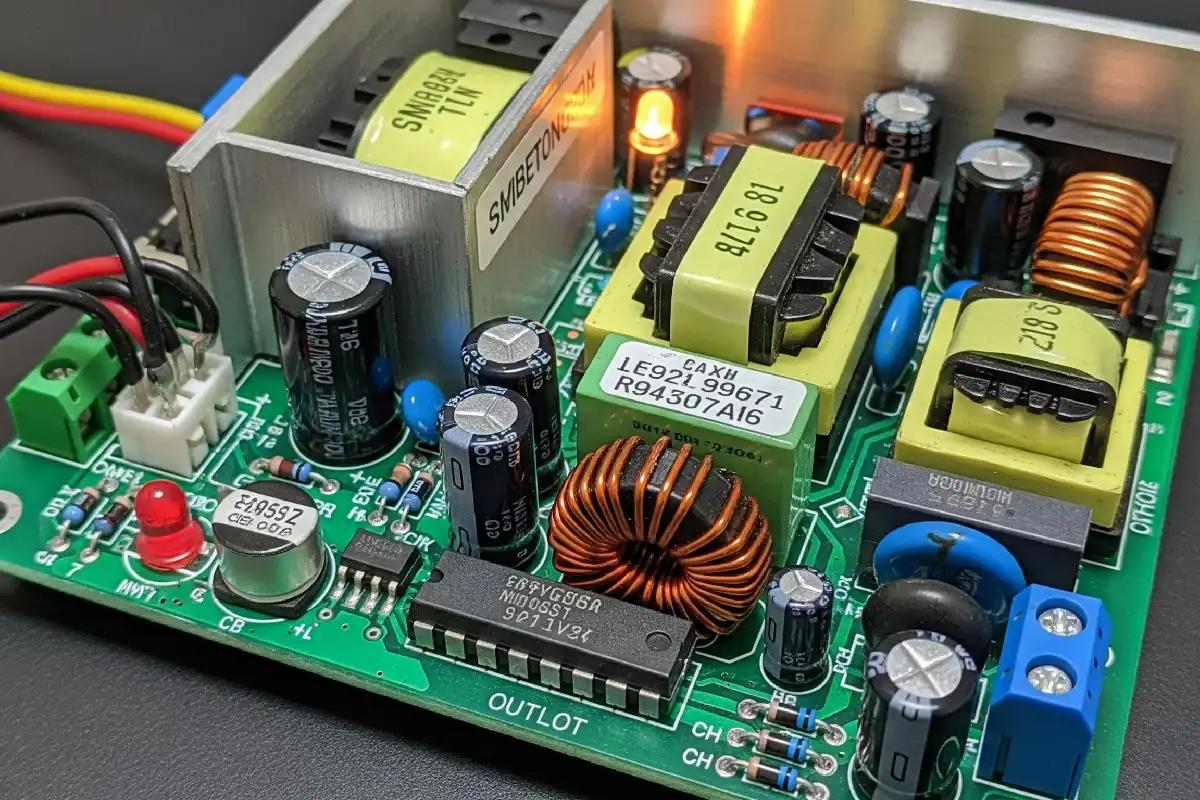
Although switching power supplies may appear simple externally, internally they consist of several advanced electronic components working together to regulate power conversion.
Key Components of an Industrial SMPS
| Component | Function | Importance |
| Rectifier | Converts AC input voltage to DC | First stage of energy conversion |
| Switching transistor (MOSFET / IGBT) | Rapidly switches current on and off | Core efficiency mechanism |
| High-frequency transformer | Adjusts voltage levels | Enables voltage step-up or step-down |
| Output filters | Smooth electrical ripple | Ensures stable DC output |
| Control circuitry | Regulates switching frequency | Maintains voltage stability |
These components allow switching power supplies to regulate power precisely and efficiently, even under fluctuating load conditions.
How Does a High Power Switching Power Supply Work?
Understanding the working principle of an SMPS reveals why this technology has become the global standard for power conversion.
Step-by-Step Power Conversion Process
| Stage | Process | Result |
| AC Input | Power enters from electrical grid | Alternating current received |
| Rectification | Bridge rectifier converts AC to DC | Pulsating DC signal produced |
| High-Frequency Switching | MOSFET rapidly switches current | Efficient energy transfer |
| Transformer Stage | Voltage is stepped up or down | Required output voltage achieved |
| Filtering and Regulation | Capacitors smooth voltage ripple | Clean DC voltage produced |
| Output Delivery | Regulated DC supplied to devices | Equipment operates safely |
The most important step in this process is high-frequency switching.
Modern switching power supplies typically operate between 20 kHz and 200 kHz, allowing them to use smaller transformers and achieve higher efficiency.
Why Are Switching Power Supplies More Efficient Than Linear Power Supplies?
One of the biggest advantages of switching technology is energy efficiency.
Power Supply Efficiency Comparison
| Power Supply Type | Typical Efficiency | Heat Generation | Size |
| Linear Power Supply | 50–60% | High | Large |
| Standard SMPS | 80–90% | Moderate | Smaller |
| Industrial High Power SMPS | 90–94% | Low | Compact |
Higher efficiency offers several benefits:
·Lower energy consumption
·Reduced cooling requirements
·Longer equipment lifespan
·Lower operating costs
For industrial facilities running equipment 24 hours per day, the energy savings can be significant.
How Do High Power Switching Power Supplies Manage Heat?
Although switching power supplies are efficient, high power output still generates heat.
Modern industrial SMPS units incorporate advanced thermal management systems.
Typical cooling solutions include:
Active Cooling Systems
·Temperature-controlled cooling fans
·Intelligent airflow design
Passive Cooling Systems
·Aluminum heat sinks
·High thermal conductivity materials
These cooling methods allow many industrial power supplies to operate at ambient temperatures up to 60°C, making them suitable for harsh industrial environments.
What Protection Features Should Industrial Power Supplies Include?
Reliable switching power supplies must protect both themselves and connected equipment from electrical faults.
Common Protection Mechanisms
| Protection Feature | Function | Benefit |
| Overcurrent Protection (OCP) | Stops excessive current flow | Prevents circuit damage |
| Overvoltage Protection (OVP) | Prevents voltage spikes | Protects connected electronics |
| Thermal Protection | Shuts system down during overheating | Prevents hardware failure |
| Short Circuit Protection | Automatically disconnects power | Ensures operational safety |
These features are essential in industrial settings where electrical fluctuations and heavy loads are common.
Introducing SIPURUI: Industrial High Power Switching Power Supply Solutions
For engineers and system integrators looking for reliable power conversion solutions, the SIPURUI Switching Power Supply Series provides robust industrial-grade performance.
SIPURUI designs switching power supplies specifically for high-demand industrial environments, where reliability and efficiency are critical.
Key Advantages of SIPURUI Power Supplies
·High efficiency switching architecture
·Wide input voltage compatibility
·Intelligent thermal cooling systems
·Industrial-grade electronic components
·Multiple built-in protection features
These design characteristics allow SIPURUI power supplies to deliver stable power output even under demanding operating conditions.
SIPURUI SE-5000 High Power Switching Power Supply
One of the flagship products in the SIPURUI product line is the SE-5000 High Power Switching Power Supply, designed for applications requiring reliable 5 kW output power.
Technical Specifications
| Specification | SIPURUI SE-5000 |
| Rated Output Power | 5000W |
| Input Voltage Range | 180–264VAC |
| DC Input Range | 250–370VDC |
| Cooling System | Intelligent speed-controlled fan |
| Maximum Operating Temperature | 60°C |
| Output Type | Single regulated DC output |
The SE-5000 is engineered to provide stable and continuous power output, even in demanding industrial environments.
What Features Make the SIPURUI SE-5000 Suitable for Industrial Applications?
Adjustable Output Voltage and Current
The SE-5000 allows users to fine-tune output parameters to match the requirements of different systems.
Remote ON/OFF Control
The power supply supports remote switching, making it suitable for automated systems and centralized power management.
Auxiliary Power Output
Additional auxiliary power output enables integration with control systems and monitoring circuits.
Intelligent Cooling Design
Temperature-controlled internal fans ensure efficient cooling while maintaining low noise levels.
Where Are High Power Switching Power Supplies Used?
High power SMPS units play a critical role in many industries.
Common Application Areas
Industrial Automation
Factories use switching power supplies to power robots, conveyors, and CNC equipment.
Telecommunications
Communication infrastructure relies on stable DC power to maintain continuous network connectivity.
Data Centers
Efficient power conversion helps reduce operating costs and heat generation in server systems.
LED Lighting Systems
Large LED installations require reliable high power drivers for stable illumination.
How Do You Choose the Right Switching Power Supply?
Selecting the right power supply depends on several important factors.
Key Considerations
Efficiency Rating
Higher efficiency reduces operational costs.
Voltage Compatibility
Wide input voltage ranges allow operation in different electrical environments.
Cooling Design
High power supplies must include reliable heat dissipation systems.
Protection Features
Industrial systems require multiple safety protections.
Long-Term Reliability
Choose products designed for continuous industrial operation.
The Future of Industrial Power Conversion
As industries continue to adopt automation and energy-efficient technologies, the demand for reliable switching power supplies will continue to grow.
Compared with traditional power supply technologies, high power SMPS systems provide:
·Higher efficiency
·Compact design
·Improved reliability
·Lower operating costs
Solutions such as the SIPURUI High Power Switching Power Supply Series demonstrate how modern power electronics can deliver stable, efficient, and reliable energy conversion for industrial applications.

Conclusion
High power switching power supplies have become an essential component of modern electrical systems.
Their combination of high efficiency, compact design, advanced protection features, and intelligent cooling systems makes them ideal for demanding industrial environments.
Whether powering automation equipment, telecommunications infrastructure, or large-scale electronic systems, reliable SMPS solutions ensure that equipment operates safely and efficiently.
Products like the SIPURUI SE-5000 High Power Switching Power Supply provide industrial users with a dependable solution capable of delivering stable power under heavy workloads.
As technology continues to advance, switching power supplies will remain at the heart of efficient and sustainable electrical systems worldwide.