Skip to content

Why Are More Engineers Struggling with Power Supply Selection Today?
If you are sourcing or designing electronic equipment in 2026, you may have already noticed a clear trend:
choosing a switching power supply is no longer a simple task.
In the past, selecting a power supply was mainly about matching voltage and current. As long as the basic parameters were correct, the system would work. Today, however, many engineers find that even when specifications seem correct on paper, problems still occur in real applications.
These problems often appear as overheating, instability under load, reduced lifespan, or unexpected shutdowns. The root cause is not always the system design itself—it is often the power supply no longer being suitable for modern requirements.
So what has changed?
What Has Actually Changed in Power Supply Requirements?
The biggest shift is that electronic systems are becoming more power-intensive while also becoming more compact.
Equipment today integrates more functions into smaller spaces. Processing capabilities have increased, operating times are longer, and systems are expected to run continuously with minimal downtime. This puts significantly more pressure on the power supply.
A useful way to understand this change is to compare typical requirements from a few years ago with those seen today.
| Parameter | Typical (2018–2020) | Typical (2024–2026) |
| Power Output | 50W–500W | 200W–3000W+ |
| Efficiency | 85%–90% | 92%–96% |
| Power Density | Standard | High / Ultra-high |
| Thermal Design | Basic cooling | Advanced thermal control |
| Load Behavior | Stable | Dynamic and variable |
This shift means that many traditional power supplies are simply not designed to handle modern operating conditions.
Are Traditional Power Supplies Still Reliable Enough?
In many applications, the answer is no.
Traditional designs were built for relatively stable environments. They assumed predictable loads and moderate performance requirements. However, modern systems rarely operate under such conditions.
Today’s applications demand fast response to load changes, higher efficiency under partial load, and stable performance in compact enclosures where heat cannot easily dissipate.
When these requirements are not met, the consequences are immediate:
- Increased internal temperature
- Reduced efficiency
- Component stress and failure
- Shortened product lifespan
This is why more manufacturers are moving toward advanced switching power supplies that are specifically engineered for high-density and high-performance environments.
Why Is High Power Density Becoming So Important?
Power density has become one of the most important factors in modern system design.
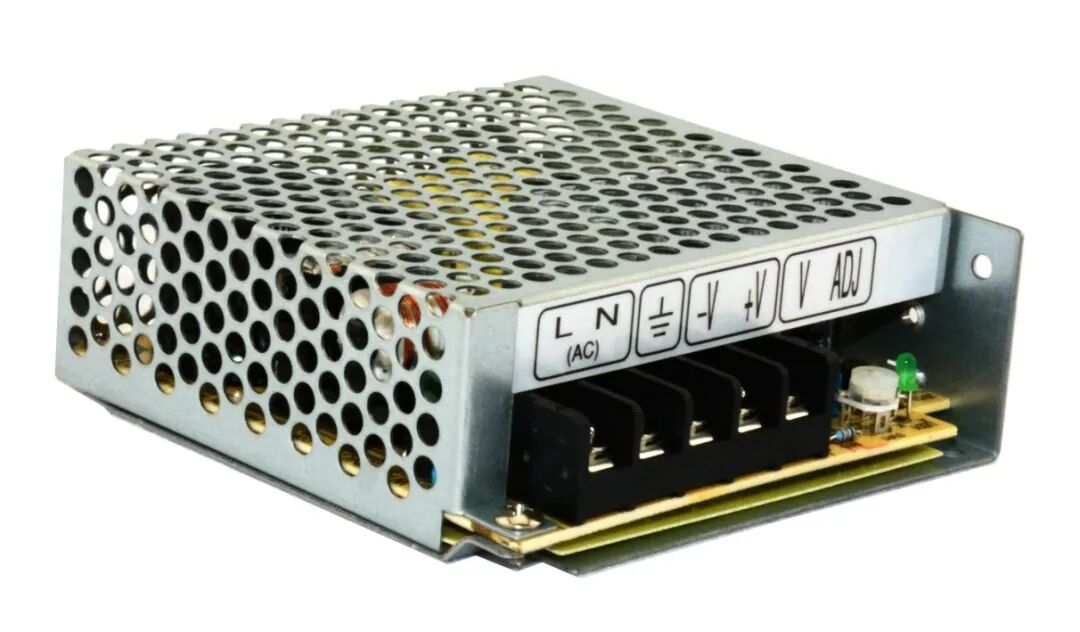
Simply put, power density refers to how much power can be delivered within a given physical space. As equipment becomes smaller, the available space for power supplies is reduced, but the required output continues to increase.
This creates a fundamental challenge:
more power must be delivered in less space, without compromising reliability.
Different applications illustrate this clearly:
| Application | Typical Power Demand | Key Requirement |
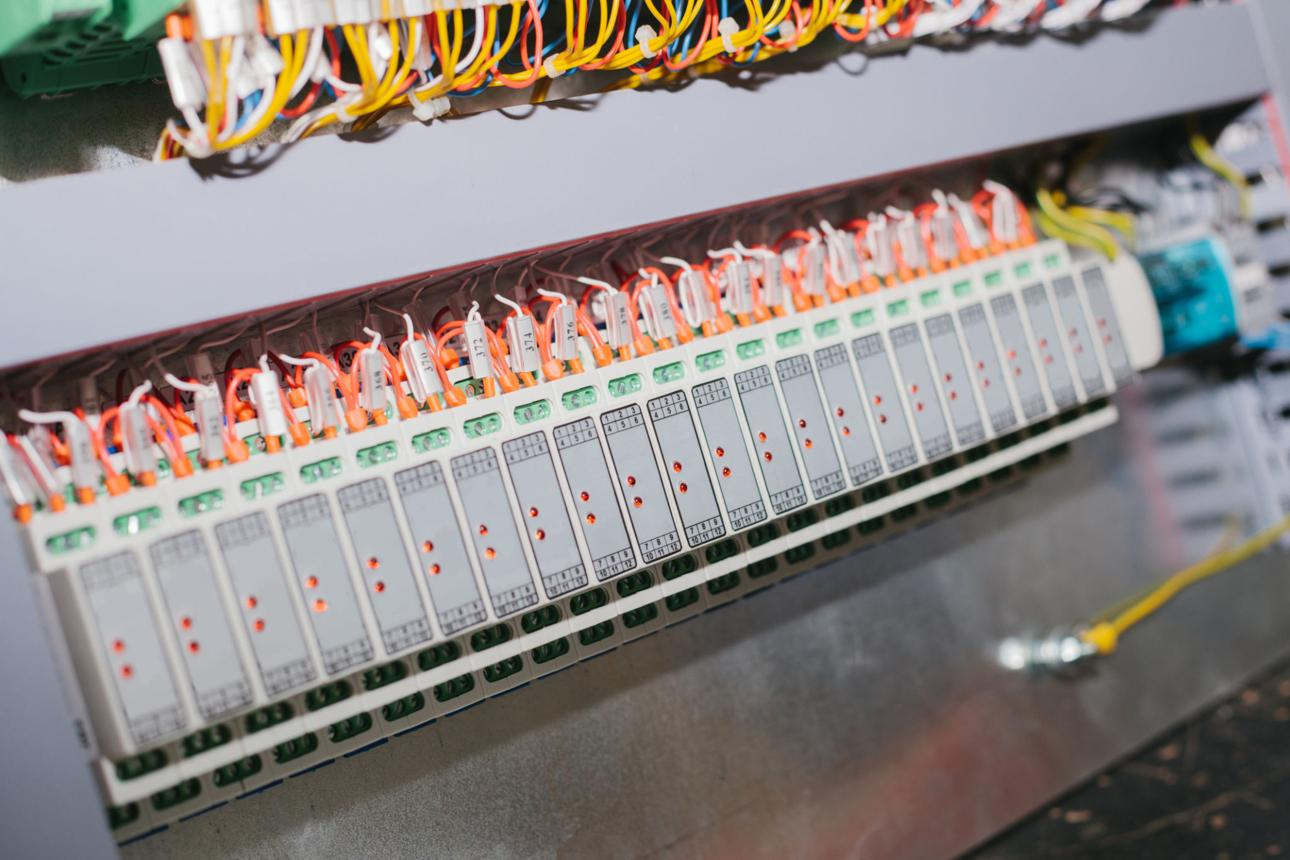
| Industrial Control Systems | 150W–1000W | Stability and durability |
| Communication Equipment | 500W–2000W | Continuous operation |
| Server Systems | 800W–3000W+ | High efficiency and density |
| Smart Devices | 10W–150W | Compact size and low heat |
For buyers, this means that selecting a power supply is no longer just about output. It is about how efficiently that power can be delivered within real physical constraints.
What Should You Really Look for in a Modern SMPS?
When evaluating switching power supplies today, focusing only on basic specifications is no longer enough. A more practical approach is to consider how the unit performs under real operating conditions.
Efficiency is one of the first factors to examine. Higher efficiency reduces energy loss and minimizes heat generation, which directly impacts system reliability. Modern applications typically require efficiency levels above 92%, especially in high-power environments.
Thermal performance is equally critical. Even a high-efficiency power supply can fail if heat is not properly managed. Good designs incorporate optimized airflow, high-quality components, and effective heat dissipation structures.
Another key factor is stability under dynamic load conditions. Many systems today experience frequent load changes, and the power supply must respond quickly without causing voltage fluctuations.
Finally, reliability over time is essential. A power supply is expected to operate continuously for thousands of hours. Poor-quality designs may meet initial specifications but fail prematurely under real conditions.
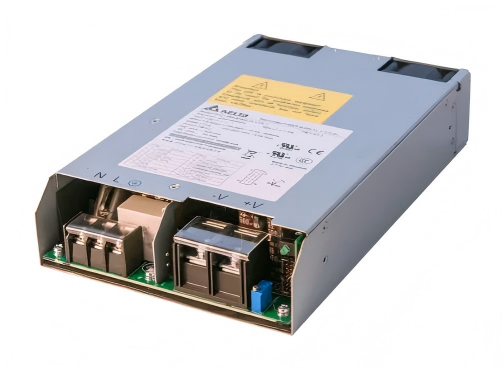
How Does SIPURUI Design Power Supplies for Modern Applications?
To address these challenges, SIPURUI focuses on application-oriented design rather than generic solutions. Each product series is developed with specific use cases in mind, ensuring that performance aligns with real-world requirements.
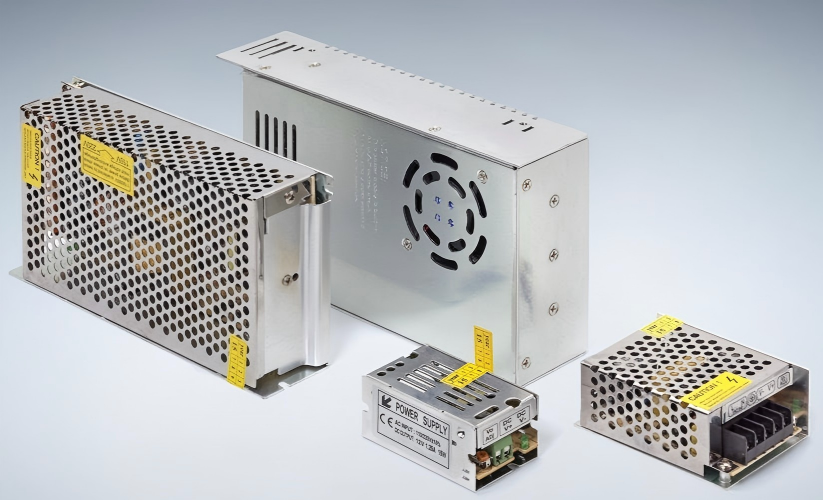
Instead of offering one-size-fits-all products, SIPURUI provides a structured portfolio that covers industrial, high-power, compact, and medical applications.
SIPURUI Switching Power Supply Product Overview
| Series | Typical Models | Power Range | Input Voltage | Efficiency | Key Features | Applications |
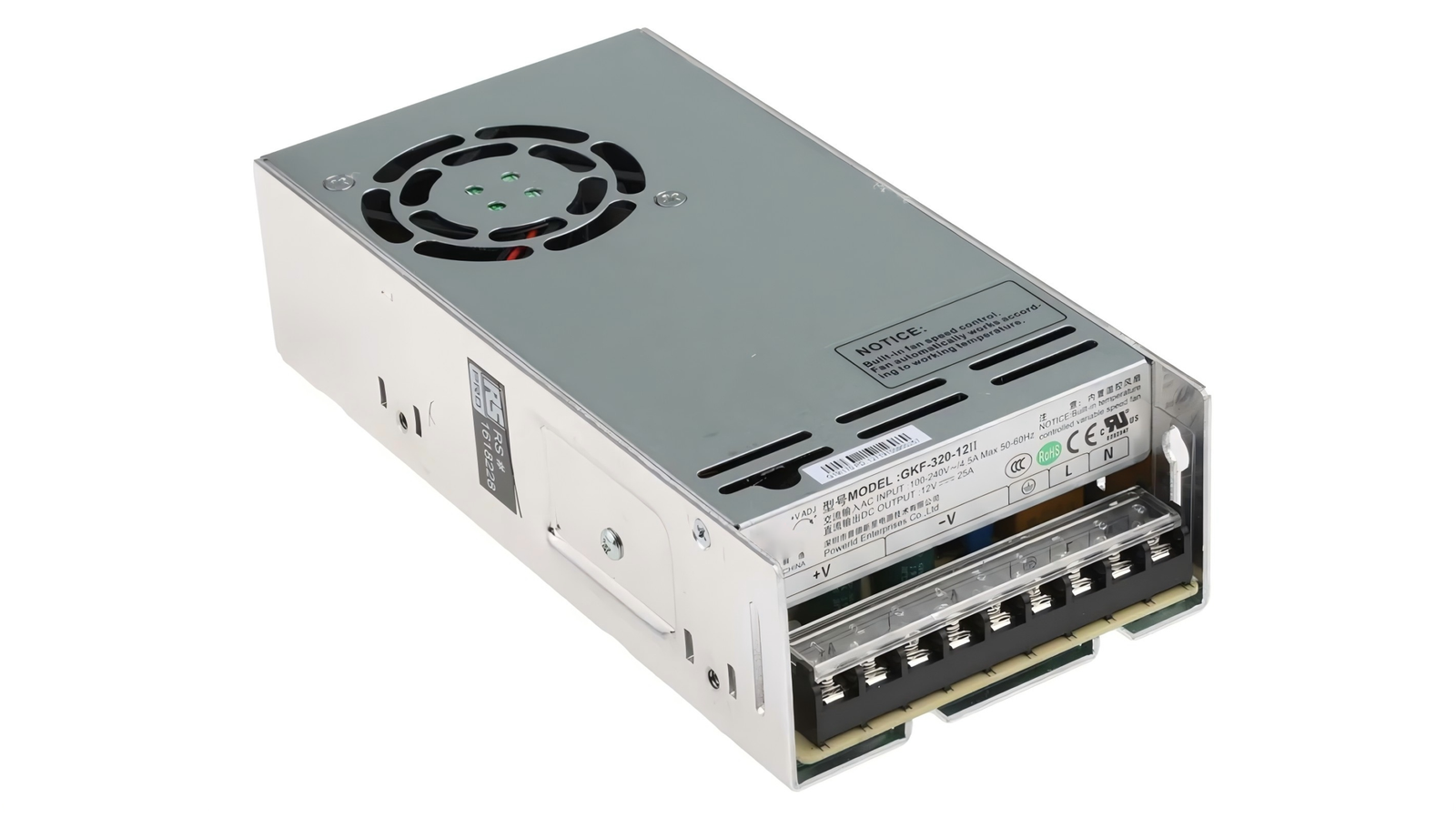
| Industrial Enclosed Series | SPR-150 / 350 / 600 / 1200 | 100W–1500W | 85–264VAC | Up to 92% | Stable output, rugged design | Automation, control cabinets |
| High-Density Server Series | SPR-S800 / S1200 / S2000 / S3200 | 800W–3200W | 200–240VAC | Up to 96% | High density, optimized cooling | Servers, data systems |
| Compact Embedded Series | SPR-E15 / E35 / E75 / E150 | 15W–200W | 85–264VAC | Up to 90% | Small size, low standby power | IoT, smart devices |
| Medical Grade Series | SPR-M60 / M120 / M250 / M500 | 50W–500W | 85–264VAC | Up to 91% | Low leakage, safety compliance | Medical equipment |
This structured approach allows customers to quickly identify the right solution based on their application requirements.
Why Is Reliability More Important Than Price?
Many buyers still prioritize price when selecting power supplies. However, this approach can lead to higher long-term costs.
A low-cost power supply may save money initially, but if it operates inefficiently or fails under load, it can cause system downtime, maintenance costs, and even damage to other components.
In contrast, a well-designed switching power supply improves overall system efficiency, reduces heat-related issues, and ensures stable operation over time. This results in lower total cost of ownership.
For applications such as industrial systems, servers, and medical equipment, reliability is not just a preference—it is a requirement.

Are Your Current Power Supplies Ready for Today’s Applications?
The evolution of modern electronics has fundamentally changed the role of power supplies. They are no longer passive components but active contributors to system performance and reliability.
As power demands increase and system designs become more compact, selecting the right switching power supply becomes a critical decision. Relying on outdated specifications or legacy designs can lead to performance issues that are difficult and costly to resolve.
SIPURUI addresses these challenges by focusing on high-efficiency, high-density, and application-specific power solutions. By aligning product design with real-world requirements, SIPURUI helps customers build systems that are not only functional, but reliable and future-ready.
The real question is not whether you need a switching power supply.
The real question is whether your current power solution is still suitable for the systems you are building today.