
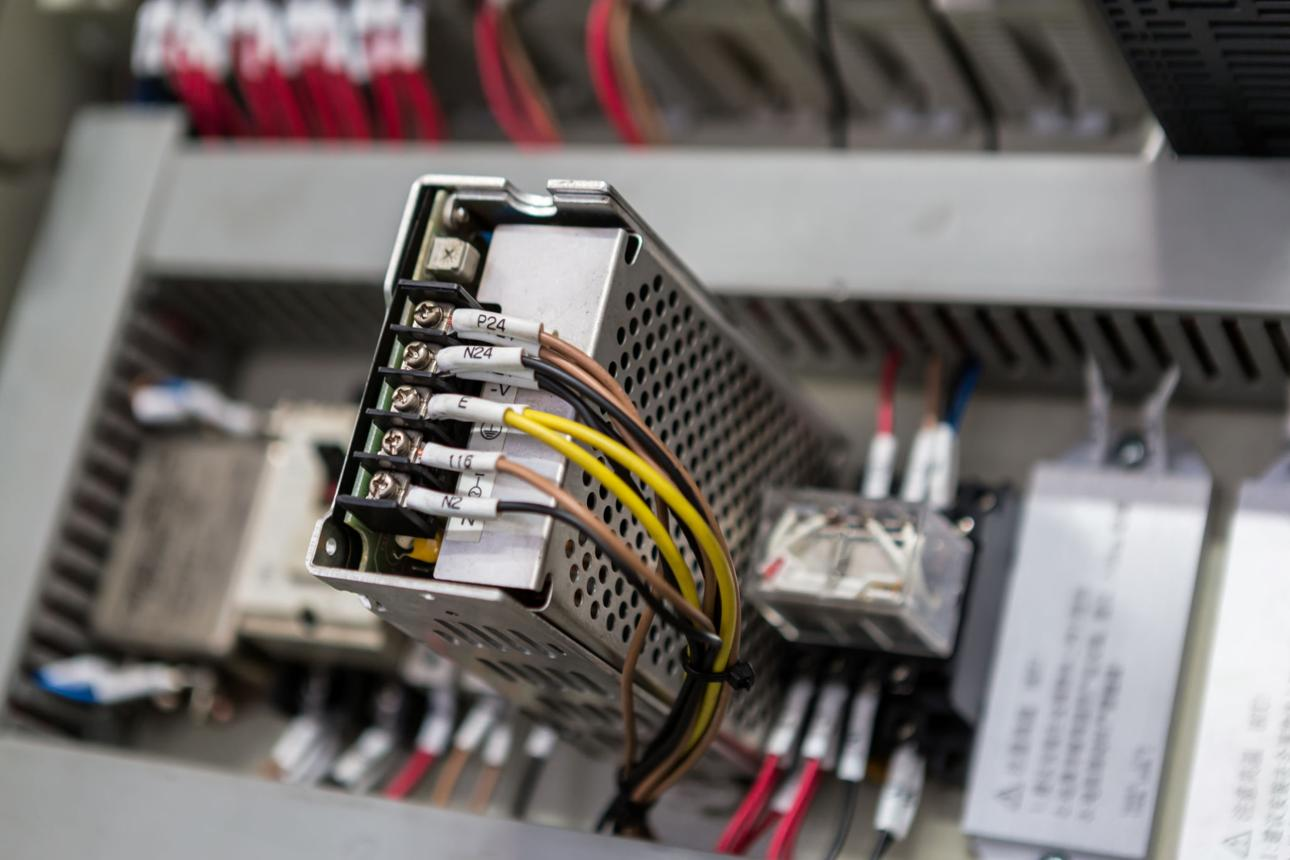
In today’s world of automation, electronics, renewable energy, and smart manufacturing, switching power supplies are more important than ever. They quietly power PLC systems, communication cabinets, industrial sensors, CNC machines, LED systems, security devices, medical instruments, and countless other products. Although they are often hidden inside equipment, they are one of the most critical components for system stability.
Many buyers and engineers ask the same question: how many types of switching power supplies are there, and which one should be used for a specific project? The answer is more complex than it first appears, because switching power supplies can be classified in several different ways. Some are categorized by input and output type, others by mounting method, internal design, environmental protection level, or application industry.
If you are sourcing power supplies for industrial equipment or building a professional switching power supply website, understanding these categories will help you make better purchasing decisions. In this guide, we will explain the most practical classifications, the latest market trends, and how SIPURUI switching power supplies can fit different industrial applications.
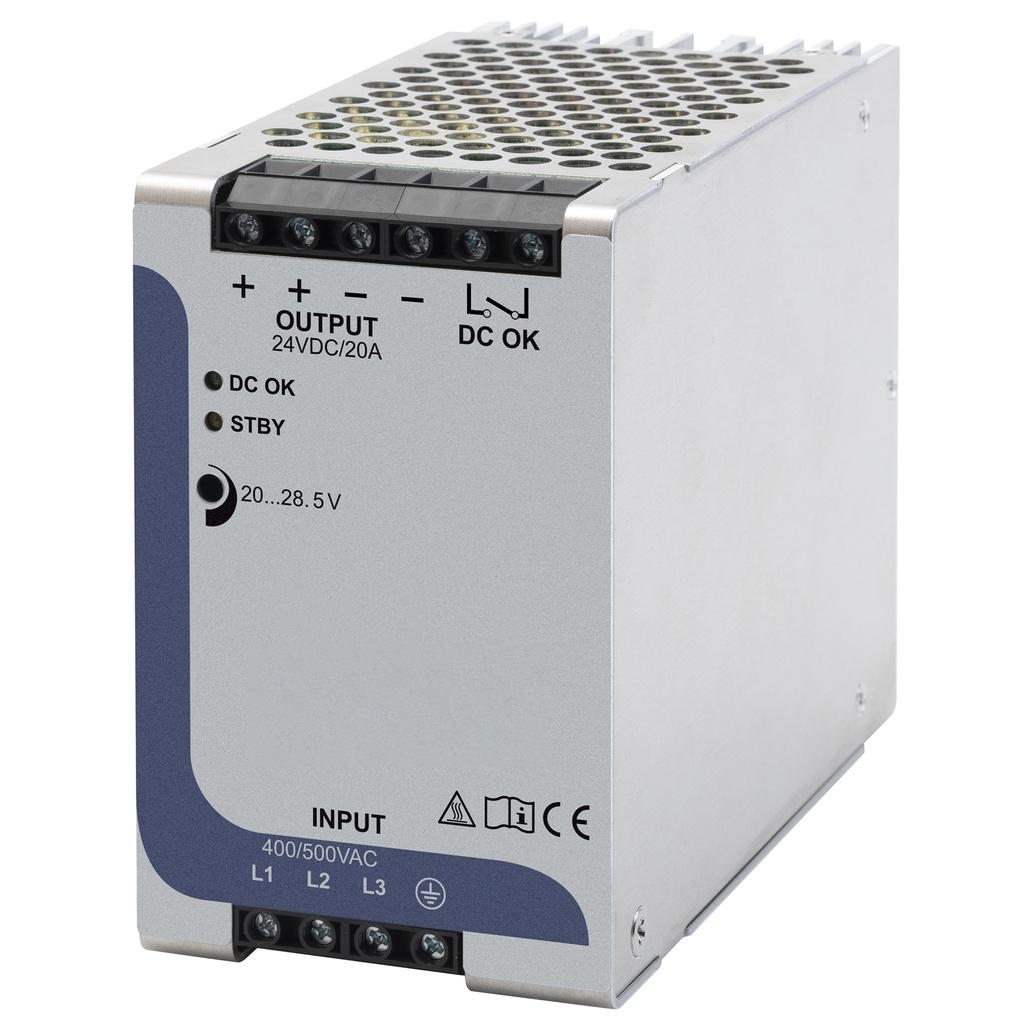
Why Are Switching Power Supplies So Widely Used?
Traditional linear power supplies were once common, but modern systems demand higher efficiency, smaller size, and better thermal performance. Switching power supplies solve these problems by converting energy through high-frequency switching circuits instead of heavy low-frequency transformers.
This design allows them to reach much higher efficiency, often between 85% and 95%, while remaining compact and lightweight. They also support wide voltage input ranges, which is essential for global markets where AC mains standards differ. Because of these advantages, switching power supplies have become the standard solution for nearly all modern industrial and commercial equipment.
For OEM manufacturers, this means lower system heat, smaller cabinet space requirements, and reduced energy loss over the life of the machine. For buyers, it means better reliability and lower operating cost.
How Many Main Types of Switching Power Supplies Exist?
There is no single number because power supplies are classified from different technical perspectives. In practical purchasing situations, four classifications matter the most: input/output conversion type, mounting structure, internal topology, and industry application. Once you understand these four areas, selecting the right product becomes much easier.
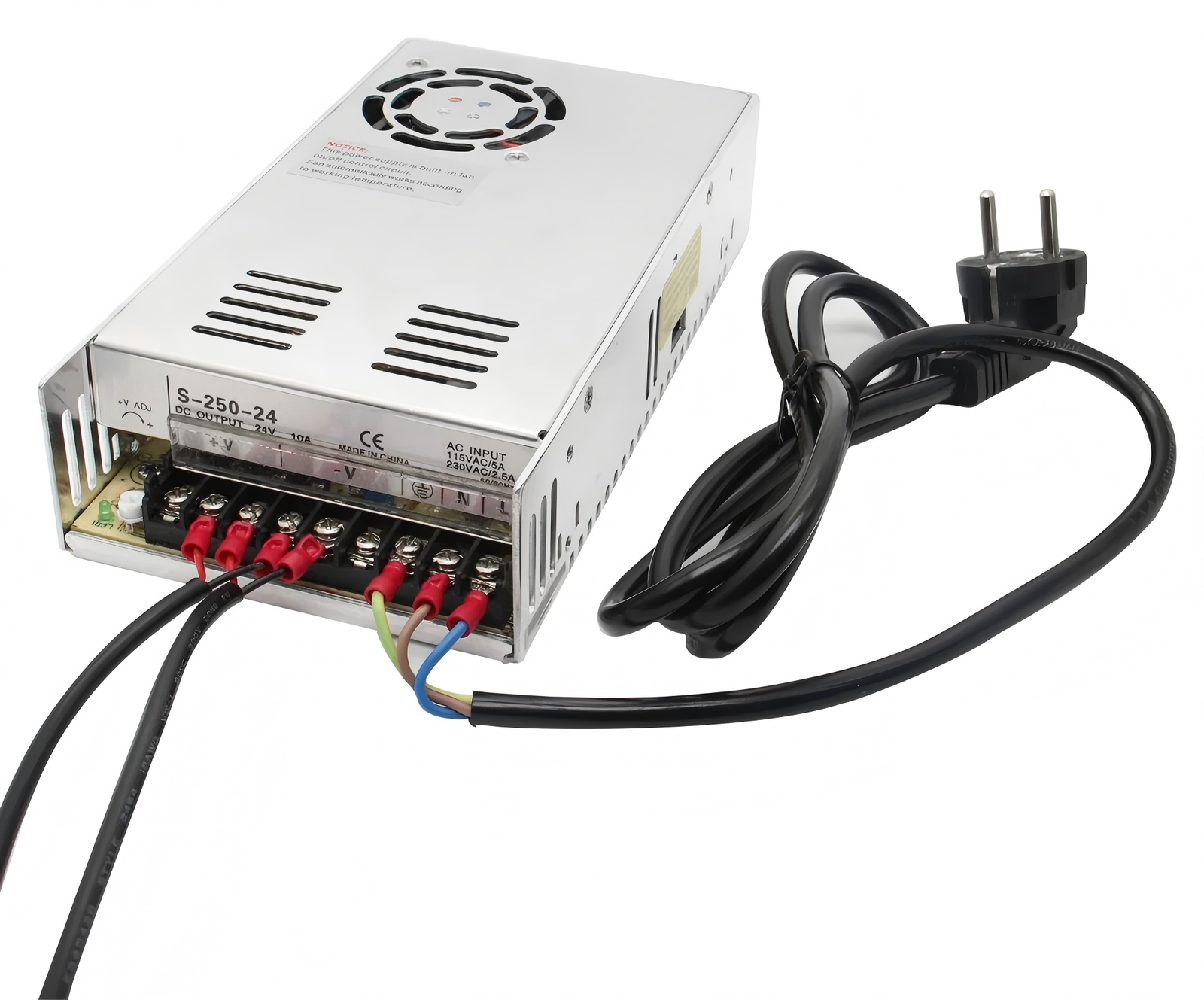
The most common category is AC-DC switching power supplies. These convert utility AC power into regulated DC voltage such as 12V, 24V, or 48V. This is the most widely used type in industrial automation, machinery, LED lighting, telecom systems, and security equipment. A SIPURUI 24V industrial power supply, for example, would commonly be used in PLC cabinets, relays, sensors, and control panels.
Another important category is DC-DC converters. These are used when the incoming power is already DC, but another voltage is needed inside the system. For example, a battery-powered machine may need to convert 48VDC into 24VDC or 12VDC. This is common in vehicles, battery systems, mobile equipment, telecom racks, and renewable energy systems.
There are also DC-AC power supplies, better known as inverters. These convert stored battery power or solar DC energy into AC output for appliances or industrial loads. Finally, AC-AC conversion products are used in more specialized environments where voltage or frequency must be changed, such as export equipment or laboratory systems.
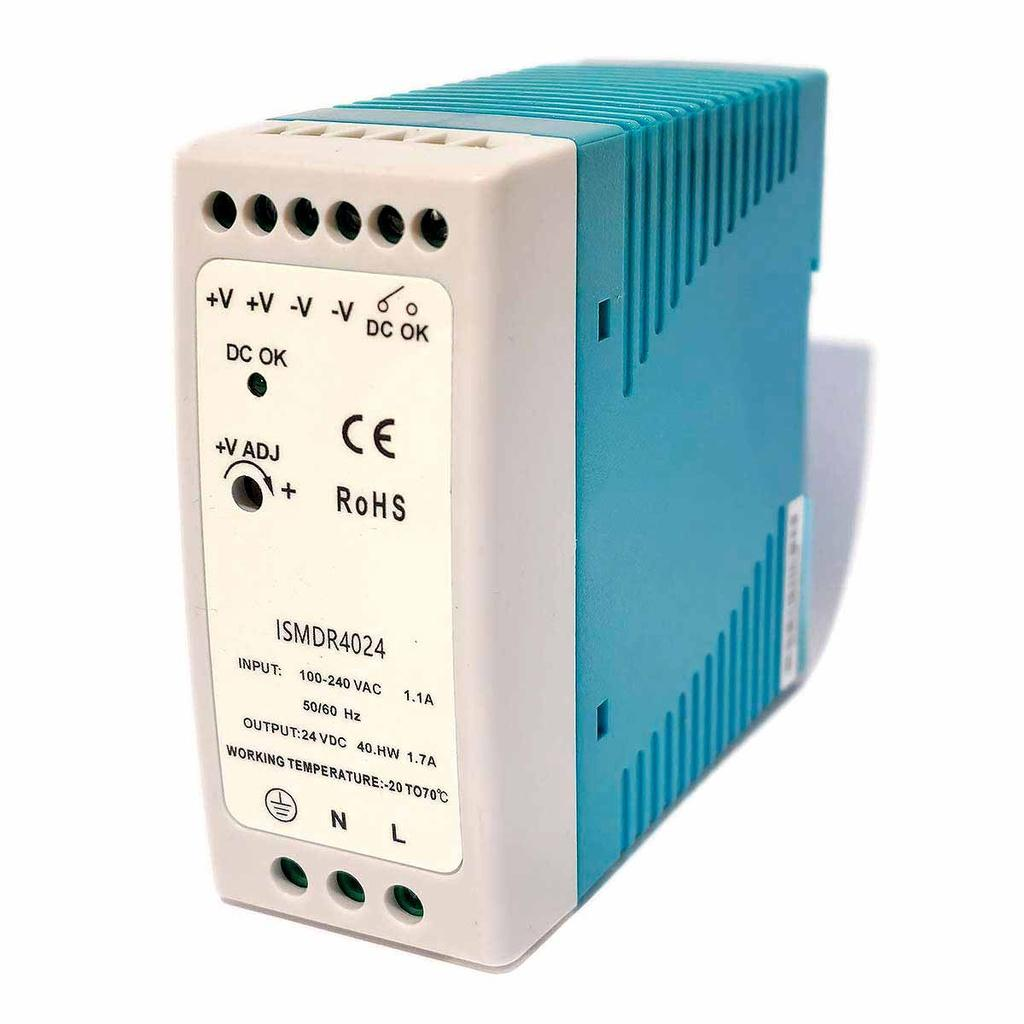
Which Type Is Most Popular in Industry?
Without question, the most common industrial choice remains the AC-DC 24V switching power supply. Across factories worldwide, 24VDC has become the preferred control voltage because it balances safety, efficiency, and compatibility with industrial components.
Sensors, solenoid valves, PLC inputs, relay modules, HMI panels, and many automation accessories are designed around 24V systems. For that reason, SIPURUI 24V power supply series are ideal for machine builders, control panel manufacturers, and automation integrators looking for dependable standardization.
Common Output Voltages and Applications
| Output Voltage | Typical Use |
| 5V | Logic boards, USB electronics |
| 12V | CCTV, fans, routers |
| 24V | PLC, sensors, automation |
| 48V | Telecom, battery systems |
| 60V+ | Charging and special equipment |
Does Mounting Style Matter as Much as Electrical Specs?
Absolutely. Many buyers focus only on voltage and wattage, but mounting style can affect installation speed, maintenance access, airflow, and cabinet layout.
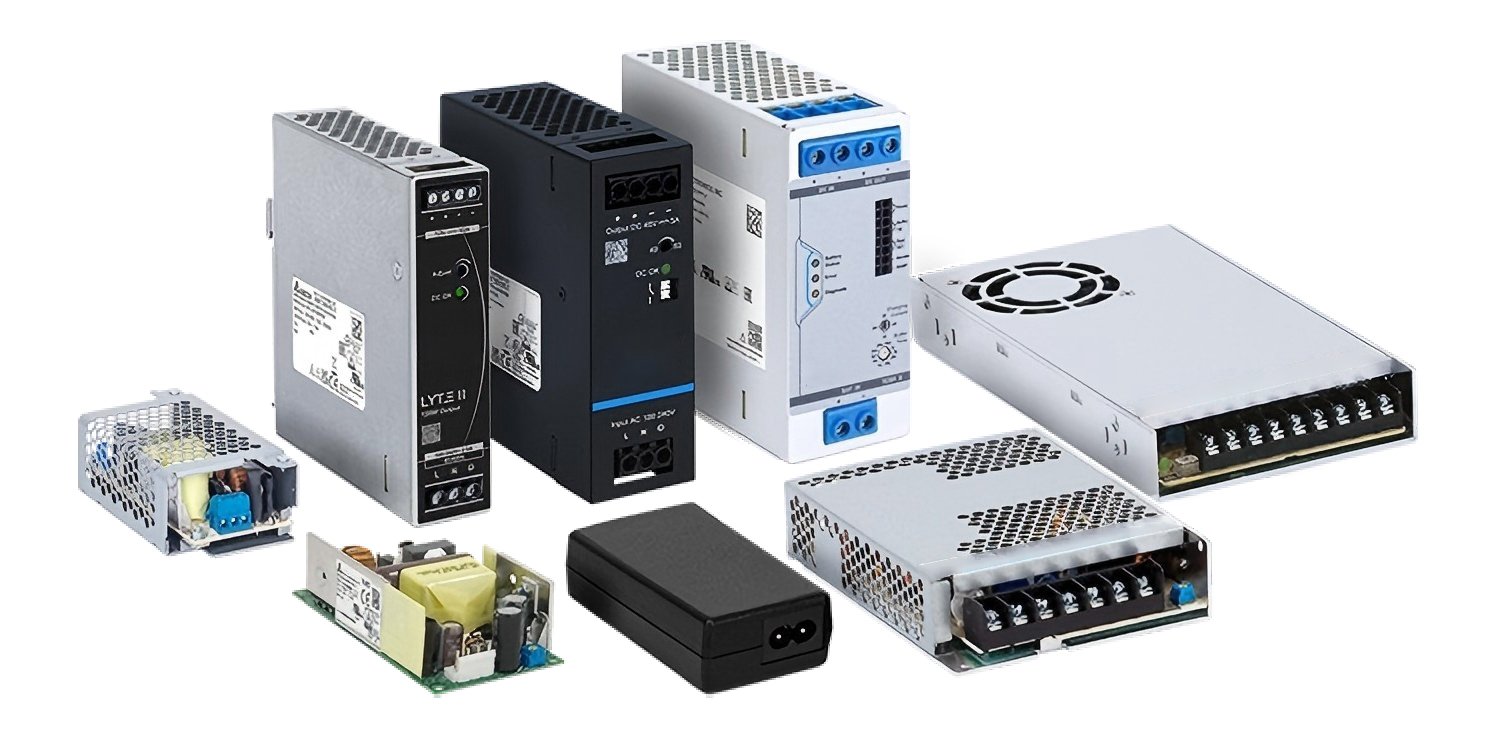
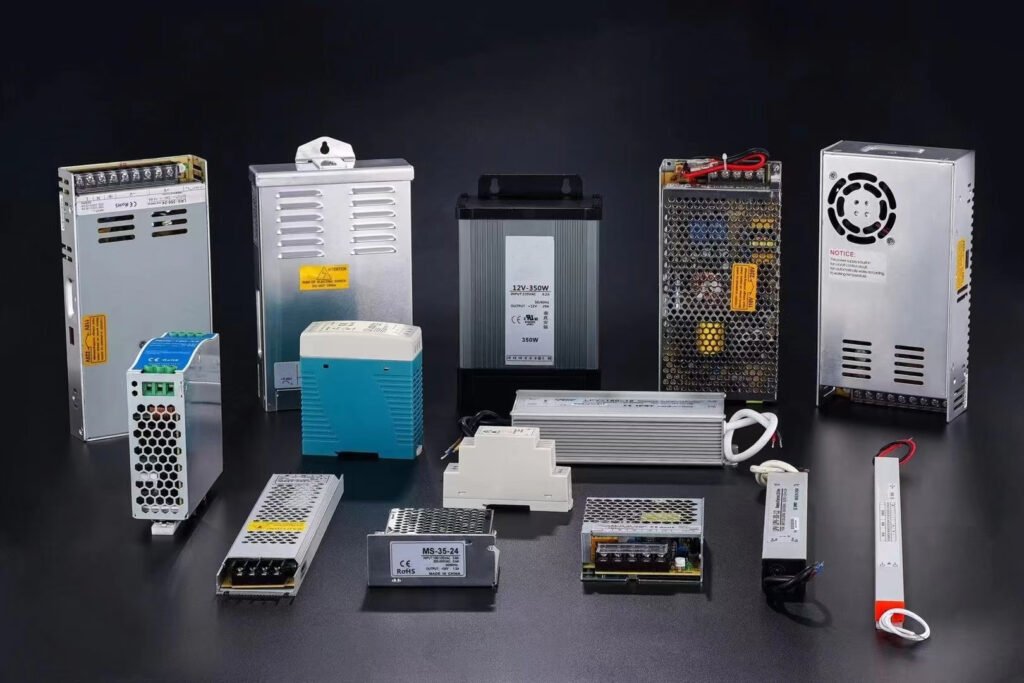
DIN rail power supplies are among the most popular in automation. They are designed to snap onto standard 35mm rails inside control cabinets, making installation neat and efficient. They are especially common in PLC systems, water treatment equipment, conveyor lines, packaging machines, and factory automation panels. SIPURUI DIN rail power supplies are built for these environments where organized wiring and quick replacement are essential.
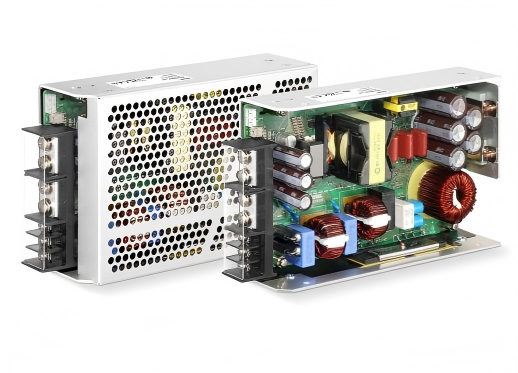
Enclosed switching power supplies are another highly popular option. These metal-cased units are widely used in machinery, LED systems, industrial devices, and OEM assemblies. They offer a strong balance between price, cooling performance, and wattage range. A SIPURUI enclosed 350W or 600W model is often selected for CNC systems, printing machines, or electronic production lines.
Open-frame power supplies are chosen when the supply will be installed inside another device enclosure. These are common in medical devices, kiosks, test equipment, and embedded systems where space efficiency matters.
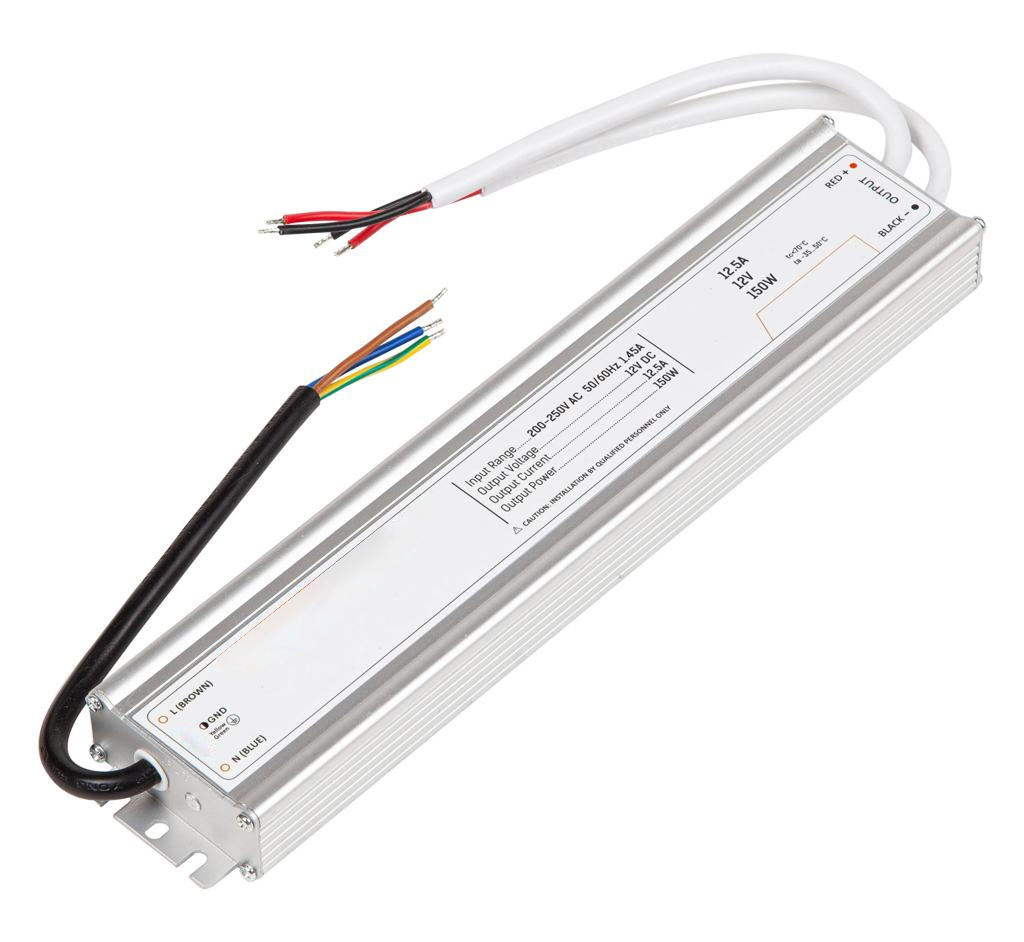
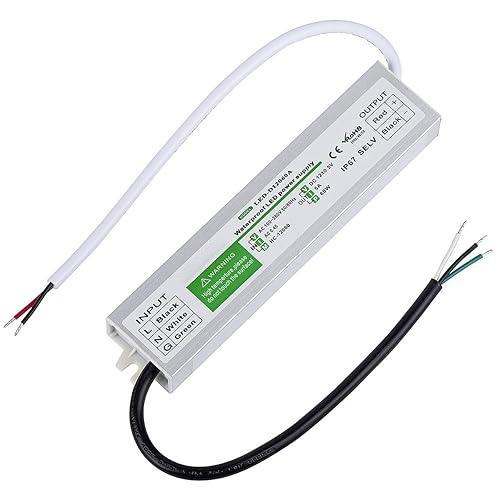
Waterproof power supplies, usually rated IP65 or IP67, are designed for harsh outdoor environments. They are frequently used in LED signage, CCTV systems, landscape lighting, and outdoor automation.
Mounting Style Comparison
| Type | Best Application | Main Advantage |
| DIN Rail | Control cabinets | Fast installation |
| Enclosed | Machinery | Versatile and economical |
| Open Frame | Internal systems | Compact size |
| Waterproof | Outdoor use | Weather resistance |
Why Does Internal Design Topology Matter?
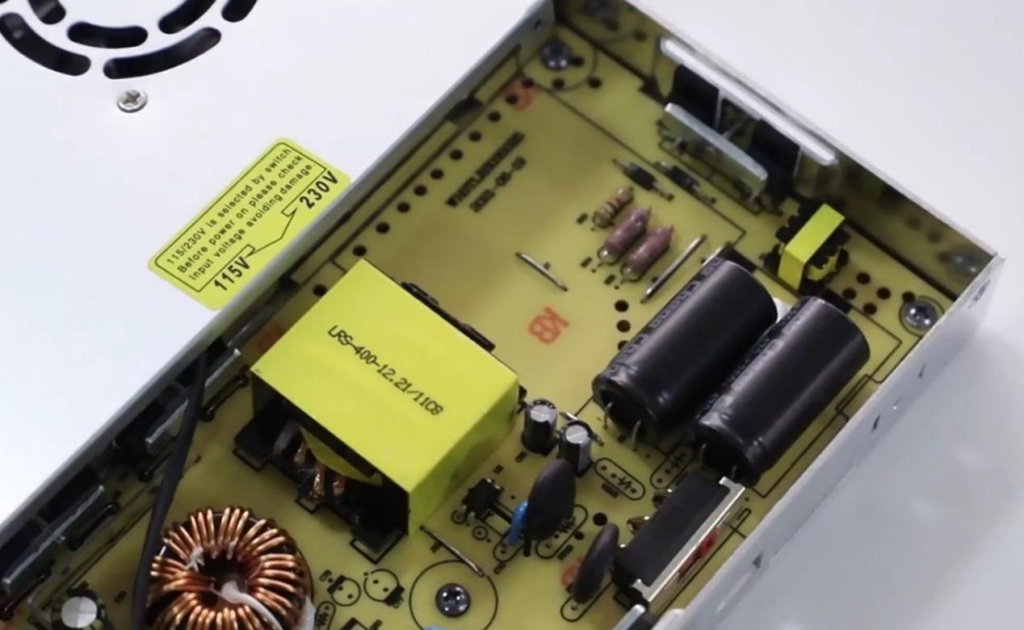
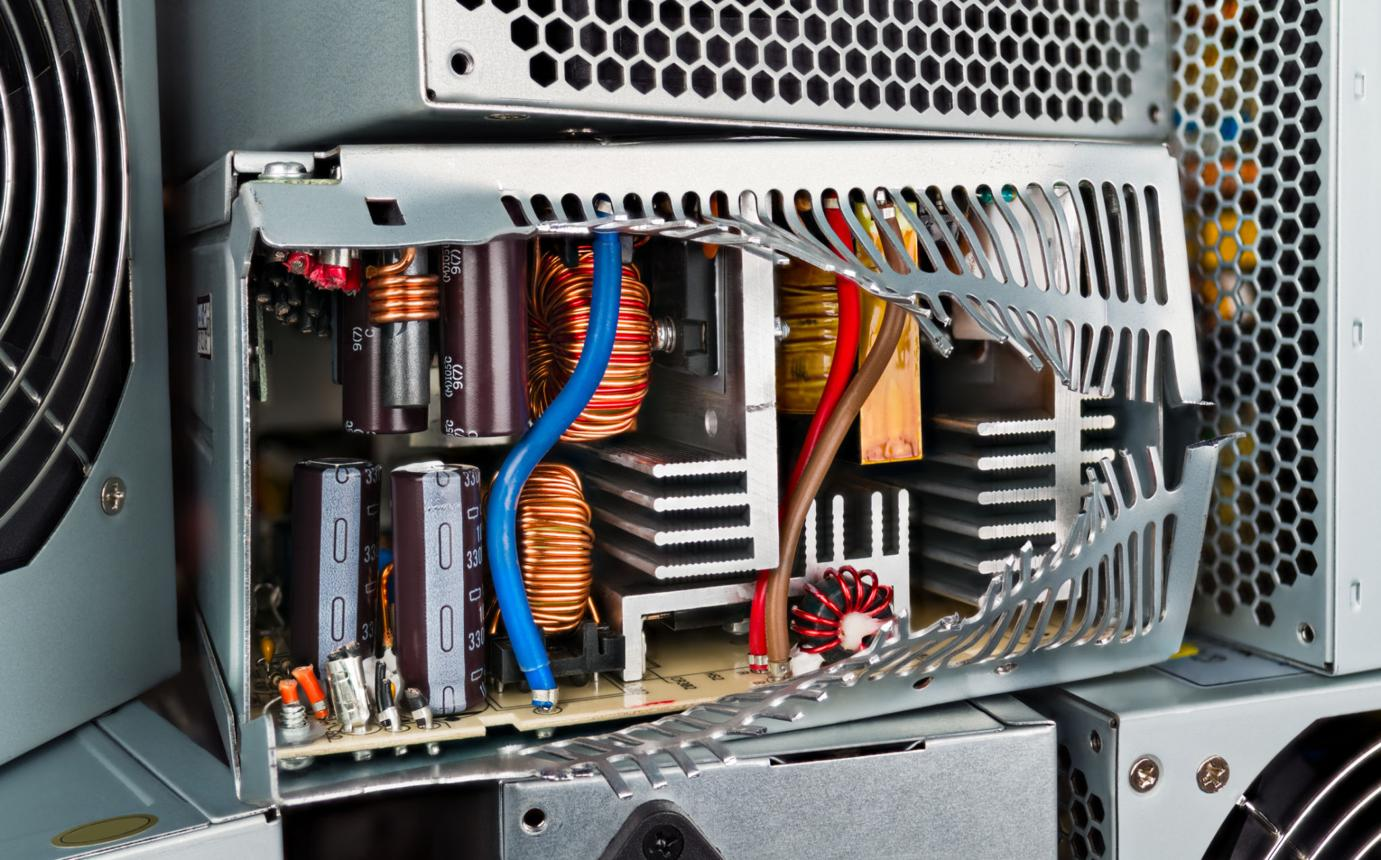
Although many buyers focus on voltage and price, engineers understand that internal circuit topology has a direct impact on efficiency, heat generation, lifespan, EMI performance, and long-term reliability.
Flyback designs are common in lower power products such as chargers and compact adapters. They are cost-effective and simple, making them suitable for lower wattage systems.
Forward converter designs are more common in medium-power industrial equipment where improved output regulation and higher efficiency are needed.
Half-bridge and full-bridge designs are used in higher power systems such as servo drives, laser machines, telecom racks, and large automation systems. These topologies are better suited for several hundred watts or more.
LLC resonant designs continue gaining popularity in 2026 because they offer higher efficiency, reduced switching losses, lower heat, and quieter operation. Premium SIPURUI industrial power supply lines can adopt high-efficiency architectures for demanding customers who need reduced thermal stress and continuous operation.
How Much Power Capacity Should You Choose?
Undersizing is one of the most common mistakes in switching power supply selection. Buyers sometimes match the exact required wattage, but this leaves no reserve for startup current, transient loads, or future expansion.
The correct approach is to calculate the real system load and add a safety margin. If your 24V system requires 8A, the total power demand is 192W. In practice, selecting a 240W unit is far better than choosing a 200W unit at maximum stress.
A properly sized power supply runs cooler, lasts longer, and maintains more stable output under changing loads.
Recommended Power Margin
| Actual Load | Minimum Recommended PSU |
| 60W | 75W–100W |
| 120W | 150W |
| 190W | 240W |
| 350W | 450W+ |
What Do Professional Buyers Look for in 2026?
Today’s professional buyers are no longer comparing products only by price. They look at certification, supply chain consistency, thermal design, MTBF expectations, component quality, delivery reliability, and after-sales support.
For export markets, CE and RoHS are often basic requirements. UL certification can be important for North America. Stable production quality and long-term model continuity are equally valuable for OEM customers who need repeat orders without redesign risk.
This is where choosing a reliable manufacturing partner matters. SIPURUI focuses on practical industrial switching power supply solutions with dependable specifications, common industrial voltage ranges, and support for OEM purchasing programs.
Why Do Cheap Generic Power Supplies Fail So Often?
In many cases, the lowest-price product becomes the most expensive product later. Low-grade capacitors, weak thermal design, poor soldering control, and unrealistic power ratings often lead to field failures.
The results can include PLC resets, unstable sensor readings, overheating, shortened lifespan, communication faults, or total machine downtime. For factories, even one hour of downtime can cost far more than the price difference between low-end and industrial-grade power supplies.
That is why serious machine builders increasingly prefer consistent suppliers instead of random generic sources.

Which SIPURUI Switching Power Supply Should You Choose?
If your project involves automation cabinets, a SIPURUI DIN rail 24V series is usually the most efficient and professional choice. If you are building machinery or OEM systems, SIPURUI enclosed 350W to 1000W models provide flexibility and cost efficiency. For outdoor lighting or CCTV installations, SIPURUI waterproof series offer dependable environmental protection. If your product requires internal integration, SIPURUI compact open-frame models are ideal for embedded installation.
The right selection depends on voltage, current demand, operating temperature, available space, and environmental conditions.
Final Thoughts: Which Type Is Best?
There is no single best switching power supply for every situation. The best model is the one that matches your system requirements, installation method, environmental conditions, and reliability expectations.
For many industrial applications in 2026, the most practical combination remains an AC-DC 24V industrial-grade power supply, especially in DIN rail or enclosed format. This combination continues to dominate automation systems worldwide because it is standardized, reliable, and compatible with common industrial devices.
If you are planning a new project and need help choosing the right model, SIPURUI can help match the correct switching power supply to your technical requirements, budget, and production goals.