
A Deep, Practical Guide for Engineers and Industrial Buyers
In industrial environments, reliability is never optional. Every component in a system is expected to perform under stress, often continuously, and often without failure for years. Among these components, the switching power supply plays a uniquely critical role. It is not just another module inside the cabinet—it is the foundation that determines whether the entire system runs smoothly or fails unexpectedly.
Yet, despite its importance, power supply selection is frequently underestimated. Many decisions are still driven primarily by cost or nominal specifications, rather than real-world operating conditions. This is where problems begin. Industrial environments are inherently unstable. Temperature fluctuates. Dust accumulates. Electrical noise propagates through long cable runs. Mechanical vibrations weaken internal connections over time. Under these conditions, a standard commercial power supply will not simply perform poorly—it will fail.
This article is written to address a fundamental question: how do you select a switching power supply that will actually survive and perform in industrial conditions? The answer requires a structured understanding of environmental adaptability, long-term reliability, functional compatibility, and certification requirements. Each of these dimensions must be evaluated carefully, not in isolation but as part of a complete system strategy.
Can Your Power Supply Truly Withstand Industrial Conditions?
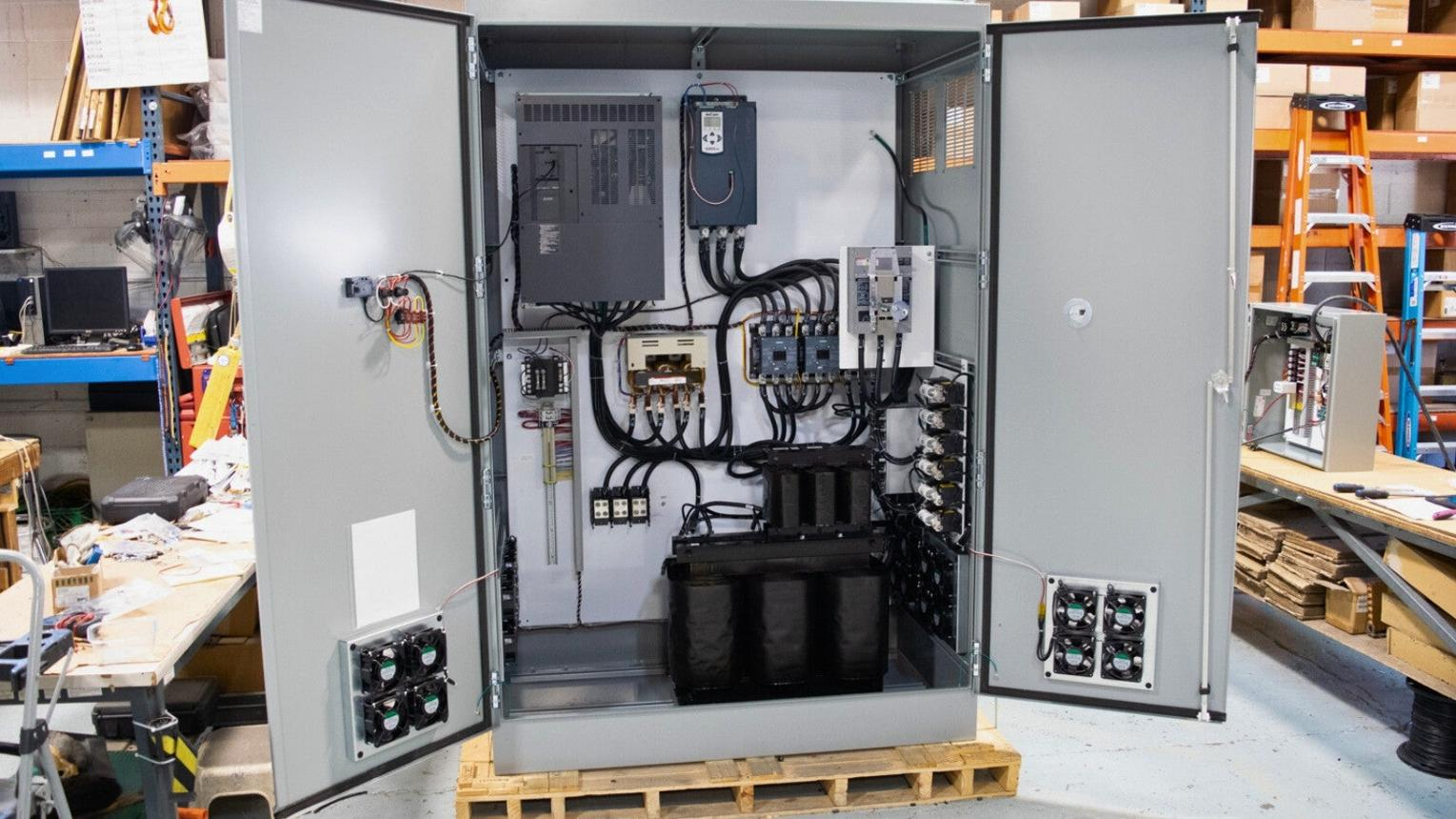
The first and most fundamental question is whether the power supply can physically survive the environment in which it operates. Industrial sites are rarely controlled environments. In fact, they are often deliberately harsh due to process requirements. A steel mill, an automotive welding line, or a chemical processing plant will expose equipment to temperature extremes, airborne contaminants, and electrical instability.
Temperature is often the most critical factor. While commercial-grade power supplies typically operate within a narrow range of 0°C to 50°C, industrial systems frequently exceed these limits. In many factories, ambient temperatures can rise above 60°C inside control cabinets, especially when multiple heat-generating components are installed in confined spaces. Conversely, in outdoor or unheated facilities, temperatures can fall well below freezing. A power supply that cannot start reliably at low temperatures or sustain operation at high temperatures becomes a point of failure.
This is why industrial-grade designs, such as those found in SIPURUI switching power supply series, focus heavily on wide temperature operation. By using high-temperature-rated capacitors, optimized thermal layouts, and robust enclosure designs, these units can operate reliably in ranges such as -20°C to +70°C or even wider. This is not merely a specification on paper. It directly determines whether a system can start in winter conditions or continue running during peak summer heat.
Environmental challenges extend beyond temperature. Dust, oil mist, and humidity are constant threats in many industries. Over time, these contaminants can accumulate on internal components, leading to insulation degradation, corrosion, or thermal inefficiency. Protection ratings, commonly expressed as IP levels, provide a standardized way to evaluate resistance to these factors.
Typical IP Rating Selection for Industrial Applications
| Environment Type | Recommended Protection | Risk Level |
| Clean control cabinet | IP20 | Low |
| Dust-heavy workshop | IP54 | Medium |
| Outdoor installation | IP65 | High |
| Oil / washdown / humid environments | IP67 | Extreme |
Choosing the correct protection level is not about over-engineering but about matching the actual operating conditions. In high-contamination environments, additional measures such as conformal coating or sealed enclosures become essential to ensure long-term stability.
Another often overlooked factor is mechanical vibration. In systems such as CNC machines, mobile equipment, or heavy industrial machinery, continuous vibration can gradually weaken solder joints or loosen internal components. Over time, this leads to intermittent failures that are difficult to diagnose. Industrial power supplies address this through reinforced PCB design, component fixation, and compliance with vibration standards such as IEC 60068-2-6. Without these design considerations, even a well-specified power supply can fail prematurely.
Electromagnetic compatibility is equally critical. Industrial systems are filled with devices that generate electrical noise, including motors, inverters, and high-frequency switching equipment. A poorly designed power supply can both emit interference and be affected by it, leading to unstable outputs, incorrect sensor readings, or communication errors. Ensuring compliance with EMC standards and maintaining low output ripple is therefore essential for maintaining overall system stability.
What Defines a Truly Reliable Industrial Power Supply?
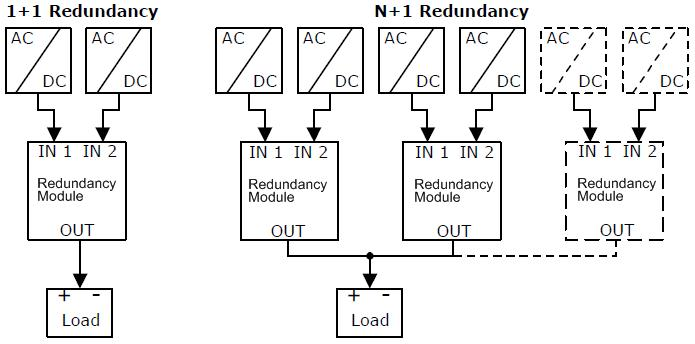
Once environmental compatibility is ensured, the next consideration is reliability. In industrial systems, reliability is not simply about avoiding failure. It is about ensuring continuous operation even when individual components fail.
One of the most effective strategies for achieving this is redundancy. In critical applications, power supplies are often configured in parallel using an N+1 architecture. This means that one additional unit is installed beyond what is required to handle the load. If one unit fails, the remaining units automatically compensate without interrupting operation. This approach is widely used in industries where downtime is unacceptable, such as semiconductor manufacturing or continuous processing plants.
Hot-swappable design further enhances reliability by allowing faulty units to be replaced without shutting down the system. This capability transforms maintenance from a disruptive event into a routine operation. It also reduces the pressure on maintenance teams, who no longer need to coordinate downtime windows for simple component replacement.
Component selection is another critical factor. The lifespan of a power supply is often limited by its capacitors, which are sensitive to temperature. A well-known engineering principle states that capacitor life doubles for every 10°C reduction in operating temperature. This relationship highlights the importance of thermal design and component quality.
Capacitor Lifetime vs Temperature
| Operating Temperature | Estimated Lifetime |
| 105°C (rated) | 50,000 hours |
| 85°C | 100,000 hours |
| 70°C | ~800,000 hours |
By using high-quality components and ensuring effective heat dissipation, industrial power supplies can achieve significantly longer service lives. SIPURUI designs emphasize this approach, focusing on durability rather than minimal cost.
Protection mechanisms also play a central role in reliability. Basic protections such as over-voltage or over-current protection are no longer sufficient in complex industrial systems. Advanced features such as automatic short-circuit recovery and under-voltage lockout ensure that the system can respond intelligently to abnormal conditions. Instead of failing permanently, the power supply can isolate the issue, recover when conditions normalize, and continue operation.
Does the Power Supply Match Real System Demands?
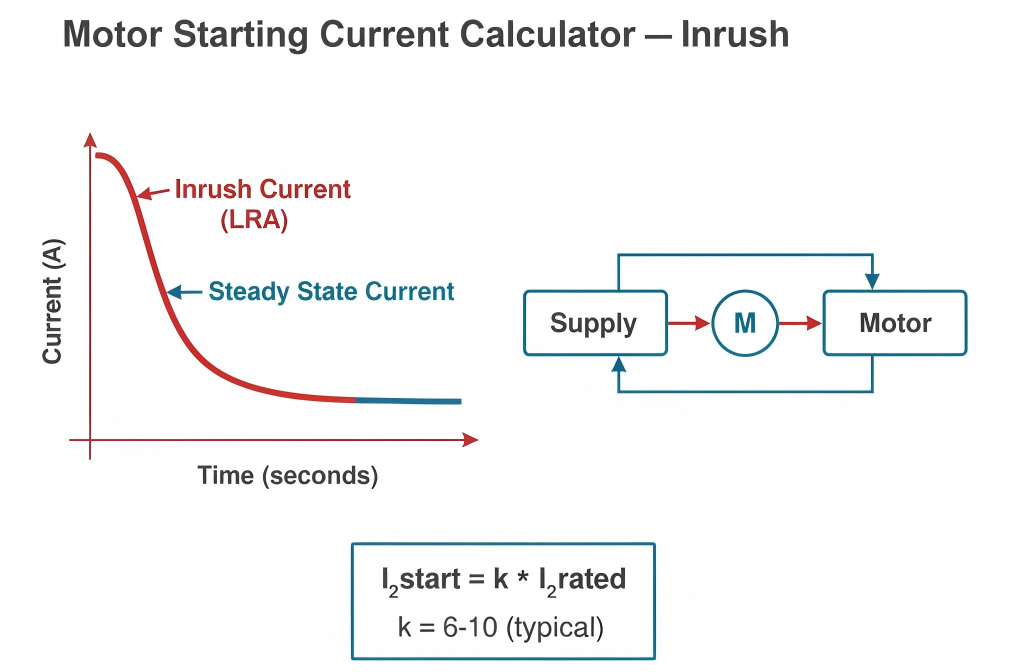
A common mistake in power supply selection is focusing only on steady-state load requirements. In reality, industrial systems rarely operate under steady conditions. Motors, pumps, and servo systems all generate significant inrush currents during startup, often exceeding their rated power by a factor of two or three.
If the power supply is sized only for nominal load, it may enter protection mode during startup, causing system instability or repeated restarts. To avoid this, engineers typically apply a safety margin, selecting a power supply with a capacity two to three times higher than the expected load. This ensures stable operation even during transient conditions.
Efficiency is another important consideration, particularly in large-scale or continuously operating systems. Higher efficiency reduces energy consumption, lowers heat generation, and improves overall system reliability. In applications such as data centers or high-density automation systems, efficiency levels above 90% are increasingly common.
Efficiency and Application Matching
| Application Type | Recommended Efficiency |
| Data centers | ≥96% |
| Automation systems | ≥90% |
| General industrial use | ≥85% |
Input and output flexibility must also be considered. Industrial power grids are often subject to voltage fluctuations, especially in facilities located far from substations. A wide input voltage range ensures stable operation under these conditions. Similarly, modern systems often require multiple output voltages to support different components, from sensors to actuators and control systems. Power supplies that can deliver stable multi-output configurations simplify system design and reduce the need for additional converters.
As industrial systems become more connected, communication capabilities are increasingly important. Power supplies are no longer isolated components; they are part of a larger network. By supporting protocols such as MODBUS or CANopen, modern power supplies can provide real-time data on voltage, current, and temperature. This information enables predictive maintenance, allowing potential issues to be addressed before they result in failure.
Why Are Certifications Critical Rather Than Optional?
In industrial applications, certification is not merely a formality. It is a guarantee that the power supply meets established safety and performance standards. Without proper certification, equipment may not be allowed to operate in certain markets or industries.
Core Industrial Certifications
| Certification | Region | Purpose |
| CE | Europe | Safety and EMC compliance |
| UL 508 | North America | Industrial control safety |
| EN 61508 | Global | Functional safety systems |
Beyond these general standards, specific industries impose additional requirements. Railway systems, for example, require compliance with EN 50155, which includes extended temperature and vibration requirements. Medical equipment must meet stringent safety standards to protect patients. Hazardous environments, such as oil and gas facilities, require explosion-proof designs certified under ATEX or IECEx standards.
By ensuring compliance with these standards, manufacturers like SIPURUI enable their products to be used across a wide range of applications without regulatory obstacles.
Are Installation and Maintenance Being Overlooked?
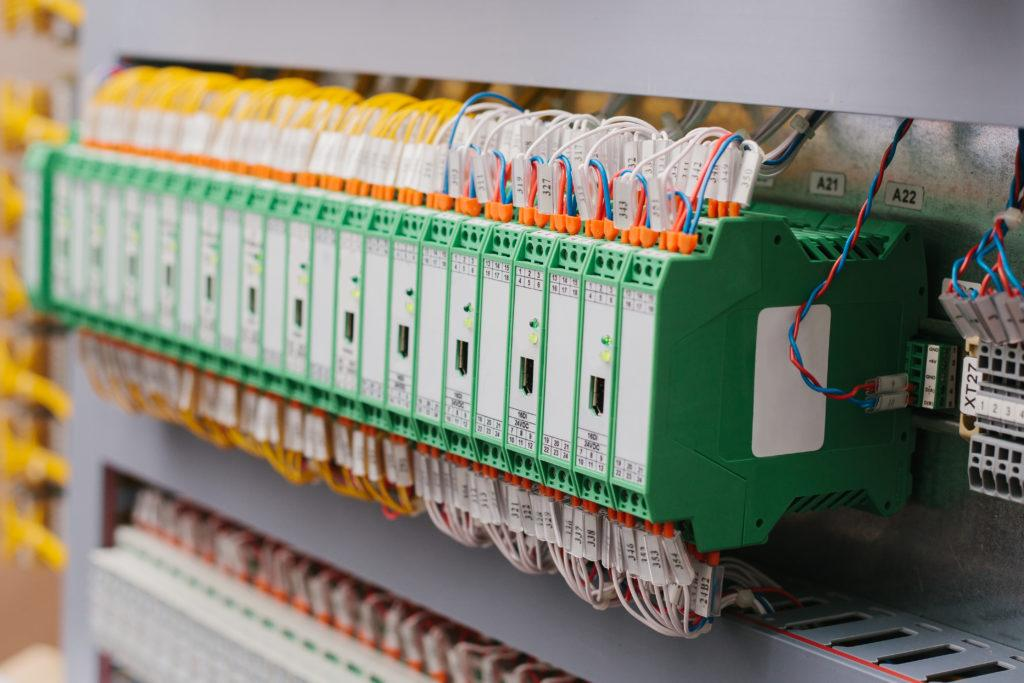
Even the most advanced power supply can create problems if it is difficult to install or maintain. Industrial systems are often constrained by space, accessibility, and operational requirements. Installation methods must therefore be chosen carefully.
DIN rail mounting has become a standard in control cabinets due to its simplicity and flexibility. It allows for quick installation and easy replacement, reducing both initial setup time and long-term maintenance effort. For compact systems, embedded power supplies provide a space-efficient solution, integrating directly into the system design.
Maintenance considerations are equally important. Modular designs allow individual components to be replaced without affecting the rest of the system. Clear status indicators, such as LED signals, provide immediate insight into operating conditions, enabling technicians to identify and resolve issues quickly.

Final Thought: Is Cost Really the Most Important Factor?
At first glance, selecting a lower-cost power supply may seem like a reasonable decision. However, this perspective changes when the broader impact is considered. A single unexpected failure can halt production, damage equipment, and require costly repairs. In many cases, the financial impact of one such incident far exceeds the savings achieved by choosing a cheaper component.
This is why experienced engineers and industrial buyers prioritize reliability over initial cost. A well-designed power supply, such as those developed by SIPURUI, is not just a purchase. It is an investment in system stability, operational continuity, and long-term efficiency.
In industrial environments, power is more than just electricity. It is the foundation upon which everything else depends. Choosing the right power supply is not about avoiding mistakes—it is about ensuring that your entire system performs exactly as intended, every single day.