
When people talk about modern electronics, they often focus on processors, automation systems, communication modules, or software. But behind every stable system, there is one component quietly doing some of the most important work: the power supply.
Without it, equipment does not start. Without the right one, even a well-designed machine can become unstable, run inefficiently, or fail long before expected.
That is why switching power supplies have become such an essential part of modern electrical and industrial design. They are used everywhere—from factory automation and CNC machinery to LED lighting, telecom cabinets, security systems, and renewable energy equipment. Despite how common they are, many engineers, buyers, and equipment manufacturers still ask the same practical question:
What are the different types of switching power supplies, and which one is right for my project?
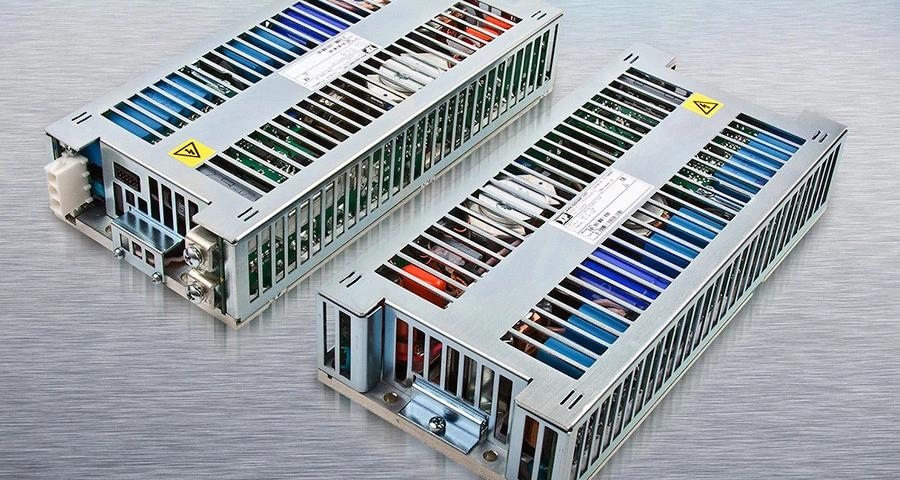
The answer is not always obvious. A switching power supply can be classified by electrical conversion type, installation method, internal design, or application environment. Each affects performance, efficiency, heat generation, installation flexibility, and long-term reliability.
This guide explains the most common switching power supply types and how they are used in real applications, helping you choose more confidently for your next project.
Why Switching Power Supplies Are Used in So Many Applications
Switching power supplies have largely replaced traditional linear power supplies in modern equipment, mainly because they are more efficient and more adaptable.
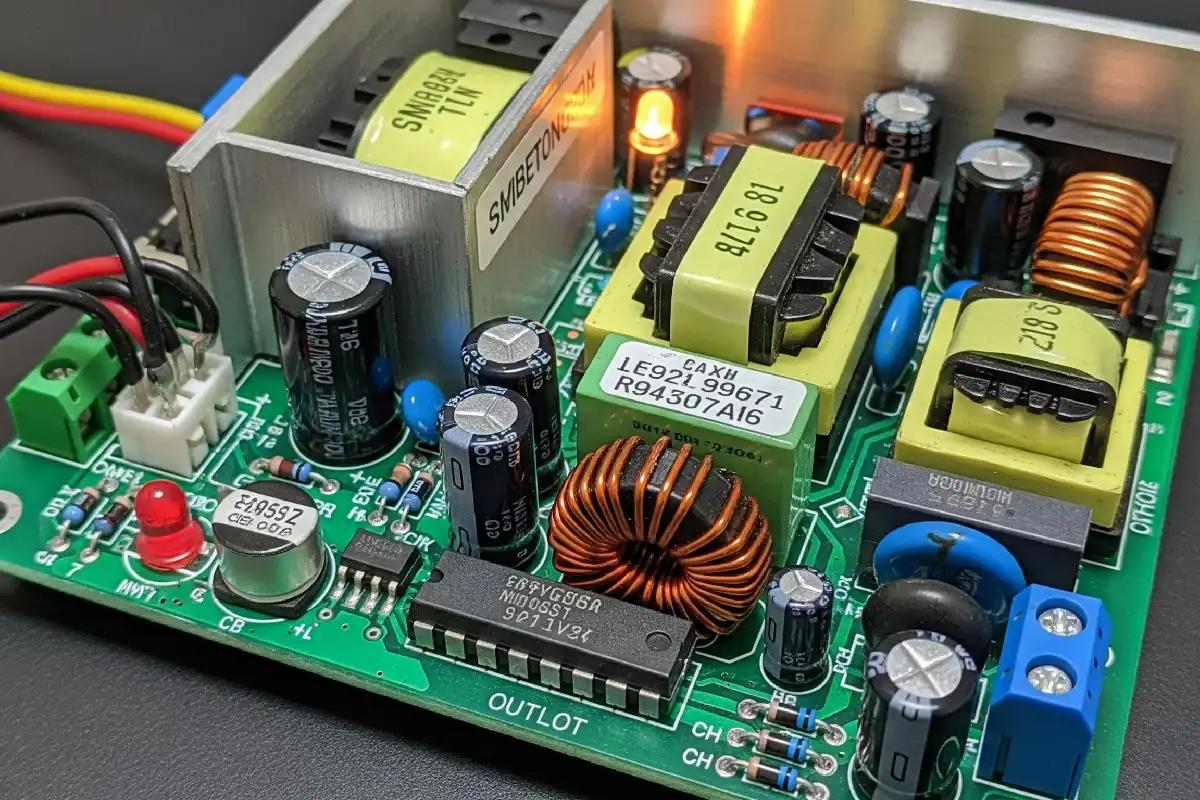
Instead of continuously dissipating excess energy as heat, a switching power supply regulates energy through high-frequency switching. This allows it to convert power more efficiently while keeping size and weight relatively compact.
In practical use, this brings several clear advantages. Less wasted energy means lower operating temperature. Lower temperature helps extend component life. Smaller housing saves installation space. Higher efficiency reduces power loss. Together, these benefits make switching power supplies suitable for both compact consumer devices and demanding industrial systems that operate continuously for long periods.
For engineers designing equipment and for purchasing teams sourcing components, this combination of efficiency, reliability, and flexibility is exactly why switching power supplies have become the standard across so many industries.
AC-DC Switching Power Supplies
The Most Common Type in Modern Equipment
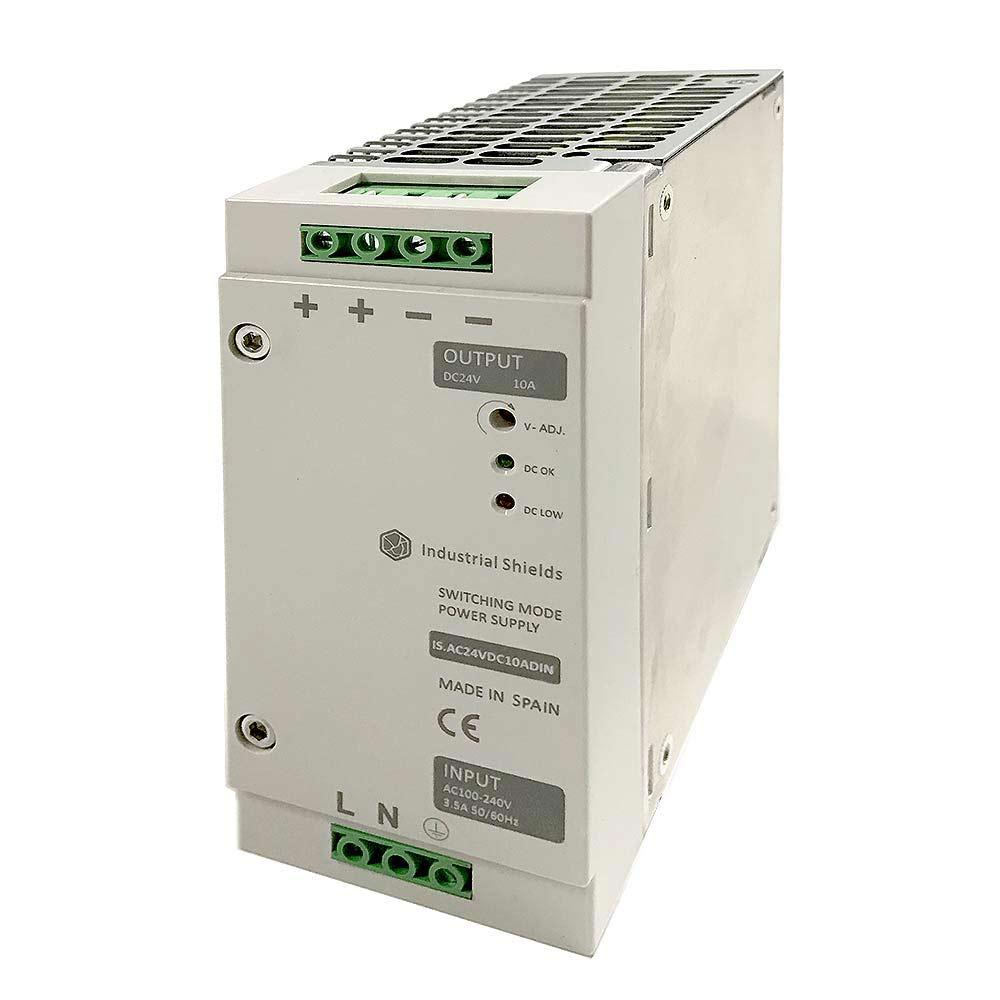
Among all switching power supply categories, AC-DC power supplies are by far the most common.
Their function is to convert alternating current from the electrical grid into stable direct current that electronic systems can use. Since most electronic devices and industrial control systems operate on DC voltage rather than AC mains power, this conversion is necessary in nearly every electrical design.
AC-DC switching power supplies are found in a wide range of applications, including industrial control panels, PLC systems, LED lighting, telecom equipment, CNC machines, and automation systems. In many industrial environments, 24V DC has become a standard operating voltage, which is why 24V AC-DC power supplies remain one of the most widely used configurations across global markets.
For many projects, the AC-DC power supply is the first step in the power chain. It takes incoming electricity from the grid and provides the stable DC foundation needed for the rest of the system to operate safely and consistently.
DC-DC Switching Power Supplies
Why Voltage Conversion Inside a System Matters
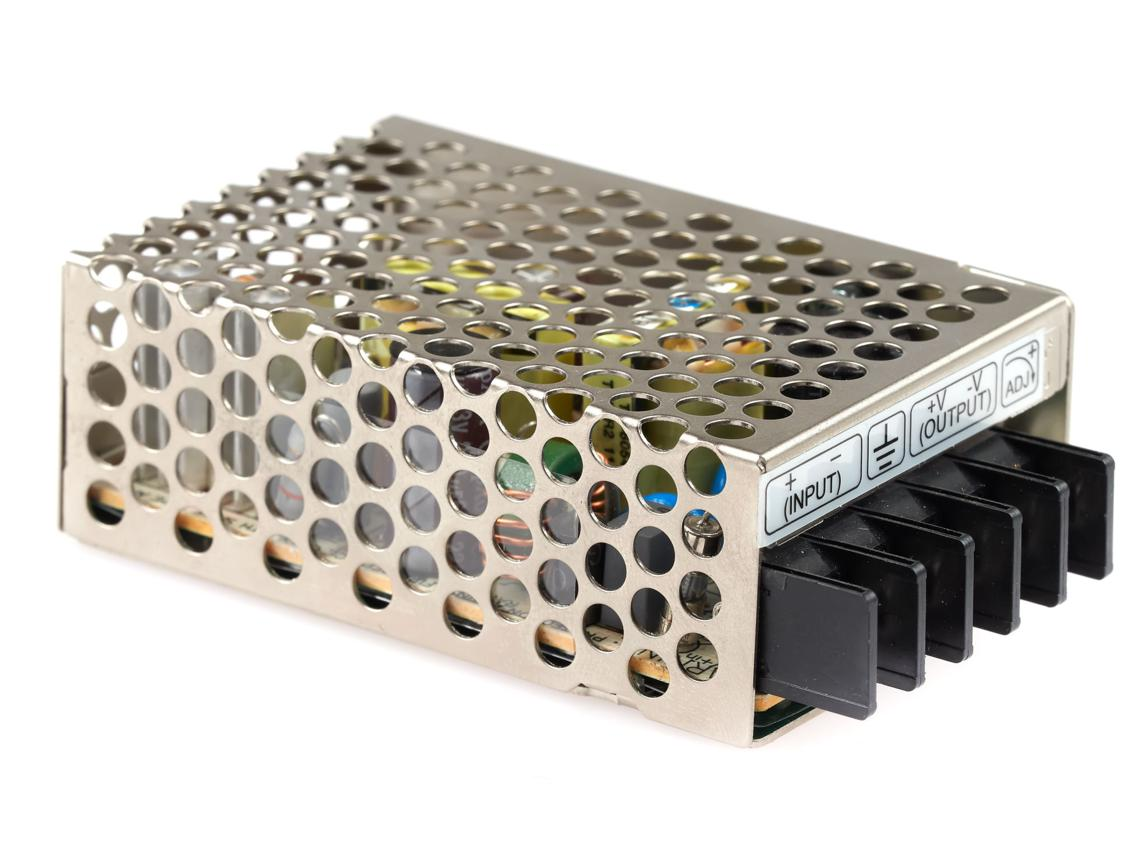
Not every system begins with AC input. In many applications—especially battery-powered equipment, vehicles, telecom infrastructure, and solar systems—DC power already exists inside the system.
In those cases, the challenge is no longer converting AC into DC, but converting one DC voltage into another.
This is where DC-DC switching power supplies become important.
A system may run on a 24V DC bus while individual components inside require 12V, 5V, or even lower voltages. Sensors, communication boards, processors, fans, and embedded control modules often operate at different voltage levels. A DC-DC converter allows those components to receive exactly the voltage they need without affecting the rest of the system.
Although often hidden inside equipment and rarely visible from the outside, DC-DC power supplies are critical for stable internal power distribution and are widely used in electronic and industrial product design.
DIN Rail Switching Power Supplies
Why They Are Standard in Industrial Automation
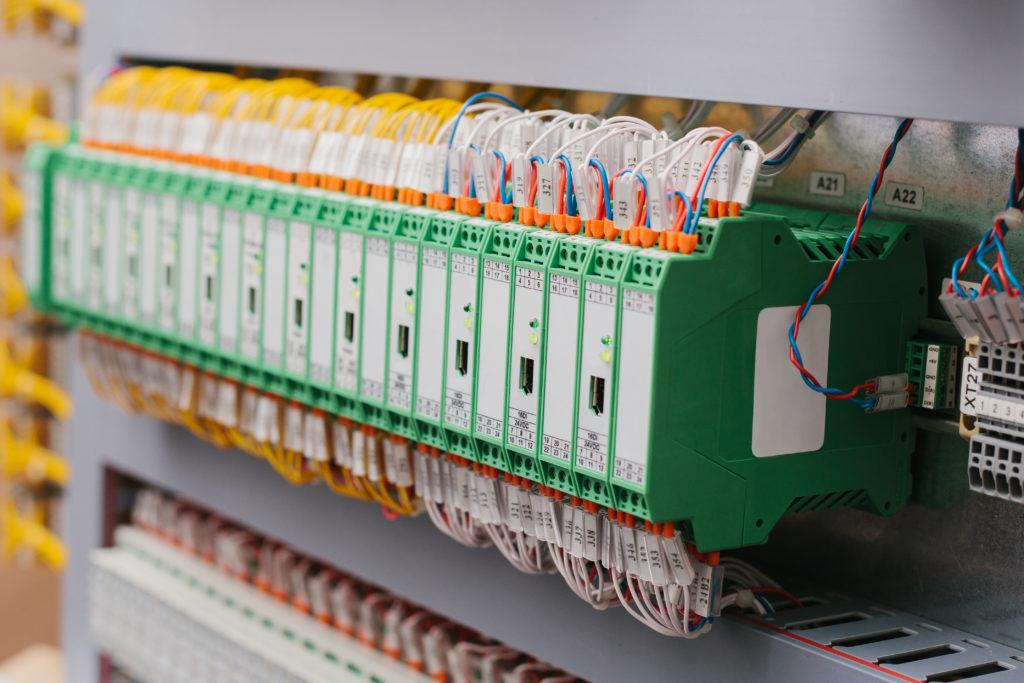
In industrial automation, DIN rail power supplies have become one of the most recognizable formats.
Their popularity comes from practicality. Instead of being fixed directly to a panel with screws, they mount quickly onto a standard 35mm DIN rail inside a control cabinet. This simplifies installation, saves space, and makes maintenance much easier later.
Inside automation cabinets where PLCs, relays, circuit breakers, and communication modules all need to be organized efficiently, DIN rail mounting creates a cleaner layout and improves serviceability. If a replacement is needed, technicians can remove and replace the unit quickly without major disassembly.
This is why DIN rail switching power supplies are widely used in control cabinets, automation panels, sensor networks, industrial communication systems, and building automation infrastructure. For equipment manufacturers and system integrators, they offer a practical combination of stable performance and efficient installation.
Enclosed Switching Power Supplies
Reliable Power for Demanding Equipment
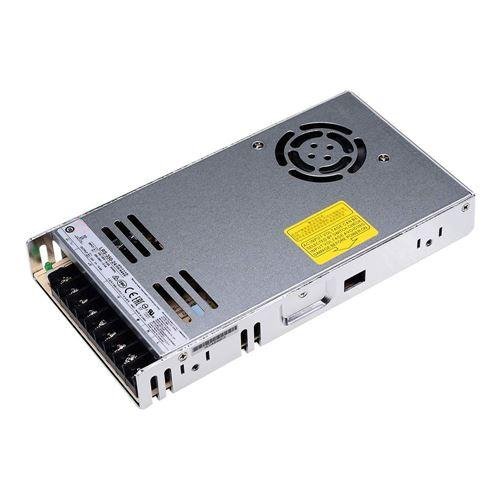
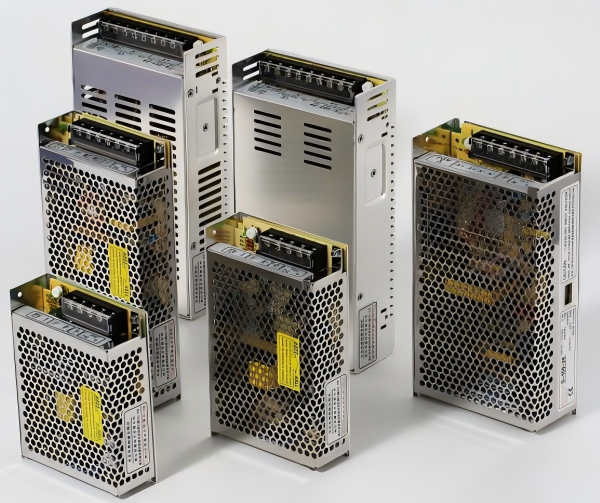
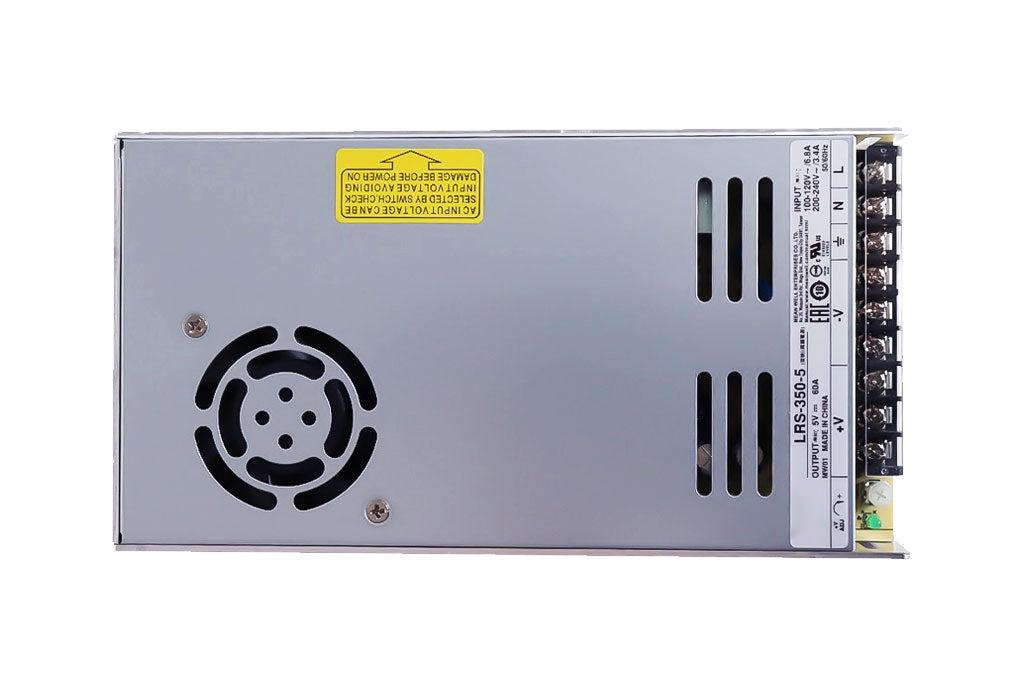
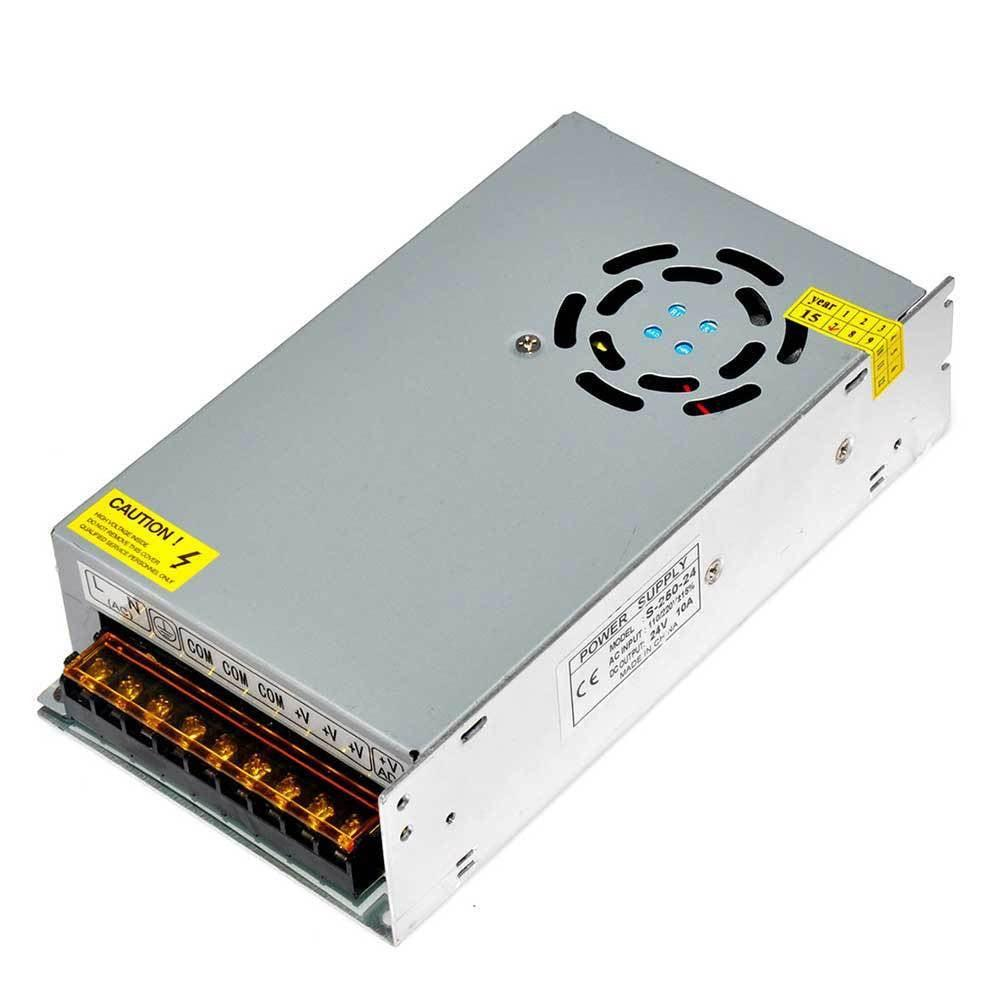
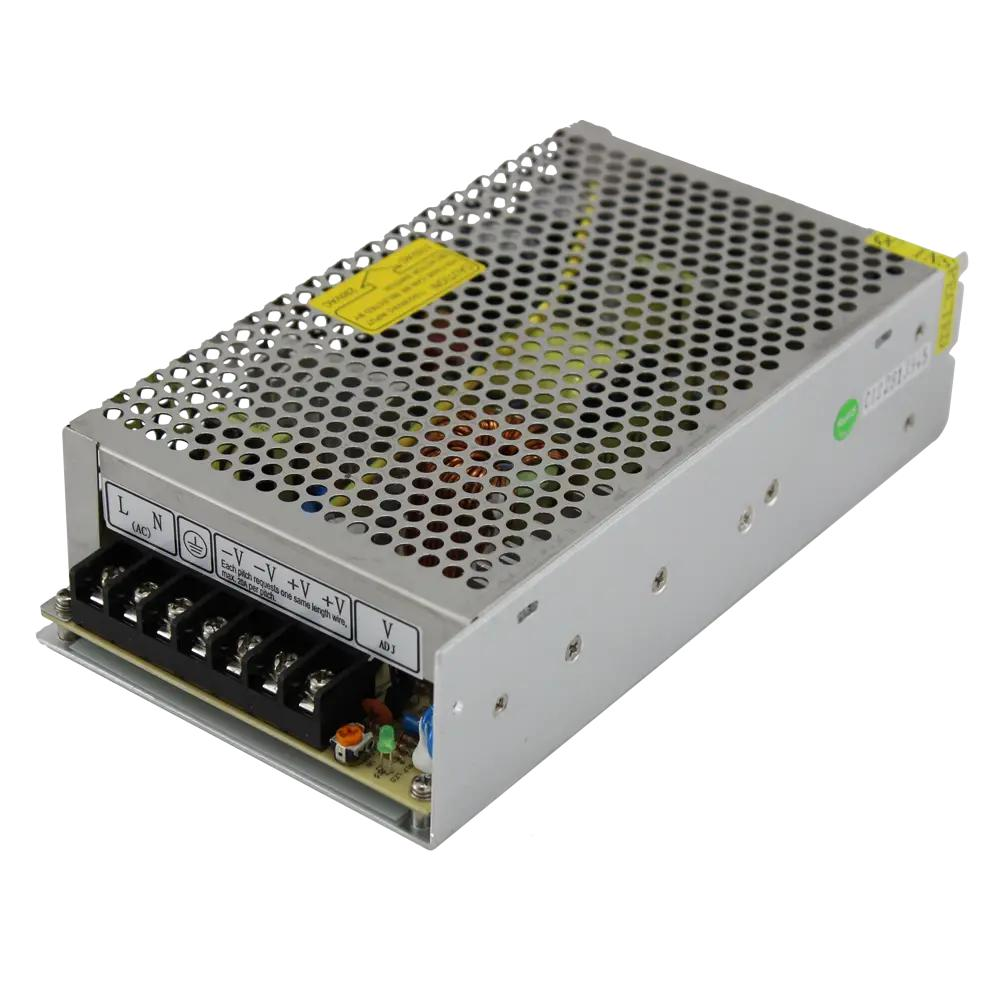
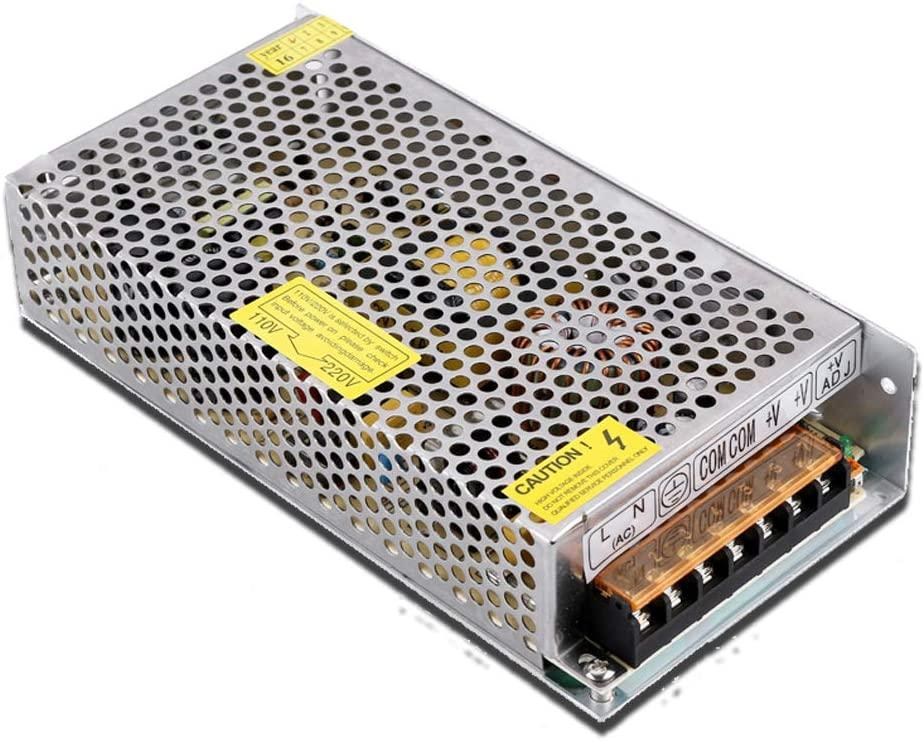
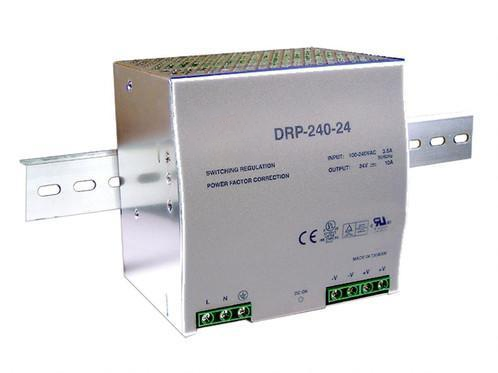
Enclosed switching power supplies are another widely used category, especially in industrial environments where power demand is higher and installation conditions can be more demanding.
Because of their balance of power density, durability, and installation flexibility, enclosed switching power supplies remain a common choice across many industries. They are frequently built into industrial machines, LED systems, CNC equipment, security infrastructure, and automated manufacturing lines where dependable DC output is required over long operating cycles. The enclosed metal housing provides mechanical protection while supporting efficient thermal dissipation, which makes this design especially suitable for demanding environments. For equipment manufacturers looking for a reliable and versatile power solution, enclosed switching power supplies continue to be one of the core product categories offered by SIPURUI.
Their wide power range also makes them highly adaptable. Whether for low-wattage control applications or higher-power industrial equipment, enclosed switching power supplies offer flexibility without sacrificing performance.
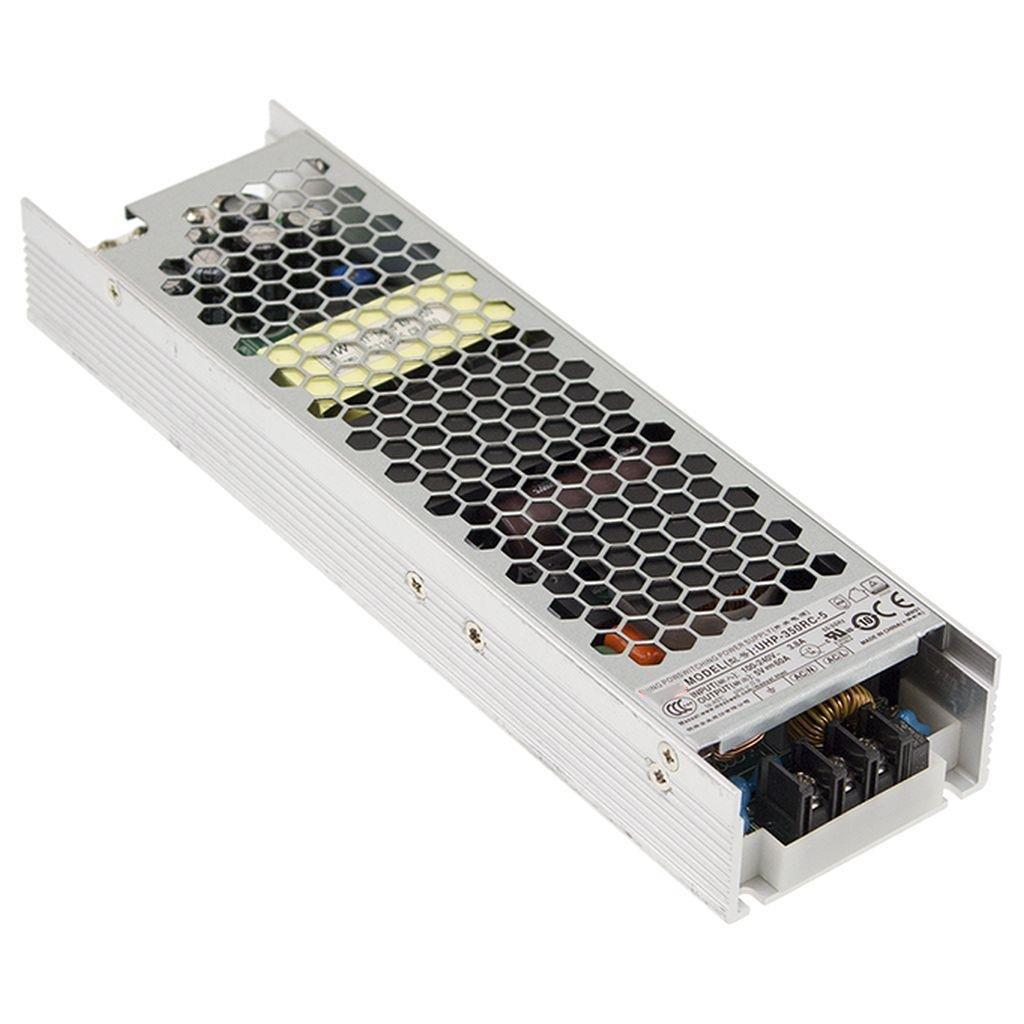
A Practical Comparison of Common Switching Power Supply Types
The easiest way to understand the differences between these power supplies is to compare where each one fits best in real applications.
| Power Supply Type | Typical Application | Main Advantage |
| AC-DC | Industrial equipment, control cabinets, LED systems | Converts mains AC to stable DC output |
| DC-DC | Embedded systems, vehicles, telecom systems | Converts one DC voltage to another |
| DIN Rail | Automation cabinets and PLC systems | Easy installation and maintenance |
| Enclosed | Industrial machinery and equipment | Higher power with flexible mounting |
Each type serves a different purpose, which is why choosing based on the actual application matters more than choosing based on appearance alone.
Why Efficiency Matters More Than Many Buyers Expect
Efficiency is one of the most important technical details in a switching power supply, but it is also one of the most overlooked during purchasing.
Two power supplies may offer the same output voltage and wattage, yet perform very differently in long-term operation.
A more efficient switching power supply wastes less energy during conversion. Less wasted energy means less heat. Less heat reduces stress on internal components and improves lifespan. It also lowers the cooling burden inside equipment cabinets or machine enclosures.
Over time, this affects not only energy consumption but also maintenance cost and equipment reliability.
A general comparison looks like this:
| Design Type | Typical Efficiency Range |
| Standard AC-DC Power Supply | 80–85% |
| Industrial Switching Power Supply | 88–92% |
| High-Efficiency LLC Design | 92–96% |
For industrial users running equipment continuously, higher efficiency usually means better long-term operating stability.
How to Choose the Right Switching Power Supply for Your Project
Selecting the right switching power supply begins with understanding the application itself.
First, consider the available input source. Is the system powered from AC mains, battery, solar, or an existing DC power bus?
Next, determine the output voltage and power requirement. Common outputs include 12V, 24V, and 48V, but actual requirements vary depending on the equipment being powered.
Then look at installation conditions. A compact control cabinet may require DIN rail mounting. A larger industrial machine may need an enclosed power supply mounted internally. Limited space, airflow conditions, and cable layout all influence the right choice.
Finally, consider the working environment. Temperature, humidity, dust, vibration, and continuous operating hours all affect performance over time. A power supply that works in a laboratory may not perform the same way on a production line running around the clock.
The best power supply is not simply the cheapest or highest wattage model. It is the one that matches the real demands of the system.
Why More Customers Choose SIPURUI
At SIPURUI, we design switching power supplies with real industrial applications in mind.
Customers come to us with many different requirements—automation control cabinets, LED power systems, industrial equipment, OEM product development, and custom power conversion projects—but they are usually looking for the same thing: dependable performance over the long term.
That means stable output voltage, efficient conversion, reliable protection design, thermal performance, and consistent quality across production.
Our switching power supply solutions are widely used across industrial and commercial applications where reliability is critical. Whether it is a DIN rail power supply for a control cabinet or an enclosed AC-DC unit for machinery integration, the goal remains the same: delivering stable power where the system needs it most.
Because in real-world applications, a power supply is never just another component.
It is the foundation that keeps everything running.

Final Thoughts
There is no single switching power supply that fits every project.
The right solution depends on how the system is powered, how much energy it needs, where the power supply will be installed, and what conditions it will operate under.
An industrial control cabinet may require a DIN rail AC-DC power supply. A machine tool may need an enclosed high-wattage unit. A telecom system may rely on DC-DC conversion inside the equipment architecture.
Each serves a different purpose. Each solves a different problem.
Understanding those differences early helps engineers design more reliable systems, helps buyers source more effectively, and helps manufacturers reduce failure risk over time.
If you are evaluating switching power supplies for a new project and need help finding the right solution, the SIPURUI team is ready to support your application with practical recommendations based on voltage, installation, power requirements, and long-term performance expectations.