
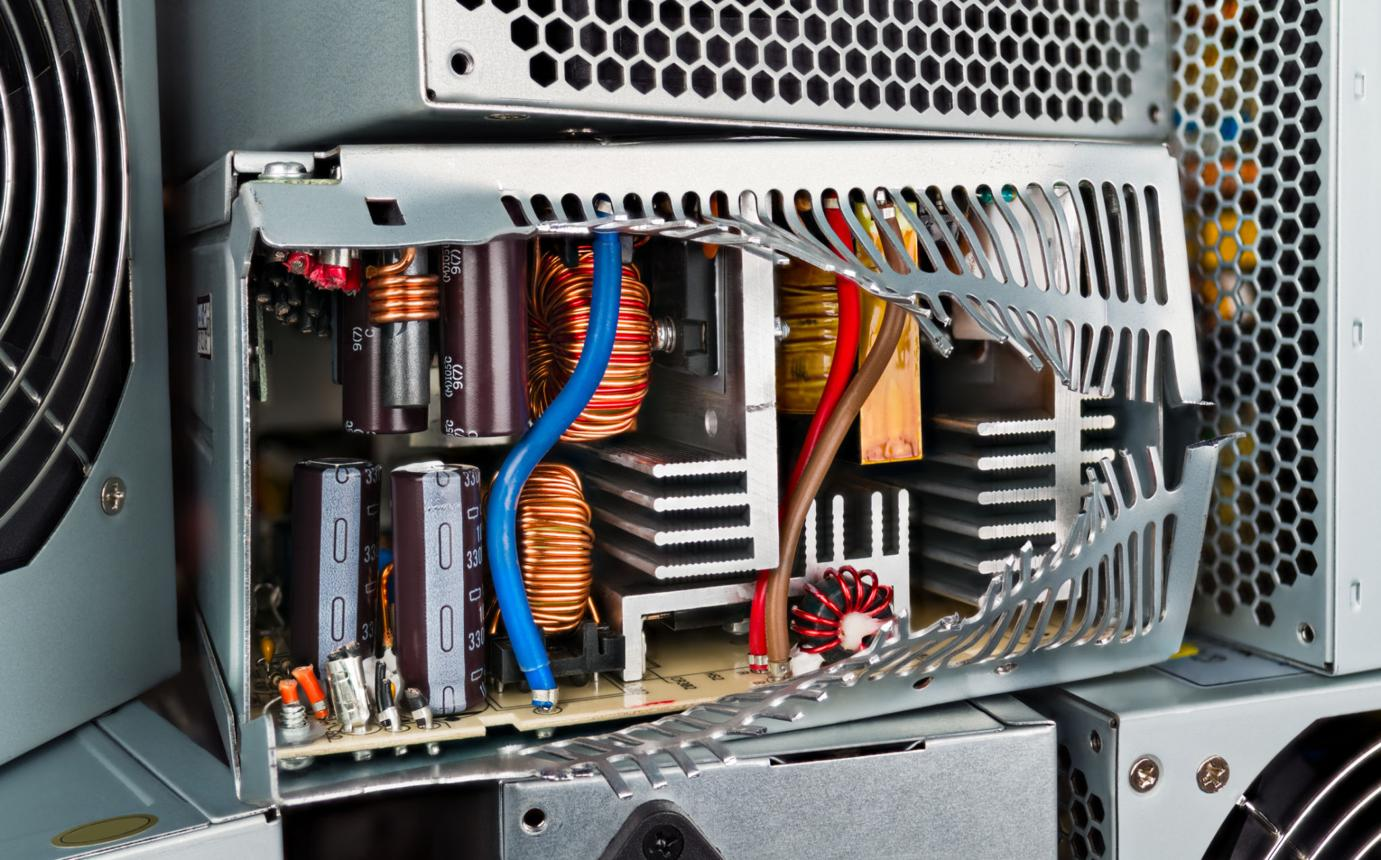
When engineers discuss the reliability of a switching power supply, most conversations focus on efficiency, output stability, thermal management, or EMC performance. However, one critical factor is often overlooked during system design: inrush current. Although it lasts only for a very short period of time, inrush current can significantly affect the lifespan, safety, and startup reliability of an entire power system.
In industrial automation, LED display systems, communication equipment, medical devices, and CNC machinery, the startup process of a switching power supply is far more demanding than many people realize. The moment AC power is applied, the power supply may instantly draw a current many times higher than its rated operating current. This sudden electrical stress can trip breakers, damage components, shorten capacitor life, or even cause complete startup failure in poorly designed systems.

For power engineers, OEM buyers, and industrial equipment manufacturers, understanding inrush current is essential when selecting a reliable switching power supply. In this article, we will explain what inrush current is, why it occurs, what risks it creates inside modern SMPS designs, and how professional power supply manufacturers such as SIPURUI optimize their products to reduce startup stress and improve long-term reliability.
What Exactly Is Inrush Current?
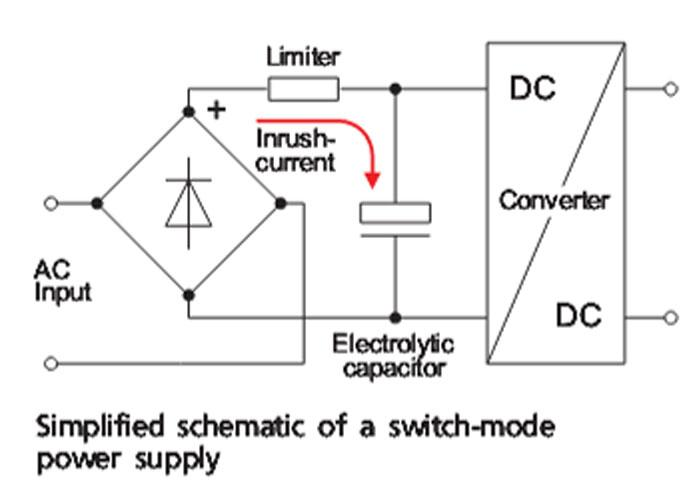
Inrush current refers to the extremely high instantaneous current drawn by a switching power supply immediately after the AC input is turned on. Under normal operating conditions, a power supply may consume only a few amps of input current. However, during the first few milliseconds after startup, the current can rise to several times its steady-state value.
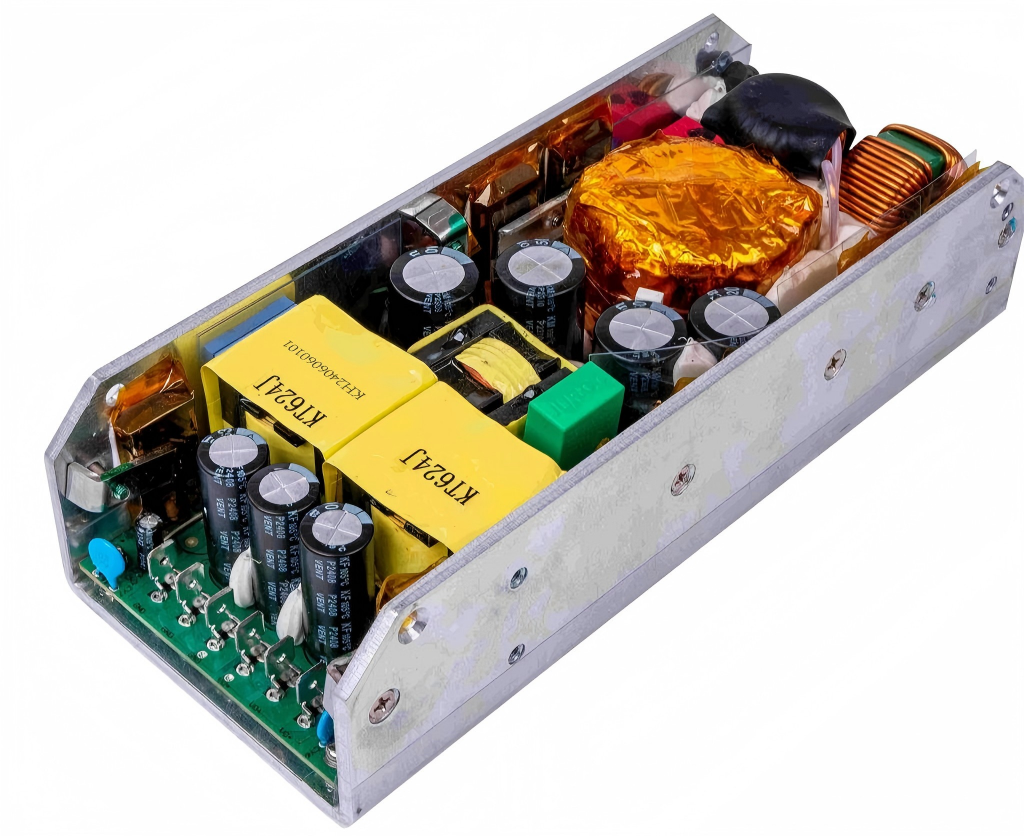
This phenomenon is completely normal in AC-DC switching power supplies because large electrolytic capacitors inside the power supply need to charge rapidly when input power is first applied. At the moment of startup, these capacitors initially have zero voltage across them, meaning they temporarily behave almost like a short circuit. As a result, the charging current becomes extremely large until the capacitor voltage rises and the system reaches stable operation.
This equation shows that larger capacitance and faster voltage rise directly increase startup current. That is why higher-power switching power supplies usually experience much stronger inrush current than lower-power models.
In practical industrial applications, inrush current typically lasts from several microseconds to a few milliseconds. Even though the duration is short, the electrical and thermal stress during this moment can be extremely severe.
Why Does Inrush Current Become a Serious Problem in Modern SMPS Designs?
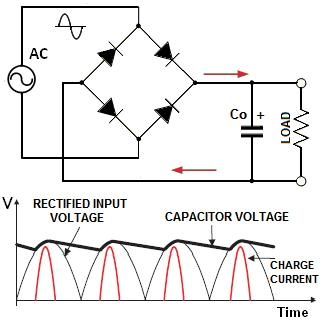
As switching power supplies continue evolving toward higher power density and higher efficiency, the importance of inrush current management has increased dramatically. Modern industrial power supplies often contain larger bulk capacitors to improve hold-up time, reduce ripple voltage, and stabilize output performance. While these capacitors improve operational quality, they also increase startup charging demand.
The situation becomes even more complicated in high-power industrial systems where multiple switching power supplies start simultaneously. In a factory automation cabinet, for example, several 350W or 500W power supplies may be connected to the same AC input line. Even if each unit individually produces a moderate startup surge, the combined inrush current can become extremely high.
The following table shows a simplified comparison of startup behavior in different SMPS power ranges:
| Power Supply Rating | Typical Inrush Current | Typical Bulk Capacitor |
| 50W SMPS | 10A – 20A | 47μF – 100μF |
| 150W SMPS | 20A – 40A | 220μF – 330μF |
| 500W SMPS | 40A – 80A | 470μF – 820μF |
| 1000W Industrial PSU | 80A – 150A+ | 1000μF or higher |
Another important factor is the AC input phase angle at startup. If the switching power supply is turned on exactly near the peak of the AC sine wave, the capacitor charging current becomes significantly larger. For example, a 230VAC input has a peak voltage of approximately 325V. If startup occurs near this peak, the charging surge can become extremely aggressive.
This explains why some industrial systems experience occasional breaker trips during startup even though the total running current remains well within safe limits.
What Problems Can Inrush Current Cause Inside a Power System?
Although inrush current lasts only a short time, its impact on electrical components can be substantial over long-term operation. Repeated exposure to high surge current creates thermal fatigue and electrical stress throughout the power system.
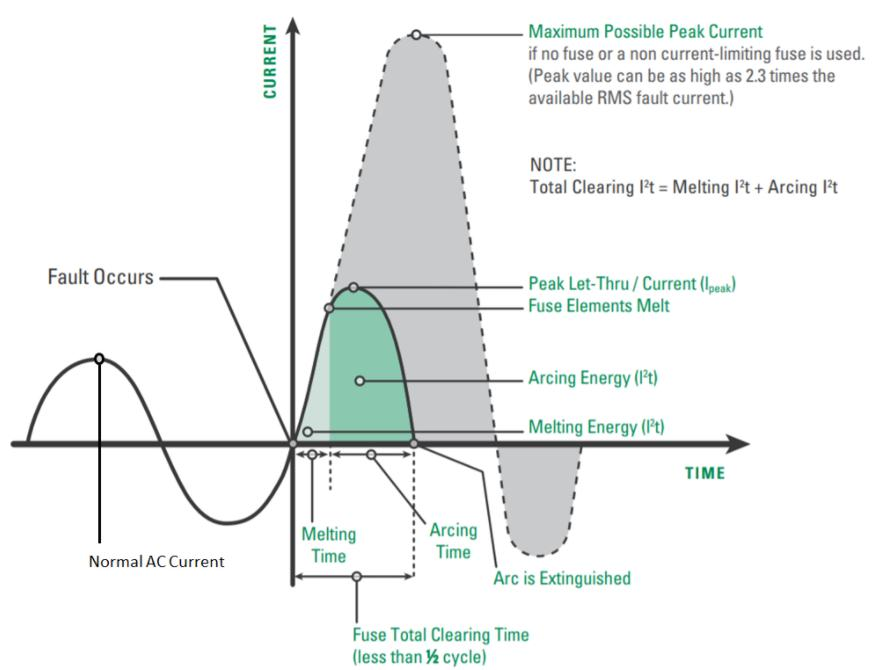
One of the most common problems is fuse failure. Standard fuses may tolerate normal operating current perfectly but repeatedly fail during startup because the instantaneous surge exceeds their allowable I²t rating. In many industrial environments, nuisance fuse blowing is one of the earliest signs that inrush current suppression is inadequate.
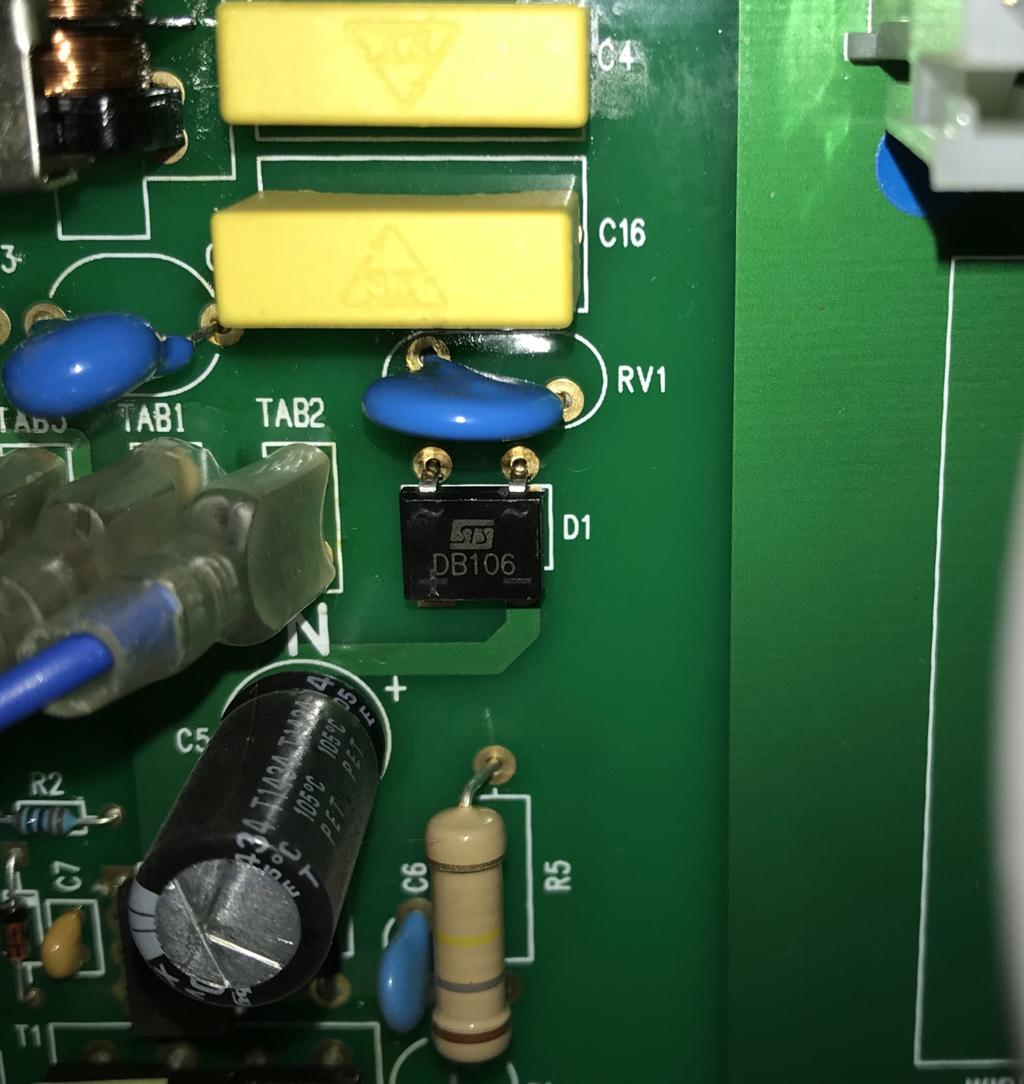
Another vulnerable component is the bridge rectifier. During startup, the rectifier must handle the full capacitor charging current. Repeated surge stress increases junction temperature and accelerates aging inside the semiconductor structure. Over time, this can reduce reliability and increase the probability of rectifier failure.
Circuit breakers and protection switches are also heavily affected by inrush current. In large LED installations, industrial automation systems, and communication cabinets, simultaneous startup of multiple power supplies may instantly exceed the breaker’s magnetic trip threshold, causing unnecessary shutdowns.
Electrolytic capacitors themselves also suffer from repeated startup stress. Every surge event generates internal heating and ripple stress, gradually increasing ESR and reducing operational lifespan. This is particularly important in high-temperature industrial environments where capacitor aging is already accelerated.
How Do Professional Switching Power Supplies Control Inrush Current?
Modern switching power supplies use several methods to reduce startup stress and improve system reliability. The most common solution is the NTC thermistor.
An NTC thermistor is a negative temperature coefficient resistor whose resistance decreases as temperature rises. At room temperature, the thermistor provides relatively high resistance, which helps limit the initial surge current during startup. Once the power supply begins operating normally, current flowing through the thermistor heats it up, causing its resistance to drop significantly and minimizing power loss during steady-state operation.
Because of its low cost and simple implementation, the NTC method remains widely used in industrial SMPS designs.
| NTC Model | Cold Resistance | Typical Application |
| 5D-9 | 5Ω | Small AC-DC power supplies |
| 10D-11 | 10Ω | Medium-power industrial SMPS |
| 20D-15 | 20Ω | High-power switching power supplies |
However, NTC thermistors are not perfect. One of their biggest limitations is poor protection during rapid restart conditions. If the power supply is turned off and back on quickly, the thermistor may still be hot and therefore have very low resistance. In this situation, startup protection becomes much weaker.
For higher-end industrial power supplies, relay-based soft-start circuits are often used instead. In these systems, startup current initially flows through a limiting resistor. After a short delay, a relay bypasses the resistor and allows full normal operation. This approach significantly improves efficiency while maintaining excellent startup protection.
Some advanced switching power supplies also use active inrush current control based on MOSFETs or digital control systems. These designs can precisely regulate startup current and are increasingly common in telecom infrastructure, server power systems, medical equipment, and high-power industrial automation platforms.
How Does SIPURUI Optimize Inrush Current Performance?
In industrial environments, startup reliability is just as important as output stability. SIPURUI switching power supplies are designed with careful attention to inrush current suppression in order to improve long-term durability and system compatibility.
Instead of simply maximizing capacitor size, SIPURUI engineers optimize the balance between hold-up time, ripple suppression, startup current, and efficiency. High surge-tolerant bridge rectifiers are selected to withstand repeated startup cycles, especially in demanding industrial applications where frequent power cycling may occur.
Selected SIPURUI industrial power supply series also integrate optimized soft-start structures to reduce stress on upstream breakers, AC switches, relays, and protection devices. This helps improve overall system stability in applications such as CNC machinery, factory automation, industrial control cabinets, LED display systems, and communication equipment.
The following table summarizes several common startup optimization approaches used in industrial SMPS design:
| Inrush Suppression Method | Cost | Efficiency | Reliability | Suitable Power Range |
| NTC Thermistor | Low | Medium | Good | Low to Medium Power |
| Relay Soft Start | Medium | High | Very Good | Medium to High Power |
| Active MOSFET Limiting | High | Very High | Excellent | High-End Industrial PSU |
Why Is Inrush Current Becoming More Important in Modern Electronics?
As industrial systems continue moving toward higher efficiency and higher power density, startup current management becomes increasingly critical. New-generation switching power supplies using GaN devices and advanced PFC topologies can switch faster and operate more efficiently, but they also introduce new startup control challenges.
At the same time, modern factories increasingly deploy centralized power systems with large numbers of power supplies operating together. Without proper inrush management, even a highly efficient power supply may still create severe infrastructure problems during startup.
This is why professional industrial SMPS manufacturers now focus heavily on startup behavior during product development and testing. In many cases, startup reliability testing includes hot restart conditions, low-voltage startup testing, simultaneous startup testing, and full-load surge evaluation.

Final Thoughts
Inrush current is a short-duration phenomenon, but its influence on switching power supply reliability is enormous. Poor startup control can lead to fuse failures, rectifier damage, breaker trips, capacitor aging, and unstable system behavior.
As switching power supplies continue evolving toward higher power density and industrial complexity, proper inrush suppression is no longer optional. It has become a critical part of modern SMPS engineering.
Professional power supply manufacturers such as SIPURUI address this challenge through optimized capacitor design, industrial soft-start circuits, high surge-tolerant components, and carefully engineered startup architectures. These improvements help ensure stable operation, reduce electrical stress, and improve long-term reliability in demanding industrial environments.
For engineers and OEM buyers selecting industrial switching power supplies, understanding inrush current is an important step toward building safer, more reliable, and more durable power systems.