
In modern industrial and medical systems, power supply design is no longer just about delivering voltage—it is about flexibility, reliability, and long-term scalability. This is where modular power supplies stand out.
But with so many options on the market, a key question remains: what is the best modular power supply for your specific application? Should you choose a compact fanless unit, or a high-power configurable system? And how do you ensure your choice remains future-proof?
This guide takes a practical, engineering-focused look at modular power supplies, with a deep dive into real product series such as MEAN WELL UMP and NMP. Whether you are designing a new system or upgrading an existing one, this article will help you make a confident and technically sound decision.
Why Are Modular Power Supplies Becoming the Industry Standard?
Traditional power supplies were designed for fixed requirements. However, modern applications—from industrial automation to medical imaging—are rarely static. Systems evolve, loads change, and new components are added over time.
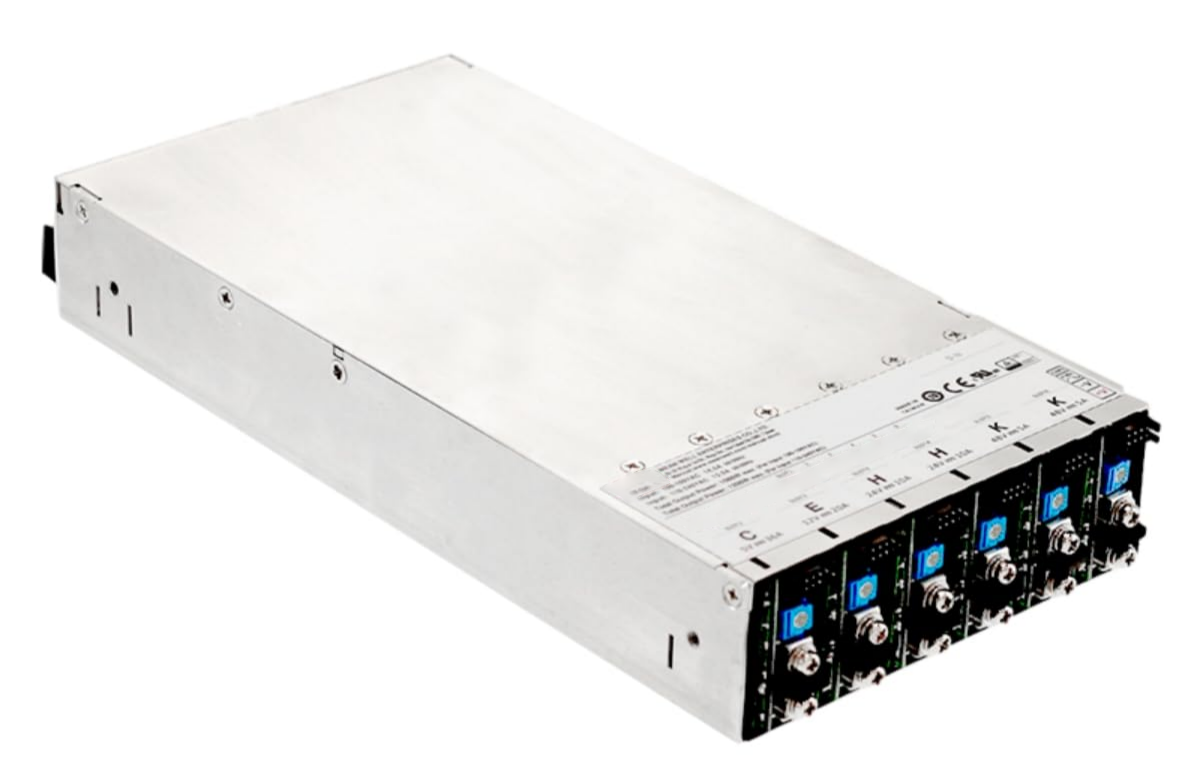
A modular power supply solves this problem by allowing multiple output modules to be installed within a single chassis. Each module can provide a different voltage or current, enabling engineers to build a customized power architecture without redesigning the entire system.
This flexibility is not just convenient—it directly impacts cost and uptime. Instead of replacing a full power unit when requirements change, you can simply add or swap modules. In high-value industrial environments, this translates into reduced downtime, lower maintenance costs, and improved operational efficiency.
How Does a Modular PSU Actually Work?
At a structural level, a modular power supply consists of a mainframe (chassis) that distributes AC input power to multiple slots. Each slot can host a power module that converts energy into a specific DC output.
This architecture allows engineers to combine outputs such as:
·5V for control circuits
·12V for logic systems
·24V or 48V for industrial actuators
All within a single compact unit.
The real advantage becomes clear when systems need to scale. Instead of installing multiple standalone power supplies, a modular PSU consolidates everything into one integrated platform, improving efficiency and simplifying wiring.
What Should You Really Look for in a Modular Power Supply?
Choosing the right modular PSU requires more than comparing wattage numbers. A well-informed decision considers electrical performance, environmental conditions, and long-term system strategy.
The table below summarizes the most critical selection factors:
Key Selection Criteria for Modular Power Supplies
| Parameter | What to Evaluate | Why It Matters |
| Total Power (W) | 400W / 650W / 1200W+ | Determines system capacity |
| Output Range | 3V–55V typical | Supports multiple applications |
| Module Slots | 3–6 slots | Defines scalability |
| Cooling Type | Fanless / Fan-cooled | Impacts noise and reliability |
| Certifications | ITE, 2xMOPP | Required for compliance |
| Protection Features | OVP, OCP, OTP, SCP | Ensures safety |
A common mistake is to size the PSU only for current needs. A better approach is to consider future expansion from the start. Modular systems are specifically designed to grow, so leaving headroom is both practical and cost-effective.
How Important Are Safety Standards and Certifications?
In many industries, especially medical and industrial automation, compliance is not optional—it is mandatory.
For example, ITE 62368-1 ensures safety for information technology equipment, while 2xMOPP (Means of Patient Protection) is essential for medical devices. These certifications guarantee electrical isolation, leakage current limits, and fault protection.
Beyond certifications, built-in protection mechanisms are equally critical. A high-quality modular PSU should include over-voltage protection, over-current protection, short circuit protection, and thermal shutdown. These features not only protect the power supply itself but also prevent damage to expensive downstream equipment.
Which Modular Power Supply Series Are Leading in 2026?
When discussing reliable modular PSUs, MEAN WELL remains one of the most recognized manufacturers globally. Their UMP and NMP series are widely used due to their balance of performance, availability, and certification compliance.
Let’s take a closer look at these product lines.
Is the UMP-400 Series the Best Choice for Compact Systems?
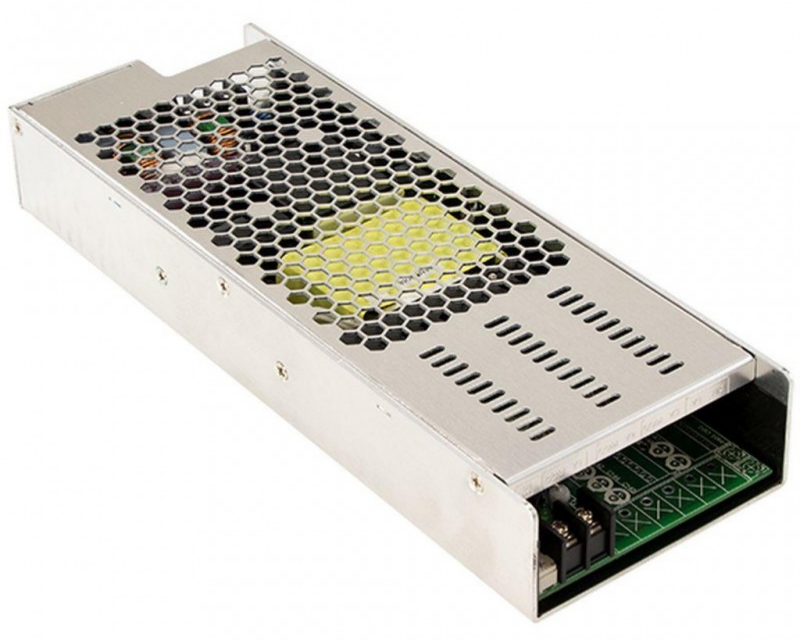
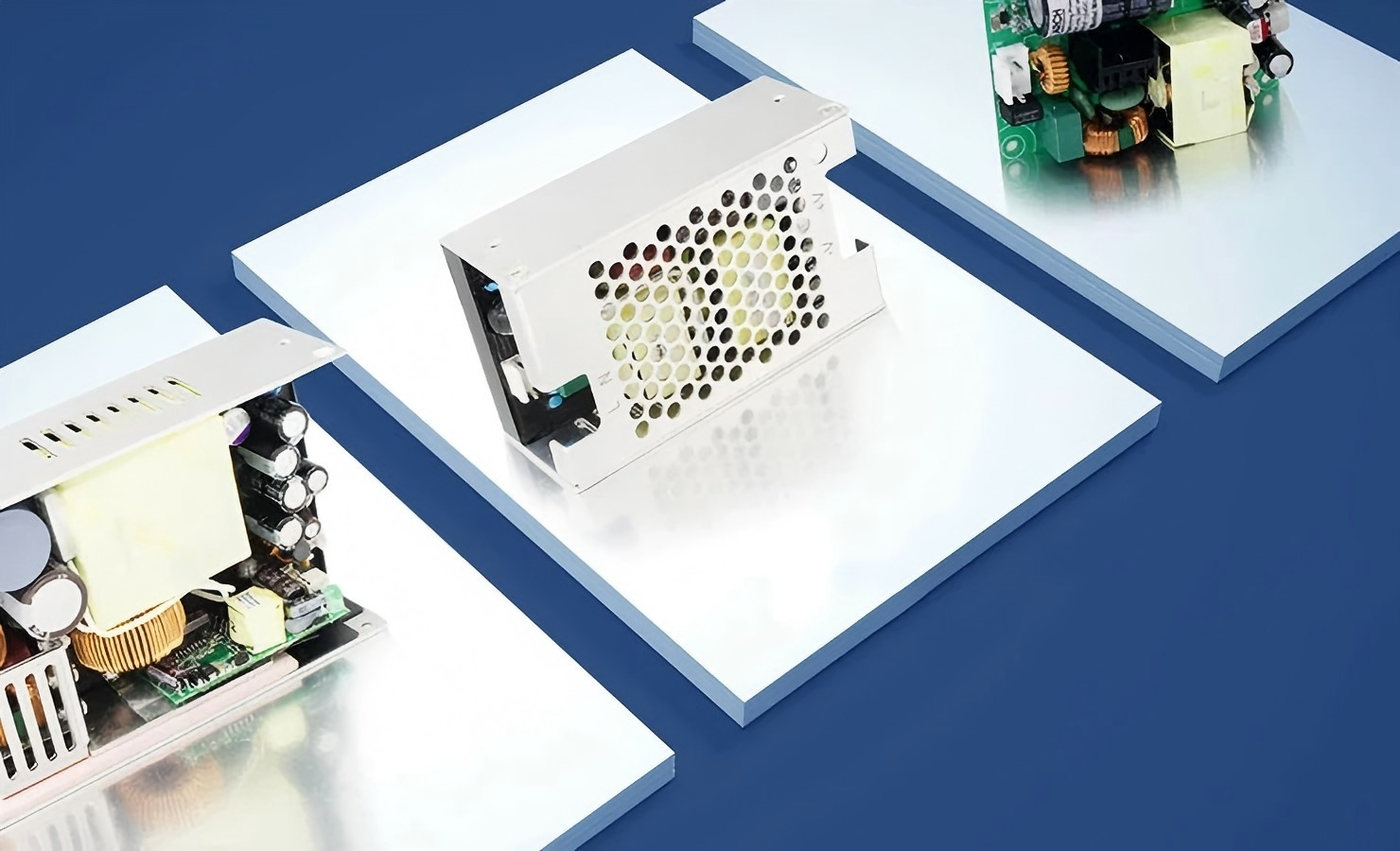
The UMP-400 series is designed for applications where space, noise, and reliability are critical factors. With a 1U low-profile design and fanless cooling, it is particularly suitable for medical environments and laboratory equipment.
It provides up to 400W of total power and supports multiple output modules, allowing flexible configuration within a compact footprint. The absence of a fan reduces dust ingress and mechanical wear, which improves long-term reliability.
UMP-400 Series Specifications
| Model | Output Voltage | Power | Cooling | Certification |
| UMP-400-24 | 24V | 400W | Fanless | ITE + 2xMOPP |
| UMP-400-48 | 48V | 400W | Fanless | ITE + 2xMOPP |
This series is best suited for systems where silent operation and minimal maintenance are priorities.
Do You Need More Power and Flexibility? Consider the NMP Series
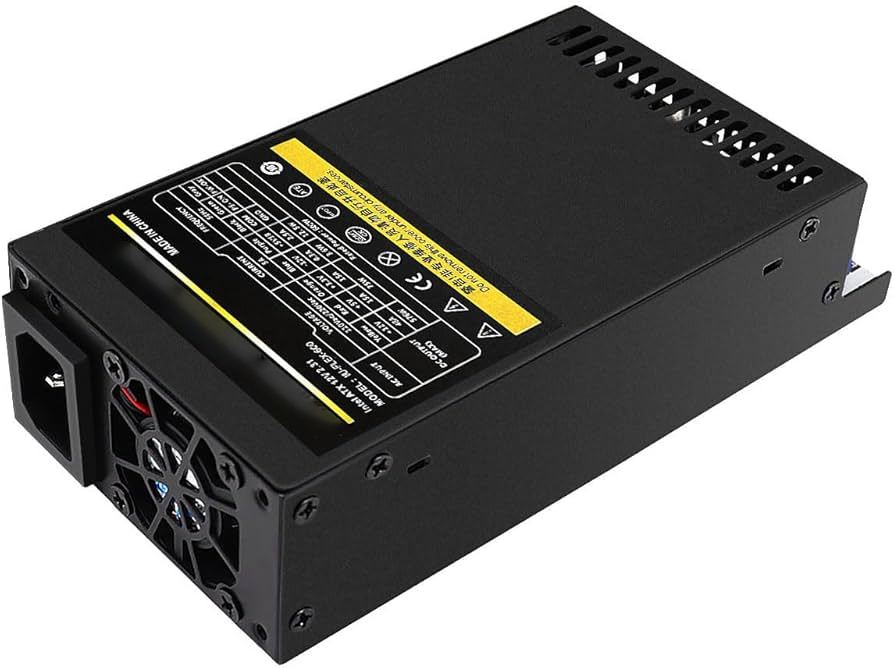
For applications that require higher power and more complex configurations, the NMP series offers a scalable solution.
The NMP650 provides up to 650W, while the NMP1K2 extends capacity to 1200W. Both models support a wide output range from 3V to 55V and allow multiple modules to be installed simultaneously.
Unlike the UMP series, NMP units use intelligent fan cooling to manage higher thermal loads, ensuring stable operation under demanding conditions.
NMP Series Comparison
| Model | Max Power | Output Range | Module Slots | Cooling |
| NMP650 | 650W | 3–55V | Up to 4 | Fan |
| NMP1K2 | 1200W | 3–55V | Up to 6 | Fan |
These models are ideal for industrial automation systems, semiconductor equipment, and high-performance testing platforms.
When Should You Choose a Custom Modular Power Supply?
Even with versatile product lines, standard configurations may not always meet specific requirements. This raises an important question: when does it make sense to go custom?
Custom modular solutions are typically required when:
·Multiple unique voltage rails are needed
·Mechanical space constraints are strict
·Industry-specific compliance is required
·System integration must be optimized
A custom-designed PSU ensures that both electrical and mechanical aspects are aligned with your application. This can improve efficiency, reduce system complexity, and ensure compliance with evolving industry standards.
What Are the Long-Term Benefits of Modular Power Design?
The true value of modular power supplies becomes evident over time. While the initial investment may be higher than fixed-output units, the long-term benefits are substantial.
A modular system reduces the need for complete replacements, lowers maintenance costs, and improves system uptime. It also allows for gradual upgrades, which is particularly important in industries where technology evolves rapidly.
From an engineering perspective, modular PSUs also simplify system design. Instead of managing multiple discrete power supplies, engineers can work with a unified platform, reducing wiring complexity and improving reliability.

Final Thoughts: Which Modular Power Supply Should You Choose?
So, what is the best modular power supply?
The answer depends entirely on your application.
If your priority is compact size and silent operation, the UMP-400 series is a strong choice. If you require higher power and greater flexibility, the NMP650 or NMP1K2 provides a scalable solution.
Ultimately, the best modular PSU is one that aligns with your system’s electrical requirements, environmental conditions, and future expansion plans. By carefully evaluating these factors, you can select a power solution that not only meets today’s needs but also supports tomorrow’s growth.