
Why Do Some Power Supplies Fail Within a Year While Others Run Reliably for Over a Decade?
In modern industrial equipment, switching power supplies are everywhere. From factory automation systems and communication infrastructure to medical devices, LED lighting, and renewable energy applications, almost every electronic system depends on a stable and reliable power source. Yet despite their importance, many users still focus only on voltage and wattage specifications when selecting a power supply, while ignoring the factor that matters most over the long term: reliability.
A common question asked by engineers and equipment manufacturers is simple:
How long will a switching power supply actually last?
The truth is that there is no universal answer. Unlike mechanical parts that often have predictable wear cycles, the lifespan of a switching power supply depends on a combination of thermal conditions, component quality, electrical stress, manufacturing consistency, and operating environment. Two power supplies with identical specifications on paper may perform completely differently after several years of real-world operation.
This is why industrial-grade switching power supplies are designed very differently from low-cost consumer products. Reliability is not determined by one single component or one isolated design decision. It is the result of an entire engineering system working together.
Why Is Power Supply Lifespan So Difficult to Predict?
In the power electronics industry, lifespan is usually evaluated using MTBF, or Mean Time Between Failures. MTBF is a statistical estimate that predicts the average operational time before failure under defined conditions. However, MTBF should never be interpreted as a guaranteed service life.
Real-world operating conditions are often much harsher than laboratory conditions. Ambient temperature fluctuations, unstable input voltage, dust accumulation, poor ventilation, humidity, vibration, and overload conditions can all accelerate aging inside a switching power supply. This explains why some power supplies continue operating for ten years without issue, while others fail after only several months.
The challenge becomes even greater in industrial environments where power supplies are expected to operate continuously, sometimes 24 hours a day, under elevated temperatures and unstable electrical conditions. Under these circumstances, even small weaknesses in design or manufacturing can eventually become critical failures.
What Actually Determines the Lifespan of a Switching Power Supply?
Many people assume that power supply lifespan is determined by only one or two major components, such as capacitors. While capacitors are extremely important, the reality is far more complex. The lifespan of a switching power supply is influenced by the interaction of multiple factors working together throughout the entire product lifecycle.
The most important factors include component quality, thermal management, circuit topology, PCB layout, manufacturing process, and electrical protection capability. Among all of these factors, temperature is generally considered the single largest contributor to long-term reliability problems.
| Key Reliability Factor | Influence on Lifespan | Typical Risks |
| Component Quality | Very High | Premature aging |
| Thermal Design | Critical | Heat accumulation |
| Manufacturing Process | High | Hidden assembly defects |
| Electrical Protection | High | Surge and overload damage |
| PCB Layout | Medium to High | Noise and thermal stress |
When evaluating industrial power supplies, experienced engineers often focus less on the advertised specifications and more on how conservatively the product has been designed. A power supply that operates components close to their maximum ratings may achieve lower cost, but it also dramatically increases long-term failure risk.
Why Is Heat the Biggest Enemy of Power Supplies?
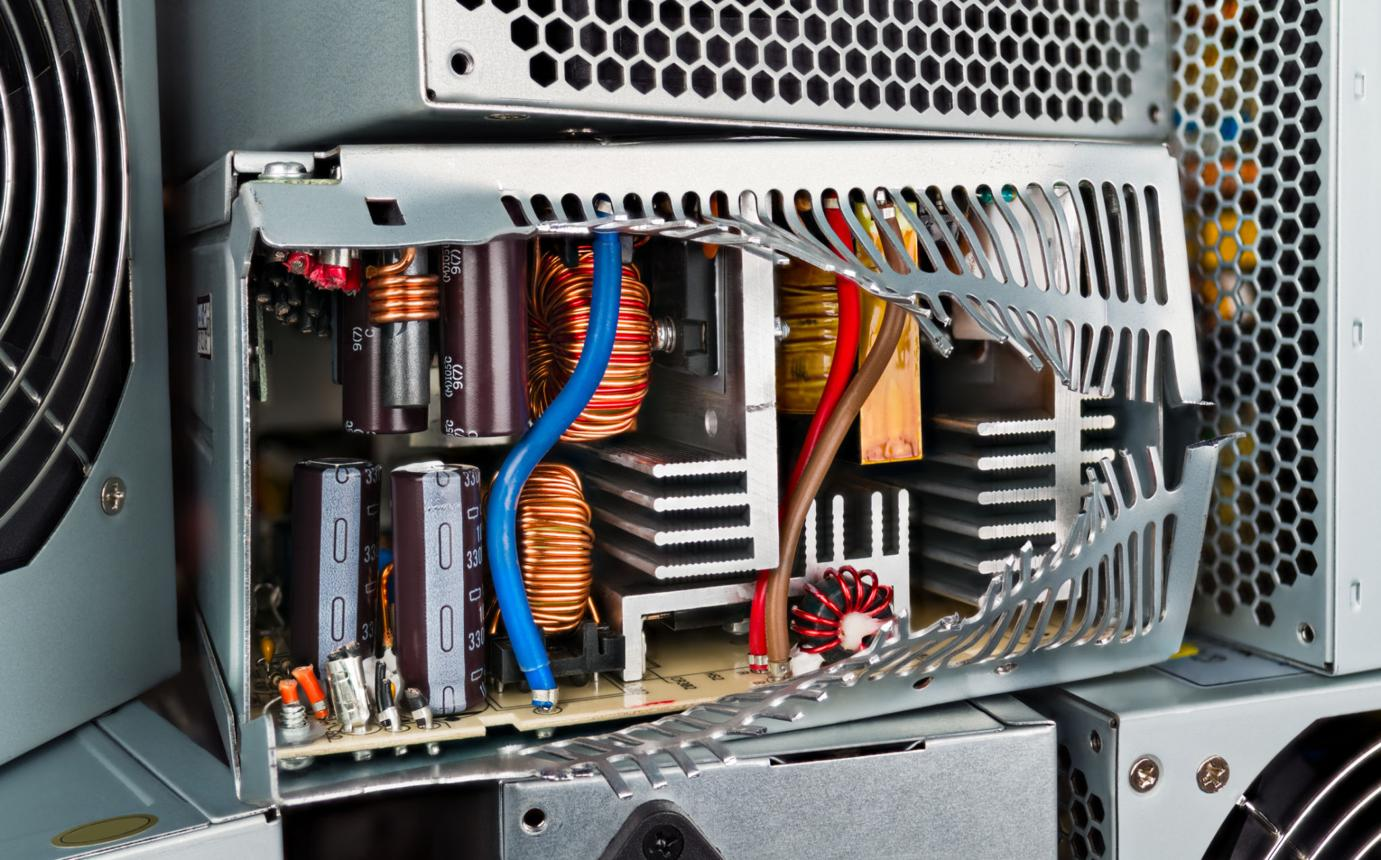
Heat is one of the primary reasons electronic systems age over time. Every critical component inside a switching power supply — including capacitors, MOSFETs, transformers, optocouplers, and rectifiers — becomes less reliable as operating temperature increases.
In power electronics engineering, there is a widely accepted reliability principle based on the Arrhenius aging model:
For many electronic components, every 10°C increase in operating temperature can reduce expected lifespan by nearly half.
This is particularly important for enclosed industrial systems where airflow is limited. A power supply operating continuously inside a sealed control cabinet may experience significantly higher internal temperatures than its ambient environment suggests.
As internal temperature rises, several degradation processes accelerate simultaneously. Electrolytes inside capacitors evaporate faster. Semiconductor junction temperatures increase. Magnetic materials lose efficiency. Solder joints experience repeated thermal expansion and contraction cycles. Over time, these cumulative effects reduce reliability and eventually cause failure.
This is why thermal design is one of the most important indicators of power supply quality.
Typical Capacitor Lifetime at Different Temperatures
| Operating Temperature | Estimated Lifetime |
| 65°C | 80,000+ hours |
| 85°C | 20,000–40,000 hours |
| 105°C | 5,000–10,000 hours |
| 125°C | Rapid degradation |
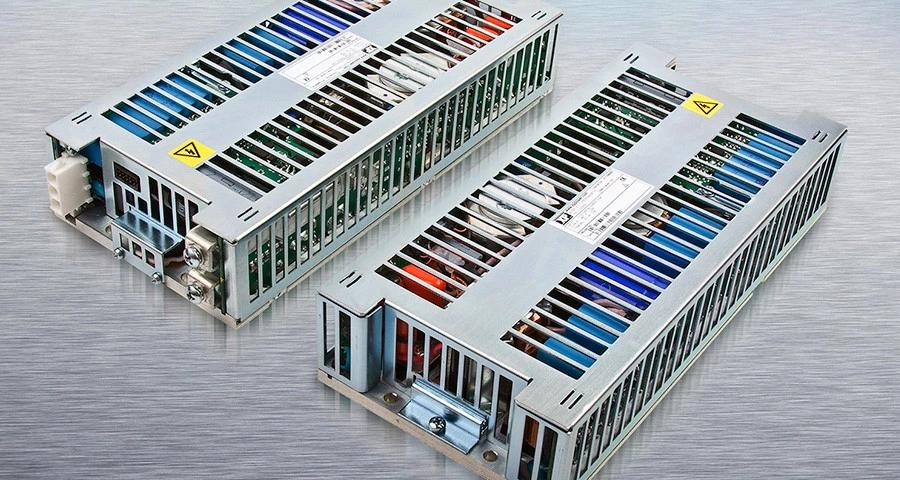
For this reason, high-reliability industrial switching power supplies prioritize efficient thermal paths, optimized airflow, lower switching losses, and intelligent component placement. Thermal management is not simply about adding larger heatsinks. It is about reducing heat generation throughout the entire system.
Are Capacitors Still the Most Important Reliability Component?
Among all components inside a switching power supply, electrolytic capacitors are still considered one of the most lifespan-sensitive devices, especially in AC-DC conversion systems.
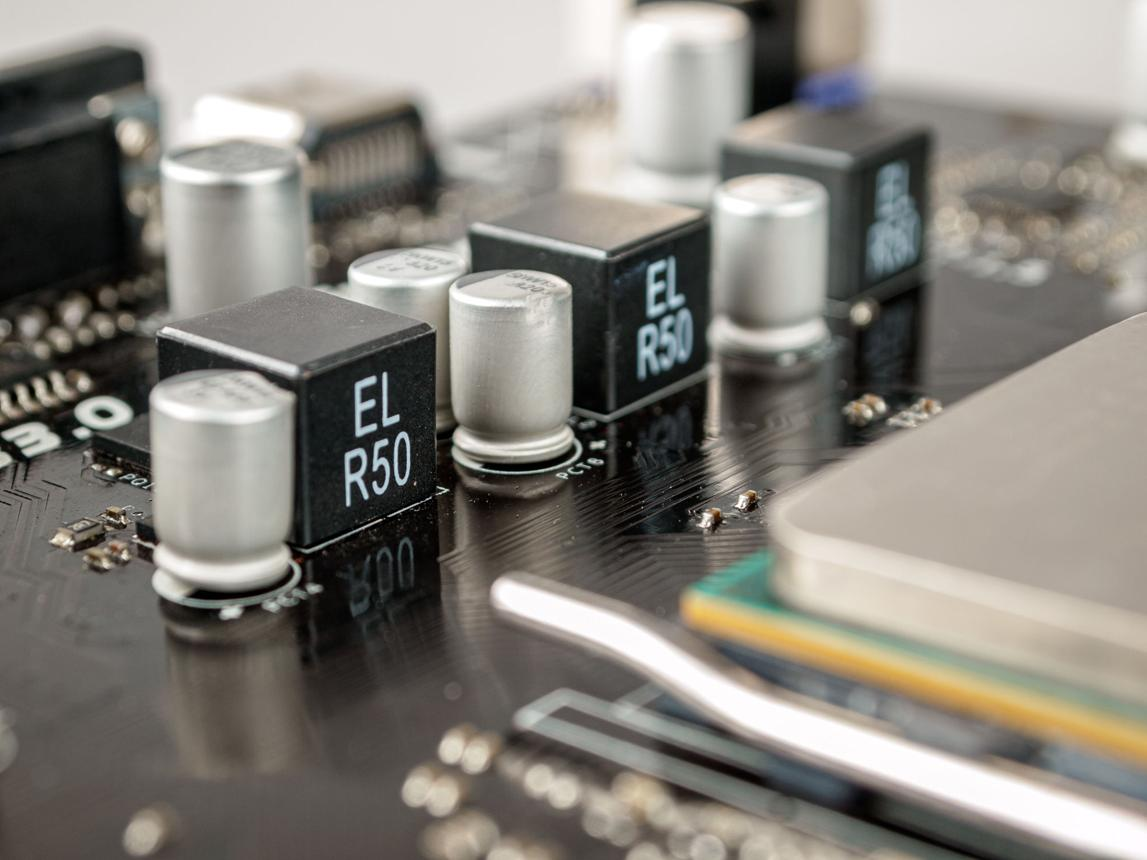
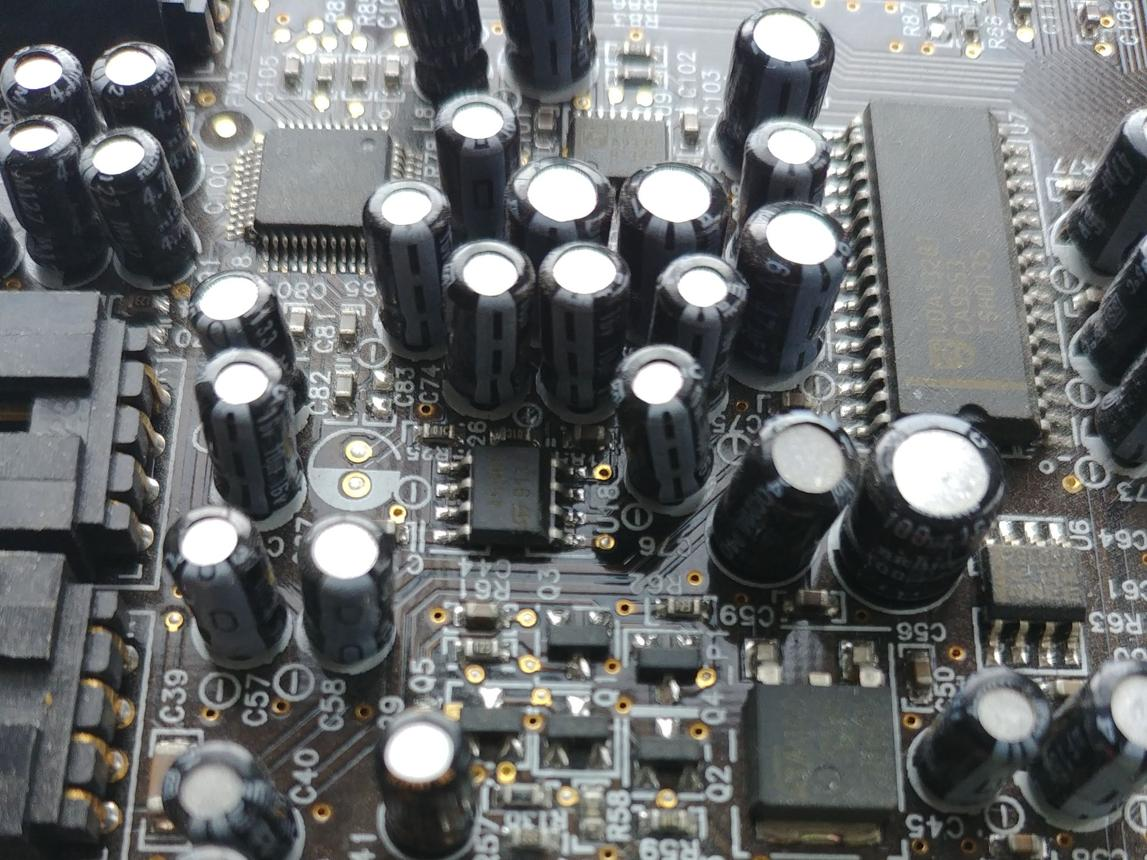
Electrolytic capacitors perform several essential functions, including input filtering, energy storage, ripple suppression, and output stabilization. However, they are also highly vulnerable to heat and ripple current stress.
As the electrolyte gradually evaporates over time, capacitance decreases while ESR (Equivalent Series Resistance) increases. This process can eventually lead to excessive ripple voltage, unstable startup behavior, reduced efficiency, or complete system failure.
Low-cost power supplies often use general-purpose capacitors rated for lower temperatures and shorter service life. In contrast, industrial-grade power supplies use long-life capacitors specifically designed for continuous high-temperature operation.
| Capacitor Grade | Typical Lifetime | Application |
| Consumer Grade | 2,000 hrs | Consumer electronics |
| Industrial Grade | 5,000–10,000 hrs | Factory automation |
| Long-Life Industrial | 10,000+ hrs | Critical industrial systems |
| Automotive Grade | 15,000+ hrs | Harsh environments |
SIPURUI industrial switching power supplies utilize high-temperature, long-life capacitors selected specifically for industrial operating conditions where long-term reliability is essential.
Why Do MOSFETs and Transformers Fail Over Time?
Beyond capacitors, switching devices and magnetic components also play a major role in determining power supply lifespan.
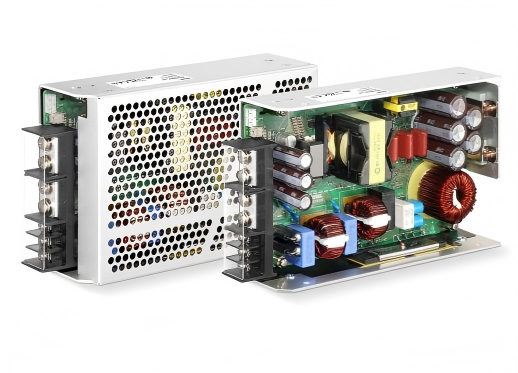
MOSFETs are continuously subjected to high-frequency switching stress, voltage spikes, and thermal cycling. If a MOSFET operates too close to its electrical limits, junction temperature increases significantly, accelerating degradation and increasing the risk of catastrophic failure.
Similarly, high-frequency transformers experience both copper loss and core loss during operation. Poor transformer design can lead to excessive internal temperature rise, insulation aging, winding damage, and magnetic instability over time.
These issues are especially common in low-cost power supplies where component margin is minimized to reduce manufacturing cost.
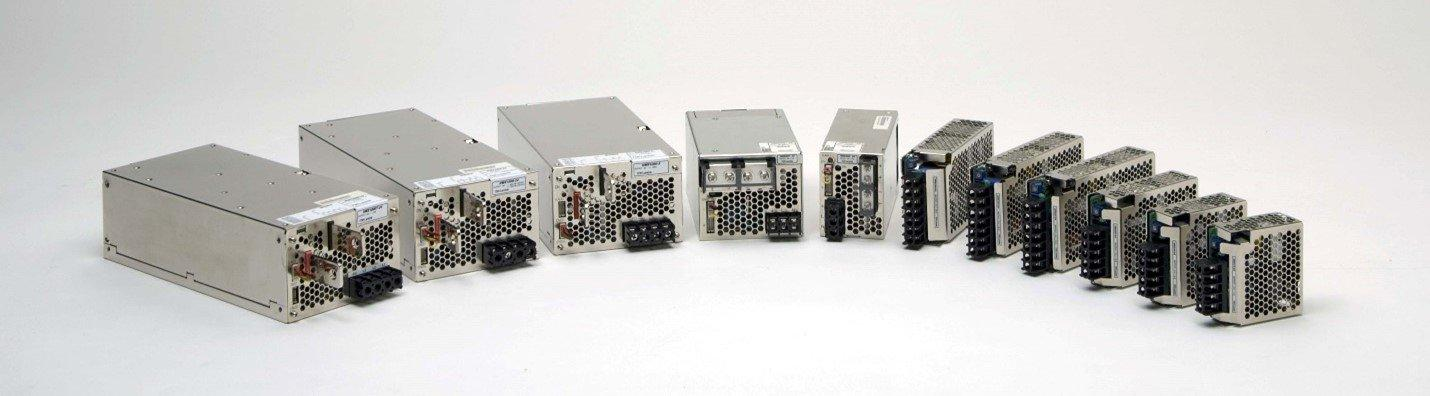
High-reliability industrial power supplies instead emphasize conservative design principles. SIPURUI power supplies, for example, are designed with sufficient electrical and thermal margin to ensure stable operation even under continuous full-load conditions.
Can Manufacturing Quality Affect Lifespan?
Absolutely.
Even an excellent electrical design can fail prematurely if manufacturing quality is inconsistent. In fact, many field failures originate not from the schematic itself, but from hidden assembly defects introduced during production.
Common manufacturing-related reliability problems include:
- Cold solder joints
- Poor reflow profiles
- Voids inside solder connections
- PCB contamination
- Insufficient insulation spacing
- Weak transformer winding consistency
These issues may not be visible during initial testing, but can gradually develop into failures after months of operation in the field.
For industrial-grade switching power supplies, manufacturing consistency is just as important as circuit design itself.
To improve long-term reliability, SIPURUI applies strict manufacturing controls including automated SMT assembly, AOI inspection, burn-in testing, thermal validation, and high-voltage isolation testing to ensure product consistency across large-scale production.
Why Do Industrial Switching Power Supplies Last Longer?
Industrial switching power supplies are fundamentally different from consumer-grade products because they are designed for entirely different operating expectations.
Consumer electronics are often designed around cost optimization and relatively short replacement cycles. Industrial equipment, however, may operate continuously for many years with minimal maintenance access. Downtime in industrial systems can lead to substantial financial losses, making reliability far more valuable than initial purchase price.
As a result, industrial power supplies typically include:
| Feature | Consumer PSU | Industrial PSU |
| Operating Temperature | 0–40°C | -40°C to +85°C |
| Capacitor Grade | Standard | Long-life industrial |
| Protection Circuits | Basic | Advanced |
| Surge Immunity | Limited | Enhanced |
| Reliability Testing | Minimal | Extensive |
| Expected Service Life | 1–3 years | 5–15 years |
This difference explains why industrial buyers increasingly prioritize long-term operational stability rather than selecting the cheapest available solution.
How Does SIPURUI Improve Long-Term Reliability?
At SIPURUI, reliability is approached as a complete engineering system rather than a single performance specification.
From component selection to thermal optimization and manufacturing control, every stage of development focuses on improving long-term operational stability.
SIPURUI switching power supplies utilize industrial-grade components with enhanced thermal tolerance and electrical margin. PCB layouts are optimized to reduce heat concentration and electrical noise. Protective functions including over-voltage protection, over-current protection, short-circuit protection, and over-temperature shutdown are integrated to reduce stress during abnormal operating conditions.
In addition, every production batch undergoes comprehensive aging and validation testing before shipment to ensure stable operation under real industrial workloads.
This approach allows SIPURUI switching power supplies to deliver stable performance in applications such as industrial automation, communication infrastructure, LED systems, medical electronics, and intelligent manufacturing equipment.

Final Thoughts
The lifespan of a switching power supply is never determined by a single specification or individual component. True reliability is the result of balanced engineering, thermal control, component quality, and manufacturing consistency working together over many years of operation.
In modern industrial systems, the cost of downtime often far exceeds the cost of the power supply itself. For this reason, selecting a reliable industrial switching power supply is not simply a purchasing decision — it is a long-term investment in system stability and operational security.
As industrial applications continue demanding higher efficiency, smaller form factors, and longer operational life, reliability-focused engineering will become even more important.
SIPURUI remains committed to delivering safe, stable, and high-reliability switching power supply solutions designed specifically for long-term industrial performance.