
In industrial electronics, some components attract immediate attention. Controllers, touch screens, motors, and drivers are visible, programmable, and often discussed in detail during system design. Power supplies are different. They usually remain hidden inside the enclosure, mounted behind panels or beneath wiring channels, quietly doing their work without notice. Yet experienced engineers know that no part of the system influences stability more directly than the power supply itself. A machine can tolerate cosmetic changes, software updates, or mechanical redesigns. It cannot tolerate unstable power.
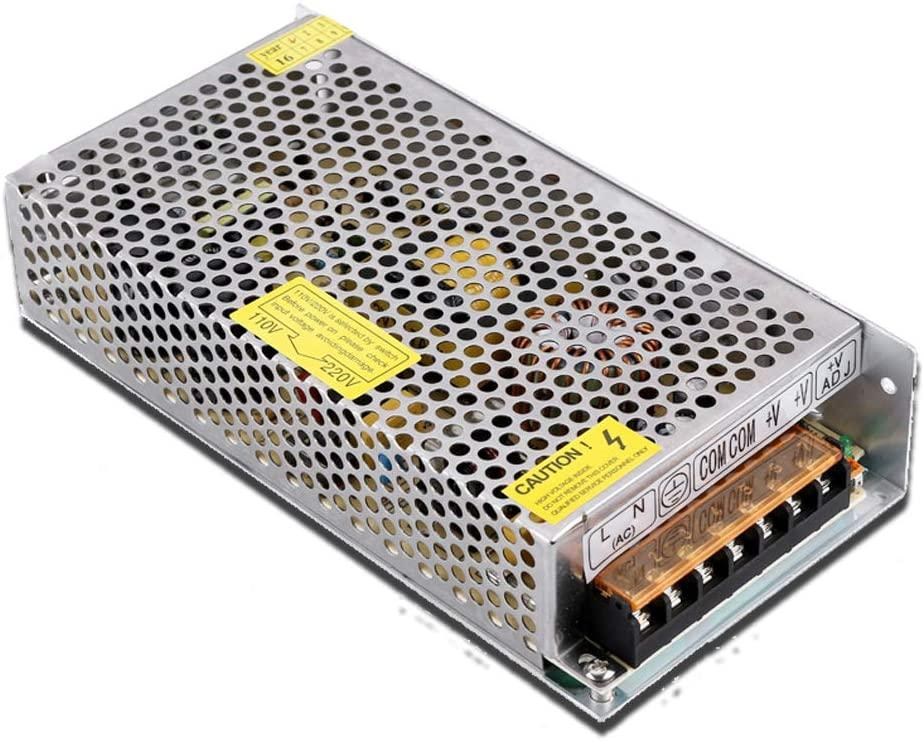
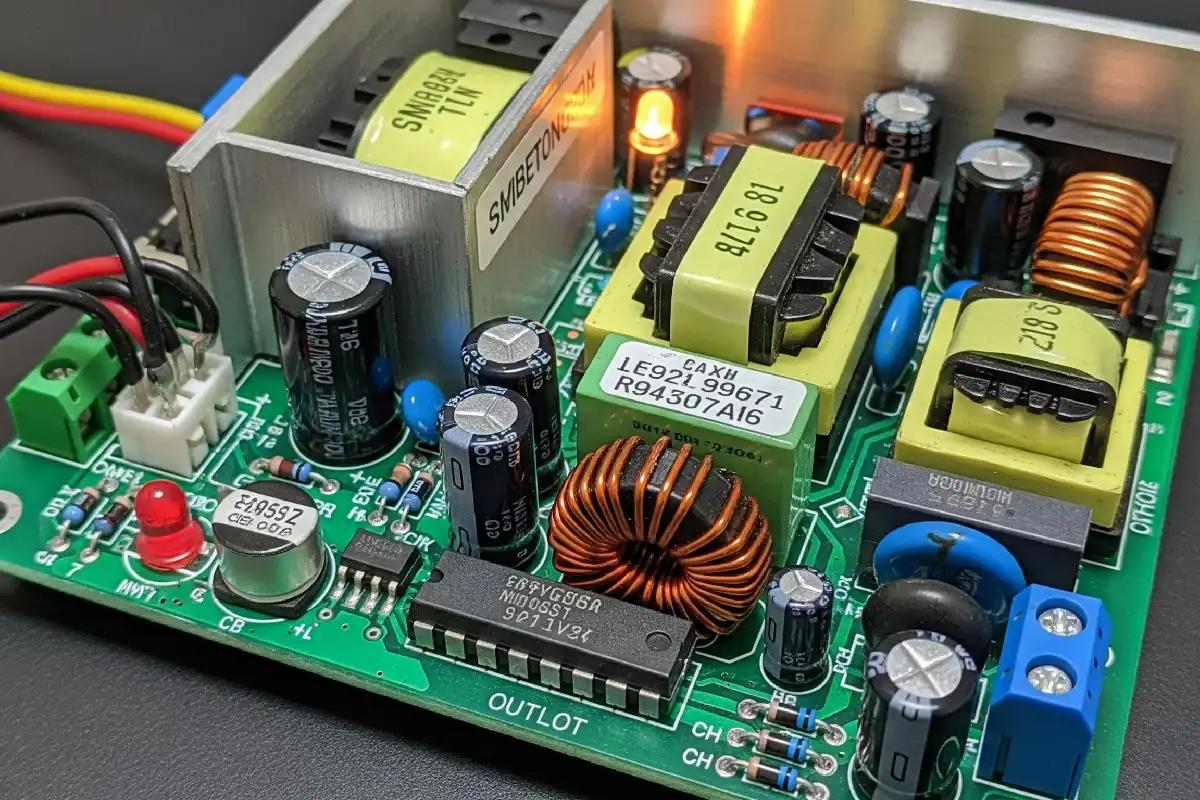
This is one of the reasons the 24V AC-DC switching power supply board continues to play such a central role in industrial equipment across the world. Whether inside an automation cabinet, an LED control system, a CNC machine, a packaging line, or a security installation, the 24V switching power board is often the electrical starting point of the entire design. It converts incoming AC voltage from the grid into stable DC output and supplies that energy to every downstream component that depends on clean, regulated power.
Although power electronics continue to evolve rapidly, 24V remains one of the most widely adopted DC standards in industrial applications. That is not simply because it has been used for many years. It is because it continues to offer a practical balance between safety, compatibility, efficiency, and design flexibility that few alternatives can match.
Why is 24V still the preferred voltage in industrial systems?
The continued dominance of 24V DC is rooted in engineering practicality.
Compared with lower voltages such as 5V or 12V, a 24V system can deliver the same power with lower current. Lower current reduces voltage drop across cables, decreases heat generation, improves transmission efficiency, and allows smaller conductor sizes in many applications. Compared with higher-voltage DC architectures, 24V remains safer to handle, easier to integrate, and more compatible with existing industrial hardware.
For manufacturers, that compatibility matters enormously.
Today, a very large percentage of industrial components are built around 24V input. PLCs, relays, sensors, HMI displays, solenoid valves, industrial communication modules, access control systems, servo interfaces, and LED drivers all commonly operate within the 24V ecosystem. Once a machine adopts 24V distribution, expansion becomes easier. Replacement becomes easier. Global sourcing becomes easier.
For this reason, engineers rarely treat 24V as a temporary solution. In many applications, it remains the default architecture from the beginning of the project.
What exactly does a 24V AC-DC switching power supply board do?
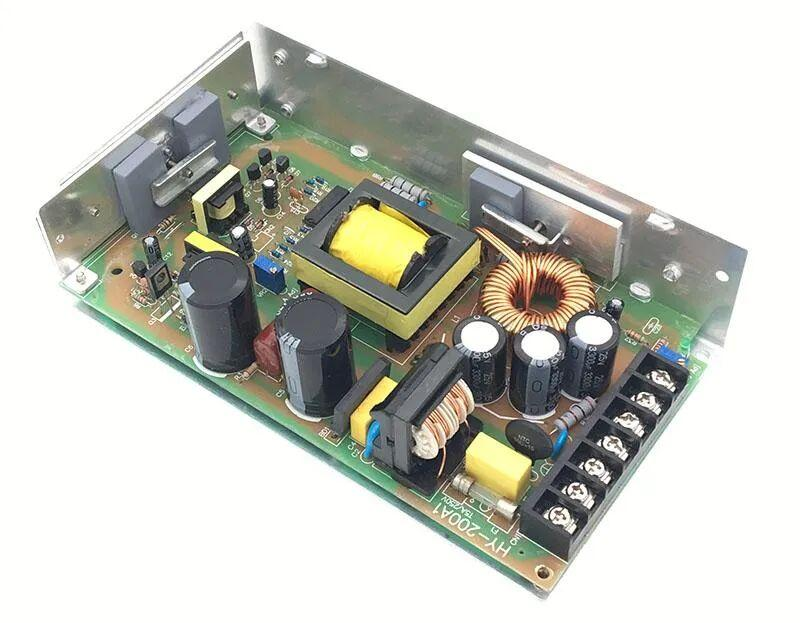
A 24V AC-DC switching power supply board converts alternating current into regulated direct current. In practical use, it takes AC mains power—typically 100V, 110V, 220V, or a wide universal input range such as 85–264VAC—and transforms it into stable 24V DC output suitable for industrial equipment.
The internal process is more sophisticated than the compact size of the board suggests.
Incoming AC passes through rectification and filtering stages before being converted through a high-frequency switching circuit. A transformer provides voltage conversion and electrical isolation. Output filtering then stabilizes the DC waveform before regulated voltage is delivered to the load.
Because the conversion is performed through high-frequency switching rather than traditional linear transformation, switching-mode power supplies can achieve significantly higher efficiency while reducing weight and size. Modern open-frame AC-DC power supplies commonly reach efficiency levels above 88%, while high-performance designs can exceed 90% depending on load and thermal conditions.
This is why switching power supply boards are now standard across industrial electronics.
Key technical specifications of a typical 24V open-frame power supply board
Although product specifications vary by manufacturer, many industrial-grade 24V AC-DC open-frame power supplies share similar electrical ranges.
| Specification | Typical Value |
| Input Voltage | AC 85–264V |
| Output Voltage | DC 24V |
| Output Current | 5A / 10A / 15A / 20A |
| Power Range | 120W–480W |
| Efficiency | 85%–90% |
| Frequency | 47–63Hz |
| Protection | OVP / OCP / SCP / OTP |
| Cooling | Natural air / forced air |
For example, open-frame power supplies currently offered in the industrial market span from compact 10W embedded modules to units reaching 800W and beyond. Manufacturers such as Advanced Energy and XP Power continue to expand these ranges to serve automation, embedded control, and high-density electronic equipment.
Where are 24V AC-DC switching power boards most commonly used?

One reason these power supplies remain so widely used is their flexibility across industries.
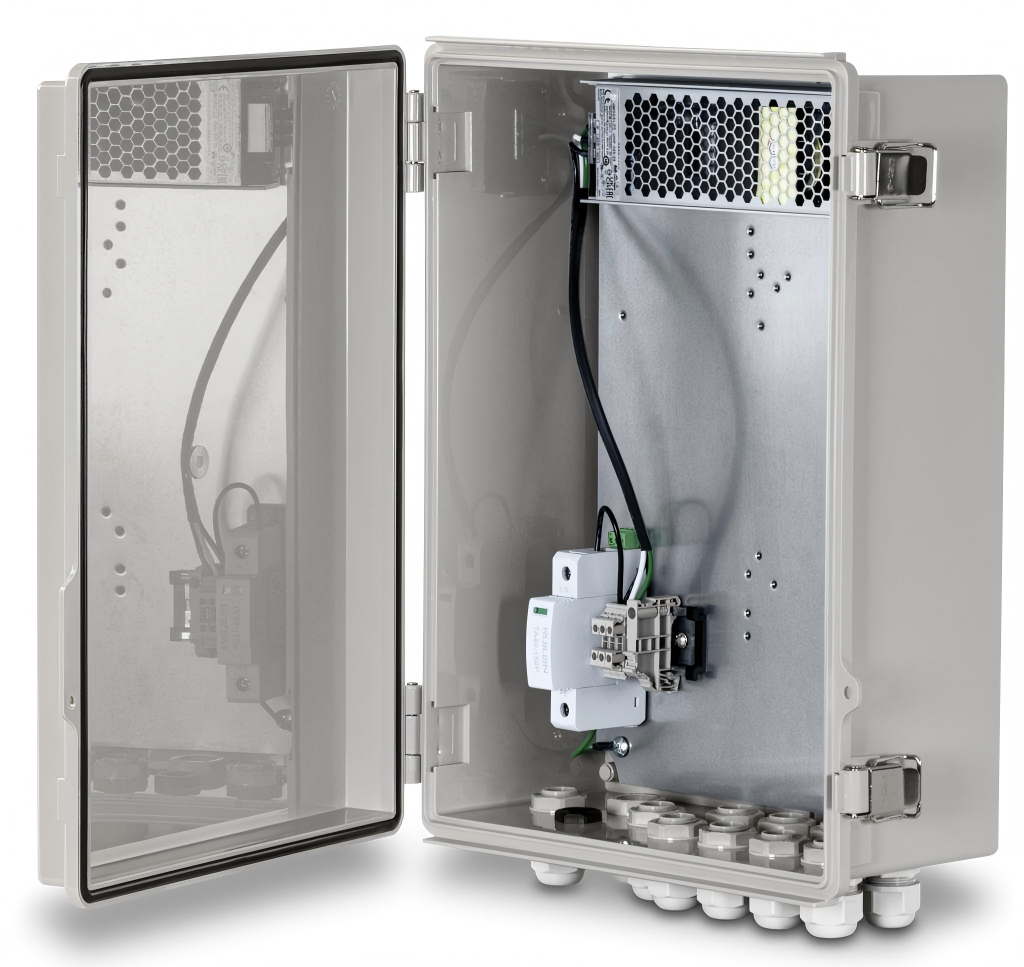
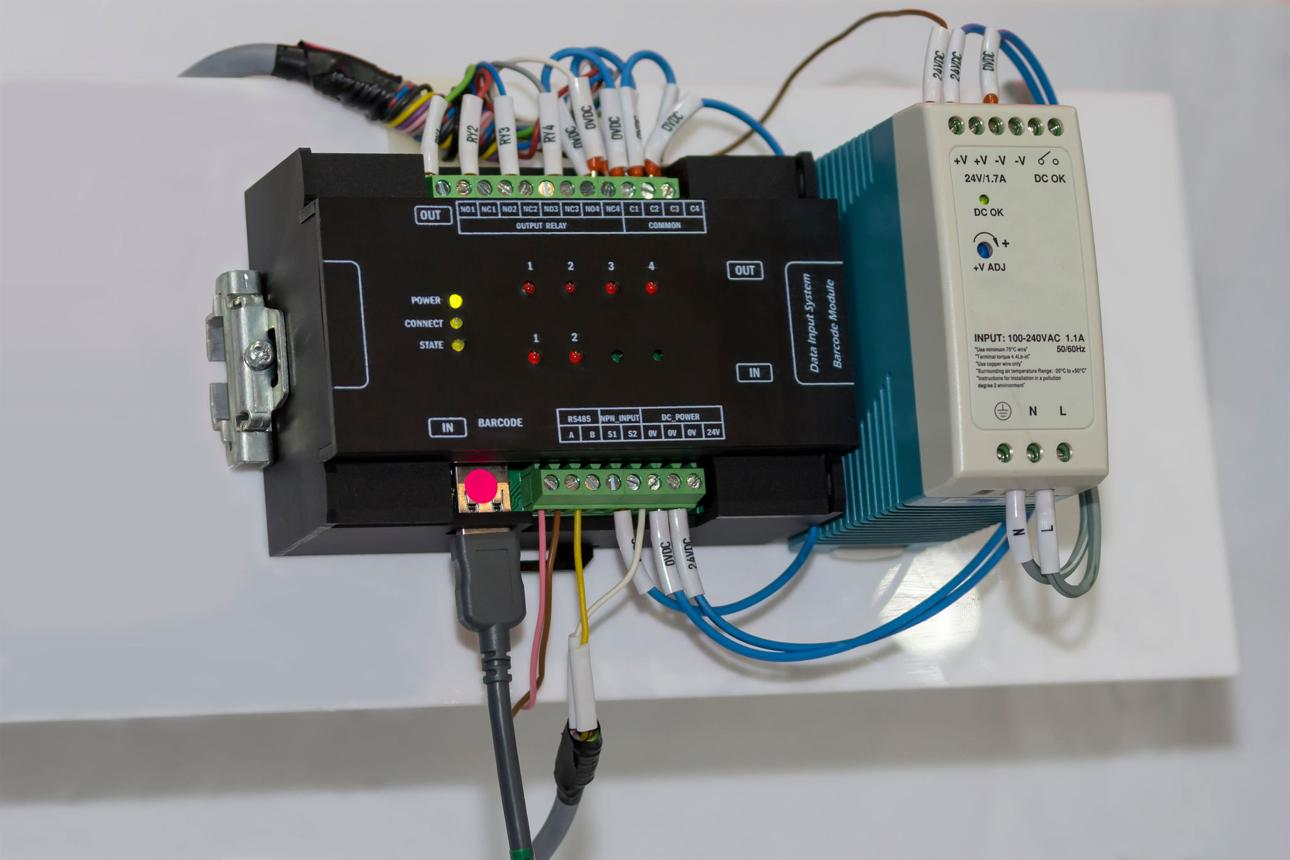
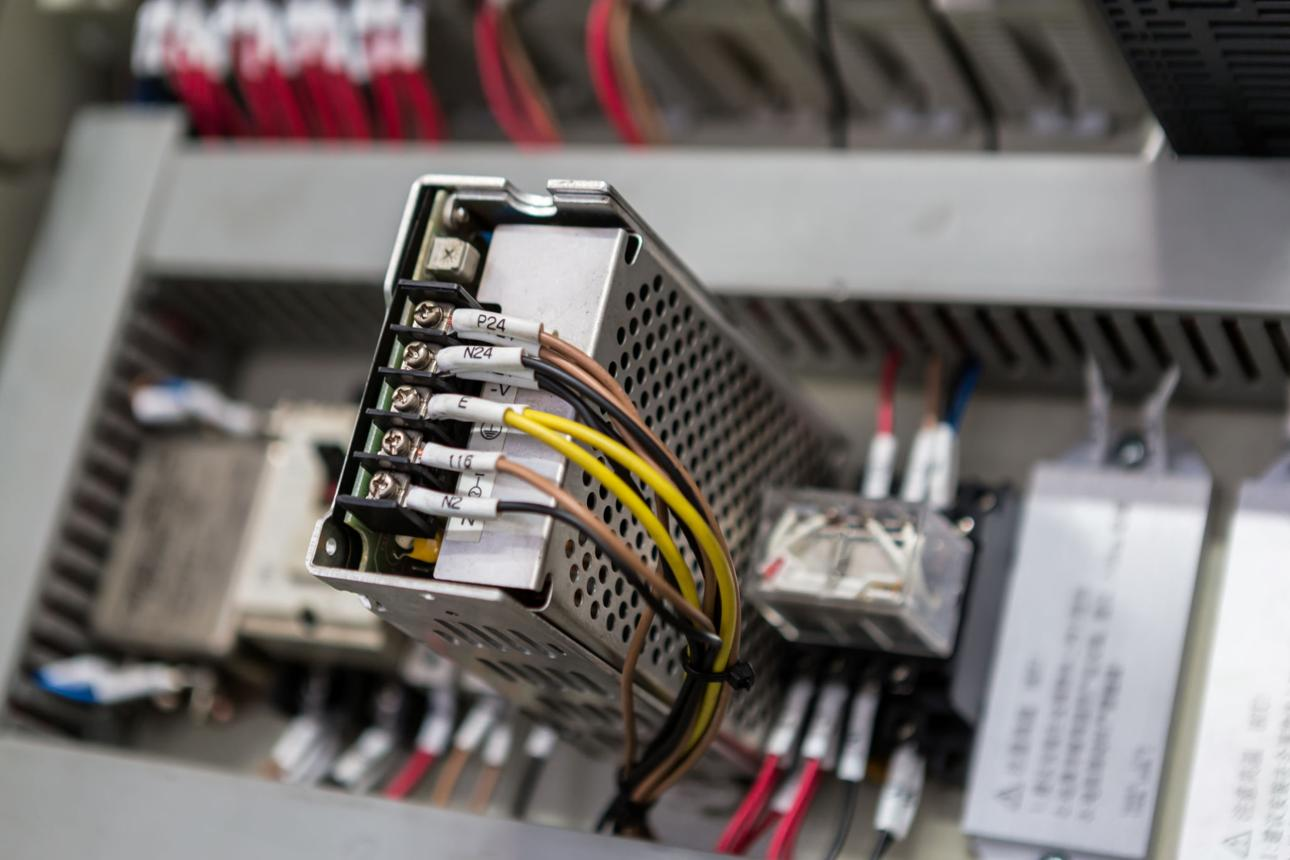
Inside industrial control cabinets, they commonly serve as the central power source for PLC controllers, relays, terminal blocks, sensors, and communication modules. Stable output voltage is especially important in these systems because even minor fluctuations can affect signal integrity or interrupt communication between devices.
In CNC machines and engraving equipment, 24V switching power boards often support driver electronics, controller boards, fans, cooling units, and peripheral devices. In these environments, the reliability of the power supply directly influences machine uptime.
In LED systems, 24V has become particularly common because it performs well across longer strip runs and reduces current-related losses. Signage manufacturers, architectural lighting designers, and cabinet lighting integrators often favor 24V platforms for this reason.
Security and surveillance systems are another major application. Cameras, access control units, alarm modules, and auxiliary devices frequently operate from centralized 24V power distribution.
The broader the application range becomes, the more important consistent power performance becomes.
How do you choose the right 24V switching power supply board?
Choosing correctly starts with load calculation, but it should not end there.
Many buyers first calculate power demand using a simple formula:
Power (W) = Voltage (V) × Current (A)
This is the correct starting point. But practical system design requires additional margin.
If a system consumes 180W continuously, selecting a 200W power supply may technically work. However, most engineers will intentionally choose a higher-rated unit—often 250W or even 300W—to ensure thermal stability, improve long-term reliability, and leave room for transient startup current or future expansion.
A useful selection reference is below.
| Device Power Demand | Recommended PSU Rating |
| 60W | 100W |
| 120W | 150W |
| 180W | 250W |
| 250W | 350W |
| 400W | 480W |
This additional headroom lowers component stress, improves capacitor life, and helps the supply operate within its optimal efficiency range.
Beyond wattage, buyers should also evaluate protection features, input voltage tolerance, cooling design, internal component quality, and required certifications such as CE, UL, or RoHS depending on the destination market.
What usually causes switching power supply failure in real-world applications?
Interestingly, power supply failure is often not caused by defective circuit design alone.
Environmental conditions and installation methods frequently play a bigger role.
Insufficient ventilation remains one of the most common causes. Heat shortens capacitor life dramatically and can accelerate degradation of switching components. Overloading is another common issue, especially when systems operate near maximum rated output for extended periods.
Incorrect wiring during installation continues to be a major cause of early failure. Reversed DC polarity, improper grounding, or accidental AC/DC misconnection can damage a board immediately.
Contamination can also be a factor. Conductive dust, oil mist, humidity, and corrosive industrial air can all affect long-term performance.
That is why selecting a quality power supply is only part of the equation. Correct installation matters just as much.
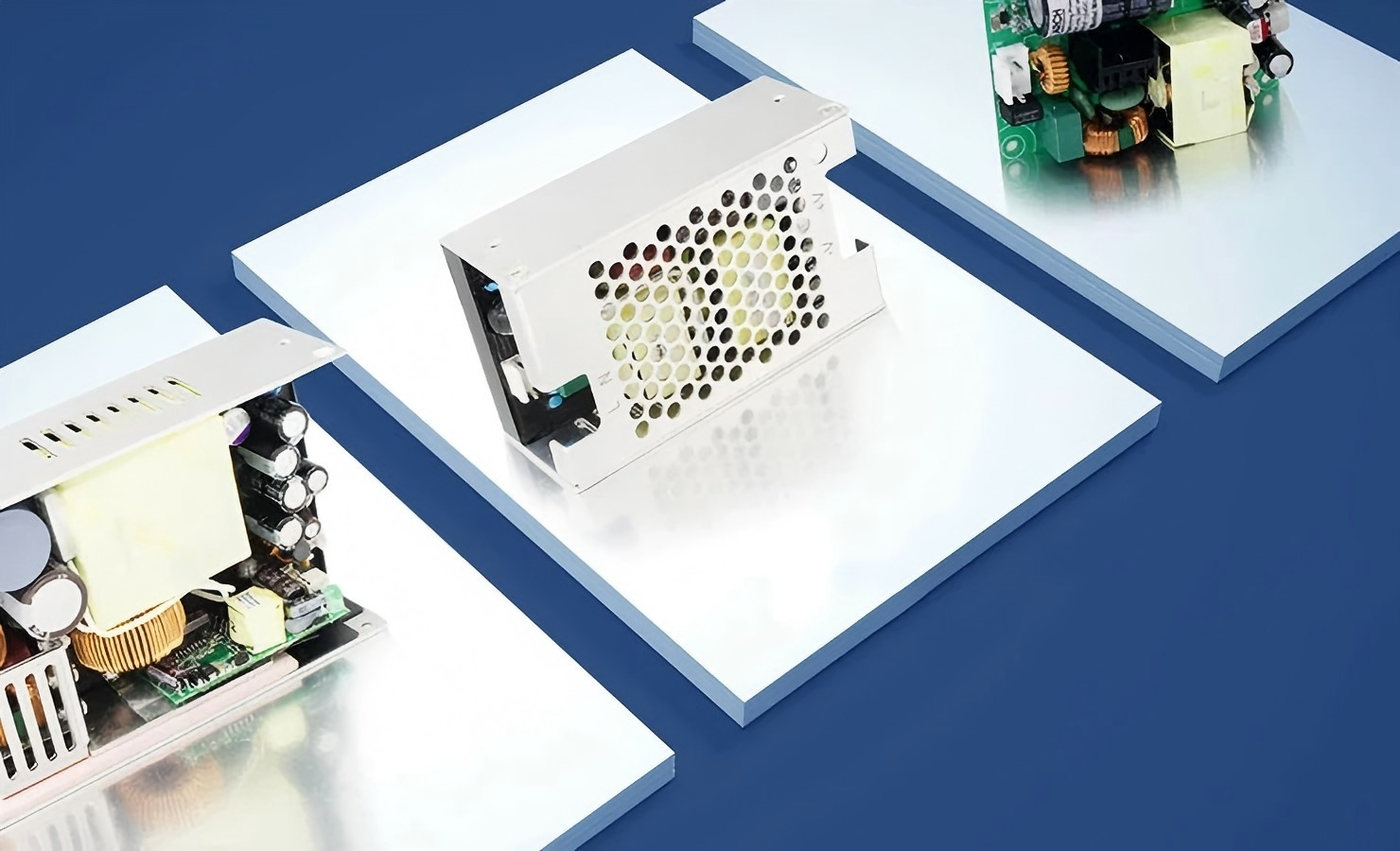
Open frame or enclosed power supply—which is better?
This depends largely on how the product will be integrated.
| Feature | Open Frame | Enclosed |
| Physical Size | More compact | Larger |
| Installation Flexibility | High | Medium |
| Heat Dissipation | Excellent | Moderate |
| Safety Protection | Requires enclosure integration | Built-in casing |
| OEM Integration | Excellent | Good |
| Cost Efficiency | Better | Higher |
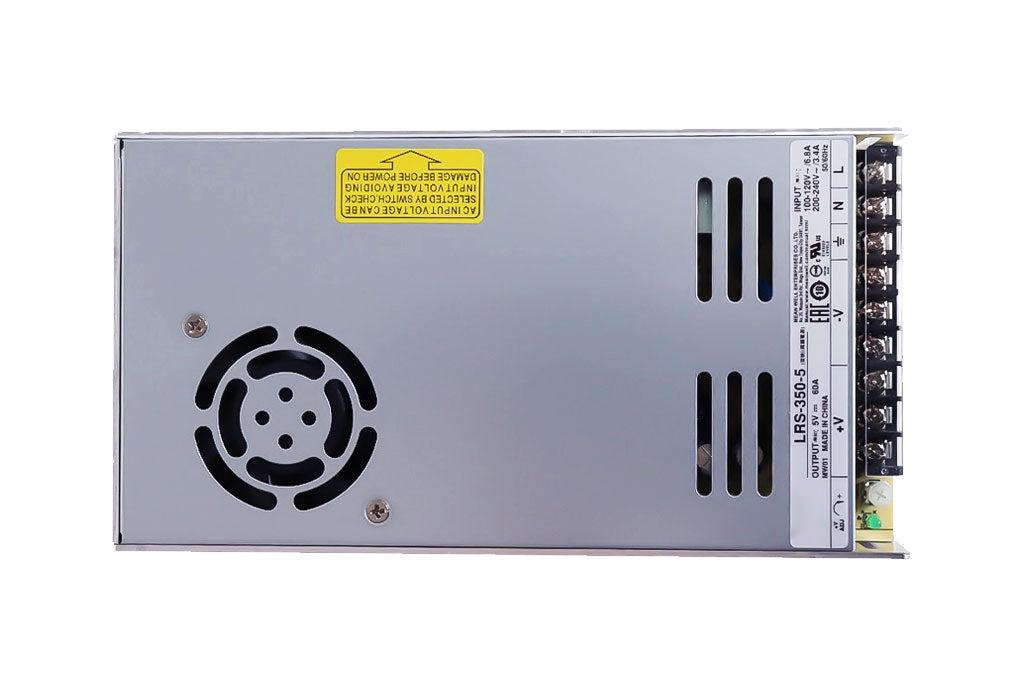
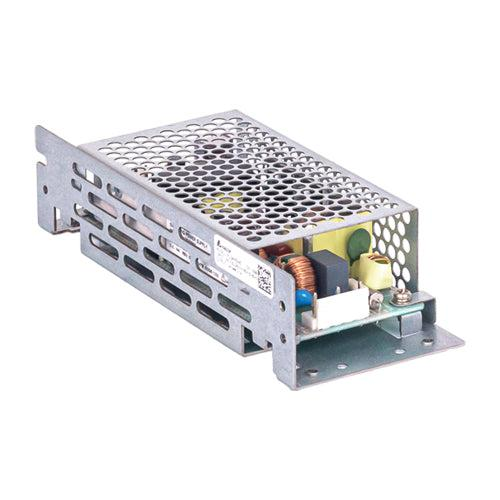
Open-frame power supplies are often preferred by OEM manufacturers because they integrate more easily into custom housings and internal assemblies. They offer better space efficiency and thermal flexibility.
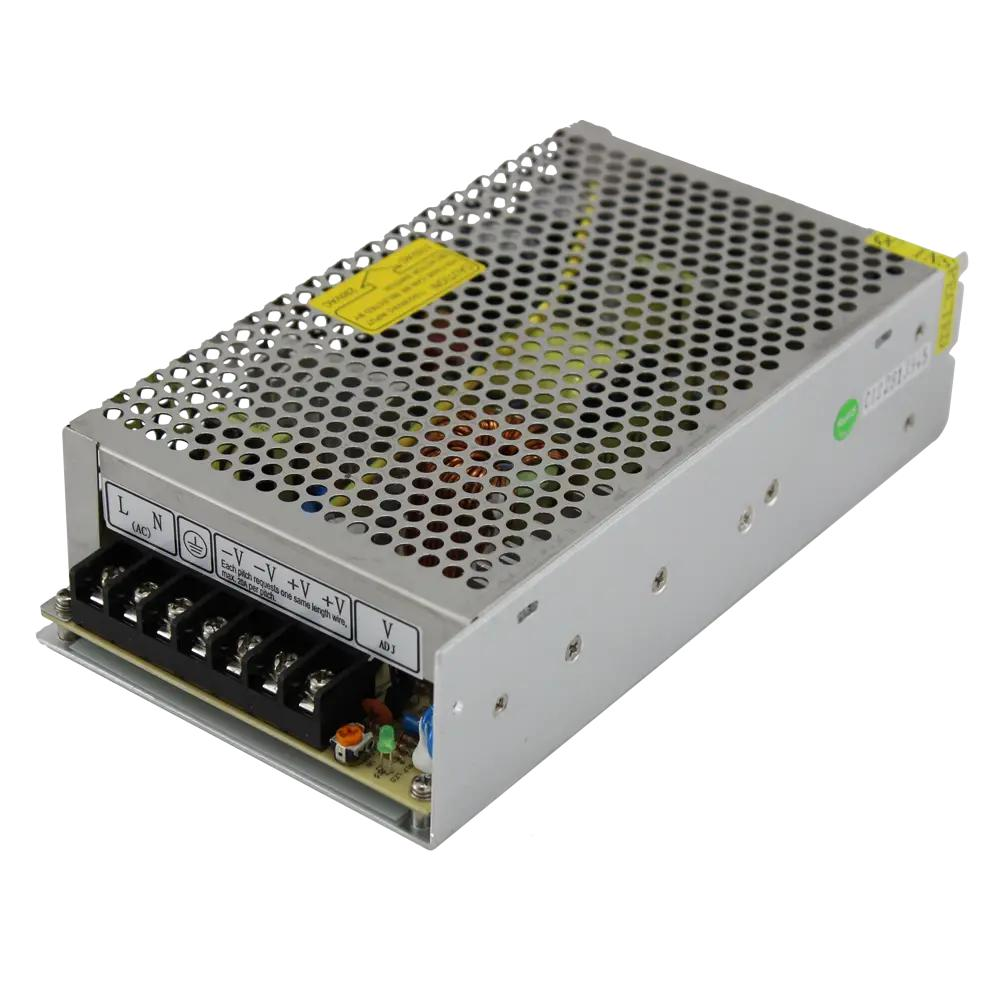
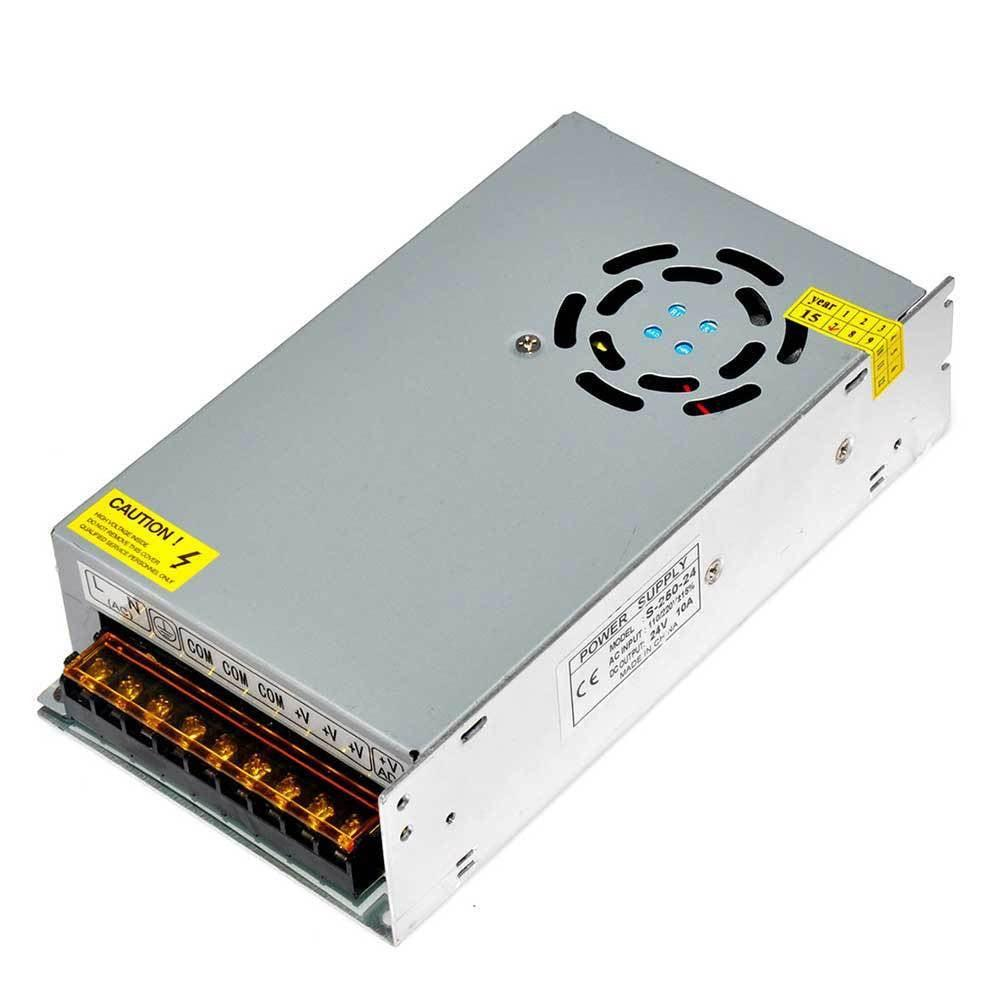
Enclosed power supplies are often preferred when standalone installation or external exposure is expected.
For embedded equipment and custom machinery, open-frame remains the more common choice.

Final thoughts
A reliable 24V AC-DC switching power supply board rarely becomes the most visible part of a machine, but it is often one of the most important.
When selected correctly, it delivers stable power silently in the background for years. It protects connected electronics, improves system efficiency, and supports long operating cycles with minimal maintenance. When selected poorly, it becomes the source of instability across the entire system.
That is why experienced engineers rarely choose a power supply based on voltage alone.
They look deeper—at efficiency, thermal behavior, load margin, protection design, environmental compatibility, and the real conditions in which the product will operate.
For manufacturers building industrial equipment, LED systems, automation cabinets, embedded devices, or OEM assemblies, the 24V AC-DC switching power supply board remains one of the most dependable and practical solutions available today. And despite changes in electronics design over the years, that is unlikely to change anytime soon.