Skip to content

Introduction: Why Has SMPS Become the Standard in Modern Power Systems?
Why are traditional linear power supplies rapidly disappearing from modern electronic systems? Why do almost all industrial control systems, communication devices, and CNC machines now rely on switching power supplies?
The answer lies in one word: efficiency.
Switching Mode Power Supplies (SMPS) have fundamentally changed how electrical energy is converted and delivered. Instead of dissipating excess voltage as heat, SMPS convert power using high-frequency switching techniques, dramatically improving efficiency, reducing size, and enhancing system reliability.
In today’s industrial environment—where energy costs, system uptime, and thermal performance directly affect profitability—choosing the right power supply is no longer a secondary decision. It is a core engineering consideration.
This article will take you deep into:
·The working principles of SMPS
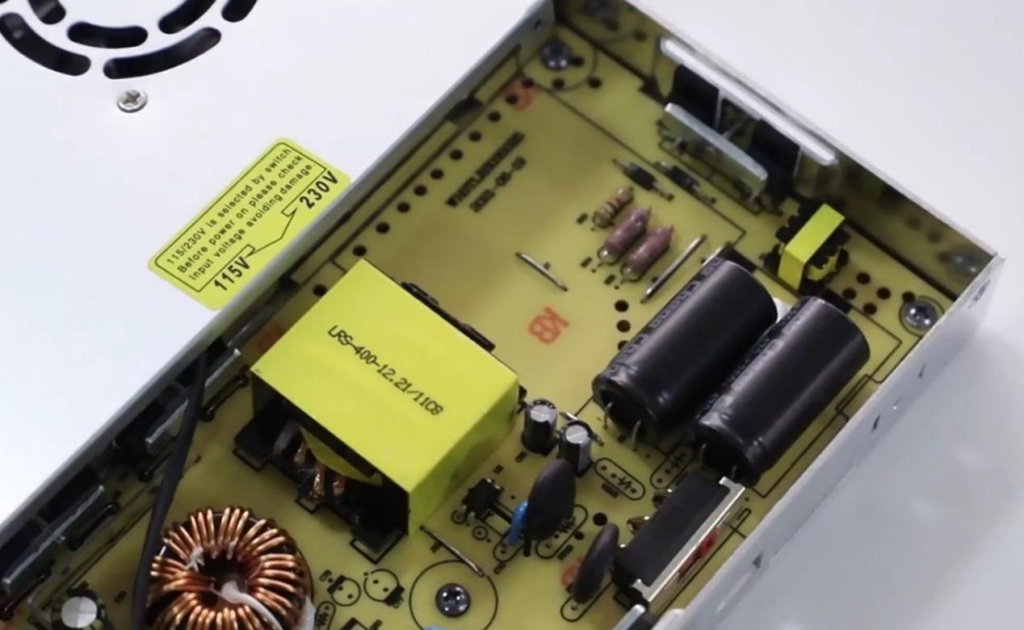
·Internal structure and key components
·Comparison of major topologies
·Efficiency optimization techniques
·Real industrial selection criteria
·Detailed overview of SIPURUI switching power supply series
By the end, you will not only understand how SMPS works—but also how to choose the right one for your application.
What Exactly Is an SMPS—and Why Is It More Efficient?
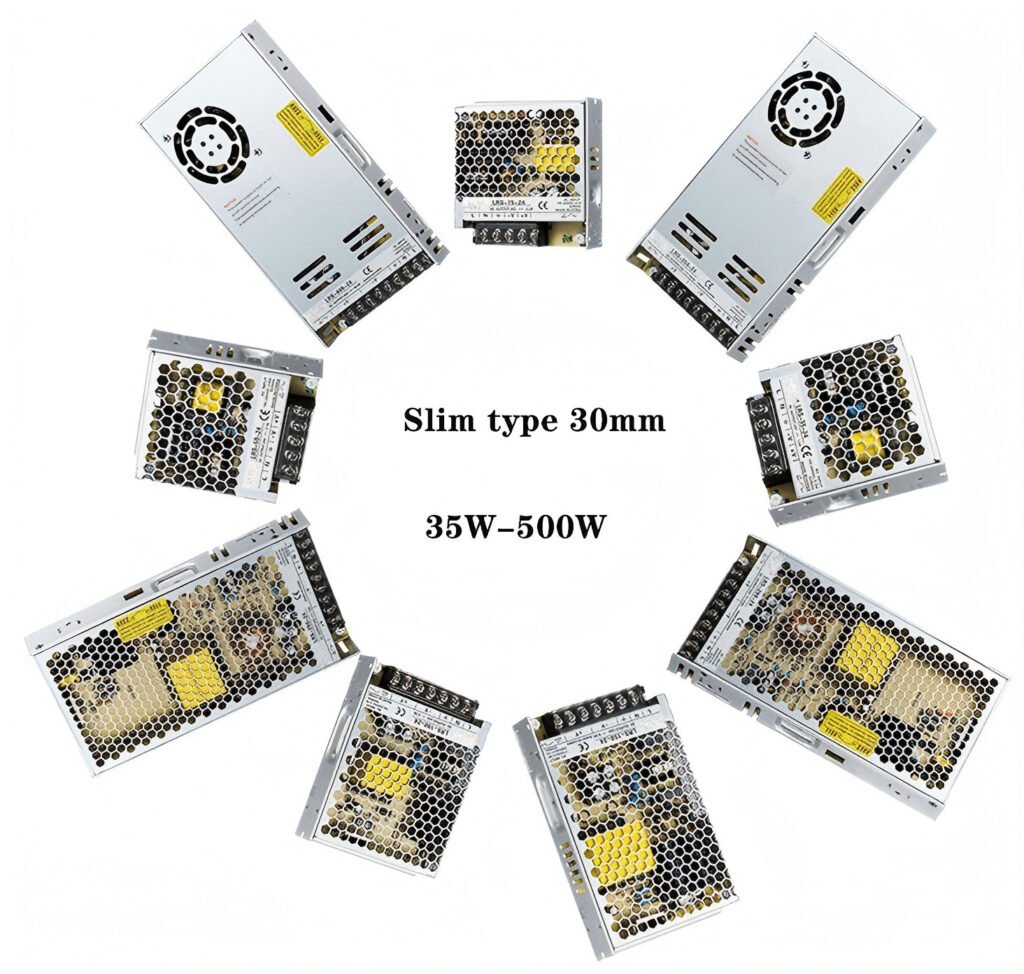
At a fundamental level, an SMPS is a power conversion device that uses high-frequency switching and energy storage components to regulate voltage.
But why is it so efficient compared to linear power supplies?
The Core Reason: Switching Instead of Dissipating
Linear power supplies operate in a continuous conduction mode. They regulate voltage by dropping excess voltage across a pass transistor, which results in significant power loss in the form of heat.
SMPS, on the other hand, operate in switching mode:
·Power devices are either fully ON (low resistance) or fully OFF (no current)
·Minimal energy is wasted during steady states
·Energy is transferred in controlled pulses
This seemingly simple difference leads to a massive improvement in efficiency, often reaching 85% to 95% or higher.
Comparison Between Linear Power Supply and SMPS
| Parameter | Linear Power Supply | SMPS |
| Efficiency | 40–60% | 85–95% |
| Heat Generation | High | Low |
| Size | Large | Compact |
| Weight | Heavy | Light |
| Noise | Low | Higher (switching noise) |
| Complexity | Low | High |
Why Efficiency Matters in Industrial Systems
In industrial environments, efficiency directly impacts:
·Heat buildup inside control cabinets
·Cooling system requirements
·Component lifespan
·Energy consumption cost
A 10% improvement in power efficiency can significantly reduce long-term operational costs—especially in systems running 24/7.
How Does an SMPS Work Step by Step?
To truly understand SMPS, we need to break down its internal workflow.
Step 1: AC Input and Rectification
The process begins with AC input voltage, typically:
·110V AC
·220V AC
·Wide range (85–264V AC in industrial models)
This AC voltage is converted into DC using a bridge rectifier.
After rectification, the voltage is still unstable and contains ripple.
Step 2: Input Filtering
Electrolytic capacitors are used to smooth the rectified DC voltage.
At this stage, additional components may be included:
·EMI filters (to reduce electromagnetic interference)
·Inrush current limiters
·Surge protection circuits
These are especially critical in industrial environments where electrical noise is common.
Step 3: High-Frequency Switching
This is the core stage of the SMPS.
A power semiconductor device (usually a MOSFET) switches the DC voltage ON and OFF at high frequency:
·Typical range: 20 kHz to 500 kHz
·Controlled by PWM (Pulse Width Modulation)
The switching action converts DC into a high-frequency pulsed waveform.
Step 4: Energy Transfer via Transformer or Inductor
Depending on the topology:
·Non-isolated designs use inductors
·Isolated designs use high-frequency transformers
The transformer provides:
·Voltage scaling
·Electrical isolation
·Improved safety
Because of the high switching frequency, the transformer size is significantly reduced compared to traditional designs.
Step 5: Output Rectification
The high-frequency AC signal is converted back to DC using:
·Fast recovery diodes
·Schottky diodes
·Synchronous rectification (MOSFET-based)
Synchronous rectification is increasingly used in high-efficiency designs.
Step 6: Output Filtering
Inductors and capacitors smooth the output voltage to provide a stable DC supply.
Key performance factors:
·Output ripple
·Transient response
·Load regulation
Step 7: Feedback and Control Loop
The output voltage is continuously monitored.
If deviation occurs:
·A feedback signal is generated
·PWM duty cycle is adjusted
·Output is stabilized
This closed-loop system ensures stable performance even under:
·Load variation
·Input fluctuation
·Temperature changes
What Components Determine SMPS Performance?
Understanding components is essential for evaluating product quality.
| Component | Role | Impact on Performance |
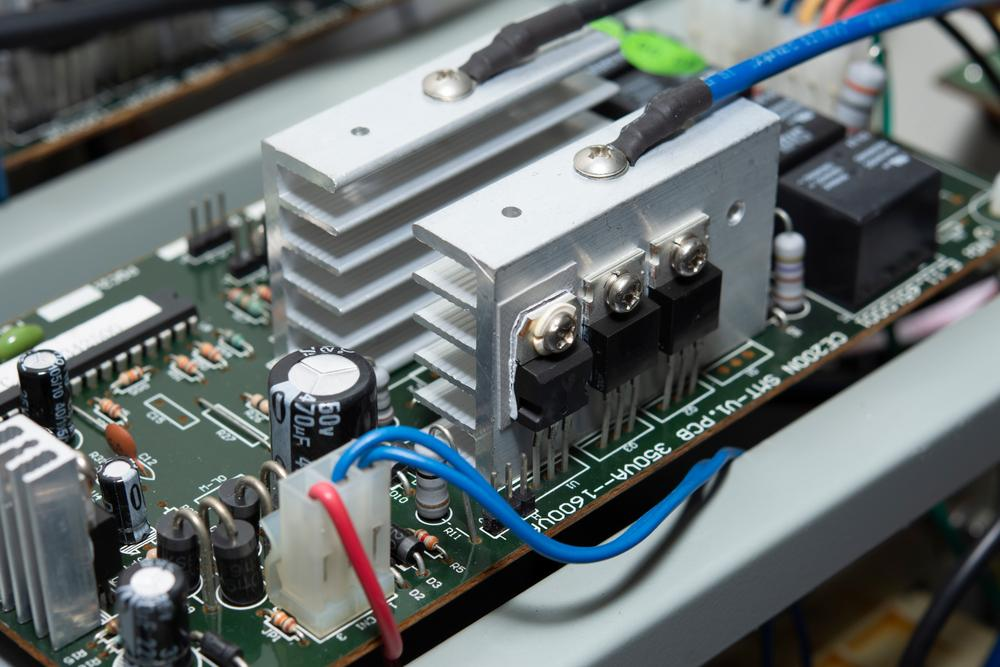
| MOSFET | Switching device | Efficiency, heat |
| Transformer | Energy transfer | Isolation, size |
| Inductor | Energy storage | Stability |
| Capacitor | Filtering | Ripple, lifespan |
| Controller IC | PWM control | Precision |
| Diode | Rectification | Losses |
Key Insight
The difference between a low-quality and high-quality SMPS often lies in:
·Component selection
·Thermal design
·Control algorithm
This is where manufacturers like SIPURUI differentiate themselves.
Which SMPS Topology Should You Choose?
Not all SMPS are designed the same way.
Choosing the correct topology depends on:
·Power level
·Isolation requirements
·Efficiency target
·Cost constraints
Topology Comparison
| Topology | Power Range | Isolation | Efficiency | Typical Use |
| Buck | Low–High | No | Very High | DC regulation |
| Boost | Low–Medium | No | High | LED |
| Flyback | <150W | Yes | Medium | Adapters |
| Forward | Medium | Yes | High | Industrial |
| Half-Bridge | High | Yes | Very High | Telecom |
| LLC | High | Yes | Ultra High | Servers |
Why Topology Matters in Industrial Applications
Incorrect topology selection can lead to:
·Reduced efficiency
·Excessive heat
·Reduced lifespan
·System instability
For example:
·Flyback is simple but not ideal for high power
·LLC is complex but extremely efficient
How Does PWM Control Ensure Stability?
PWM is the brain of SMPS.
By adjusting the duty cycle, the system controls output voltage precisely.
PWM Control Types
| Type | Advantages | Disadvantages |
| Voltage Mode | Simple | Slower |
| Current Mode | Fast, safe | Complex |
| Hysteretic | Very fast | Higher ripple |
Why Current Mode Is Preferred in Industrial SMPS
·Better transient response
·Built-in current limiting
·Improved stability
SIPURUI industrial power supplies commonly use optimized control strategies to ensure stable operation under dynamic loads.
Where Do Losses Occur—and How Can They Be Reduced?
Efficiency is not accidental—it is engineered.
Main Loss Sources
·Switching losses
·Conduction losses
·Magnetic losses
·Capacitor ESR losses
Efficiency Optimization Techniques
| Method | Effect |
| Soft Switching | Reduces switching loss |
| Synchronous Rectification | Improves efficiency |
| Low ESR Capacitors | Reduces heat |
| GaN / SiC Devices | Higher frequency |
Emerging Trend: Wide Bandgap Semiconductors
GaN and SiC technologies are transforming SMPS design:
·Higher switching frequency
·Lower losses
·Smaller size
·Higher temperature tolerance
How to Select the Right SMPS for Your Application?
This is where theory meets real-world decision making.
Key Selection Criteria
1.Input voltage range
2.Output voltage and current
3.Power rating
4.Efficiency requirement
5.Cooling method
6.Environmental conditions
7.Certifications
Common Mistakes Buyers Make
·Ignoring peak load requirements
·Underestimating temperature impact
·Choosing based only on price
·Overlooking protection features
SIPURUI Switching Power Supply: Designed for Industrial Reliability
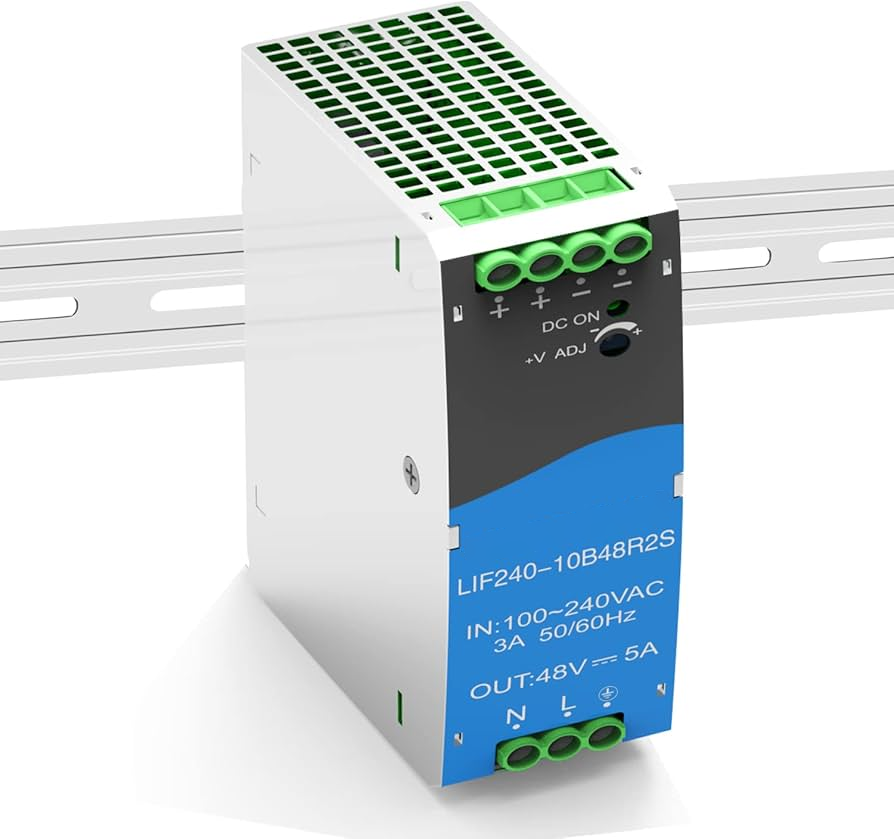
When selecting a power supply for industrial use, reliability is more important than theoretical efficiency.
SIPURUI focuses on delivering:
·Stable performance
·Robust construction
·Long service life
Key Features of SIPURUI SMPS
·High efficiency up to 92%
·Wide input voltage range
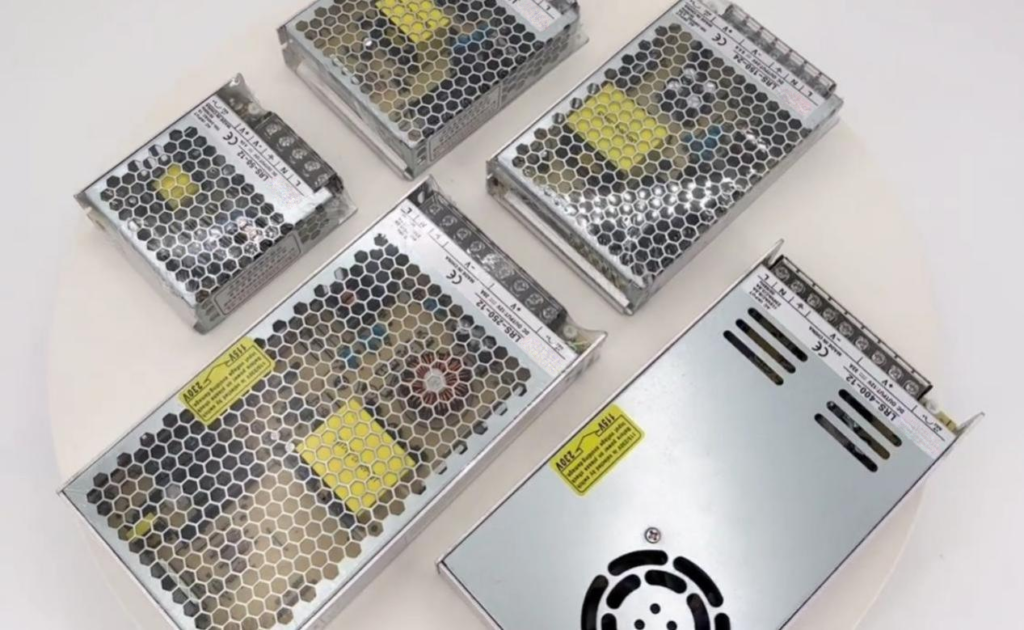
·Metal enclosure for heat dissipation
·Low ripple output
·Full protection system
SIPURUI 24V Industrial Series Overview
| Model | Output | Power | Efficiency | Application |
| SPR-120-24 | 24V / 5A | 120W | 88% | Control systems |
| SPR-240-24 | 24V / 10A | 240W | 90% | Automation |
| SPR-400-24 | 24V / 16.7A | 400W | 92% | CNC |
Why SIPURUI Stands Out
·Industrial-grade components
·Optimized thermal design
·Stable under long-term operation
·Suitable for harsh environments
Where Are SMPS Used Today?
SMPS are everywhere, but especially critical in:
·CNC machinery
·Industrial automation
·LED lighting
·Telecommunications
·Security systems
What Is the Future of SMPS?
The future of SMPS is driven by:
·Higher efficiency requirements
·Smaller size demands
·Digital control integration
·Wide bandgap adoption
Conclusion: Are You Making the Right Power Supply Decision?
Switching Mode Power Supplies are no longer optional—they are essential.
They define:
·System efficiency
·Reliability
·Cost performance
Choosing the right SMPS is not just about specifications—it is about understanding your application and selecting a trusted manufacturer.