
Power supplies are a fundamental part of every electrical system. They convert raw electrical energy into a usable and stable form required by equipment. In industrial automation, communication systems, LED applications, and embedded electronics, selecting the correct type of power supply directly affects performance, reliability, and lifespan.
A key decision in system design is understanding the difference between alternating current (AC) and direct current (DC), and more importantly, how to properly convert between them using a switching power supply.
This article provides a detailed comparison of AC and DC power supplies and offers practical guidance on selecting the right SIPURUI switching power supply for real-world applications.
What Is AC Power and Why Is It Widely Used?
Alternating current is the standard form of electricity supplied through power grids worldwide. Its defining characteristic is that the direction of current flow reverses periodically, typically at 50 Hz or 60 Hz depending on the region.
This alternating behavior allows voltage to be easily transformed using transformers, making AC highly efficient for long-distance transmission.
Key characteristics of AC power
| Feature | Description |
| Frequency | 50 Hz or 60 Hz |
| Voltage transformation | Simple using transformers |
| Transmission | Efficient over long distances |
| Typical use | Power grids, motors, industrial equipment |
Because of these advantages, AC is used for power generation, transmission, and distribution in almost all countries.
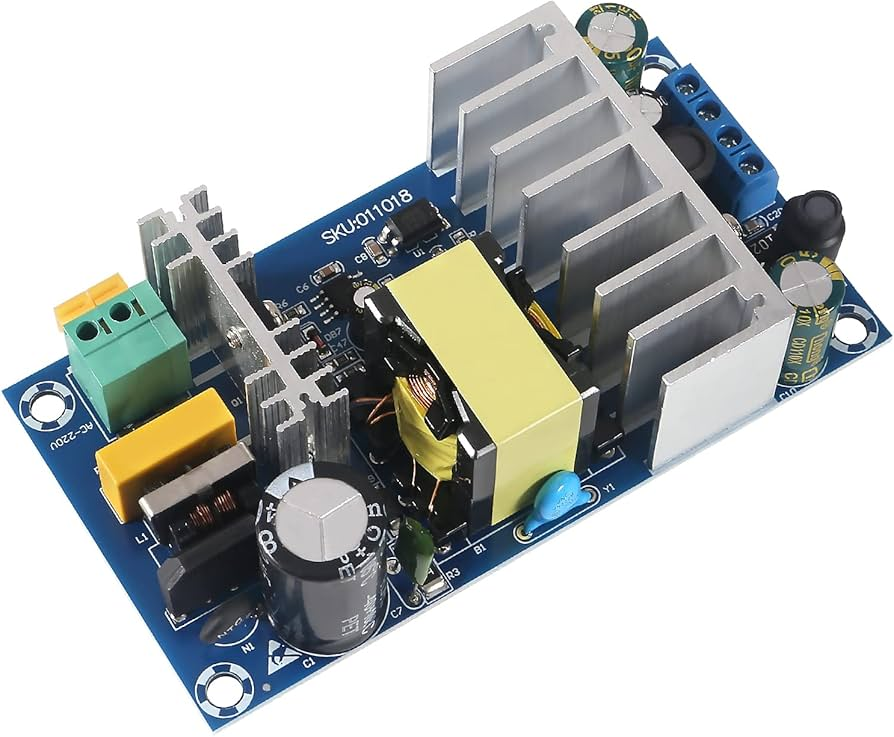
What Is DC Power and Why Do Devices Require It?
Direct current flows in a single direction and provides a constant voltage output. Unlike AC, DC does not oscillate, which makes it ideal for electronic systems that require stability and precision.
Common sources of DC power
·Batteries
·Solar panels
·Rectified AC through power supplies
Typical DC voltage requirements
| Application | Voltage |
| Industrial control systems | 24V DC |
| LED lighting | 12V or 24V DC |
| Communication systems | 48V DC |
| Embedded electronics | 3.3V or 5V DC |
Most modern electronic devices cannot operate directly on AC power and require DC input with tight voltage tolerance.
What Does a Switching Power Supply Do?
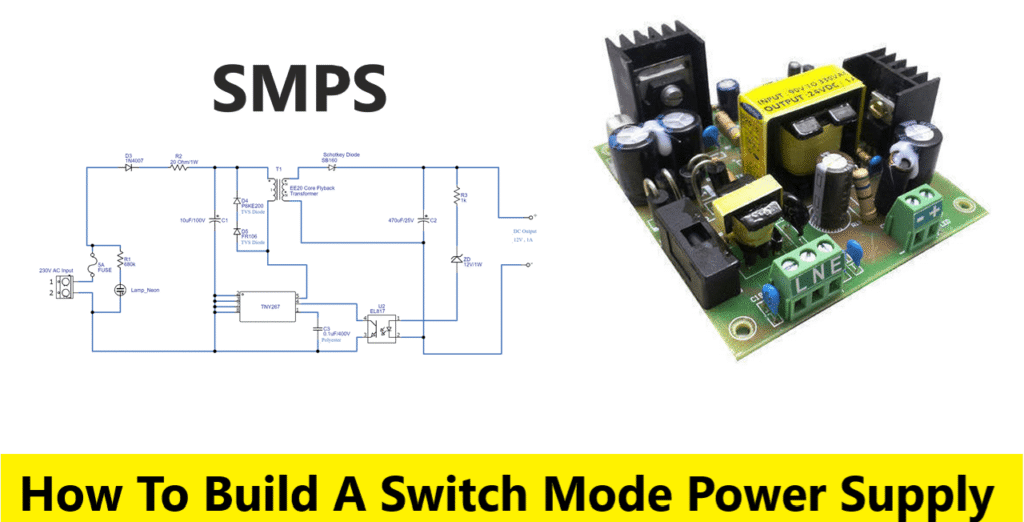
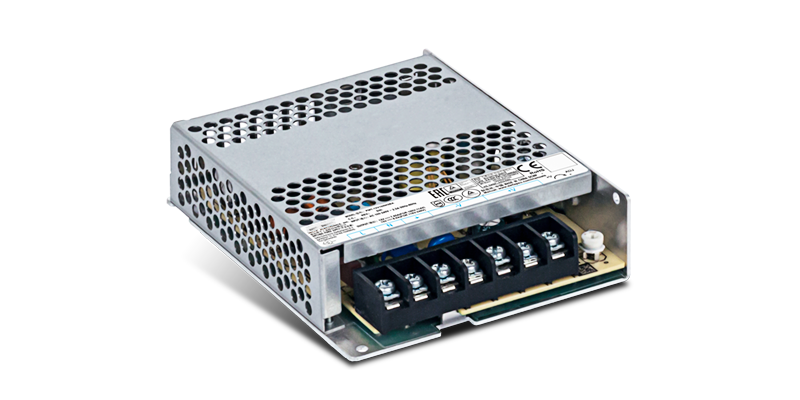
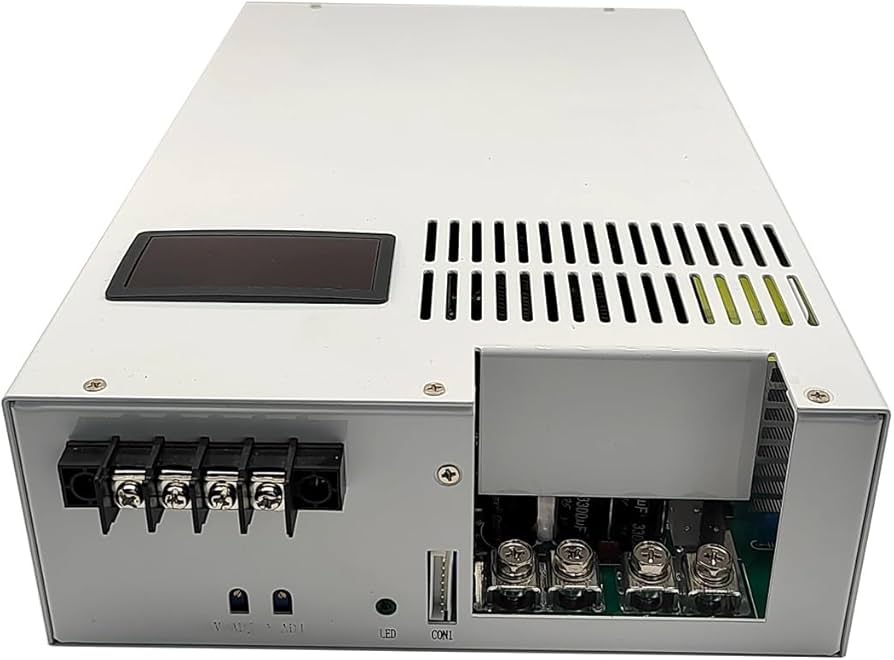
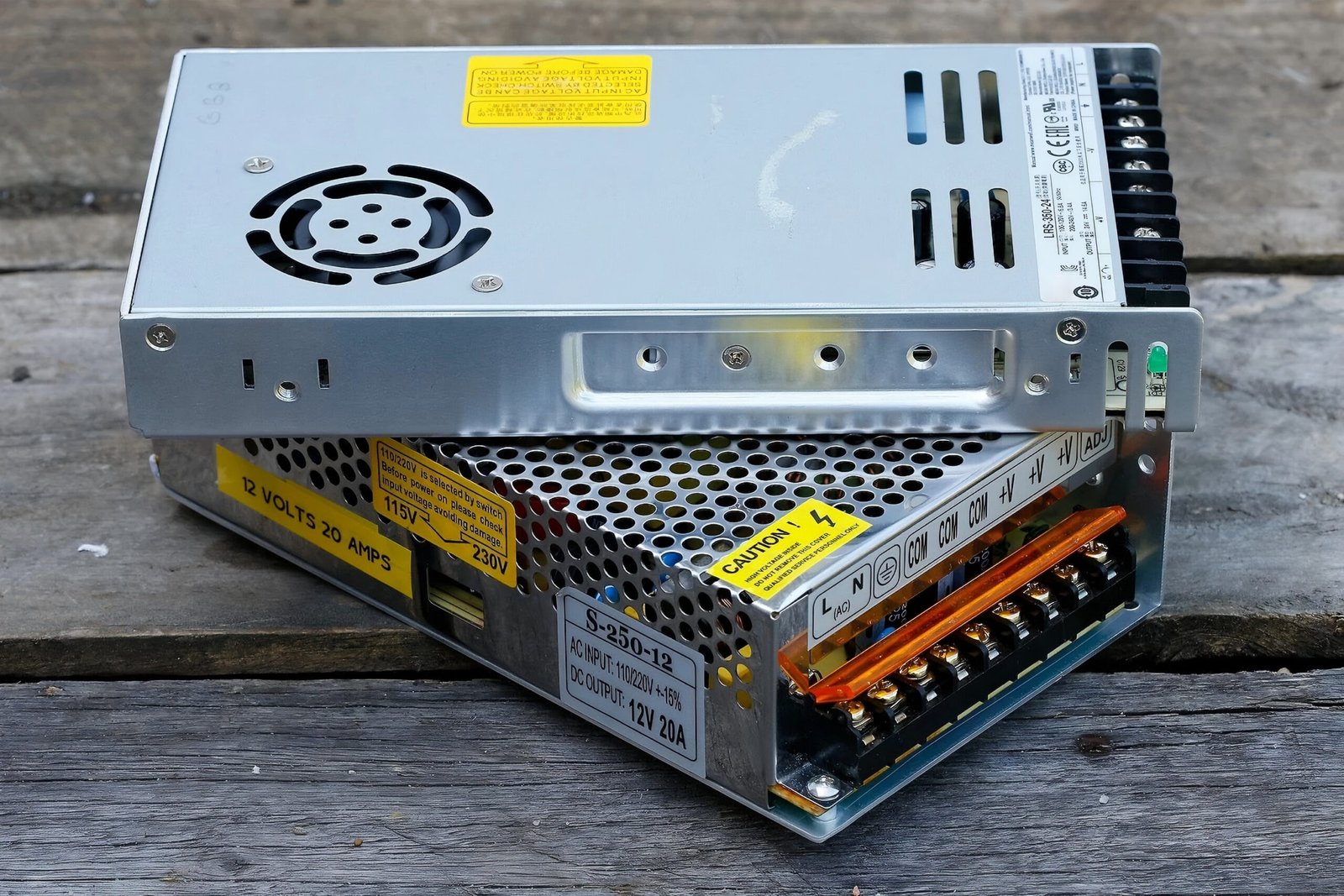
A switching power supply, also known as SMPS, is used to efficiently convert electrical energy from one form to another. In most industrial and commercial systems, it converts AC input into regulated DC output.
Basic working principle
1.AC input is rectified into DC
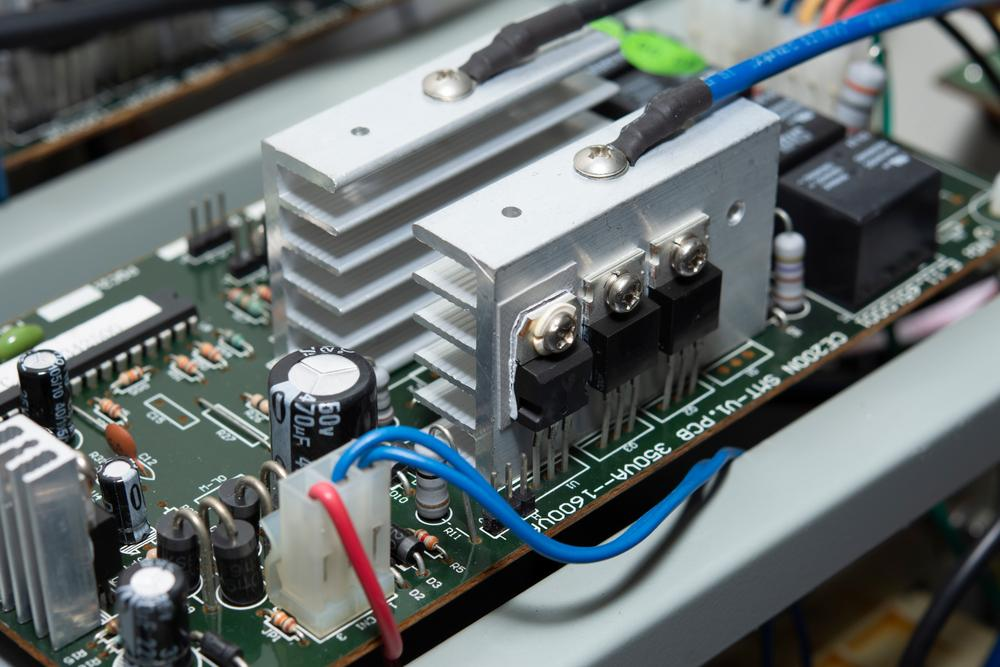
2.High-frequency switching is applied using semiconductor devices
3.A transformer adjusts voltage levels
4.Output is rectified and filtered into stable DC
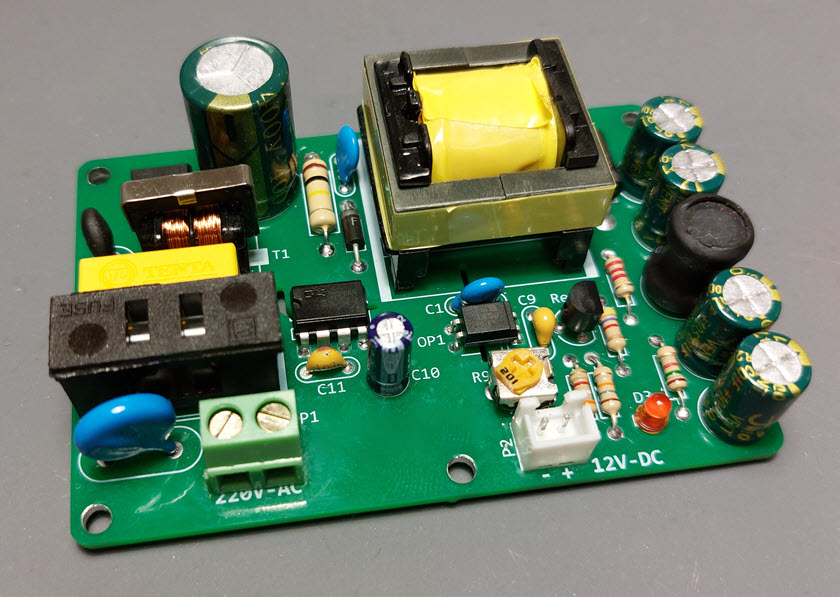
Compared to traditional linear power supplies, switching power supplies offer significantly higher efficiency and smaller size.
Performance comparison
| Parameter | Linear Power Supply | SIPURUI Switching Power Supply |
| Efficiency | 50 to 60 percent | 85 to 92 percent |
| Heat generation | High | Low |
| Size and weight | Large and heavy | Compact and lightweight |
| Application | Legacy systems | Industrial and electronic systems |
Switching power supplies are now the standard choice for modern equipment.
What Are the Key Differences Between AC and DC Power Supplies?
Understanding the differences between AC and DC is essential when selecting or designing a power system.
| Parameter | AC Power Supply | DC Power Supply |
| Current direction | Alternating | Constant |
| Voltage behavior | Sinusoidal waveform | Stable output |
| Conversion method | Transformer-based | Electronic conversion |
| Transmission capability | Long-distance efficient | Short-distance efficient |
| Application focus | Motors, HVAC, appliances | Electronics, control systems |
The most important distinction is that AC is used for distribution, while DC is used for operation inside electronic systems.
Why Do Most Systems Use AC Input and DC Output?
In real applications, AC and DC are not competing choices but complementary parts of a system.
A typical configuration is:
·AC power from the grid
·Conversion via switching power supply
·DC power used by internal circuits
For example, an industrial control cabinet may receive 220V AC input but operate internally on 24V DC.
This makes the selection of an AC to DC switching power supply critical for system stability.
How to Choose the Right SIPURUI Switching Power Supply
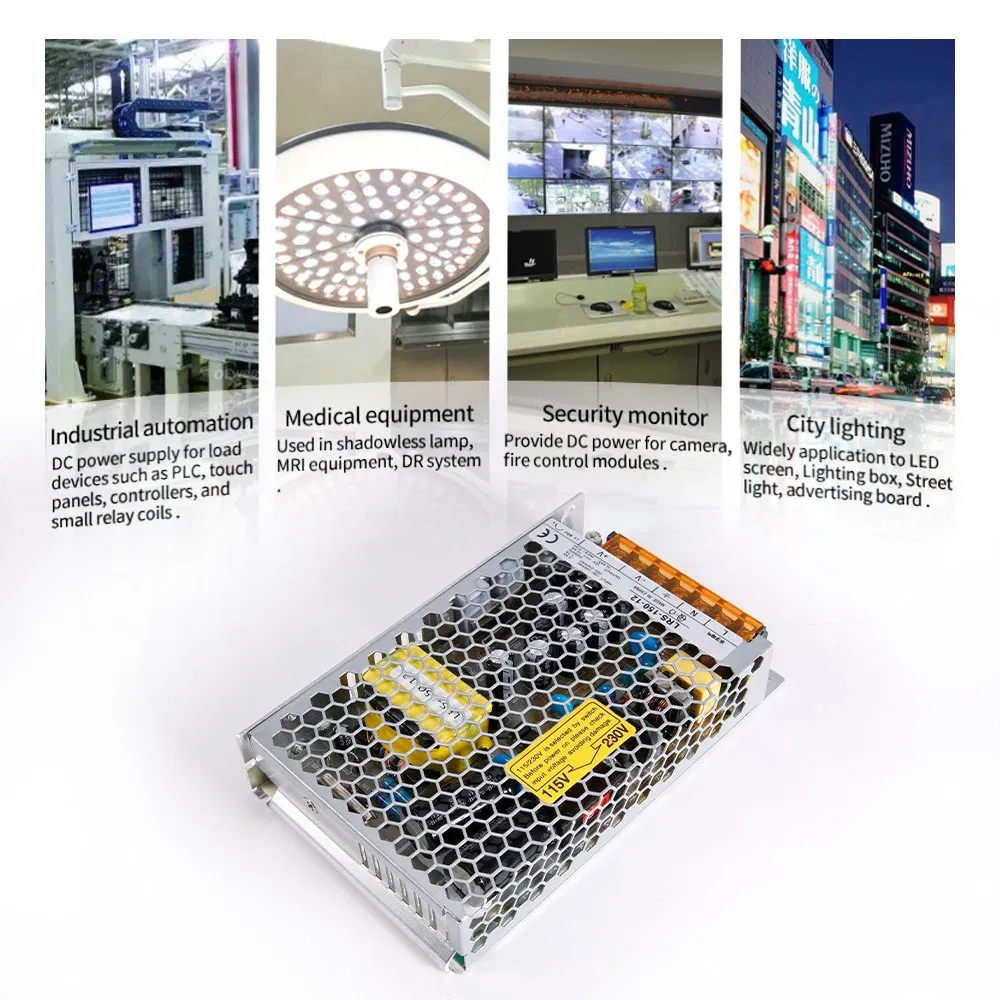
Selecting the correct power supply requires evaluating several technical parameters.
Output voltage selection
| Application | Recommended Output |
| PLC and automation | 24V DC |
| LED systems | 12V or 24V DC |
| Telecom equipment | 48V DC |
| Embedded systems | 5V or 3.3V DC |
Power rating calculation
Power should be calculated using:
Power equals voltage multiplied by current
A safety margin of 20 to 30 percent should be added to ensure stable operation and avoid overload.
Form factor selection
| Type | Typical Use Case |
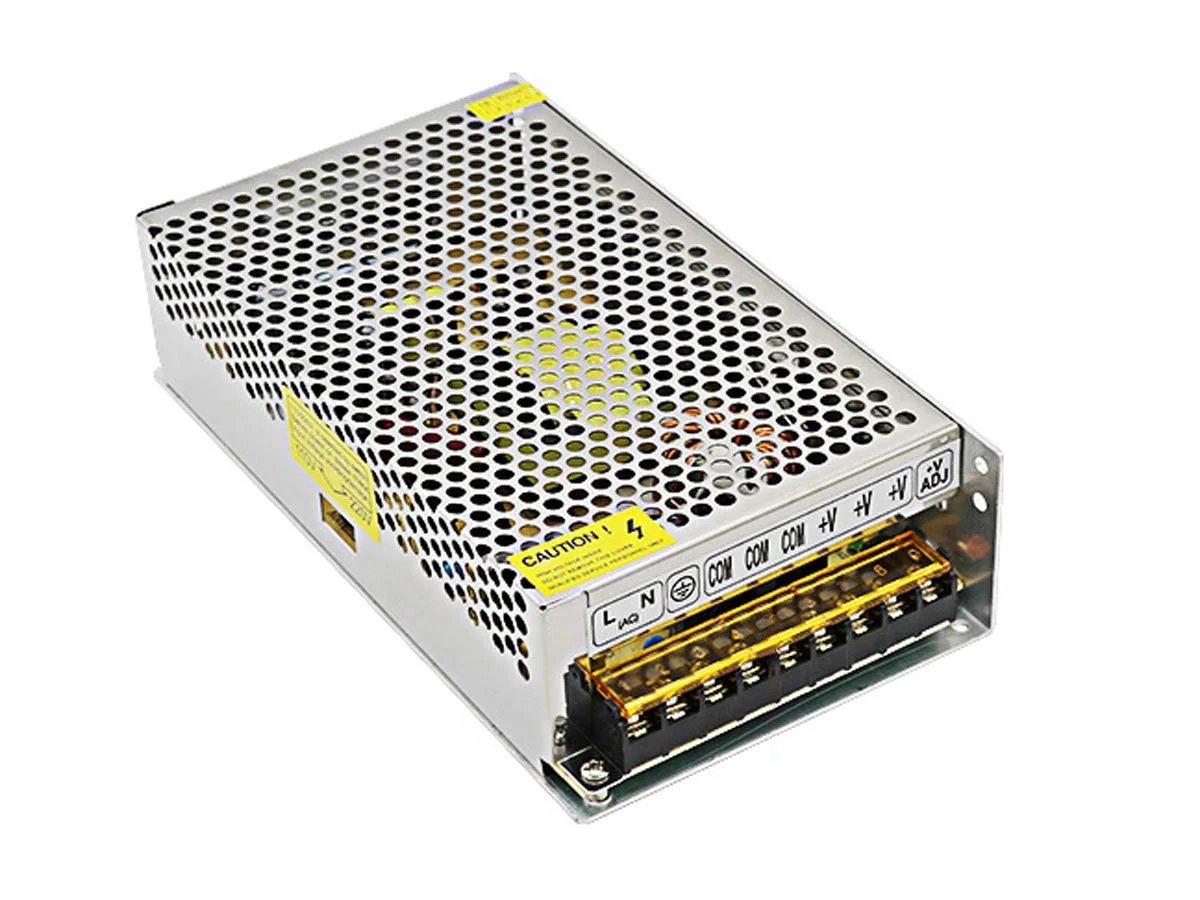
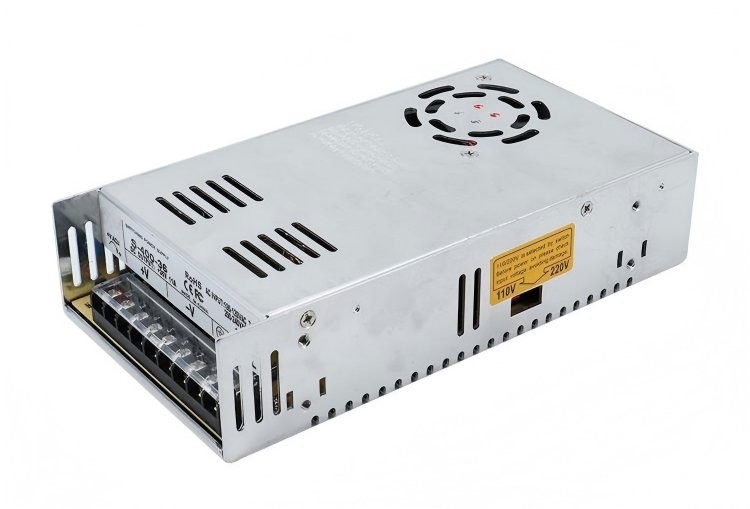
| Enclosed type | General industrial applications |
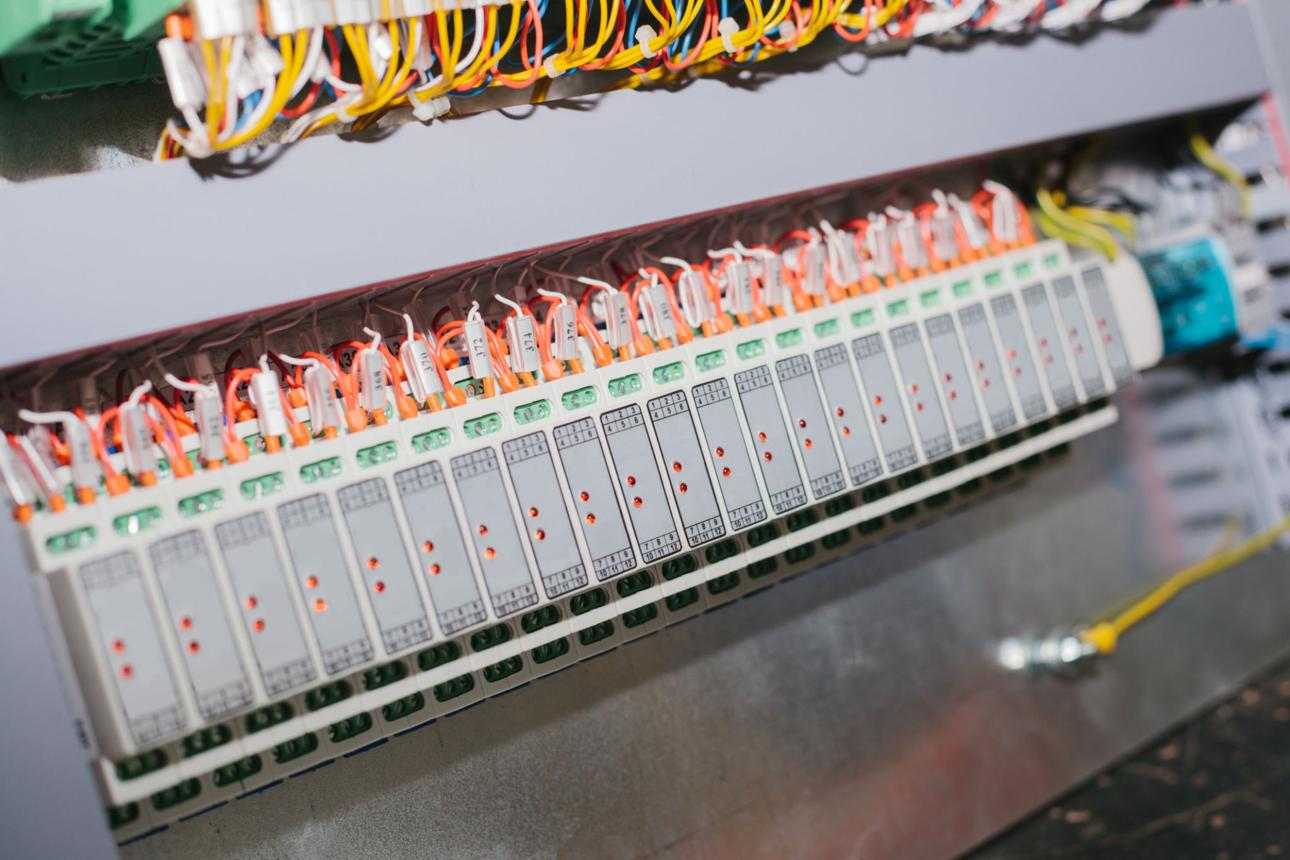
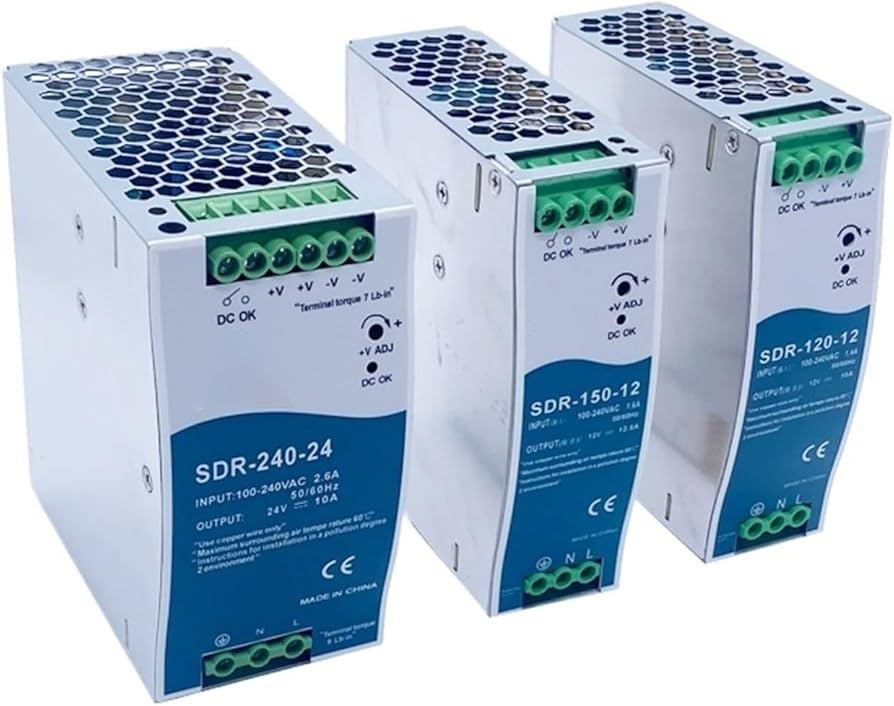
| DIN rail type | Control panels and cabinets |
| Slim type | Space-limited installations |
| Open frame | Embedded systems |
Protection features
A reliable switching power supply should include:
·Over-voltage protection
·Over-current protection
·Short-circuit protection
·Over-temperature protection
SIPURUI switching power supplies are designed with full protection mechanisms to ensure safe operation in demanding environments.
Efficiency and compliance
Efficiency and certification are critical, especially for export markets.
| Requirement | Importance |
| High efficiency | Reduces heat and energy loss |
| CE and RoHS compliance | Required for European markets |
| EMC compliance | Prevents interference with other devices |
| Electrical isolation | Ensures user safety |
What Are the Risks of Choosing the Wrong Power Supply?
Incorrect selection can lead to multiple issues:
·Voltage mismatch causing component damage
·Insufficient current leading to system instability
·Excessive ripple affecting signal integrity
·Overheating due to low efficiency
In industrial environments, these issues can result in downtime and increased maintenance costs.
AC to DC vs DC to DC Power Supply: Which One Is Needed?
| Scenario | Recommended Solution |
| Standard grid input | AC to DC switching power supply |
| Battery-powered system | DC to DC converter |
| Solar system | DC to DC or inverter |
| Industrial automation | AC to DC 24V power supply |
For most industrial and commercial users, AC to DC conversion is the primary requirement.
Where Are SIPURUI Switching Power Supplies Used?
SIPURUI products are widely used across multiple sectors:
Industrial systems
·CNC machines
·PLC control systems
·Automation production lines
Commercial systems
·LED lighting installations
·Security and surveillance systems
·Retail and POS equipment
Advanced applications
·Communication infrastructure
·Medical devices
·Renewable energy systems
Future Trends in Power Supply Technology
The industry is evolving toward higher efficiency and smarter energy management.
Key trends include:
·Increasing use of DC-powered devices
·Growth of renewable energy systems
·Higher efficiency standards
·Compact and modular power designs
AC will continue to dominate power transmission, while DC will remain essential inside electronic systems.

Conclusion: Focus on Conversion, Not Comparison
The question is not whether AC or DC is better. The correct approach is to understand how both are used within a system.
AC is suitable for transmission and large-scale distribution.
DC is essential for stable operation of electronic devices.
The critical component connecting the two is the switching power supply.
Choosing the right SIPURUI switching power supply ensures:
·Stable voltage output
·High efficiency
·Long equipment lifespan
·Safe and reliable system operation
For engineers, system integrators, and distributors, selecting the correct power supply is a key step in building a robust and efficient system.