

Introduction: Are You Choosing the Right Power Architecture?
In modern electronics design, one question continues to shape product performance, thermal behavior, and long-term reliability:
Should you use an external power supply or an internal power supply?
This decision is no longer just about placement. It affects:
·Efficiency and heat dissipation
·Product size and industrial design
·Maintenance and lifecycle cost
·Compliance with global safety standards
With the rapid evolution of switch-mode power supplies (SMPS), higher efficiency requirements (DOE Level VI, EU CoC Tier 2), and growing demand for compact systems, engineers and buyers must evaluate power architecture more carefully than ever.
In this article, we provide a detailed, practical comparison between external and internal power supplies, focusing on real-world applications and SIPURUI product solutions.
What Is an External Power Supply—and Why Is It Still So Popular?
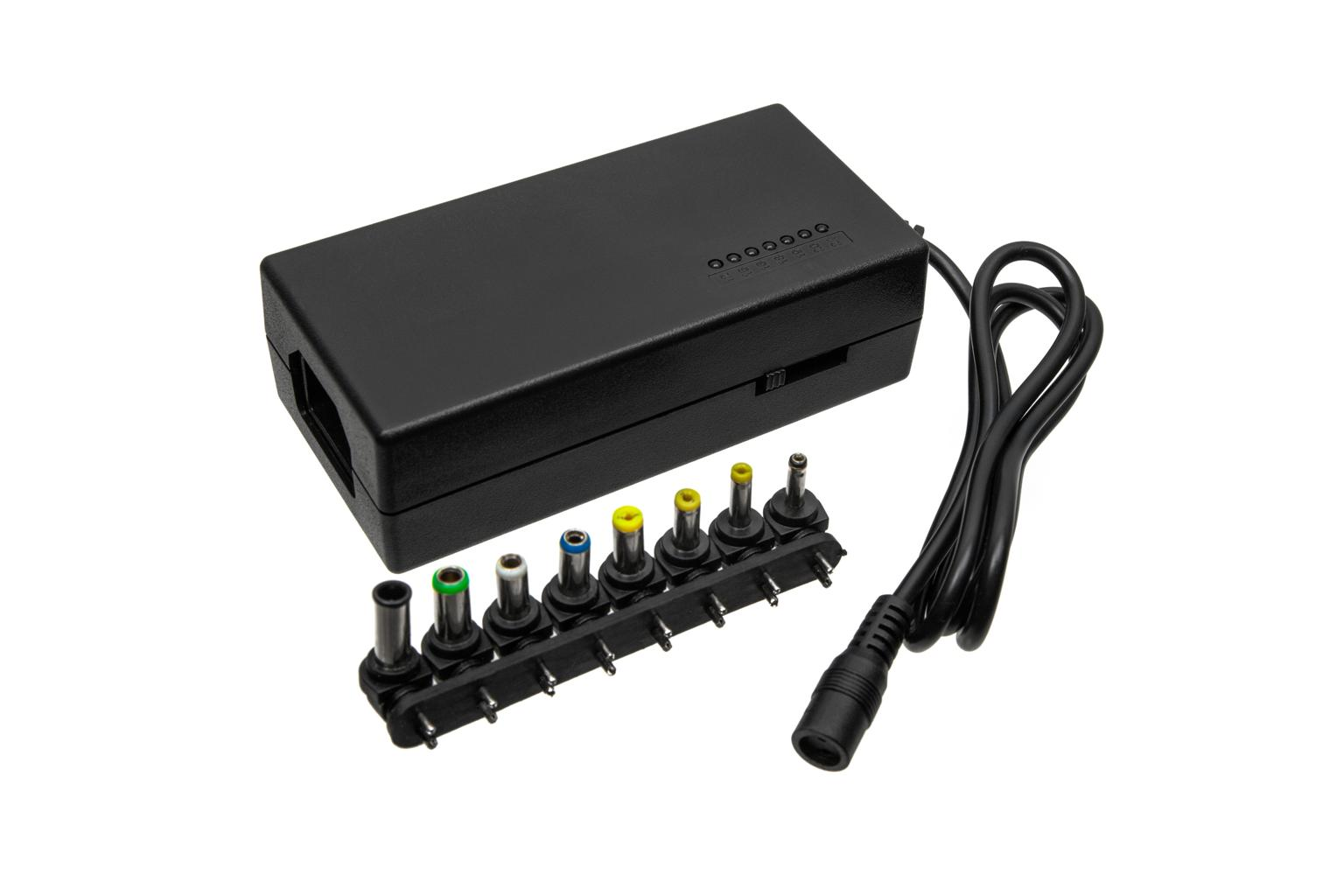
An external power supply is a standalone AC-DC converter located outside the main device enclosure. It is commonly referred to as a power adapter, charger, or power brick.
Why do engineers prefer external power supplies?
Because they simplify system design.
Key Technical Characteristics:
·Input: 100–240V AC (global compatibility)
·Output: Typically 5V–48V DC
·Power range: 5W to 250W
·Topology: High-frequency switching (flyback or LLC)
·Efficiency: Up to 90%+ (depending on design)
Typical SIPURUI External Power Supply Series:
·12V / 24V desktop adapters (60W–180W)
·USB-C PD adapters (30W–140W)
·Medical-grade adapters (IEC 60601 compliant)
Where are they used?
·Consumer electronics
·Networking devices
·Portable medical equipment
·LED lighting systems
What Is an Internal Power Supply—and When Is It the Better Choice?
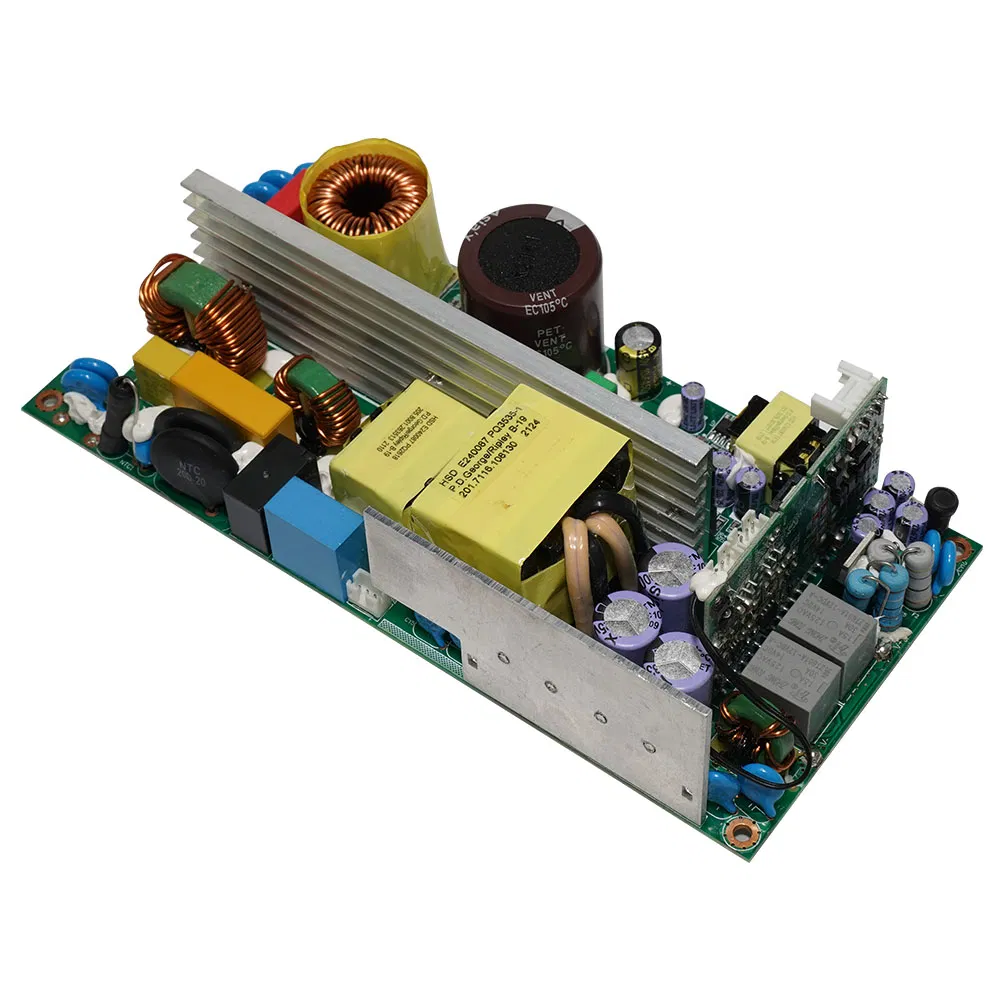
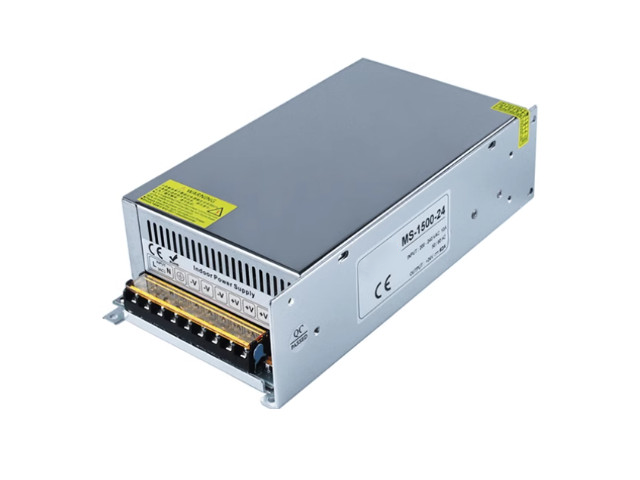
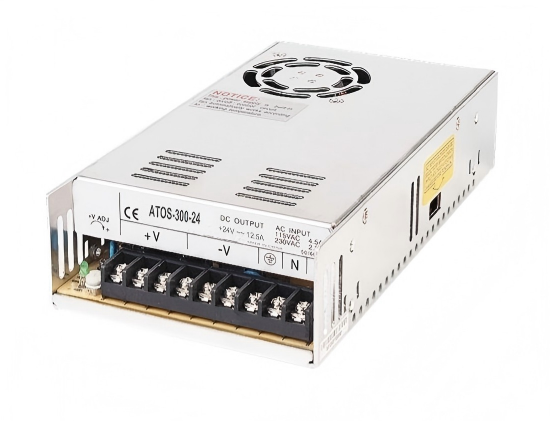
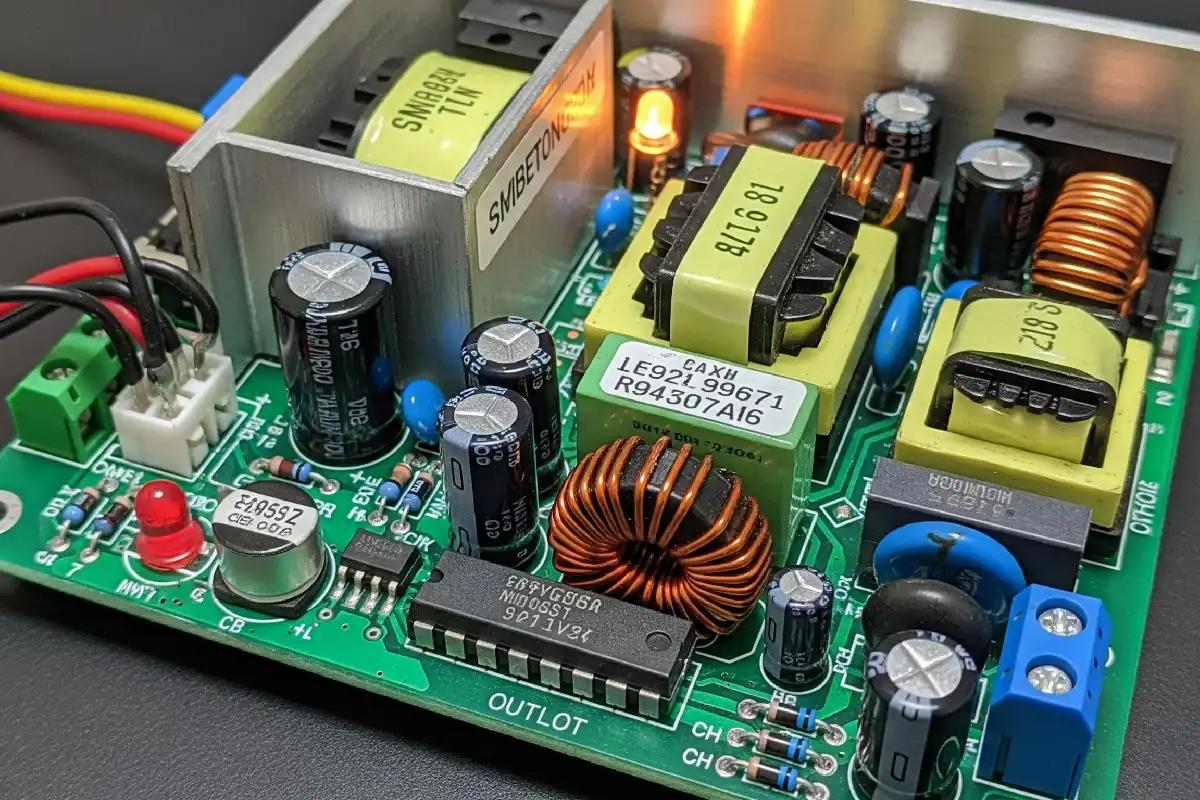
An internal power supply is integrated directly into the device enclosure. It converts AC input into multiple DC outputs required by internal subsystems.
Why choose an internal design?
Because it delivers power density and system integration.
Key Technical Characteristics:
·Multi-output rails (3.3V, 5V, 12V, 24V, etc.)
·Power range: 50W to 2000W+
·Cooling: Passive or active (fan-assisted)
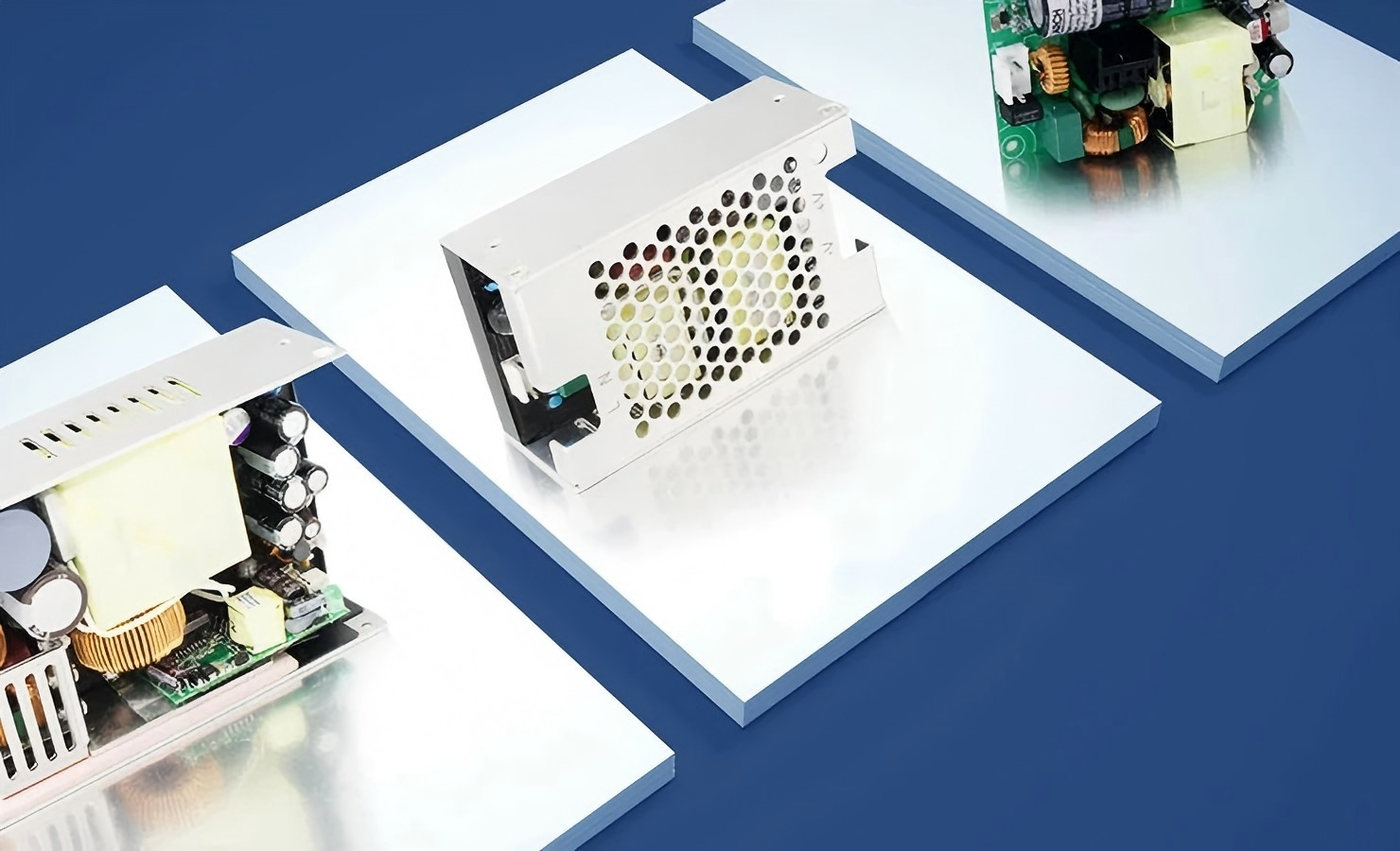
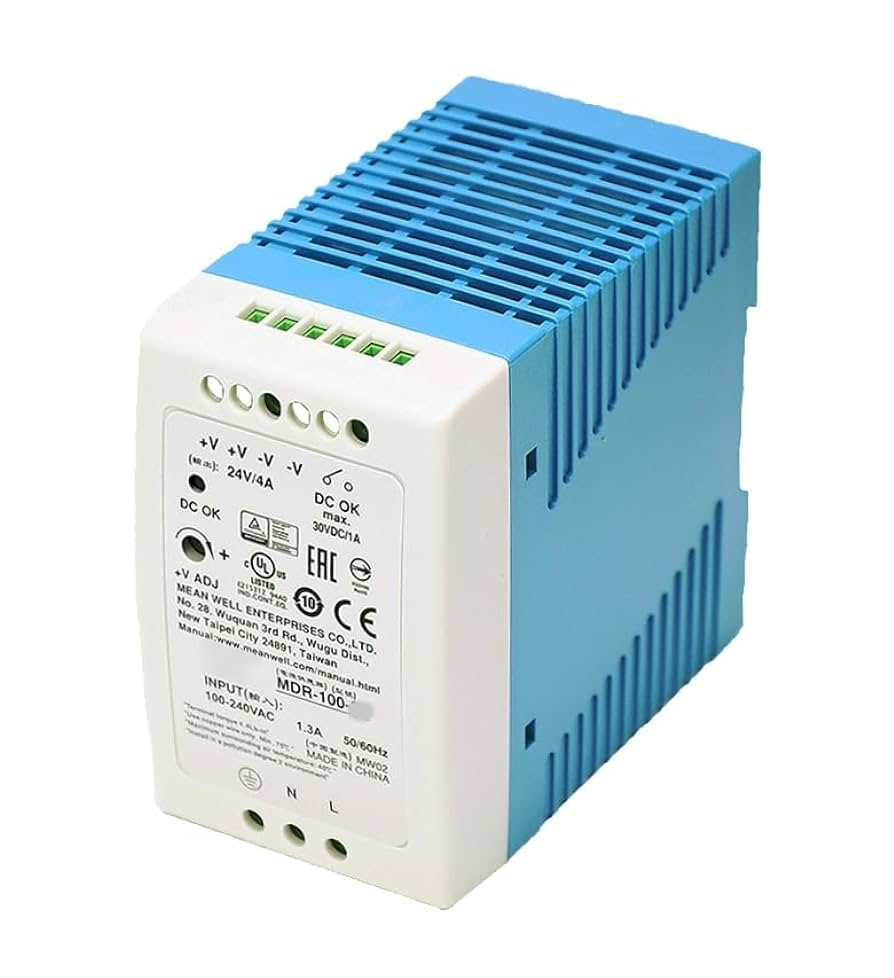
·Form factors: Open-frame, enclosed, DIN rail
Typical SIPURUI Internal Power Supply Series:
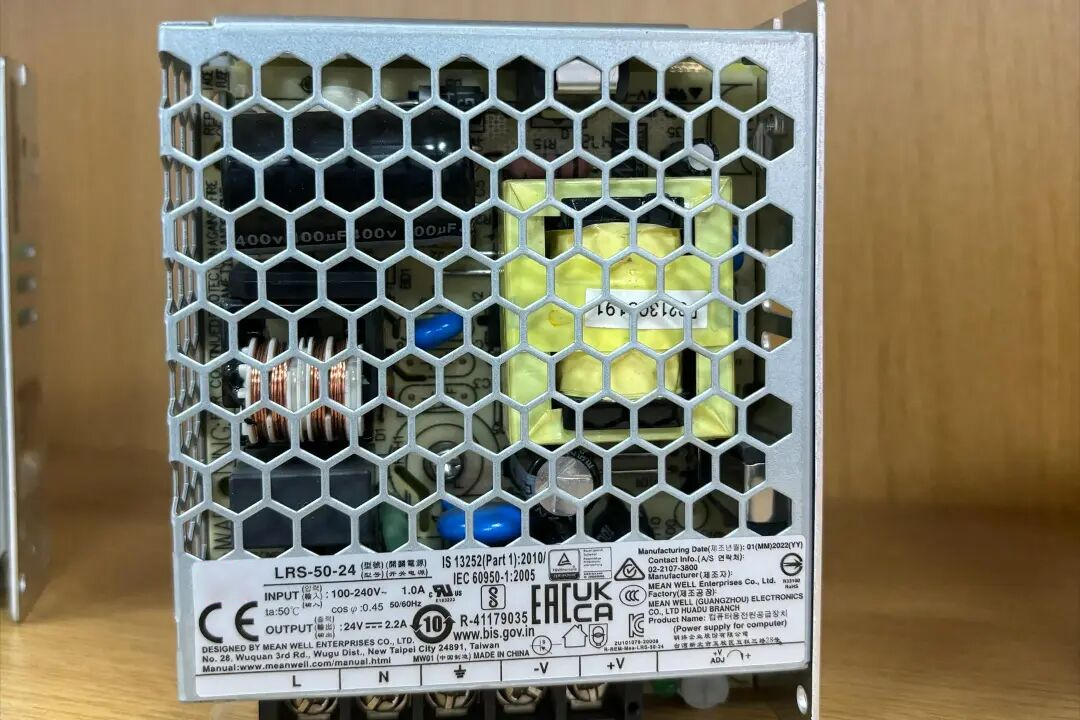
·Open-frame PCB power supplies (50W–300W)
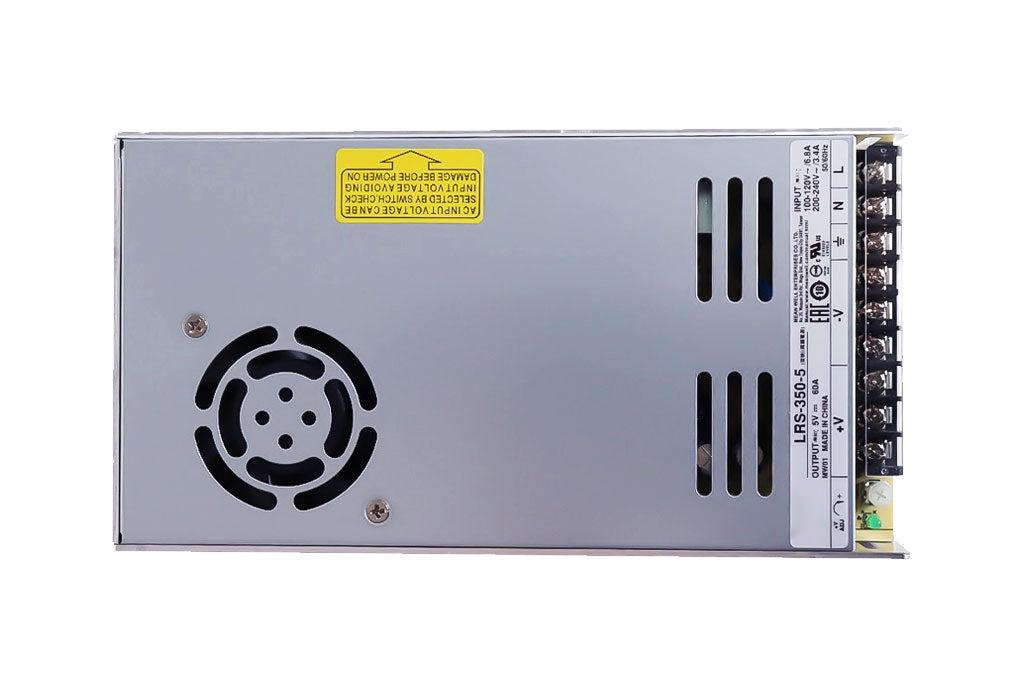
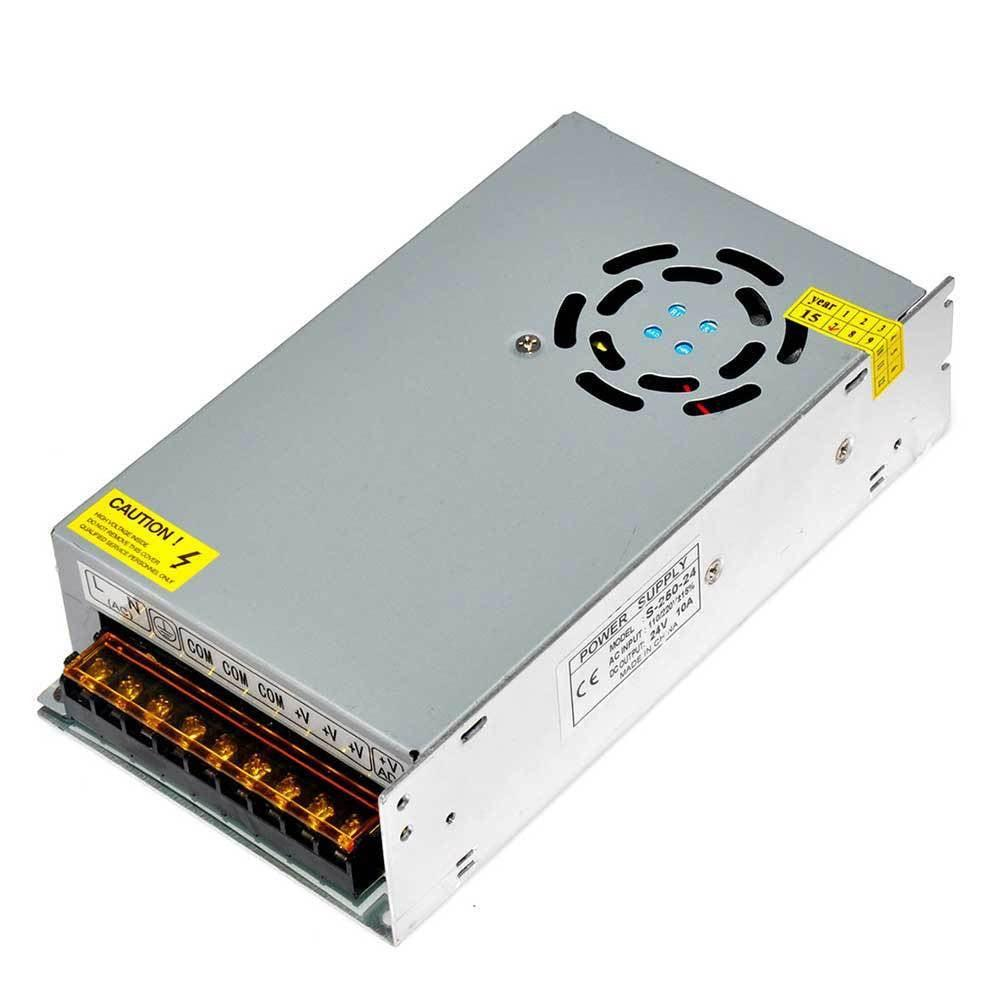
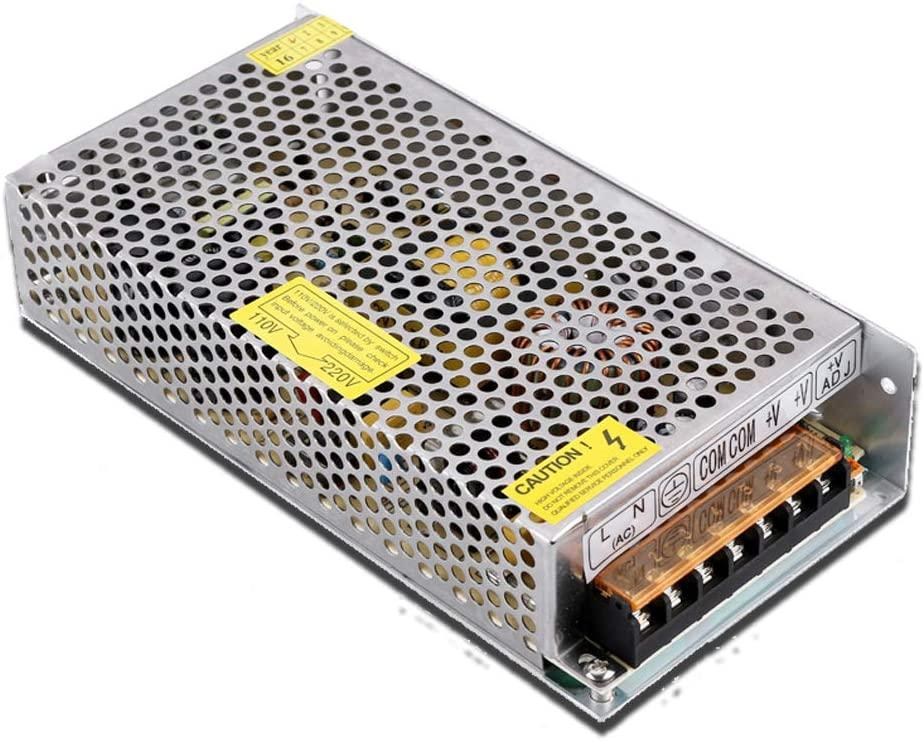
·Enclosed industrial SMPS (120W–1000W)
·DIN rail power supplies (24V/48V systems)
·High-power server-grade PSU modules
Common Applications:
·Industrial automation
·Servers and data centers
·Medical systems
·Telecommunications infrastructure
External vs Internal Power Supply: What Are the Real Differences?
1. Power Capacity: Do You Need High Power or Portability?
| Power Supply Type | Typical Power Range | Peak Capability | Best Use Case |
| External | 5W – 250W | Limited by connector | Portable devices |
| Internal | 50W – 2000W+ | Very high | Industrial / IT systems |
Insight:
If your system exceeds 250W, internal power supplies (like SIPURUI enclosed SMPS series) become the only practical option.
2. Thermal Management: Where Does the Heat Go?
·External power supplies:
oHeat dissipates outside the device
oReduces internal system temperature
oImproves lifespan of sensitive components
·Internal power supplies:
oHeat accumulates inside enclosure
oRequires airflow design or heat sinks
oMay impact system MTBF if not optimized
| Parameter | External PSU | Internal PSU |
| Heat Location | Outside device | Inside enclosure |
| Cooling Complexity | Low | Medium to high |
| Impact on System | Minimal | Significant |
Engineering Tip:
Using a SIPURUI external adapter can reduce internal temperature by 5–15°C, depending on enclosure design.
3. Reliability: Which One Lasts Longer?
This is a common misconception.
Reliability is not determined by type—but by design quality.
However, there are differences:
·External power supplies:
oLower thermal stress
oHigher mechanical wear (plug cycles)
·Internal power supplies:
oProtected environment
oHigher operating temperature
| Factor | External | Internal |
| Thermal Stress | Low | High |
| Mechanical Stress | Medium | Low |
| Maintenance | Easy replacement | Complex |
SIPURUI designs both types with:
·High-quality capacitors (105°C rated)
·Full protection: OVP, OCP, SCP, OTP
·MTBF > 100,000 hours (industrial models)
4. Safety and Compliance: Are You Meeting Global Standards?
Both external and internal power supplies must comply with:
·IEC/EN 62368-1 (IT/AV equipment)
·IEC 60601 (medical applications)
·UL / CE / FCC certifications
External power supplies:
·Require reinforced insulation
·Fully enclosed for user safety
Internal power supplies:
·Rely on system-level protection
·Require PCB-level isolation design
SIPURUI products are designed to meet:
·DOE Level VI efficiency
·EU CoC Tier 2
·Class I and Class II safety standards
5. Product Design: Slim Device or Clean Integration?
| Design Factor | External Power Supply | Internal Power Supply |
| Device Thickness | Slimmer | Thicker |
| Cable Complexity | More cables | Fewer cables |
| Aesthetics | Separate adapter | Integrated design |
| Flexibility | High | Low |
Question:
Are you designing a consumer-friendly product or a fully integrated industrial system?
That answer often determines your power architecture.
How to Choose: What Should You Consider Before Making a Decision?
1. What Is Your Application Scenario?
Ask:
·Is the device portable? → External
·Is it fixed installation? → Internal
·Does it require high power density? → Internal
·Does it need easy replacement? → External
2. What About Cost and Lifecycle?
| Cost Factor | External PSU | Internal PSU |
| Initial Cost | Lower | Higher |
| Integration Cost | Minimal | Engineering required |
| Replacement | Easy | Difficult |
| Lifecycle Cost | Moderate | Lower in optimized systems |
Insight:
External power supplies reduce time-to-market, especially for OEM/ODM projects.
3. Do You Need Future Flexibility?
·External:
oEasy upgrades (swap adapter)
oIdeal for evolving power requirements
·Internal:
oFixed design
oRequires redesign for upgrades
SIPURUI offers modular internal power solutions to address this limitation.
Real-World Application Examples
Case 1: Industrial Automation System
·Requirement: 24V / 480W
·Environment: High temperature, continuous operation
Solution:
SIPURUI enclosed internal power supply
→ High reliability, DIN rail compatibility
Case 2: Medical Portable Device
·Requirement: 19V / 120W
·Requirement: Safety + portability
Solution:
SIPURUI medical-grade external adapter
→ IEC 60601 compliant, low leakage current
Case 3: LED Lighting System
·Requirement: 12V / 150W
·Installation: Indoor/outdoor
Solution:
Depends on design:
·External adapter for flexibility
·Internal enclosed PSU for integrated fixtures
Emerging Trends: What Is Changing in 2026?
·USB-C Power Delivery replacing traditional adapters
·Higher efficiency standards globally
·GaN technology improving power density
·Modular power architectures gaining popularity
·Increased demand for industrial-grade reliability
SIPURUI is actively developing:
·GaN-based compact adapters
·High-efficiency industrial SMPS (>94%)
·Smart power supplies with monitoring capabilities

Conclusion: Which One Should You Choose?
There is no universal answer—but there is a right answer for your application.
Choose external power supplies if you need:
·Portability
·Lower thermal impact
·Easy replacement
·Faster development
Choose internal power supplies if you need:
·High power output
·System integration
·Industrial reliability
·Clean product design
A trusted manufacturer like SIPURUI can provide both solutions, ensuring:
·High efficiency
·Global compliance
·Long-term reliability
FAQs
What is the biggest advantage of an external power supply?
Thermal isolation and easy replacement.
Can external power supplies handle industrial use?
Yes, especially industrial-grade adapters like SIPURUI’s high-power series.
Why are internal power supplies used in servers?
Because they support high power density and centralized power management.
Which is more efficient?
Both can achieve high efficiency (>90%), depending on design and topology.