
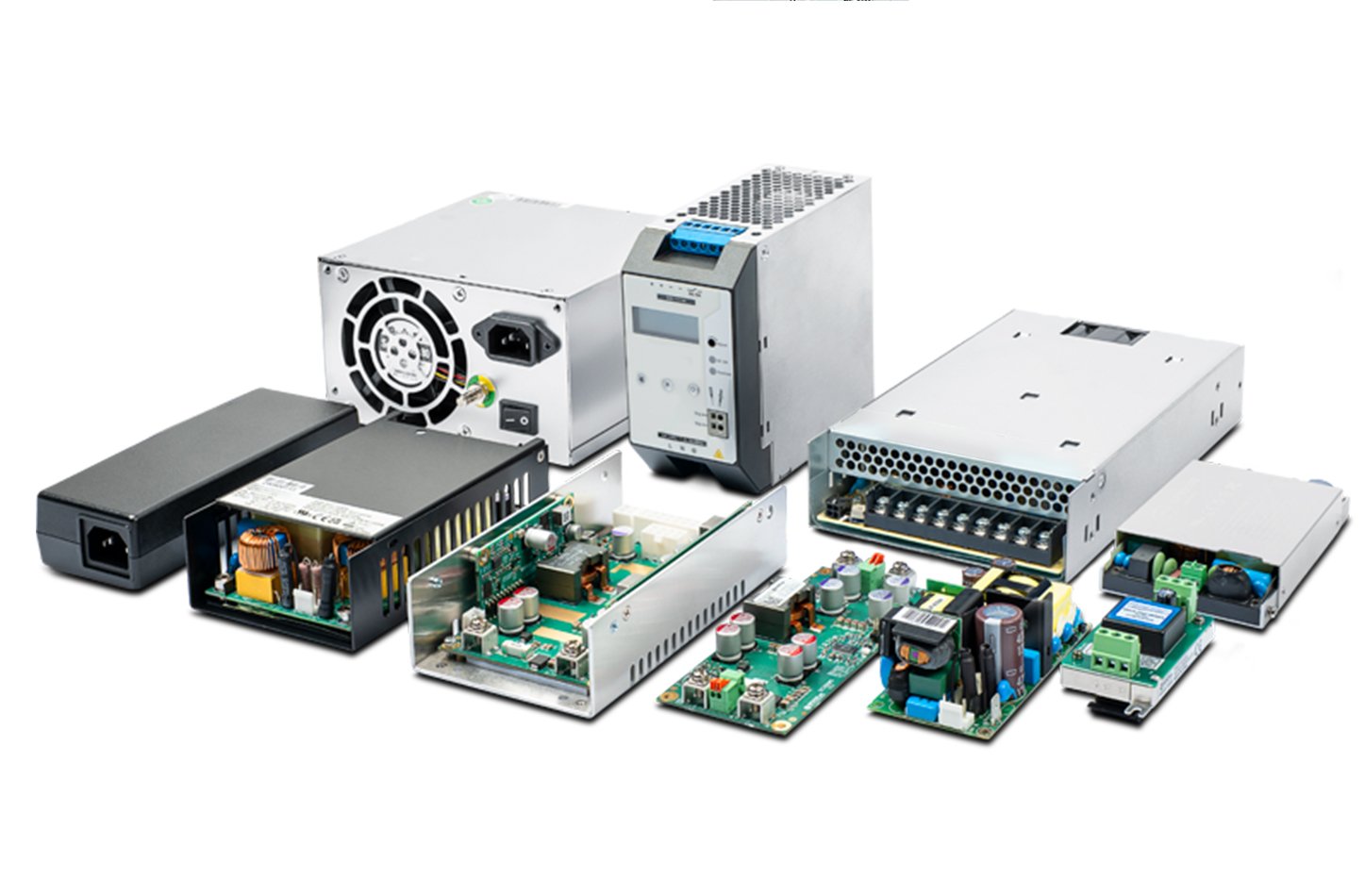
Industrial power supplies sit quietly at the heart of modern automation systems, CNC equipment, control cabinets, and production lines. They rarely receive attention—until they fail. And when they do, the consequences are often costly: unexpected downtime, equipment damage, and lost production.
This raises a question that engineers, buyers, and maintenance teams repeatedly ask:
How long does an industrial power supply really last in real-world conditions?
The answer is far more complex than a simple number. Unlike consumer electronics, industrial power supplies are not designed around a fixed service life. Instead, their longevity is the result of an interplay between internal component quality, thermal design, electrical stress, environmental exposure, and maintenance discipline. Under ideal conditions, a well-designed industrial power supply can operate reliably for nearly a decade. Under poor conditions, even a premium unit may struggle to last three years.
Understanding what determines this difference is critical—not only for selecting the right product, but also for designing systems that maximize reliability over time.
The Reality Behind “Rated Lifespan”: Why There Is No Single Number
In datasheets, it is common to see specifications such as MTBF (Mean Time Between Failures), often expressed in hundreds of thousands of hours. While these figures are useful for statistical reliability modeling, they do not directly translate into real-world service life. MTBF assumes ideal conditions and does not account for the cumulative effects of heat, load stress, or environmental contamination.
In practice, industrial power supplies tend to fall into three broad lifespan categories depending on design level and protection strategy.
Typical Lifespan Ranges in Industrial Applications
| Power Supply Category | Design Characteristics | Real-World Lifespan |
| Basic industrial PSU | Standard components, minimal thermal optimization | 3–5 years |
| Advanced industrial PSU | Optimized thermal layout, higher-grade components | 5–8 years |
| High-reliability PSU | Sealed/potted design, redundancy, wide temperature range | 8–10 years |
These ranges assume moderately controlled environments. In high-temperature or high-contamination settings, actual lifespan can deviate significantly.
What becomes clear is that lifespan is not an inherent property—it is the outcome of design decisions and operating conditions.
Inside the Power Supply: Where Lifespan Is Won or Lost
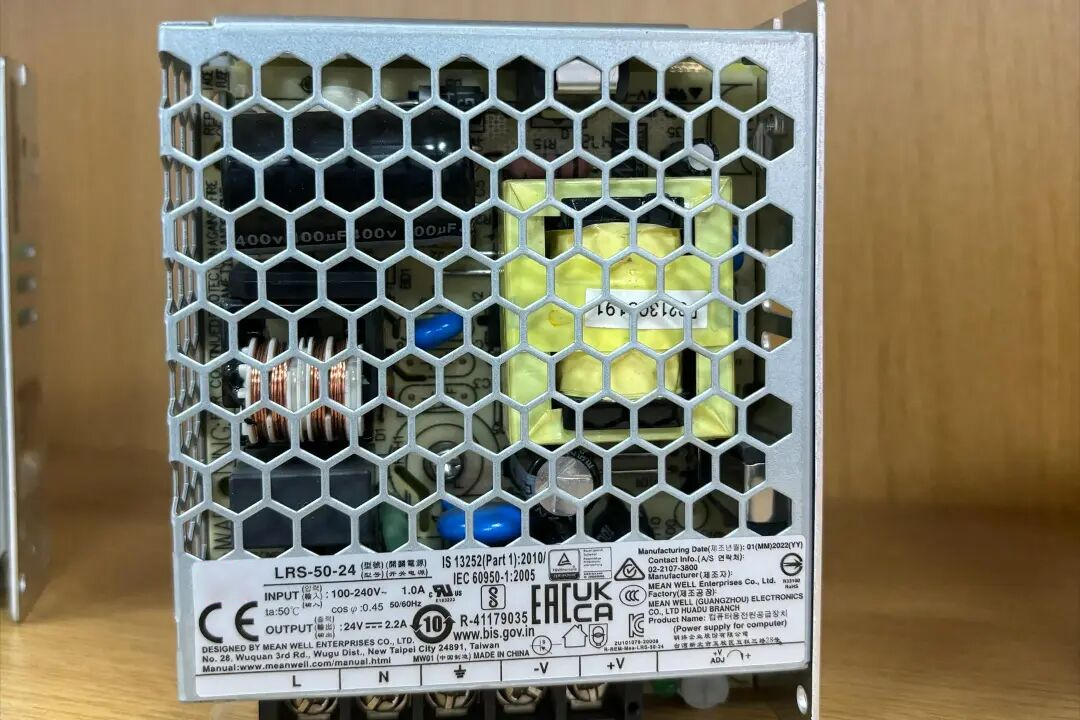
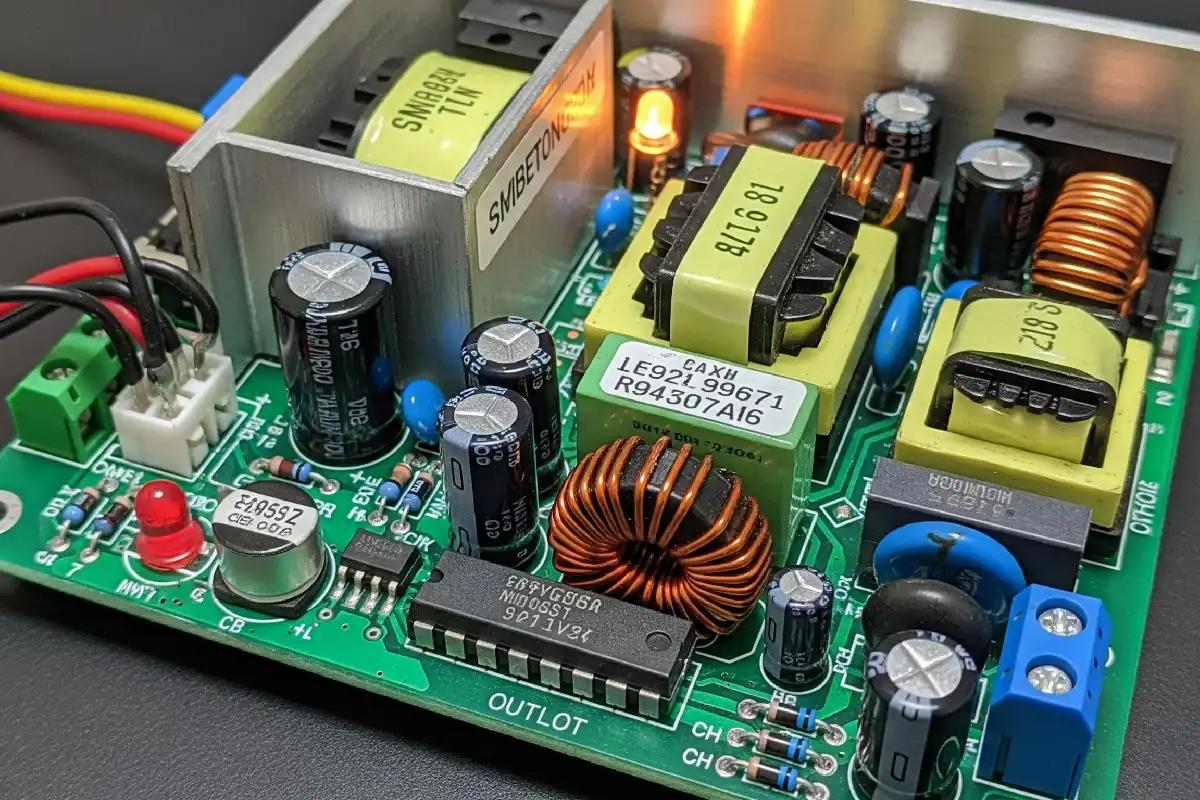
To understand why power supplies age, it is necessary to look inside. A switching power supply is a complex system composed of semiconductors, magnetics, control ICs, and passive components. Among these, one component consistently emerges as the limiting factor: the electrolytic capacitor.
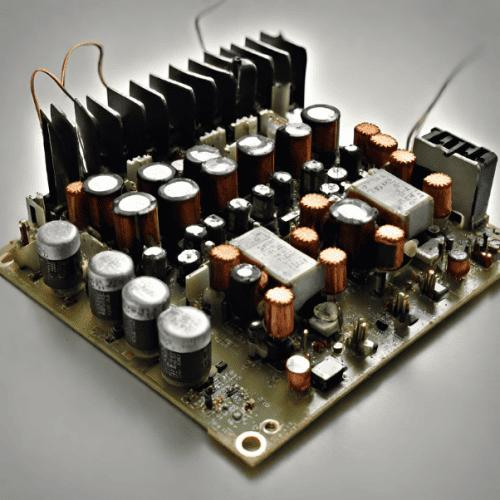
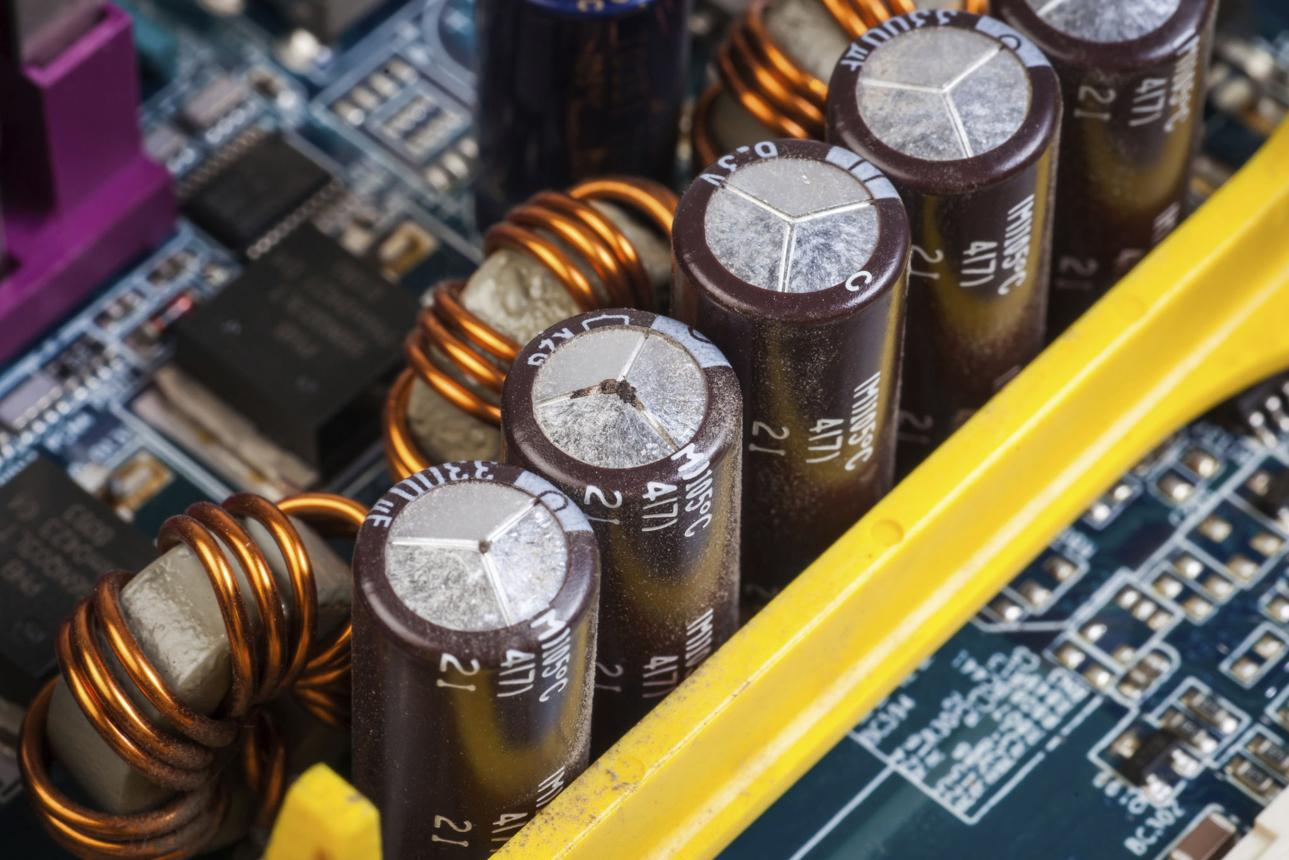
Electrolytic capacitors are widely used for energy storage and filtering due to their high capacitance-to-volume ratio. However, their construction inherently limits their lifespan. Unlike solid-state components, they rely on a liquid or gel electrolyte that gradually evaporates over time. This process is accelerated by temperature and electrical stress.
As the electrolyte dries out, several critical parameters begin to degrade. Capacitance decreases, which reduces the ability to smooth voltage fluctuations. Equivalent Series Resistance (ESR) increases, generating additional heat during operation. Eventually, these changes lead to excessive ripple, unstable output voltage, and ultimately failure of the power supply.
What makes this particularly important is that capacitor degradation is not sudden. It is a slow, cumulative process, meaning that performance may deteriorate long before complete failure occurs. In sensitive industrial systems, this can lead to intermittent faults that are difficult to diagnose.
The Critical Role of Temperature: Why Heat Is the Primary Enemy
If there is one factor that dominates power supply lifespan above all others, it is temperature. The relationship between temperature and component aging is well understood in electronics and is often described by the Arrhenius equation. In practical engineering terms, this is simplified into what is commonly known as the “10°C rule.”
This rule states that for many electronic components, including electrolytic capacitors, every 10°C increase in operating temperature reduces lifespan by approximately half.
Temperature Impact on Capacitor Lifetime
| Operating Temperature | Relative Lifetime |
| 105°C | 1× (baseline) |
| 95°C | 2× |
| 85°C | 4× |
| 75°C | 8× |
| 65°C | 16× |
This exponential relationship explains why thermal management is central to power supply design. A unit operating continuously at elevated internal temperatures will age dramatically faster than one operating under controlled thermal conditions.
In real industrial environments, temperature challenges often arise from multiple sources simultaneously. Ambient conditions in factories can exceed 40°C, particularly in metal processing or enclosed production lines. Inside control cabinets, heat generated by multiple devices can further raise local temperatures. When combined with high load operation, internal component temperatures can easily approach critical limits.
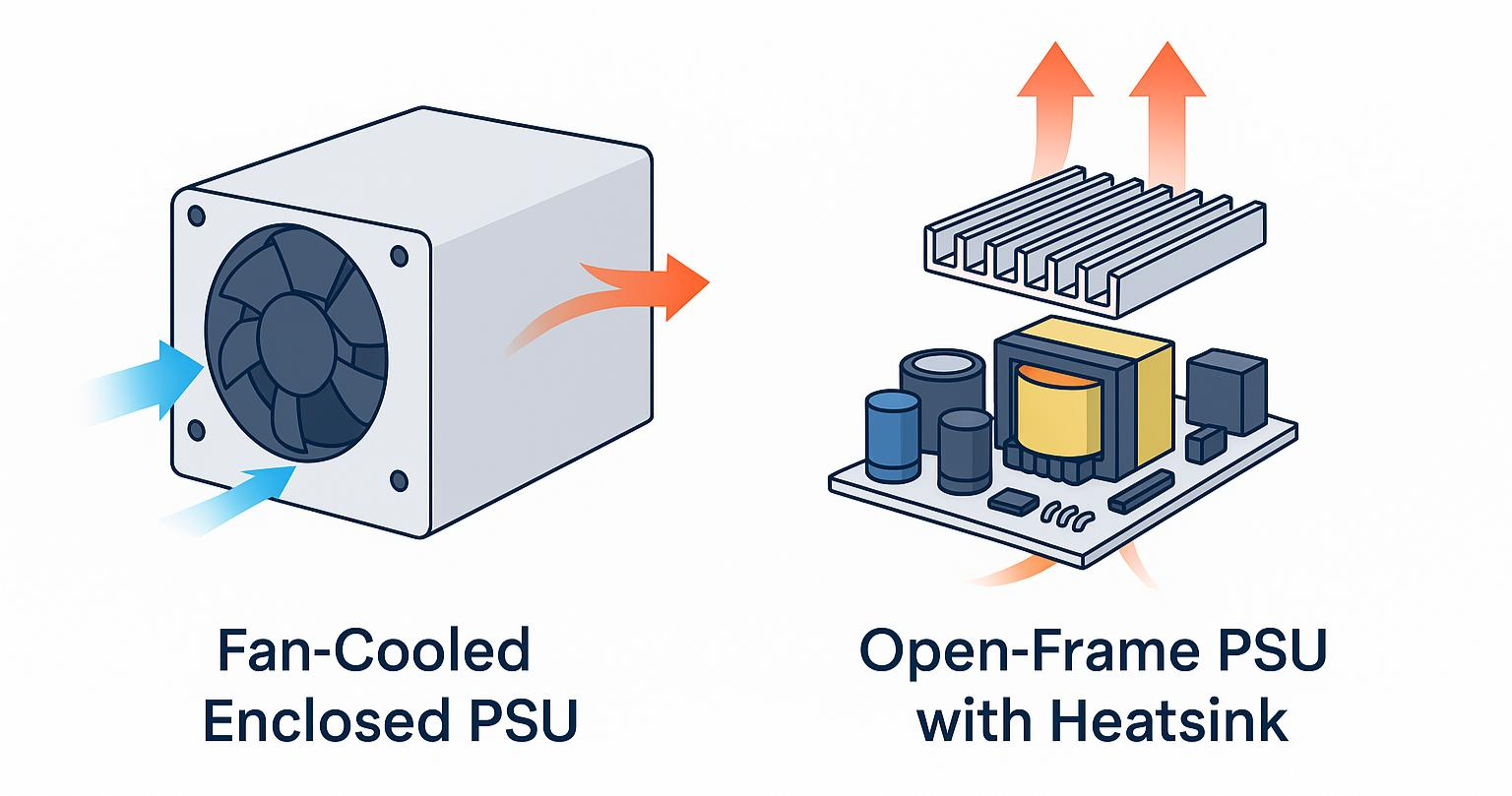
This is why high-quality industrial power supplies, such as those designed by SIPURUI, prioritize thermal optimization. By improving efficiency, optimizing layout, and enhancing heat dissipation, internal temperatures can be significantly reduced, effectively extending component lifespan.
Electrical Stress: How Load Conditions Shape Longevity
While temperature is the dominant factor, electrical stress—particularly load level—also plays a major role in determining how quickly a power supply ages.
Operating a power supply at or near its maximum rated output continuously increases internal losses and thermal stress. Components such as switching transistors, transformers, and capacitors are subjected to higher currents and voltages, accelerating wear.
Load Level vs Lifespan Impact
| Load Condition | Effect on Power Supply |
| 50–70% load | Optimal operating range |
| 70–90% load | Increased thermal stress |
| 100% load | Reduced lifespan (~30%) |
| Overload | High risk of immediate failure |
From a system design perspective, this leads to an important principle: derating is essential for reliability. Rather than selecting a power supply that exactly matches the required load, engineers should choose a unit with sufficient headroom, allowing it to operate comfortably below its maximum capacity.
SIPURUI incorporates this philosophy into its product design and application recommendations. By encouraging operation around 70% of rated load, the company ensures that both thermal and electrical stresses remain within safe limits, significantly improving long-term reliability.
Environmental Factors: The Silent Accelerators of Failure
Beyond temperature and load, environmental conditions can quietly but dramatically shorten the life of a power supply. Industrial environments are rarely clean or stable, and exposure to contaminants can introduce additional failure mechanisms.
Dust accumulation is one of the most common issues. Fine particles can settle on internal components, insulating heat and reducing cooling efficiency. In extreme cases, conductive dust can create leakage paths, leading to electrical faults.
Humidity introduces another set of risks. Moisture can cause corrosion of metal contacts, degradation of insulation, and even short circuits under certain conditions. When combined with temperature cycling, condensation can further accelerate damage.
Mechanical vibration, often present in heavy machinery environments, can loosen connections and stress solder joints over time. This type of fatigue failure is particularly difficult to predict, as it depends on both frequency and amplitude of vibration.
How SIPURUI Addresses Harsh Environments
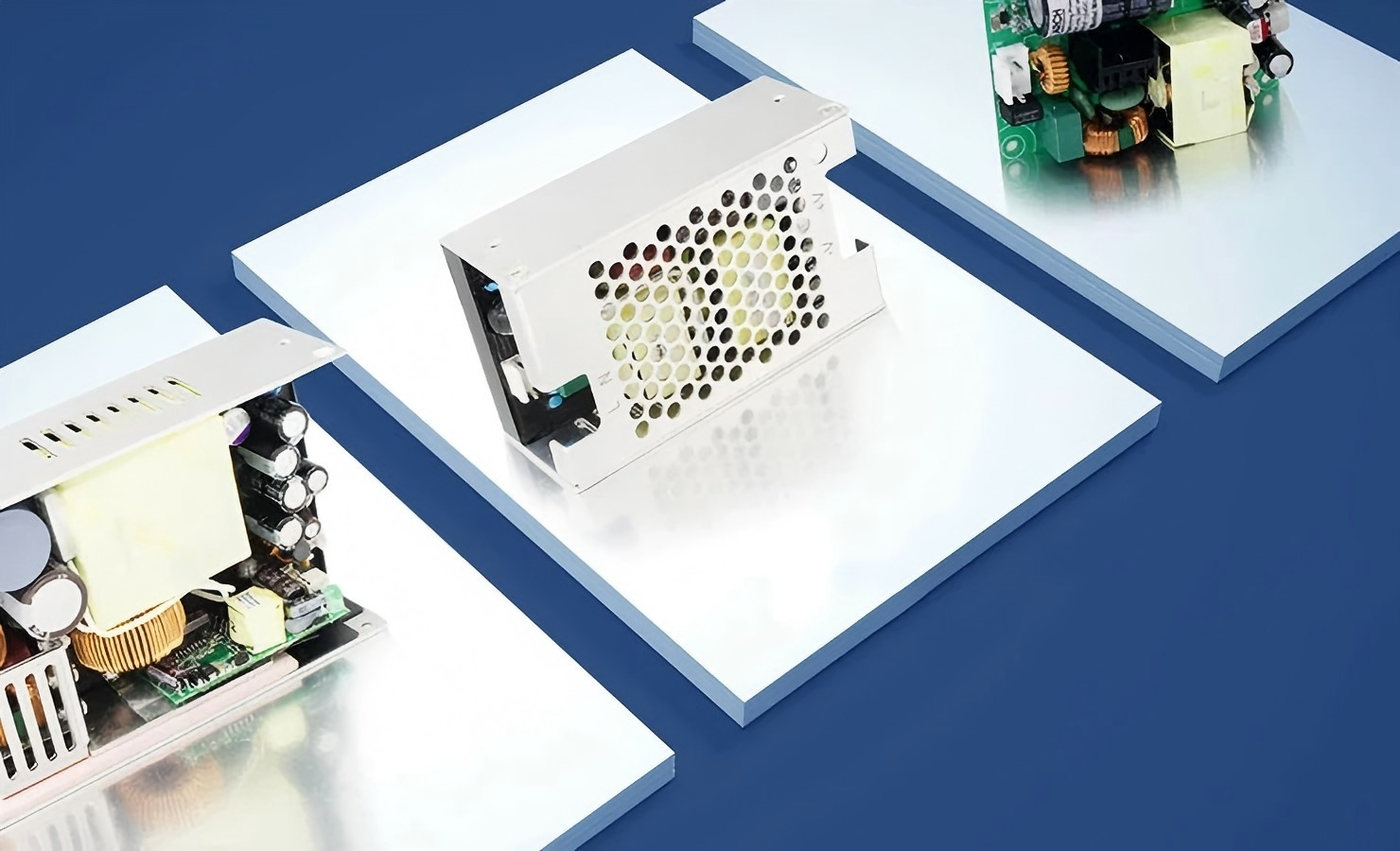
To address these challenges, SIPURUI offers power supply designs that go beyond standard open-frame construction.
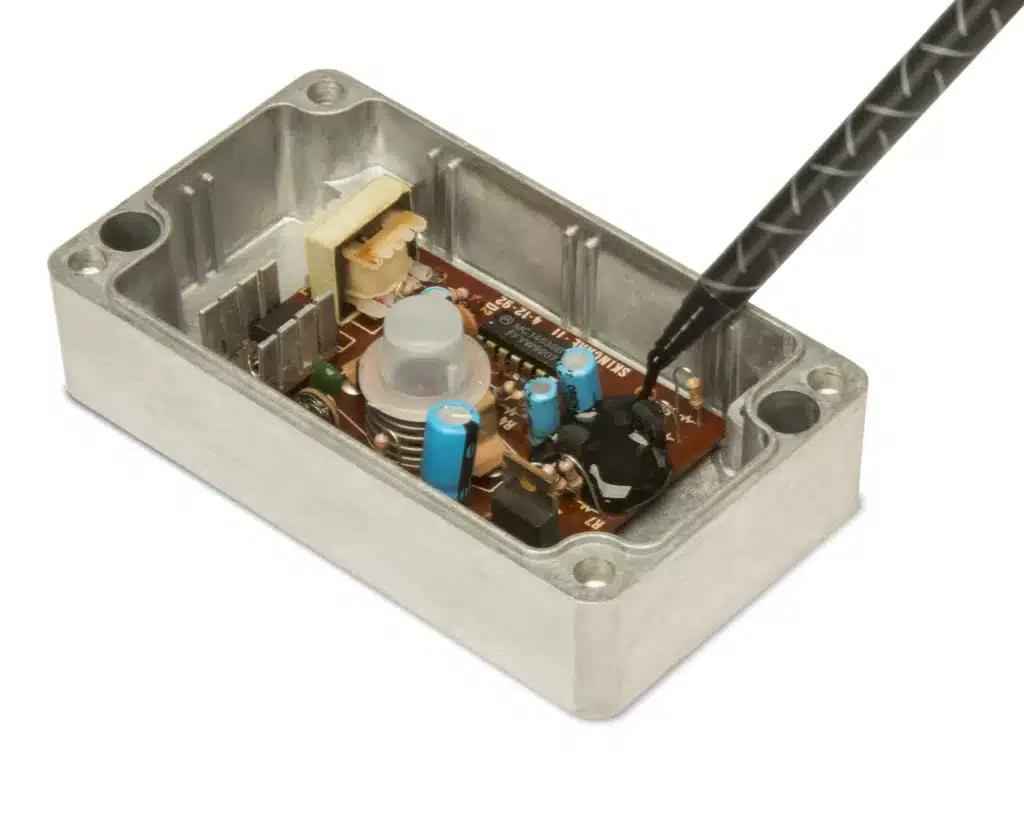
One of the most effective solutions is potting technology, where internal components are encapsulated in protective resin. This approach provides multiple benefits. It prevents dust and moisture from reaching sensitive components, significantly reduces the effects of vibration, and can even improve thermal distribution by eliminating air gaps.
In practical terms, sealed or potted power supplies often achieve service lives that are several years longer than standard designs when used in harsh environments. This makes them particularly suitable for applications such as outdoor equipment, heavy industry, and high-contamination manufacturing processes.
Maintenance: The Overlooked Factor in Lifespan Extension
While design and environment play major roles, maintenance is often the deciding factor between average and exceptional lifespan.
Industrial power supplies are frequently installed and then forgotten, operating continuously without inspection. However, even simple maintenance practices can have a measurable impact on longevity.
Regular cleaning of dust from ventilation paths helps maintain effective cooling. Ensuring that cooling fans are functioning properly prevents thermal buildup. Periodic inspection of wiring connections reduces the risk of resistive heating and intermittent faults.
Field data suggests that proper maintenance can extend power supply lifespan by as much as 20 to 30 percent. Conversely, neglect can negate the advantages of even the most advanced designs.
Engineering for Longevity: The SIPURUI Approach
At SIPURUI, extending power supply lifespan is not treated as a secondary goal—it is a core design objective. This is achieved through a combination of component selection, circuit design, and mechanical engineering.
High-quality electrolytic capacitors rated for 105°C operation are selected to ensure long baseline lifetimes. These components exhibit lower ESR and slower degradation compared to standard alternatives.
Thermal performance is addressed through careful layout and efficiency optimization. By minimizing power loss and improving heat dissipation, internal temperatures are kept under control, directly extending component life.
Design margins are intentionally conservative. Instead of pushing components to their limits, SIPURUI power supplies are engineered to operate comfortably within safe operating areas. This approach reduces stress and improves reliability over extended periods.
For demanding environments, protective features such as potting, wide temperature operation, and vibration resistance are integrated into specific product series. These features ensure that performance remains stable even under challenging conditions.
Can a Power Supply Really Last 10 Years?
The question remains: is a 10-year lifespan realistic?
The answer is yes—but only when multiple conditions are satisfied simultaneously. The power supply must be well-designed, using high-quality components and effective thermal management. It must be operated within appropriate load limits, avoiding continuous full-load stress. The environment must be controlled or mitigated through protective design. And finally, basic maintenance must be performed to prevent avoidable degradation.
When these conditions are met, industrial power supplies from manufacturers like SIPURUI are fully capable of achieving service lives in the range of 8 to 10 years, and in some cases even longer.

Final Perspective: Lifespan Is Engineered, Not Promised
Ultimately, the lifespan of an industrial power supply is not determined by a single specification or marketing claim. It is the result of a system-level approach that includes design, application, and maintenance.
For engineers and buyers, this means shifting the focus from nominal lifespan figures to the underlying factors that drive reliability. Questions about component quality, thermal design, environmental protection, and load margin are far more important than any single number.
By understanding these principles and applying them in practice, it is possible to significantly extend the life of industrial power supplies, reduce downtime, and improve overall system performance.
SIPURUI’s approach reflects this philosophy—engineering power supplies not just to function, but to endure.