
Introduction: Why Is Choosing the Right Enclosed Power Supply So Critical?
In any electrical or electronic system, the power supply is the component that determines whether everything else works reliably. Yet, it is often one of the most underestimated parts during system design.
An incorrectly selected enclosed power supply can result in:
·Unstable voltage output
·Excessive heat buildup
·Unexpected equipment shutdown
·Shortened system lifespan
On the other hand, a properly selected enclosed switching power supply ensures stable operation, improves energy efficiency, and reduces long-term maintenance costs.
So the key question is not just “which power supply should you buy,” but:
How do you choose an enclosed power supply that is technically correct, reliable, and future-proof?
This guide provides a complete answer based on real engineering practices and product-level considerations.
What Is an Enclosed Power Supply and Why Is It Widely Used?
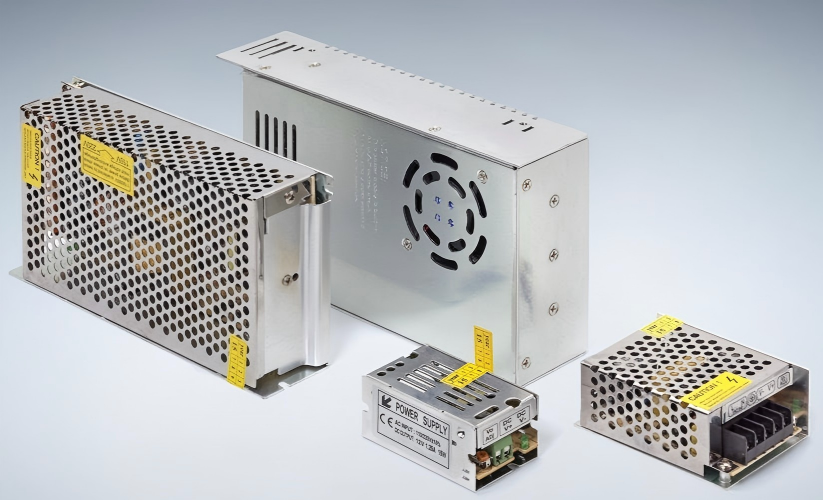
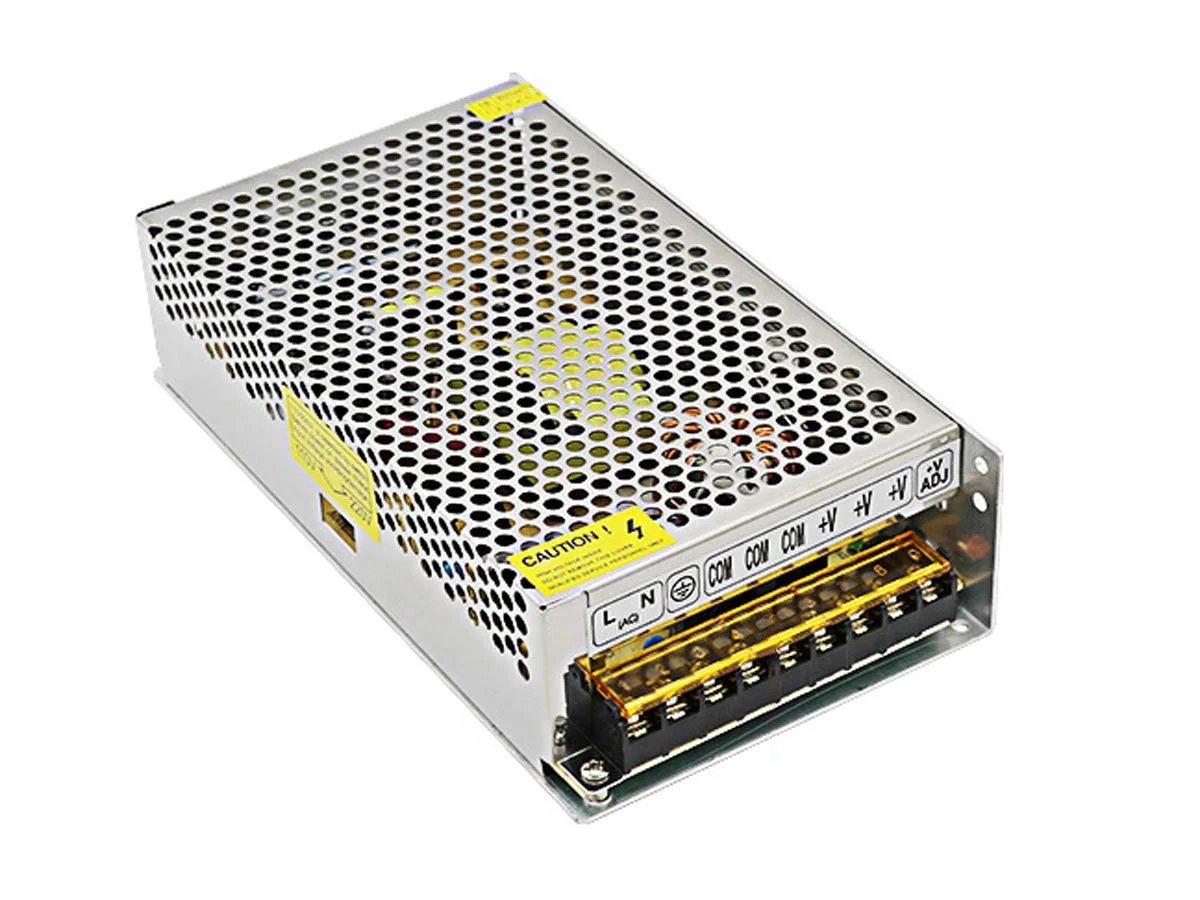
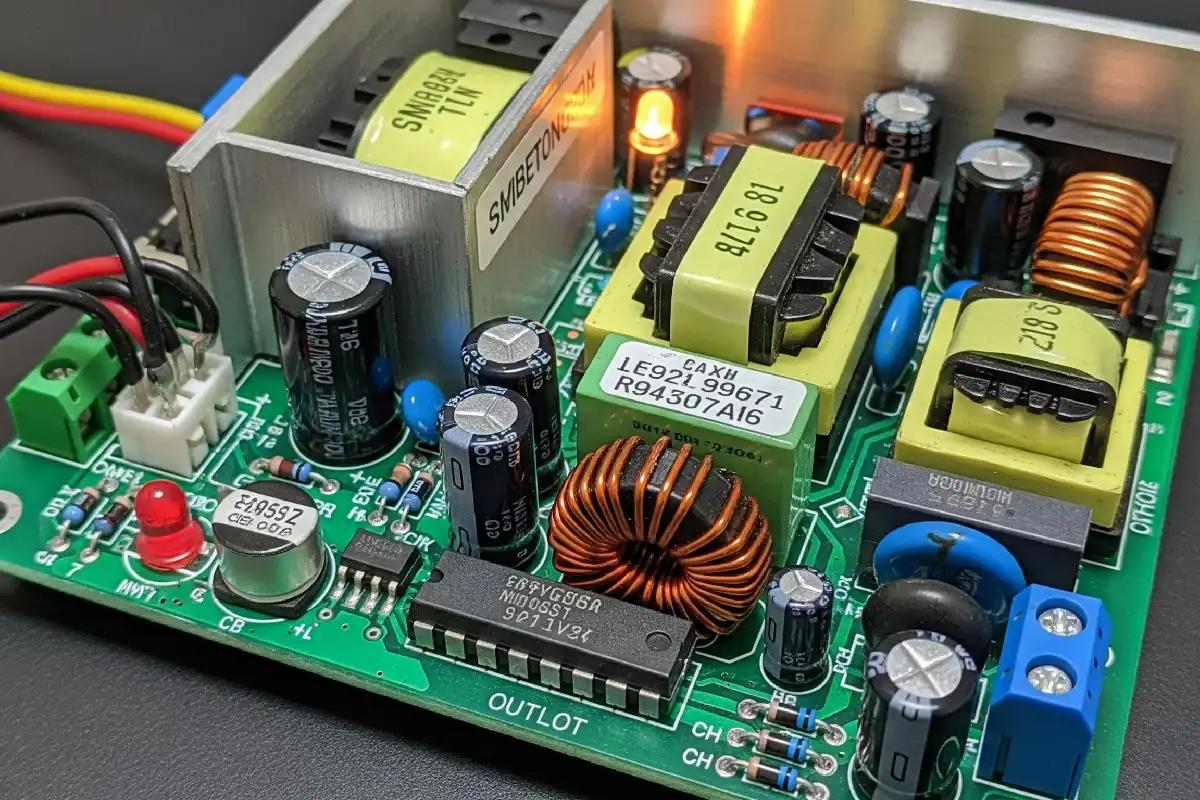
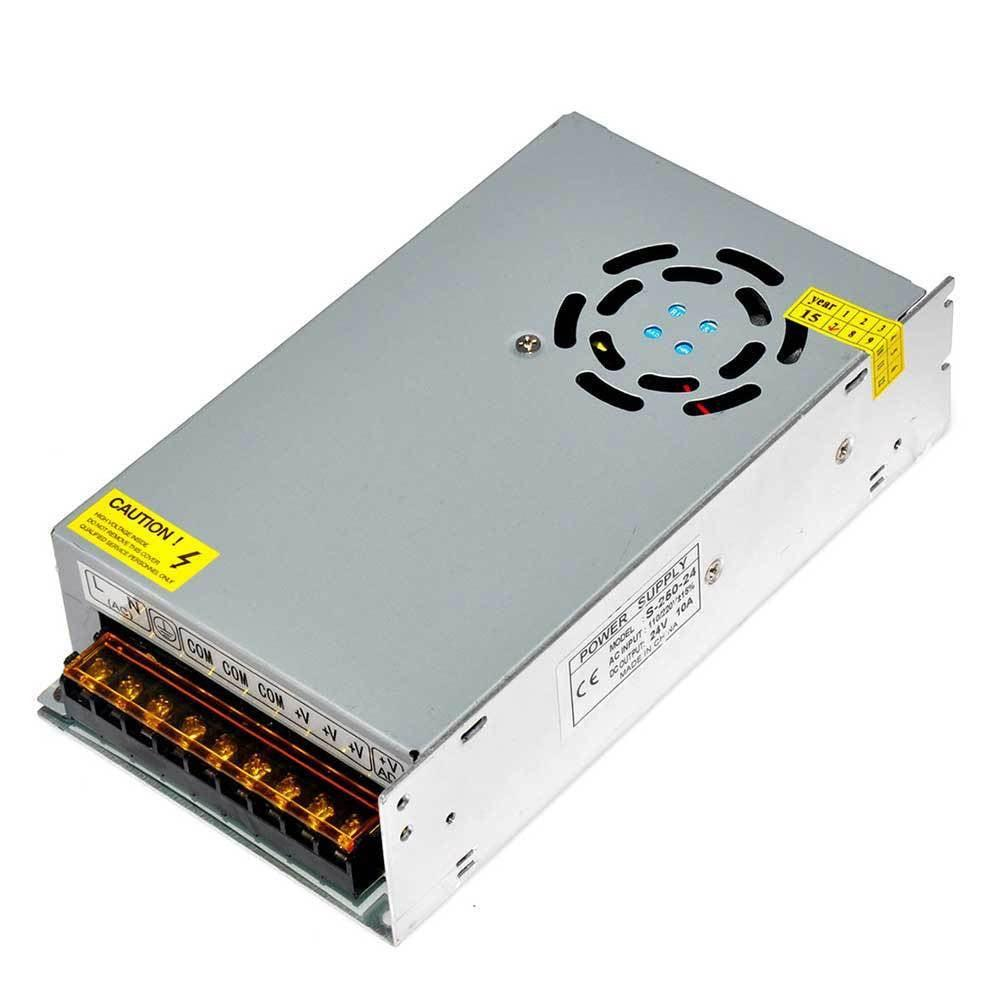
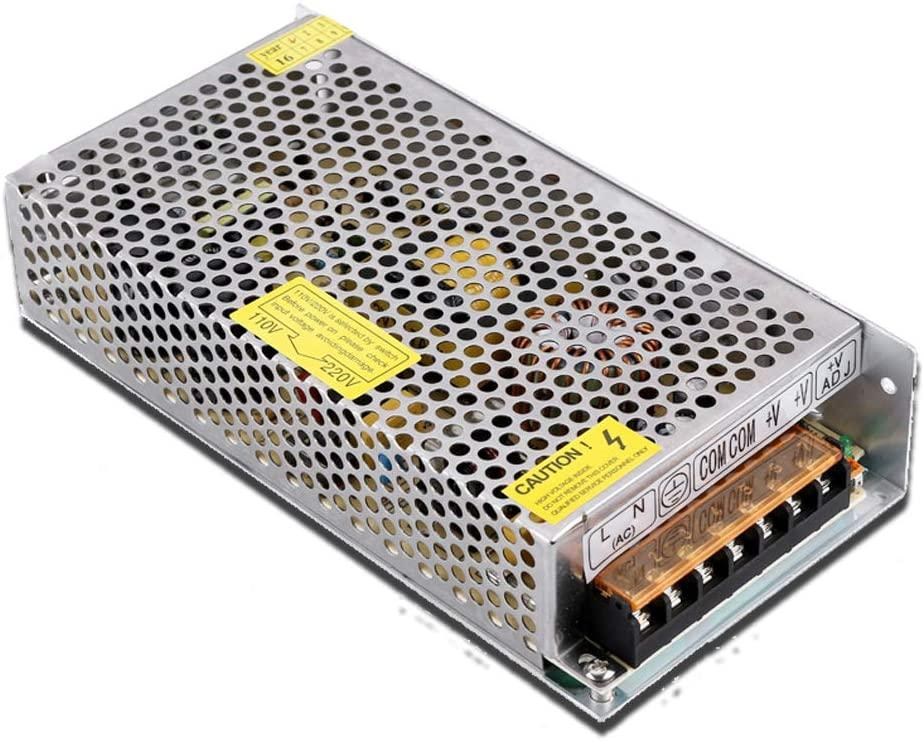
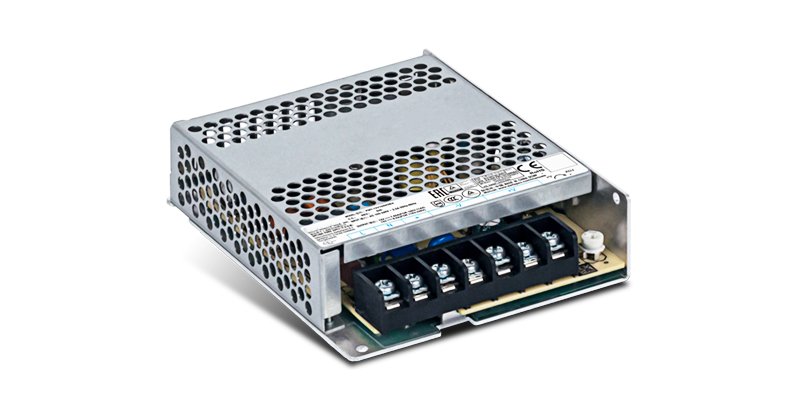
An enclosed power supply is a type of switching power supply (SMPS) housed in a fully enclosed protective casing, typically made of metal.
This design provides protection against:
·Dust and airborne particles
·Moisture and humidity
·Mechanical impact
·Electromagnetic interference
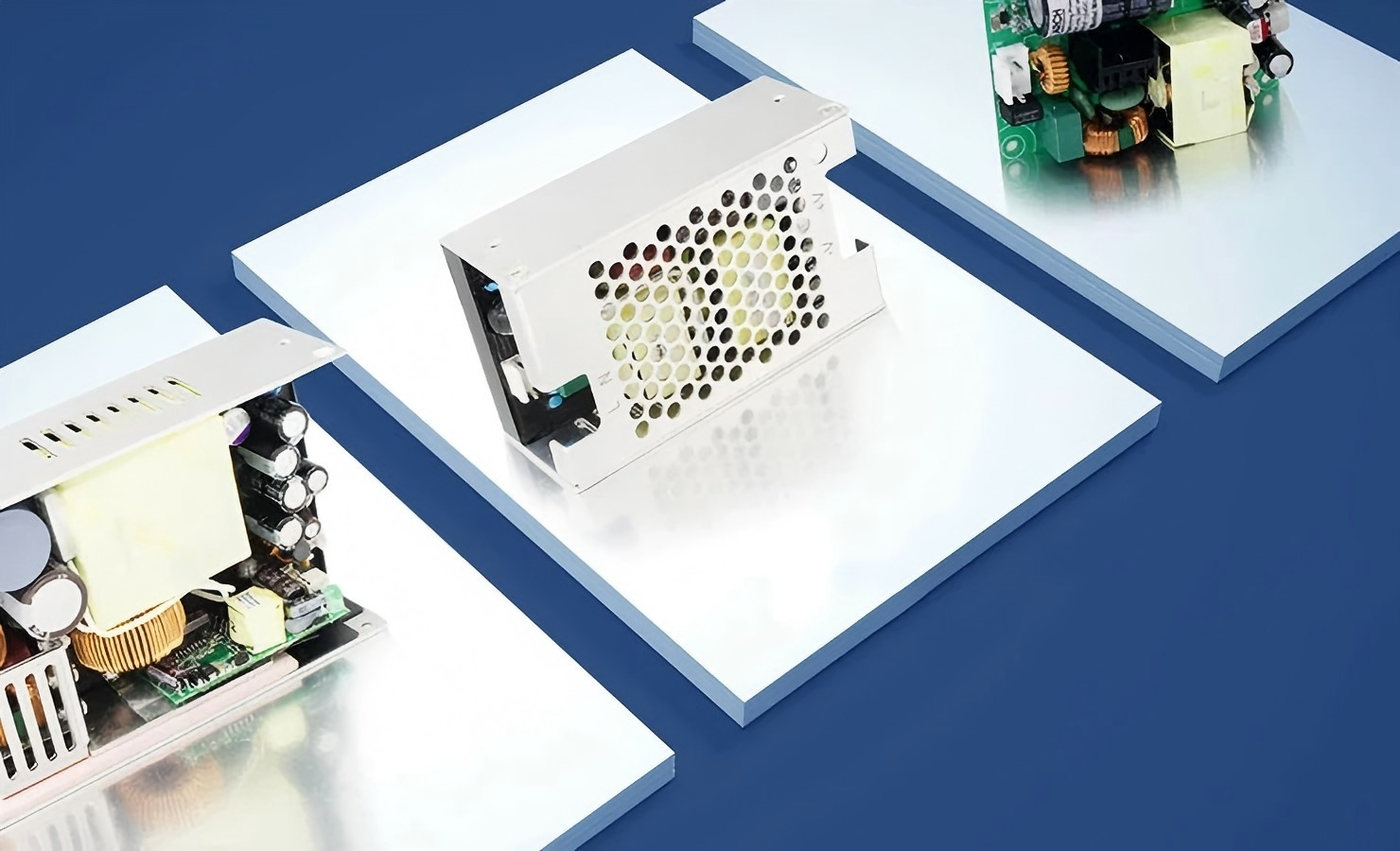
Compared with open-frame designs, enclosed power supplies offer significantly higher durability and safety, making them ideal for industrial and commercial environments.
They are commonly used in:
·Industrial automation systems
·CNC machines and manufacturing equipment
·Telecommunications infrastructure
·LED lighting systems
·IoT and embedded control devices
How Do You Accurately Calculate Power Requirements?
One of the most important steps in selecting a power supply is calculating the correct load capacity. Underestimating this value is one of the most common causes of system failure.
Calculate Total Load Power
You need to sum the power consumption of all connected devices.
| Device Type | Voltage | Current | Power |
| PLC Controller | 24V | 2A | 48W |
| Sensors (10 pcs) | 24V | 0.1A | 24W |
| Actuators | 24V | 3A | 72W |
| Total Load | 144W |
Add Design Margin
A safety margin of 20 to 30 percent is recommended.
| Scenario | Power Requirement |
| Base Load | 144W |
| With 20% Margin | 173W |
| Recommended PSU Size | 200W to 240W |
Why Is Margin So Important?
Running a power supply at full load continuously leads to:
·Increased internal temperature
·Reduced efficiency
·Faster component aging
For optimal performance, a power supply should operate at around 70 to 80 percent of its rated capacity.
What Input Voltage Range Should You Choose?
Power grids differ across regions, and industrial environments often experience fluctuations.
Global Voltage Standards
| Region | Voltage Range |
| North America | 110–120V AC |
| Europe | 220–240V AC |
| Industrial Use | Variable |
Best Practice
Choose a power supply with a wide input range such as 85–264V AC.
This ensures:
·Compatibility across global markets
·Stable operation under fluctuating conditions
·Reduced risk of voltage-related failures
Why Efficiency Directly Impacts Reliability
Efficiency is not just about energy savings—it is directly related to heat generation and system stability.
Efficiency Comparison
| Efficiency Level | Heat Generation | System Impact |
| 80% | High | Increased failure risk |
| 85% | Moderate | Acceptable performance |
| 90% and above | Low | Optimal reliability |
Practical Insight
A power supply with higher efficiency:
·Produces less heat
·Requires less cooling
·Lasts significantly longer
For industrial applications, selecting a unit with at least 90 percent efficiency is strongly recommended.
How Important Is Size and Form Factor in Real Applications?
In real-world installations, available space is often limited, especially inside control cabinets.
Form Factor Comparison
| Type | Advantages | Limitations |
| Compact | Saves space | Reduced heat dissipation |
| Standard | Better airflow | Larger installation space |
Selection Advice
Always ensure sufficient airflow around the power supply. Even compact models require proper ventilation to maintain performance.
DIN Rail or Chassis Mount: Which Is Better?
The mounting method affects installation efficiency and system maintenance.
Comparison Table
| Feature | DIN Rail Mount | Chassis Mount |
| Installation | Quick and flexible | Fixed installation |
| Maintenance | Easy replacement | More complex |
| Application | Control cabinets | Embedded systems |
Recommendation
For industrial automation systems, DIN rail mounting is generally preferred due to its flexibility and ease of maintenance.
What Safety Features Should a Reliable Power Supply Include?
Safety and protection features are essential for preventing damage and ensuring stable operation.
Key Protection Functions
| Protection Type | Function Description |
| Overvoltage | Prevents voltage spikes |
| Overcurrent | Limits excessive current |
| Short Circuit | Protects against faults |
| Over-temperature | Prevents overheating |
Required Certifications
·UL certification for North America
·CE certification for Europe
·RoHS compliance for environmental standards
These certifications ensure the product meets international safety requirements.
How Does Thermal Management Affect Lifespan?
Heat is the leading cause of power supply failure.
Cooling Methods
| Cooling Method | Suitable Application |
| Passive Cooling | Low to medium power |
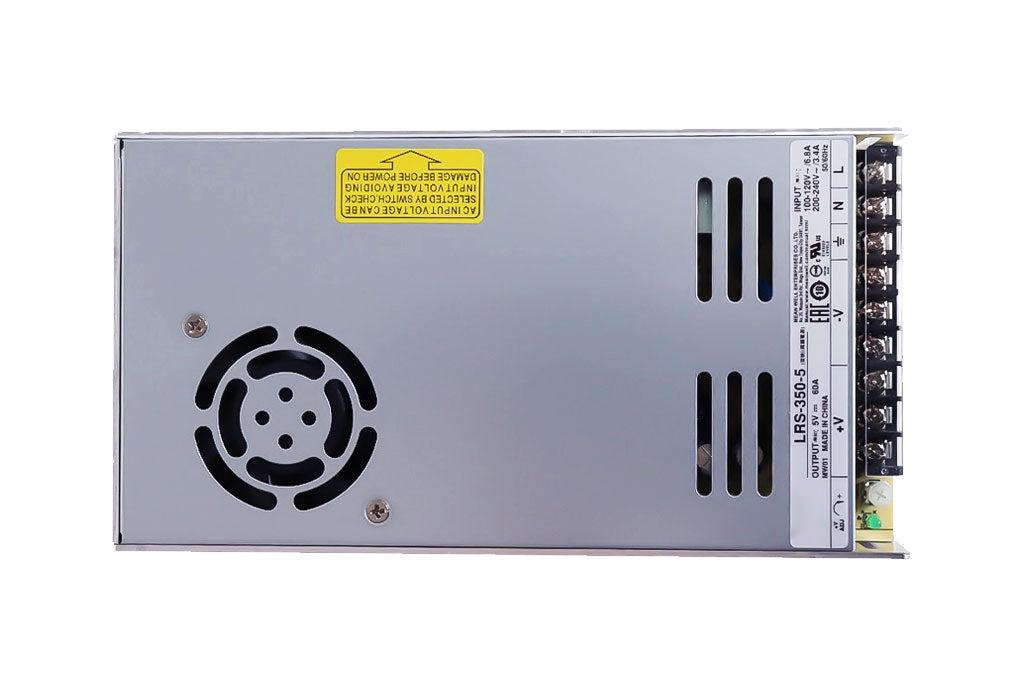
| Fan Cooling | High power systems |
What to Evaluate
·Operating temperature range
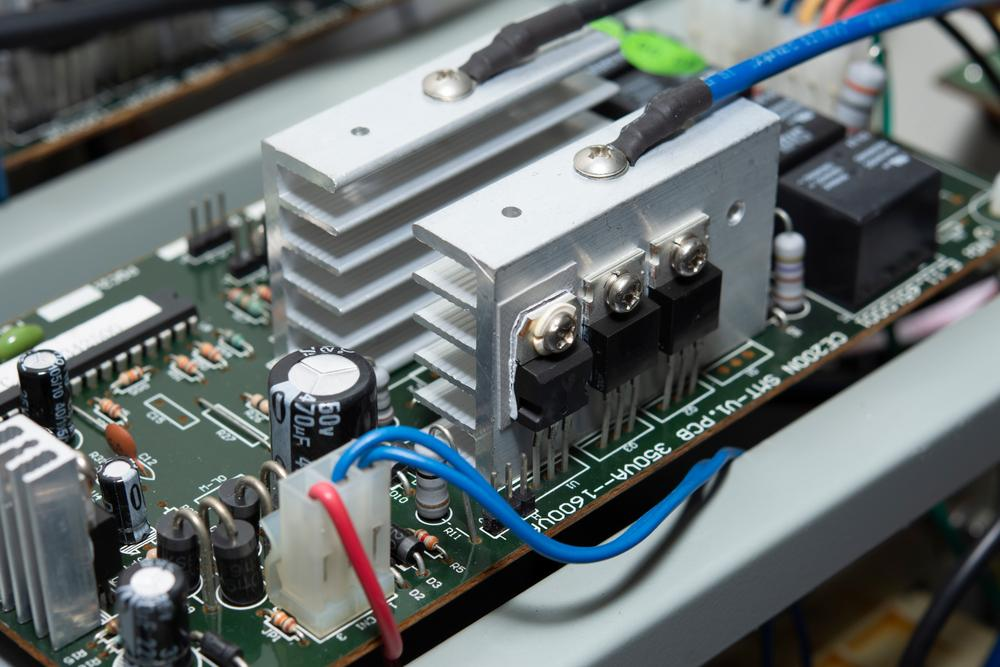
·Internal heat dissipation design
·Airflow conditions in the enclosure
A well-designed cooling system can significantly extend the service life of the power supply.
Do You Need IP Protection for Your Environment?
Environmental conditions play a critical role in product selection.
IP Rating Overview
| Rating | Protection Level |
| IP20 | Indoor use only |
| IP54 | Dust and splash protection |
| IP65 | Dust-tight and water-resistant |
| IP67 | Waterproof |
When Higher Protection Is Required
·Outdoor installations
·Dust-heavy industrial environments
·High humidity conditions
What Determines the Quality and Lifespan of a Power Supply?
Not all enclosed power supplies are built with the same level of quality.
Lifespan Comparison
| Product Level | Expected Lifespan |
| Low-cost models | 1 to 3 years |
| Standard models | 3 to 5 years |
| Industrial-grade | 5 to 10 years or more |
Key Quality Indicators
·High-temperature capacitors (105°C rating)
·Stable circuit design
·Reliable transformer construction
Choosing high-quality components reduces failure rates and maintenance costs.
How to Match Power Supply Specifications to Your Application?
Different applications require different specifications.
Application-Based Selection
| Application | Recommended Specification |
| Industrial PLC | 24V, 100W to 240W |
| LED Lighting | 12V, 60W to 200W |
| Telecom Systems | 48V, 300W or higher |
What Are the Most Common Mistakes to Avoid?
Many users make avoidable mistakes during selection:
·Choosing insufficient power capacity
·Ignoring thermal conditions
·Selecting products based only on price
·Overlooking safety certifications
Avoiding these mistakes significantly improves system reliability.

Conclusion: Making the Right Decision
Choosing the right enclosed power supply is a technical decision that directly impacts system performance, reliability, and cost.
A well-selected power supply will:
·Provide stable and efficient output
·Reduce system downtime
·Extend equipment lifespan
For industrial and commercial applications, selecting a high-quality enclosed switching power supply is not optional—it is essential.
FAQ
What is the typical lifespan of an enclosed power supply?
Most enclosed SMPS units last between 5 and 10 years depending on usage and environment.
Can one power supply support multiple devices?
Yes, as long as the total load remains within the rated capacity and includes a safety margin.
What are early signs of power supply failure?
·Unstable output voltage
·Excessive heat
·Unusual noise