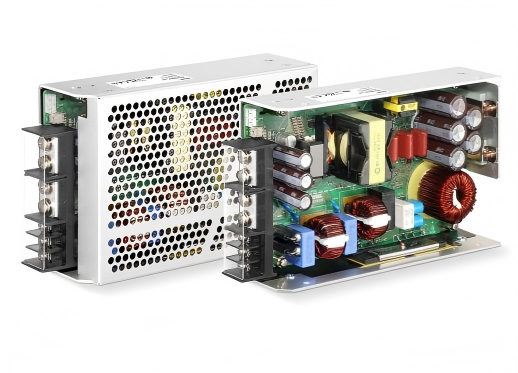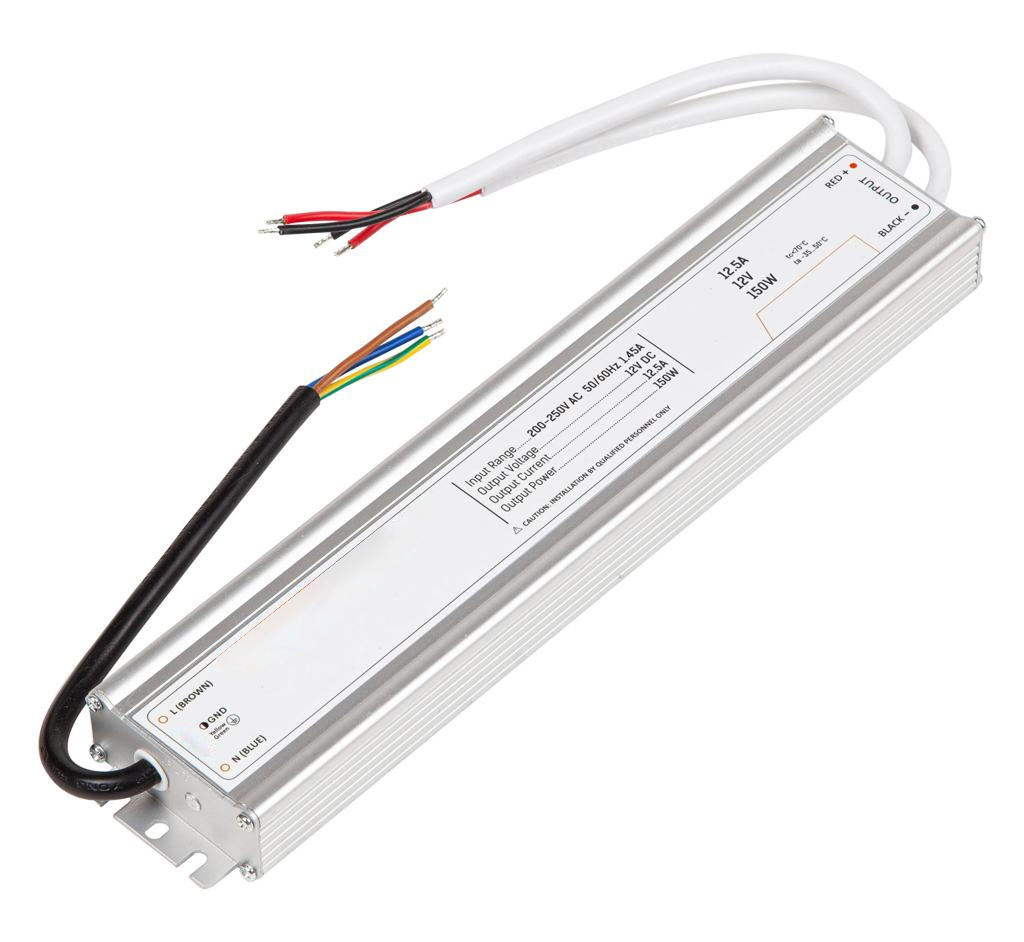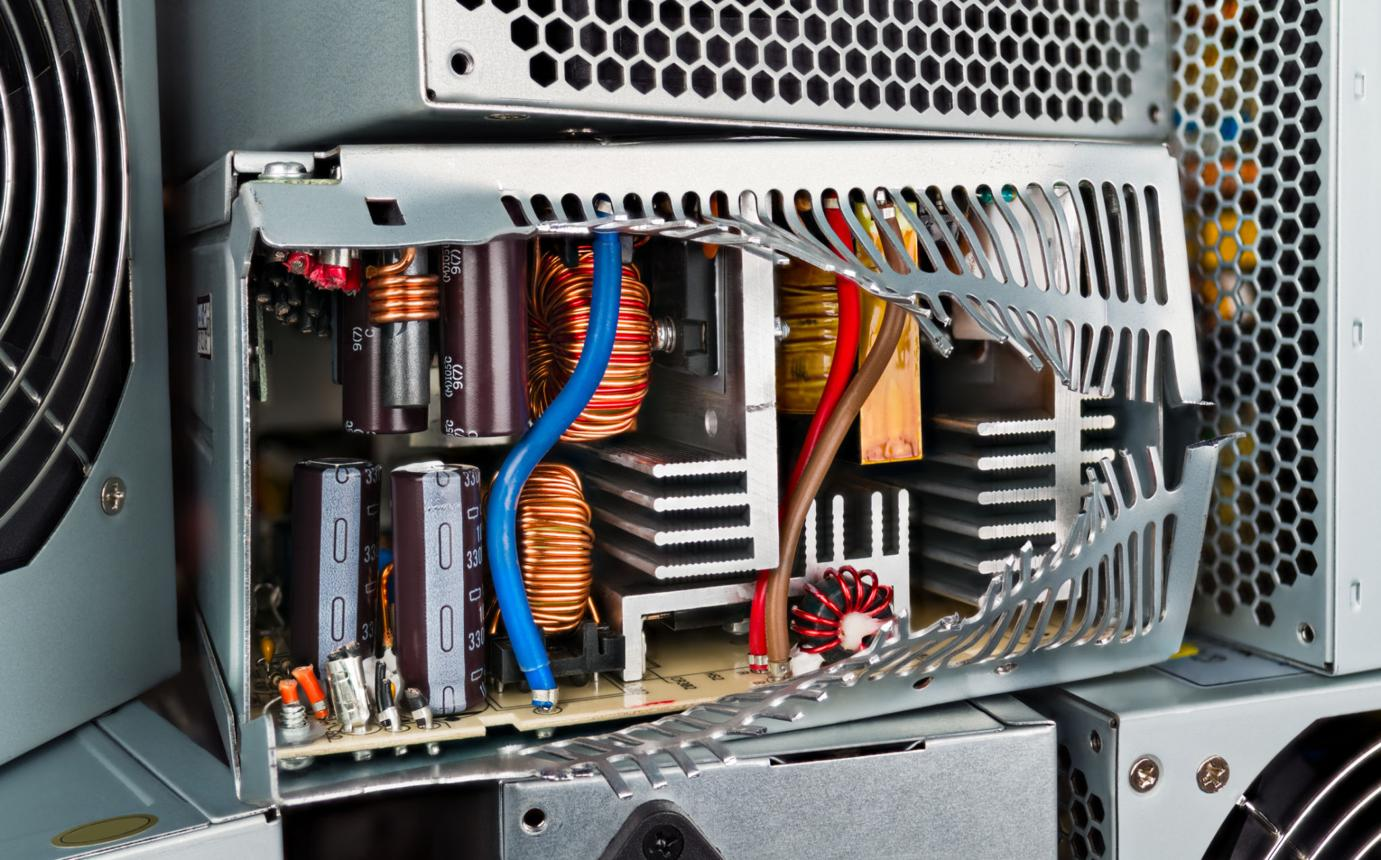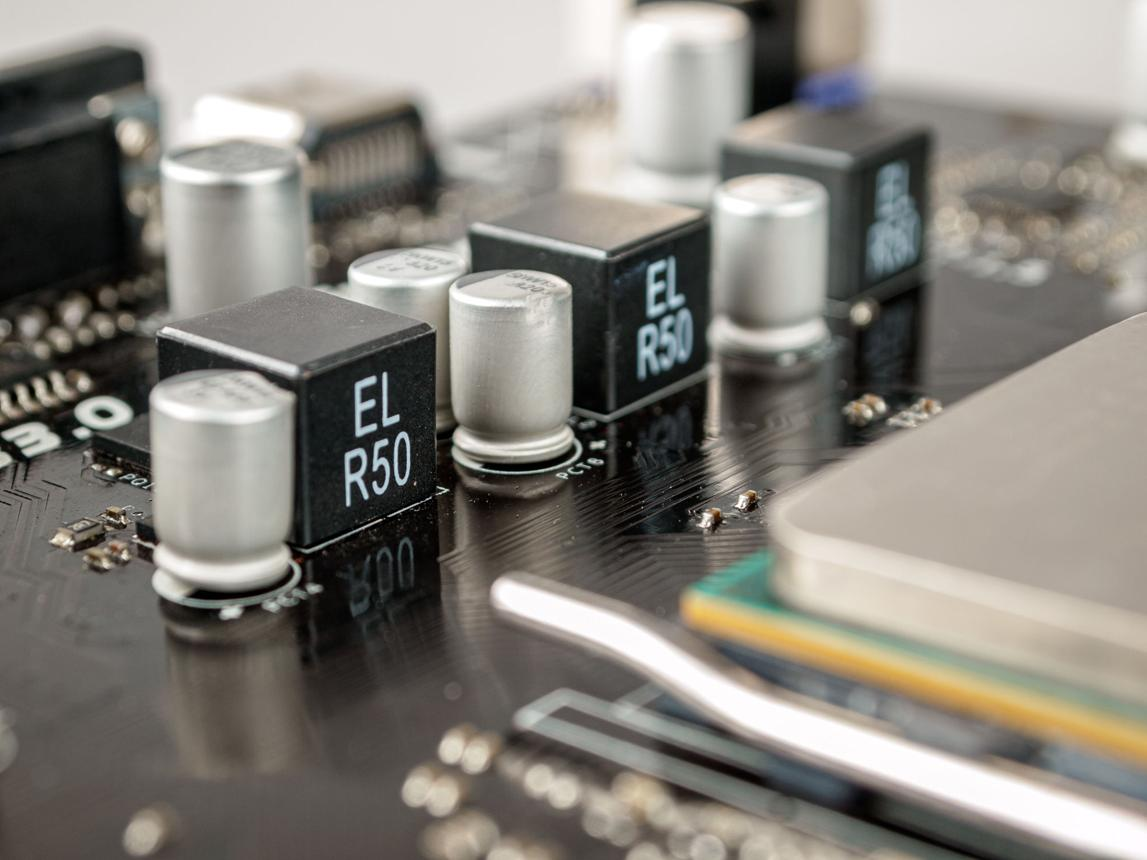

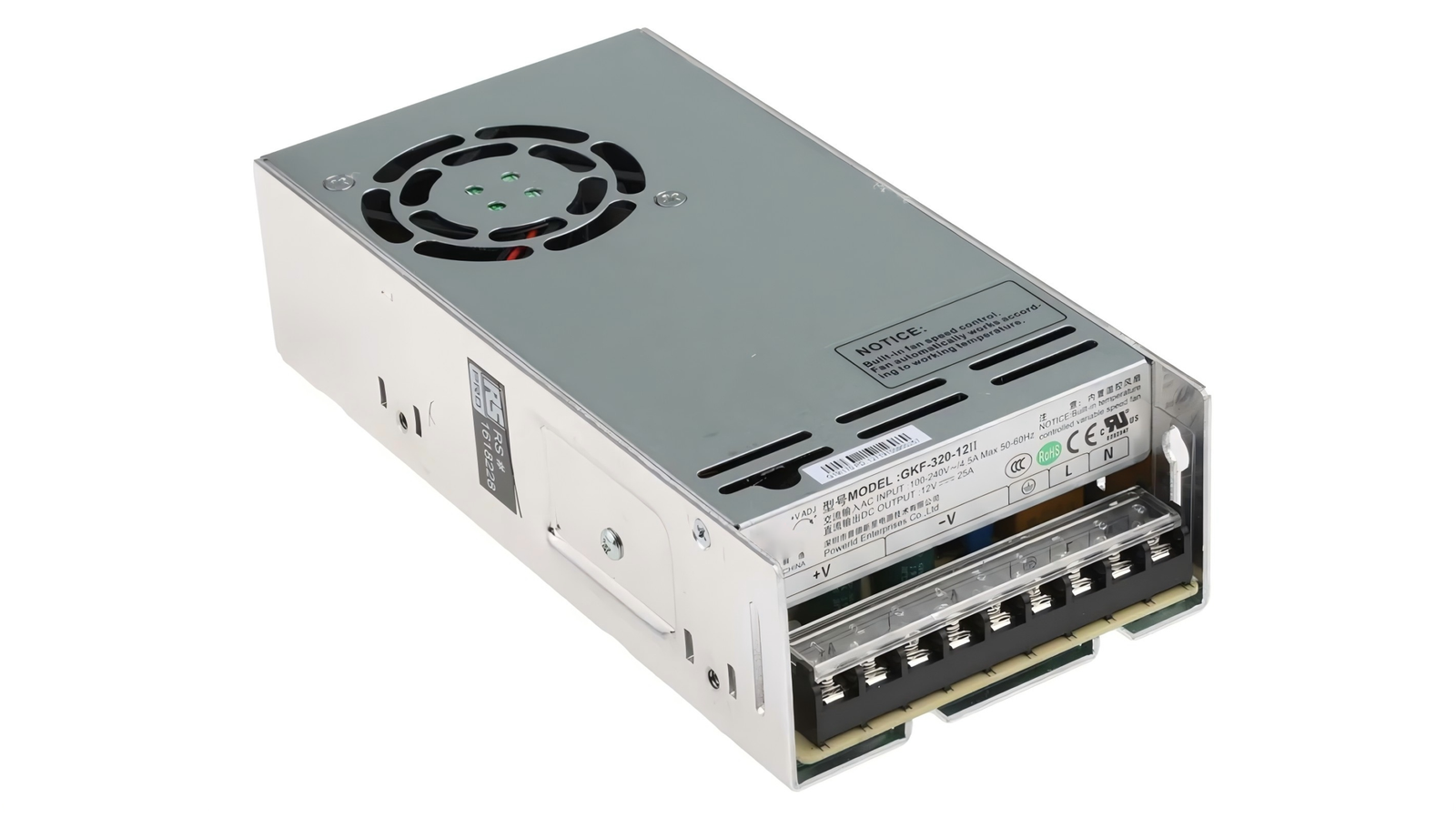
Introduction: Why Is the ac to dc Power Supply Industry Undergoing a Major Transformation?
The ac to dc power supply industry is entering a new stage of technological evolution. Over the past decade, electronic devices have become more powerful, more compact, and far more energy-sensitive than ever before. At the same time, governments worldwide are implementing increasingly strict energy-efficiency regulations to reduce carbon emissions and improve global energy utilization. These changes are fundamentally reshaping how switching power supplies are designed, manufactured, and optimized.
In the past, ac to dc power supplies were often viewed as secondary components inside electronic systems. Their main purpose was simple: convert alternating current into stable direct current. Today, however, the role of power conversion systems has become much more important. Modern ac to dc power supplies directly influence product efficiency, thermal management, charging speed, product lifespan, electromagnetic compatibility, and even user experience.
The rapid growth of artificial intelligence infrastructure, USB-C Power Delivery charging, industrial automation, smart home systems, and electric vehicles is pushing traditional power architectures to their limits. Consumers now expect 140W or even 240W chargers to fit comfortably in a pocket. Industrial customers demand higher reliability and longer service life under increasingly compact mechanical designs. AI data centers require ultra-efficient power systems capable of reducing operational energy costs at scale.
These demands are accelerating the adoption of advanced technologies such as Gallium Nitride (GaN), Silicon Carbide (SiC), synchronous rectification, bridgeless PFC, and Zero Voltage Switching (ZVS) flyback topologies. Together, these technologies are redefining the future of ac to dc switching power supplies.
As a professional switching power supply manufacturer, SIPURUI is actively developing high-efficiency ac to dc power solutions designed for next-generation applications ranging from compact USB PD chargers to industrial embedded power systems. The focus is no longer only about delivering power. It is about delivering smarter, smaller, cooler, and more energy-efficient power systems capable of meeting future global energy requirements.
Why Are Energy-Efficiency Standards Driving ac to dc Innovation?
One of the most important factors accelerating ac to dc technology upgrades is the rapid tightening of international energy-efficiency regulations. Around the world, governments and industry organizations are introducing stricter standards to reduce energy waste caused by external power supplies, adapters, and standby electronics.
China’s GB20943-2025 standard is one of the latest examples. Compared with older energy regulations, this new standard introduces much stricter requirements for no-load standby consumption, average conversion efficiency, and power factor performance. Similar regulatory trends can also be seen in the United States through DoE Level VI standards and in Europe through CoC Tier 2 requirements.
These standards are no longer simple recommendations. For power supply manufacturers, they are becoming essential market-entry requirements. Products that fail to meet modern efficiency standards may face limited market access, higher certification difficulty, and reduced competitiveness.
Traditional QR flyback architectures, which were widely used for years because of their simplicity and cost-effectiveness, now face increasing limitations under modern efficiency requirements. As efficiency standards continue tightening, conventional switching topologies struggle to reduce switching losses and standby power sufficiently.
This is why modern ac to dc power supply design is rapidly moving toward advanced soft-switching architectures, higher switching frequencies, intelligent digital control systems, and GaN-based high-efficiency solutions. The entire industry is transitioning from conventional power conversion toward highly optimized energy-management systems.
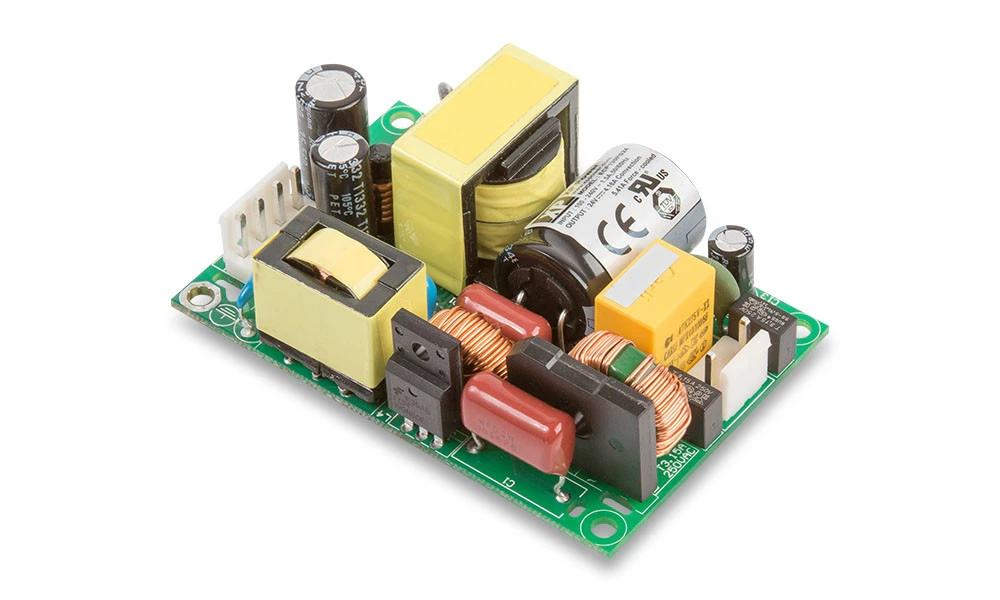
Why Is High Power Density Becoming So Important?
Modern electronic products are becoming smaller every year, yet their power requirements continue increasing rapidly. This creates one of the biggest challenges in modern power electronics engineering: how to deliver more power in less physical space without sacrificing reliability, thermal performance, or efficiency.
Power density has therefore become one of the most important performance indicators in the switching power supply industry. In simple terms, power density refers to how much power can be delivered within a certain physical volume. Higher power density allows designers to reduce adapter size, improve portability, and optimize internal system space.
This trend is especially visible in USB-C Power Delivery chargers. Several years ago, a traditional 65W laptop adapter was relatively large and heavy. Today, many 140W GaN chargers are physically smaller than older 65W silicon-based designs. This dramatic reduction in size is only possible because of improvements in switching efficiency, thermal optimization, and semiconductor technology.
However, increasing power density creates serious engineering challenges. As power systems become more compact, heat concentration rises significantly. Electromagnetic interference becomes more difficult to control. Transformer design becomes more complicated. Safety isolation requirements become harder to achieve within limited internal space.
To overcome these challenges, modern ac to dc power supplies increasingly rely on high-frequency switching, optimized magnetic integration, intelligent thermal structures, and advanced semiconductor materials such as GaN and SiC.
At SIPURUI, high-density power supply development focuses heavily on balancing compact mechanical design with thermal reliability and long-term stability. This balance is critical for applications such as fast charging systems, embedded industrial power modules, telecommunications equipment, and smart consumer electronics.
Why Is GaN Technology Revolutionizing ac to dc Power Supplies?
Gallium Nitride technology is one of the most important breakthroughs in modern switching power supply design. Compared with traditional silicon MOSFETs, GaN devices offer significantly faster switching speed and much lower switching losses. These advantages allow power supplies to operate at much higher frequencies while generating less heat.
Higher switching frequency creates several important benefits. First, it allows transformers and magnetic components to become much smaller. Since magnetic components are traditionally among the largest parts inside a power supply, reducing their size dramatically improves overall power density. Second, lower switching losses improve thermal performance and overall efficiency. This makes GaN especially valuable for compact USB PD chargers and high-density industrial power systems.
Another major advantage of GaN is improved thermal management. Traditional silicon-based power supplies often generate significant heat under high-load conditions. In compact designs, excessive heat can shorten component lifespan and reduce long-term reliability. GaN devices help reduce thermal stress, making it easier to achieve compact yet stable designs.
Today, GaN technology is rapidly becoming mainstream in:
- USB PD fast chargers
- Compact notebook adapters
- Telecommunications power supplies
- Industrial embedded systems
- High-density ac to dc modules
As manufacturing costs continue decreasing, GaN adoption is expected to expand even further over the next several years.
Silicon vs GaN Technology Comparison
| Parameter | Traditional Silicon | GaN Technology |
| Switching Frequency | Moderate | Extremely High |
| Switching Loss | Higher | Lower |
| Thermal Performance | Average | Better |
| Power Density | Lower | Higher |
| Transformer Size | Larger | Smaller |
| Efficiency Potential | Moderate | Excellent |
Why Is ZVS Flyback Becoming a Major Trend?
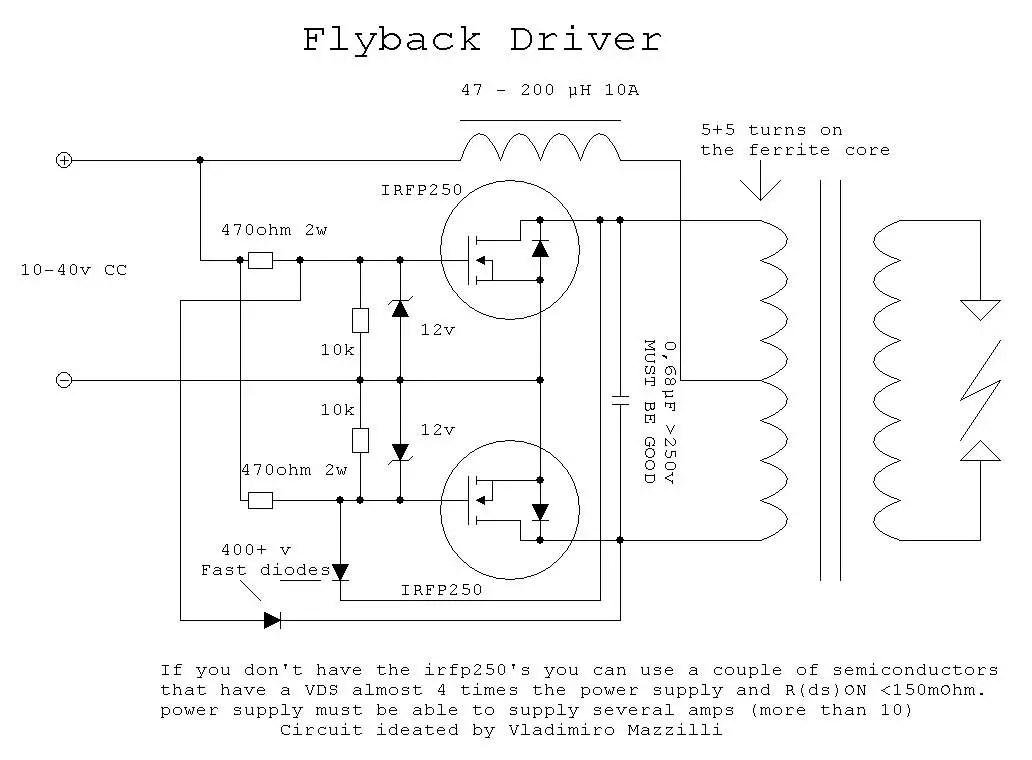
For many years, QR flyback topology dominated low- and medium-power ac to dc applications because of its simplicity and relatively low cost. However, as energy-efficiency standards become stricter and power density requirements continue increasing, traditional QR flyback architectures are reaching their practical limitations.
One of the biggest problems with traditional hard-switching topologies is switching loss. During switching transitions, voltage and current overlap inside the power device, generating unnecessary heat and reducing efficiency. As switching frequencies increase, these losses become even more significant.
This is where Zero Voltage Switching, or ZVS, becomes extremely important.
ZVS technology allows the switching device to turn on when the voltage across it is close to zero. This significantly reduces switching losses and improves overall efficiency. Lower switching losses also reduce heat generation and electromagnetic interference, both of which are major challenges in compact high-density power supplies.
The benefits of ZVS flyback architectures are particularly important in modern 65W to 240W USB PD applications, where both efficiency and compact size are critical. Compared with traditional QR flyback solutions, ZVS flyback systems offer better light-load efficiency, improved standby performance, and better thermal behavior.
As a result, soft-switching architectures are increasingly becoming the preferred solution for next-generation high-density ac to dc power supplies.
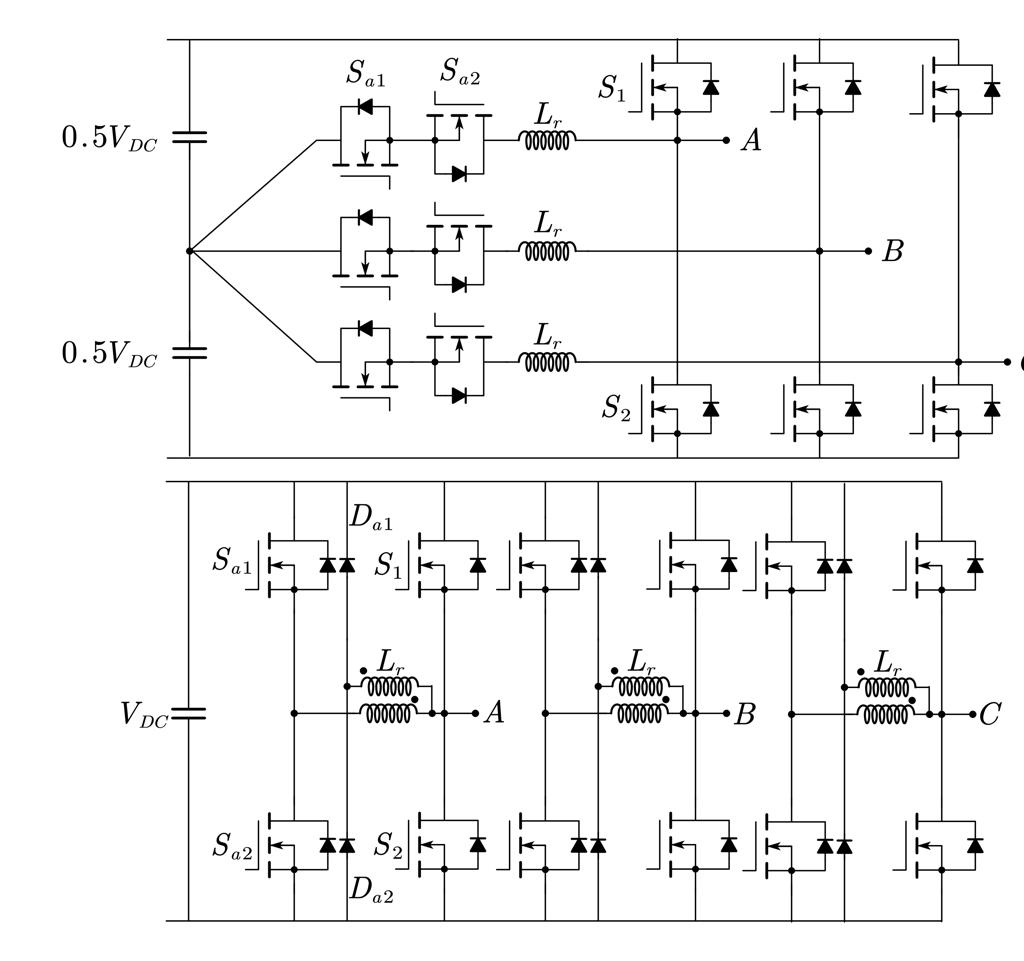
How Does Synchronous Rectification Improve Efficiency?
Another critical technology driving modern ac to dc innovation is synchronous rectification. In traditional power supplies, rectifier diodes generate substantial conduction losses, especially under high-current conditions. These losses reduce efficiency and create additional thermal stress.
Synchronous rectification replaces conventional diodes with actively controlled MOSFETs. Since MOSFETs have much lower conduction resistance, energy loss is significantly reduced. In many applications, synchronous rectification can improve overall efficiency by 1% to 2%, which is extremely valuable in modern high-efficiency systems.
Years ago, synchronous rectification was considered too expensive for mainstream consumer applications. However, as efficiency regulations tightened and semiconductor costs decreased, synchronous rectification gradually became standard in high-performance switching power supplies.
Today, synchronous rectification is widely used in:
- USB PD chargers
- Industrial power supplies
- Server power systems
- Telecommunications equipment
- High-efficiency embedded modules
Its role will continue expanding as future power systems demand even higher efficiency and lower thermal losses.
Why Is Ultra-Low Standby Power Becoming a Critical Requirement?
One of the newest goals in the switching power supply industry is achieving ultra-low standby power consumption. Future energy regulations are expected to push standby power below 5mW for many consumer applications.
Although this may sound like a small number, achieving such low standby power is technically very challenging, especially in high-power adapters. Even tiny leakage losses inside transformers, control circuits, optical couplers, or rectifiers can become significant obstacles.
Several modern technologies are helping address this challenge, including:
- ZVS flyback architectures
- Intelligent controller ICs
- Optimized PFC stages
- Smart digital power management
- High-efficiency standby circuits
Reducing standby power is extremely important because billions of electronic devices remain connected to AC mains continuously worldwide. Even very small efficiency improvements can translate into enormous global energy savings over time.
For manufacturers like SIPURUI, ultra-low standby optimization is becoming a major development priority for future high-efficiency power platforms.
Why Is Thermal Design Becoming Just as Important as Electrical Design?
As switching power supplies become smaller and more powerful, thermal design has emerged as one of the biggest engineering challenges in modern ac to dc systems.
A compact 140W GaN charger may generate substantial heat within an extremely limited internal volume. Without proper thermal management, excessive temperature can reduce efficiency, shorten product lifespan, and compromise reliability.
Modern thermal optimization therefore involves far more than simply adding heatsinks. Engineers now focus on:
- PCB copper optimization
- Airflow simulation
- Transformer thermal balancing
- Low-loss switching topologies
- Intelligent temperature protection
- Advanced enclosure materials
Thermal engineering is now deeply integrated into the entire product development process. In many cases, achieving higher power density depends as much on thermal innovation as on electrical performance improvements.
How Will AI Infrastructure Change the Future of ac to dc Power Supplies?
Artificial intelligence is dramatically increasing global electricity demand. Modern AI servers require massive computing power, which in turn creates enormous demand for high-efficiency power conversion systems.
In large AI data centers, even a 1% improvement in power conversion efficiency can reduce operational energy costs significantly. As a result, AI infrastructure is accelerating development of:
- High-density server power systems
- Advanced LLC resonant converters
- Digital power management
- SiC and GaN adoption
- Intelligent monitoring systems
Many technologies originally developed for high-end server applications are now gradually entering mainstream industrial and consumer power supply markets as well.
This trend is expected to continue over the coming decade as global computing demand keeps rising.
What Will the Future of ac to dc Power Supplies Look Like?
The future of switching power supplies will focus on several major directions simultaneously: higher efficiency, smaller size, smarter communication, and better energy management.
Industry experts expect future ac to dc systems to achieve:
| Technology Direction | Future Target |
| Peak Efficiency | Above 96% |
| Standby Power | Below 3mW |
| Power Density | 2W/cm³+ |
| Semiconductor Technology | GaN & SiC mainstream |
| Control Architecture | Fully digital intelligent control |
| Thermal Optimization | AI-assisted management |
Future power supplies will no longer function only as power converters. They will become intelligent energy-management platforms capable of self-monitoring, adaptive optimization, and communication with connected devices.
How Is SIPURUI Preparing for the Next Generation of Switching Power Supplies?
As the global power electronics industry evolves toward higher efficiency and smarter energy management, SIPURUI continues investing in advanced ac to dc technologies focused on high-density design, thermal optimization, intelligent control, and ultra-low standby performance.
SIPURUI switching power supplies are developed for a wide range of applications including:
- USB PD fast charging
- Consumer electronics
- Industrial automation
- Telecommunications systems
- Embedded ac to dc modules
- Smart home products
- AI-related infrastructure
By combining advanced switching architectures with modern thermal engineering and efficient semiconductor technologies, SIPURUI aims to help customers build more compact, reliable, and energy-efficient electronic systems for the future.

Conclusion: The Future of ac to dc Power Supplies Is Smaller, Smarter, and More Efficient
The ac to dc power supply industry is undergoing one of the most important technological transformations in its history. Increasing global energy regulations, rising power density requirements, AI infrastructure growth, and the rapid expansion of USB PD charging are all accelerating innovation across the entire power electronics industry.
Technologies such as GaN, ZVS flyback, synchronous rectification, bridgeless PFC, and intelligent digital power management are rapidly redefining how modern switching power supplies are designed and optimized.
In the future, successful power supply manufacturers will not compete only on output power or pricing. They will compete on efficiency, thermal performance, intelligence, reliability, compact design, and long-term energy optimization.
As a professional switching power supply manufacturer, SIPURUI will continue focusing on advanced ac to dc innovation to support the growing demand for smaller, smarter, and greener power conversion systems in the new energy era.