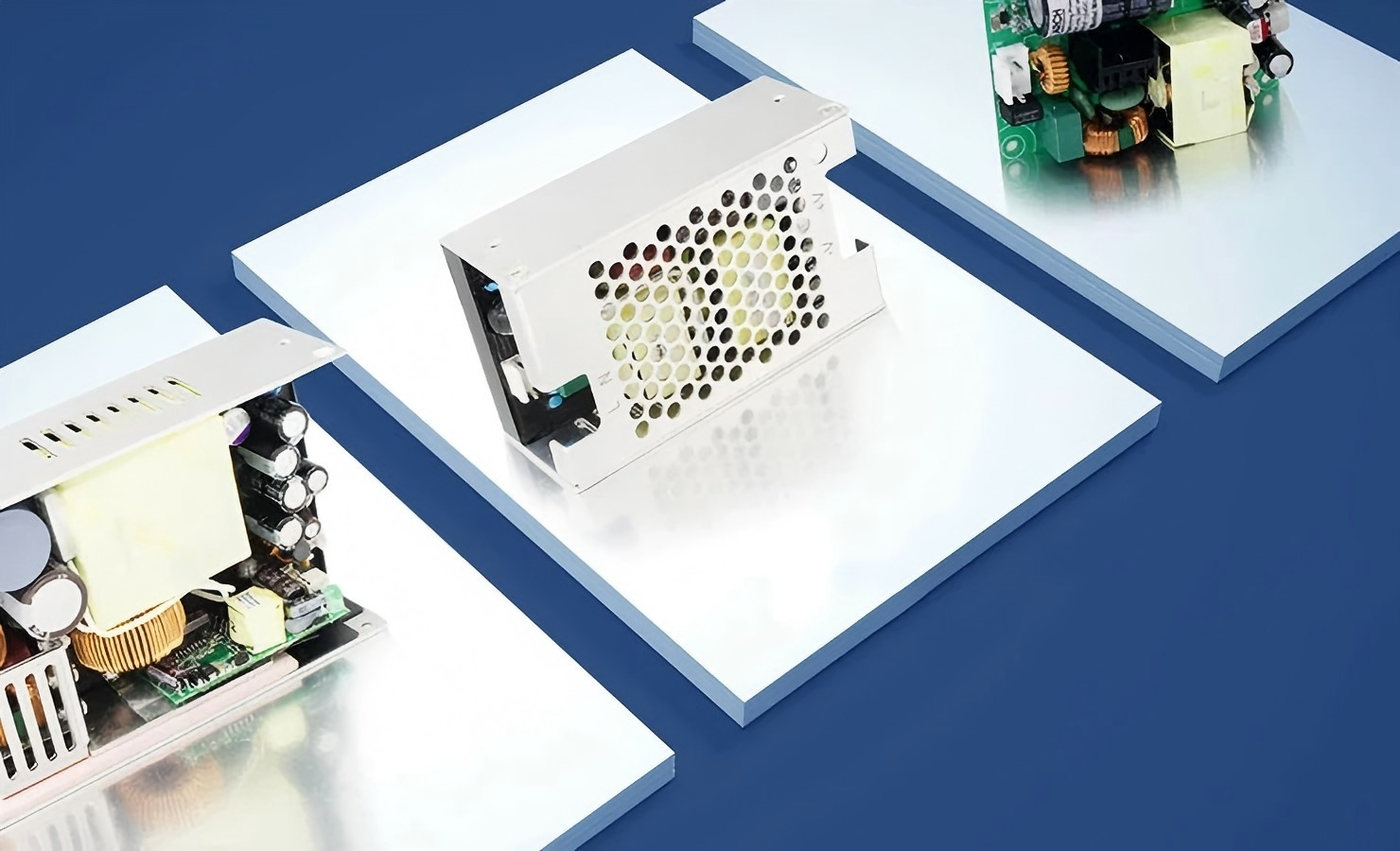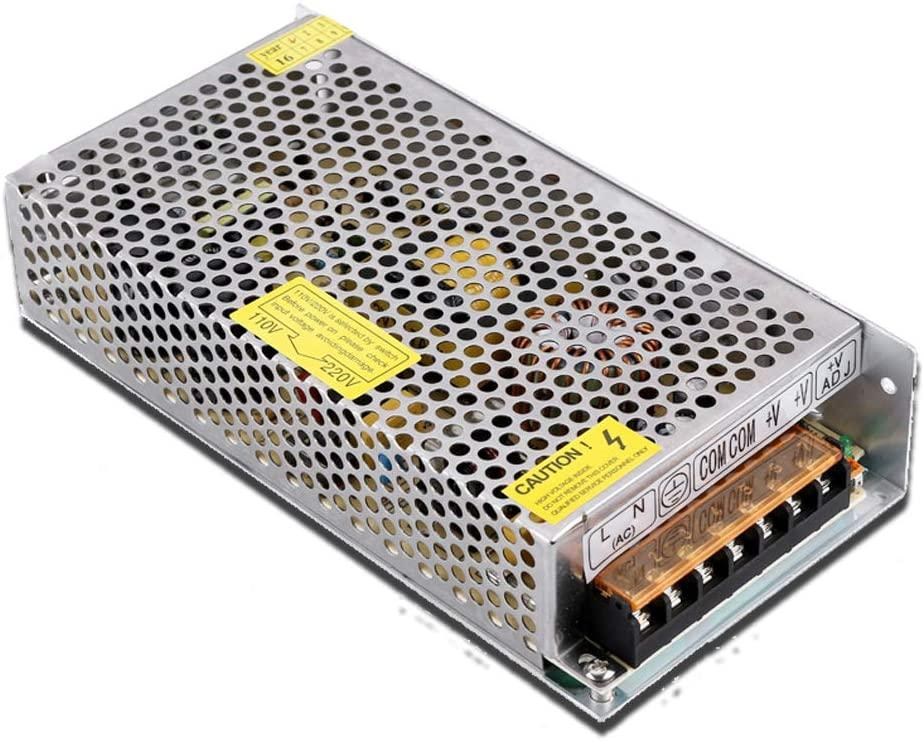

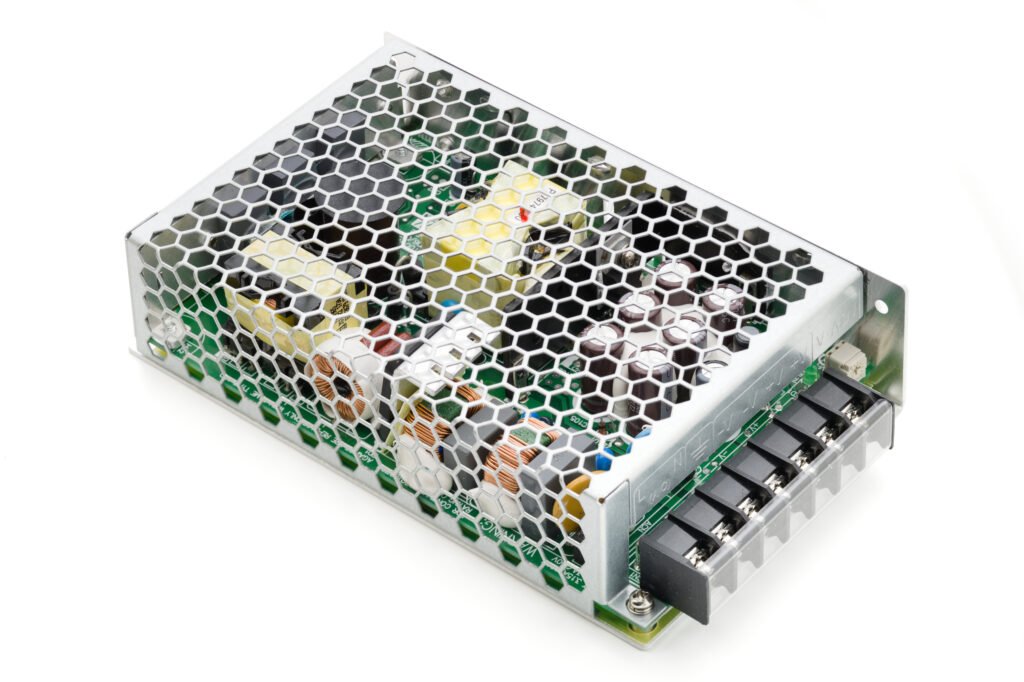
Switching power supplies are widely used in modern electronics because of their high efficiency, compact size, and stable performance. From computers and communication systems to industrial equipment, they have become the preferred power solution for many devices.
However, designing and selecting a switching power supply requires careful consideration of noise control, voltage regulation, and system compatibility.
In this guide, we will explore:
·What a switching power supply is
·How switching power supplies work
·Key components of a switching power supply
·Differences between switching power supplies and SMPS
·Common applications across industries
By understanding these fundamentals, you can confidently choose the right power supply for your electronic projects.
What Is a Switching Power Supply?
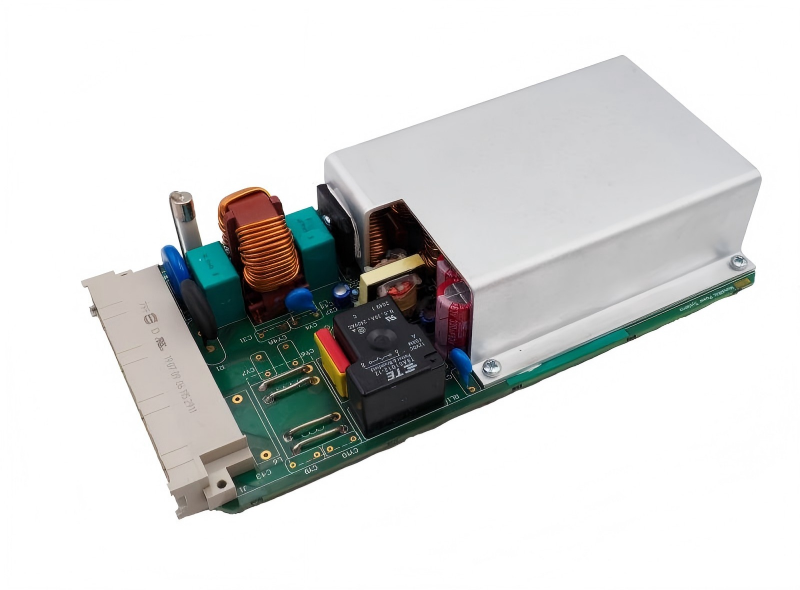
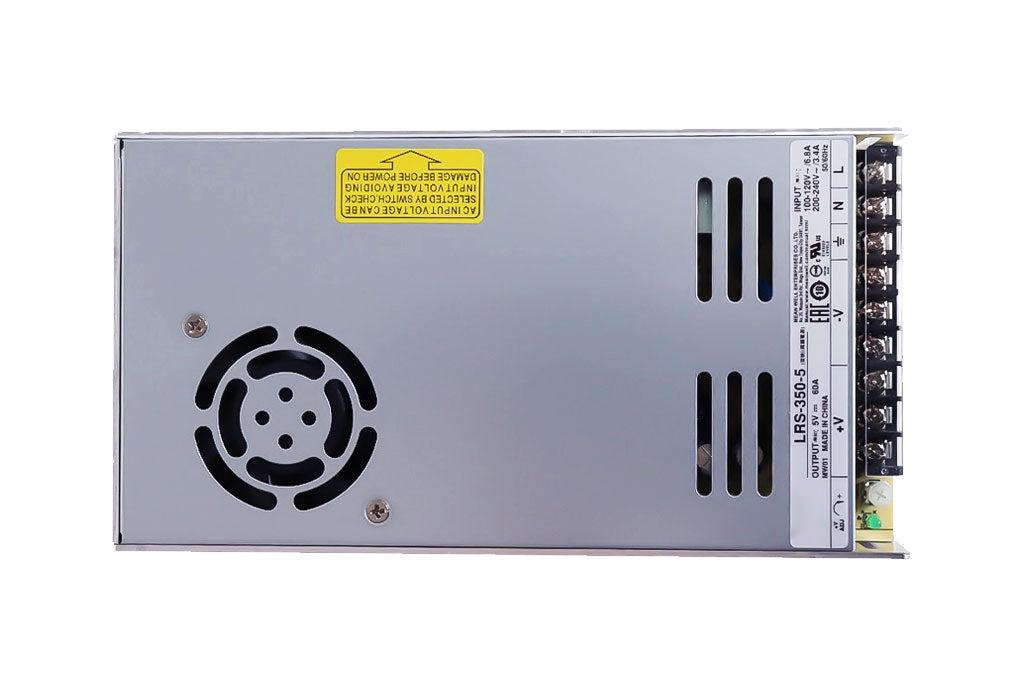
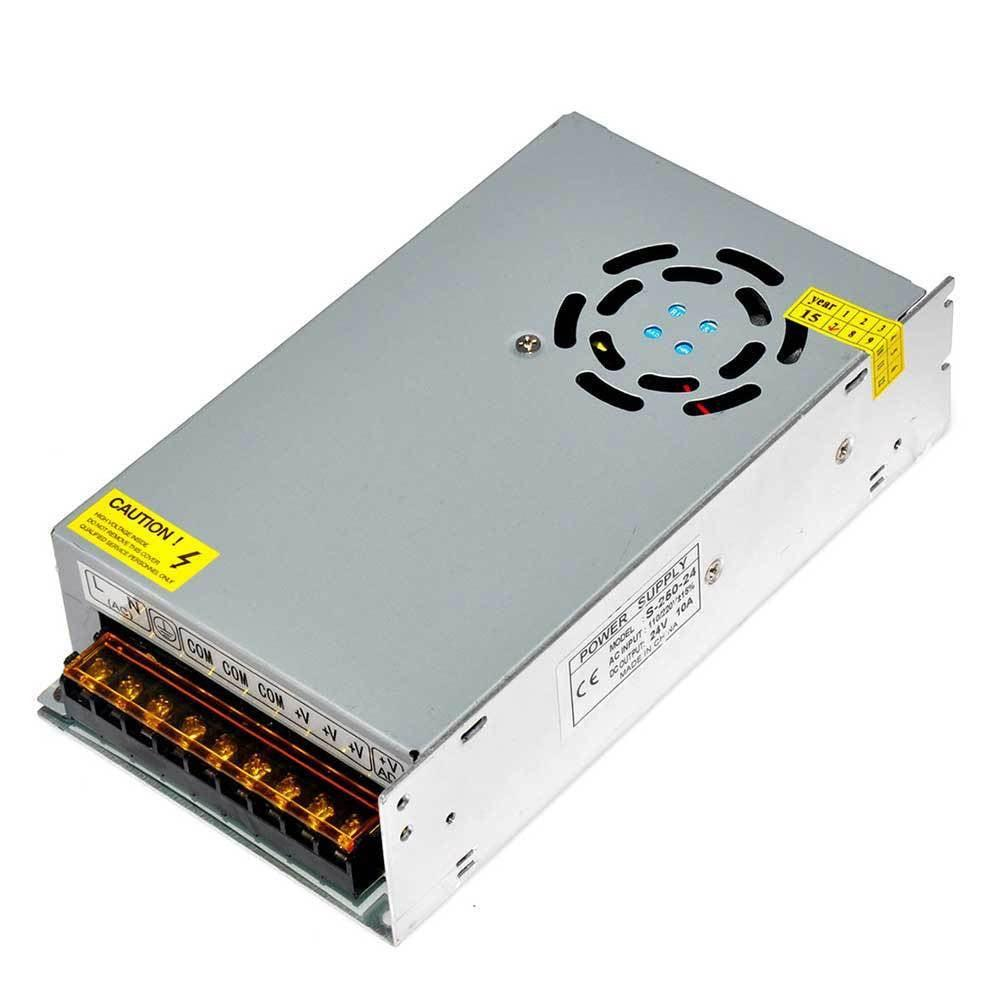
A switching power supply is an electronic power conversion device that efficiently converts electrical energy from one form to another using high-frequency switching technology.
Unlike traditional linear power supplies, switching power supplies regulate voltage by rapidly turning electronic switches on and off. This switching action allows the device to achieve much higher efficiency and lower heat generation.
Switching power supplies are commonly used for:
·AC to DC conversion (for example, powering electronics from mains electricity)
·DC to DC conversion (voltage step-up or step-down in electronic circuits)
·DC to AC conversion (inverters)
·AC to AC conversion with frequency control
Because of their efficiency and compact size, switching power supplies are ideal for applications requiring high power density and stable voltage output.
How Do Switching Power Supplies Work?
Switching power supplies operate by converting electrical power through high-frequency switching and regulation circuits.
Earlier electronic devices used linear AC/DC power supplies, which relied on large transformers to convert AC voltage into DC voltage. While these systems produce low electrical noise, they are typically:
·Large
·Heavy
·Less energy efficient
Switching power supplies solve these problems by using high-speed electronic switching components.
Basic Working Process
1.AC Input Rectification
Incoming AC power is first converted into DC power using a rectifier.
2.High-Frequency Switching
A transistor switch rapidly turns on and off, converting the DC voltage into high-frequency pulses.
3.Transformer Conversion
A high-frequency transformer steps the voltage up or down depending on the application.
4.Output Rectification and Filtering
The converted signal is rectified and filtered to produce a stable DC output.
5.Feedback Regulation
A feedback loop monitors the output voltage and adjusts the switching behavior to maintain a stable output.
Because the switching occurs at very high frequencies, the transformer and filtering components can be much smaller, which significantly reduces the size and weight of the power supply.
Switching Power Supply vs SMPS
Many people wonder whether switching power supply and SMPS (Switch Mode Power Supply) refer to different technologies.
In practice, they are essentially the same concept.
·Switching Power Supply (SPS)
A general term describing power supplies that use switching technology to regulate voltage.
·Switch Mode Power Supply (SMPS)
A specific term commonly used in electronics and computer hardware to describe switching-based power converters.
Modern SMPS designs operate at high switching frequencies, allowing them to achieve:
·Higher efficiency
·Smaller size
·Greater power density
Because of these advantages, SMPS technology is widely used in devices such as:
·Computers
·Mobile phones
·Networking equipment
·Consumer electronics
Today, the terms switching power supply and SMPS are often used interchangeably.
Key Components of a Switching Power Supply
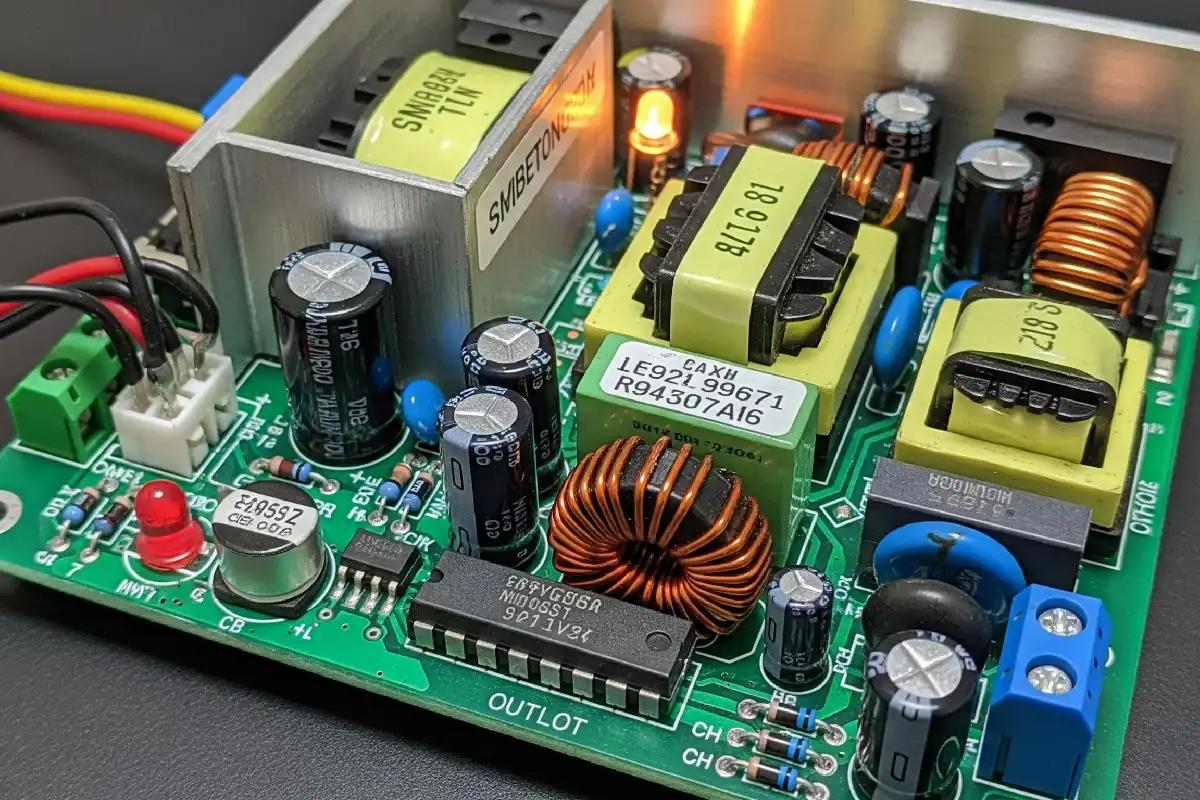
A switching power supply consists of several critical components that work together to convert and regulate electrical power.
1. Switch
The switching element is typically a power transistor or MOSFET capable of switching on and off at very high speeds.
This switching action controls how much energy flows to the output.
2. Transformer
A high-frequency transformer is used to step the voltage up or down depending on the design requirements.
Because the switching frequency is high, the transformer can be much smaller than traditional transformers.
3. Rectifier
The rectifier converts the alternating signal from the transformer back into direct current (DC).
This is usually done using diodes or synchronous rectifiers.
4. Filter
Filtering components such as capacitors and inductors remove voltage ripple and noise from the output, ensuring stable DC power.
5. Feedback Control Circuit
The feedback loop constantly monitors the output voltage and adjusts the switching signal accordingly.
This ensures the power supply maintains a stable and regulated output voltage, even when the load changes.
Where Are Switching Power Supplies Used?
Switching power supplies are used across many industries because they provide efficient, stable, and reliable power conversion.
Aerospace
Aerospace systems require power supplies capable of operating under extreme environmental conditions. Switching power supplies are used in:
·Avionics systems
·Navigation equipment
·Communication systems
Audio and Visual Equipment
Many audio devices depend on switching power supplies for stable power delivery, including:
·Amplifiers
·Mixers
·Speakers
These power supplies help maintain consistent performance and prevent equipment damage.
Communications
Telecommunication infrastructure relies heavily on switching power supplies for equipment such as:
·Routers
·Network switches
·Modems
Stable power is critical for maintaining reliable communication networks.
Computers
Switching power supplies are standard components in:
·Desktop computers
·Servers
·Workstations
They provide efficient power conversion while keeping system heat levels low.
Industrial Equipment
In industrial environments, switching power supplies are used to power:
·Motors
·Automation systems
·Machine control systems
These devices are designed to operate reliably in harsh industrial environments.
Security Systems
Security equipment such as CCTV cameras, alarm systems, and access control devices relies on switching power supplies for continuous operation.
Military Applications
Military systems require rugged and reliable power supplies for:
·Radar systems
·Communication devices
·Weapon control systems
Switching power supplies are ideal for these applications due to their durability and efficiency.
What Is a Switching Power Supply Adapter?
A power supply adapter is essentially a converter that allows electrical devices to receive the voltage and current they require.
Adapters are commonly used when the available power source does not match the device’s required input.
A switching power adapter may include:
·Power conversion circuits
·Voltage regulation components
·Adapter connectors for different devices
Some designs integrate both conversion circuitry and adapter functionality on the same circuit board.
Conclusion
Switching power supplies have become an essential part of modern electronics due to their high efficiency, compact size, and reliable voltage regulation.
Compared with traditional linear power supplies, switching designs offer significant advantages:
·Higher energy efficiency
·Smaller and lighter designs
·Better performance for high-power applications
Because of these benefits, switching power supplies are widely used in industries ranging from consumer electronics and communications to aerospace and military systems.
As technology continues to evolve, switching power supplies will remain a key solution for powering modern electronic devices.