
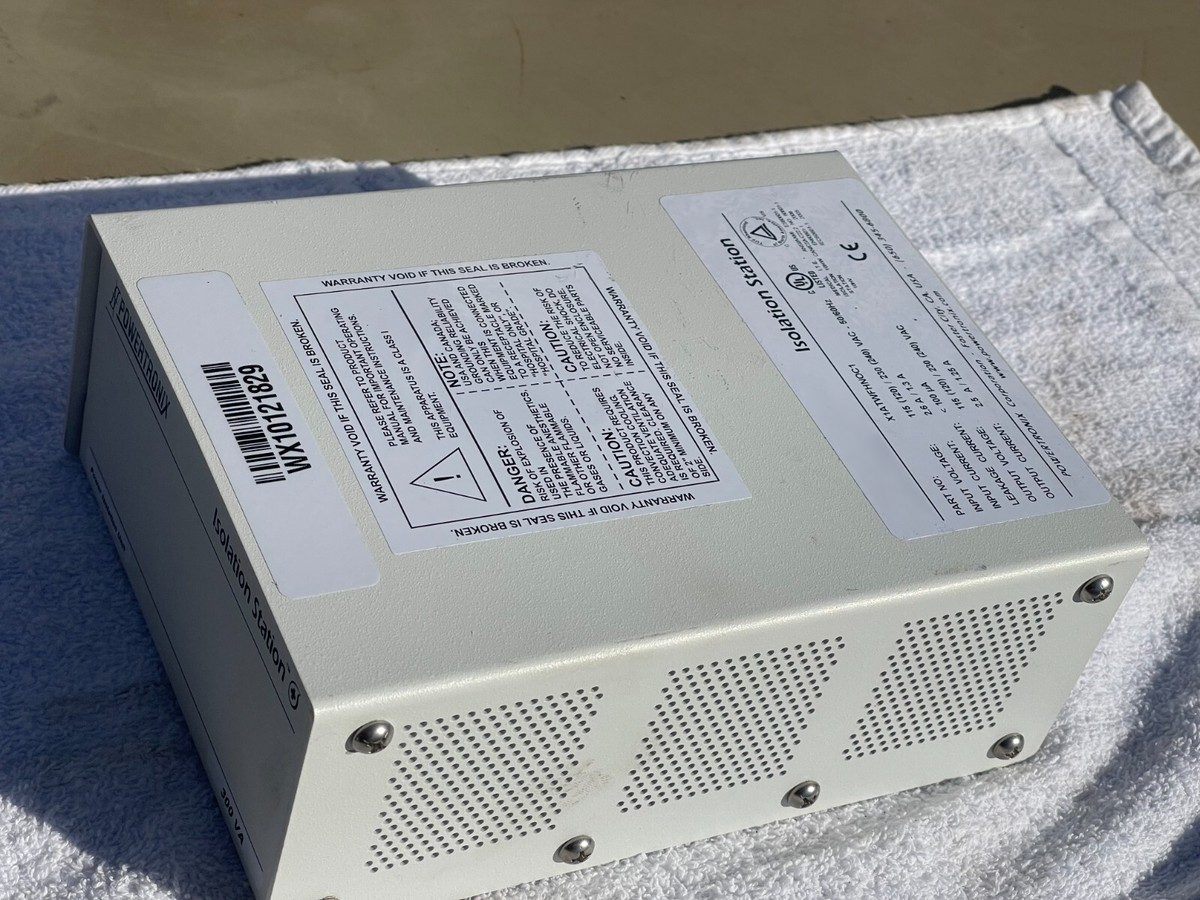
Introduction: Is Your Power Supply Truly Safe Without Isolation?
In modern electronic systems, power is not just about delivering energy—it’s about delivering it safely, reliably, and without interference. But have you ever asked yourself:
What happens when electrical noise, surges, or faults travel freely through your system?
The answer is simple—damage, instability, and costly failures.
This is where power supply isolation becomes essential.
Whether you’re designing industrial automation equipment, medical devices, or telecom infrastructure, isolation is not just an option—it is a necessity. In this article, we will explore how power supply isolation works, why it matters, and how SIPURUI isolated switching power supplies provide robust, real-world solutions.
What Is Power Supply Isolation and Why Is It So Important?
Power supply isolation refers to the separation of input and output circuits, ensuring that no direct electrical path exists between them.
But why is that so critical?
Because without isolation:
·Voltage spikes can damage downstream components
·Noise can corrupt signals
·Faults can propagate across the system
Isolation ensures that energy is transferred without direct conduction, typically using transformers or optocouplers.
How Does Power Supply Isolation Actually Work?
At its core, isolation works by transferring energy through magnetic, optical, or capacitive coupling, rather than direct electrical connection.
Key Mechanisms
| Isolation Method | Working Principle | Typical Use Case |
| Transformer Isolation | Magnetic field transfers energy | AC-DC, DC-DC converters |
| Optical Isolation | Light transmits signal across barrier | Feedback and control circuits |
| Capacitive Isolation | Electric field coupling | High-speed data systems |
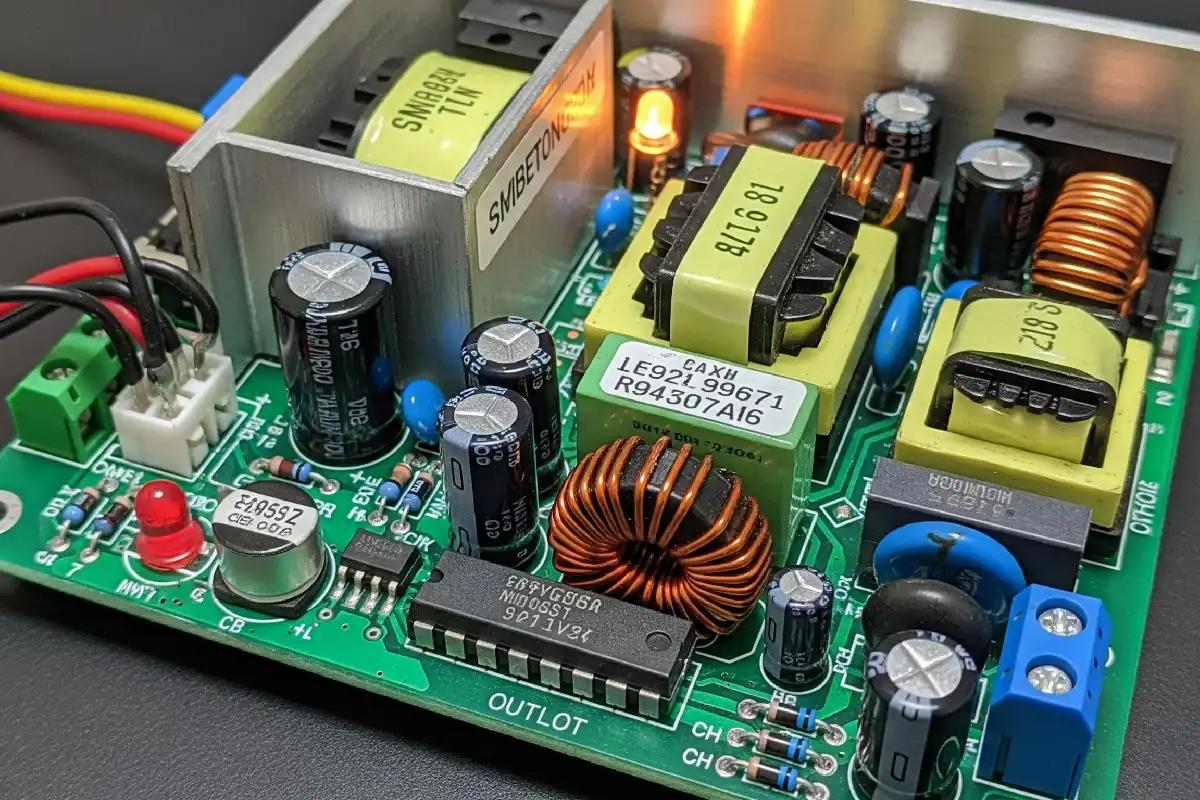
In a typical SIPURUI isolated switching power supply, a high-frequency transformer plays a central role. It allows efficient energy transfer while maintaining electrical separation.
What Problems Can Isolation Solve in Real Systems?
1. Can Isolation Really Protect Against Electrical Surges?
Yes—and this is one of its most critical roles.
Surges caused by lightning, switching events, or unstable grids can reach thousands of volts. Isolation prevents these spikes from reaching sensitive electronics.
| Surge Source | Without Isolation | With Isolation |
| Lightning | Component failure | Surge blocked |
| Grid fluctuation | System instability | Stable output |
| Switching spikes | Noise propagation | Noise contained |
2. How Does Isolation Eliminate Ground Loops?
Ground loops occur when multiple ground paths create unintended current flow.
Why is this dangerous?
·Causes signal distortion
·Introduces noise
·Leads to measurement errors
Isolation breaks the ground path completely, ensuring clean signal transmission—especially important in industrial control systems.
3. Can Isolation Improve EMI Performance?
Absolutely.
Isolation significantly reduces electromagnetic interference (EMI) by blocking high-frequency noise from propagating between circuits.
EMI Performance Comparison
| Parameter | Non-Isolated Supply | Isolated Supply (SIPURUI) |
| Noise Level | High | Low |
| Signal Integrity | Poor | High |
| Compliance (EMC) | Difficult | Easier |
Where Is Power Supply Isolation Most Critical?
Is Isolation Necessary in Industrial Applications?
Yes—especially in environments with heavy electrical noise.
Applications include:
·CNC machines
·PLC systems
·Motor drives
In these systems, SIPURUI industrial isolated power supplies ensure stable operation even under harsh conditions.
Why Is Isolation Mandatory in Medical Equipment?
Medical standards (such as IEC 60601) require strict isolation to protect patients from electrical shock.
Key benefits:
·Patient safety
·Leakage current control
·Reliable operation
What About Telecommunications and Data Systems?
Isolation prevents:
·Data corruption
·Signal interference
·Equipment damage
This is crucial for servers, base stations, and communication networks.
What Types of Isolated Power Supplies Are Available?
Are All Isolated Power Supplies the Same?
Not at all. Different designs serve different needs.
Comparison of Common Isolated Power Supply Types
| Type | Input | Output | Key Feature | SIPURUI Solution |
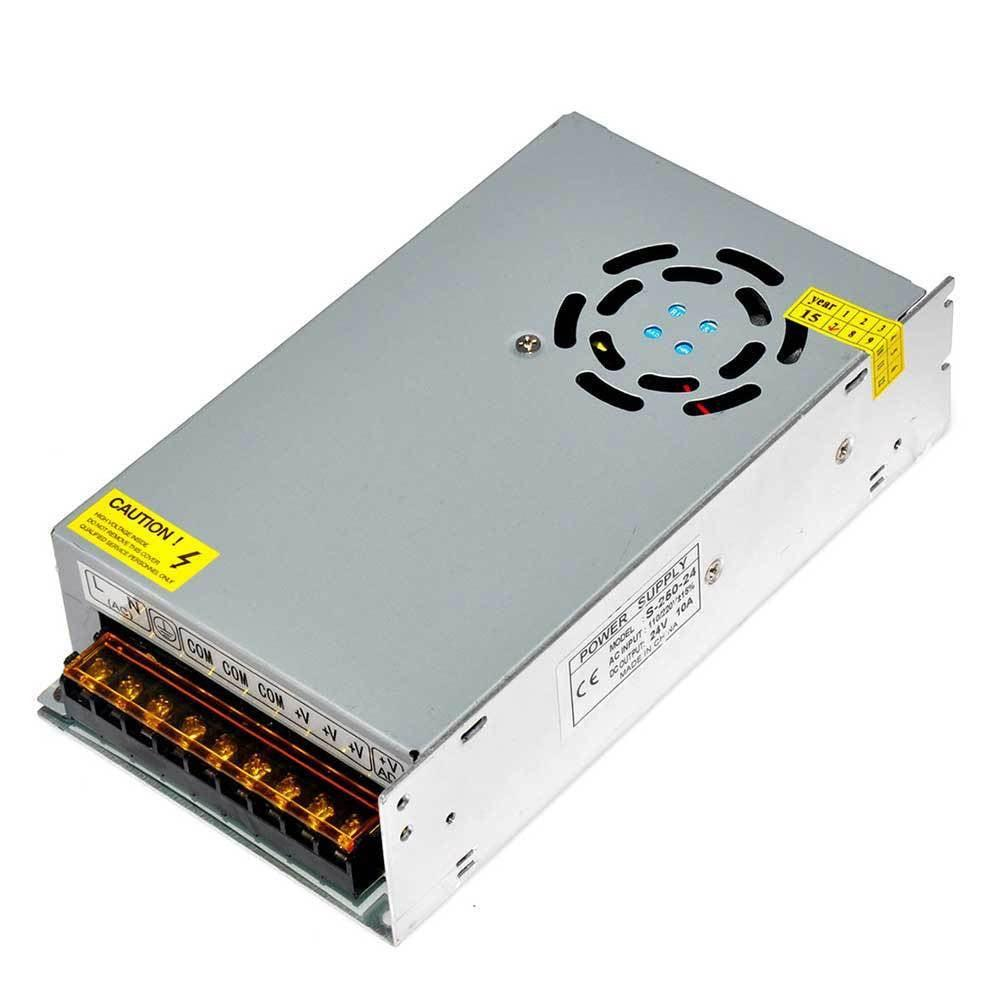
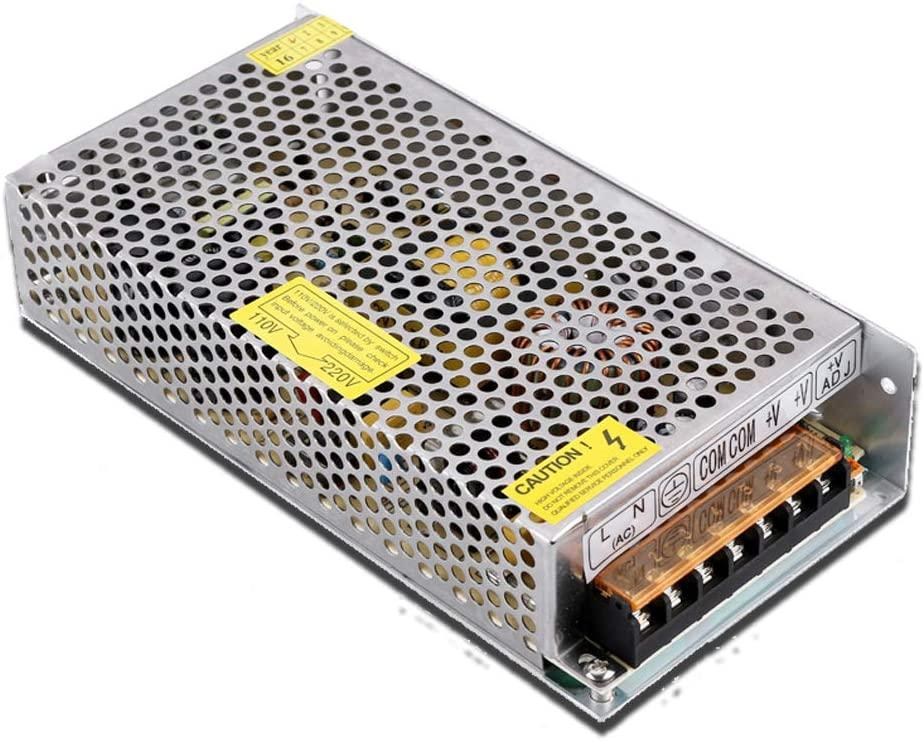
| AC-DC Isolated | AC mains | DC | High voltage isolation | SIPURUI enclosed PSU |
| DC-DC Isolated | DC | DC | Compact, efficient | SIPURUI module series |
| Gate Driver Isolation | DC | Pulse | High-speed switching | SIPURUI driver modules |
How Does Isolation Improve Reliability and System Lifespan?
Isolation acts as a protective barrier.
Without Isolation:
·Faults spread quickly
·Components degrade faster
·System downtime increases
With SIPURUI Isolation:
·Fault containment
·Longer lifespan
·Reduced maintenance costs
What Are the Key Parameters When Choosing an Isolated Power Supply?
What Should Engineers Really Look For?
Choosing the right isolated power supply is not just about voltage and current.
Key Selection Criteria
| Parameter | Description | Typical SIPURUI Range |
| Isolation Voltage | Max voltage between input/output | 1kV – 6kV |
| Efficiency | Power conversion efficiency | Up to 92% |
| Output Stability | Voltage regulation accuracy | ±1% |
| Operating Temp | Environmental tolerance | -40°C to +85°C |
What Makes SIPURUI Isolated Power Supplies Different?
Why Choose SIPURUI?
SIPURUI focuses on high-reliability switching power supplies designed for demanding applications.
Key Advantages
·High isolation voltage for safety-critical systems
·Compact design for space-constrained applications
·Low EMI for compliance with global standards
·Wide input range for global compatibility
Example Product Series
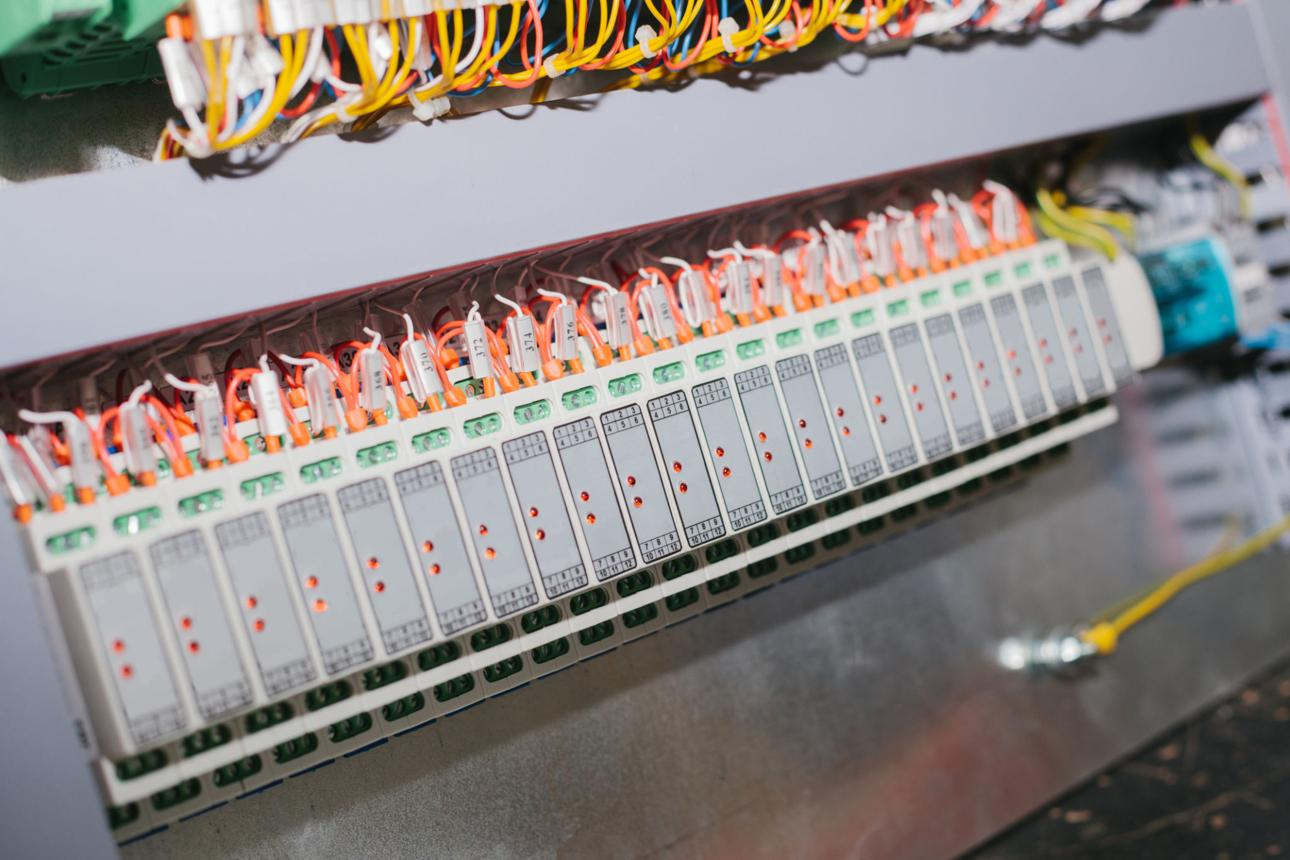
·SIPURUI Industrial DIN Rail Power Supplies
·SIPURUI Isolated DC-DC Converter Modules
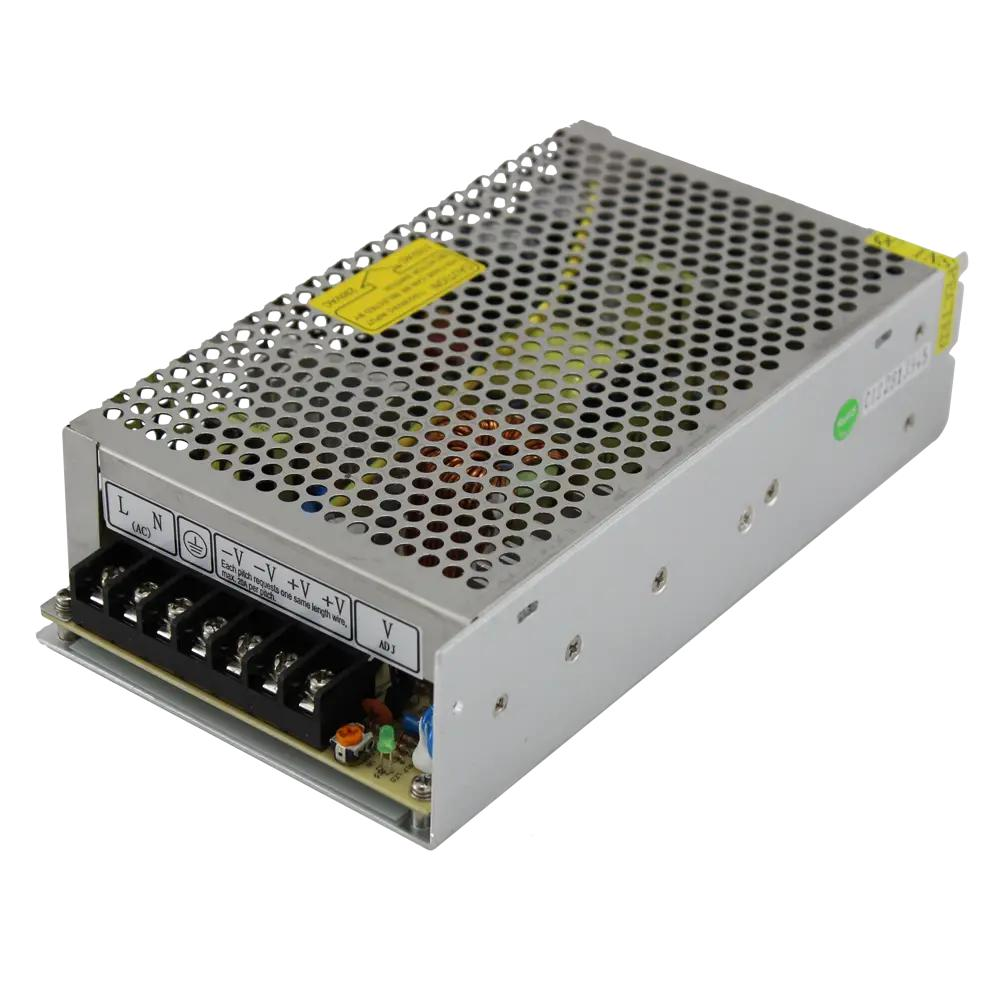
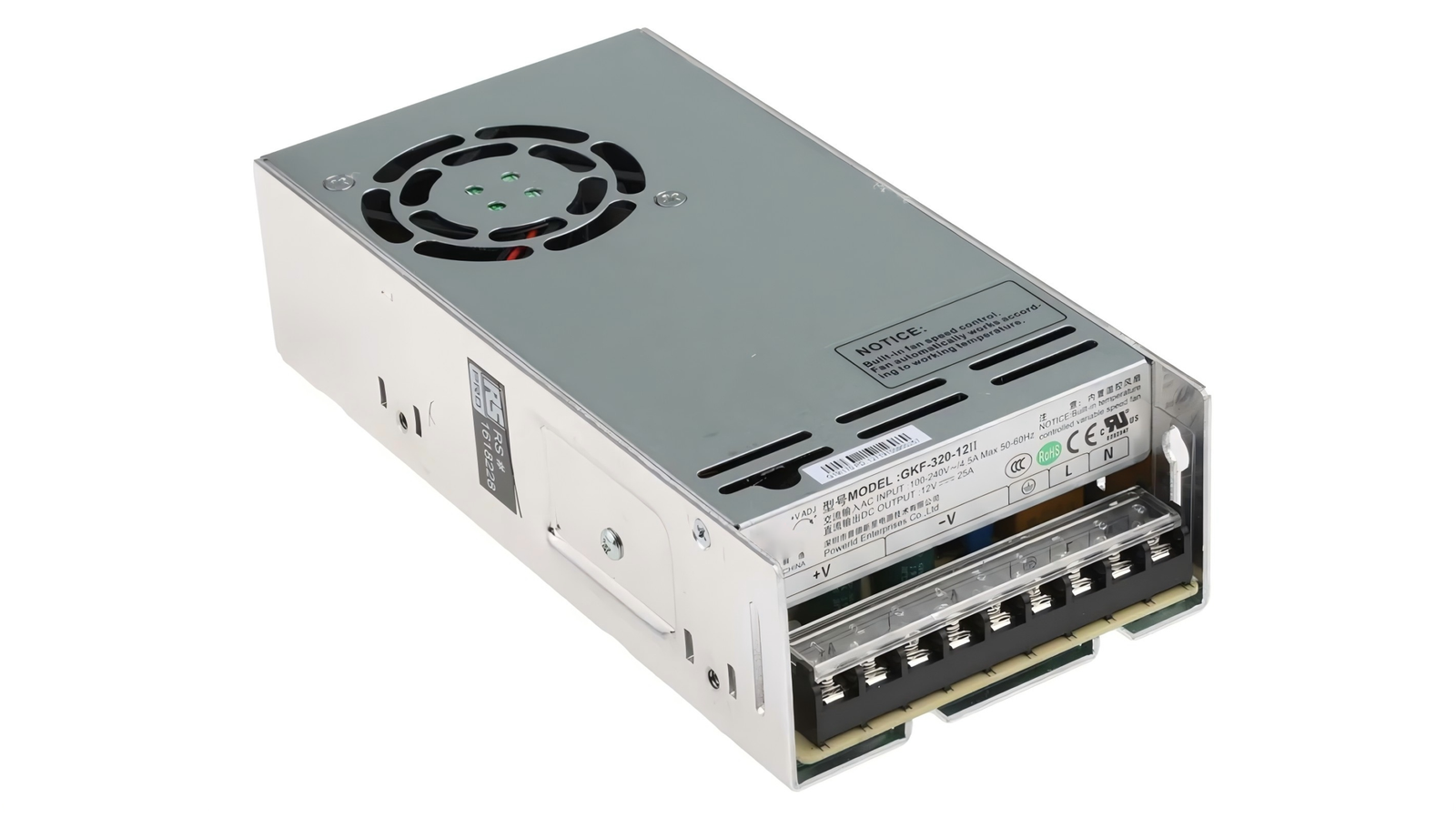
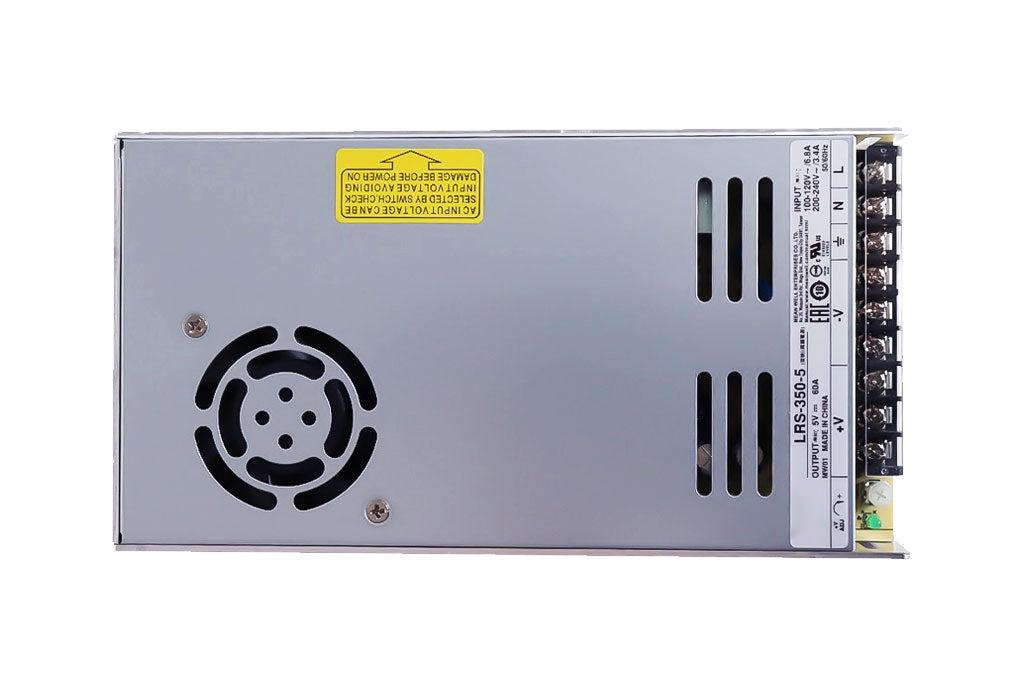
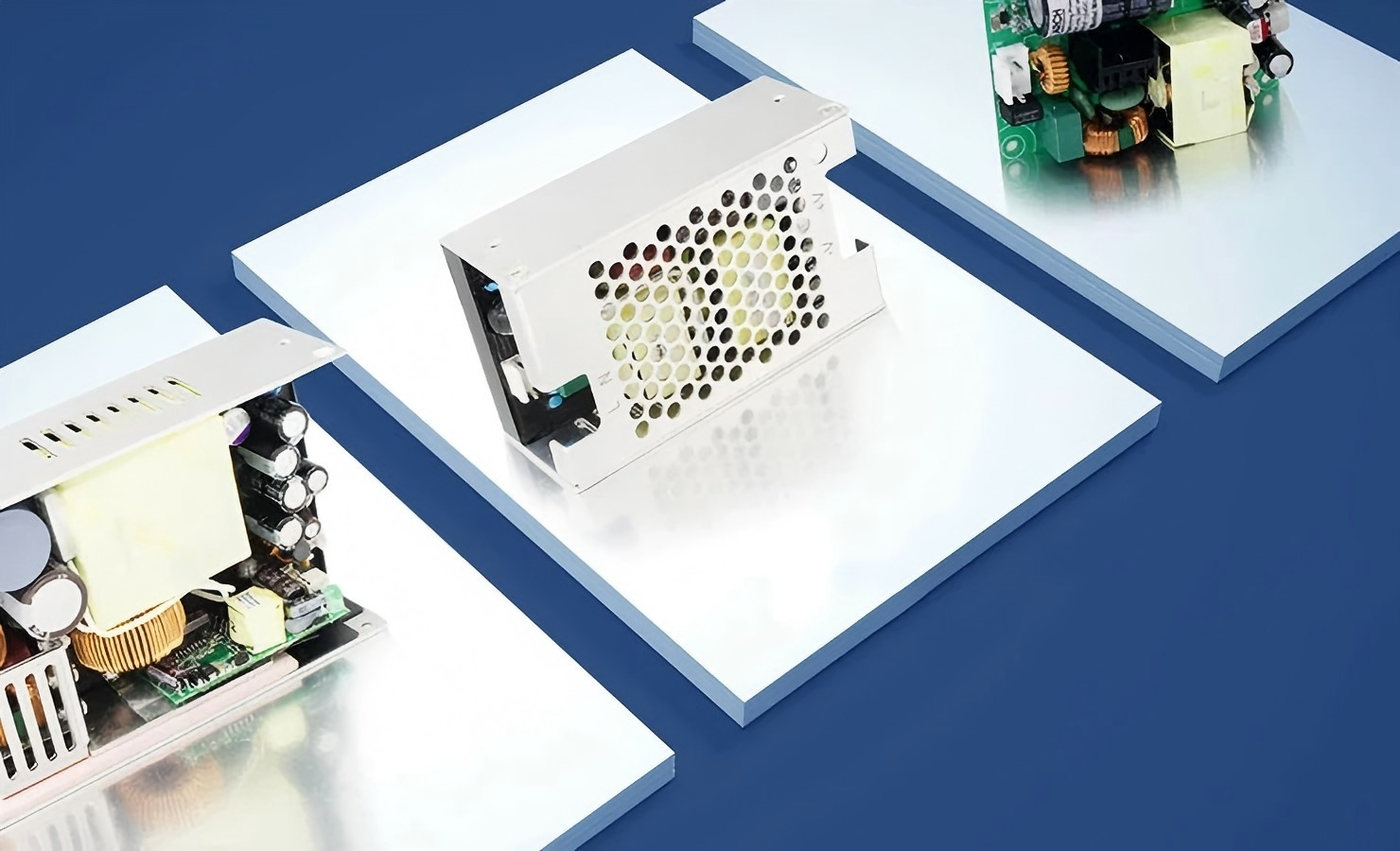
·SIPURUI Enclosed Switching Power Supplies
These products are engineered to meet the needs of modern electronic systems.
How Does Isolation Help Prevent System Failure?
Isolation ensures that faults remain localized.
Fault Scenario Comparison
| Scenario | Non-Isolated System | Isolated System |
| Short Circuit | System-wide failure | Localized damage |
| Over-voltage | Multiple failures | Contained impact |
| Noise injection | Full system disruption | Limited effect |
Future Trends: Is Isolation Becoming More Important?
With the rise of:
·Electric vehicles
·Renewable energy systems
·Smart factories
Isolation is becoming even more critical.
Future trends include:
·Higher isolation voltages
·Smaller, more efficient designs
·Integration with digital control
SIPURUI continues to innovate in these areas, delivering next-generation solutions.

Conclusion: Can You Afford to Ignore Power Supply Isolation?
Power supply isolation is not just a design feature—it is a foundation of system safety and reliability.
Without it, systems are vulnerable to:
·Surges
·Noise
·Fault propagation
With it, you gain:
·Protection
·Stability
·Longevity
If you are designing or upgrading your system, choosing a SIPURUI isolated switching power supply is a strategic decision that ensures long-term performance and safety.
FAQ
What is power supply isolation?
It is the separation of input and output circuits to prevent unwanted electrical interaction.
Why is isolation important in switching power supplies?
It protects against surges, noise, and faults while improving system stability.
What isolation voltage do I need?
It depends on your application, typically ranging from 1kV to 6kV.
Are SIPURUI power supplies suitable for industrial use?
Yes, SIPURUI products are designed for industrial, medical, and telecom applications with high reliability and compliance standards.