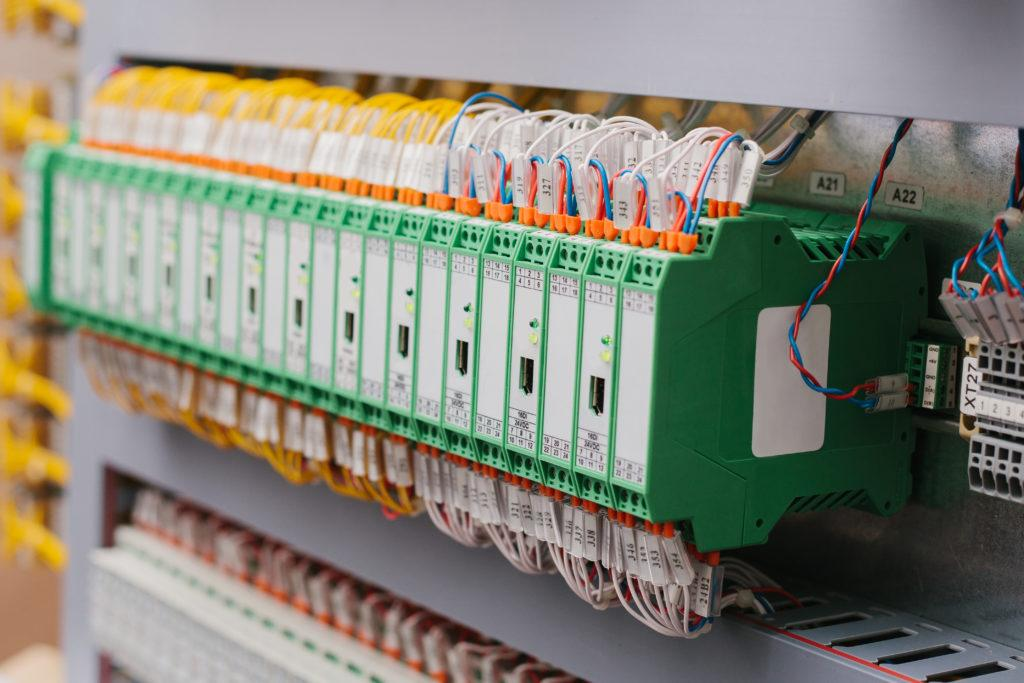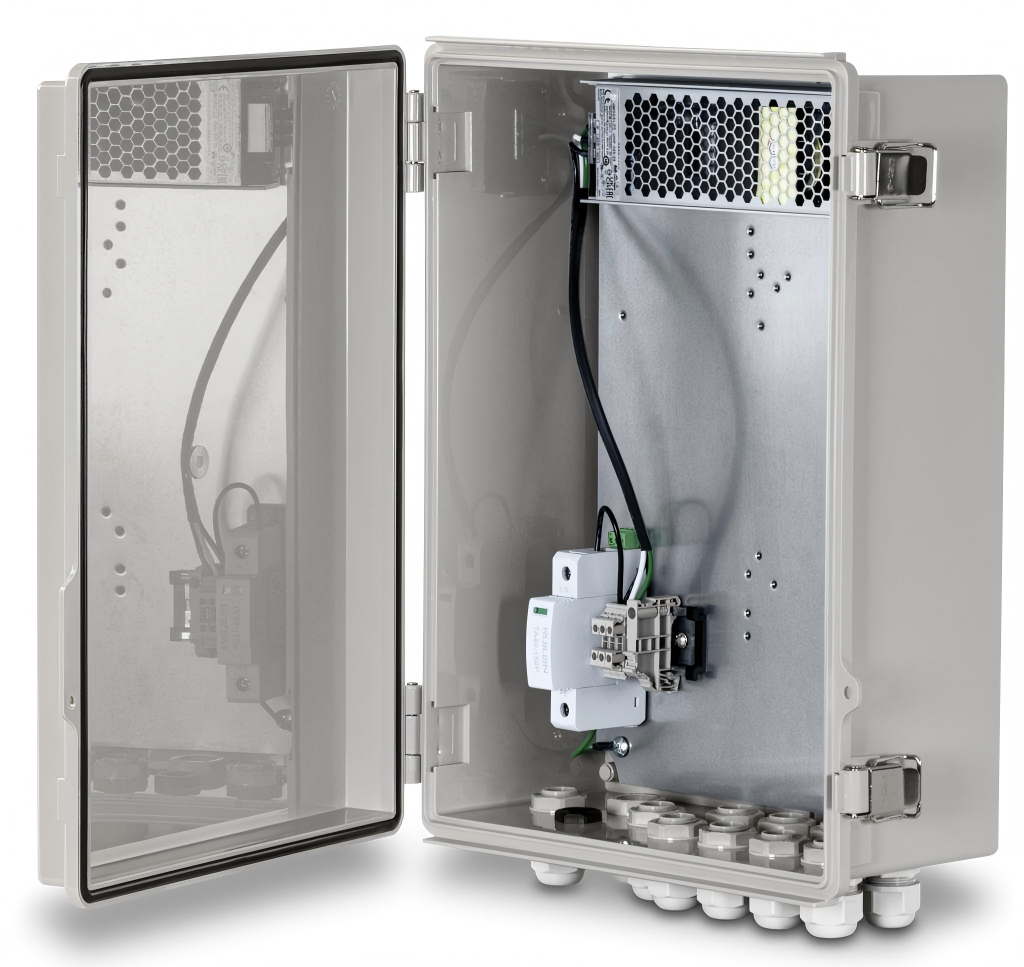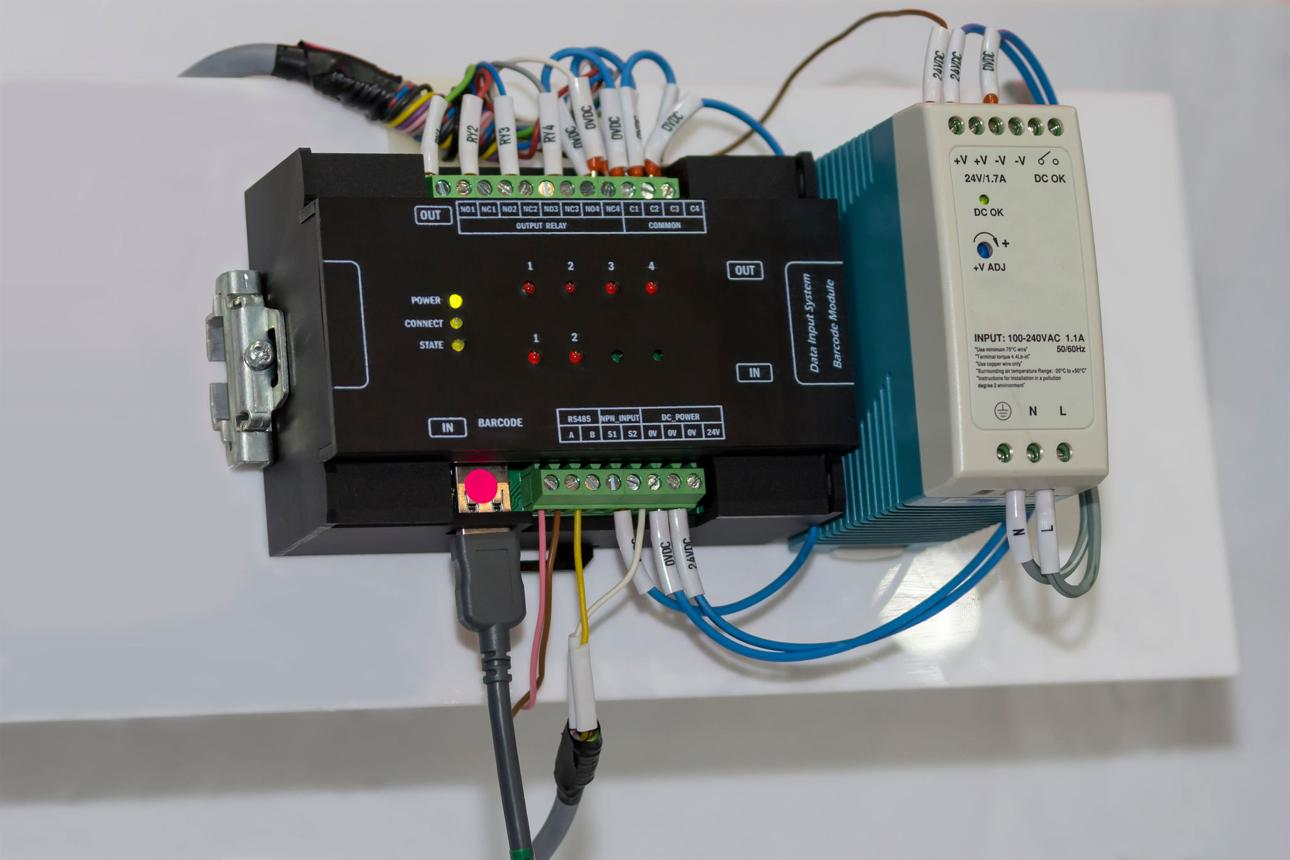

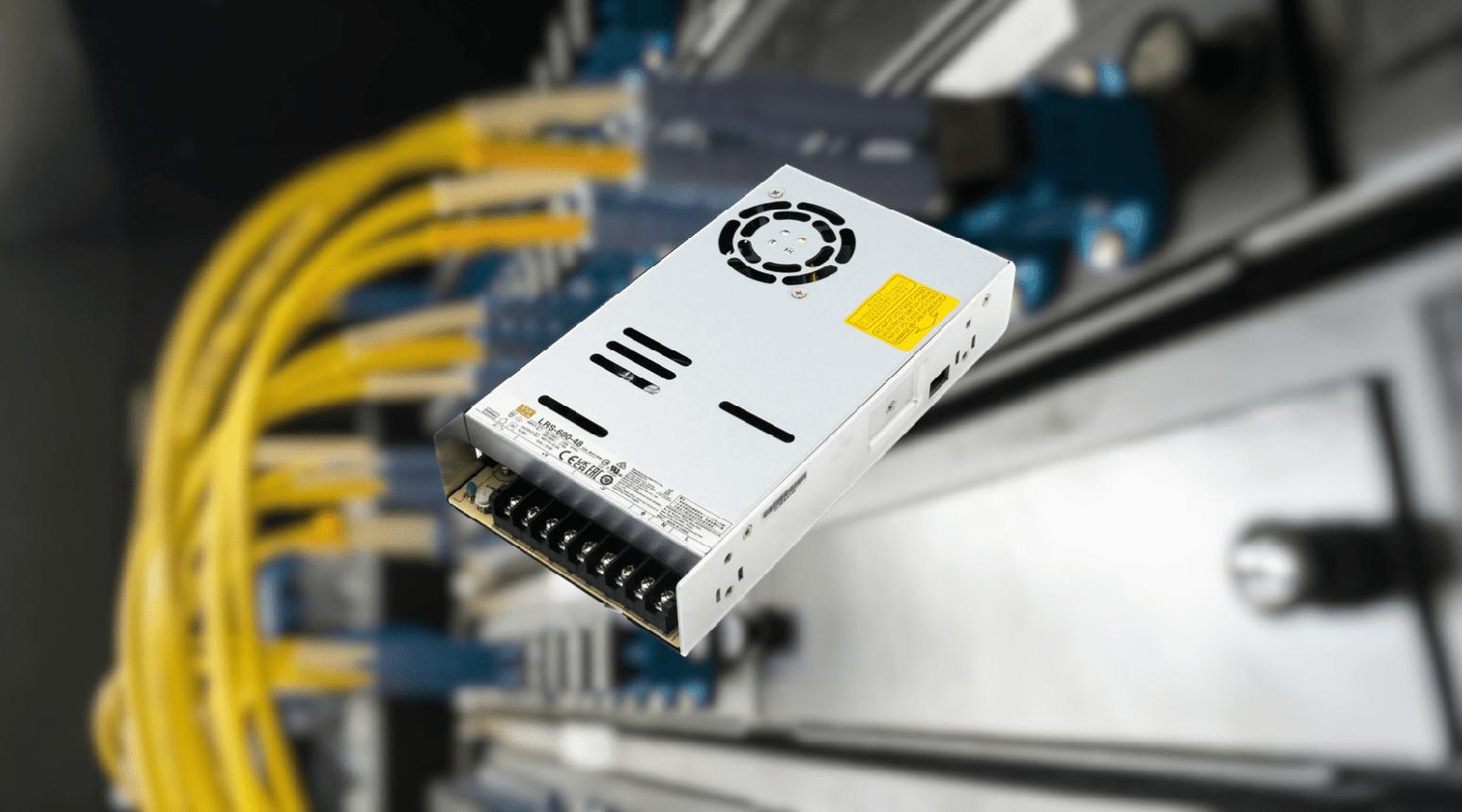
Modern industrial electronics are evolving rapidly. Communication equipment, automation systems, embedded controllers, LED drivers, security devices, and intelligent manufacturing systems are all becoming smaller, faster, and more power-sensitive. At the same time, customers expect switching power supplies to deliver not only high efficiency, but also stable output voltage, low ripple, fast transient response, and excellent EMC performance.
For power supply engineers, this creates a critical challenge:
How can a switching power supply maintain stable and clean power under real operating conditions?
A power supply may appear perfectly normal during basic voltage testing, yet still generate high-frequency noise, transient spikes, voltage overshoot, or EMI problems that eventually affect the entire system. These hidden issues can cause communication instability, processor malfunction, sensor errors, or even field failures in industrial applications.
This is why Power Integrity (PI) testing has become one of the most important verification methods in modern switching power supply design.
At SIPURUI, PI optimization is integrated into the development process of industrial switching power supplies. From transformer design and PCB layout to output filtering and EMI suppression, power integrity directly affects reliability, noise performance, and long-term system stability.
Why Has Power Integrity Become So Important in Modern Switching Power Supplies?
Traditional power systems were relatively forgiving. Older industrial systems operating at 12V or 5V could tolerate moderate ripple and transient variation without major problems. However, modern electronics are very different.
Today’s processors, FPGA systems, DDR memory modules, communication interfaces, and industrial control boards often operate at voltages as low as 1.2V or below. Under these conditions, even small fluctuations on the power rail may affect timing accuracy, signal integrity, or communication stability.
At the same time, switching frequencies continue to increase in order to improve efficiency and reduce product size. Faster switching edges improve power density, but they also generate more high-frequency harmonics and EMI noise. As industrial equipment becomes more compact, noisy power circuits and sensitive signal circuits are often placed very close together, increasing the risk of interference.
For switching power supplies used in industrial automation, communication systems, and embedded control applications, stable power delivery is no longer just a performance advantage. It is a necessity.
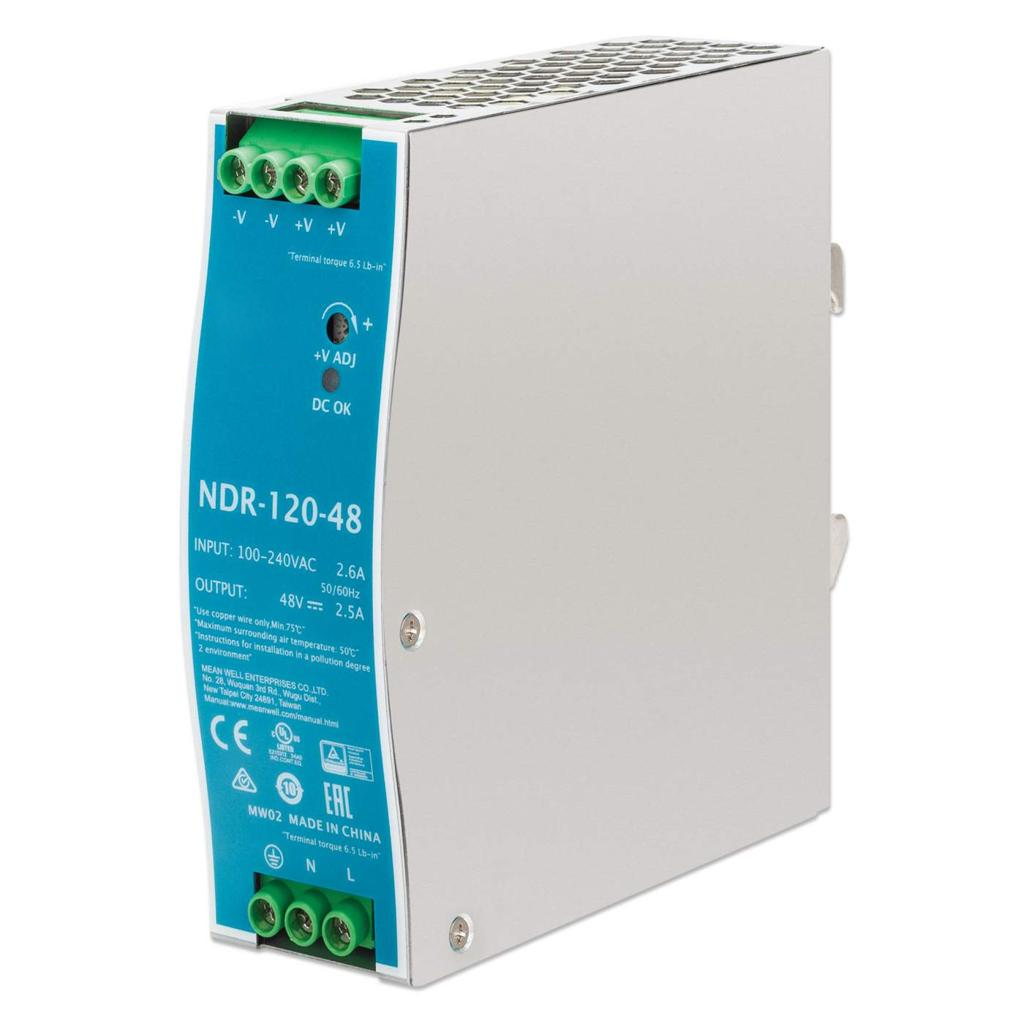
What Exactly Is Power Integrity?
Power Integrity refers to the ability of the entire power delivery network to provide stable voltage and sufficient current to the load while minimizing ripple, noise, and voltage fluctuation.
In a switching power supply system, PI involves far more than the PWM controller itself. Engineers must evaluate the interaction between:
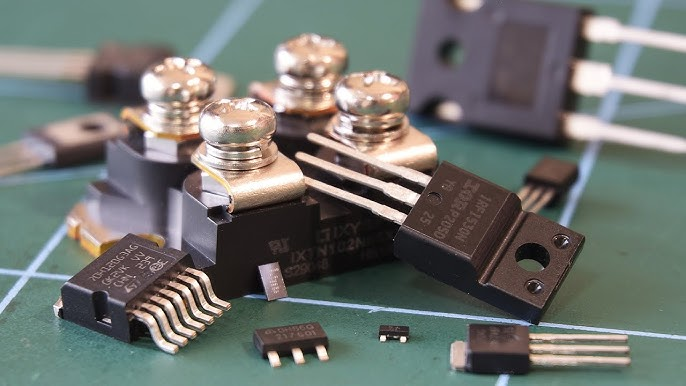
- Switching MOSFETs
- Transformers
- Output LC filters
- PCB copper layout
- Ground return paths
- Decoupling capacitors
- Dynamic load behavior
- EMI suppression structures
Poor power integrity may create several hidden problems inside industrial equipment. Voltage ripple can disturb sensitive communication circuits. High-frequency switching noise may couple into analog sections or sensor interfaces. Excessive transient overshoot can stress downstream ICs and shorten component lifespan.
For this reason, modern PI testing focuses on both time-domain and frequency-domain behavior rather than simply measuring average DC voltage.
Why Is Ripple and Noise Testing So Critical?
Ripple and noise remain among the most important indicators of switching power supply quality.
Ripple is usually associated with periodic voltage fluctuation generated by the switching process and output filtering stage. Noise, on the other hand, often includes high-frequency spikes caused by fast switching transitions, PCB parasitic inductance, transformer leakage inductance, and electromagnetic coupling.
In practical applications, excessive ripple may lead to unstable operation of processors, communication modules, sensors, and analog circuits. This becomes especially critical in systems requiring high signal accuracy or low electromagnetic interference.
For industrial power supplies, ripple performance often determines whether the product can operate reliably in harsh electrical environments.
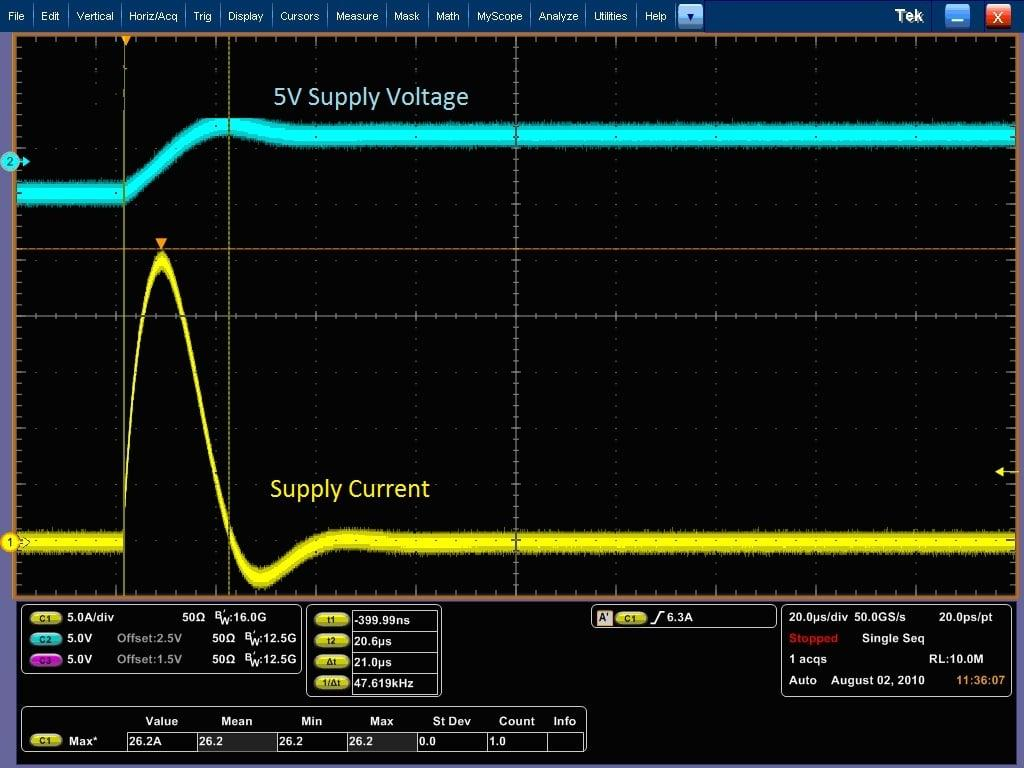
Modern industrial systems generally require much tighter ripple control than older power systems.
| Application | Typical Ripple Requirement |
| Industrial automation | <100mVp-p |
| Communication equipment | <50mVp-p |
| Medical electronics | <20mVp-p |
| Precision analog systems | <10mVp-p |
| RF and measurement systems | uV-level RMS noise |
To achieve low ripple performance, SIPURUI switching power supplies utilize optimized transformer structures, multi-stage LC filtering, low-ESR capacitors, and carefully controlled PCB current return paths. These design methods help suppress both low-frequency ripple and high-frequency switching noise.
Why Is Dynamic Load Response One of the Most Important PI Tests?
Many power supplies perform well under constant load conditions but become unstable during rapid load transitions.
In real industrial systems, dynamic current changes occur constantly. Motors start and stop, processors switch operating states, communication modules transmit bursts of data, and LED systems rapidly change brightness levels. Each of these actions places sudden stress on the power supply.
When current demand increases rapidly, the output voltage may temporarily drop before the control loop responds. This phenomenon is known as voltage undershoot. When the load suddenly decreases, the output voltage may rise above the target level, creating overshoot. Poorly compensated systems may also generate oscillation or ringing during recovery.
These transient behaviors are especially dangerous for low-voltage digital systems because modern ICs often have extremely narrow voltage tolerances.
A well-designed switching power supply must recover quickly while minimizing voltage deviation.
| Dynamic Response Parameter | Importance |
| Overshoot | Prevents downstream IC damage |
| Undershoot | Maintains system stability |
| Recovery time | Indicates loop response quality |
| Ringing | Reflects compensation optimization |
SIPURUI industrial switching power supplies are optimized for fast transient recovery, helping maintain stable voltage even during rapid load variation in industrial automation systems.
Why Are High-Frequency Noise and EMI Becoming Bigger Problems?
As switching frequencies continue to increase, switching power supplies now generate much broader noise spectra than traditional designs. Modern MOSFET switching transitions are extremely fast, producing harmonics that can extend well into high-frequency regions.
At the same time, modern industrial equipment integrates:
- Digital logic systems
- Communication modules
- RF interfaces
- Analog sensing circuits
- High-current power stages
Without proper PI optimization, switching noise can couple into sensitive circuits and create EMI problems throughout the system.
High-frequency noise may result in:
- Clock jitter
- Communication instability
- ADC accuracy degradation
- Sensor malfunction
- EMC certification failure
This is why modern PI analysis increasingly requires high-bandwidth oscilloscopes, low-noise power rail probes, and FFT spectrum analysis.
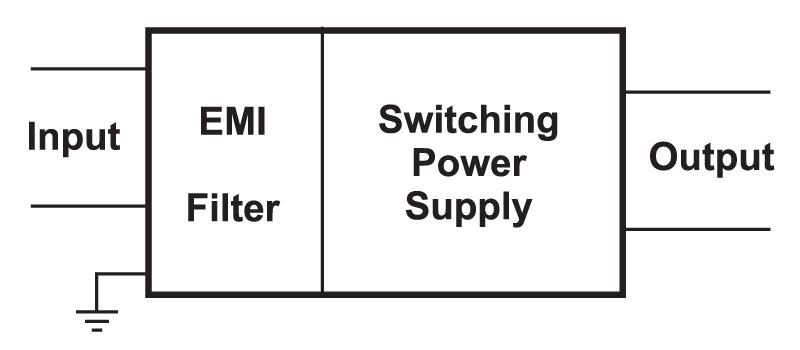
EMI and Power Integrity Are Closely Connected
Many engineers treat EMI and PI as separate subjects, but in reality they are deeply related.
Poor power integrity often directly increases electromagnetic interference. Large switching current loops, uncontrolled return paths, and excessive voltage ringing all contribute to higher EMI radiation.
PCB layout quality becomes especially important in high-frequency switching power supplies. Engineers must carefully minimize loop area, optimize grounding structure, reduce parasitic inductance, and isolate noisy switching nodes from sensitive circuits.
A properly optimized power supply not only improves voltage stability, but also reduces radiated and conducted emissions.

Why Is Proper PI Measurement Technique So Important?
One of the most common causes of inaccurate PI analysis is improper probing technique.
Standard passive probes with long ground leads can introduce additional ringing and noise during measurement. These large loop areas behave like antennas and capture unwanted interference, especially at higher frequencies.
Similarly, AC coupling methods may make ripple signals easier to observe by removing the DC component, but they also eliminate important low-frequency information such as voltage drift and DC compression.
Professional power rail probes are specifically designed for PI testing. They provide:
- Lower noise floor
- Wider bandwidth
- High DC offset capability
- Minimal circuit loading
allowing engineers to observe ripple, transient response, and low-frequency drift simultaneously.
| PI Measurement Method | Advantages | Limitations |
| Standard 10:1 probe | Low cost and convenient | Higher noise floor |
| AC coupling | Easier ripple observation | Removes DC information |
| Coax + DC block | Better high-frequency response | Cannot show low-frequency drift |
| Professional power rail probe | High accuracy and wide bandwidth | Higher equipment investment |
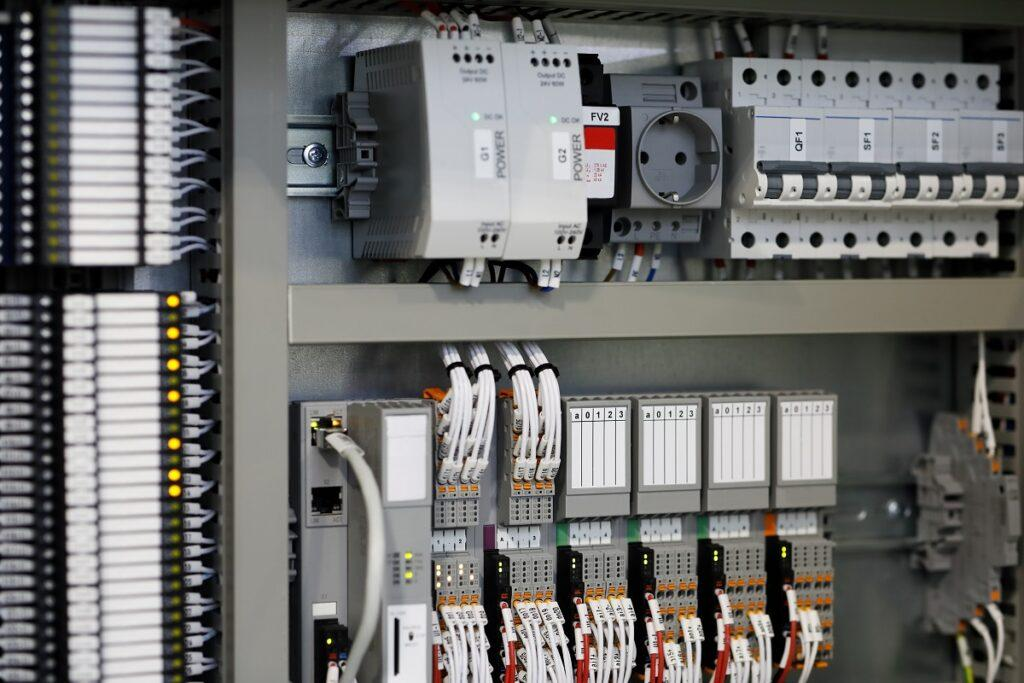
How SIPURUI Optimizes Power Integrity in Industrial Power Supplies
At SIPURUI, power integrity optimization begins during the earliest stages of product development rather than after prototype completion.
Engineers focus on minimizing ripple and EMI while improving transient response and thermal reliability. This includes optimization of transformer winding structure, switching node layout, output LC filtering, current return path control, and compensation network tuning.
High-quality low-ESR capacitors and carefully optimized PCB structures help suppress unwanted switching noise while maintaining stable voltage regulation under dynamic load conditions.

These design improvements help SIPURUI switching power supplies achieve stable operation in demanding applications such as:
- Industrial automation
- PLC systems
- Embedded controllers
- Communication equipment
- Security monitoring systems
- LED control systems
- Smart manufacturing devices
Power Integrity testing is no longer limited to high-end semiconductor laboratories. It has become a critical engineering process for modern switching power supply development.
As electronic systems continue evolving toward higher speed, lower voltage, and greater integration, engineers must pay increasing attention to ripple suppression, transient response, high-frequency noise, and EMI behavior.
A switching power supply that appears stable under basic testing conditions may still fail in real industrial applications if PI performance is not properly optimized.
For SIPURUI, power integrity is not simply a test item. It is an essential part of designing reliable, stable, and high-performance industrial switching power supplies capable of meeting the demands of modern electronic systems.