

Choosing the right power supply is rarely as simple as picking a voltage and plugging it in. Why do some systems run flawlessly for years while others suffer from instability, overheating, or unexpected shutdowns? In most cases, the difference comes down to one overlooked component: the power supply.
As modern industrial systems become more compact, automated, and performance-driven, the demand for reliable and efficient power conversion continues to grow. Whether you are designing a control cabinet, upgrading CNC equipment, or sourcing components for automation systems, understanding the different types of power supplies is essential.
This guide takes a deeper look at power supply types—especially switching power supplies—and helps you determine which solution best fits your application.
What Does a Power Supply Actually Do—and Why Does It Matter So Much?
At its core, a power supply converts electrical energy into a form that your equipment can safely use. Most industrial environments rely on high-voltage AC input, but sensitive electronics—from PLCs to sensors—require stable, low-voltage DC output.
But is conversion the only job? Not quite.
A high-quality power supply also:
·Stabilizes voltage under fluctuating loads
·Filters electrical noise
·Protects against overload, short circuits, and overheating
·Extends the lifespan of connected equipment
In other words, the power supply is not just a component—it is the foundation of system reliability.
Why Are Switching Power Supplies Dominating Modern Industry?
If you compare older systems to modern industrial setups, one trend becomes obvious: switching power supplies (SMPS) have largely replaced linear designs. But why?
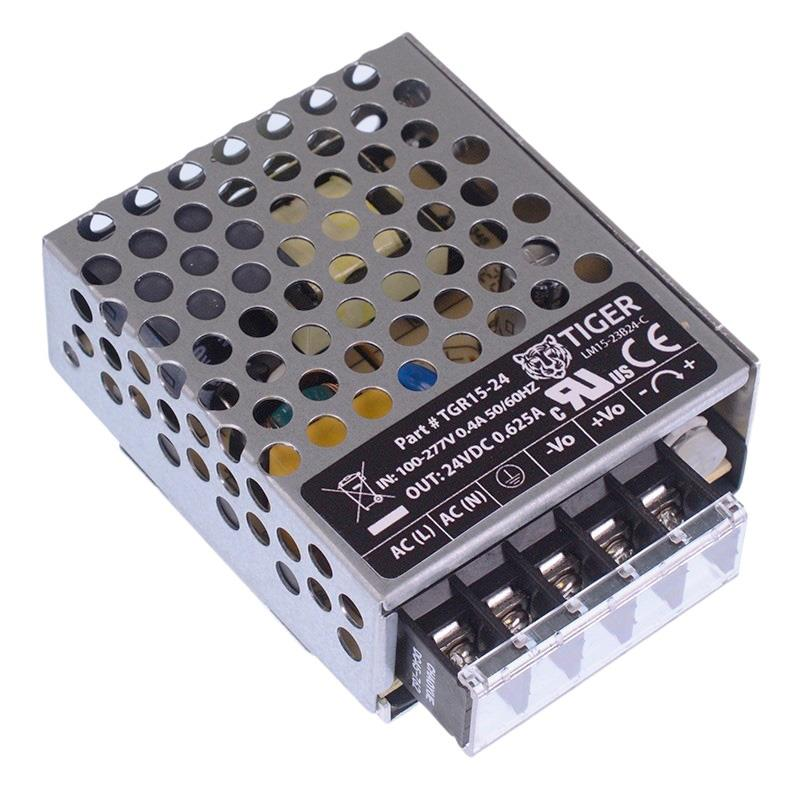
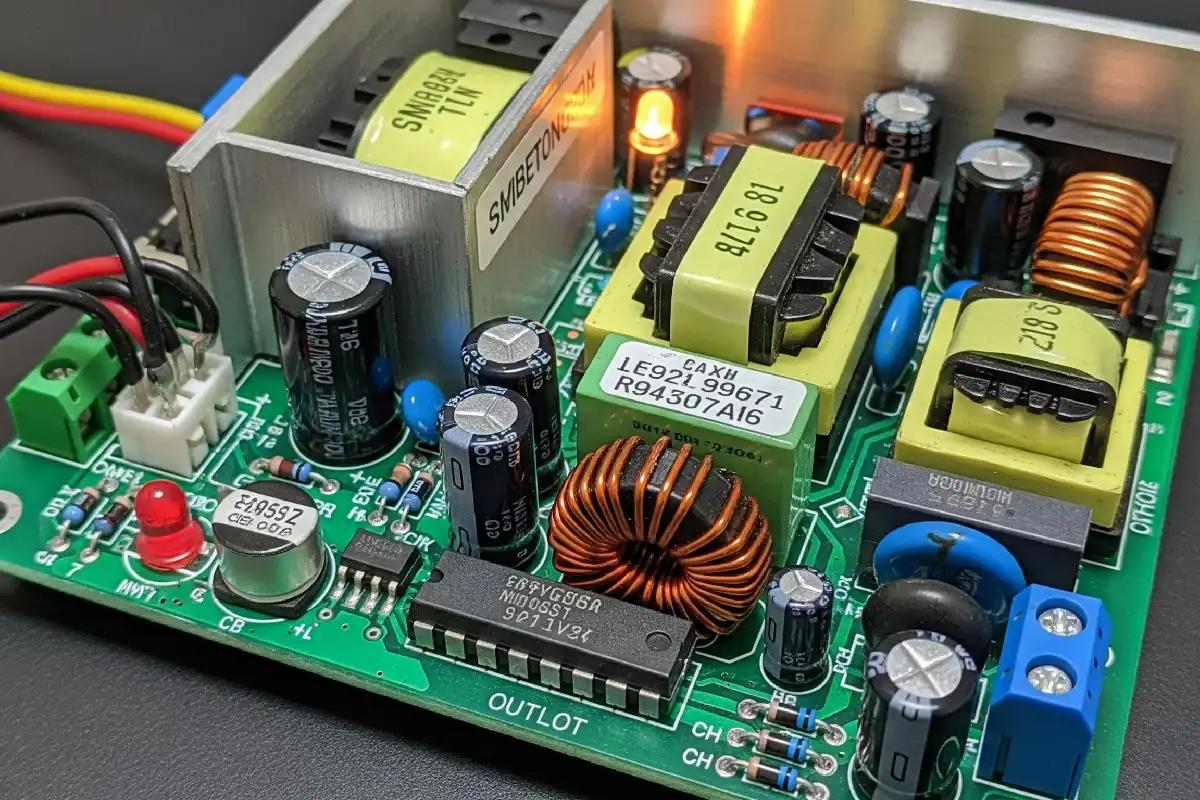
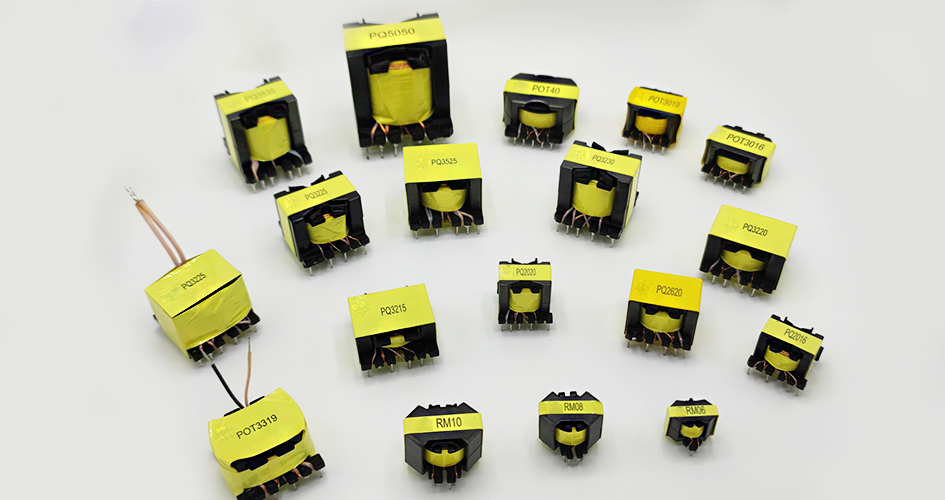
Switching power supplies regulate output by rapidly turning the input power on and off at high frequency. This allows them to achieve much higher efficiency and significantly smaller size compared to traditional linear power supplies.
Instead of dissipating excess energy as heat, SMPS systems transfer energy efficiently through inductors and transformers. This makes them ideal for applications where space, energy efficiency, and thermal management are critical.
However, does higher efficiency come with trade-offs? Yes. Switching power supplies introduce electrical noise and require more complex circuit design. That is why engineering quality and component selection—such as those used in SIPURUI switching power supplies—play a decisive role in performance.
Linear vs Switching Power Supplies: Which One Should You Choose?
Although switching power supplies dominate the market, linear power supplies still have a place in specific scenarios. The key is understanding the trade-offs.
| Feature | Linear Power Supply | Switching Power Supply (SMPS) |
| Efficiency | Low (30–50%) | High (80–95%) |
| Size & Weight | Large & heavy | Compact & lightweight |
| Output Noise | Very low | Moderate (requires filtering) |
| Heat Generation | High | Low |
| Complexity | Simple | Complex |
| Typical Applications | Audio, lab equipment | Industrial, automation, CNC |
From a practical perspective, most industrial users today will benefit from switching power supplies due to their efficiency and flexibility. Linear supplies are typically reserved for ultra-low-noise applications.
What Are the Key Types of Switching Power Supplies?
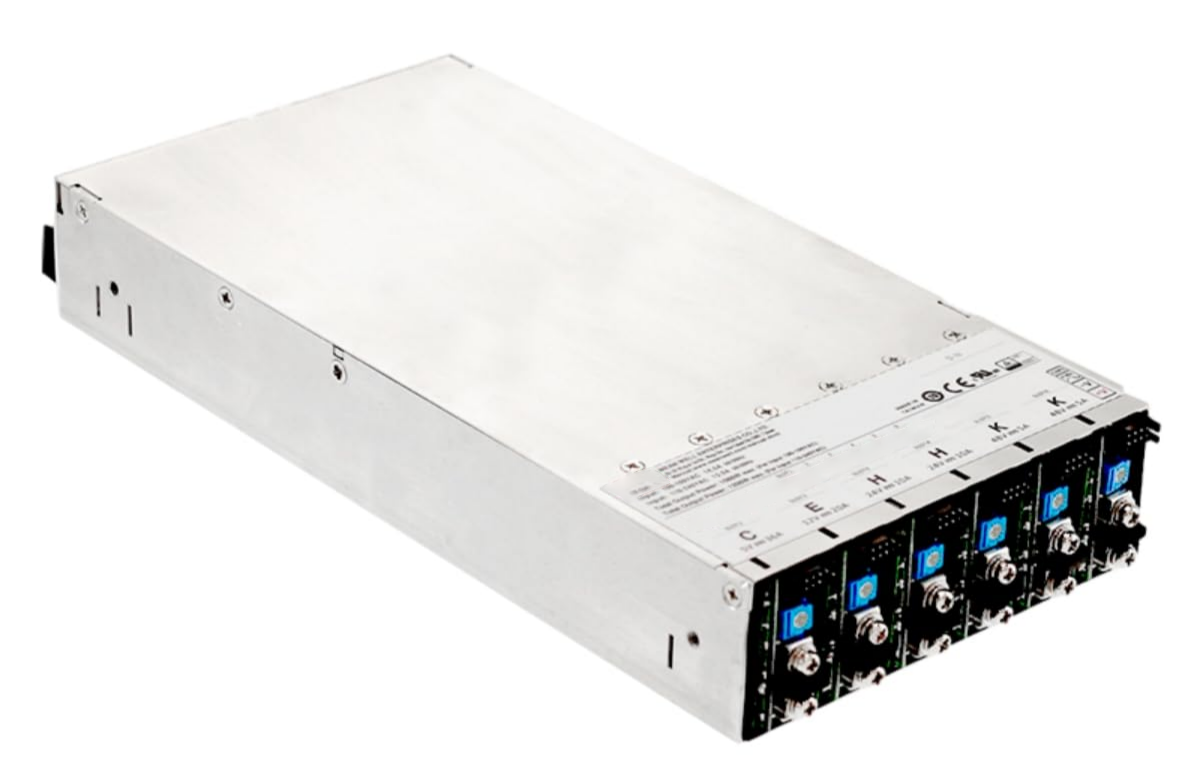
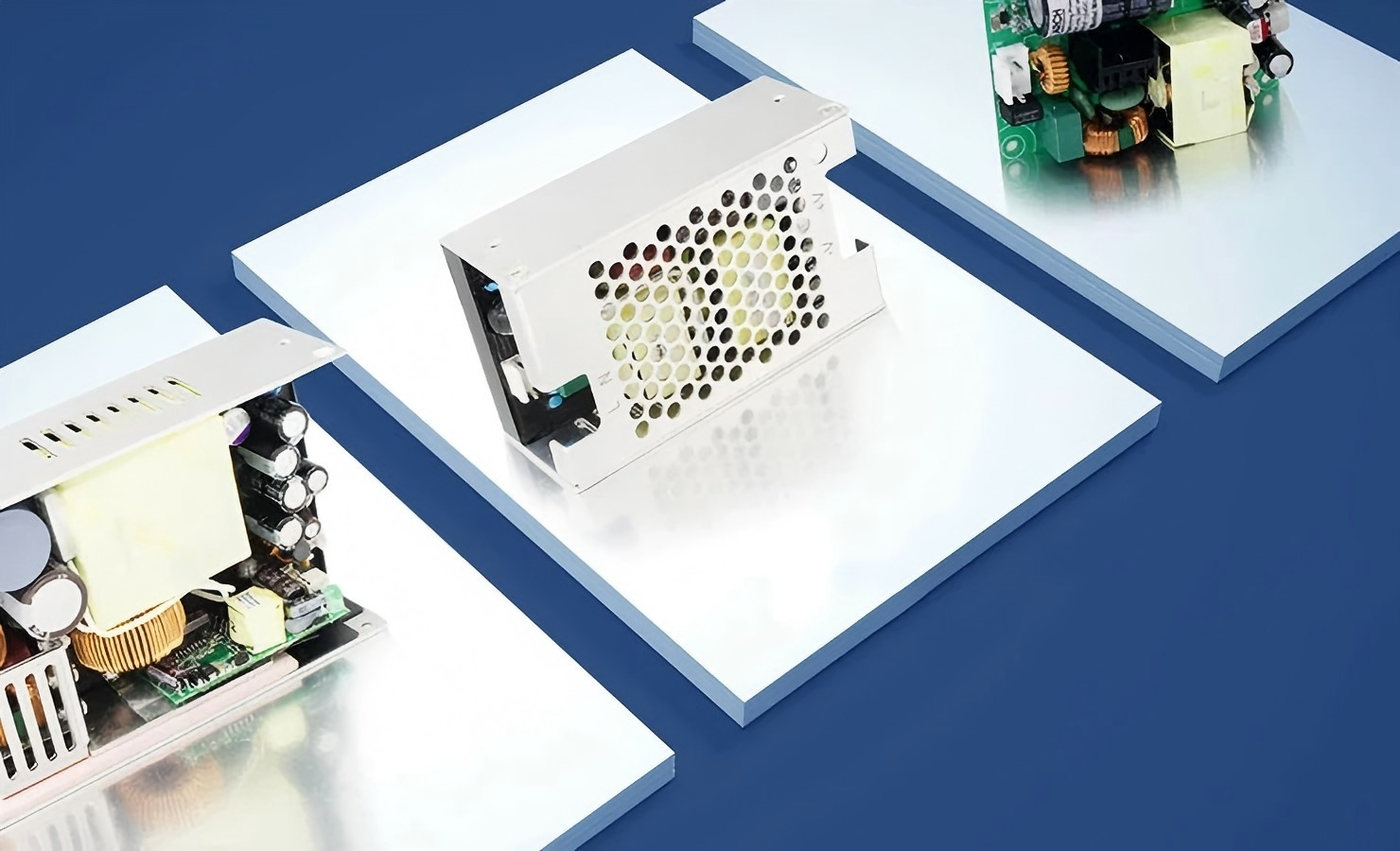
Not all switching power supplies are the same. Different designs serve different installation environments and operational requirements.
DIN Rail Power Supplies: The Backbone of Industrial Control
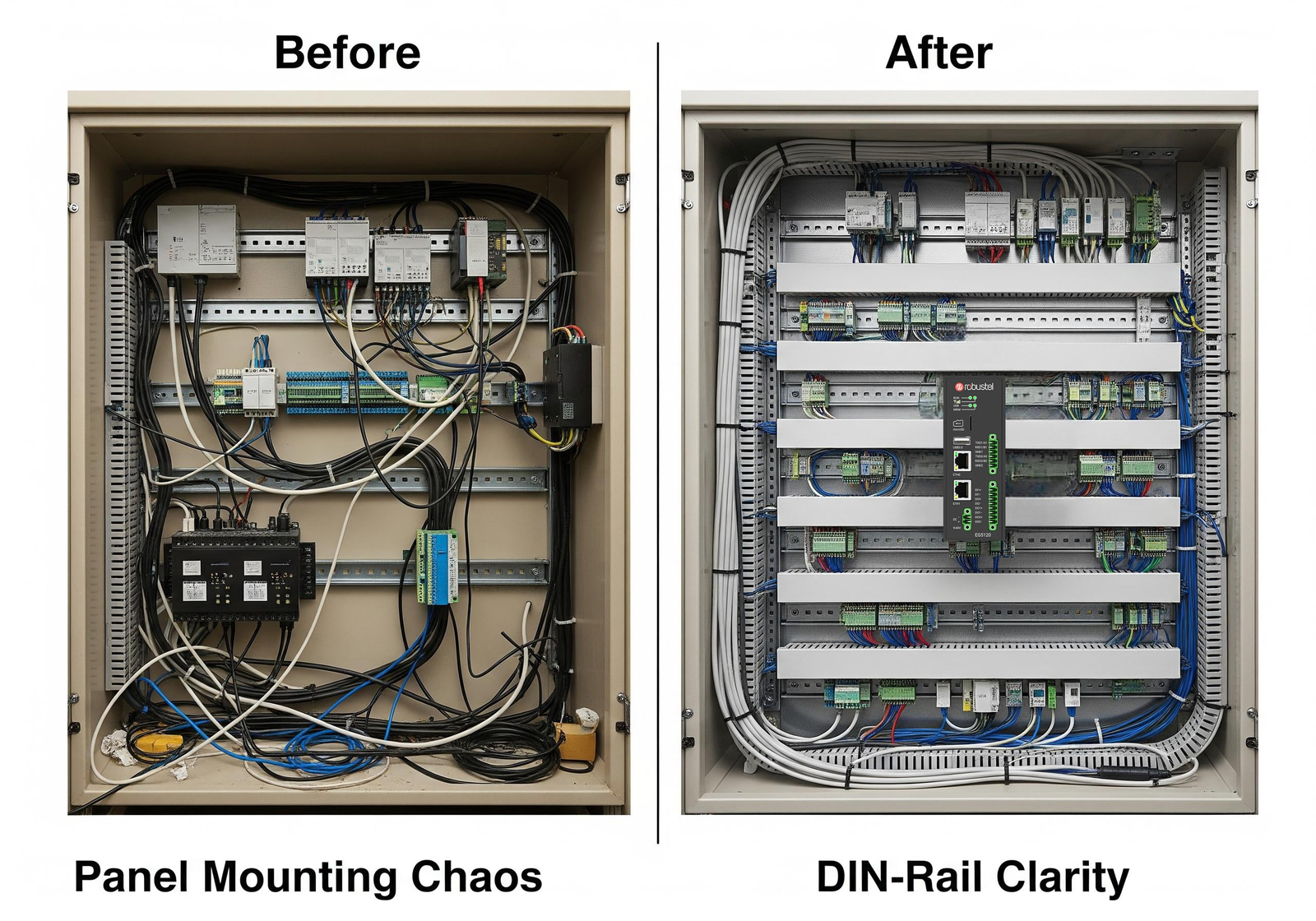
DIN rail power supplies are specifically designed for industrial automation systems. Mounted directly onto standardized rails inside control cabinets, they provide clean and organized power distribution.
Why are they so widely used?
Because they offer:
·Easy installation and replacement
·High reliability in harsh environments
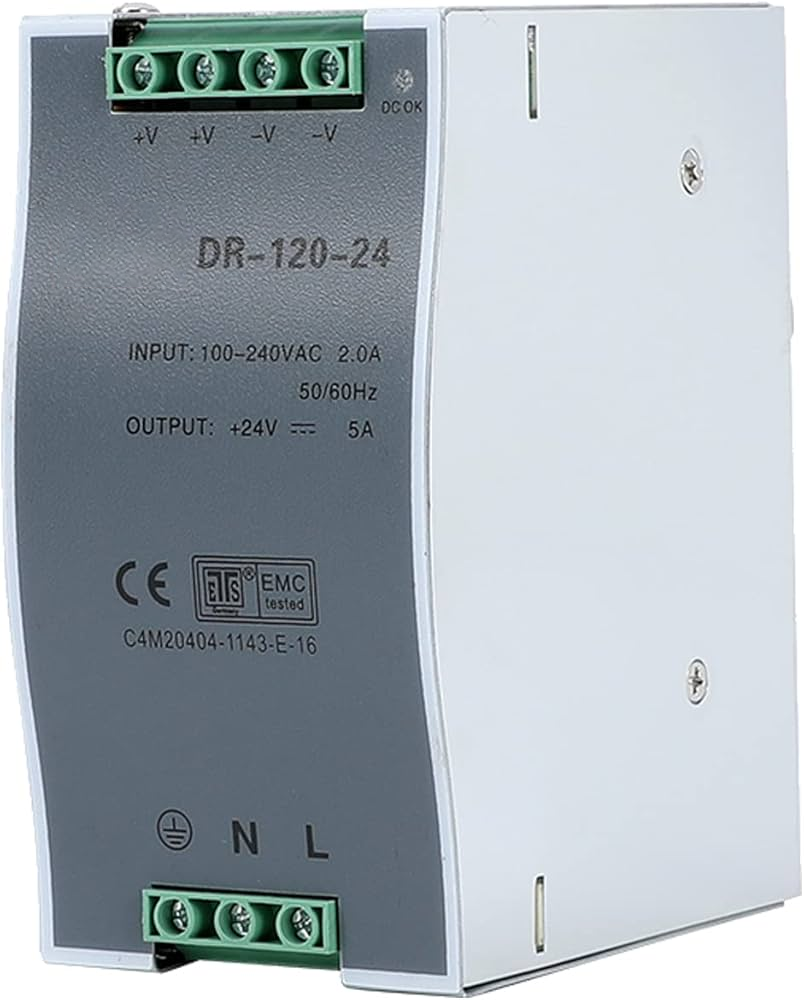
·Consistent 24V DC output for PLCs and sensors
SIPURUI DIN rail series, for example, is engineered with wide input voltage ranges and strong EMC performance, making it suitable for global industrial applications.
Enclosed Power Supplies: Versatility for Equipment Integration
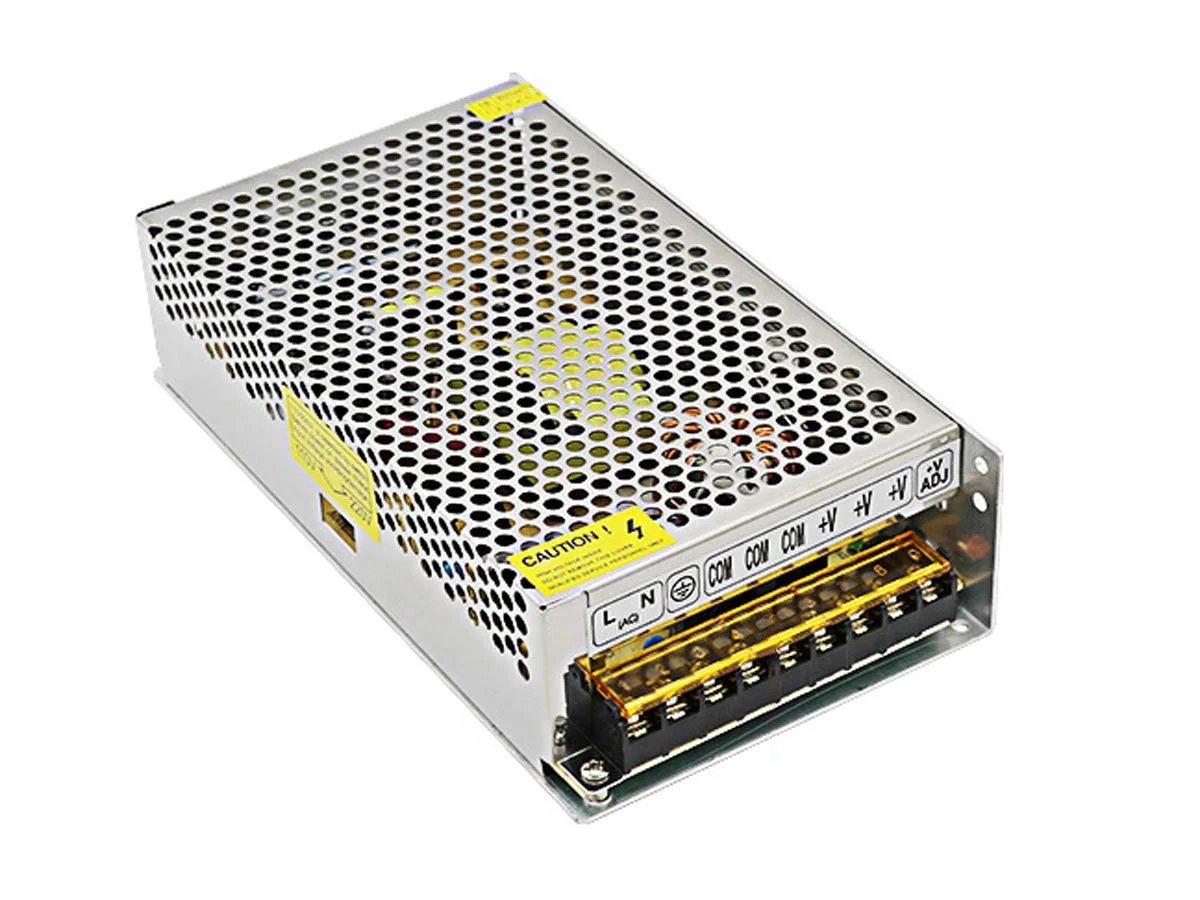
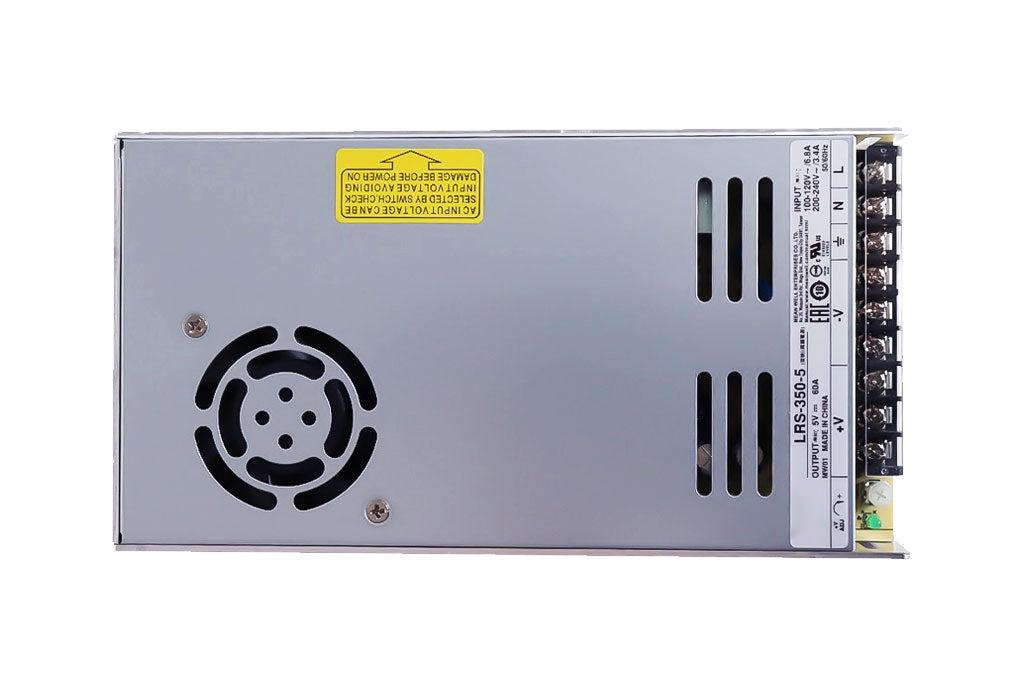
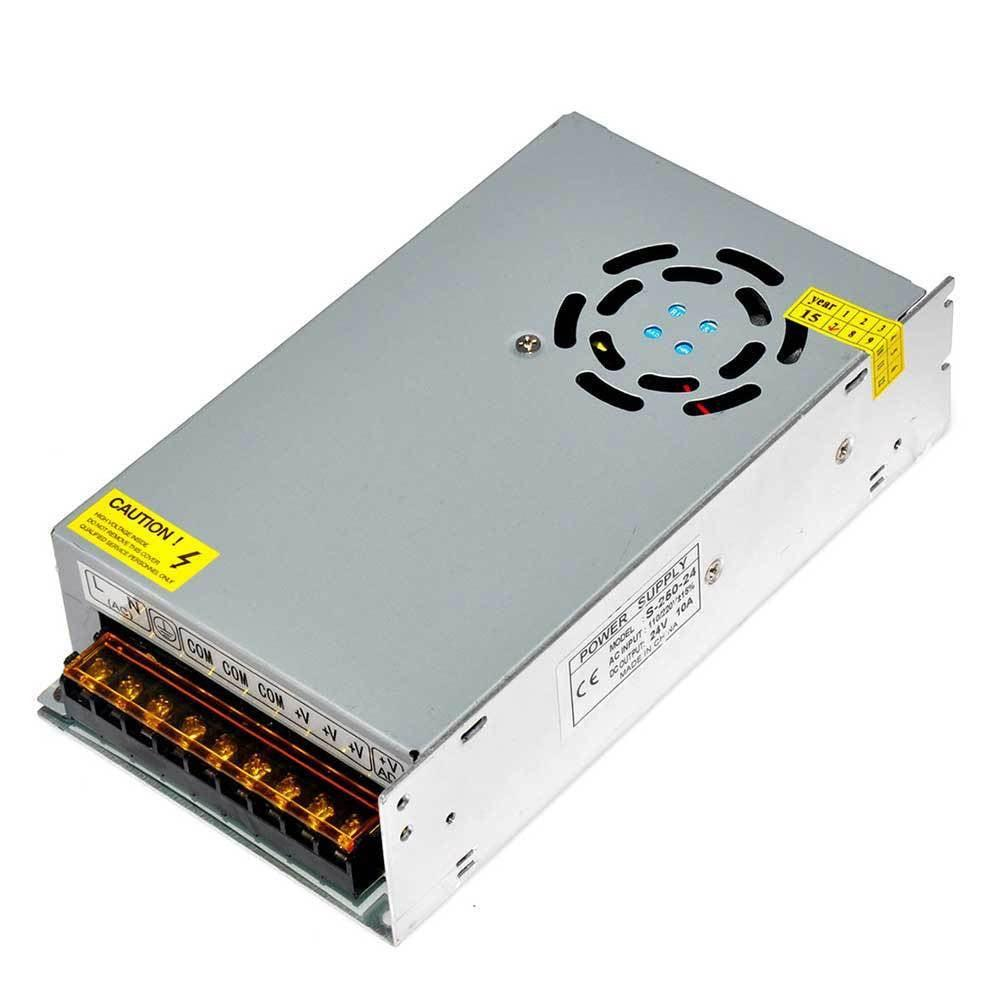
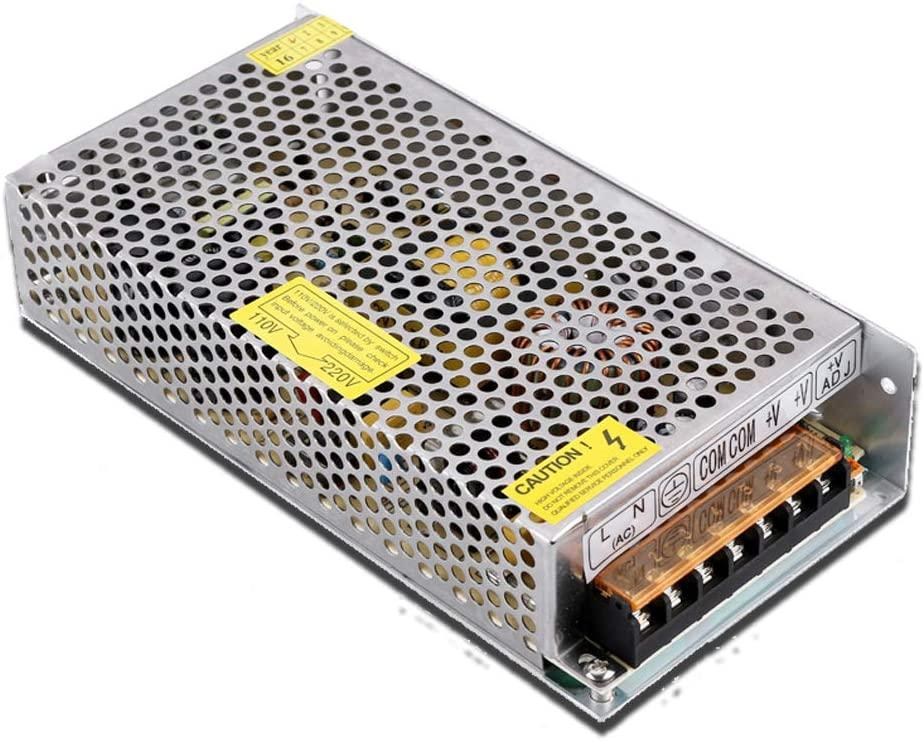
Enclosed (or chassis-type) switching power supplies are commonly used inside machines and equipment where protection and stable mounting are required.
They are typically housed in metal casings and offer:
·High power density
·Good heat dissipation
·Multiple output options
These are widely used in CNC machines, laser equipment, and industrial tools—areas closely aligned with your business sector.
External (Wall-Mount) Power Supplies: Simplicity and Safety
External adapters are often overlooked in industrial discussions, but they serve an important role in lower-power applications.
By moving power conversion outside the main device, they:
·Reduce internal heat
·Simplify certification
·Improve device safety
However, they are generally not suitable for heavy industrial loads.
How Do AC-DC and DC-DC Power Supplies Fit Into the Picture?
One of the most common questions is: what is the difference between AC-DC and DC-DC power supplies, and when should you use each?
| Type | Function | Typical Input | Typical Output | Applications |
| AC-DC | Converts AC to DC | 110–480V AC | 5–48V DC | Industrial systems, control panels |
| DC-DC | Converts DC to different DC level | 12–48V DC | 3.3–24V DC | Embedded systems, robotics |
AC-DC switching power supplies are the most common in industrial environments because they interface directly with grid power. DC-DC converters are typically used downstream for voltage regulation within subsystems.
What Makes a High-Quality Switching Power Supply?
Not all switching power supplies are created equal. Two units with the same voltage and current ratings can perform very differently in real-world conditions.
So what should you really look for?
1. Efficiency and Thermal Performance
Higher efficiency means less wasted energy and lower operating temperatures. Industrial-grade units often exceed 90% efficiency.
2. Protection Features
A reliable PSU should include:
·Overvoltage protection (OVP)
·Overcurrent protection (OCP)
·Short circuit protection (SCP)
·Over-temperature protection (OTP)
3. EMI/EMC Compliance
Electrical noise can interfere with sensitive equipment. High-quality designs—such as SIPURUI switching power supplies—are optimized for electromagnetic compatibility.
4. Wide Input Voltage Range
Global applications require flexibility (e.g., 85–264V AC).
How Do Different Applications Influence Your Choice?
Choosing a power supply is not just about specifications—it is about application context.
| Application | Recommended PSU Type | Key Requirement |
| CNC Machines | Enclosed SMPS | Stability, high power |
| PLC Control Systems | DIN Rail SMPS | Reliability, compact design |
| LED Lighting | LED Driver | Constant current output |
| Solar Systems | Inverter + SMPS | Energy conversion efficiency |
| Robotics | DC-DC Converter | Voltage flexibility |
For example, in CNC machining environments, power supplies must withstand vibration, dust, and long operating hours. In such cases, selecting a robust enclosed switching power supply from a trusted brand like SIPURUI is essential.
Are Redundancy and Backup Power Always Necessary?
In some industries, power failure is not just inconvenient—it is catastrophic.
This is where systems like UPS (Uninterruptible Power Supply) and redundant power configurations come into play. These systems ensure continuous operation even when the main power source fails.
However, do all systems need them? Not necessarily.
For standard industrial automation, a high-quality switching power supply is often sufficient. But for:
·Medical equipment
·Data centers
·Critical production lines
Redundancy becomes a necessity, not an option.
Where Is the Industry Heading? Trends You Should Not Ignore
The power supply market is evolving rapidly. Several trends are shaping the future:
·Higher power density: More power in smaller packages
·Improved efficiency standards: Driven by energy regulations
·Smart monitoring: Integration with IoT systems
·Wide temperature operation: For harsh environments
Manufacturers like SIPURUI are increasingly focusing on these areas to deliver more reliable and future-proof solutions.
So, Which Power Supply Should You Choose?
After reviewing all the different types, the answer ultimately depends on your application. But for most industrial users, the decision often comes down to one conclusion:
A well-designed switching power supply offers the best balance of efficiency, size, and performance.
If your application involves:
·Industrial automation
·CNC equipment
·Control cabinets
·Continuous operation environments
Then a high-quality SMPS—especially DIN rail or enclosed types—will likely be your best choice.
Final Thoughts: Why Your Power Supply Choice Matters More Than You Think
It is easy to focus on motors, controllers, or cutting tools when designing a system. But without a stable power foundation, even the most advanced equipment cannot perform reliably.
The right power supply does more than deliver energy—it protects your system, improves efficiency, and reduces long-term costs.
By understanding the different types of power supplies and focusing on proven solutions like SIPURUI switching power supplies, you can ensure your system runs smoothly, safely, and efficiently for years to come.