
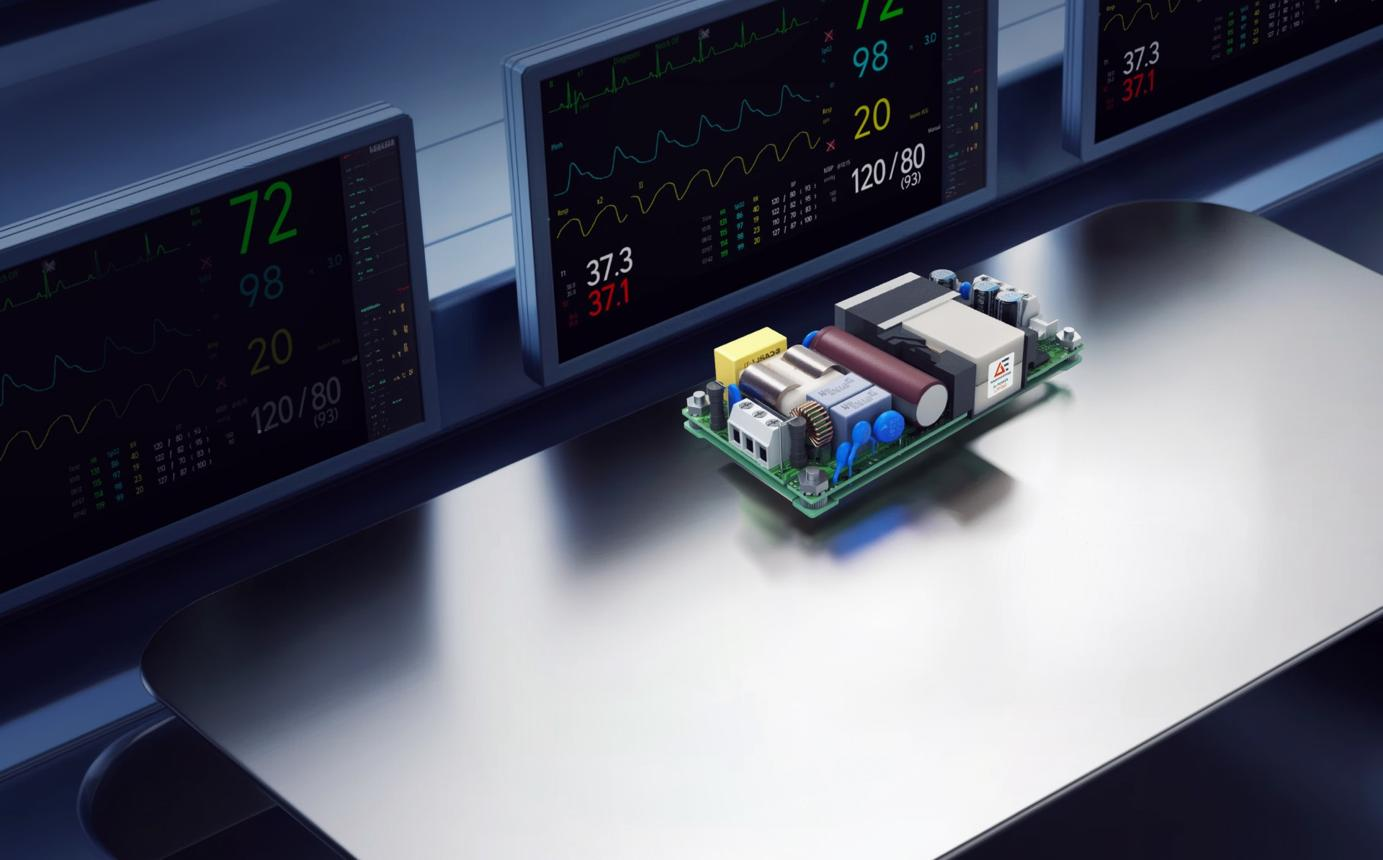
How SIPURUI Modular Power Supplies Support 5G Infrastructure, Medical Electronics, Railway Systems, and Industrial Automation
In today’s industrial electronics industry, engineers are facing a challenge that is far more complex than simply delivering power from one point to another. Modern systems are becoming smaller, faster, and more interconnected, while operating environments are becoming increasingly demanding. Communication equipment must run continuously for years without interruption. Medical devices must comply with strict electrical safety regulations. Railway systems must survive vibration, humidity, and severe voltage fluctuations. Industrial automation equipment must continue operating in environments filled with electromagnetic interference and transient surges.
Behind all these systems lies a component that is often overlooked but fundamentally important: the power module.
AC/DC and DC/DC modular power supplies are no longer treated as ordinary supporting components. Instead, they have become one of the most critical parts of system architecture because they directly affect reliability, EMC performance, thermal stability, signal integrity, and long-term operational lifespan. A poorly designed power architecture may lead to communication failures, inaccurate measurements, overheating, or unexpected shutdowns. In high-reliability industries, these failures can result in major operational and financial consequences.
This is why industrial equipment manufacturers are increasingly shifting from traditional discrete power designs toward modular power architectures.
As a professional switching power supply brand, SIPURUI focuses on industrial-grade AC/DC and DC/DC modular power supplies engineered specifically for harsh environments and mission-critical systems. With features such as wide input voltage ranges, reinforced isolation, low ripple noise, high efficiency, and compact power density, SIPURUI modules are widely used across communication infrastructure, medical electronics, industrial automation, railway systems, and smart energy applications.
Why Are Traditional Power Supply Architectures No Longer Enough?
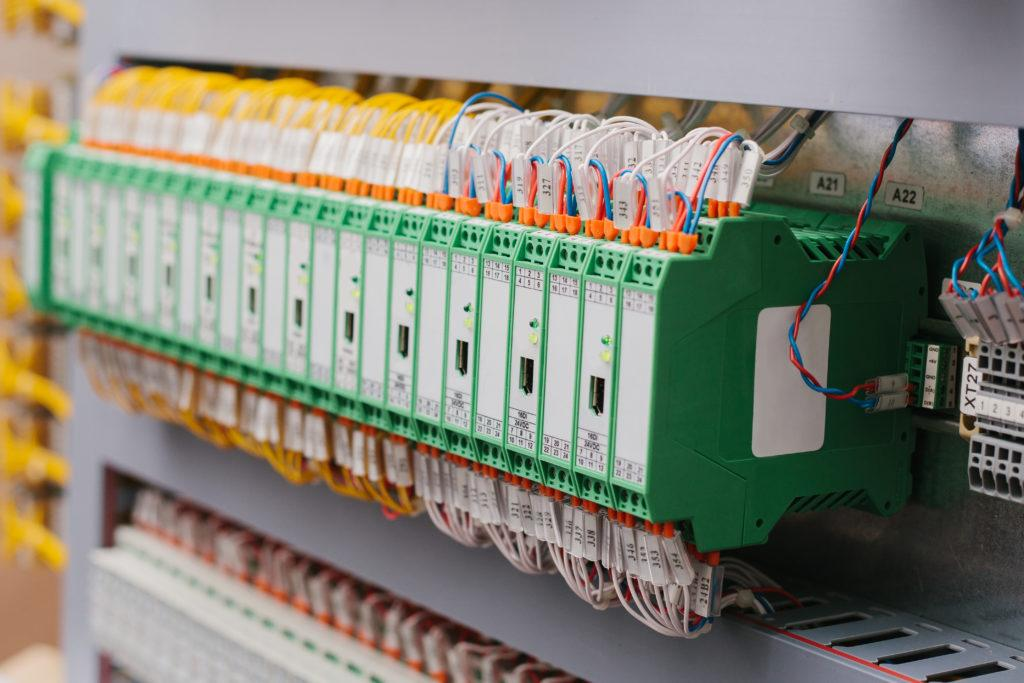
In the past, many industrial systems relied on large open-frame power supplies, linear regulators, or discrete transformer-based designs. These solutions were acceptable when electronic systems were relatively simple and PCB density was low. However, modern electronic systems have changed dramatically. Devices now integrate high-speed processors, FPGA platforms, industrial Ethernet, AI acceleration hardware, and sensitive analog circuits into increasingly compact spaces.
As system complexity grows, traditional power architectures begin exposing serious weaknesses. Large power supplies occupy valuable PCB space and generate excessive heat. Discrete power stages often require additional EMC redesign, which increases development time and certification costs. Long wiring paths may introduce voltage drops and ground loop interference, while poor thermal balancing can significantly reduce component lifespan.
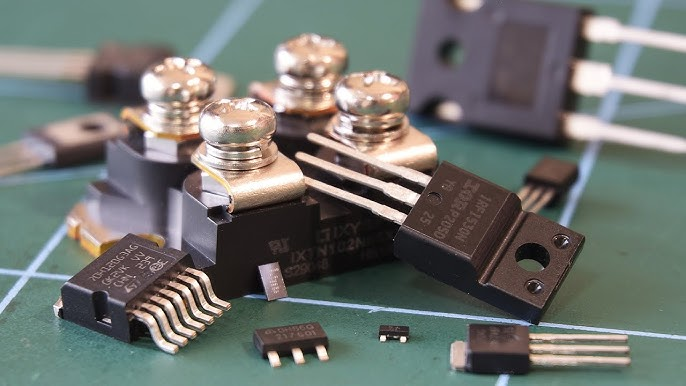
Modular power supplies solve many of these problems by integrating optimized switching topologies, EMC filtering, thermal management, and isolation into compact standardized packages. Instead of redesigning the power architecture for every new project, engineers can deploy reliable, pre-tested power modules that reduce development risk while improving system performance.
The transition toward modular power architectures is not simply a trend. It reflects a fundamental shift in how modern industrial electronics are designed.

Why Does Communication Infrastructure Depend So Heavily on High-Reliability Power Modules?
Communication systems are among the most power-sensitive applications in modern industry. Whether inside a 5G base station, optical transmission node, or edge computing server, stable power delivery is essential for maintaining uninterrupted network operation.
Unlike consumer electronics, telecom infrastructure operates continuously 24 hours a day, often in outdoor or semi-controlled environments where temperature, humidity, and electrical conditions fluctuate significantly. Any instability in the power system may affect signal transmission, packet integrity, or network availability.
Modern 5G infrastructure creates even greater challenges because of its higher power consumption and increased processing density. Baseband units, RF systems, and high-speed networking hardware all require stable low-voltage rails with minimal ripple and excellent transient response. At the same time, telecom manufacturers are under pressure to reduce cabinet size while improving energy efficiency.
SIPURUI AC/DC and DC/DC modules are designed specifically for these high-density communication environments. Their compact structure allows engineers to reduce PCB occupation while maintaining high conversion efficiency and low thermal output. Wide input voltage ranges help stabilize operation during grid fluctuations, while reinforced isolation improves long-term reliability.
Typical telecom systems may use SIPURUI AC/DC modules to convert unstable AC grid input into stable DC bus voltage, followed by distributed DC/DC converters that supply precision voltage rails for FPGA processors, DSP systems, optical communication modules, and control boards.
The adoption of distributed power architectures has become especially important in modern communication systems because it improves fault isolation, thermal distribution, and system scalability.
Why Are Medical Power Supplies Subject to Extremely Strict Safety Requirements?
Medical electronics represent one of the most demanding applications for modular power supplies because electrical performance directly affects patient safety. Unlike industrial systems, where power instability may cause operational downtime, failures in medical equipment can create life-threatening situations.
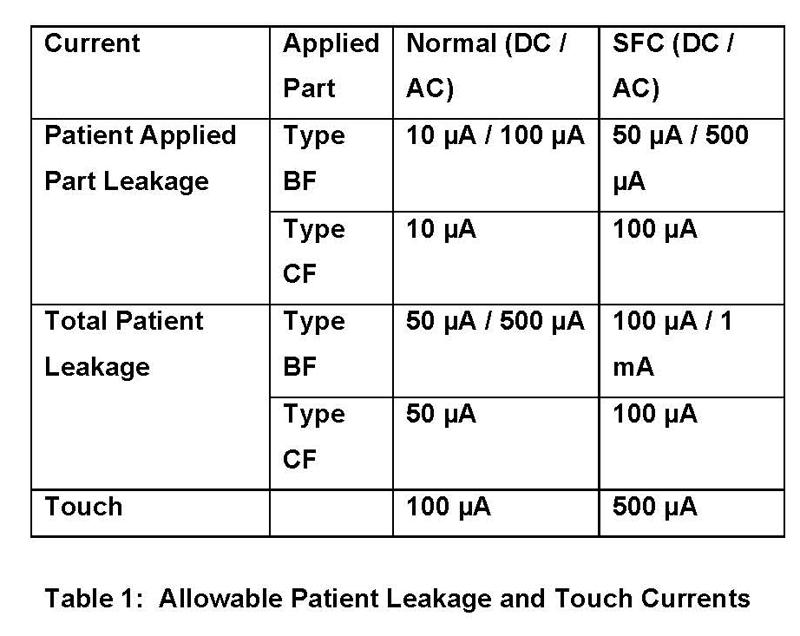
Devices such as patient monitors, ECG systems, infusion pumps, ventilators, and ultrasound equipment frequently connect directly to the human body. Under these conditions, even extremely small leakage currents may create safety risks. This is why medical power supplies must comply with rigorous international standards such as IEC 60601-1 and IEC 60601-1-2.
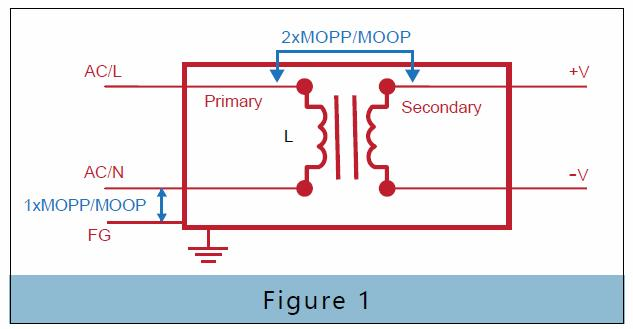
In medical environments, power modules must provide far more than voltage conversion. They must deliver reinforced isolation between input and output stages, suppress electromagnetic interference, maintain low ripple noise, and minimize leakage current to extremely low levels.
SIPURUI medical-grade modular power supplies are engineered with these requirements in mind. Their high-isolation architecture helps protect both patients and internal circuits, while low-noise output characteristics improve signal accuracy in sensitive diagnostic equipment.
For example, in ECG monitoring systems, excessive ripple noise can interfere with analog signal acquisition and distort measurement results. In portable ventilators, unstable power rails may affect motor control and sensor feedback accuracy. Reliable DC/DC isolation therefore becomes essential not only for electrical safety but also for maintaining precise medical performance.
As healthcare equipment becomes increasingly portable and digitally connected, compact modular power supplies are becoming the preferred choice for medical device designers seeking both safety compliance and integration flexibility.
Why Is EMC Performance So Important in Industrial Automation Systems?
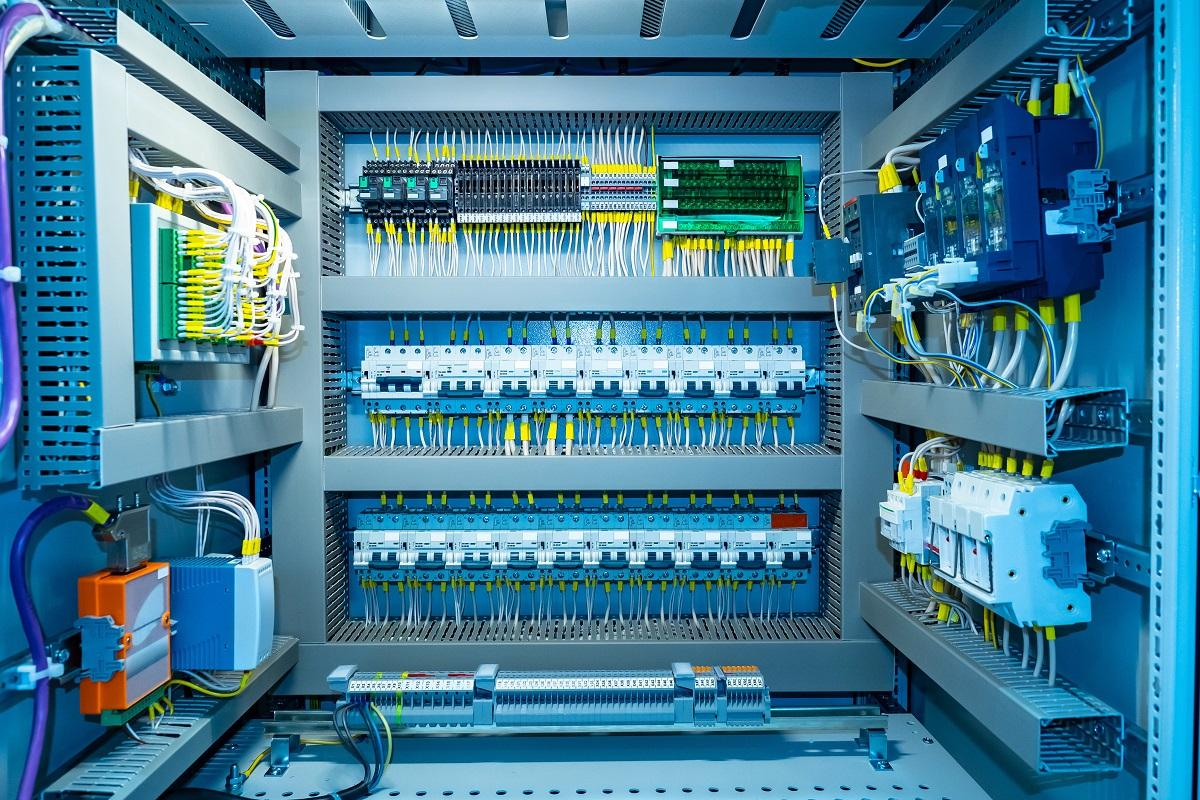
Industrial automation environments are filled with electrical noise. Large motors, inverters, servo drives, and switching systems generate significant electromagnetic interference that can affect communication stability and control precision.
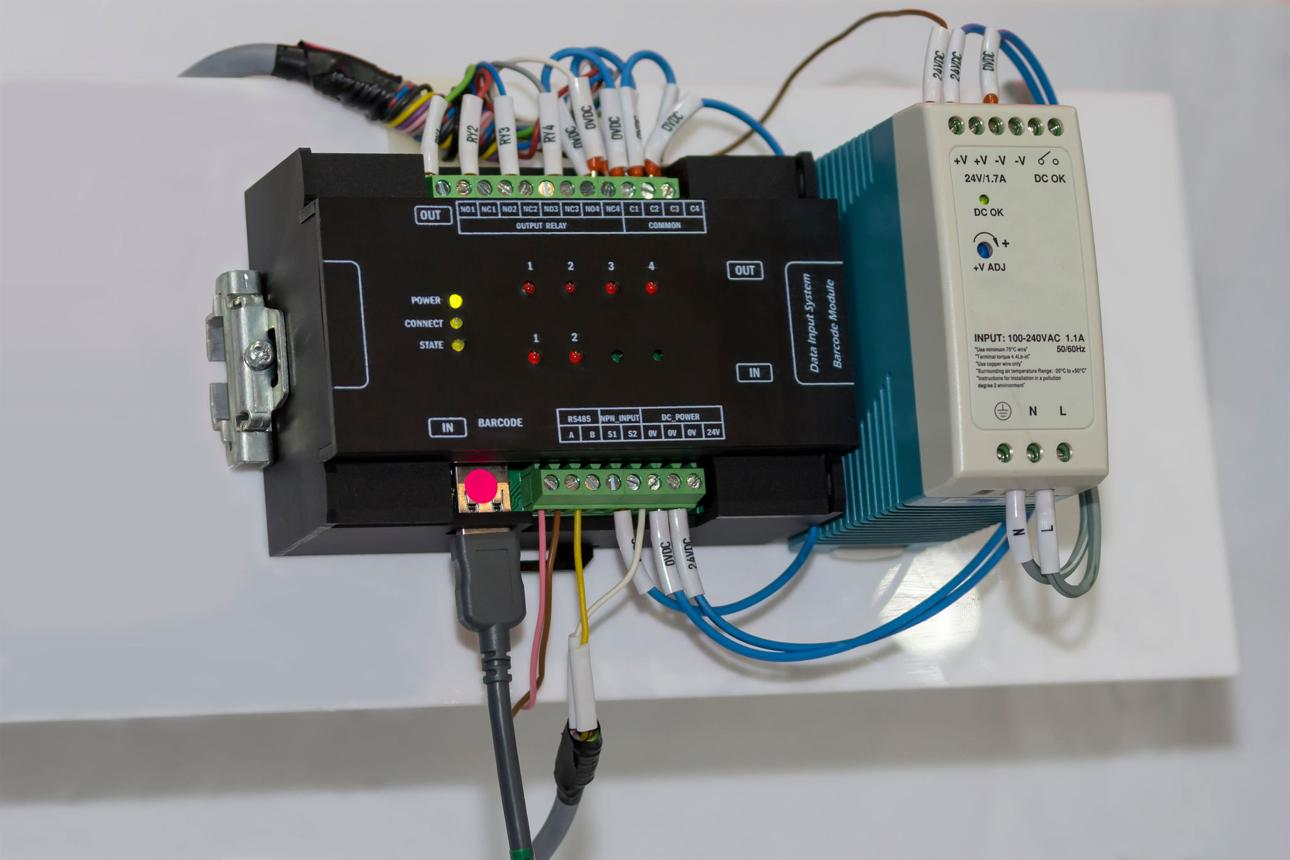
In modern factories, programmable logic controllers (PLC), distributed control systems (DCS), industrial Ethernet networks, and robotic systems all depend on stable and isolated power delivery. If electromagnetic interference propagates through the power system, it may cause sensor instability, communication errors, or unexpected system shutdowns.
One of the most common problems in industrial systems is ground loop interference. When multiple subsystems share unstable grounding paths, noise currents may travel between devices and disrupt communication signals. Isolated DC/DC converters help eliminate this issue by electrically separating different power domains.
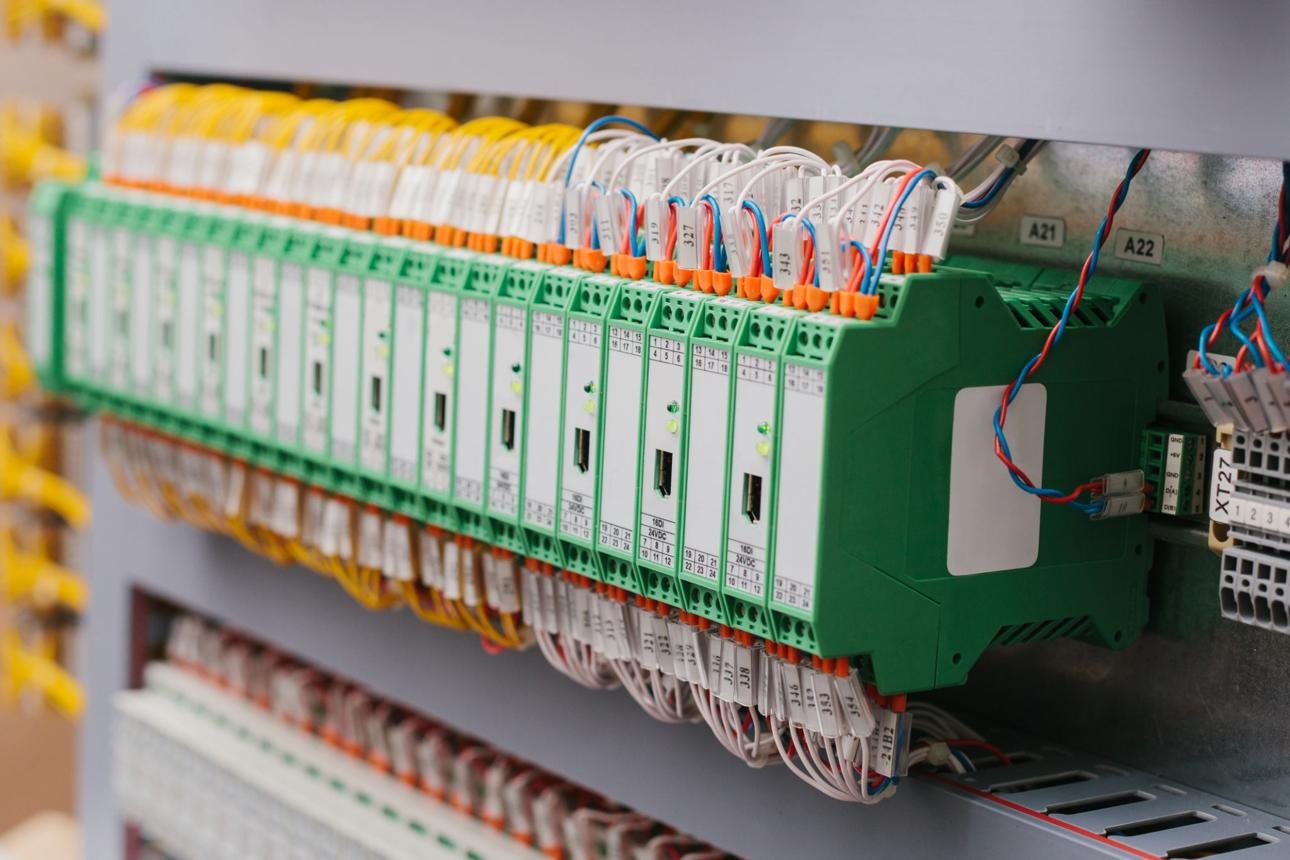
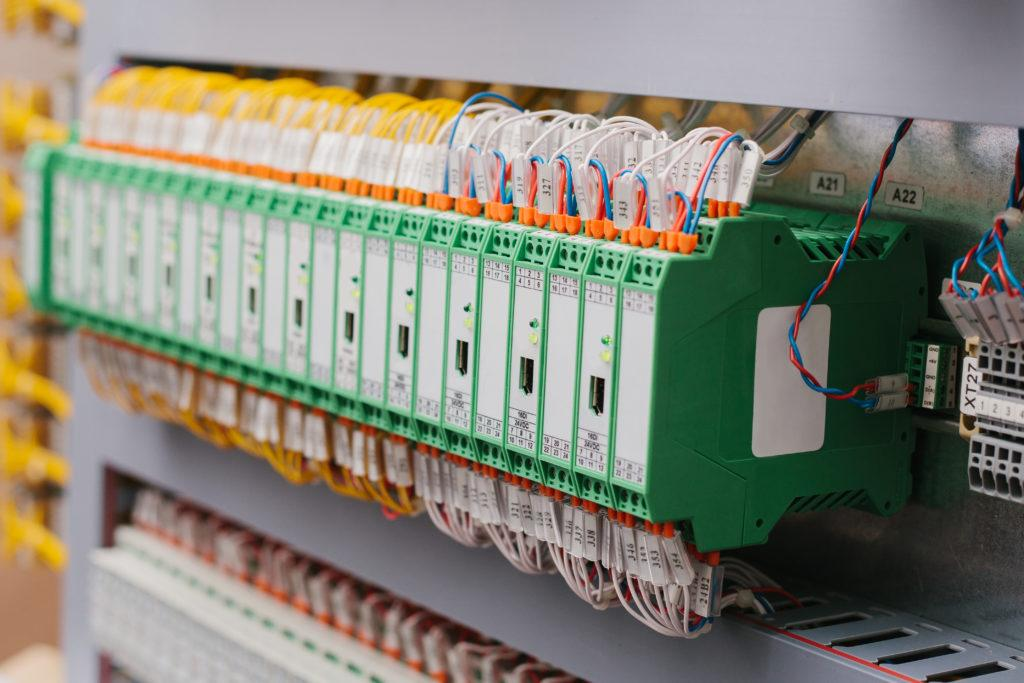
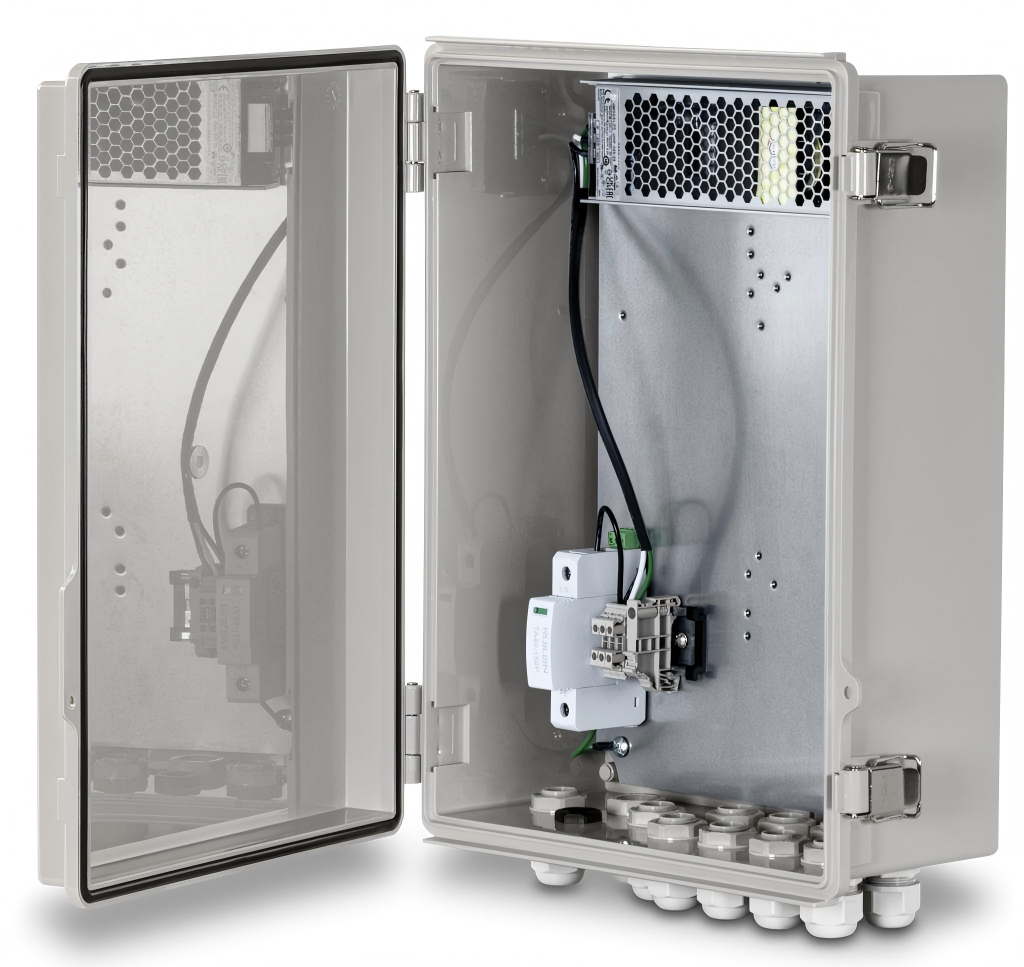
SIPURUI industrial modular power supplies integrate optimized EMC structures and isolation designs that help engineers improve system immunity while simplifying certification. Their compact form factors also allow easier integration into crowded industrial control cabinets where airflow and thermal management are limited.
In robotic systems and servo control applications, stable logic power is especially important during rapid acceleration and braking cycles. Fast transient response and stable voltage regulation help maintain motion accuracy while protecting sensitive control electronics.
As smart manufacturing continues expanding worldwide, industrial automation systems are becoming increasingly dependent on reliable modular power architectures capable of supporting long-term continuous operation.
Why Do Railway Electronics Require Specialized DC/DC Power Solutions?
Railway electronics operate under some of the harshest conditions found in industrial environments. Onboard systems and trackside infrastructure must withstand vibration, shock, humidity, dust, temperature extremes, and unstable battery voltages over long operational lifecycles.
Railway systems typically rely on battery platforms such as 72VDC, 96VDC, or 110VDC, all of which may experience significant voltage fluctuation during operation. Power modules used in these systems must therefore support extremely wide input ranges while maintaining stable regulated output.
Compliance with EN50155 railway standards is essential because railway systems cannot tolerate unexpected failure. High reliability, long operational lifespan, and strong environmental resistance are critical requirements.
SIPURUI railway-compatible DC/DC modules are designed specifically for these applications. Their rugged construction, wide-temperature operation, reinforced isolation, and high MTBF characteristics help ensure stable long-term performance in demanding transportation environments.
In railway signaling systems, reliable power conversion directly affects operational safety. In onboard communication systems, stable power delivery helps maintain data transmission and control stability under continuous vibration conditions. These requirements make railway electronics one of the most demanding sectors for modular power technology.
Why Are Efficient Thermal Designs Becoming Critical in Modern Power Systems?
As industrial electronics become more compact, thermal density increases rapidly. Excessive heat remains one of the primary causes of long-term electronic failure because it accelerates capacitor aging, increases MOSFET stress, and reduces overall system reliability.
High-efficiency modular power supplies help minimize thermal losses while reducing cooling requirements. In modern industrial cabinets and communication systems where airflow is limited, thermal optimization directly affects system lifespan.
SIPURUI modular power products are engineered with high conversion efficiency and optimized thermal structures that support reliable operation even under heavy load conditions. This allows engineers to reduce cooling complexity while improving long-term operational stability.
For many industrial customers, improving power efficiency is no longer only about reducing energy consumption. It is about extending equipment lifespan, lowering maintenance frequency, and improving overall system reliability.
Conclusion
Modern industrial systems are evolving toward higher integration, faster processing, and harsher operating environments. Under these conditions, reliable power conversion has become one of the most important foundations of system design.
From 5G communication infrastructure and medical electronics to industrial automation and railway transportation, modular AC/DC and DC/DC power supplies are now essential for achieving stability, safety, and long-term reliability.
SIPURUI continues focusing on the development of industrial-grade modular power solutions that combine compact design, high isolation, excellent EMC performance, and robust thermal reliability. As industries continue moving toward automation, electrification, and intelligent manufacturing, the importance of reliable modular power supplies will only continue growing.