LED lighting has transformed modern illumination-from residential strip lights to industrial high-power fixtures.
Overview
LED lighting has transformed modern illumination-from residential strip lights to industrial high-power fixtures. But one question frequently confuses engineers, lighting designers, and purchasing managers:
Should you use a constant voltage LED driver or a constant current LED driver?
Choosing the wrong driver can lead to flickering lights, overheating LEDs, shortened lifespan, or even system failure. In this guide, we'll explain the differences between these two driver types, compare their electrical characteristics, and show how to choose the right solution for your LED system.
Why Do LEDs Need Drivers in the First Place?
LEDs are current-driven semiconductor devices, meaning their brightness and safety depend heavily on controlling the electrical current flowing through them. If the current increases beyond the rated value, LEDs may overheat or fail prematurely.
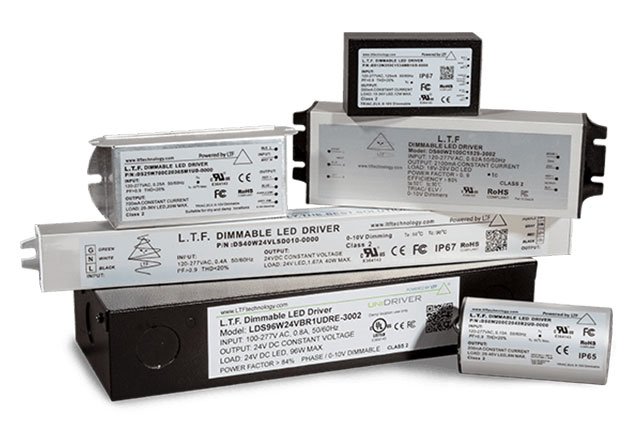
Unlike incandescent lamps that can connect directly to AC power, LEDs require specialized power electronics (LED drivers) to convert AC power to controlled DC output.
Typical LED driver functions include:
Converting AC to DC power
Regulating current or voltage
Protecting LEDs from overcurrent or voltage spikes
Improving efficiency and lifespan
The two most common LED driver architectures are:
Constant Voltage (CV) drivers
Constant Current (CC) drivers
Understanding how they work is essential for selecting the right switching power supply.

What does "constant voltage" really mean?
A constant voltage LED driver maintains a fixed output voltage, typically 12V or 24V DC, while allowing the current to vary depending on the load.
In other words:
Voltage = fixed
Current = adjustable according to the LED load
This type of driver behaves similarly to a standard DC power supply used in many electronic systems.
Typical Constant Voltage Outputs
| Output Voltage | Typical Applications |
|---|---|
| 12V DC | LED strips, signage lighting |
| 24V DC | architectural lighting, long LED runs |
| 48V DC | commercial lighting systems |
Constant voltage drivers are widely used because they simplify system wiring and make it easy to expand LED installations.
How Does a Constant Voltage Driver Work?
A constant voltage driver converts the AC input (for example 100-240V AC) into a stable DC voltage output. The LED modules then draw as much current as needed within the driver's maximum rating.
This means:
The LED device itself must control current, often using resistors or internal circuits.
Multiple LED modules can easily be connected in parallel.
Typical Applications for Constant Voltage Drivers
Constant voltage drivers are extremely common in decorative and low-power lighting systems.
Examples include:
LED strip lighting
Cabinet lighting
LED signage
RGB LED systems
Architectural accent lighting
Example System
A 24V LED strip system might include:
| Component | Specification |
|---|---|
| Driver | 24V / 150W |
| LED strip | 24V / 14.4W per meter |
| Maximum length | ~10 meters |
Because the voltage is fixed, adding additional LED strips simply increases the current demand.
Key benefits include:
Simple installation
Parallel wiring allows flexible layouts and easy expansion.
Compatibility with many LED products
Most LED strips and modules are designed for 12V or 24V power supplies.
Lower cost
CV drivers are often less expensive because they operate like standard switching power supplies.
Simple installation
Compatibility with many LED products
Lower cost
Limitations of Constant Voltage Drivers
However, constant voltage systems also have limitations.
Current is not directly regulated
LED brightness may vary with load
Incorrect load design can cause overcurrent damage
This is why constant voltage drivers are usually paired with LED modules containing current-limiting resistors or integrated drivers.
What Is a Constant Current LED Driver?
Now let's look at the other major LED driver type.
A constant current driver maintains a fixed output current while allowing the voltage to vary according to the LED load.
In this case:
Current = fixed
Voltage = automatically adjusted
This design ensures LEDs always receive the exact operating current they require.
Typical Constant Current Ratings
LED driver output current is typically specified in milliamps (mA).
| Output Current | Typical LED Applications |
|---|---|
| 350mA | small LED modules |
| 700mA | commercial downlights |
| 1050mA | high-power LEDs |
| 1400mA+ | industrial lighting |
These current ratings are widely used across LED lighting systems.
How Does a Constant Current Driver Work?
A constant current driver uses a feedback circuit to continuously monitor the output current.
If the current increases or decreases:
The driver adjusts its output voltage
Current returns to the preset value
LED brightness remains stable
This feedback system protects LEDs from electrical stress and helps maintain consistent illumination.
The driver adjusts its output voltage
Current returns to the preset value
LED brightness remains stable
Typical Applications for Constant Current Drivers
Constant current drivers are widely used in high-power LED systems.
Examples include:
LED downlights
street lighting
stadium lighting
industrial high-bay lighting
automotive LED modules
These applications require precise electrical control to maintain brightness and reliability.
Constant Voltage vs Constant Current: Key Differences
Let's compare the two driver types side by side.
| Feature | Constant Voltage Driver | Constant Current Driver |
|---|---|---|
| Electrical control | Fixed voltage | Fixed current |
| Typical outputs | 12V / 24V | 350mA / 700mA |
| LED wiring | Parallel | Series |
| Installation | Easy | Requires precise matching |
| LED protection | Moderate | Excellent |
| Typical applications | LED strips | High-power LEDs |
Both solutions are valid-but the correct choice depends on the LED design.
Example: Driving High-Power LEDs in Series
High-power LEDs often operate at around 3.2-3.8V forward voltage per LED depending on the operating current.
Suppose you have 10 LEDs connected in series.
| Parameter | Value |
|---|---|
| LED forward voltage | 3.2V |
| Number of LEDs | 10 |
| Total voltage | 32V |
| Driver current | 700mA |
The driver must therefore provide:
700mA constant current
voltage range above 32V
If a constant voltage driver were used instead, current could fluctuate and damage the LEDs.
So how do engineers choose between constant voltage and constant current?
The answer usually comes from the LED specification sheet.
Step 1: Check the LED rating
If the label says:
12V / 24V → constant voltage driver
350mA / 700mA → constant current driver
Step 2: Calculate power requirements
Use the basic formula:
Power = Voltage × Current
Example:
| Parameter | Value |
|---|---|
| Voltage | 24V |
| Current | 3A |
| Power | 72W |
You should choose a driver with 10-20% extra capacity for safety.
Step 3: Consider the LED configuration
LED wiring strongly influences driver selection.
| Configuration | Driver Type |
|---|---|
| Series LEDs | Constant current |
| Parallel LED modules | Constant voltage |
Series connections ensure uniform current through all LEDs, which improves brightness consistency.
Common Mistakes When Selecting LED Drivers
Many LED failures occur due to improper driver selection.
Here are some common mistakes:
Using constant voltage for high-power LEDs
This can cause uncontrolled current flow and overheating.
Ignoring current ratings
Using a driver with too much current can permanently damage LEDs.
Incorrect voltage range
Constant current drivers must support the total forward voltage of the LED string.
Underestimating power requirements
Drivers should not run continuously at maximum capacity.
Using constant voltage for high-power LEDs
Ignoring current ratings
Incorrect voltage range
Underestimating power requirements
What Role Do Switching Power Supplies Play?
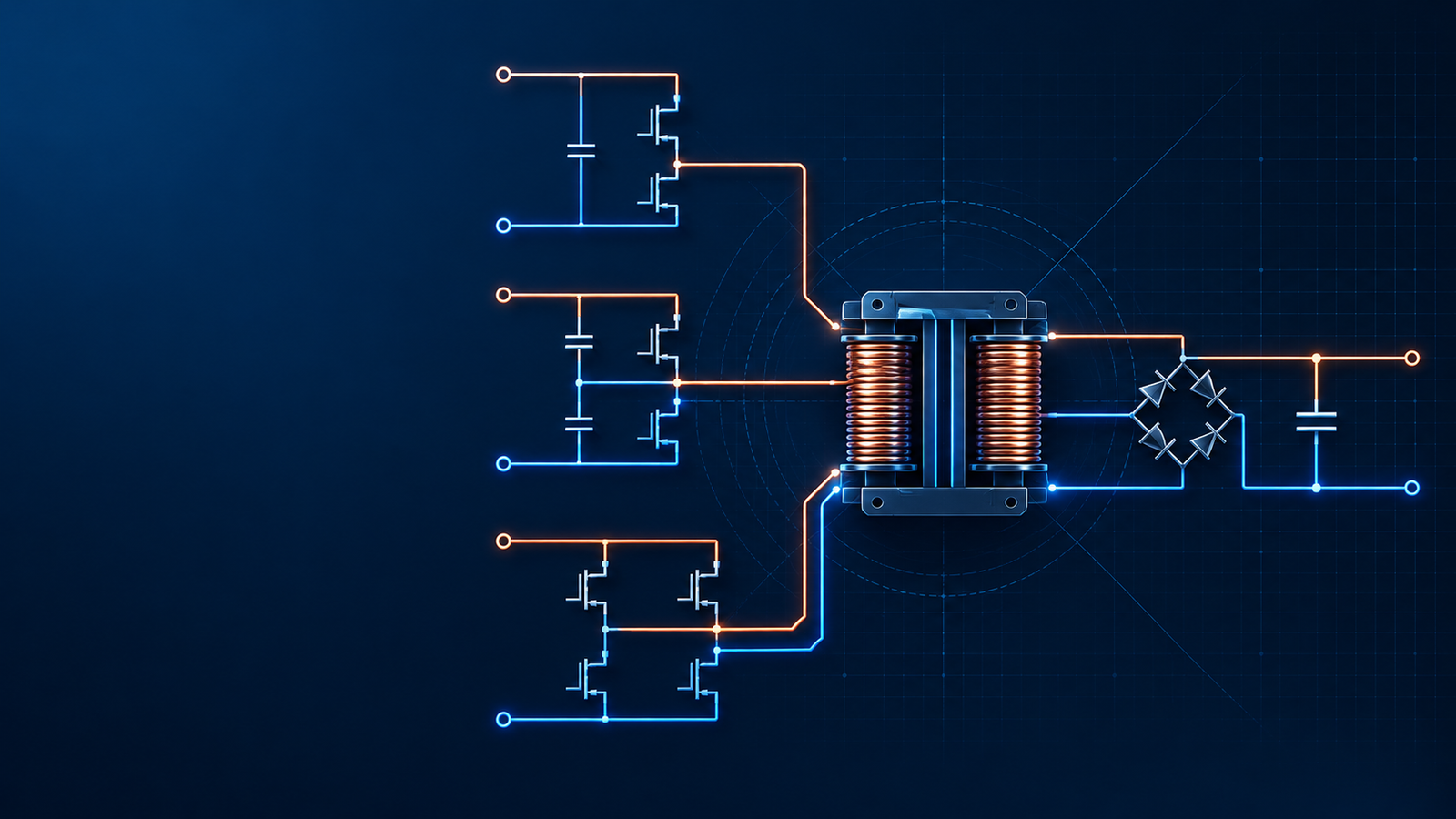
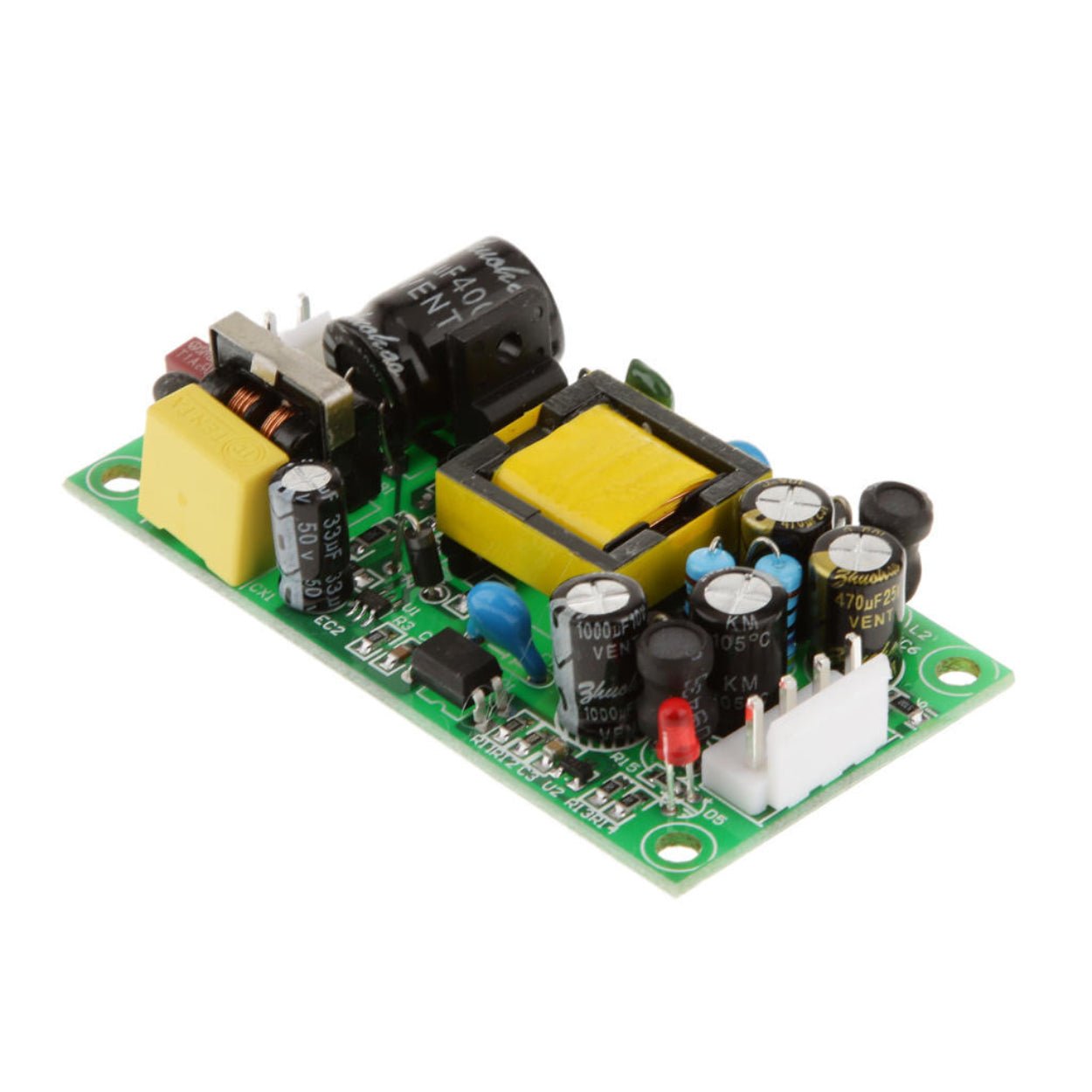
Modern LED drivers are almost always based on switch-mode power supply (SMPS) technology.
Advantages include:
Higher efficiency (often 85-95%)
Compact size
Lower heat generation
Stable output
Switching LED drivers also reduce flicker and improve power quality in lighting systems.
Which LED Driver Is Better?
There is no universal answer.
It depends entirely on the LED system design.
| Use Case | Best Driver Type |
|---|---|
| LED strip lighting | Constant voltage |
| architectural lighting | Constant voltage |
| commercial downlights | Constant current |
| street lighting | Constant current |
| high-power industrial LEDs | Constant current |
In general:
Constant voltage = flexibility and simplicity
Constant current = precision and LED protection
Final Thoughts
Selecting the correct LED driver is critical for achieving stable lighting, long lifespan, and high efficiency.
To summarize:
Constant voltage drivers provide fixed voltage outputs (usually 12V or 24V) and are commonly used in LED strips and modular lighting systems.
Constant current drivers regulate current (such as 350mA or 700mA) and are ideal for high-power LED applications.
Before choosing a driver, always verify:
LED rated voltage or current
total power requirements
wiring configuration
driver voltage range
A properly matched LED driver ensures reliable operation, consistent brightness, and maximum LED lifespan.
Buyer Checklist
- Confirm input and output voltage before model selection.
- Check wattage, load margin and operating temperature.
- Review installation space, airflow and protection requirements.
- Share project quantity and application details for quotation support.