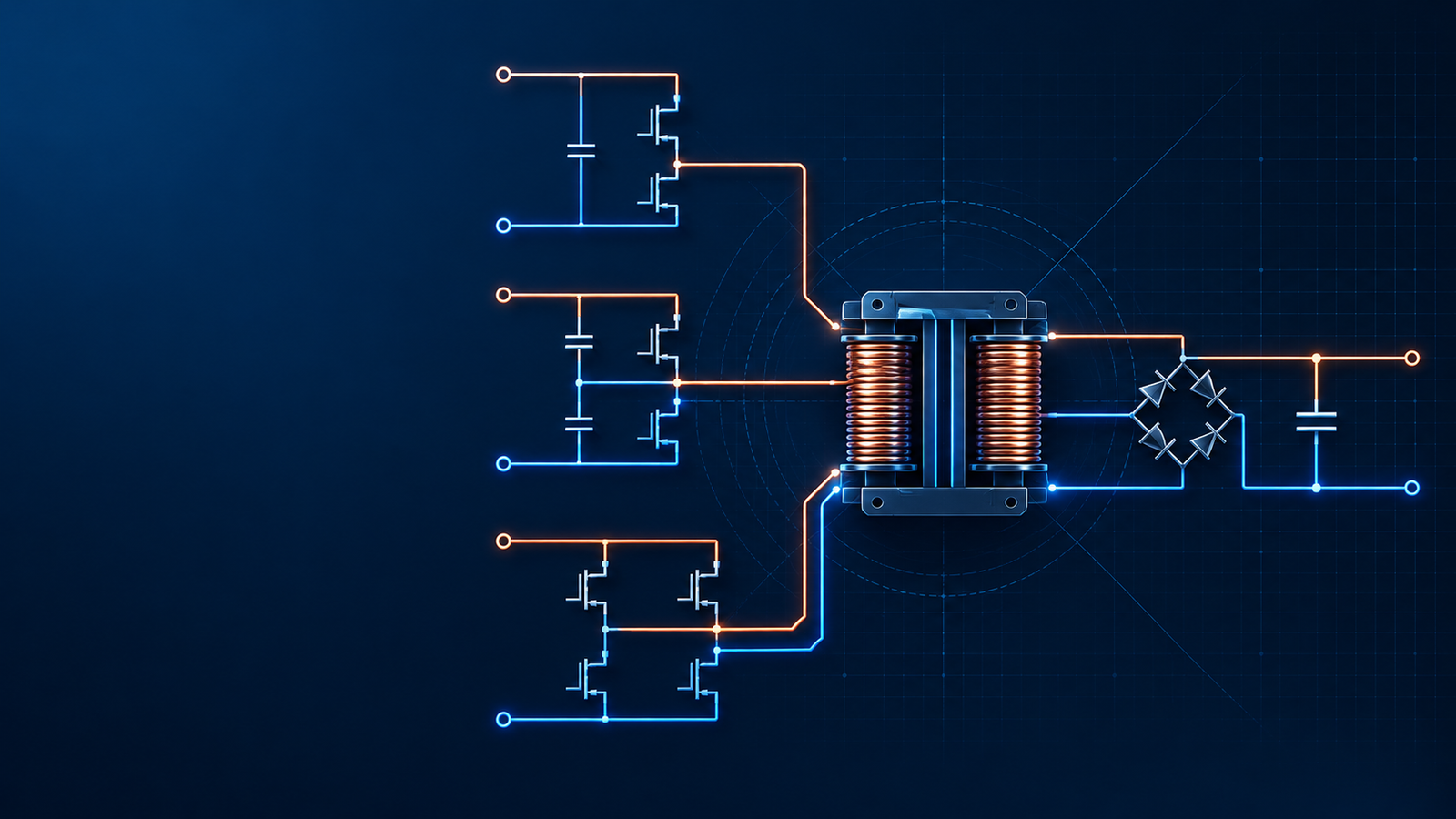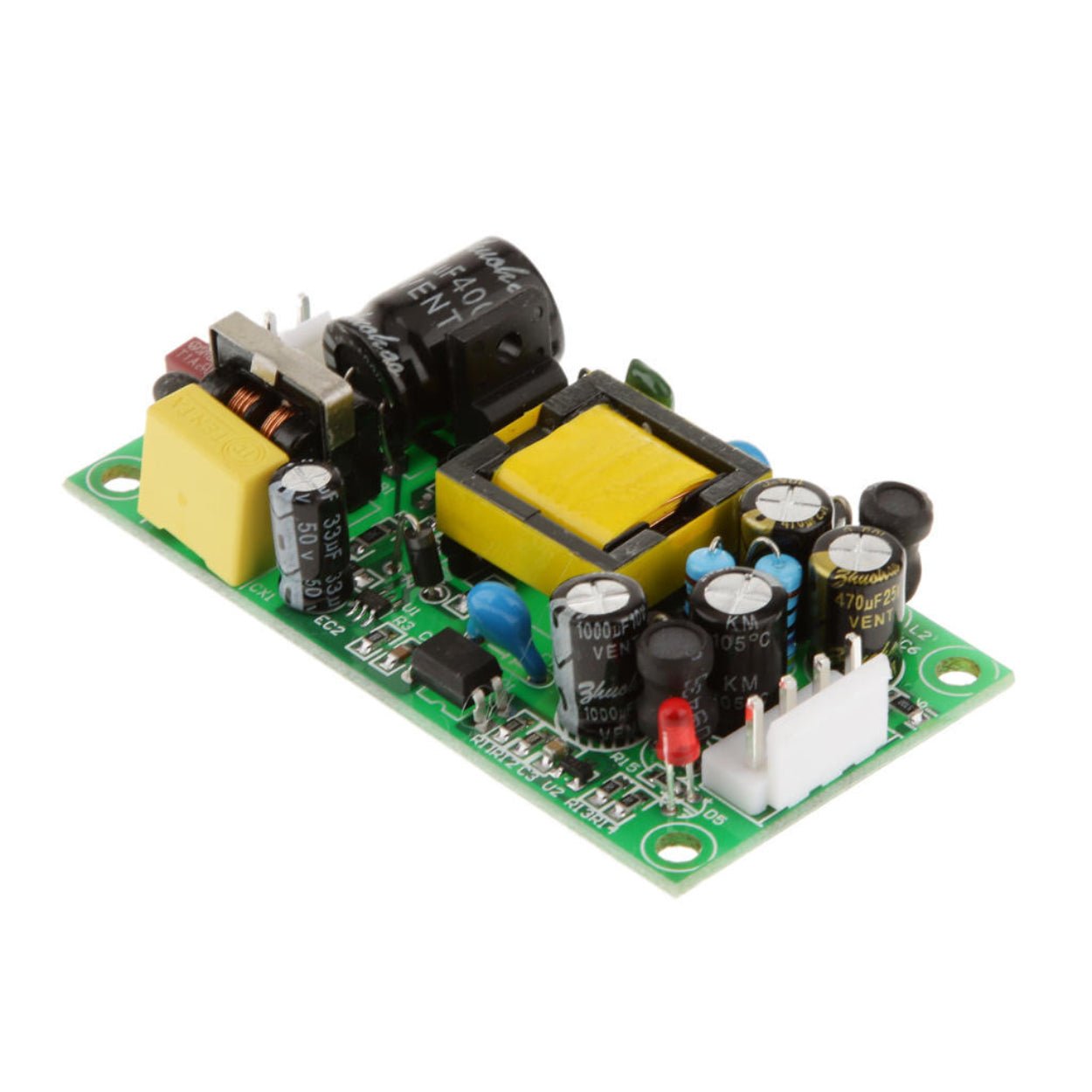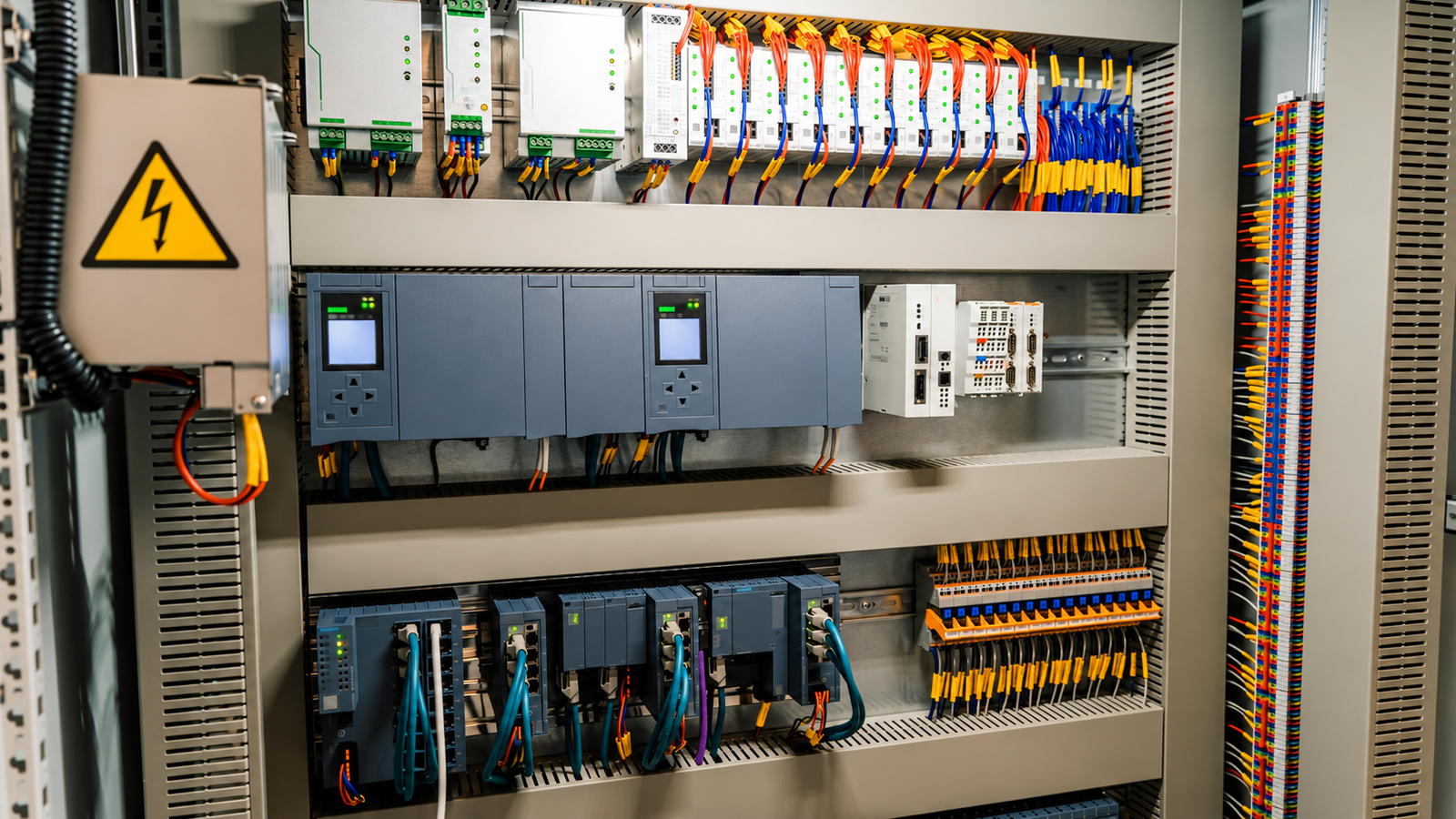
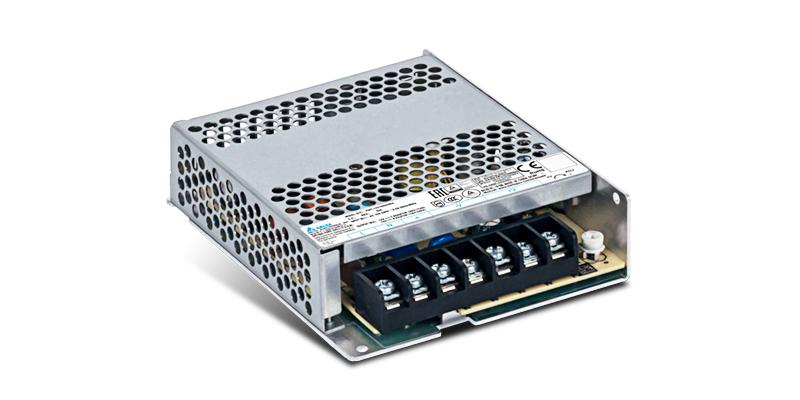
In modern electronic systems, power is not just a supporting function-it is the foundation of reliability.
Overview
Introduction: Why Is Choosing the Right Enclosed Power Supply So Critical?
In modern electronic systems, power is not just a supporting function-it is the foundation of reliability. Whether you are designing an industrial automation cabinet, telecom infrastructure, or an IoT deployment, the performance of your system depends heavily on the stability of its power source.
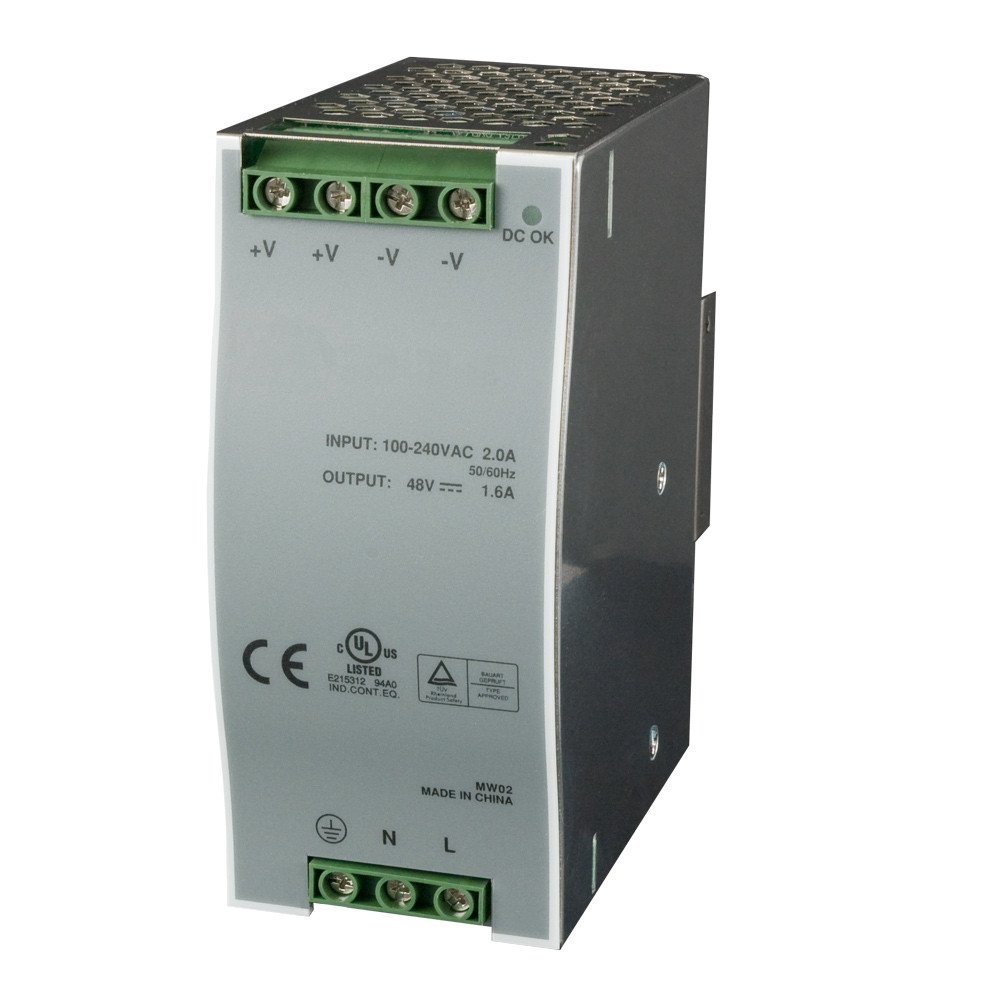
So, what happens if you choose the wrong enclosed power supply?
Unexpected system failures
Overheating and reduced lifespan
Electrical instability damaging sensitive components
Increased maintenance and downtime costs
On the other hand, selecting the right enclosed power supply ensures:
Stable and continuous operation
Improved energy efficiency
Enhanced safety compliance
Long-term cost savings
This guide will walk you through every critical factor-from electrical specifications to environmental protection-while helping you understand how SIPURUI enclosed power supplies meet the demands of modern applications.
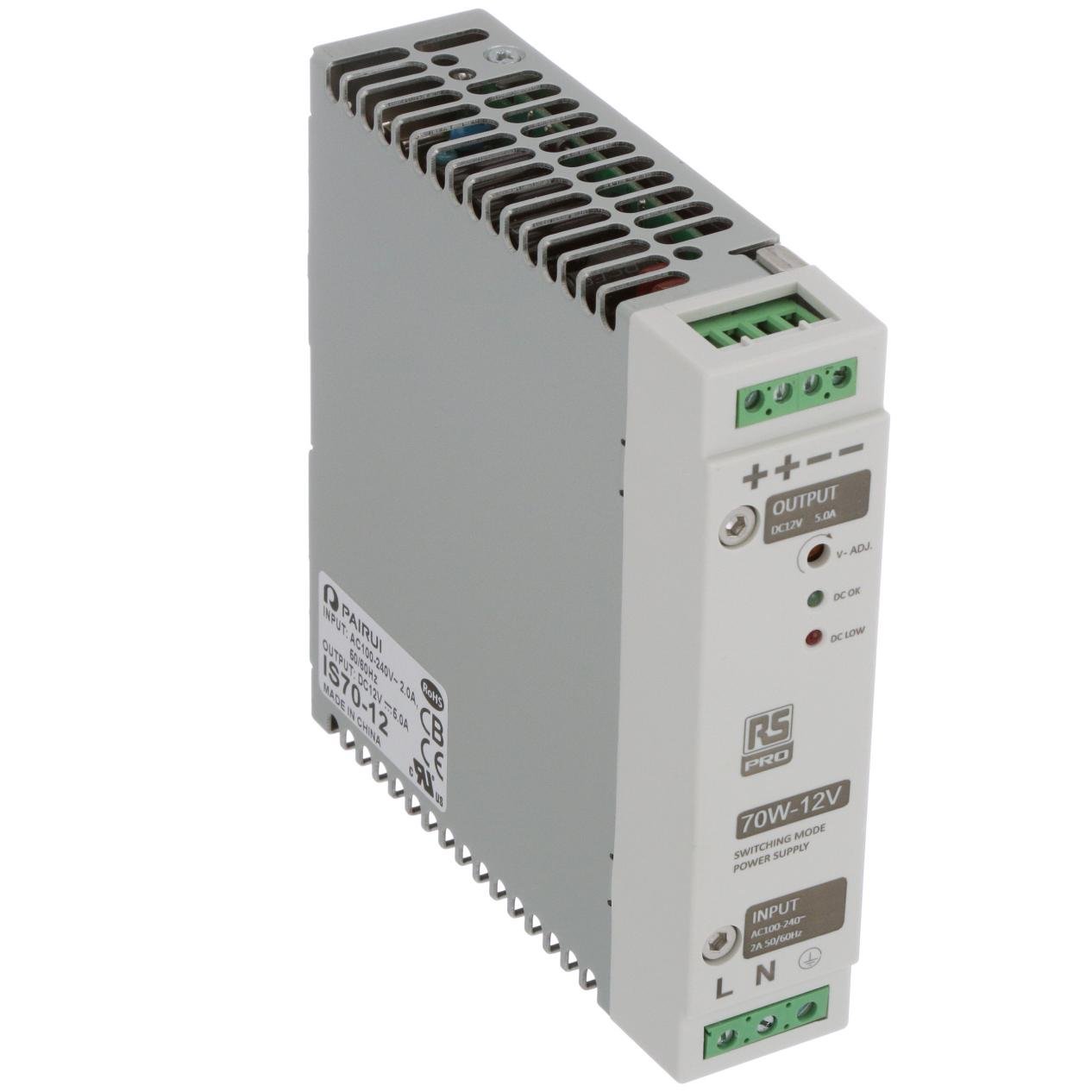
What Exactly Is an Enclosed Power Supply-and Why Does It Matter?
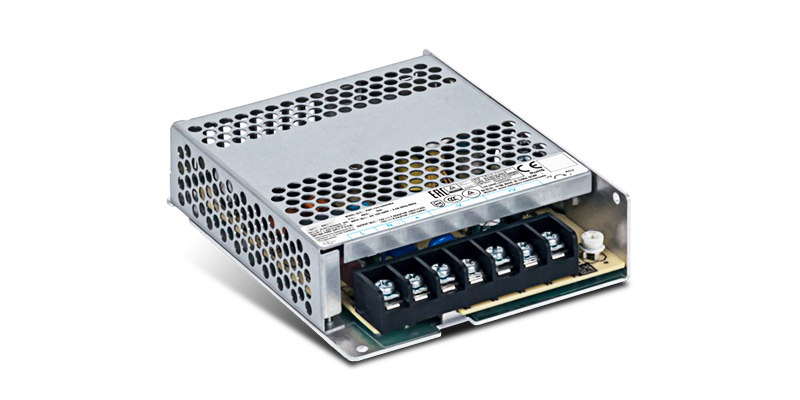
An enclosed power supply, also known as an enclosed SMPS (Switched-Mode Power Supply), is a unit housed within a protective casing-typically aluminum or steel.
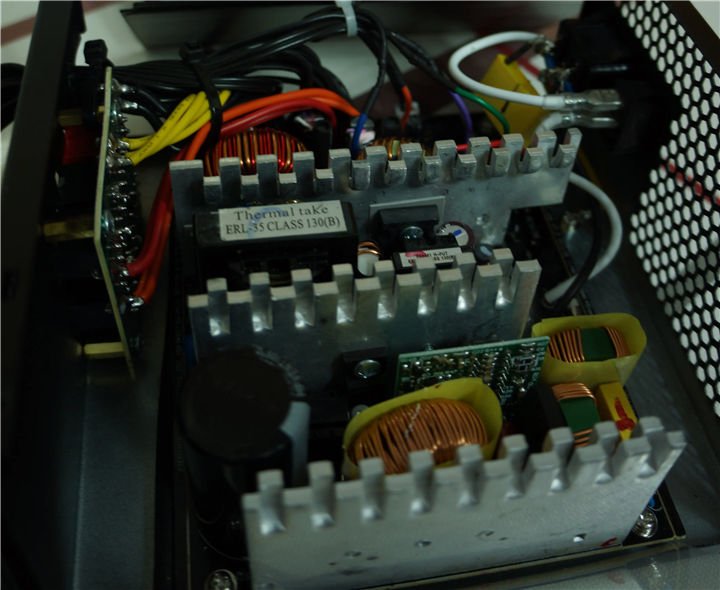
But why is this enclosure so important?
Because it provides:
Physical protection against impact and vibration
Isolation from dust, moisture, and contaminants
Improved electromagnetic shielding
Safer operation in industrial environments
Compared to open-frame designs, enclosed power supplies are:
| Feature | Open Frame PSU | Enclosed PSU |
|---|---|---|
| Protection Level | Low | High |
| Installation Safety | Moderate | High |
| Environmental Resistance | Limited | Strong |
| Typical Use | Consumer electronics | Industrial systems |
For applications requiring reliability, safety, and durability, enclosed power supplies are the standard choice.
How Do You Determine the Right Load Capacity?
Choosing the correct load capacity is the first and most critical step.
What Should You Calculate?
You need to determine:
Total system power (W)
Output voltage (e.g., 12V, 24V, 48V)
Required current (A)
Why Is Headroom Important?
A common mistake is selecting a power supply that exactly matches the load. This leads to stress and reduced lifespan.
Recommended rule:
Add 20-30% power margin
Example Calculation
| Device | Voltage | Current | Power |
|---|---|---|---|
| PLC Controller | 24V | 2A | 48W |
| Sensors (x10) | 24V | 0.2A each | 48W |
| HMI Display | 24V | 1.5A | 36W |
| Total | - | - | 132W |
Recommended PSU:
Minimum: 132W
Ideal selection: 180W-200W SIPURUI enclosed power supply
Are you designing for local use or global deployment?
Different regions operate on different voltage standards:
| Region | Voltage Range |
|---|---|
| North America | 110-120V AC |
| Europe | 220-240V AC |
| Asia | 100-240V AC |
Why Does Wide Input Range Matter?
A wide-range input (e.g., 85-264V AC) provides:
Global compatibility
Protection from voltage fluctuations
Reduced risk of failure
SIPURUI enclosed power supplies are typically designed with universal input, making them ideal for export-oriented systems.
How Important Is Efficiency-and How Much Can You Save?
Efficiency is not just a technical specification-it directly affects cost and reliability.
What Happens in a Low-Efficiency PSU?
More energy wasted as heat
Higher internal temperature
Reduced lifespan of components
Efficiency Comparison Table
| Efficiency | Energy Loss | Heat Generation | Impact |
|---|---|---|---|
| 75% | High | High | Short lifespan |
| 85% | Moderate | Moderate | Acceptable |
| ≥90% | Low | Low | Optimal |
Why Choose High Efficiency?
Lower electricity costs
Reduced cooling requirements
Increased system reliability
SIPURUI high-efficiency enclosed power supplies typically achieve ≥90% efficiency, making them suitable for continuous industrial operation.
Does Size and Form Factor Really Matter?
Yes-especially in modern systems where space is limited.
Key Considerations:
Available installation space
Airflow clearance
Cable routing
Compact vs Standard Designs
| Type | Advantage | Limitation |
|---|---|---|
| Compact PSU | Space-saving | Limited power range |
| Standard PSU | Higher power | Requires more space |
SIPURUI offers compact enclosed designs optimized for control cabinets and embedded systems.
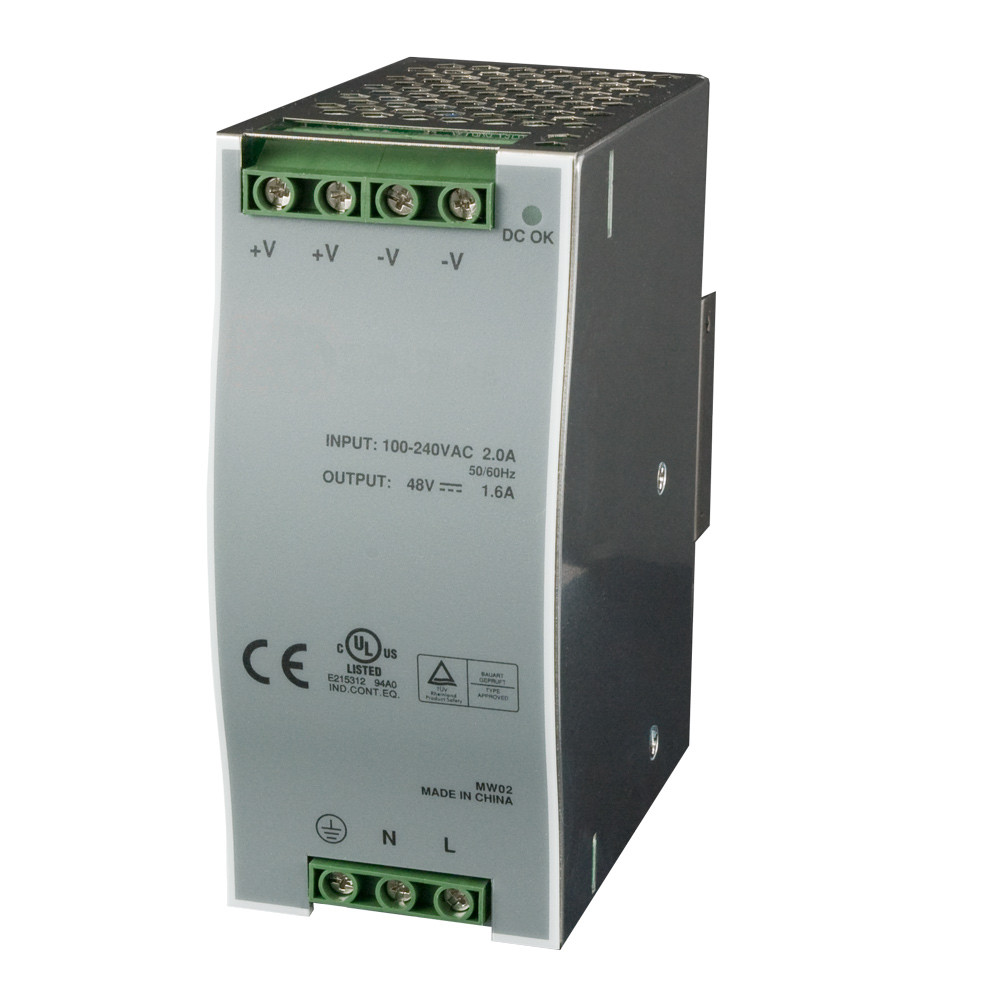
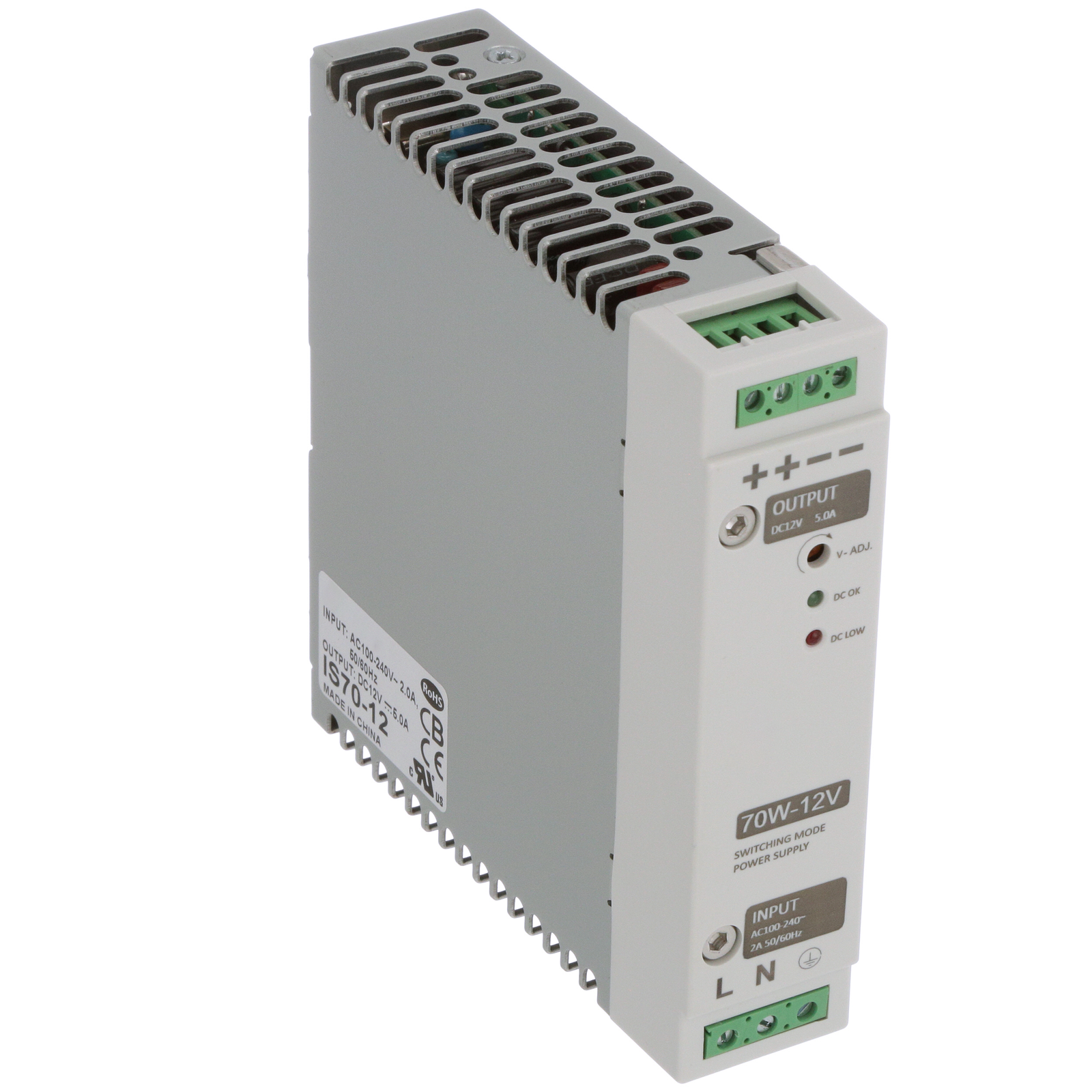
DIN Rail or Chassis Mount-What's Better?
| Feature | DIN Rail Mount | Chassis Mount |
|---|---|---|
| Installation | Fast | Fixed |
| Maintenance | Easy | Moderate |
| Application | Automation panels | Custom equipment |
When Should You Use DIN Rail?
Industrial automation
Frequent maintenance environments
When Is Chassis Mount Better?
Permanent installations
Equipment enclosures
SIPURUI provides both options to meet different integration needs.
What Safety Features Should You Never Ignore?
Safety is not optional-it is mandatory.
Essential Protection Functions:
Overvoltage Protection (OVP)
Overcurrent Protection (OCP)
Short Circuit Protection (SCP)
Over Temperature Protection (OTP)
Certification Standards:
UL
CE
RoHS
These ensure compliance with global safety regulations.
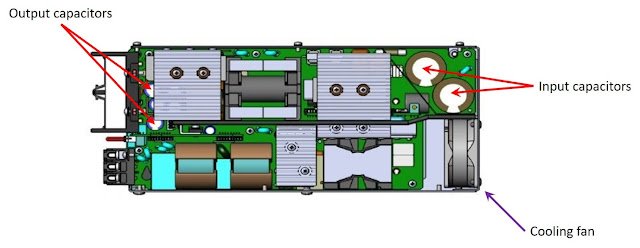
How Does Thermal Management Affect Lifespan?
Heat is one of the primary causes of failure in power electronics.
Cooling Methods:
Passive cooling (heat sinks)
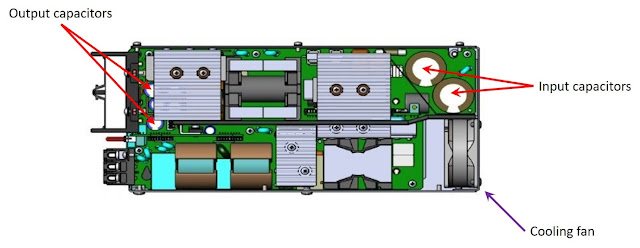
Active cooling (fans)
Convection cooling
Why It Matters:
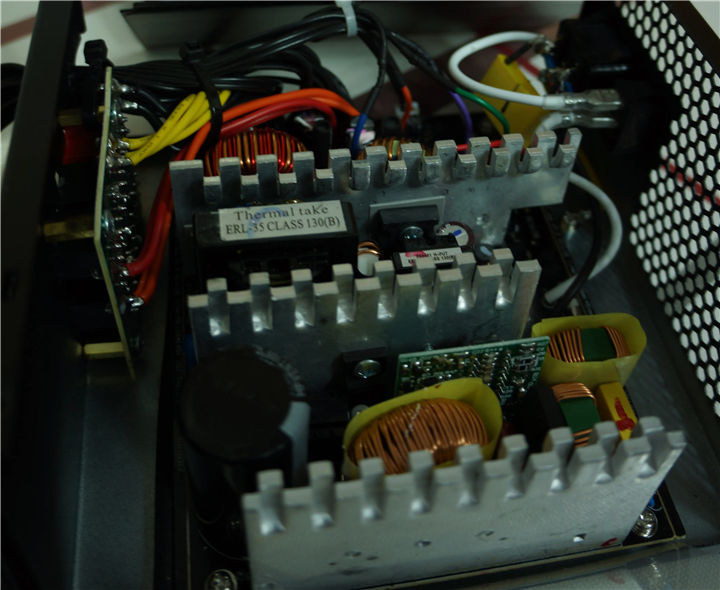
High temperature reduces capacitor life
Thermal stress damages internal circuits
SIPURUI designs include optimized heat dissipation structures, ensuring stable operation even in high-temperature environments.
Do IP Ratings Really Matter for Your Application?
Absolutely-especially in harsh environments.
IP Rating Breakdown
| IP Rating | Protection Level | Use Case |
|---|---|---|
| IP20 | Basic | Indoor control panels |
| IP65 | Dust + water resistant | Industrial environments |
| IP67 | Waterproof | Outdoor applications |
Choosing the wrong IP rating can lead to:
Dust accumulation
Moisture damage
Premature failure
What Makes a Power Supply Last 5-10 Years?
The answer lies in component quality.
Key Internal Components:
Capacitors (most failure-prone)
Transformers
PCB layout
High-Quality PSU Benefits:
Longer lifespan
Stable output
Lower failure rate
SIPURUI uses industrial-grade components, ensuring durability in demanding applications.
Where Are Enclosed Power Supplies Most Commonly Used?
Industrial Automation
PLC systems
CNC machines
Robotics
Telecommunications
Base stations
Network equipment
IoT Systems
Smart sensors
Edge devices
These applications demand continuous, stable power, making enclosed SMPS essential.
Why Choose SIPURUI Enclosed Power Supplies?
SIPURUI focuses on delivering reliable, high-performance power solutions tailored for industrial environments.
Key Advantages:
Wide input voltage range (85-264V AC)
High efficiency (≥90%)
Full protection features
Compact and rugged design
Long operational lifespan
Typical Product Series:
| Series | Power Range | Application |
|---|---|---|
| SIPURUI LRS Series | 50W-600W | General industrial |
| SIPURUI DIN Series | 60W-480W | Automation panels |
| SIPURUI IP67 Series | 100W-400W | Outdoor/harsh |
These product lines are engineered to meet global industrial standards.
Conclusion: What Should You Remember Before Buying?
Choosing the right enclosed power supply is a strategic decision-not just a technical one.
Before making your selection, always ask:
Does it include necessary safety protections?
A well-chosen power supply improves:
System reliability
Operational efficiency
Overall cost-effectiveness
What is the typical lifespan of an enclosed SMPS?
Typically 5-10 years, depending on load, environment, and component quality.
How do I know if my power supply is failing?
Look for:
Voltage instability
Overheating
Unusual noise
System shutdowns
Is a higher efficiency PSU always better?
Yes, in most cases. Higher efficiency means:
Less heat
Lower energy cost
Longer lifespan
Buyer Checklist
- Confirm input and output voltage before model selection.
- Check wattage, load margin and operating temperature.
- Review installation space, airflow and protection requirements.
- Share project quantity and application details for quotation support.