Selecting a switching power supply often looks straightforward at first.
Overview
Selecting a switching power supply often looks straightforward at first. Most buyers begin by checking output voltage, rated current, and installation type. If the equipment requires 24V, they choose a 24V power supply. If the load draws 5A, they select a 5A model. On paper, the calculation seems complete.
But in real industrial applications, the most common power supply problems rarely come from choosing the wrong voltage. They come from choosing insufficient power capacity.
A switching power supply can meet the voltage requirement perfectly and still create operational issues if its wattage is too close to the actual load. This happens more often than many people expect, especially in automation cabinets, LED systems, machine tools, industrial controls, and continuous-duty equipment.
The real question is not simply whether the power supply can turn the equipment on.
The real question is whether it can power the system reliably, continuously, and safely over time.
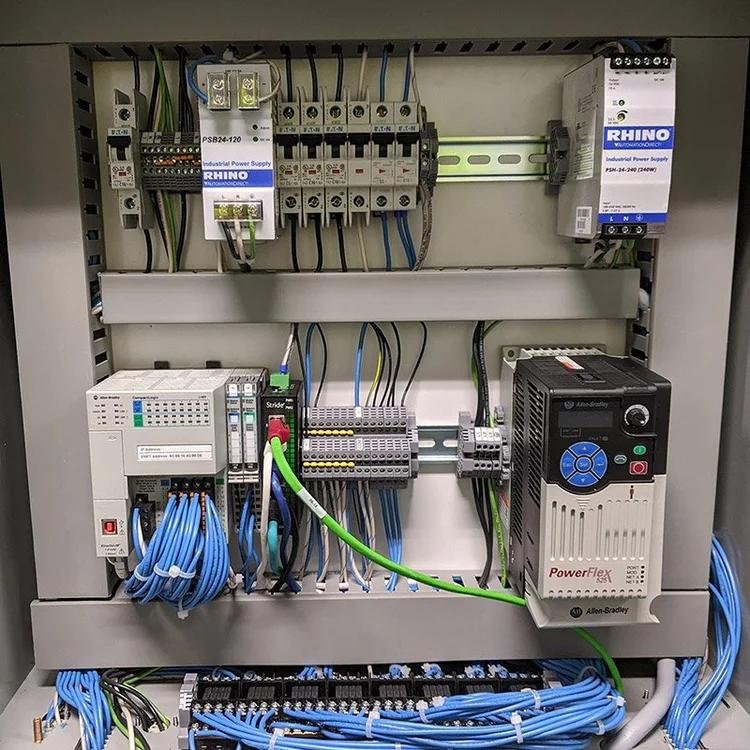
Why Isn't Matching the Rated Load Enough?
One of the most common questions buyers ask is:
"If my equipment consumes 100 watts, why shouldn't I choose a 100W switching power supply?"
The answer becomes clear once the system starts running.
Electrical loads are rarely constant. A device rated at 100W usually represents its normal operating condition, not the highest power it may require. Startup current, temporary load changes, multiple outputs switching simultaneously, ambient temperature, or even cable loss can all increase the real demand placed on the power supply.
A system that appears stable in testing may behave very differently after installation in a cabinet or production environment. Once the load fluctuates or startup current rises above expected levels, a power supply with no headroom can quickly reach its limit.
This is why engineers usually calculate based on actual operating conditions instead of only the rated load printed on the label.
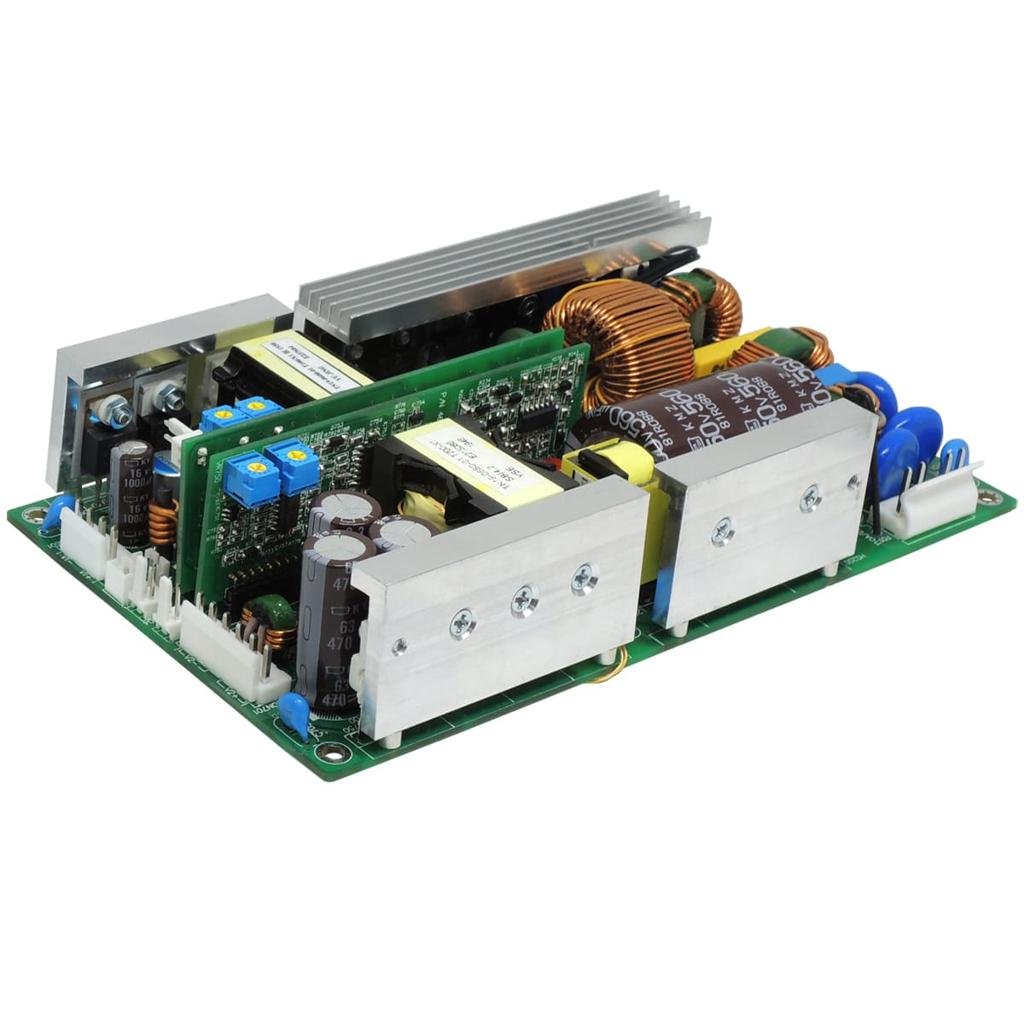
Startup Current: The Moment Power Supplies Are Truly Tested
The startup phase is often where power sizing problems first appear.
Many electrical devices demand significantly more current during startup than during normal operation. This is common with motors, solenoid valves, fans, relays, PLC-controlled outputs, LED drivers, and many automation systems.
During that short moment after power-on, current can rise well above the steady operating value. If the switching power supply does not have enough reserve capacity, several things can happen at once: the output voltage may drop, the overload protection may trigger, the equipment may restart repeatedly, or the system may fail to start at all.
In many troubleshooting cases, the power supply appears normal when measured under stable load. But the issue happens during startup-too quickly to notice without testing transient conditions.
A power supply with sufficient wattage handles these peak demands without instability, allowing the connected equipment to start smoothly every time.
Why More Power Capacity Often Means Longer Service Life
Power supplies do not usually fail because of a single overload event. More often, they age because of heat.
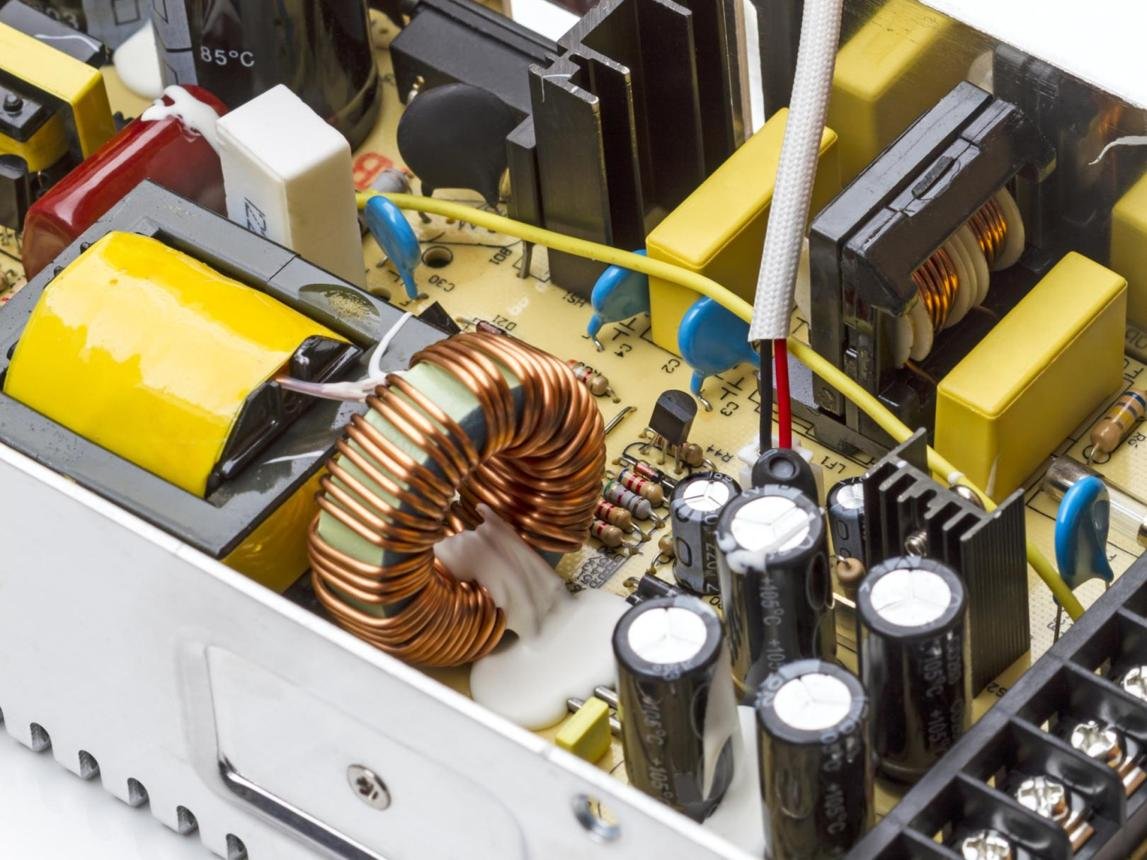
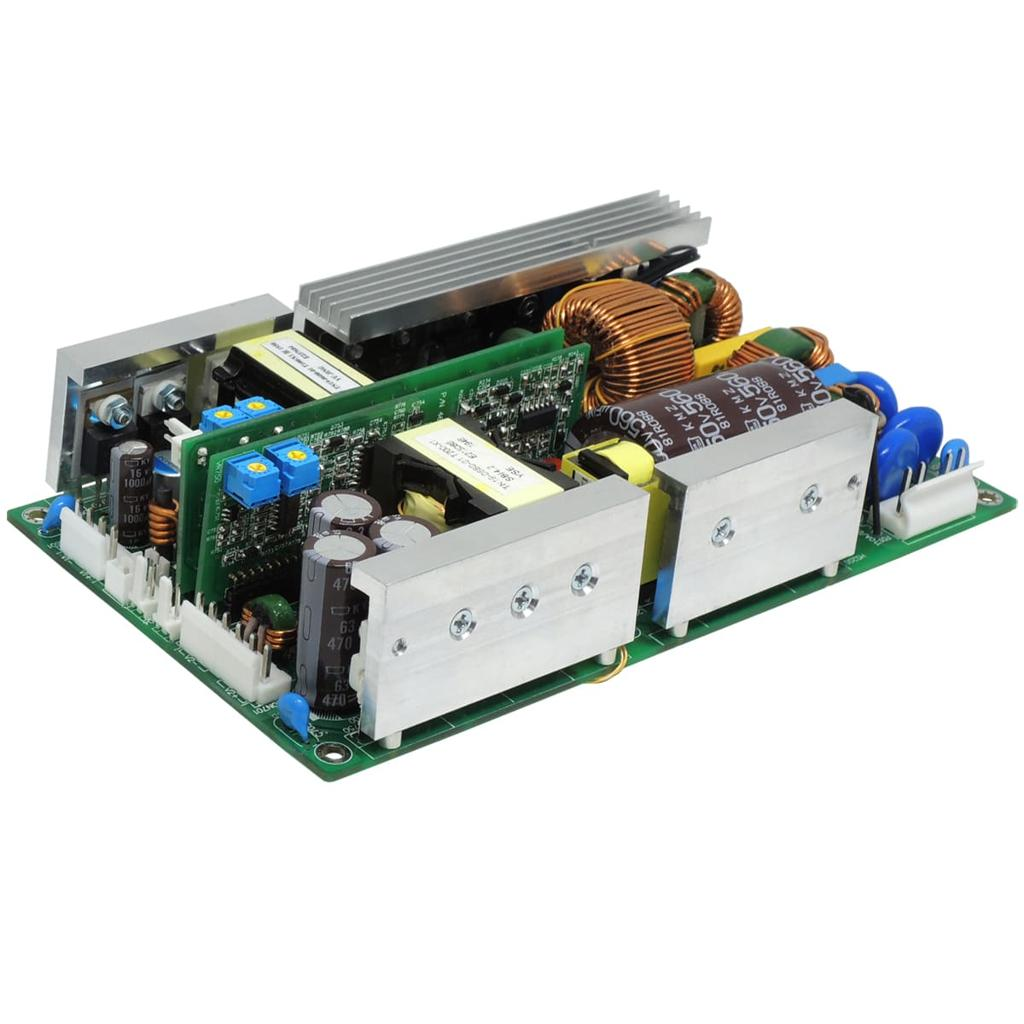
Inside every switching power supply, components such as electrolytic capacitors, transformers, switching transistors, magnetic cores, and solder joints continuously experience thermal stress. The closer the unit runs to full load, the higher the internal temperature becomes.
Over time, heat accelerates component aging. Capacitors dry out faster. Electrical efficiency drops. Internal resistance rises. Lifespan shortens.
This is why a power supply that runs at full load every day may fail much earlier than one operating with moderate load margin.
For long-term industrial use, many engineers aim to keep a switching power supply running at around sixty to eighty percent of rated capacity. This operating range generally offers a better balance between efficiency, temperature control, and long-term durability.
| Load Percentage | Typical Condition | Long-Term Performance |
|---|---|---|
| Below 50% | Light-load operation | Cool running, very low stress |
| 60-80% | Recommended working range | Best balance of efficiency and lifespan |
| 80-90% | Higher operating load | Acceptable with proper cooling |
| Above 90% | Continuous heavy load | Increased temperature and faster aging |
This is not about buying more wattage than necessary. It is about keeping the power supply operating within a healthy range.
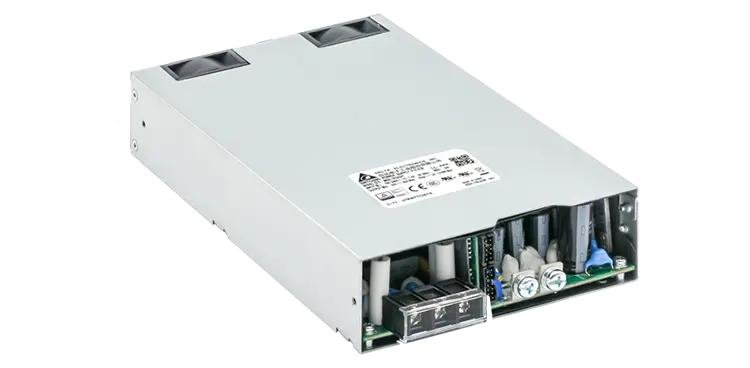
Voltage Stability Depends on Power Margin More Than Many Expect
Stable voltage is one of the most overlooked benefits of proper sizing.
When a switching power supply operates near its output limit, voltage regulation becomes more difficult-especially under changing loads. Even if the voltage still measures correctly under normal conditions, sudden load changes may cause ripple increase or temporary voltage drop.
For sensitive equipment, this matters.
Industrial sensors may report unstable values. PLC controllers may reset unexpectedly. Communication modules may lose signal. Servo systems may generate alarms. LED systems may flicker.
Sometimes these issues appear as occasional faults with no obvious cause, which makes them difficult to diagnose.
In many cases, the root problem is not wiring or software-it is insufficient power reserve.
A properly sized SIPURUI switching power supply can maintain cleaner output and more stable regulation under dynamic working conditions, which improves reliability across the entire system.
How Much Extra Power Should You Leave?
While every application is different, one practical guideline is widely used across industrial design:
Recommended Power Supply Capacity = Actual Load × 1.2 to 1.5
This provides enough headroom for startup surge, thermal derating, environmental changes, and future expansion.
Here is a common reference:
| Actual Load | Recommended SIPURUI Power Supply |
|---|---|
| 50W | 60-75W |
| 100W | 120-150W |
| 150W | 180-240W |
| 200W | 240-300W |
| 350W | 420-500W |
| 500W | 600-750W |
If the application includes motors, inductive loads, or multiple devices switching simultaneously, a higher margin may be appropriate.
If the load is stable electronic equipment without startup surge, a lower margin may still work well.
The correct selection always depends on the real application environment.
Choosing the Right SIPURUI Power Supply for Different Applications
At SIPURUI, customers typically choose switching power supplies based on both electrical requirements and installation conditions.
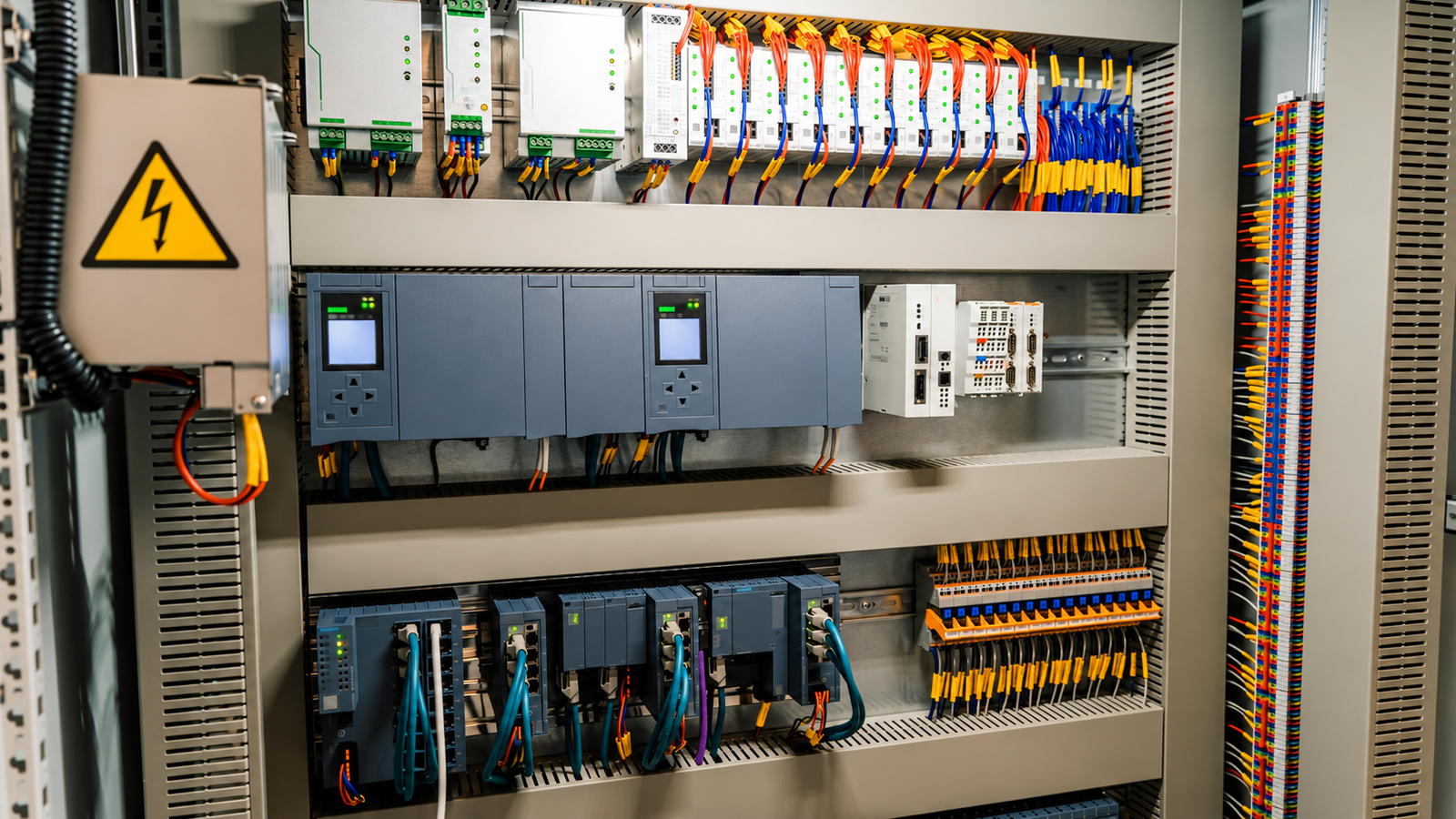
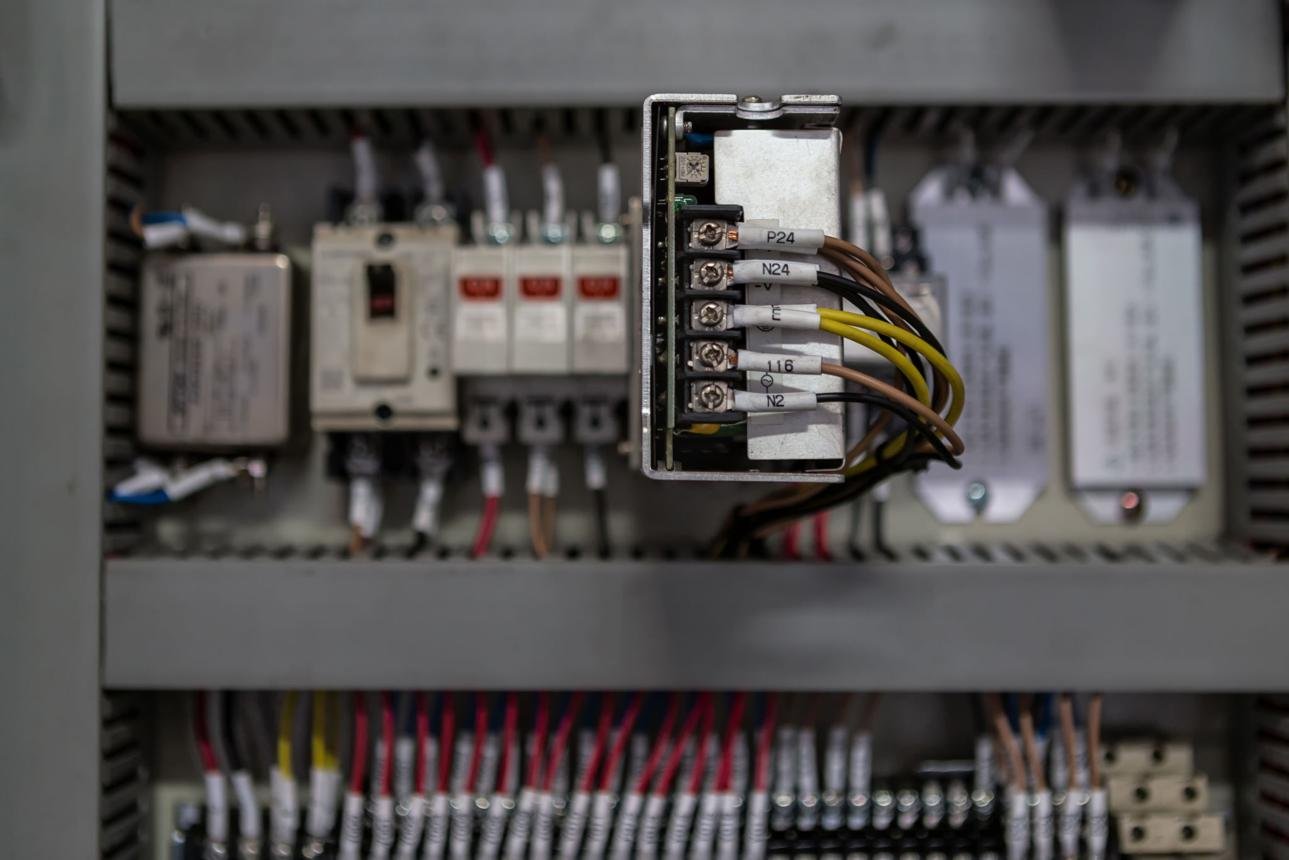
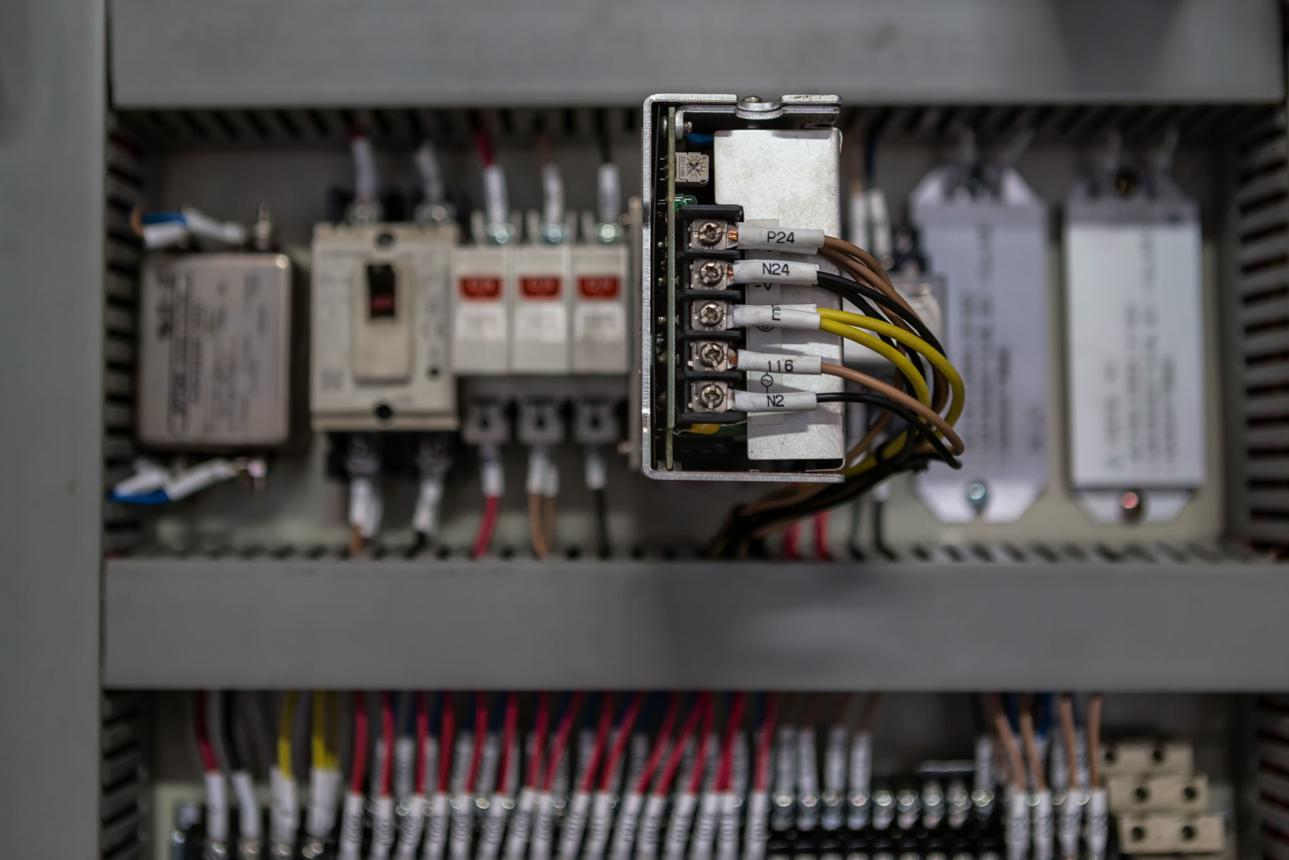
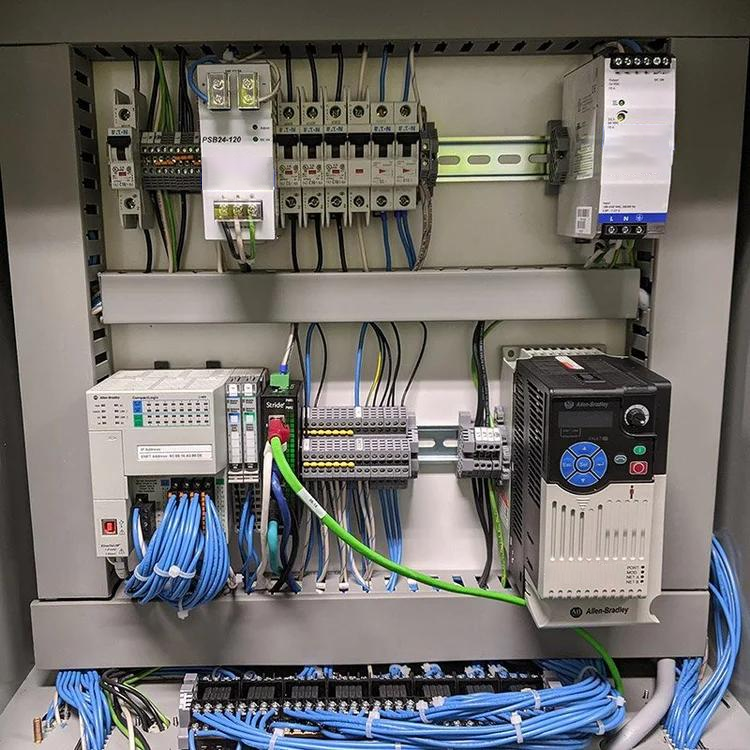
For PLC cabinets and automation control systems, DIN rail power supplies are commonly selected because they are compact, easy to install, and well suited for industrial panels.
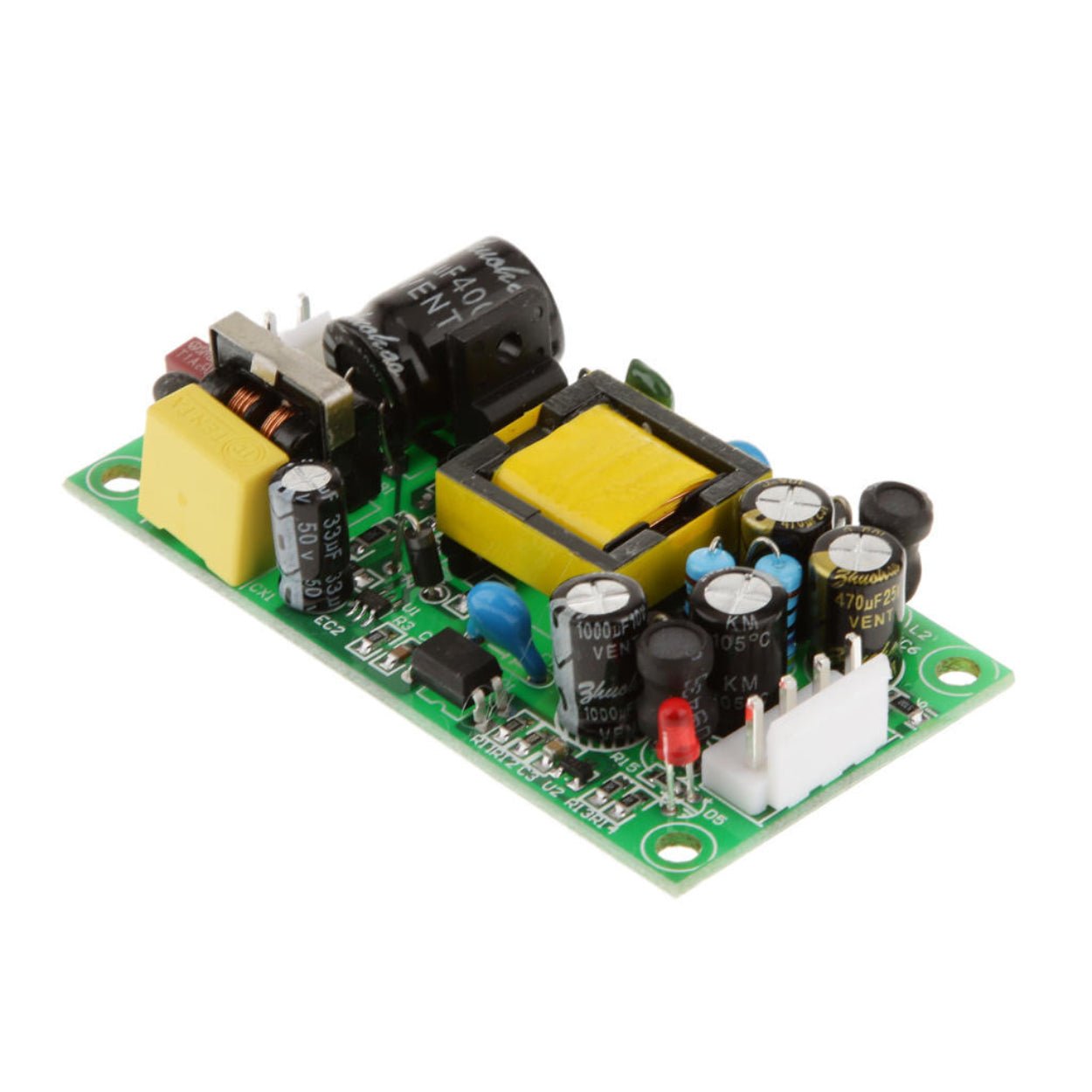
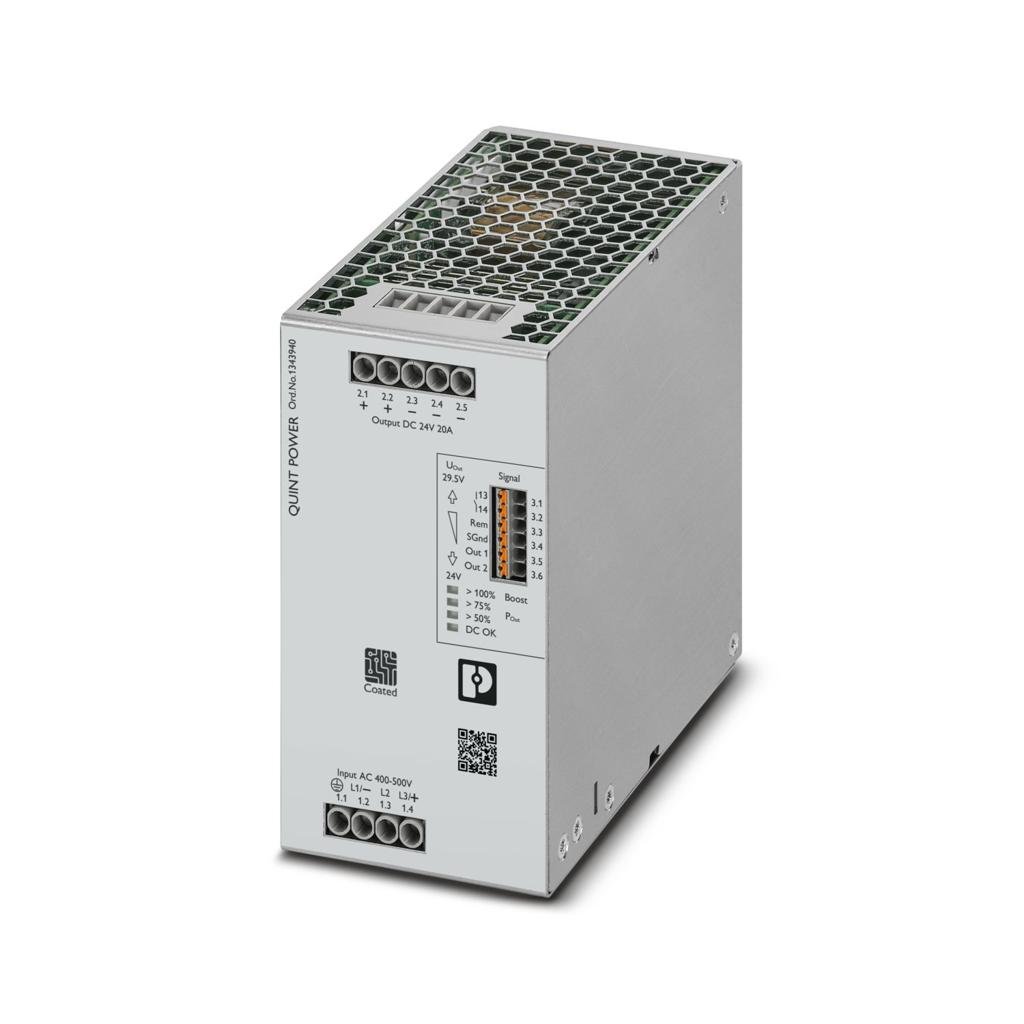
For machinery, LED displays, CNC equipment, industrial tools, and electrical systems requiring higher output capacity, enclosed switching power supplies are often preferred because they provide flexible mounting and a wide power range.
For space-constrained cabinets, slim-profile power supplies offer another practical option while maintaining stable DC output.
Regardless of the product series, the sizing principle remains the same:
select based on real operating demand-not only rated power.
Final Thoughts
A switching power supply is often treated as a supporting component hidden inside a cabinet, but in reality it plays a central role in system reliability.
When power capacity is selected too close to the load, problems often appear gradually: startup instability, voltage fluctuation, excessive temperature, reduced service life, or unexplained shutdown.
These issues can be difficult and expensive to troubleshoot later.
Choosing sufficient wattage from the beginning helps avoid those risks.
A correctly sized power supply starts equipment more smoothly, runs cooler under continuous operation, maintains stable voltage more effectively, and provides longer-term reliability for the entire system.
That is why in professional industrial applications, selecting the right wattage is never just about matching numbers on a specification sheet.
It is about building a system that continues to perform reliably long after installation.
At SIPURUI, we believe reliable power starts with correct selection-and the right wattage is always the foundation.
Buyer Checklist
- Confirm input and output voltage before model selection.
- Check wattage, load margin and operating temperature.
- Review installation space, airflow and protection requirements.
- Share project quantity and application details for quotation support.