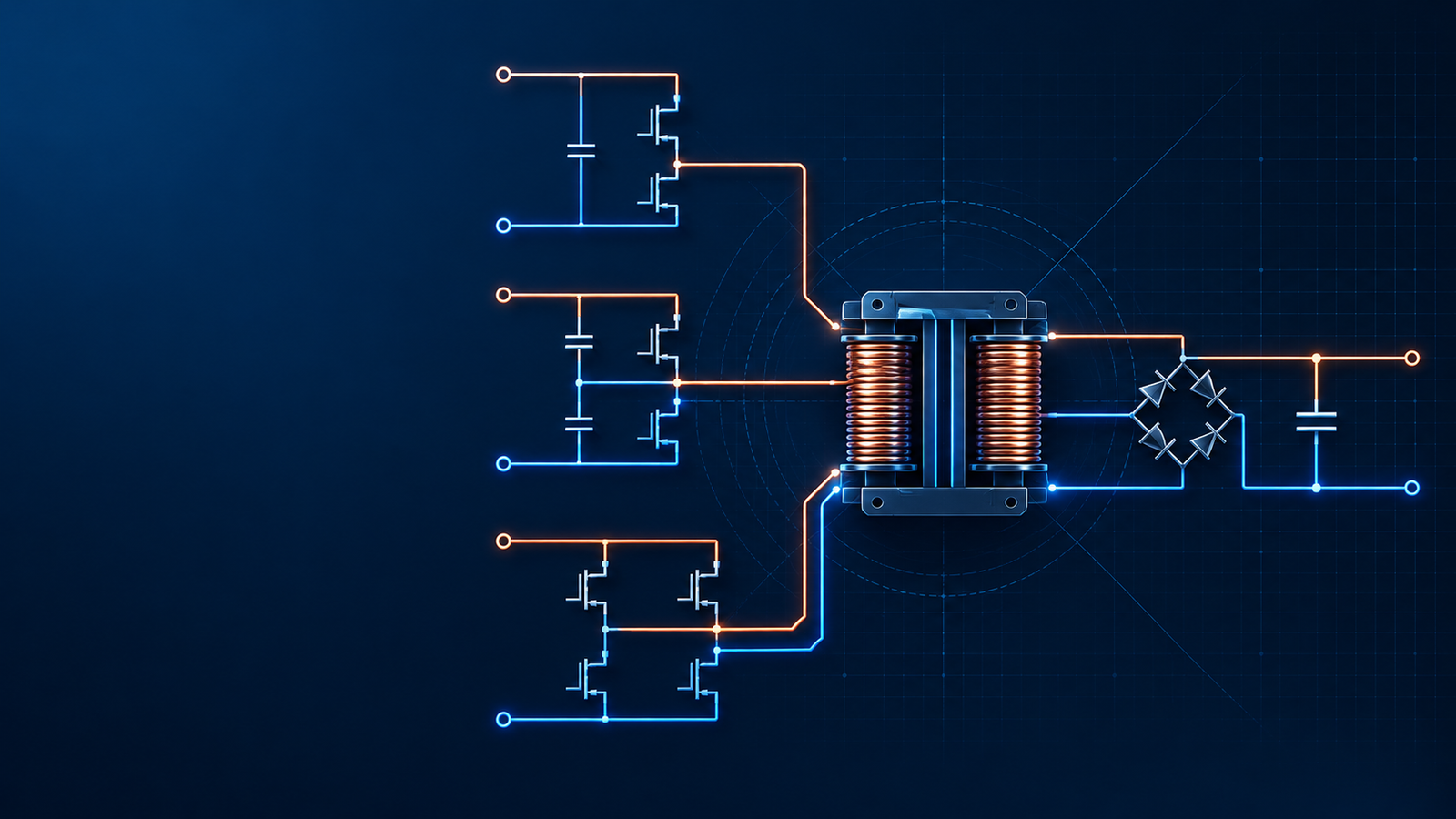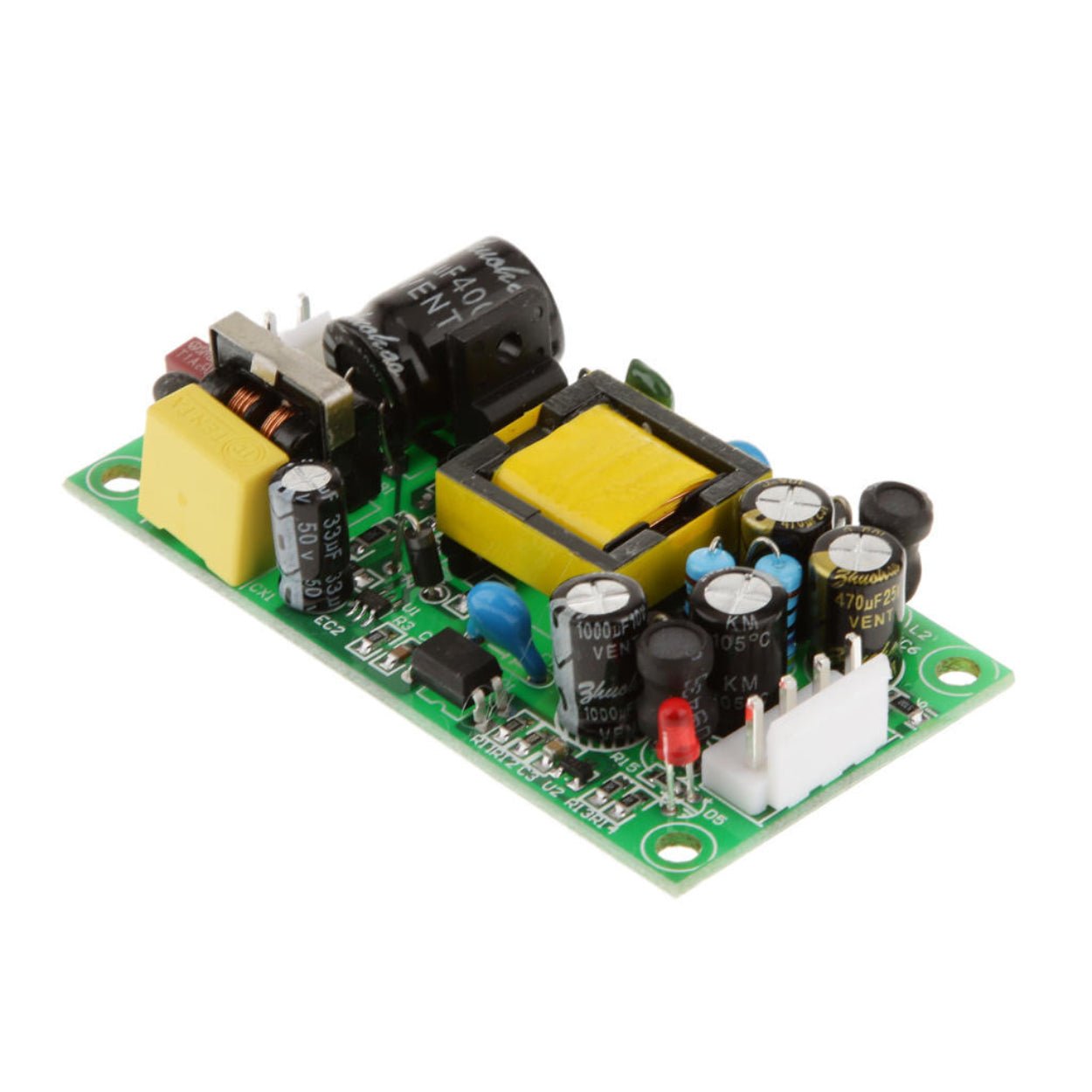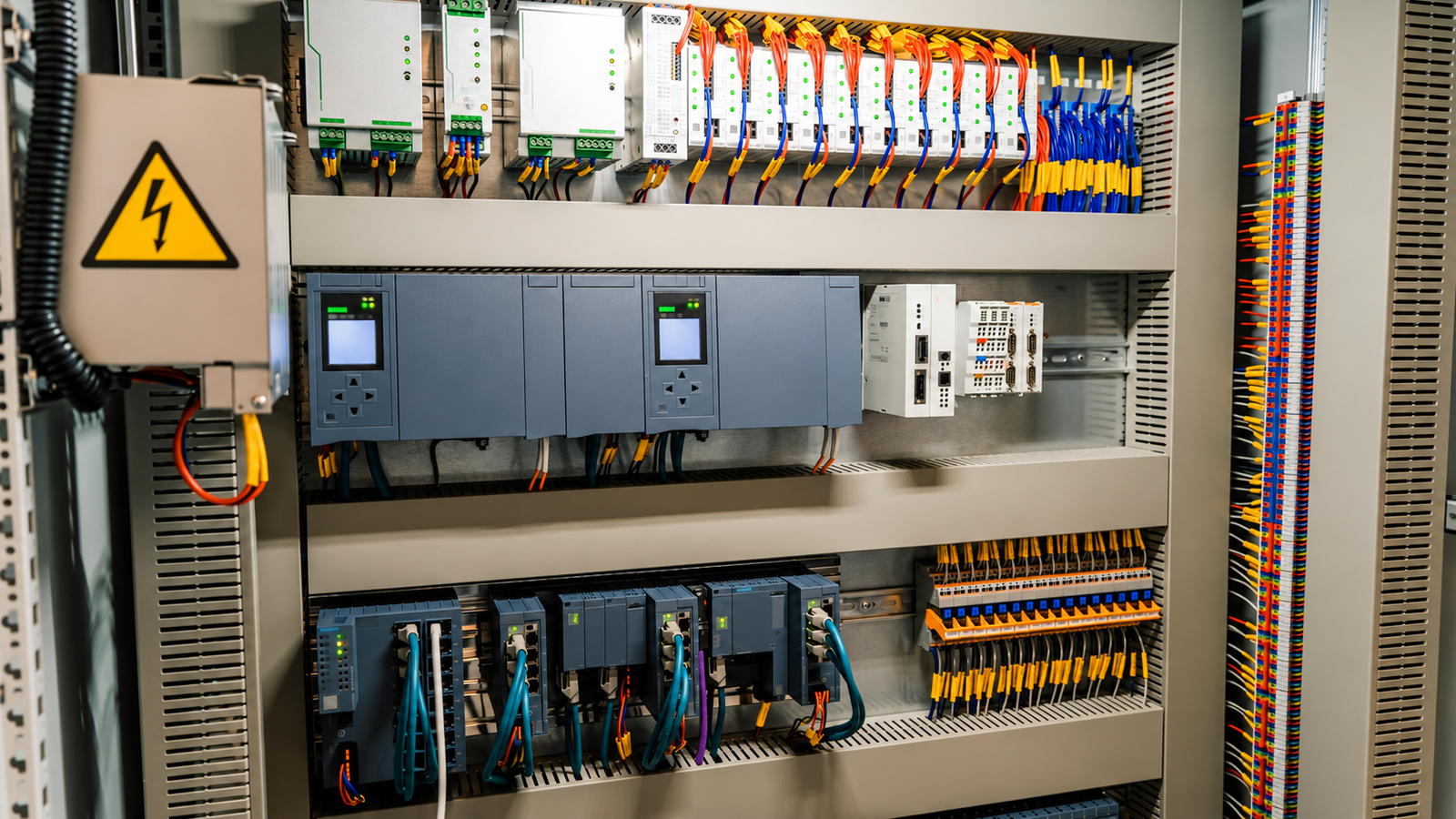
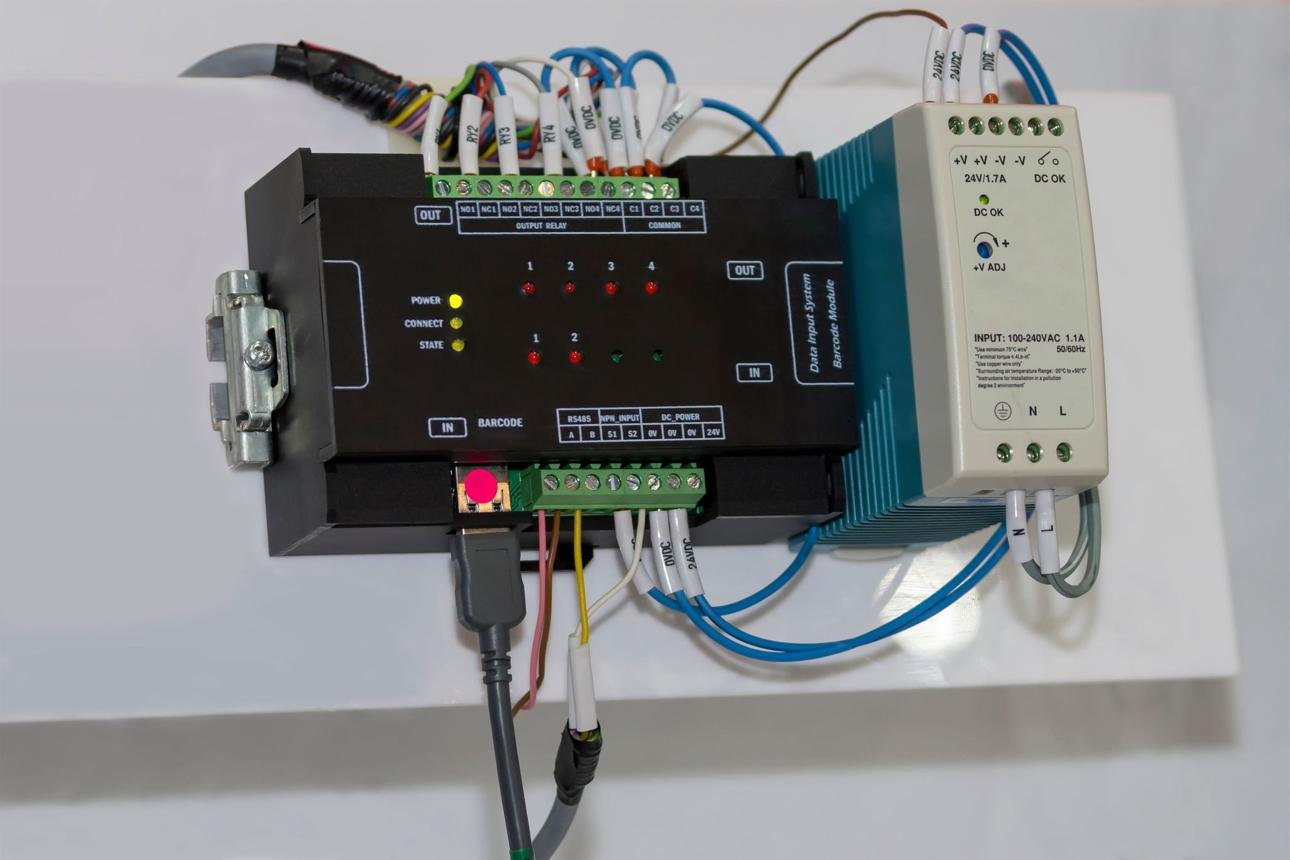
In industrial automation, a power supply is far more than a basic electrical component hidden inside a control cabinet.
Overview
In industrial automation, a power supply is far more than a basic electrical component hidden inside a control cabinet. It directly affects system stability, equipment lifespan, communication reliability, and production continuity. A poorly matched power supply can lead to voltage instability, PLC communication errors, overheating, unexpected shutdowns, or even costly downtime across an entire production line.
As factories continue moving toward intelligent manufacturing and Industry 4.0 integration, the standards for industrial switching power supplies have become significantly higher than they were just a few years ago. Buyers are no longer evaluating products solely on wattage and price. Today, engineers and procurement teams are paying closer attention to efficiency, EMC performance, thermal stability, overload capability, certification systems, and long-term reliability.
Among the many brands competing in the industrial power supply market, several names consistently dominate discussions in global automation projects: Mean Well, Delta, Siemens, Schneider Electric, Phoenix Contact, and Chaoyang Power.
Each brand has built its reputation around different strengths. Some focus heavily on smart automation integration, while others emphasize affordability, rugged industrial durability, or electrical protection. The real challenge for equipment manufacturers is understanding which power supply philosophy best matches their actual application.
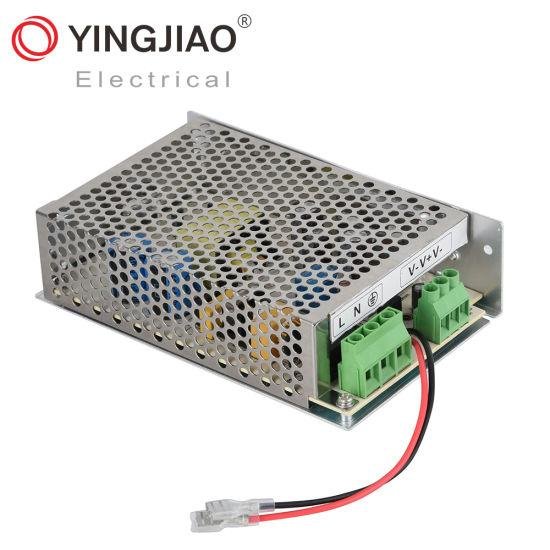
Why Has the Industrial Power Supply Market Changed So Much?
Ten years ago, many industrial buyers selected power supplies primarily based on output voltage and price. In today's market, however, the situation is entirely different.
Modern industrial systems contain far more sensitive electronic devices than traditional equipment. Servo systems, industrial PCs, PLCs, sensors, communication modules, and Ethernet-based control architectures all require extremely stable power delivery. Even minor voltage fluctuations or electromagnetic interference can create system instability.
At the same time, production lines are expected to operate continuously for longer periods with minimal maintenance interruptions. This has pushed manufacturers toward higher-quality switching power supplies with better thermal management, stronger overload performance, and longer operational lifespans.
The rise of Industry 4.0 has also changed expectations. Power supplies are no longer passive components. In many smart factories, they now participate in diagnostics, remote monitoring, predictive maintenance, and energy management systems.
This shift explains why industrial buyers increasingly compare brands not only by price, but also by ecosystem compatibility, efficiency ratings, and intelligent functionality.
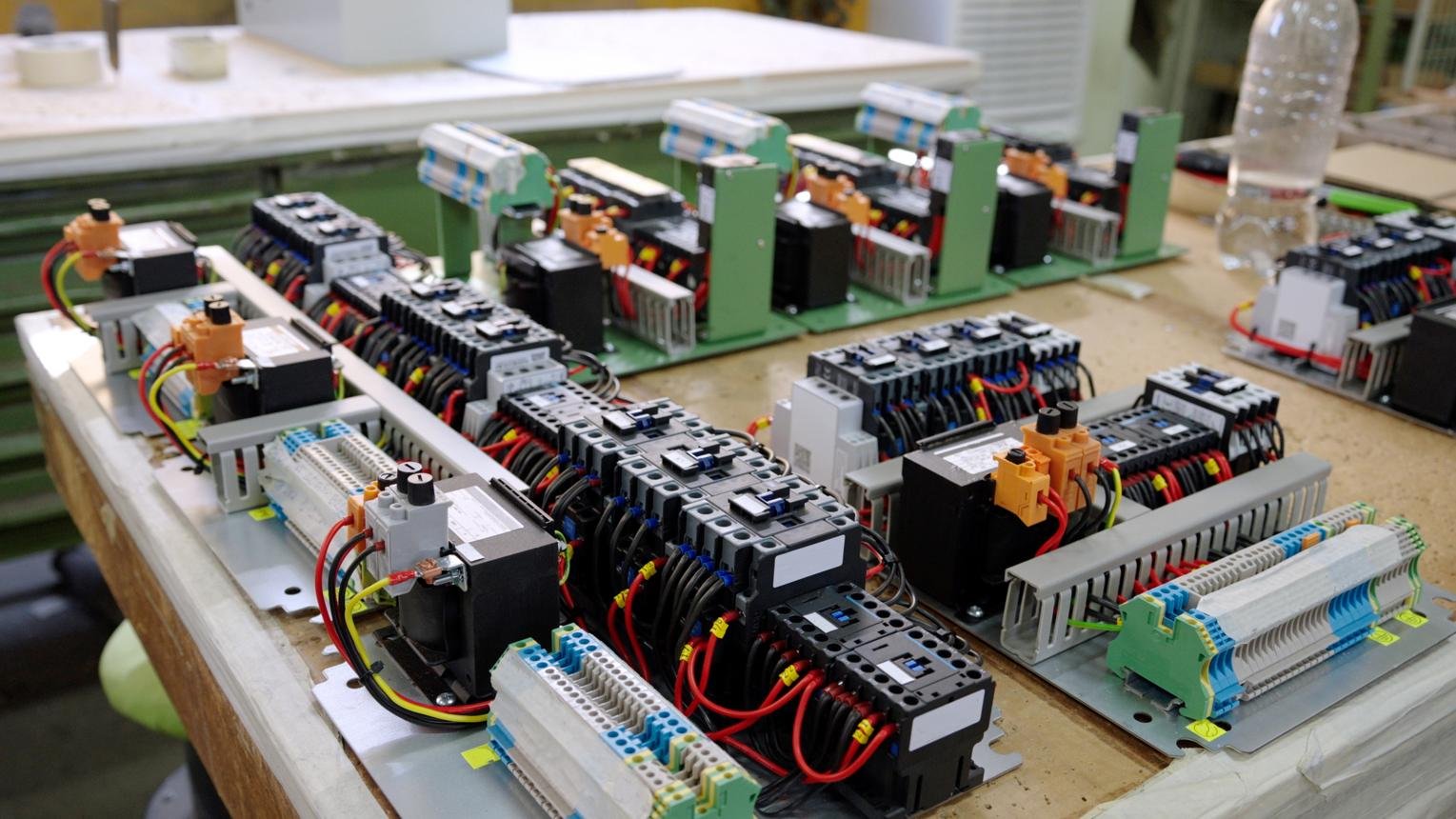
Why Does Mean Well Remain One of the Most Popular Industrial PSU Brands Worldwide?
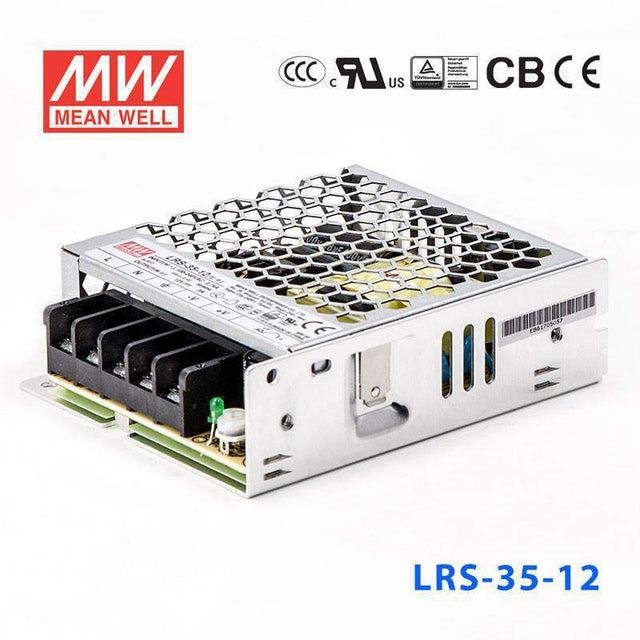
Mean Well has built an enormous global presence largely because it successfully balances affordability with reliability. Few companies in the industrial power supply market offer a product portfolio as broad as Mean Well's.
Its product range covers everything from compact DIN rail units to high-power enclosed switching supplies used in industrial machinery, LED systems, communication infrastructure, and medical devices. For many OEM manufacturers, Mean Well represents a practical and low-risk solution because the brand is globally available and relatively easy to source.
One of the biggest reasons for Mean Well's popularity is the success of series such as the LRS, NDR, HDR, and RSP families.
| Series | Typical Applications | Key Characteristics |
|---|---|---|
| LRS Series | Industrial machinery | Compact, economical design |
| HDR Series | DIN rail automation | Slim housing structure |
| NDR Series | Control cabinets | High efficiency DIN rail PSU |
| RSP Series | High-power equipment | Strong continuous output |
| UHP Series | Compact industrial systems | Fanless ultra-slim design |
The LRS-350 series, for example, has become extremely common in industrial equipment because it combines stable performance with compact dimensions and competitive pricing. Many machine builders appreciate the fact that the series is easy to integrate into tight cabinet layouts while still maintaining reliable long-term operation.
However, Mean Well is not necessarily the strongest option for every application. In high-end automation systems where EMC performance and transient response are critical, some engineers consider European premium brands more refined. Mean Well products are highly practical, but they are generally optimized for broad industrial compatibility rather than specialized high-performance automation environments.
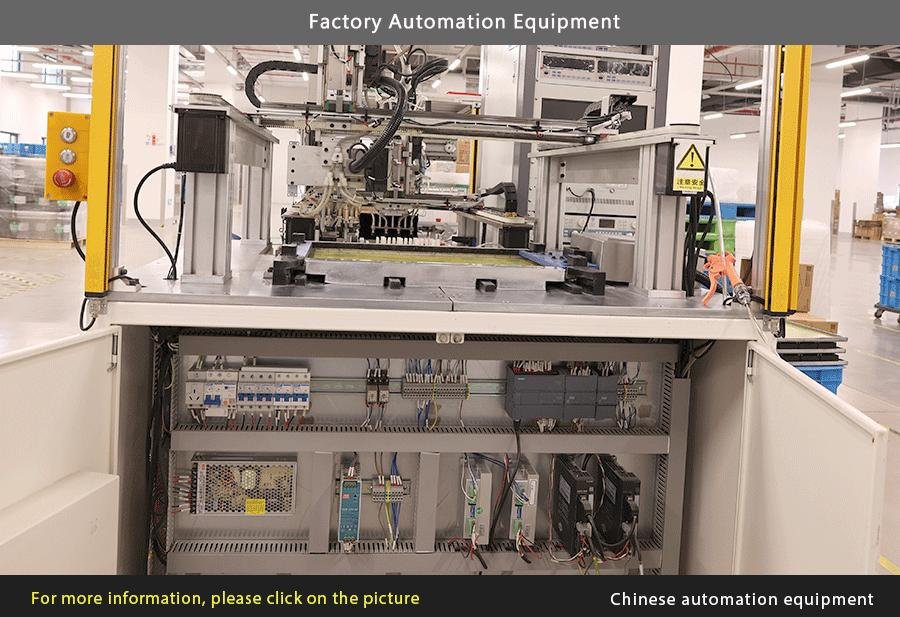
Why Is Delta Considered More "Industrial Grade" by Many Engineers?
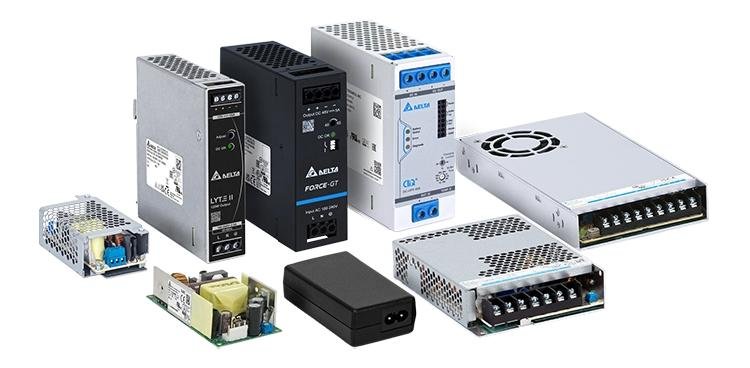
Delta has earned a strong reputation in industrial automation because of its engineering-focused design philosophy. Compared with many competitors in the same price range, Delta places far greater emphasis on efficiency optimization, thermal performance, and long-term reliability.
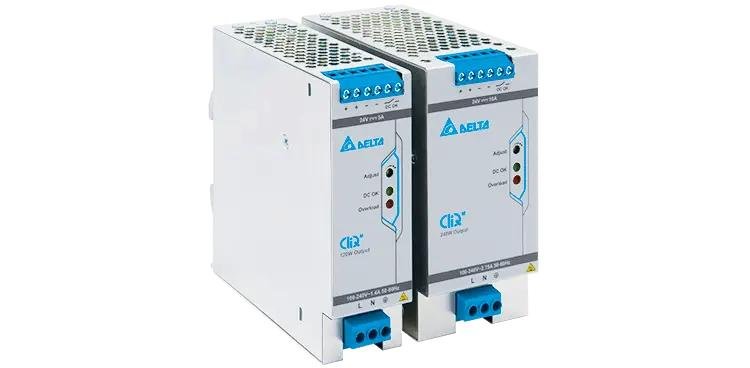
This becomes especially obvious in the company's CliQ series.
Unlike general-purpose industrial PSUs, Delta CliQ models are designed specifically for harsh automation environments. They typically feature wider operating temperature ranges, stronger surge resistance, and improved efficiency levels that often exceed 94%.
For factories operating equipment continuously under elevated ambient temperatures, these details matter significantly. Lower heat generation inside the cabinet directly contributes to longer component lifespan and improved system stability.
| Feature | Delta CliQ Series | Mean Well NDR Series |
|---|---|---|
| Efficiency | Up to 94% | Around 89-91% |
| Thermal Optimization | Advanced | Standard |
| EMC Performance | Strong | Moderate |
| Surge Protection | Excellent | Good |
| Price Level | Medium-High | Medium |
Another important advantage of Delta lies in its manufacturing background. Since the company also produces server power systems and advanced power electronics, much of its industrial PSU technology benefits from higher-end engineering experience.
Still, Delta products are not always the most visually modern or compact. Some product families retain conservative industrial design styles that prioritize robustness over appearance. In addition, Delta's higher-end industrial products are often priced noticeably above standard mid-range power supplies.
Even so, many automation engineers continue to view Delta as one of the safest long-term investments for demanding industrial environments.
Is Siemens Still the Benchmark for Smart Industrial Power Supplies?
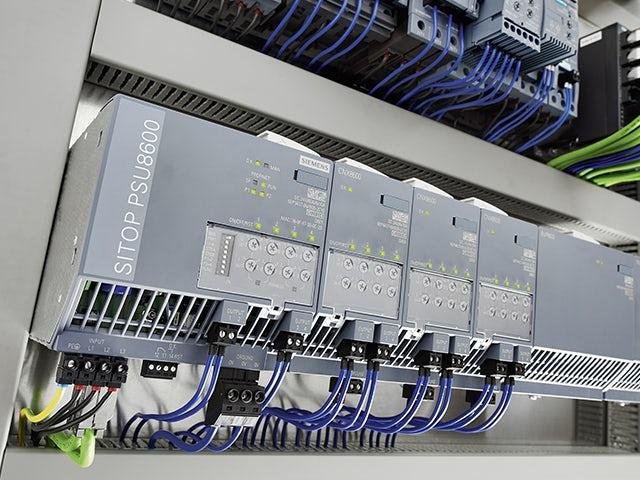
When discussing industrial automation, Siemens remains one of the most influential names in the industry. Its SITOP power supply family is deeply integrated into Siemens automation ecosystems and has become especially popular in smart manufacturing environments.
The biggest difference between Siemens and many competitors is that Siemens no longer treats the power supply as an isolated component. Instead, the PSU becomes part of a larger intelligent automation architecture.
This approach is particularly visible in the SITOP PSU8600 series.
Unlike traditional power supplies that simply provide stable voltage output, the PSU8600 series offers advanced features such as remote diagnostics, selective load monitoring, Ethernet communication, and predictive maintenance support. These functions allow engineers to monitor electrical conditions in real time and identify potential problems before production interruptions occur.
| Series | Positioning | Main Applications |
|---|---|---|
| SITOP PSU100C | Entry-level industrial | Basic control systems |
| SITOP PSU6200 | Advanced automation | Industrial production lines |
| SITOP PSU8600 | Smart power management | Industry 4.0 factories |
For Industry 4.0 factories, this level of integration can significantly reduce maintenance costs and downtime risk.
Why Do High-End Industrial Projects Often Choose Schneider Electric?
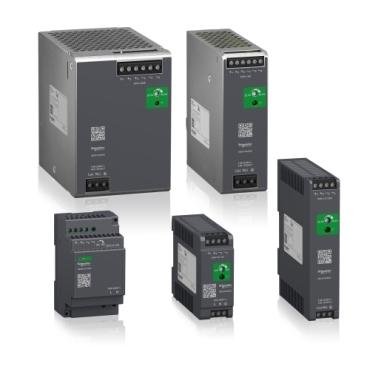
Schneider Electric has built its reputation around electrical safety, infrastructure reliability, and industrial energy management. Its power supply products are commonly found in process industries, infrastructure systems, and large industrial control projects.
One of Schneider's most recognized product families is the Phaseo ABL8 series. These power supplies are known for compact sizing, robust protection systems, and strong electrical stability under demanding conditions.
Compared with some competitors that prioritize compactness or cost reduction, Schneider products often focus more heavily on protective architecture. Overvoltage protection, thermal shutdown control, overload management, and short-circuit resilience are major selling points.
This makes Schneider particularly attractive in industries where operational stability matters more than minimizing upfront hardware costs.
Why Is Phoenix Contact Highly Regarded in Unstable Power Environments?
Phoenix Contact approaches industrial power supply design from a system reliability perspective. Its QUINT POWER series is especially respected in applications where unstable electrical conditions are common.
In many industrial environments, short voltage drops and overload conditions are unavoidable. Standard power supplies may shut down during these events, potentially stopping production equipment. Phoenix Contact addresses this issue through technologies such as dynamic power reserve and static power boost.
These functions allow the power supply to temporarily deliver significantly higher output current during demanding startup or overload situations. This improves system resilience and reduces unnecessary shutdowns.
The QUINT series also emphasizes preventive monitoring features that help engineers identify abnormal electrical behavior before equipment failure occurs.
Can Chinese Industrial Power Supply Brands Compete Internationally?
Chaoyang Power represents an increasingly important trend in the industrial power market: the rise of high-reliability Chinese industrial brands.
Unlike many low-cost manufacturers that compete primarily on price, Chaoyang focuses more heavily on durability and rugged industrial operation. Its products are widely used in sectors such as railway systems, aerospace projects, military applications, and heavy industrial environments.
The company has gained attention for designing products capable of operating under harsh environmental conditions including vibration, temperature fluctuation, and unstable electrical systems.
The primary challenge for brands like Chaoyang remains international recognition. Compared with Siemens, Schneider, or Mean Well, overseas distribution networks and global certification coverage are still developing. However, within China's domestic industrial market, the company continues gaining momentum as manufacturers increasingly pursue reliable local alternatives.
Which Industrial Power Supply Brand Is Best for Your Application?
There is no universal answer because every industrial project has different priorities.
For equipment manufacturers seeking strong value and broad product availability, Mean Well remains one of the safest and most practical choices. Delta is often preferred when higher efficiency and stronger thermal engineering are required. Siemens dominates in highly integrated smart factory environments, while Schneider Electric excels in infrastructure-oriented projects focused on electrical safety.
Phoenix Contact stands out in unstable industrial power environments where resilience is critical, and Chaoyang continues emerging as a serious option for rugged industrial applications and domestic substitution projects.
The most important point is that industrial power supplies should never be selected based on wattage alone. Factors such as environmental conditions, cabinet temperatures, overload behavior, EMC compatibility, certification requirements, and long-term maintenance expectations all play essential roles in determining the right solution.
As automation systems continue becoming more intelligent and interconnected in 2026, the industrial power supply is no longer just a supporting component. It has become a critical part of overall system reliability and operational strategy.
Buyer Checklist
- Confirm input and output voltage before model selection.
- Check wattage, load margin and operating temperature.
- Review installation space, airflow and protection requirements.
- Share project quantity and application details for quotation support.