Modern electronic systems rely on efficient and reliable power conversion more than ever before.
Overview
Modern electronic systems rely on efficient and reliable power conversion more than ever before. Whether it is an industrial automation line operating around the clock, a telecommunications network supporting thousands of users, or a commercial LED lighting installation illuminating an entire facility, every system depends on a stable power source to function correctly. Behind these applications is a component that often receives little attention but plays a crucial role in overall performance: the switching power supply.
Over the past few decades, switching power supplies have gradually replaced traditional linear power supplies in most industrial and commercial applications. Their ability to deliver high efficiency, compact size, low heat generation, and excellent reliability has made them the preferred choice for engineers, equipment manufacturers, and system integrators worldwide. As energy efficiency regulations become stricter and electronic devices continue to shrink in size, switching power supply technology has become the foundation of modern power conversion.
But what exactly is a switching power supply? How does it work? Why is it significantly more efficient than a linear power supply? And what factors should buyers consider when selecting a power supply for industrial equipment? Understanding these questions can help businesses make more informed decisions when designing systems or sourcing power solutions.
What Is a Switching Power Supply?
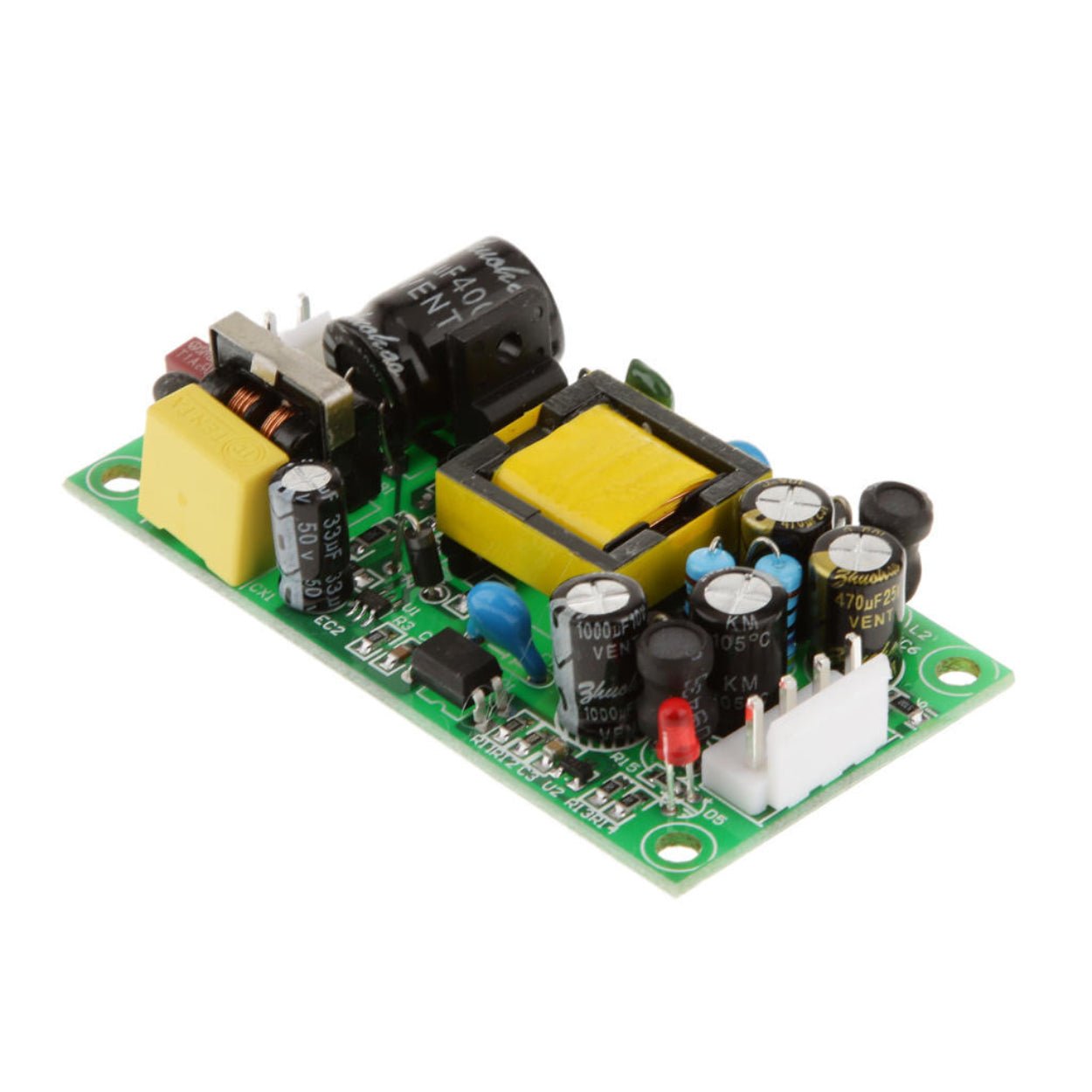
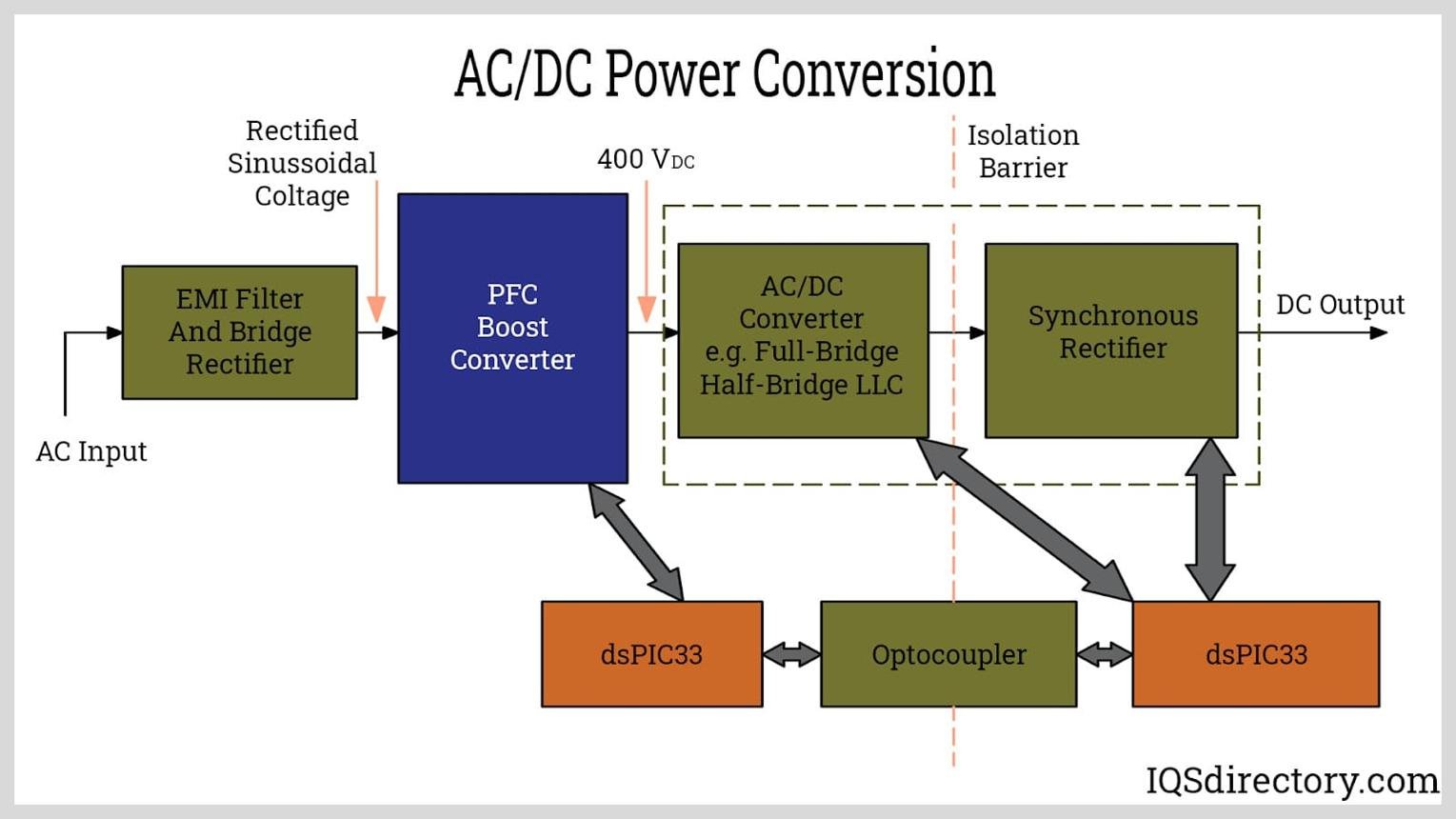
A switching power supply, commonly known as a Switch Mode Power Supply (SMPS), is an electronic device designed to convert electrical energy from one voltage level to another through high-frequency switching technology. In most applications, its primary function is to convert AC mains electricity into stable DC output voltages suitable for electronic equipment.
Unlike traditional linear power supplies, which regulate voltage by dissipating excess energy as heat, switching power supplies use power transistors that rapidly switch on and off thousands of times per second. Because these switching devices spend very little time operating in their high-loss regions, energy waste is dramatically reduced. This design principle enables switching power supplies to achieve efficiencies that often exceed 90 percent while maintaining compact dimensions and relatively low operating temperatures.
The impact of this technology is evident across nearly every industry. Modern factories depend on switching power supplies to energize programmable logic controllers, sensors, industrial computers, and communication equipment. Telecommunication networks use them to power servers, switches, and base stations. Medical devices, security systems, transportation infrastructure, and renewable energy installations all rely on the stable DC power provided by switching power supplies.
Why Have Switching Power Supplies Replaced Linear Power Supplies?
For many years, linear power supplies were the standard solution for power conversion. They were valued for their simple design, low electrical noise, and predictable performance. However, as electronic equipment became more powerful and energy efficiency became increasingly important, the limitations of linear technology became difficult to ignore.
A linear power supply reduces voltage by dissipating the difference between the input voltage and the desired output voltage as heat. While this approach is simple, it becomes increasingly inefficient as power levels rise. Large transformers, bulky heat sinks, and extensive cooling systems are often required, resulting in larger, heavier, and more expensive equipment.
Switching power supplies solve this problem by converting energy through high-frequency switching rather than heat dissipation. Because much less energy is wasted, efficiency increases significantly. The reduction in heat generation also improves reliability and allows engineers to design smaller, lighter systems without sacrificing performance.
Comparison Between Switching and Linear Power Supplies
| Feature | Switching Power Supply | Linear Power Supply |
|---|---|---|
| Typical Efficiency | 85%-96% | 40%-60% |
| Heat Generation | Low | High |
| Physical Size | Compact | Large |
| Weight | Lightweight | Heavy |
| Input Voltage Range | Wide | Limited |
| Cooling Requirements | Minimal | Significant |
| High-Power Applications | Excellent | Limited |
Although linear power supplies still have niche applications in laboratory equipment, precision instrumentation, and certain audio systems, switching power supplies have become the dominant technology for most industrial and commercial applications.

How Does a Switching Power Supply Work?
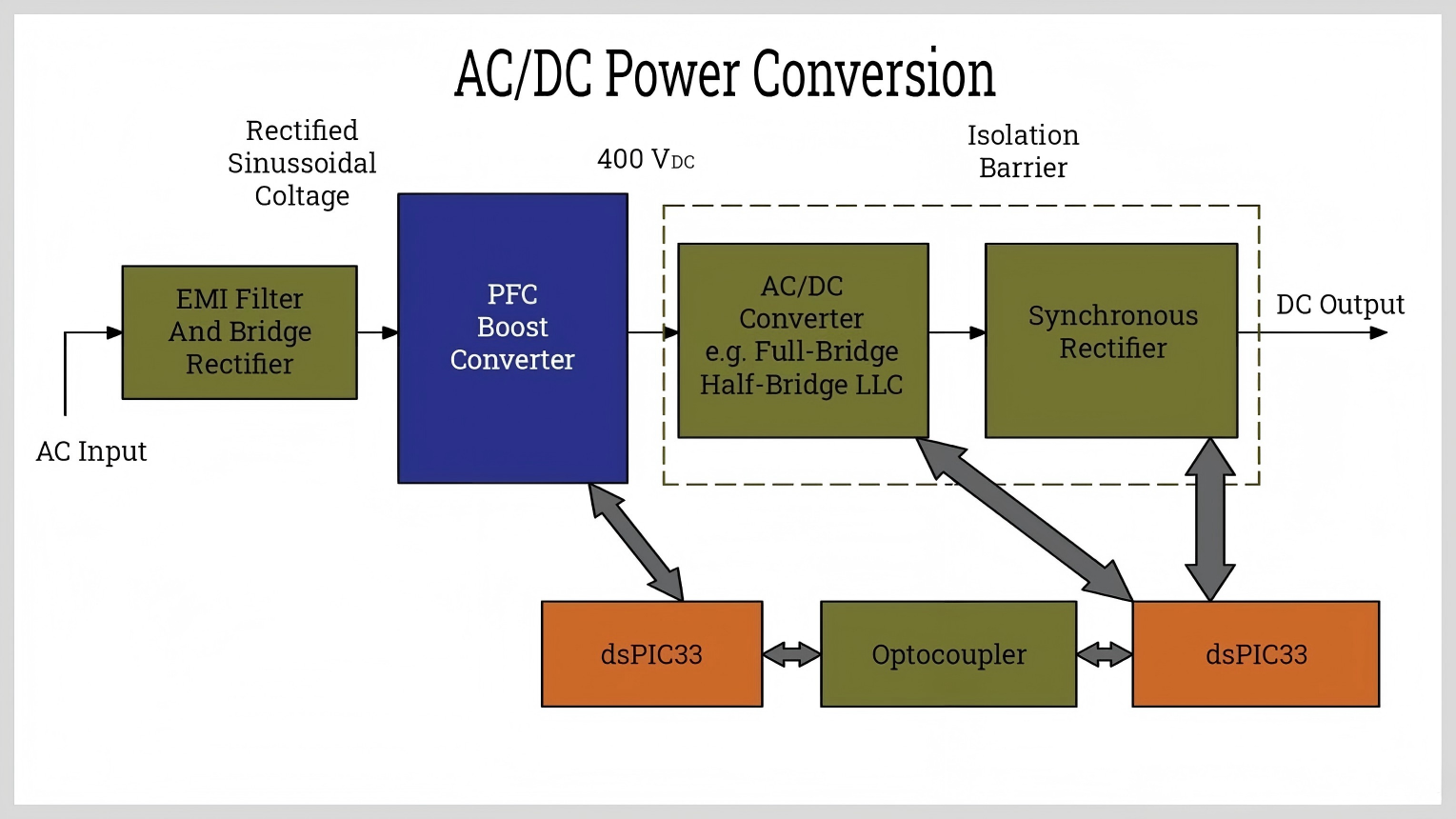
At first glance, the internal operation of a switching power supply may appear complex. However, most modern AC-to-DC switching power supplies follow a similar sequence of power conversion stages. Each stage performs a specific function designed to maximize efficiency while ensuring stable output performance.
The process begins when alternating current from the utility grid enters the power supply. Because most electronic devices require direct current rather than alternating current, the incoming AC voltage must first be converted.
Input Rectification
The first stage of the conversion process is rectification. A bridge rectifier converts the incoming AC waveform into a pulsating DC waveform. Although the resulting voltage is now flowing in only one direction, it still contains significant ripple and is not suitable for powering sensitive electronic equipment.
To reduce this ripple, large electrolytic capacitors are used to smooth the voltage. After filtering, the power supply contains a relatively high DC voltage. For example, a system operating from a 230V AC input will typically generate a DC bus voltage of approximately 320V.
This high-voltage DC serves as the energy source for the subsequent conversion stages.
Power Factor Correction (PFC)
In modern industrial power supplies, the next stage often includes Power Factor Correction, commonly known as PFC. This circuit is designed to improve the relationship between the input voltage and input current.
Without PFC, current tends to flow in short pulses rather than following the shape of the incoming voltage waveform. These pulses create harmonic distortion that can negatively affect electrical networks and reduce overall system efficiency.
Active PFC circuits reshape the input current waveform so that it closely follows the input voltage waveform. This reduces harmonic distortion, improves power quality, and helps the power supply comply with international energy regulations.
Many modern industrial power supplies achieve power factors greater than 0.95 through active PFC technology.
High-Frequency Switching
Once the high-voltage DC has been conditioned, it is fed into a switching circuit that represents the core of the power supply.
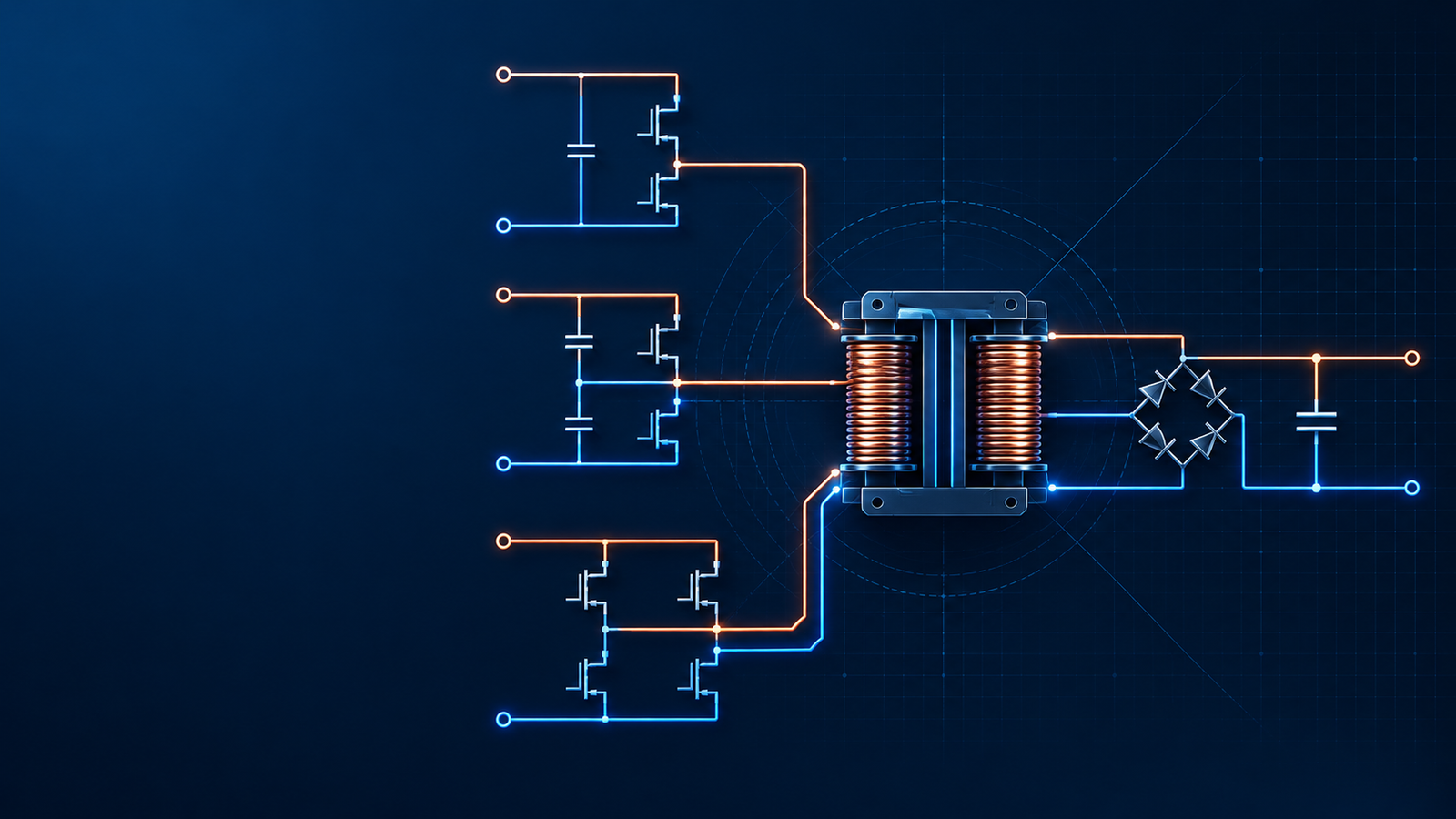
Power MOSFETs or similar switching devices rapidly turn on and off at frequencies typically ranging from 20 kHz to several hundred kilohertz. This process converts the DC voltage into a high-frequency waveform.
The use of high-frequency switching offers a significant advantage. Because transformers and magnetic components become more efficient at higher frequencies, they can be made much smaller than traditional low-frequency transformers. This is one of the main reasons why modern switching power supplies are compact despite delivering substantial power.
Transformer Isolation and Voltage Conversion
In isolated power supply designs, the high-frequency waveform passes through a transformer. This transformer serves two critical purposes.
First, it provides electrical isolation between the input and output circuits. This isolation improves user safety and protects connected equipment from potentially dangerous voltages.
Second, the transformer adjusts the voltage level according to the application's requirements. Depending on the transformer turns ratio, the voltage can be stepped up or stepped down before being delivered to the output stage.
Flyback converters, forward converters, and LLC resonant converters are among the most commonly used isolated topologies in industrial power supplies.
Output Rectification and Filtering
After passing through the transformer, the high-frequency waveform must be converted back into DC voltage. This is achieved using secondary-side rectifiers and output filtering components.
The output filter removes remaining ripple and switching noise, resulting in a clean, stable DC voltage suitable for powering sensitive electronic equipment. Modern control circuits continuously monitor the output and adjust switching behavior to maintain precise voltage regulation under varying load conditions.
The Key Advantages of Switching Power Supplies
The widespread adoption of switching power supplies is driven by several significant advantages that directly benefit both equipment manufacturers and end users.
Perhaps the most important advantage is efficiency. Modern industrial switching power supplies commonly achieve efficiency ratings between 90 and 96 percent. This means that a much larger proportion of incoming electrical energy is delivered to the load rather than being lost as heat. Improved efficiency reduces electricity consumption, lowers operating costs, and simplifies thermal management.
Typical Power Supply Efficiency
| Power Supply Type | Typical Efficiency |
|---|---|
| Linear Power Supply | 40%-60% |
| Standard Switching Power Supply | 85%-92% |
| High-Efficiency Industrial SMPS | 93%-96% |
Another important advantage is compact size. Because switching power supplies operate at high frequencies, the transformers and magnetic components can be significantly smaller than those used in traditional power conversion systems. This allows engineers to design smaller products while maintaining high power output.
Reliability is equally important. Reduced heat generation means that critical components experience less thermal stress over time. Combined with protection features such as over-voltage protection, over-current protection, short-circuit protection, and over-temperature protection, modern switching power supplies can provide years of continuous operation in demanding industrial environments.
Industrial Applications of Switching Power Supplies
The versatility of switching power supplies has made them essential across a wide range of industries.
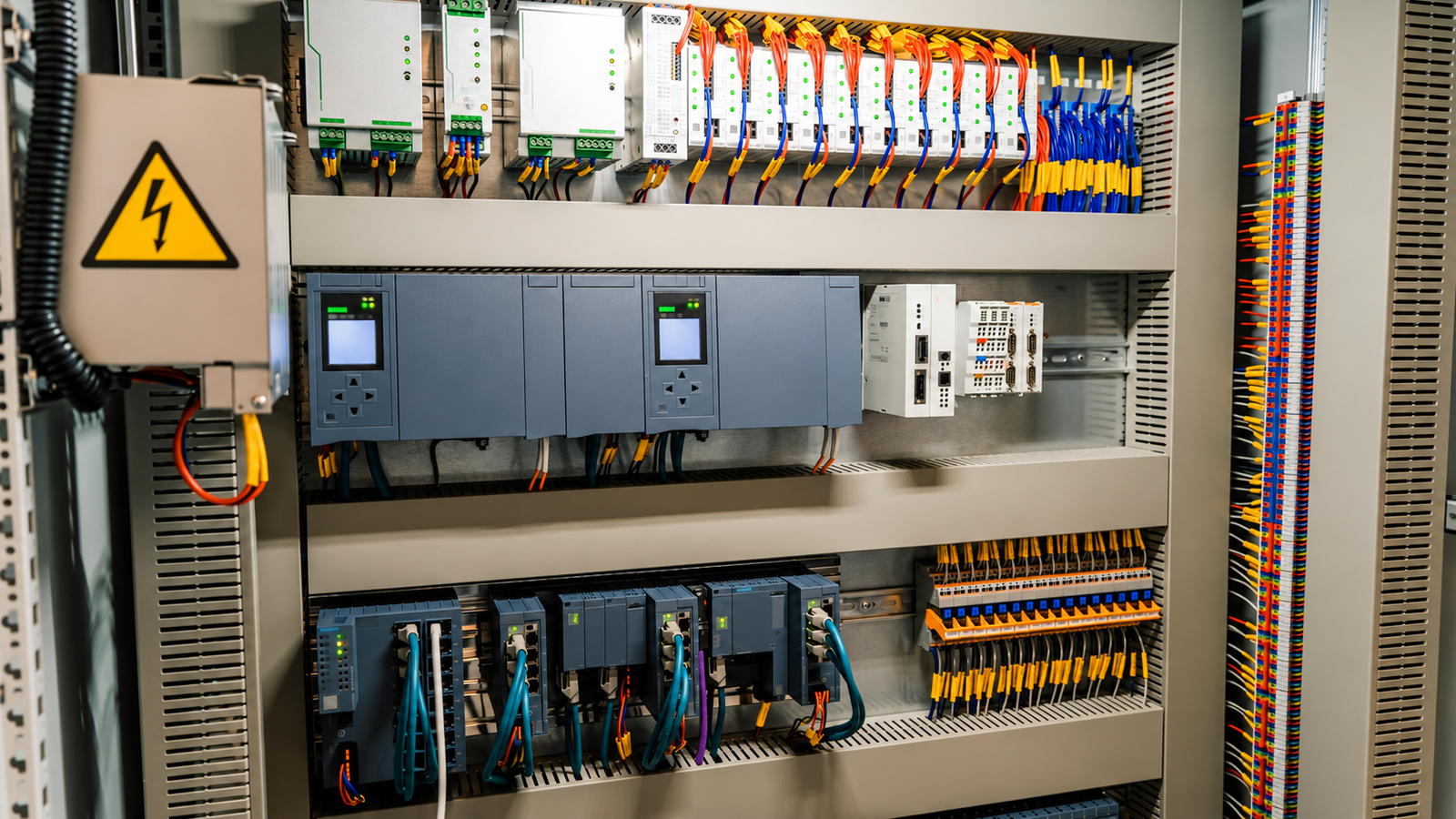
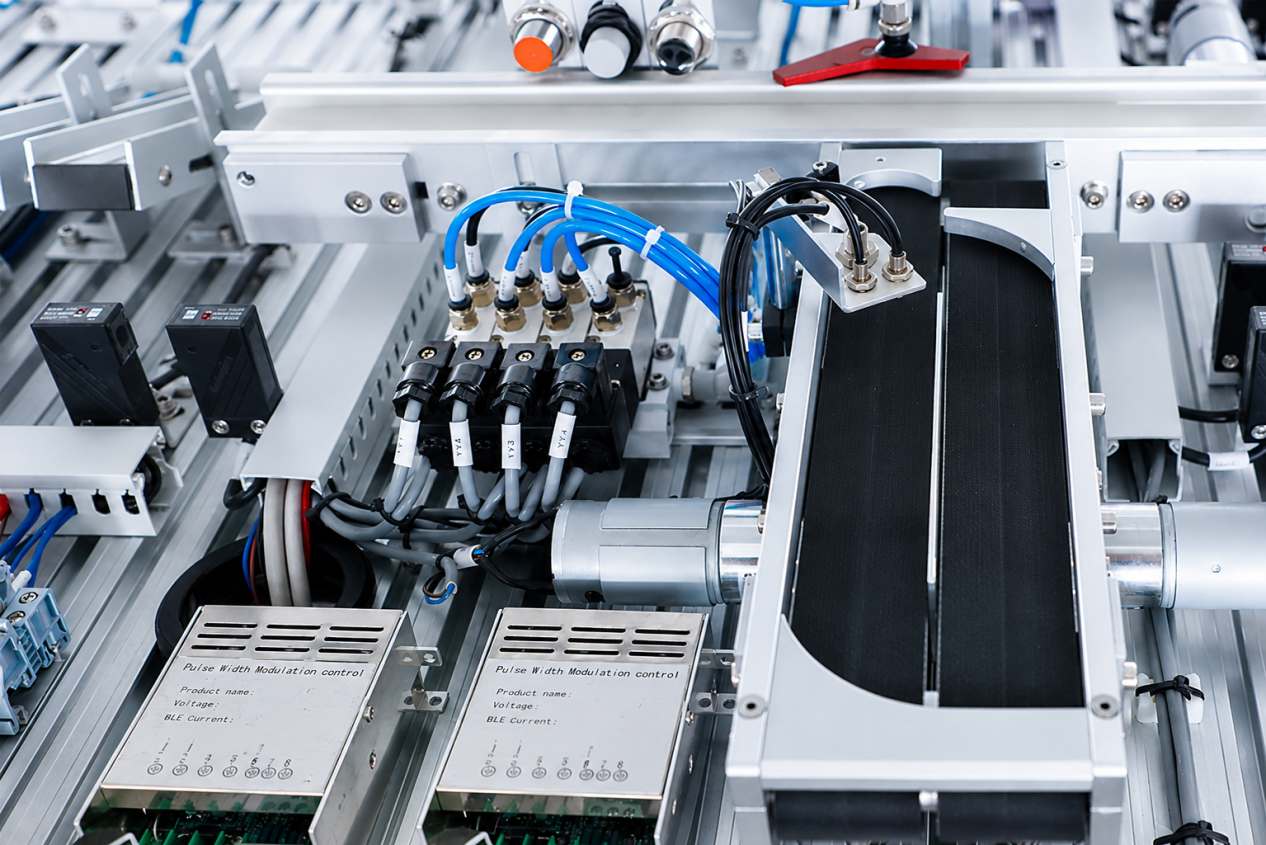
Industrial automation represents one of the largest application sectors. Manufacturing facilities depend on stable DC power for PLCs, sensors, human-machine interfaces, industrial computers, servo drives, and communication networks. Even brief interruptions in power quality can result in costly downtime, making reliable power conversion critical.
Telecommunications infrastructure is another major application area. Network switches, routers, servers, fiber-optic equipment, and wireless base stations all require highly reliable DC power. In many telecom installations, 48V DC power systems have become the industry standard because of their efficiency and reliability.
LED lighting systems also benefit from switching power supply technology. Commercial lighting, street lighting, architectural lighting, and signage systems require efficient power conversion to maximize energy savings and ensure long operating lifetimes.
Medical equipment, security systems, transportation infrastructure, and renewable energy installations similarly depend on switching power supplies to deliver stable and reliable power under a wide range of operating conditions.
Choosing the Right Switching Power Supply
Selecting the right switching power supply requires careful consideration of the application's electrical and environmental requirements. Output voltage, output power, operating temperature, installation environment, safety certifications, and reliability ratings should all be evaluated before making a purchasing decision.
As a general rule, engineers should provide sufficient power margin to accommodate startup currents, future system expansion, and unexpected load variations. A power supply operating continuously at its maximum rating may experience reduced lifespan compared with a properly sized unit operating within its optimal performance range.
For industrial applications, certifications such as CE, UL, RoHS, and CB often play an important role in ensuring regulatory compliance and market acceptance.
Conclusion
Switching power supplies have fundamentally transformed modern power conversion. Their ability to efficiently convert AC power into stable DC output while maintaining compact size, low heat generation, and high reliability has made them the preferred solution across virtually every industry.
From industrial automation and telecommunications to LED lighting and medical equipment, switching power supplies provide the performance, efficiency, and flexibility required by today's increasingly sophisticated electronic systems. As technology continues to evolve and energy efficiency standards become more demanding, switching power supplies will remain at the center of modern electrical and electronic design.
For businesses seeking reliable power conversion solutions, investing in a high-quality switching power supply is not simply a technical decision-it is an investment in system performance, operational efficiency, and long-term reliability.
Buyer Checklist
- Confirm input and output voltage before model selection.
- Check wattage, load margin and operating temperature.
- Review installation space, airflow and protection requirements.
- Share project quantity and application details for quotation support.