Electricity powers modern industry, but before it can drive a machine, support a control system, or charge an electronic device, it usually needs to be converted into a stable and usable form.
Overview
Electricity powers modern industry, but before it can drive a machine, support a control system, or charge an electronic device, it usually needs to be converted into a stable and usable form. That process happens quietly in the background, yet it is essential to how modern equipment operates. At the center of it is the switching power supply.
From industrial automation and telecommunications to consumer electronics and renewable energy systems, switching power supplies have become one of the most widely used power conversion technologies in the world. Their role is straightforward but critical: converting incoming electrical energy into reliable output while minimizing loss, heat, and wasted space.
At SIPURUI, we work with industrial systems where performance depends not only on mechanical precision, but also on electrical stability. Power quality affects machine response, operational consistency, and long-term reliability. For that reason, switching power supply technology matters not only to electrical engineers, but also to equipment manufacturers, system designers, and maintenance teams across the industrial supply chain.
What Is a Switching Power Supply?
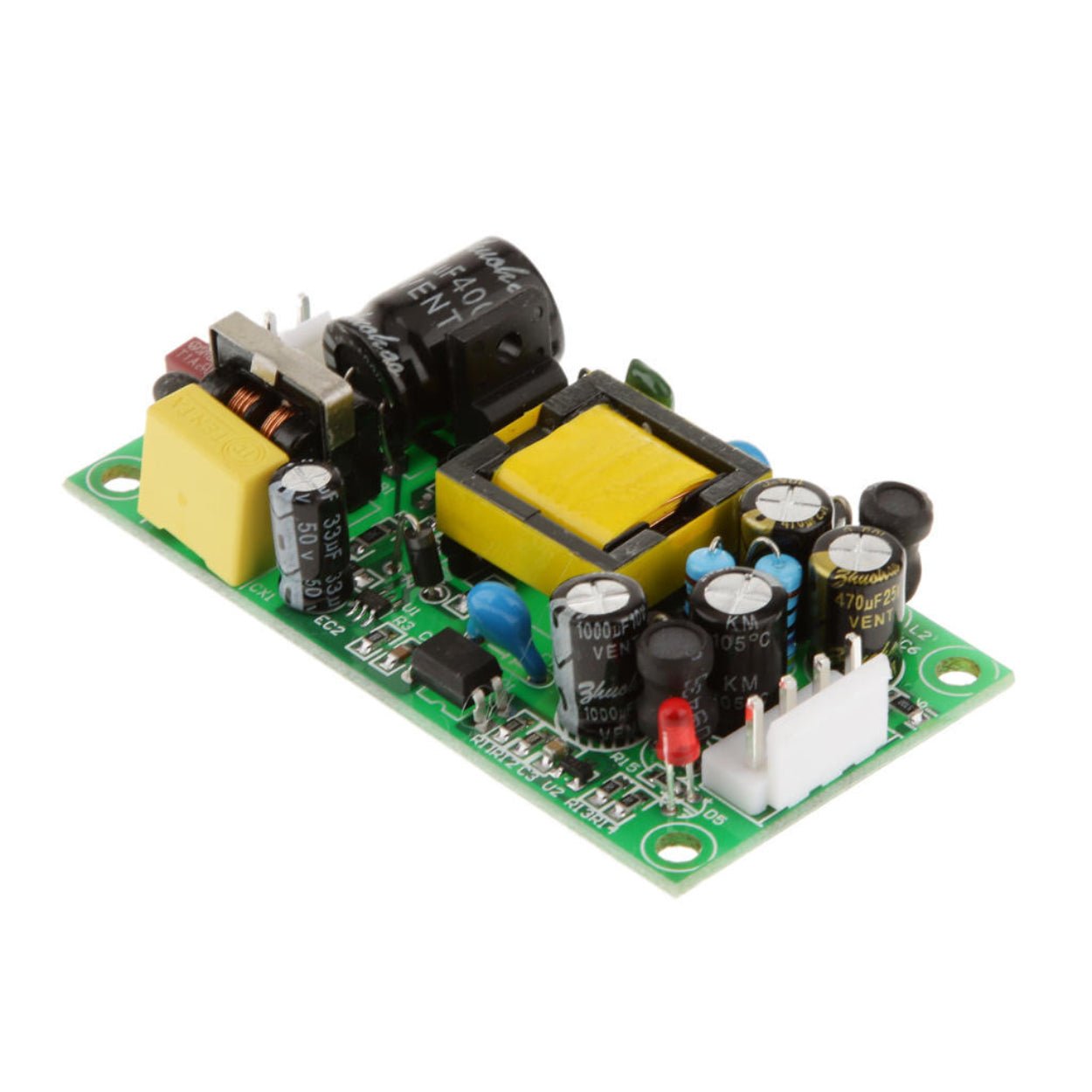
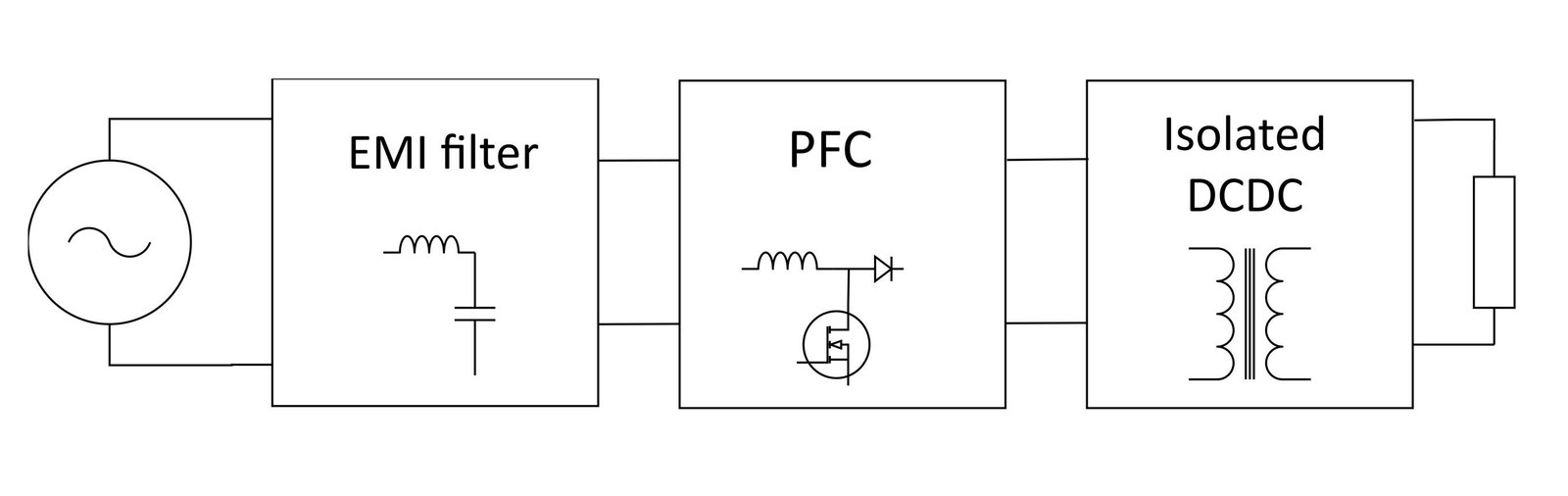
A switching power supply is an electronic device that converts electrical energy from one voltage or current level into another using high-frequency switching regulation.
Its most common application is converting AC power from the grid into regulated DC power for electronic equipment. In other systems, it may raise voltage, reduce voltage, or regulate DC output between different levels depending on operational requirements.
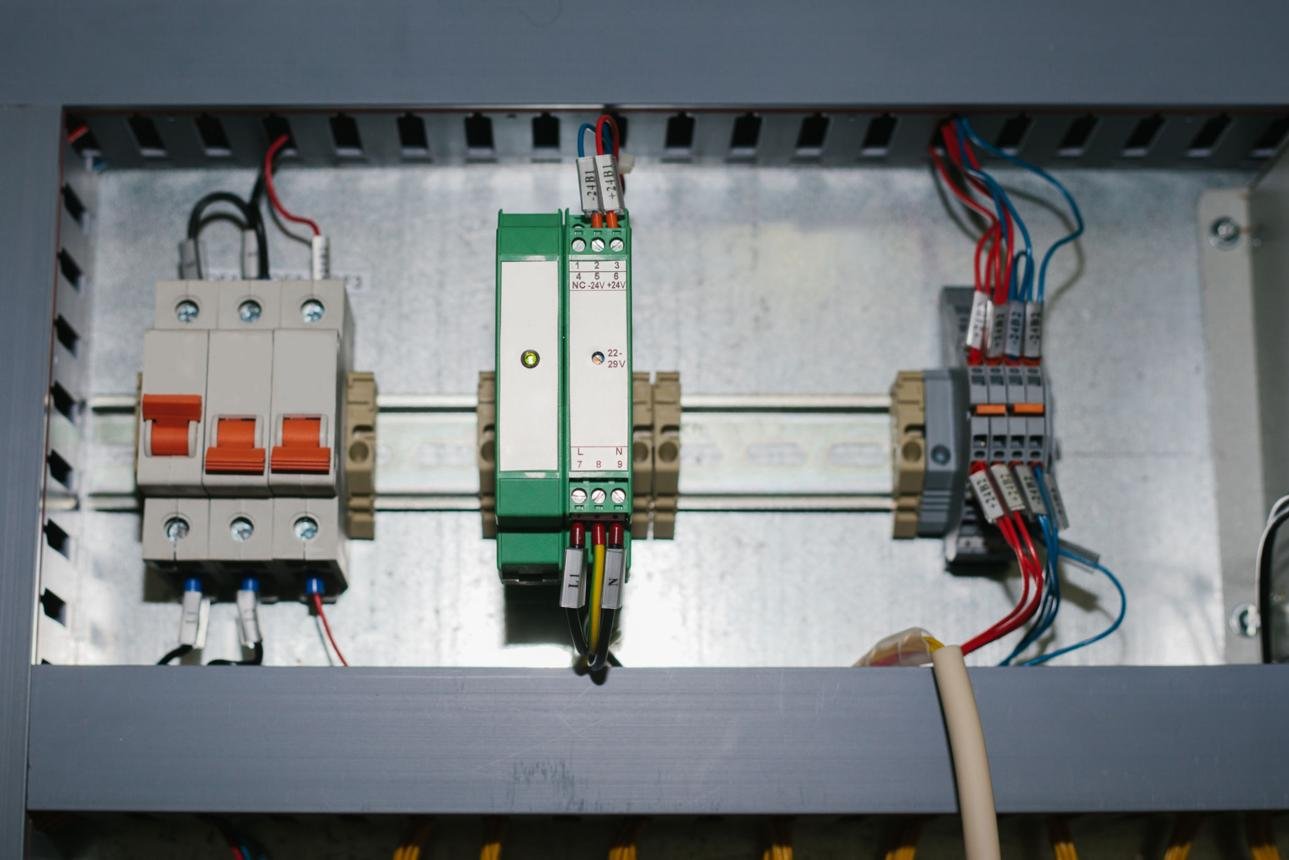
What separates switching power supplies from traditional linear designs is the way they regulate energy.
Instead of dissipating excess voltage as heat, switching power supplies control output by rapidly switching semiconductor devices on and off. Energy is transferred in controlled pulses, which allows the system to regulate voltage efficiently while reducing power loss.
This design approach makes higher efficiency possible while also reducing size, weight, and thermal load. It is one of the main reasons modern power supplies can deliver substantial output in increasingly compact designs.
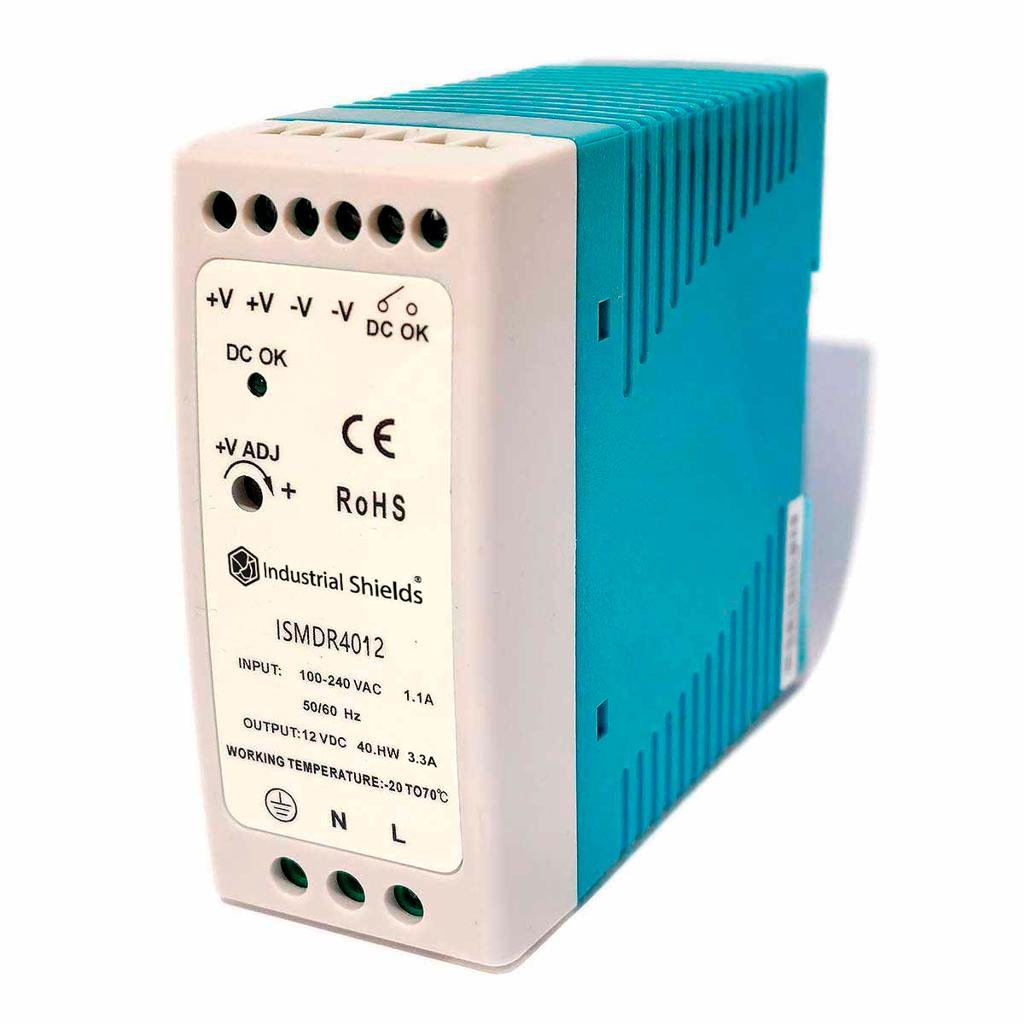

How Switching Power Conversion Works
Although switching power supplies come in different topologies and configurations, the core operating principle remains similar.
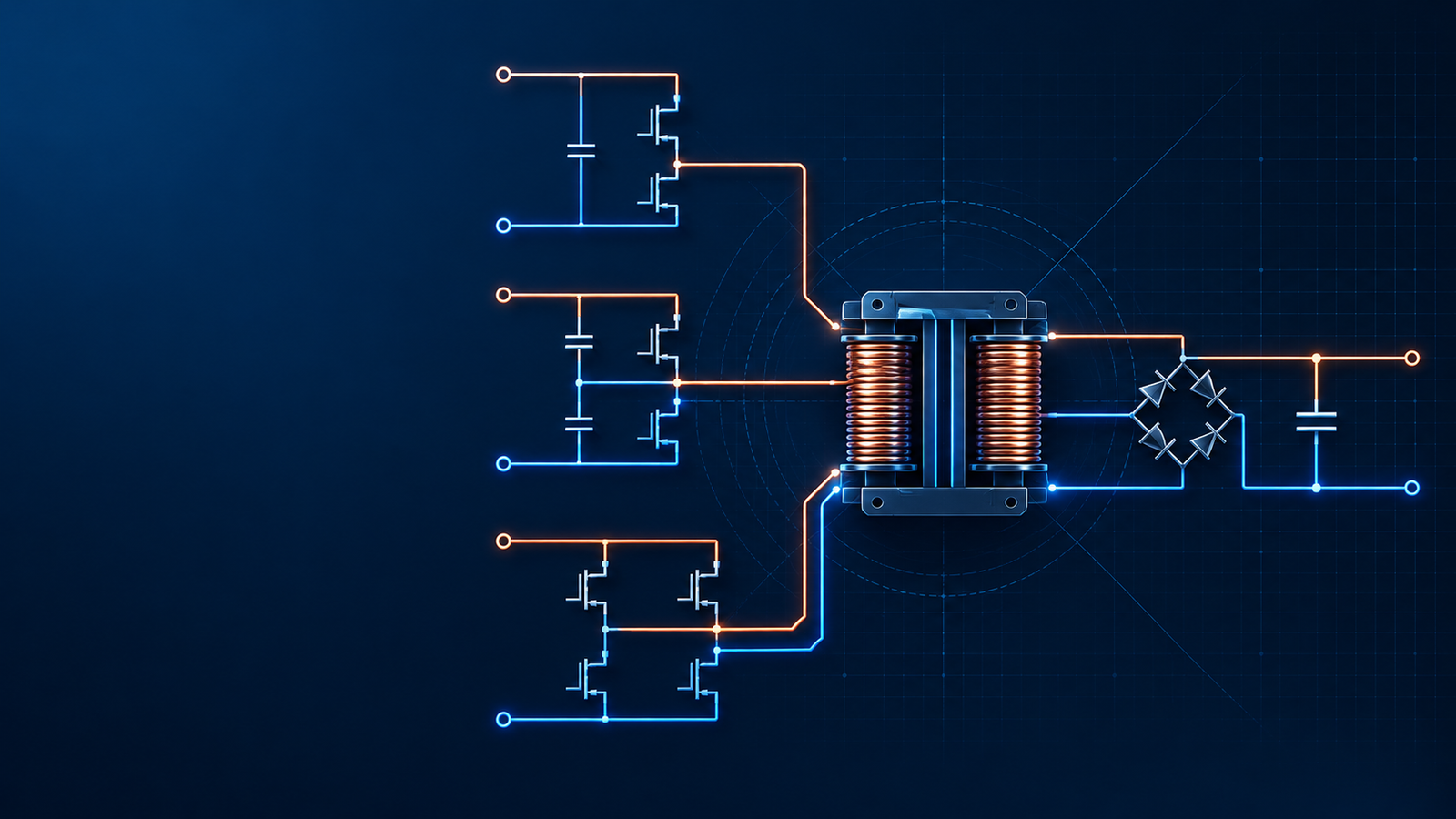
Electrical power enters the unit and is first conditioned for conversion. Semiconductor switching devices then regulate the transfer of energy at high frequency, creating a controlled waveform that can be efficiently transformed to the required voltage level.
After conversion, the output is filtered into stable DC power suitable for the connected load.
What makes this process especially effective is its ability to regulate continuously during operation. In real applications, power demand is constantly changing. Loads rise and fall, input voltage can vary, and operating conditions shift throughout the working cycle. A switching power supply is designed to respond to those variations while maintaining stable output, which is why it performs reliably across such a wide range of industrial and electronic applications.
Why Switching Power Supplies Became the Industry Standard
The widespread adoption of switching power supplies is largely tied to efficiency.
Compared with traditional linear power supplies, they waste far less energy during conversion. Less energy loss means less heat generation, which improves thermal performance and reduces stress on surrounding components.
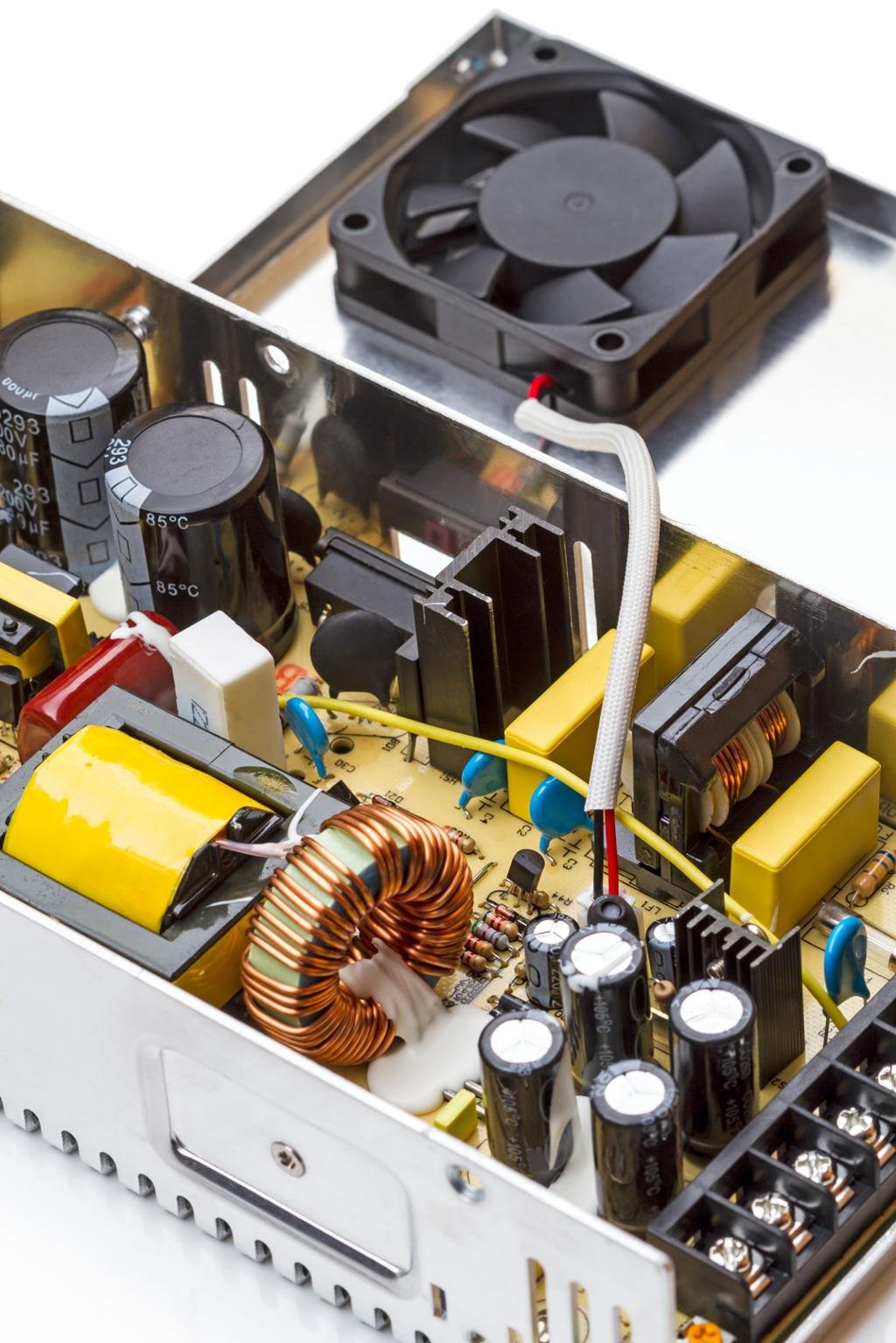
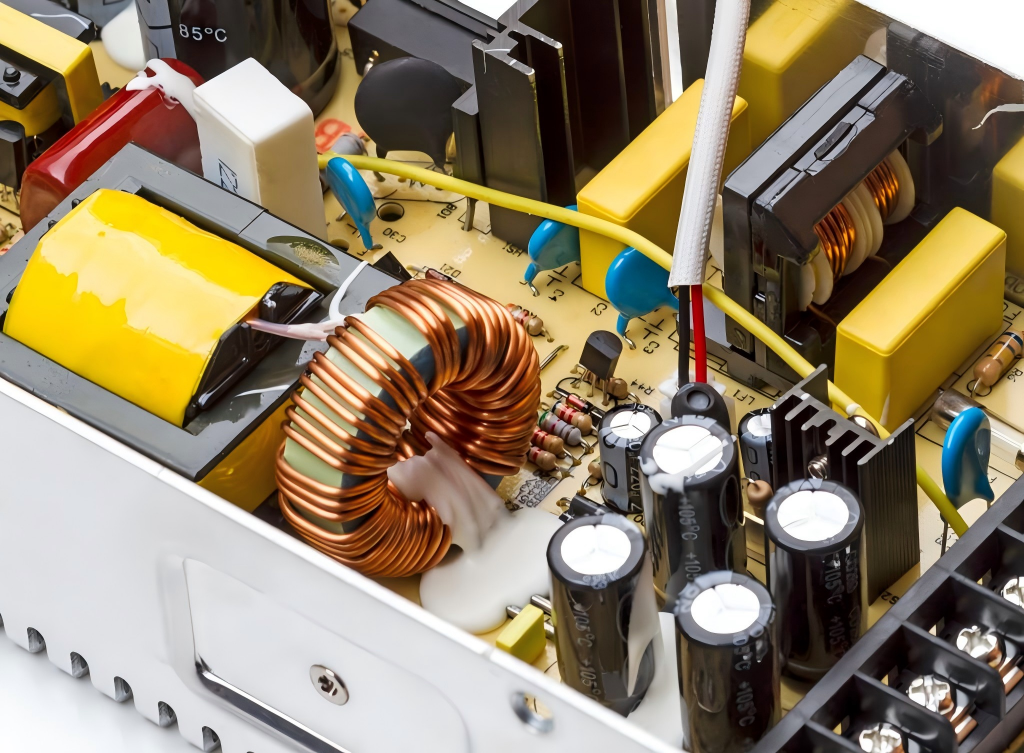
That efficiency also makes more compact design possible. Because switching takes place at high frequency, magnetic components such as transformers can be significantly smaller than those used in conventional low-frequency systems. This allows more power to be delivered from a smaller footprint.
For industrial equipment manufacturers, that combination of efficiency, compact size, and stable regulation offers clear advantages. It supports flexible system integration, improves energy performance, and contributes to long-term operational reliability.
Many switching power supplies also support wide input voltage ranges, making them suitable for global equipment deployment across different regional power standards.
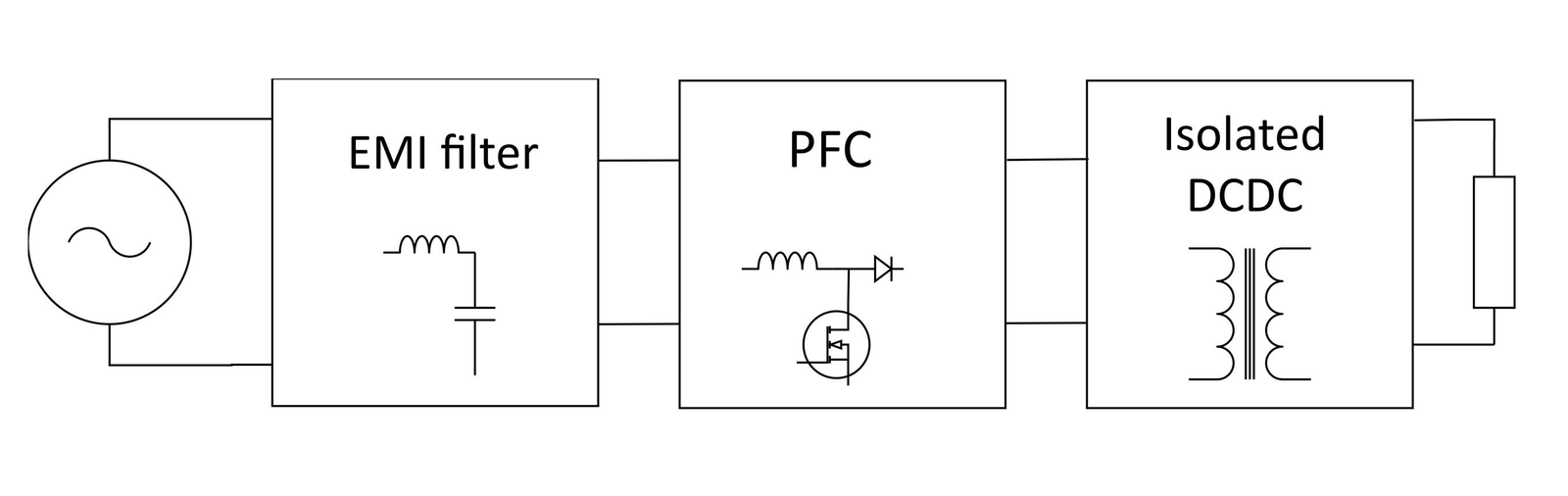
Switching Power Supply vs Linear Power Supply
Although both technologies serve the same basic purpose, their performance characteristics are quite different.
| Characteristic | Switching Power Supply | Linear Power Supply |
|---|---|---|
| Efficiency | High | Lower |
| Heat Generation | Lower | Higher |
| Size | Compact | Larger |
| Weight | Lightweight | Heavy |
| Power Density | High | Lower |
| Input Voltage Range | Wide | More Limited |
| Common Applications | Automation, industrial equipment, chargers | Analog circuits, laboratory equipment |
Linear power supplies are still used in certain applications where extremely low electrical noise is required. However, for most modern industrial and electronic systems, switching power supplies offer a better balance between performance, efficiency, and practicality.
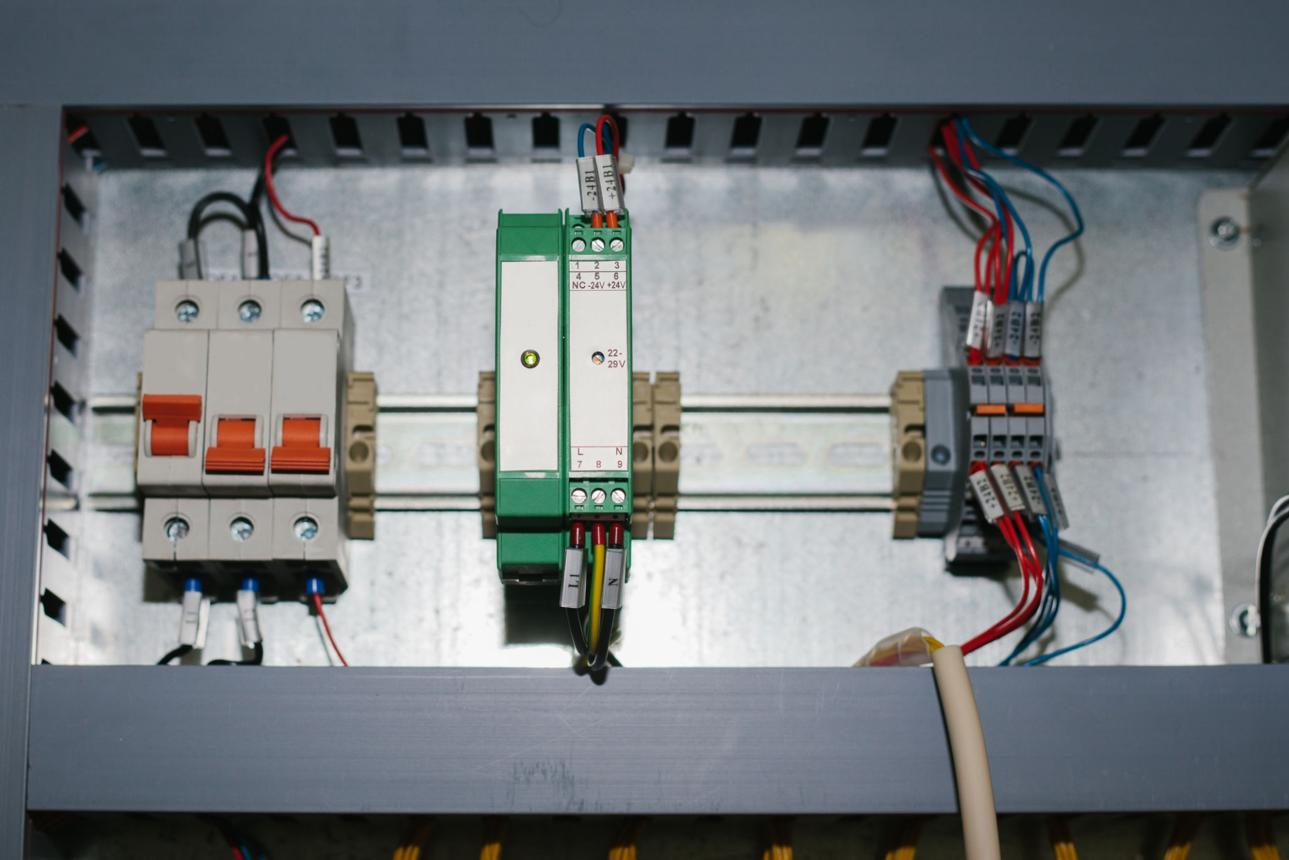
Applications Across Modern Industry
Switching power supply technology is now found across nearly every major industry.
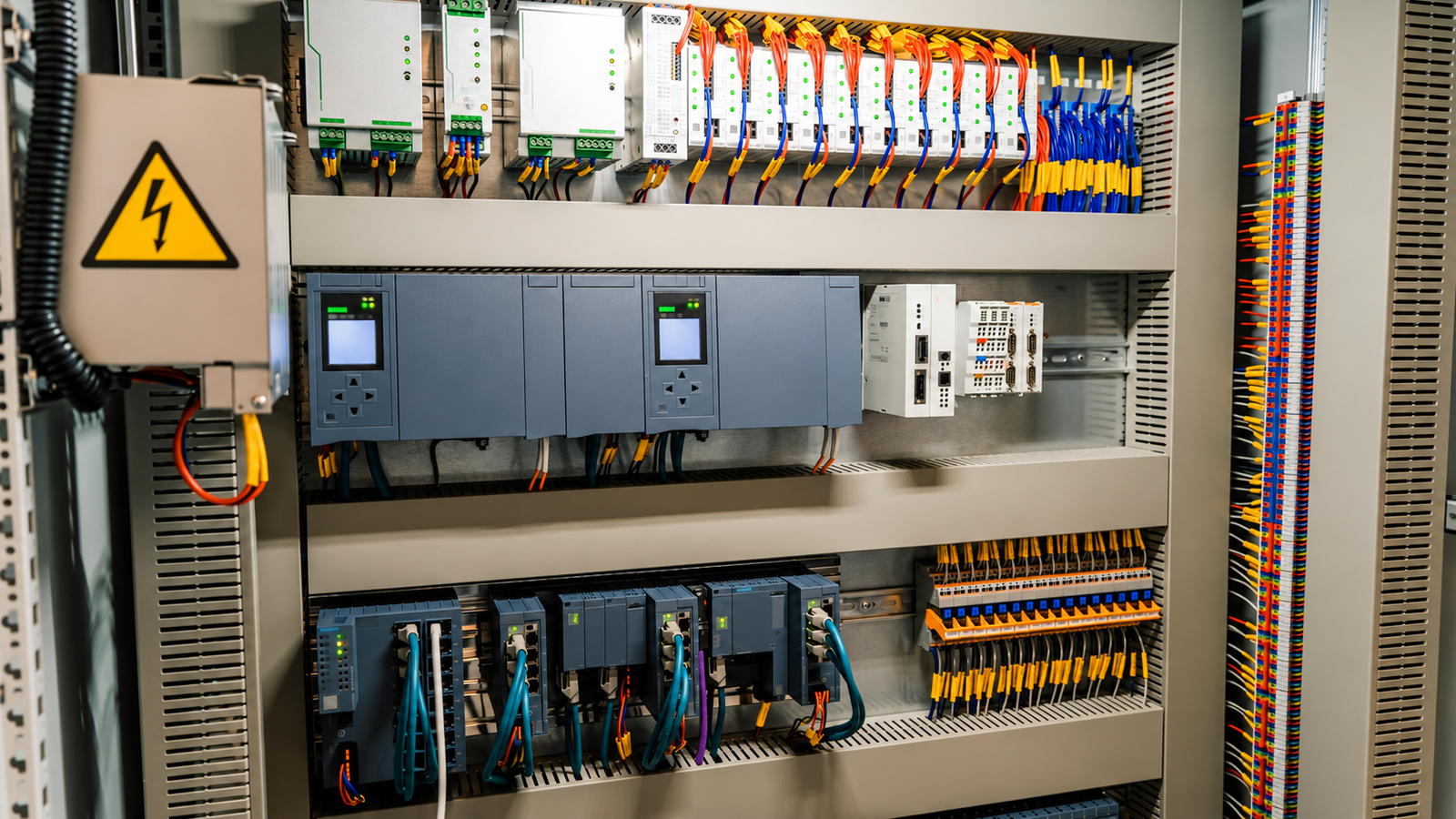
In manufacturing, it supports PLCs, CNC equipment, servo systems, sensors, industrial displays, and automated production lines.
In communications infrastructure, it powers routers, network hardware, server systems, and transmission equipment that require stable continuous operation.
In medical systems, it provides regulated power where reliability and isolation are essential for safe performance.
In renewable energy applications, it plays a key role in battery charging systems, energy storage, inverter technology, and EV charging infrastructure.
Even in everyday consumer products-from laptops and chargers to LED lighting and home electronics-the same core technology is working behind the scenes.
Across all of these applications, the objective remains consistent: efficient power conversion with stable output and dependable operation.
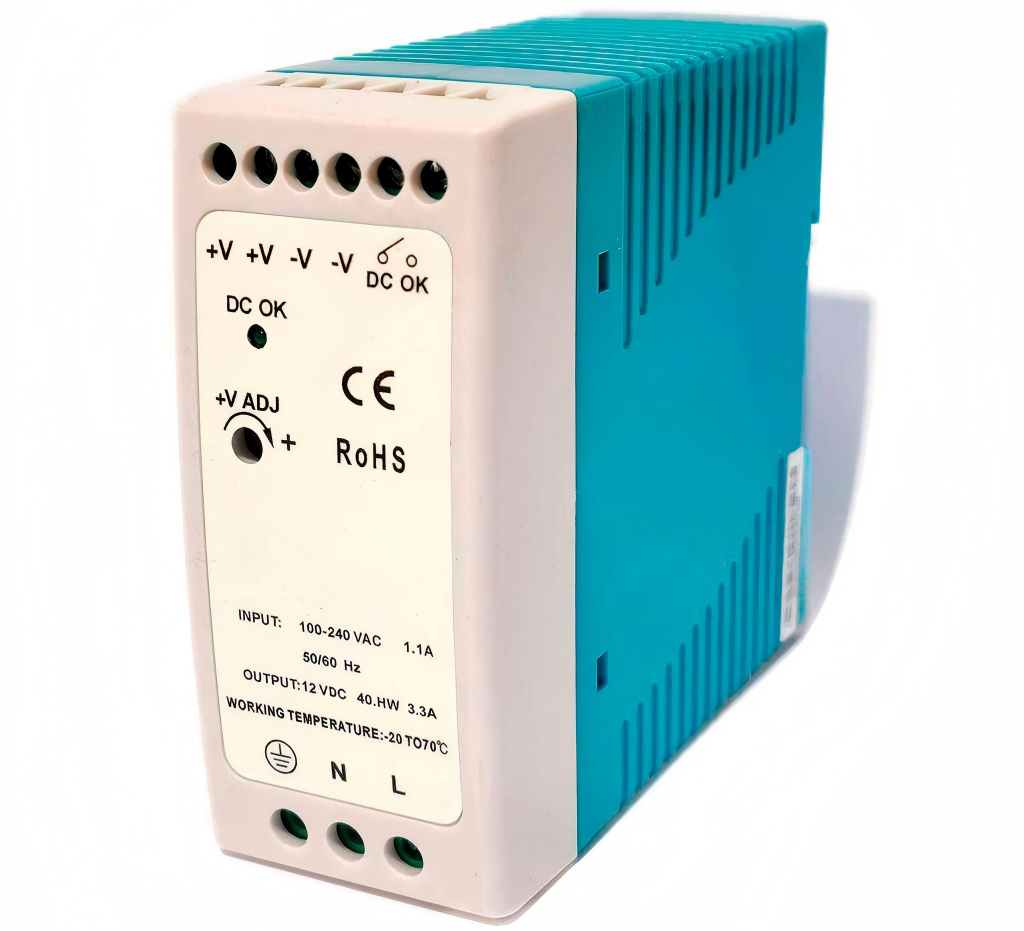
Choosing the Right Switching Power Supply
Selecting a switching power supply involves more than matching voltage and current ratings.
In industrial environments, real operating conditions often determine performance more than specifications alone. Ambient temperature, ventilation, duty cycle, available installation space, and load variation all affect how a power supply performs over time.
Thermal management is especially important in enclosed cabinets or high-duty systems where heat buildup becomes a long-term factor.
Protection capability is equally important. Features such as over-voltage protection, overload protection, short-circuit protection, and thermal shutdown help improve safety while protecting connected equipment from unexpected failure.
For many manufacturers and system builders, long-term stability is often the most valuable performance characteristic. A power supply that operates reliably over thousands of hours under real production conditions typically delivers greater value than one selected only by peak output rating.
Looking Ahead
Switching power supply technology continues to evolve alongside modern electronics and industrial engineering.
Higher efficiency standards, greater power density, and more compact designs continue to drive innovation across the industry.
Advanced semiconductor materials such as Gallium Nitride and Silicon Carbide are enabling faster switching, lower losses, and improved thermal performance. At the same time, digital monitoring and intelligent power management are becoming increasingly common in connected industrial systems.
The direction is clear: smaller, smarter, and more efficient power conversion integrated more deeply into the equipment it supports.
Final Thoughts
Switching power supplies may not be the most visible part of a machine or electronic system, but they are one of the most important.
They make modern equipment more efficient, more compact, and more reliable. They support stable operation, reduce wasted energy, and provide the electrical foundation behind countless industrial and electronic applications.
From factory automation and control systems to charging infrastructure and modern electronics, switching power supply technology continues to power the systems industry depends on every day.
At SIPURUI, we see reliable power conversion as an essential part of reliable engineering. Behind every stable system is a stable source of power-and switching power supplies remain a critical part of that foundation.
Buyer Checklist
- Confirm input and output voltage before model selection.
- Check wattage, load margin and operating temperature.
- Review installation space, airflow and protection requirements.
- Share project quantity and application details for quotation support.