Are you looking for a reliable, efficient, and versatile power solution?
Overview
Are you looking for a reliable, efficient, and versatile power solution? A switch-mode power supply (SMPS) is often the best choice for modern electronic systems.
A switch-mode power supply-also known as a switching power supply or switcher-is an electronic device that converts electrical energy from one form to another. Most commonly, it converts AC mains power into regulated DC voltage used by electronic equipment.
Because of its high efficiency, compact size, and flexibility, SMPS technology is widely used in industries such as:
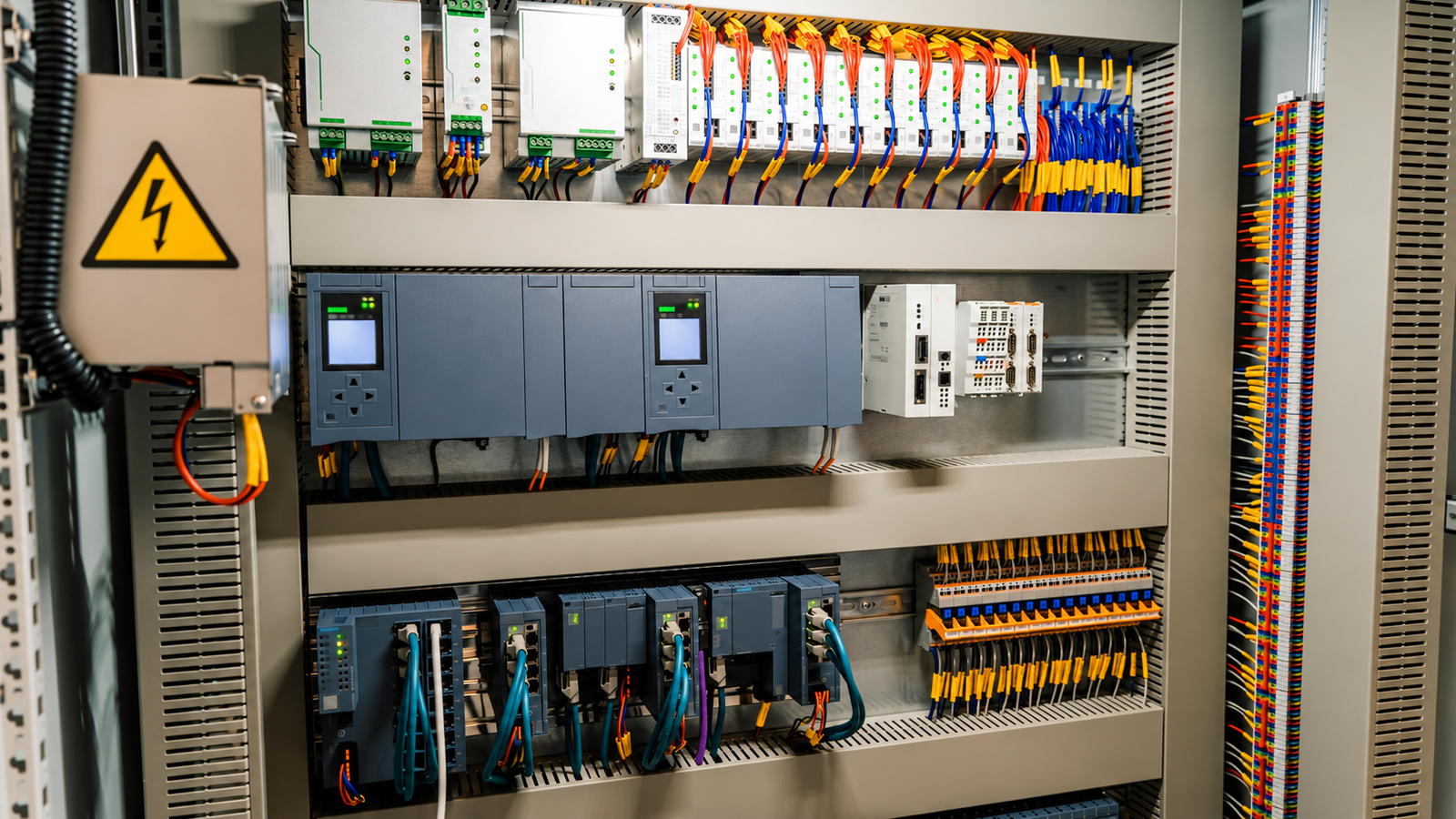
Industrial automation
Telecommunications
Medical equipment
Computers and consumer electronics
LED lighting systems
Automotive electronics
In this article, we will explore how switch-mode power supplies work, their advantages, common types, and the key factors to consider when selecting one.
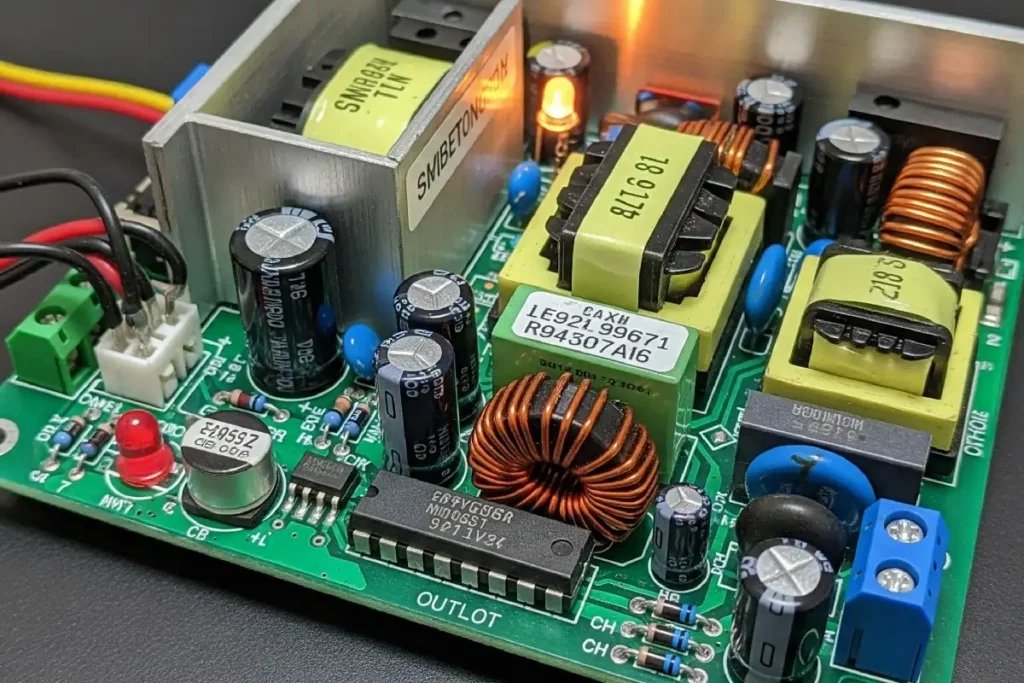
The Basics of Switch Mode Power Supplies
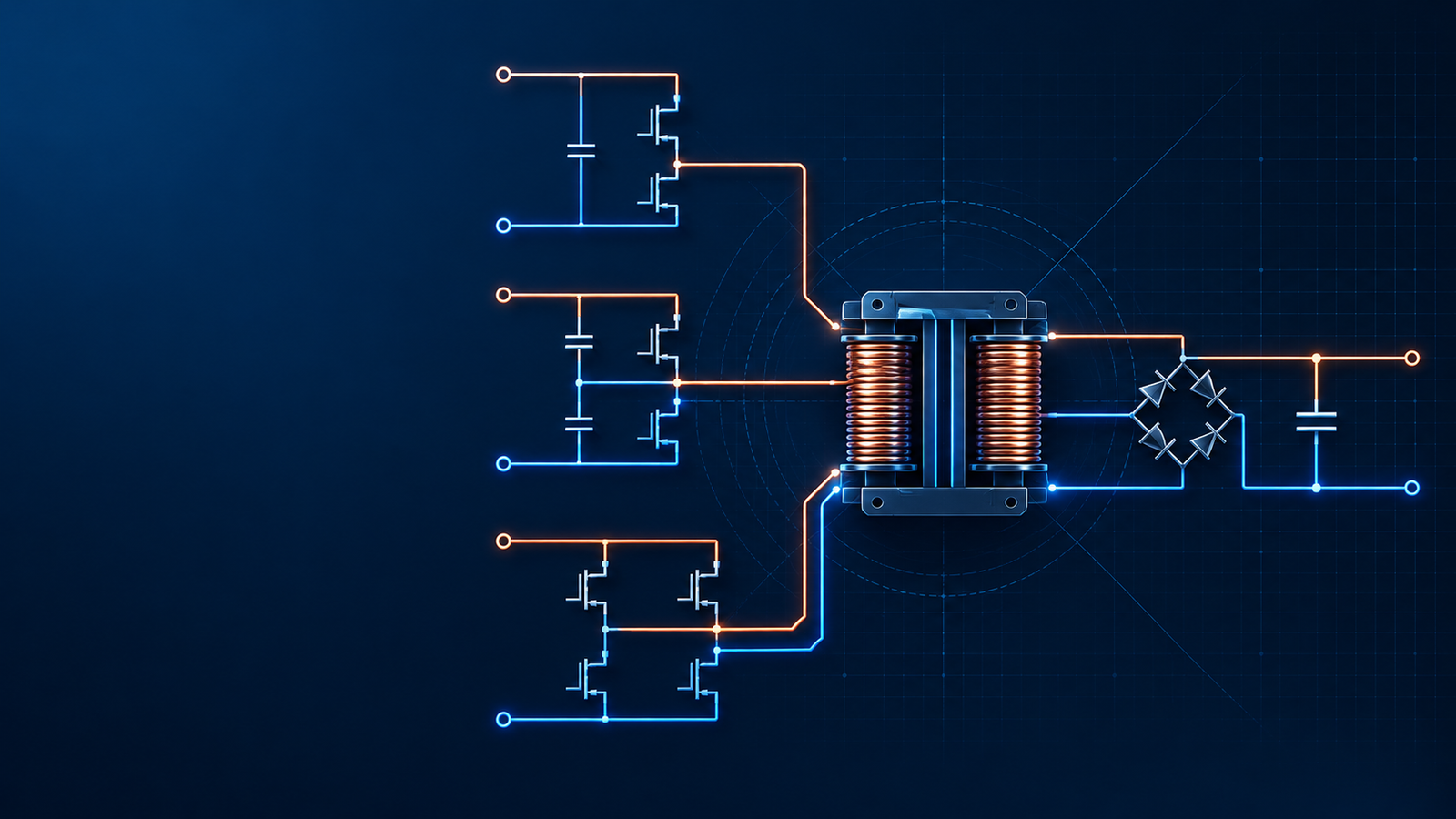
A switch-mode power supply operates by using high-frequency switching technology to convert electrical power efficiently.
Unlike traditional linear power supplies, which regulate voltage by dissipating excess energy as heat, an SMPS rapidly switches electronic components on and off to control energy flow. This method significantly reduces power loss and increases overall efficiency.
The typical operating process includes:
Rectification - AC input is converted into DC.
High-frequency switching - Transistors switch current at high speed.
Energy storage - Inductors or transformers store energy temporarily.
Filtering and regulation - Output voltage is stabilized and filtered.
Because switching occurs at high frequencies, the required transformers and inductors can be much smaller, making SMPS lighter and more compact than linear power supplies.
Rectification - AC input is converted into DC.
High-frequency switching - Transistors switch current at high speed.
Energy storage - Inductors or transformers store energy temporarily.
Filtering and regulation - Output voltage is stabilized and filtered.
Advantages of Using a Switch Mode Power Supply
Switch-mode power supplies provide several important advantages over conventional power supplies.
High Energy Efficiency
One of the most significant benefits of SMPS is high efficiency, often reaching 80-95% depending on the design.
Linear power supplies waste excess energy as heat, whereas SMPS converts energy more effectively. This results in:
Lower power consumption
Reduced heat generation
Lower operating costs
Compact Size and Lightweight Design
Because SMPS operates at high switching frequencies, the required transformers and filters are much smaller. This allows SMPS units to be compact and lightweight, making them ideal for devices where space is limited.
Examples include:
Laptop chargers
Mobile phone adapters
Industrial control equipment
Stable Output Voltage
Switch-mode power supplies provide excellent voltage regulation. Even if the input voltage fluctuates or the load changes, the output voltage remains stable.
This stability is crucial for sensitive electronic systems, such as communication equipment and medical devices.
Multiple Output Voltages
Many SMPS designs can provide multiple output voltages simultaneously, which is very useful in complex electronic systems.
For example, a computer power supply may generate:
12V
5V
3.3V
from a single input power source.
Reduced Electromagnetic Noise
With proper design and filtering, SMPS can minimize electromagnetic interference (EMI), allowing them to operate reliably in environments where electrical noise could disrupt sensitive equipment.
Types of Switch Mode Power Supplies
Several different SMPS topologies are commonly used depending on power requirements and applications.
Buck Converter (Step-Down Converter)
A buck converter reduces input voltage to a lower output voltage.
Typical applications include:
Battery charging circuits
LED lighting drivers
Microcontroller power regulation
Buck converters are widely used because of their simplicity and high efficiency.
Boost Converter (Step-Up Converter)
A boost converter increases the output voltage above the input voltage.
Common applications include:
USB power systems
High-power LED drivers
Automotive electronics
Boost converters are useful when the available voltage must be increased to power specific devices.
Buck-Boost Converter
A buck-boost converter can either increase or decrease the output voltage depending on the input conditions.
This flexibility makes it suitable for systems where the input voltage varies, such as:
Battery-powered devices
Portable electronics
Solar power systems
Flyback Converter
The flyback converter is commonly used for low-power isolated power supplies.
It uses a transformer to transfer energy and provides galvanic isolation between input and output.
Typical applications include:
Phone chargers
Smart home devices
Small power adapters
Forward Converter
A forward converter is similar to the flyback converter but designed for higher power applications.
It offers improved efficiency and better performance in systems such as:
Industrial control equipment
Data center power supplies
High-power inverters
Factors to Consider When Choosing an SMPS
Selecting the right switch-mode power supply requires evaluating several key factors.
Power Requirements
First determine the required voltage and current for your system. The SMPS should provide sufficient power capacity without operating at its limit.
Efficiency
Higher efficiency means:
Less wasted energy
Lower operating temperature
Longer component life
Look for power supplies with high efficiency ratings.
Size and Form Factor
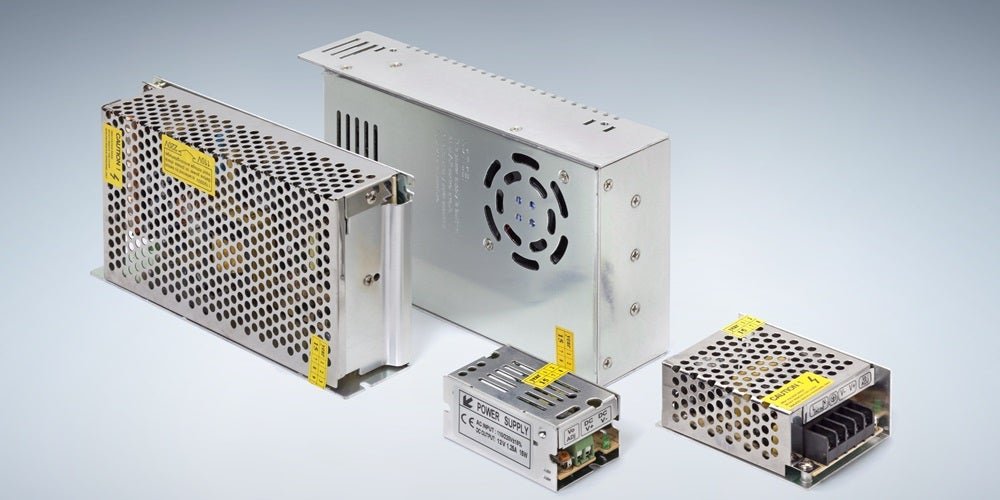
Consider the available space in your system and select a power supply that fits the required form factor.
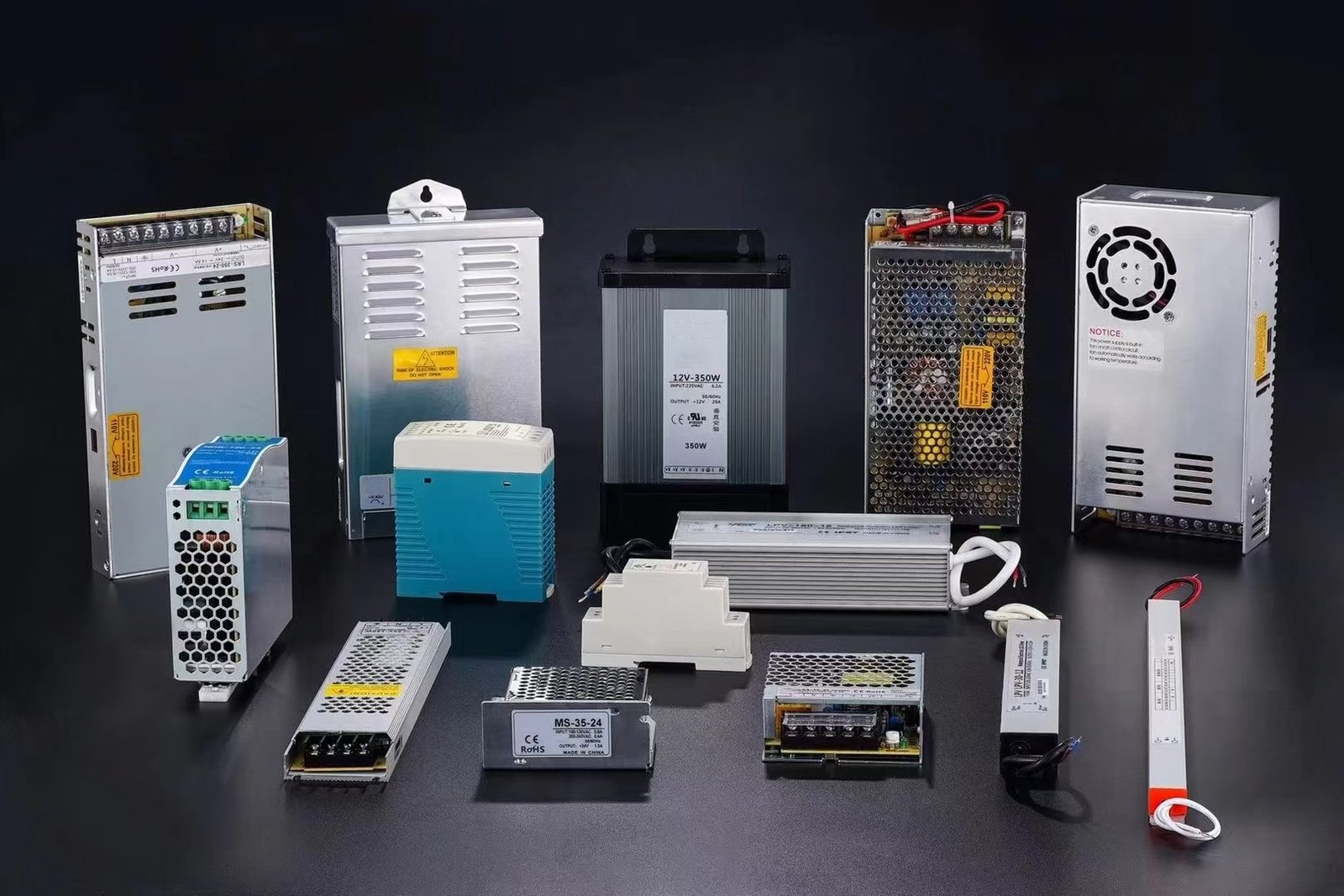
Common types include:
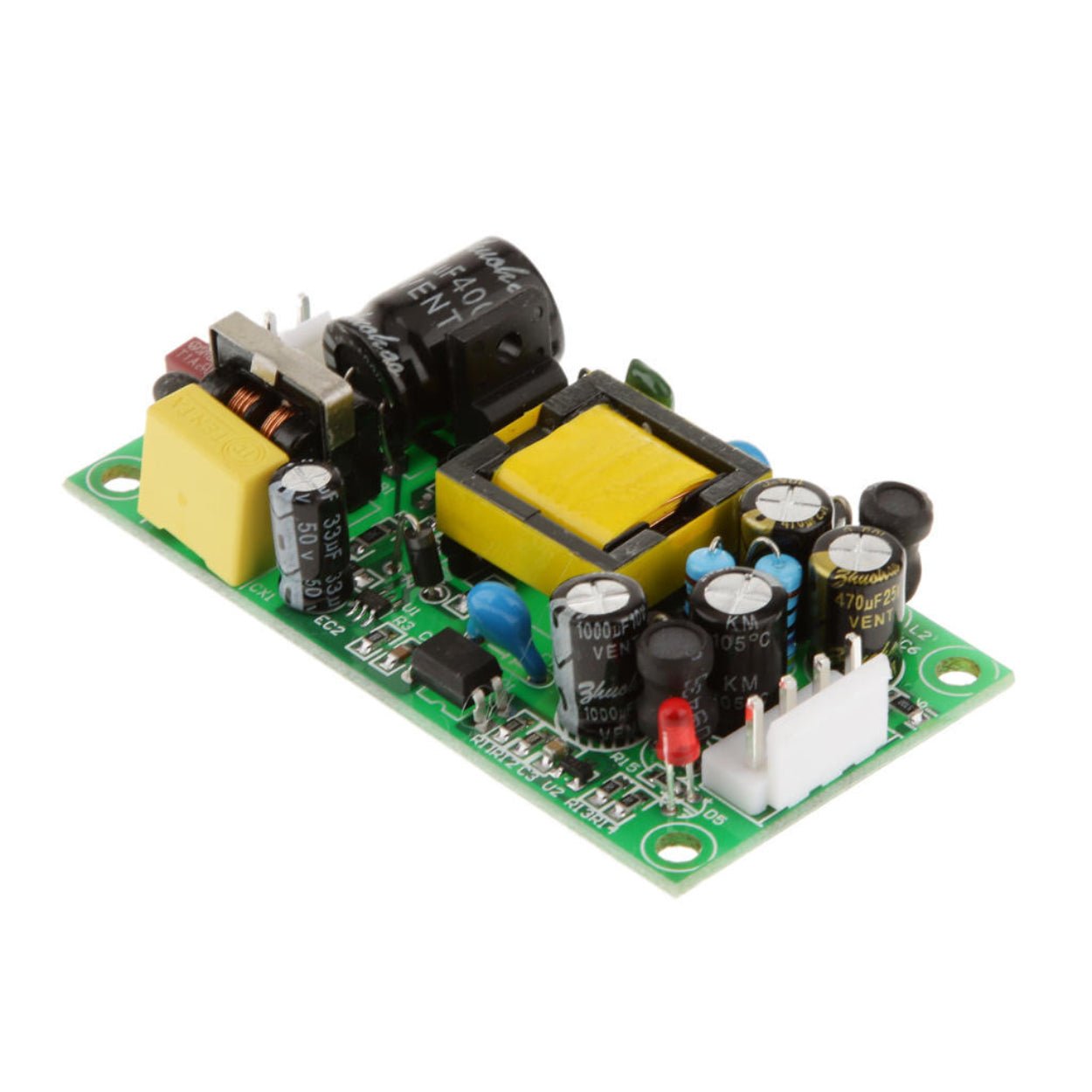
Open-frame power supplies
Enclosed power supplies
DIN-rail mounted units
Safety and Protection Features
A good SMPS should include built-in protection features such as:
Over-voltage protection
Over-current protection
Short-circuit protection
Thermal protection
These features help prevent damage to both the power supply and the connected equipment.
Reliability and Manufacturer Quality
Choosing products from reputable manufacturers ensures better reliability, performance, and long-term stability.
High-quality components and good design practices significantly improve the lifespan of a power supply.
Design Considerations for Switch Mode Power Supplies
Designing an SMPS involves balancing several critical factors.
Efficiency Optimization
A well-designed power supply minimizes energy losses and improves overall system performance.
Thermal Management
Proper cooling and heat dissipation are essential to prevent overheating and ensure long-term reliability.
Input Voltage Range
Designers must consider possible fluctuations in input voltage and ensure the SMPS operates correctly within the expected range.
Safety Compliance
Modern SMPS designs must meet safety standards such as:
Over-current protection
Thermal shutdown
Output voltage monitoring
These protections help ensure safe and stable operation.
Installation and Maintenance of SMPS
Proper installation and maintenance can significantly improve the lifespan and reliability of a switch-mode power supply.
Correct Installation
During installation:
Ensure proper grounding
Follow manufacturer safety guidelines
Verify input voltage compatibility
Incorrect installation may cause electrical faults or performance issues.
Regular Maintenance
To maintain optimal performance:
Keep the power supply clean and free from dust
Check for loose wiring or damaged components
Ensure adequate airflow for cooling
Dust accumulation can block ventilation and lead to overheating.
Performance Monitoring
It is recommended to periodically measure:
Output voltage
Output current
Using appropriate measuring instruments ensures the SMPS operates within its specified limits.
About SIPURUI Switching Power Supplies
SIPURUI specializes in the development and manufacturing of high-quality switch mode power supplies for industrial and commercial applications. Our SMPS solutions are designed to deliver stable performance, high efficiency, and long-term reliability.
SIPURUI power supplies are widely used in applications such as:
Industrial automation systems
Communication and networking equipment
LED lighting systems
Security and surveillance equipment
Laboratory and testing instruments
With advanced design and strict quality control, SIPURUI provides reliable power solutions for modern electronic systems.
Conclusion
Switch-mode power supplies have become an essential component in modern electronics due to their high efficiency, compact size, and excellent performance.
They are widely used in applications ranging from consumer electronics and telecommunications to industrial automation and medical equipment.
When selecting an SMPS, it is important to consider power requirements, efficiency, safety features, reliability, and application environment.
Understanding these factors will help you choose the most suitable power supply for your system.
If you have any questions about switch-mode power supplies or would like to share your experience using them, feel free to leave a comment or contact us through our Contact Us page.
Buyer Checklist
- Confirm input and output voltage before model selection.
- Check wattage, load margin and operating temperature.
- Review installation space, airflow and protection requirements.
- Share project quantity and application details for quotation support.