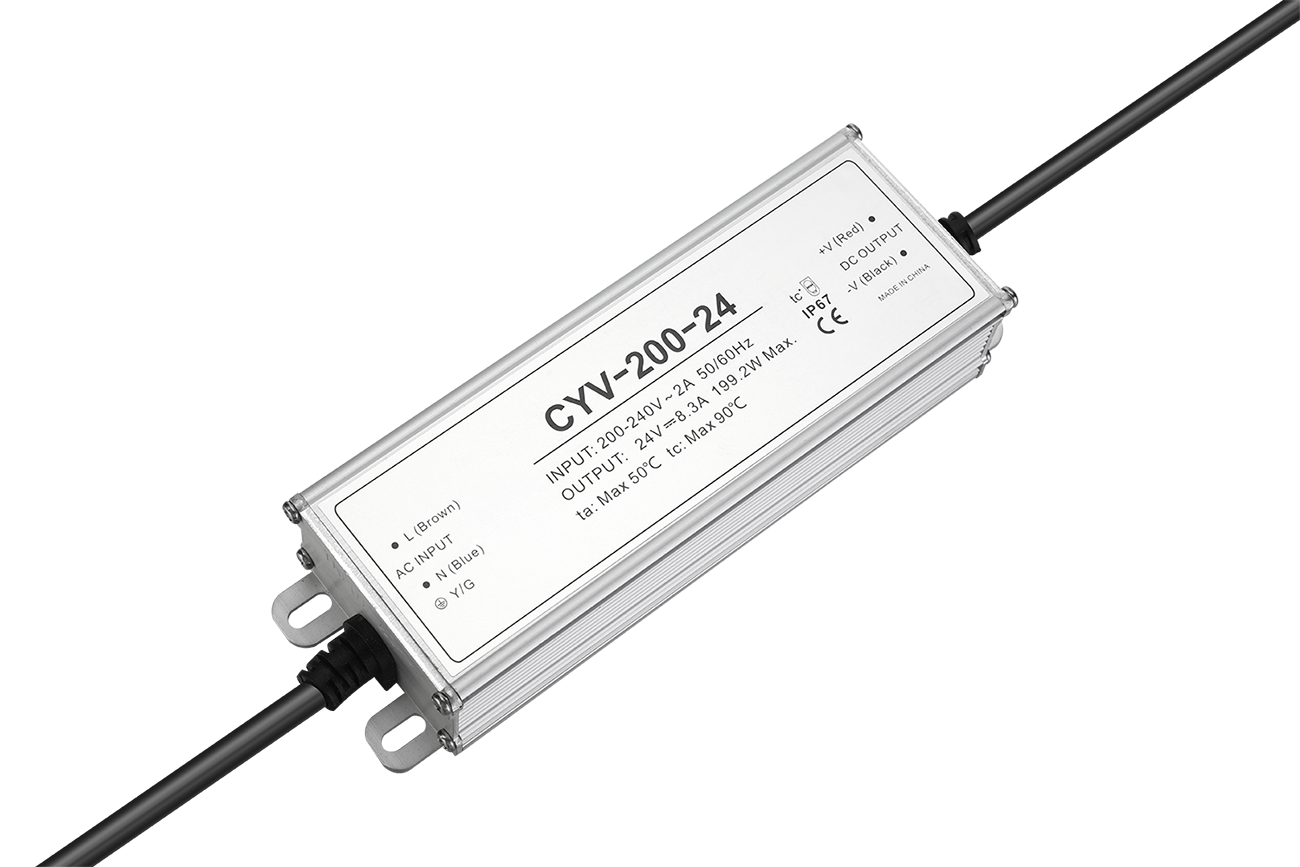
In today's industrial landscape, power is no longer just a utility-it is a strategic asset.
Overview
Introduction: Can Your Power System Afford Instability?
In today's industrial landscape, power is no longer just a utility-it is a strategic asset. From automated production lines and robotics to telecommunications and renewable energy systems, every critical operation depends on stable, efficient, and reliable power delivery.
But here's the question:
What happens when your power source fluctuates, overheats, or fails under harsh conditions?
The consequences are immediate:
System downtime
Data corruption
Equipment damage
Increased operational costs
This is precisely why industrial DC-DC converters have become indispensable.
Modern DC-DC converters are not just voltage regulators-they are high-performance power management solutions designed to ensure stability, efficiency, and durability in the most demanding environments.
In this article, we explore:
What makes industrial DC-DC converters different
The five key benefits that drive their adoption
How advanced solutions from SIPURUI enhance industrial performance
What Is an Industrial DC-DC Converter-and Why Does It Matter?
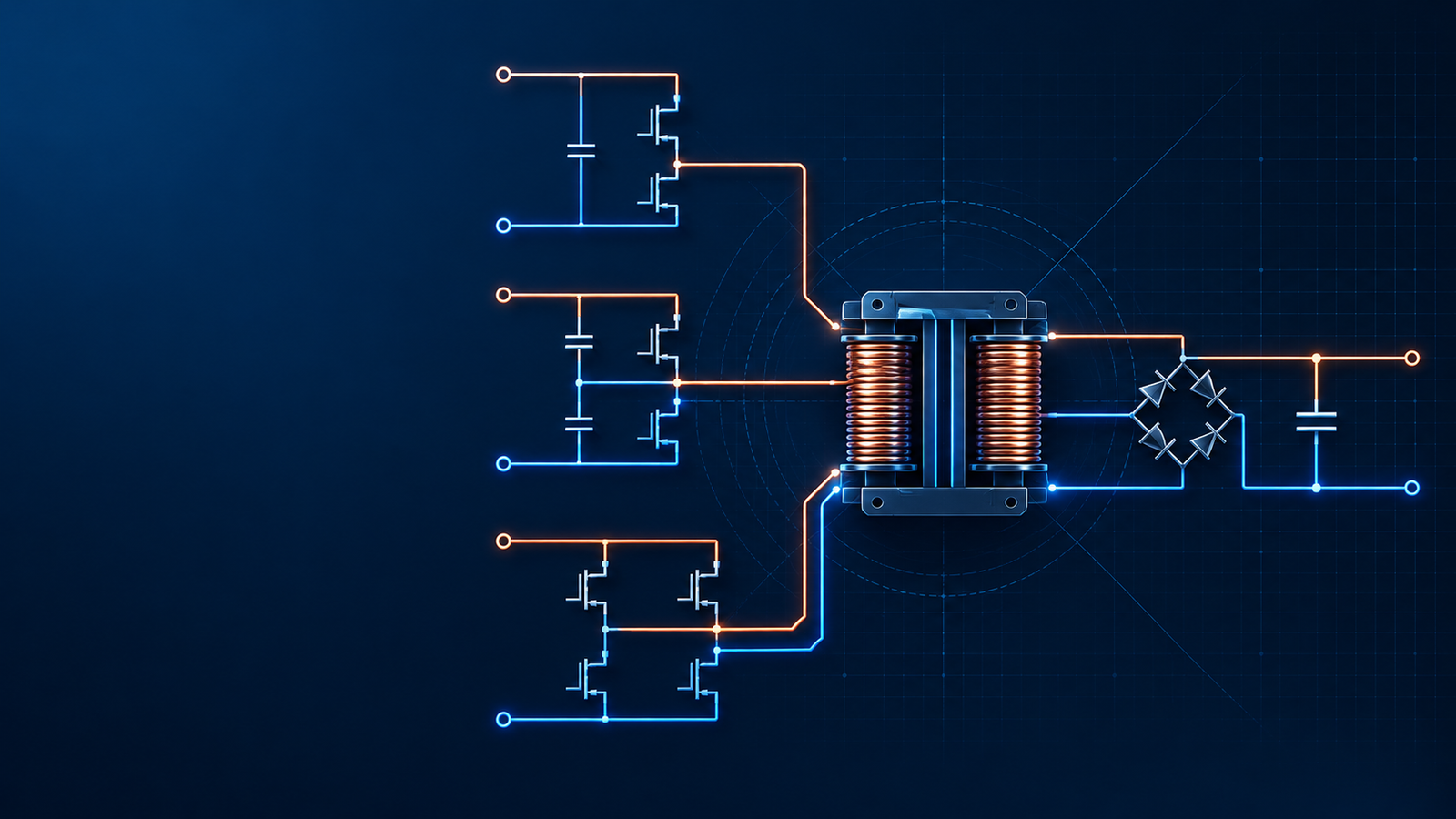
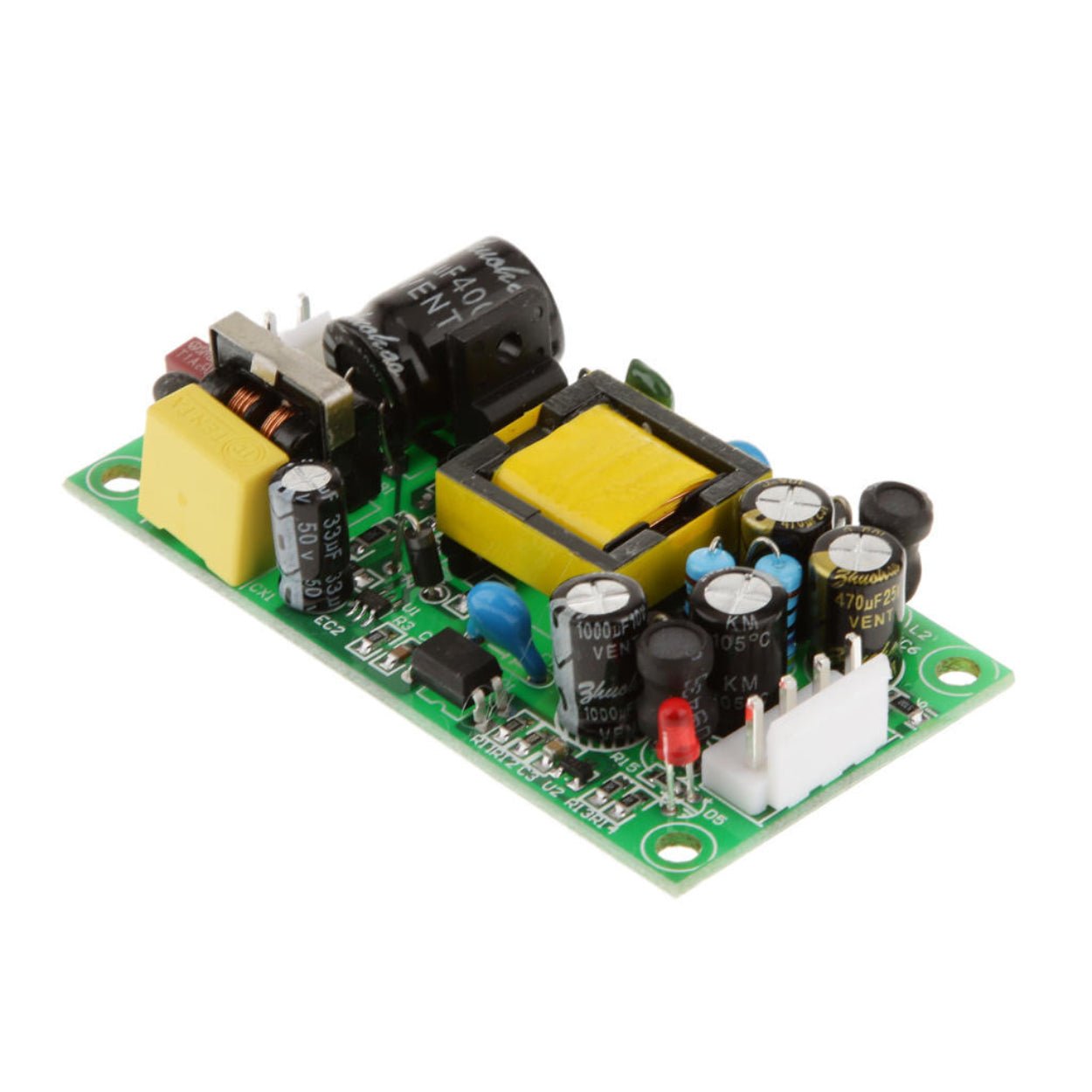
At its core, a DC-DC converter transforms one DC voltage level into another. However, industrial-grade converters go far beyond simple conversion.
Key Characteristics of Industrial DC-DC Converters
Wide input voltage ranges (e.g., 9-75VDC)
High efficiency (up to 95%+)
Electrical isolation
Low ripple and noise
Rugged mechanical design
Unlike consumer-grade power supplies, industrial converters are engineered to:
Operate continuously under load
Resist environmental stress
Maintain performance under electrical disturbances
Typical SIPURUI DC-DC Converter Product Categories
| Product Series | Input Range | Output Options | Typical Applications |
|---|---|---|---|
| SIPURUI Compact Module Series | 9-36V / 18-75V | 3.3V / 5V / 12V / 24V | PLCs, sensors, embedded systems |
| SIPURUI Isolated Converter Series | 24V / 48V | Single / Dual Output | Industrial control systems |
| SIPURUI High Power Series | 48V-400V | Custom outputs | Robotics, energy storage, drives |
These converters form the backbone of distributed power architectures, where each subsystem receives optimized power.
The 5 Core Benefits of Industrial DC-DC Converters
Before diving deeper, here is a quick overview:
| Benefit | Technical Advantage | Business Impact |
|---|---|---|
| Stable Power Supply | Low ripple, high regulation | Prevents system failures |
| High Efficiency | Reduced energy loss | Lower operating cost |
| Voltage Flexibility | Multi-output capability | Simplifies design |
| High Power Density | Compact high-output design | Saves space |
| Rugged Reliability | Harsh environment tolerance | Reduces downtime |
1. Why Is Stable Power Supply So Critical in Industrial Systems?
Industrial environments are electrically noisy.
Think about:
Motors starting and stopping
Welding equipment
Switching loads
All of these create:
Voltage spikes
Dips
Electromagnetic interference (EMI)
How DC-DC Converters Solve This Problem
A high-quality DC-DC converter:
Filters input noise
Regulates output voltage
Provides isolation
Performance Comparison
| Parameter | Standard Power Supply | SIPURUI DC-DC Converter |
|---|---|---|
| Output Ripple | 100-200 mV | <50 mV |
| Load Regulation | ±5% | ±1% |
| Noise Immunity | Low | High |
Real-World Impact
Stable power ensures:
PLC systems operate without resets
Sensors deliver accurate readings
Communication systems remain uninterrupted
2. Can High Efficiency Really Reduce Your Operational Costs?
Yes-and significantly.
Understanding Efficiency
Efficiency = Output Power / Input Power
A typical comparison:
| Efficiency | Power Loss | Heat Generation |
|---|---|---|
| 80% | 20% loss | High |
| 95% | 5% loss | Low |
Why Does This Matter?
Lower efficiency leads to:
Higher electricity consumption
Increased cooling requirements
Faster component degradation
SIPURUI Efficiency Advantage
SIPURUI DC-DC converters use:
Advanced switching topologies
High-frequency magnetic design
Optimized thermal management
Results
Reduced energy costs
Smaller cooling systems
Longer system lifespan
3. How Does Voltage Flexibility Simplify System Design?
Modern industrial systems are complex.
A single machine may require:
24V for actuators
5V for logic circuits
±15V for analog components
Traditional Approach vs DC-DC Solution
| Approach | Components Required | Complexity |
|---|---|---|
| Multiple Power Supplies | High | Complex |
| DC-DC Converter System | Low | Simplified |
Key Features of SIPURUI Converters
Wide input range (battery or bus powered)
Adjustable outputs
Multi-output configurations
Engineering Benefits
Reduced component count
Easier maintenance
Faster development cycles
4. Do You Need High Power in a Compact Design?
Industrial applications demand power density.
Typical High-Power Applications
Servo motor drives
Industrial robots
Battery charging systems
Laser cutting equipment
Challenges
Limited space
Thermal constraints
Continuous operation requirements
SIPURUI High Power DC-DC Solutions
SIPURUI converters provide:
High wattage output (hundreds to kilowatts)
Compact form factors
Efficient thermal dissipation
Performance Overview
| Feature | Conventional Solution | SIPURUI High Power Converter |
|---|---|---|
| Power Density | Low | High |
| Size | Large | Compact |
| Thermal Performance | Moderate | Optimized |
5. Can Your Power System Survive Harsh Environments?
Industrial environments are unforgiving.
Common Challenges
Temperature extremes
Dust and moisture
Mechanical vibration
Corrosive atmospheres
Industrial DC-DC Converter Design Features
Operating range: -40°C to +85°C+
Conformal coating protection
Sealed enclosures (IP-rated)
Shock & vibration compliance
SIPURUI Reliability Engineering
SIPURUI products are designed for:
Long MTBF (Mean Time Between Failures)
Stable operation in harsh environments
Compliance with industrial standards
Reliability Comparison
| Condition | Commercial Converter | SIPURUI Industrial Converter |
|---|---|---|
| Temperature Range | 0-50°C | -40-85°C |
| Vibration Resistance | Low | High |
| Lifespan | Shorter | Extended |
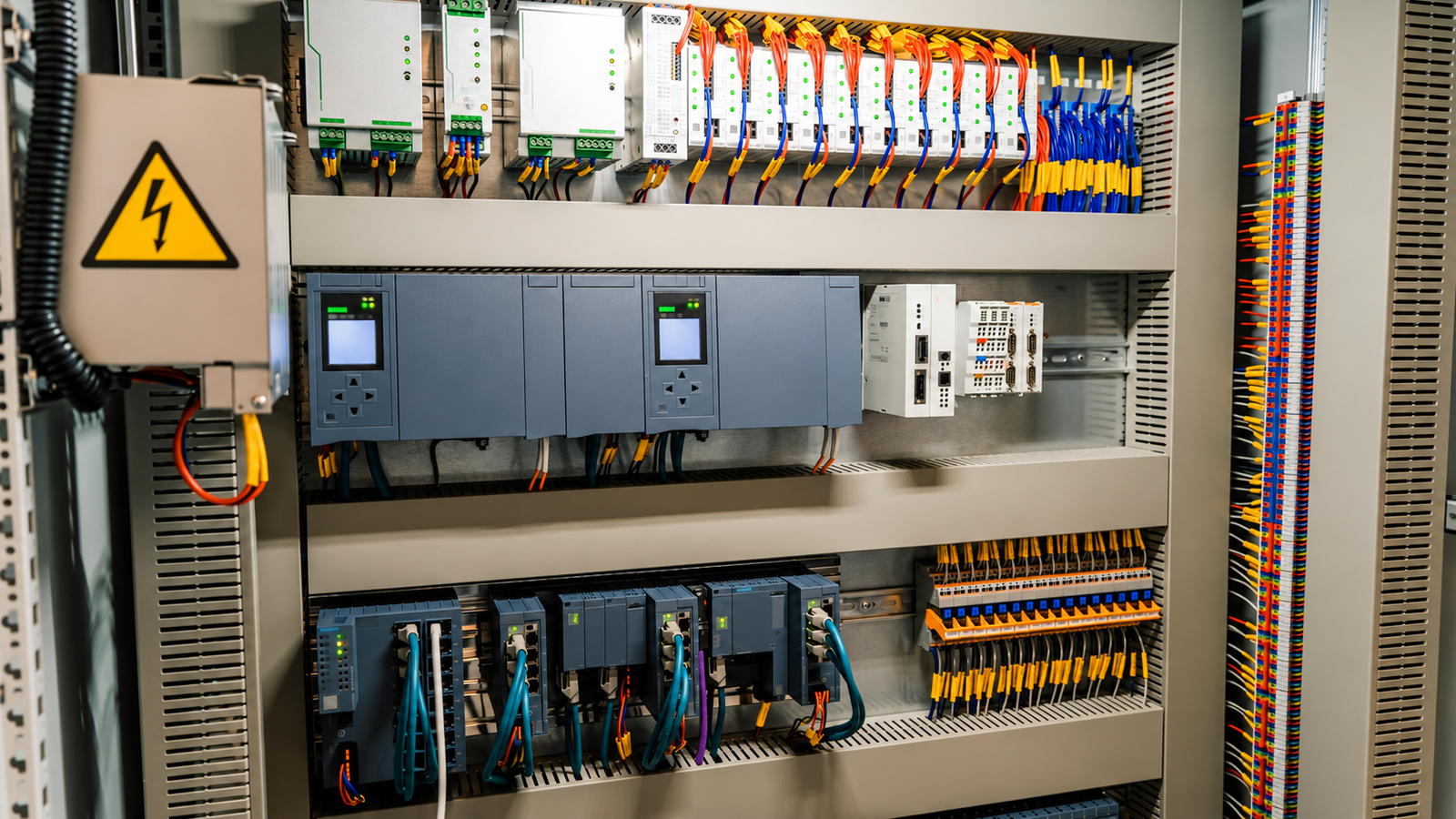
Application Scenarios: Where Are DC-DC Converters Used?
Industrial DC-DC converters are widely used in:
Factory automation systems
Railway and transportation
Renewable energy systems
Telecommunications infrastructure
Industrial robotics
Each application demands:
Stability
Efficiency
Durability
Why Choose SIPURUI for DC-DC Power Solutions?
Choosing the right power solution provider is as important as selecting the product itself.
SIPURUI Advantages
Proven industrial-grade designs
High-efficiency performance
Flexible product portfolio
Custom OEM solutions
Engineering support
What Sets SIPURUI Apart?
Unlike generic suppliers, SIPURUI focuses on:
Real-world application performance
Long-term reliability
System-level optimization
Are DC-DC converters scalable?
Yes. Many systems support modular expansion and parallel operation.
Do DC-DC converters improve system lifespan?
Absolutely. Reduced heat and stable power significantly extend component life.
What industries benefit the most?
Automation, telecom, transportation, and renewable energy sectors.
Conclusion: Is Your Power System Future-Ready?
Industrial DC-DC converters deliver five essential advantages:
Stable power output
High energy efficiency
Flexible voltage regulation
High power capability
Reliable performance in harsh environments
These benefits directly translate into:
Reduced costs
Increased uptime
Improved system performance
If your goal is to build reliable, efficient, and future-ready systems, the choice is clear.
Take the Next Step with SIPURUI
SIPURUI provides advanced DC-DC converter solutions designed for real industrial challenges.
Explore our product portfolio and discover how we can power your next project with confidence.
Buyer Checklist
- Confirm input and output voltage before model selection.
- Check wattage, load margin and operating temperature.
- Review installation space, airflow and protection requirements.
- Share project quantity and application details for quotation support.