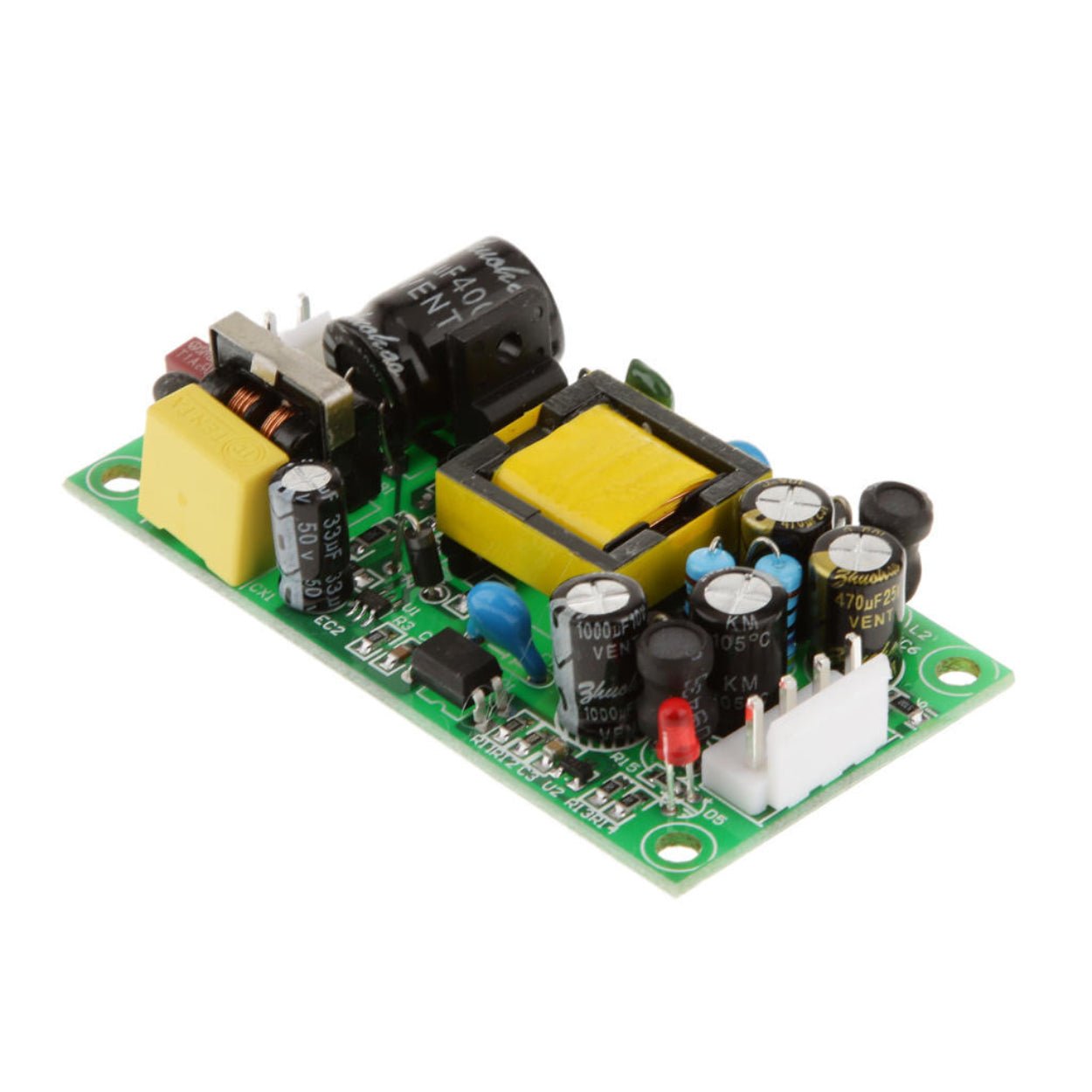
If you open almost any modern electronic device today-whether it is a CNC controller, LED driver, telecom system, or even a compact industrial module-you will almost certainly find a switching power supply inside.
Overview
What Makes Switching Power Supplies So Essential in Modern Electronics?
If you open almost any modern electronic device today-whether it is a CNC controller, LED driver, telecom system, or even a compact industrial module-you will almost certainly find a switching power supply inside.
But why has this technology become so dominant?
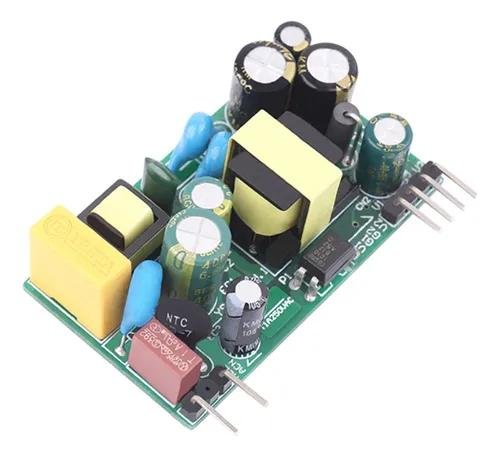
A switching power supply (SMPS) is fundamentally different from traditional linear power supplies. Instead of dissipating excess voltage as heat, it uses high-frequency switching devices to efficiently convert electrical energy. This allows it to achieve significantly higher efficiency, often above 85-95%, while maintaining compact size and lightweight construction.
Technically, SMPS works by switching semiconductor devices rapidly between "on" and "off" states, minimizing energy loss. Because these devices operate in low-dissipation regions, the system avoids the large heat losses associated with linear regulation . As a result, switching power supplies are now widely used in applications requiring high efficiency, compact form factor, and stable output.
For manufacturers and engineers, especially in industrial sectors, this means better thermal performance, higher power density, and improved system reliability.
You might ask: are switching power supplies limited to consumer electronics?
Not at all. In fact, their real strength lies in industrial and professional applications, where performance requirements are much higher.
Switching power supplies are used in:
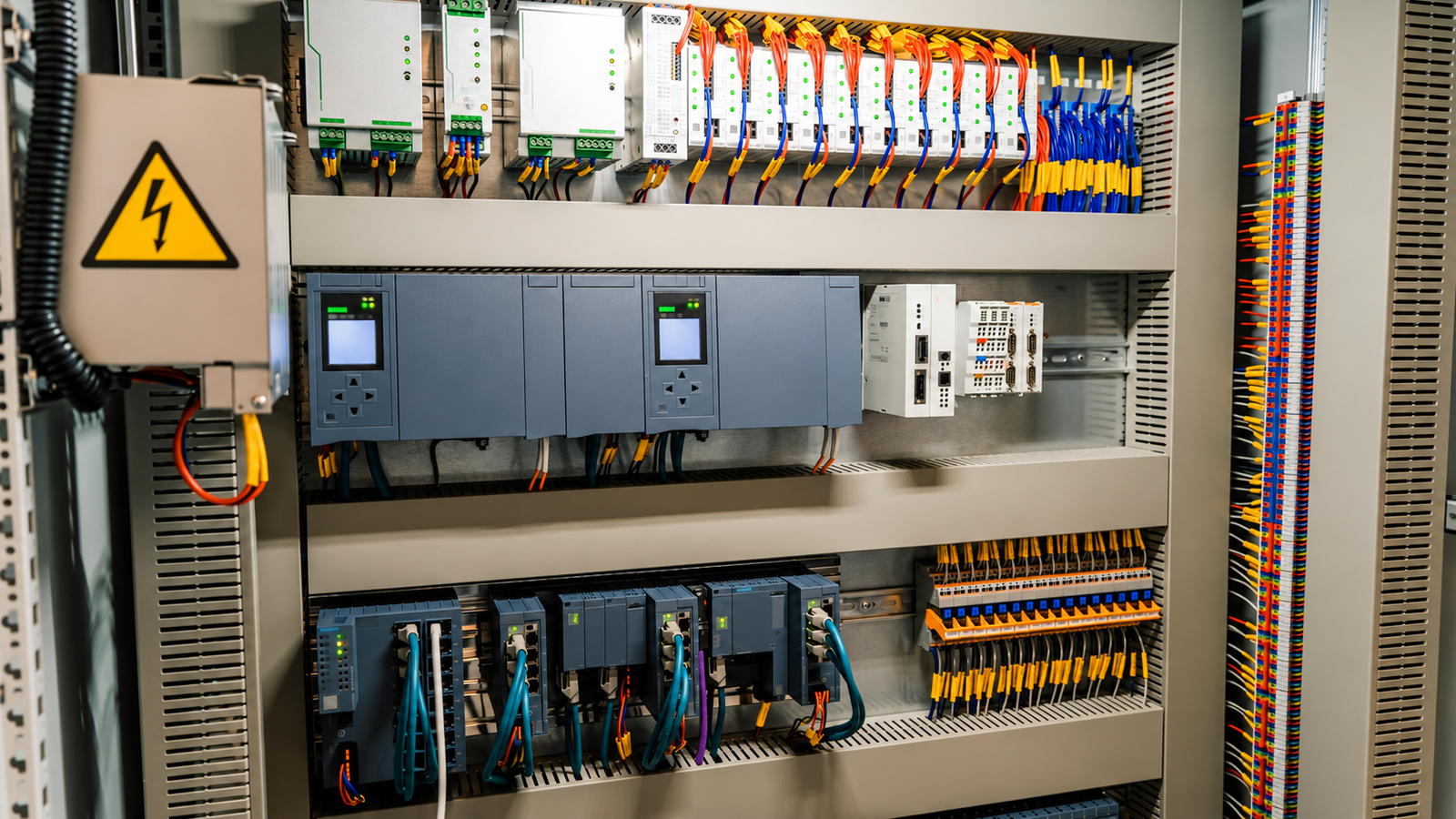
Industrial automation systems (PLC, CNC, robotics)
Communication infrastructure (5G base stations, routers)
LED lighting systems (constant current drivers)
Medical and laboratory equipment
Computing systems (servers, embedded systems)
Renewable energy systems and battery-powered devices
In industrial environments, stable DC output is critical for ensuring precision and system safety. Switching power supplies excel in these scenarios because they can regulate voltage dynamically and respond quickly to load changes.
For example, DC/DC switching converters are widely used in embedded systems and automotive electronics, where they can step up, step down, or invert voltage efficiently depending on system requirements .
How Do Switching Power Supplies Actually Work?
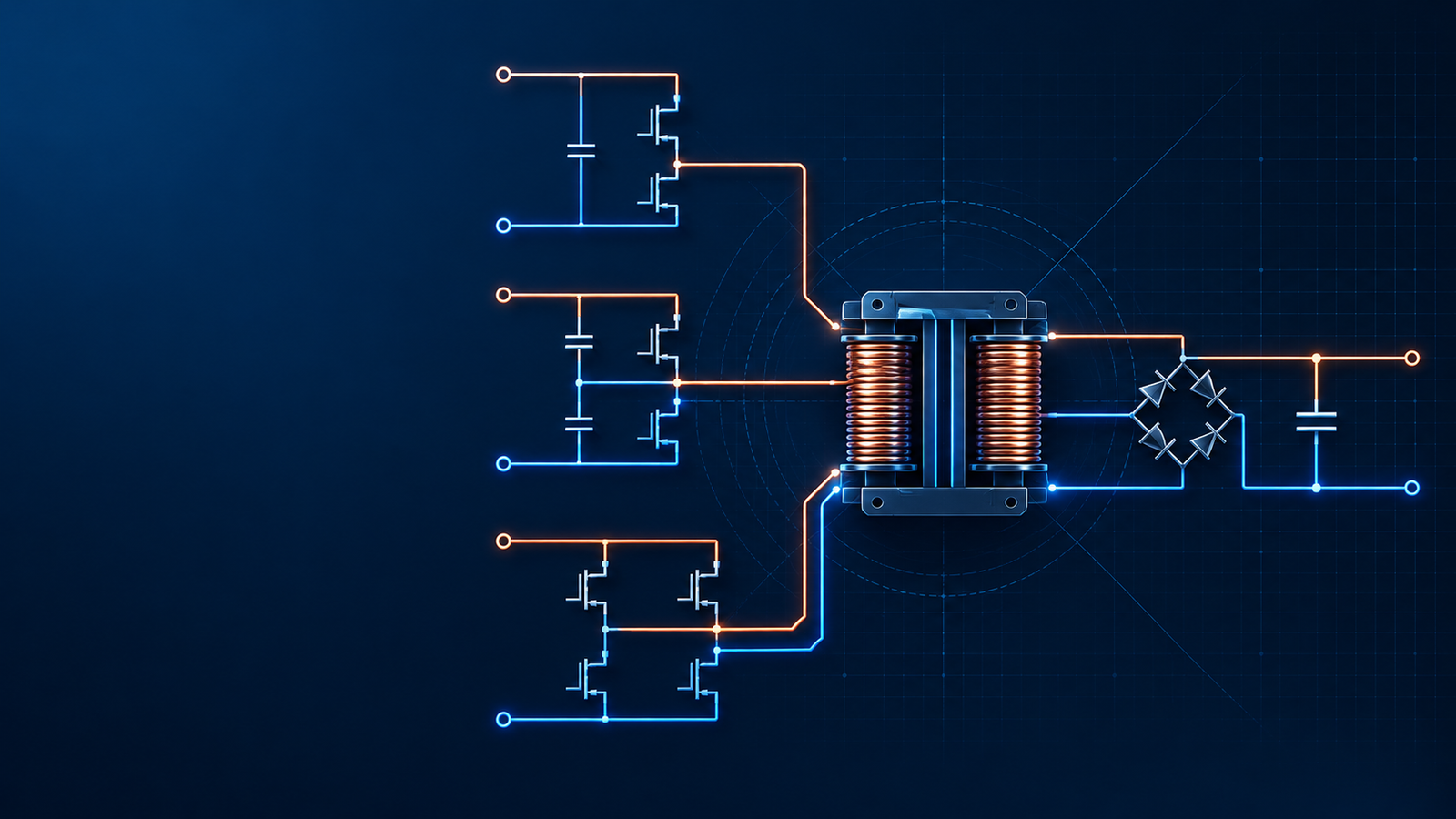
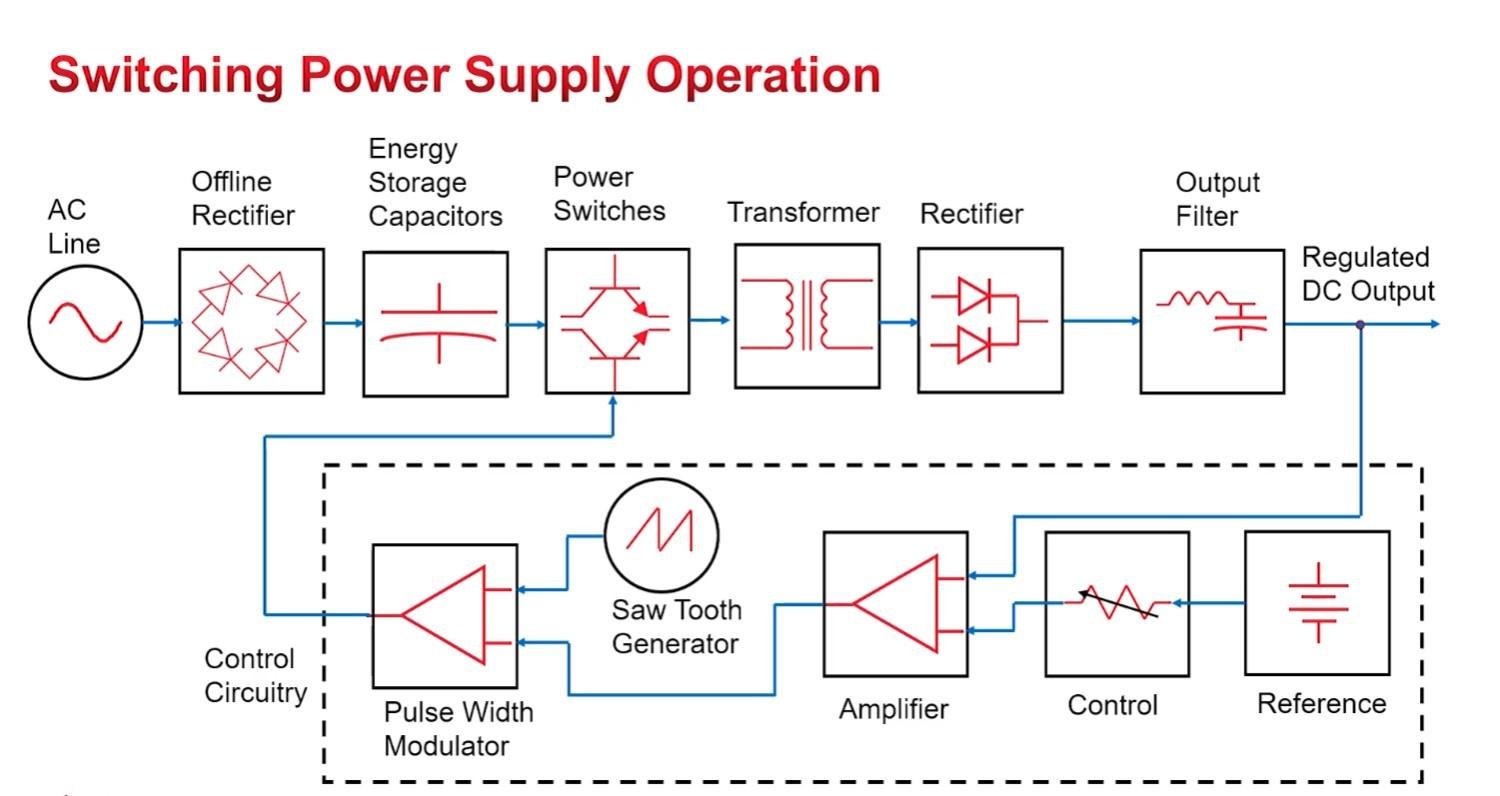
At the core of every switching power supply lies a simple but powerful concept: energy is transferred through controlled switching cycles rather than continuous dissipation.
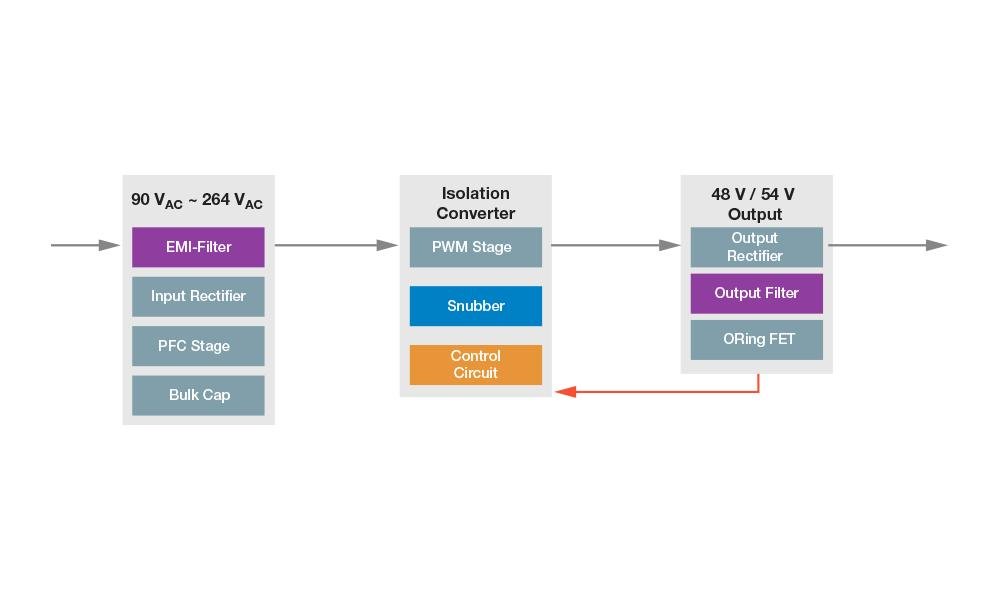
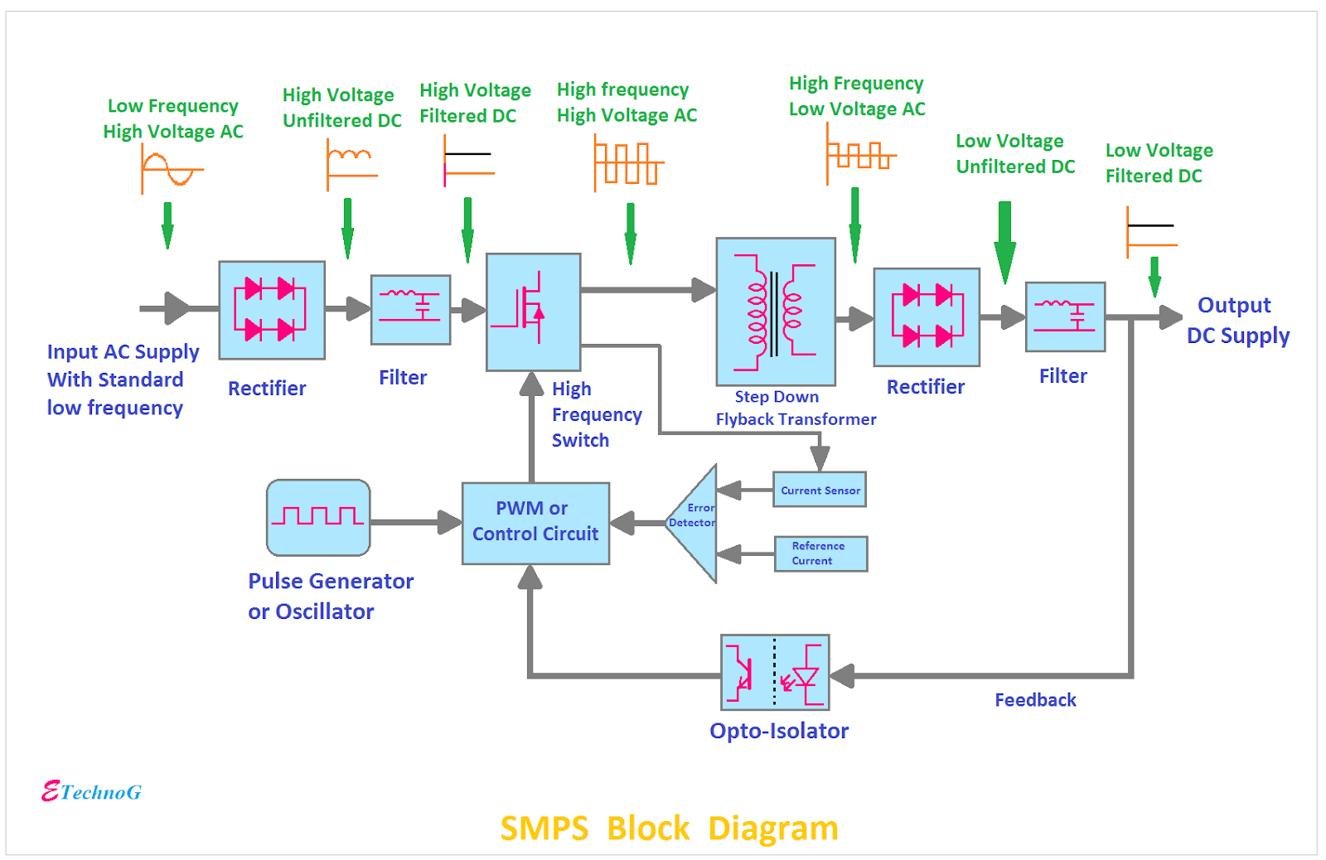
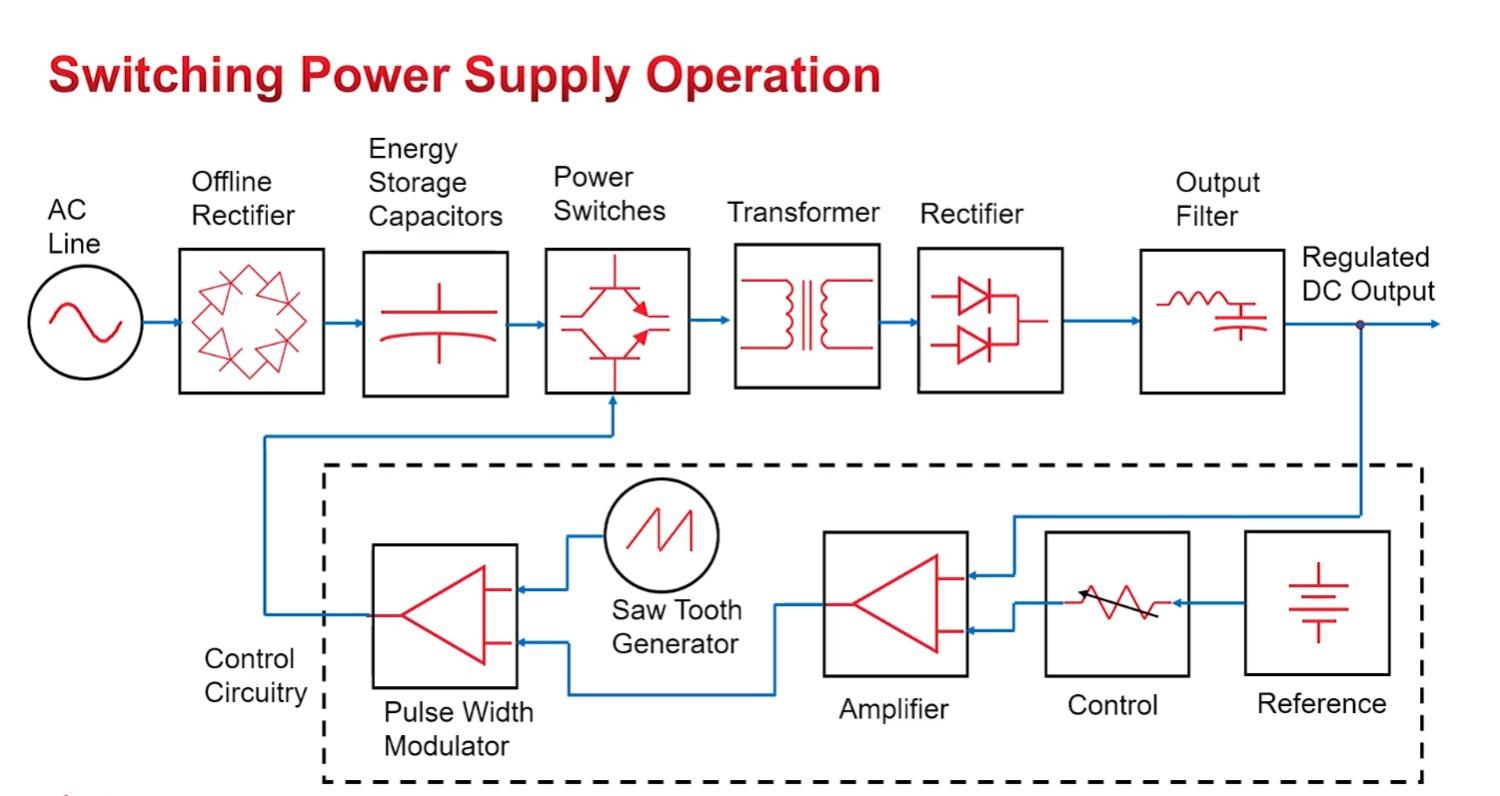
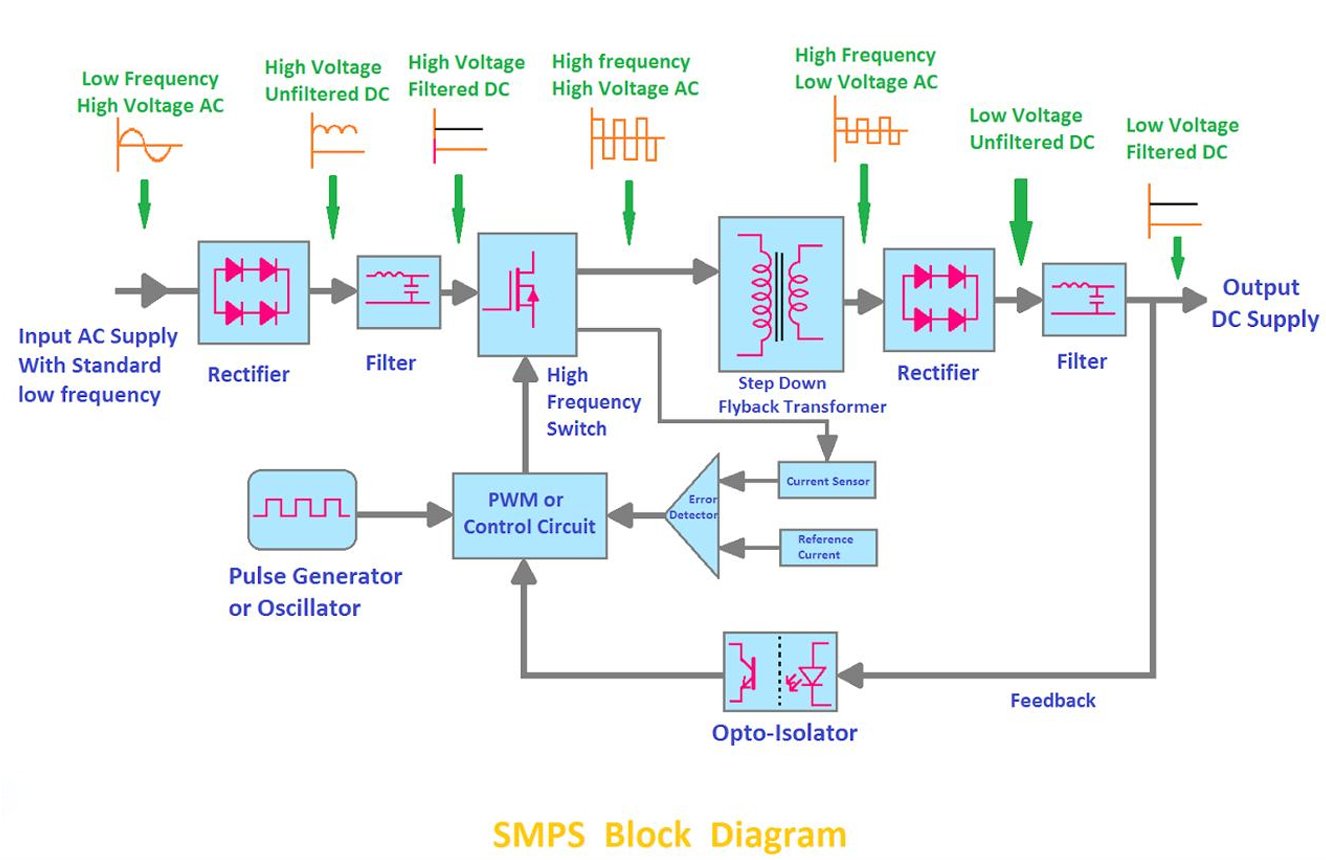
A typical SMPS consists of several stages:
Input rectification (AC to DC)
High-frequency switching (PWM control)
Energy transfer through inductors or transformers
Output rectification and filtering
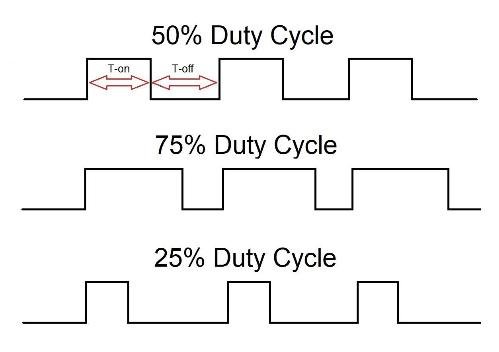
Voltage regulation is achieved by adjusting the duty cycle of the switching signal, which directly controls the output voltage level .
This approach enables three fundamental conversion behaviors:
Step-down (Buck)
Step-up (Boost)
Inverting or dual-mode (Buck-Boost)
These basic topologies form the foundation of nearly all modern switching power supply designs.
What Are the Main Types of Switching Power Supplies?
To fully understand SMPS, it is important to classify them based on structure and application.
AC/DC vs DC/DC Power Supplies
| Type | Input | Output | Typical Use |
|---|---|---|---|
| AC/DC SMPS | AC mains | DC | Industrial equipment, adapters |
| DC/DC SMPS | DC | DC | Embedded systems, automotive |
AC/DC power supplies are the most common and are used to convert grid electricity into usable DC voltage. DC/DC converters, on the other hand, are used for voltage regulation within electronic systems.
Isolated vs Non-Isolated Converters
| Type | Key Feature | Advantage | Typical Application |
|---|---|---|---|
| Isolated | Transformer isolation | Safety, multi-output | Industrial, medical |
| Non-isolated | Direct connection | Higher efficiency | Low-voltage electronics |
Isolated converters use transformers to provide electrical isolation and flexibility in voltage scaling. Non-isolated converters are simpler and more efficient, making them ideal for compact systems.
DC/DC Converter Topology Comparison
| Topology | Function | Output Relation | Typical Use |
|---|---|---|---|
| Buck | Step-down | Vout < Vin | 12V → 5V systems |
| Boost | Step-up | Vout > Vin | Battery systems |
| Buck-Boost | Step up/down | Inverted output | Flexible systems |
These three topologies are the backbone of most switching power designs and are widely used across industries .
What Determines the Performance of a Switching Power Supply?
Choosing the right switching power supply is not just about voltage and current. Several engineering factors play a critical role:
Efficiency
Higher efficiency reduces heat generation and improves system longevity. Modern SIPURUI switching power supplies typically achieve efficiencies above 90% in optimized conditions.
Switching Frequency
Higher frequency allows smaller components but increases switching losses and EMI challenges.
Thermal Design
Even efficient systems generate heat. Proper heat dissipation is essential for reliability.
EMI and Noise Control
High-frequency switching can introduce electromagnetic interference. Advanced filtering and shielding techniques are required to maintain system stability.
Efficiency
Switching Frequency
Thermal Design
EMI and Noise Control
Hard Switching vs Soft Switching: Which Is Better?
One of the most critical design evolutions in SMPS technology is the transition from hard switching to soft switching.
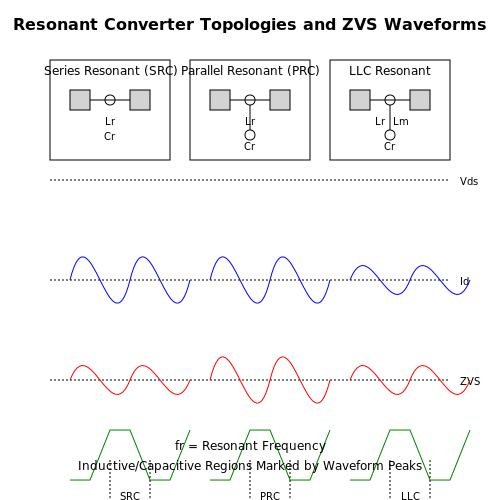
In hard switching, devices switch while voltage and current are present, leading to higher losses and noise. In contrast, soft switching techniques such as Zero Voltage Switching (ZVS) and Zero Current Switching (ZCS) minimize switching losses and reduce electromagnetic interference.
This advancement enables:
Higher switching frequencies
Smaller components
Better efficiency
For high-performance SIPURUI industrial power supplies, soft-switching architectures are increasingly adopted to improve reliability and efficiency.
How Do SIPURUI Switching Power Supplies Stand Out?
When selecting a switching power supply for industrial or commercial use, brand and product design matter significantly.
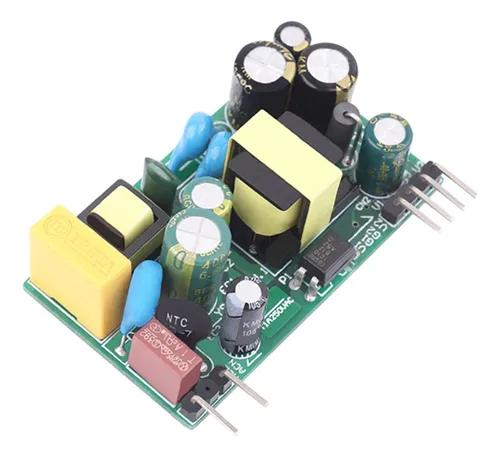
SIPURUI switching power supplies are engineered with:
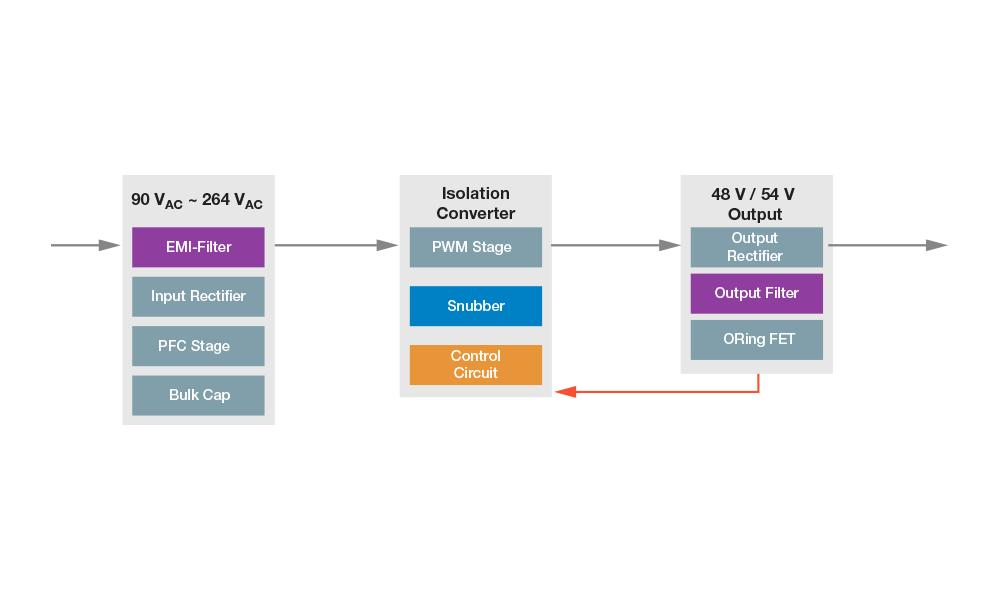
Wide input voltage range (90-264VAC)
High efficiency (>90%)
Stable output under dynamic loads
Advanced EMI filtering
Compact industrial-grade design
These features make them suitable for:
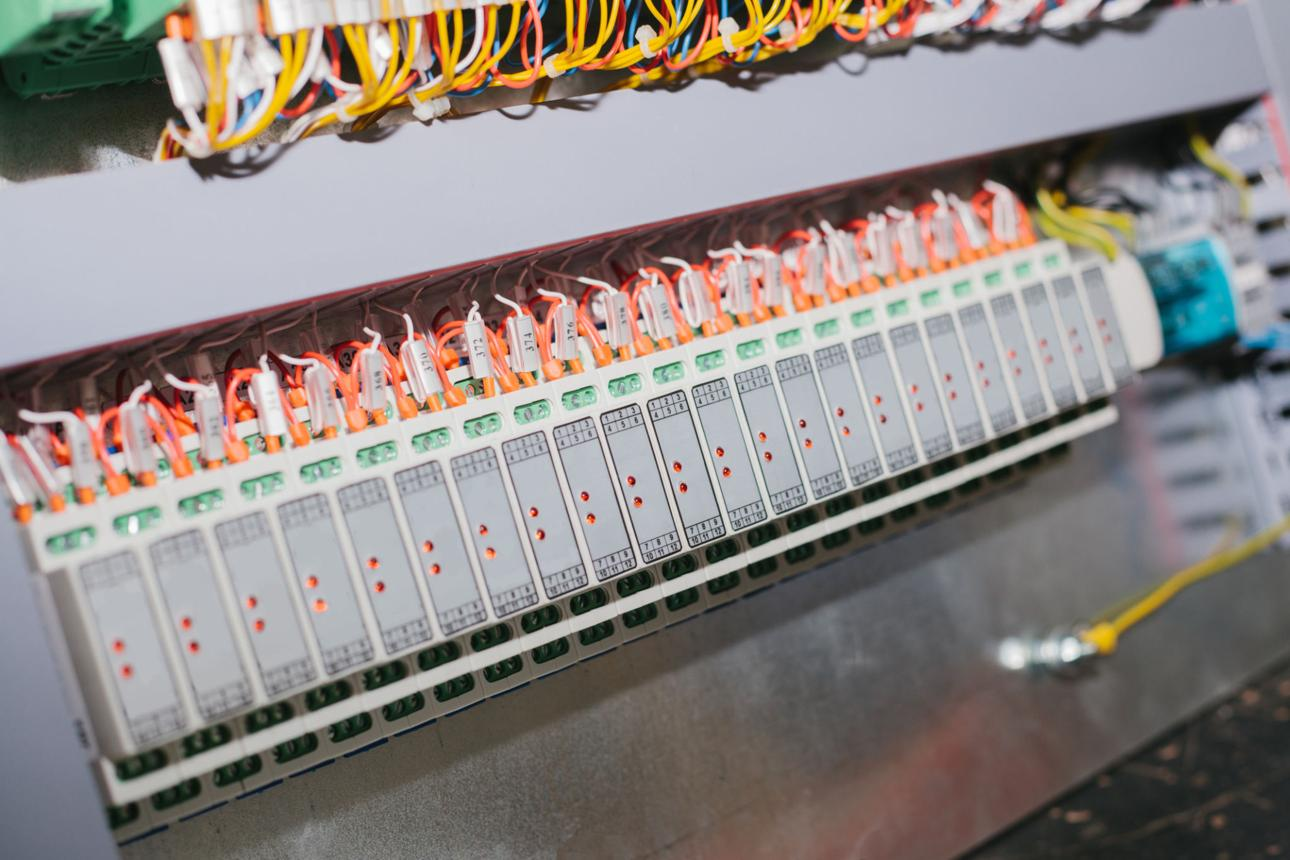
CNC and automation systems
Industrial control cabinets
LED power systems
Telecom infrastructure
Compared with generic SMPS modules, SIPURUI products focus more on long-term stability, thermal performance, and industrial compliance.
What Should You Consider When Choosing a Switching Power Supply?
Selecting the right SMPS depends on several application-specific factors.
| Selection Factor | Why It Matters | Recommendation |
|---|---|---|
| Input Voltage Range | Compatibility with grid | Choose universal input |
| Output Stability | Protects sensitive devices | Low ripple & noise |
| Efficiency | Reduces heat | >90% preferred |
| Isolation | Safety | Required for industrial |
| Cooling Method | Reliability | Passive preferred |
For industrial buyers, reliability and safety are often more important than cost alone.
What Are the Future Trends in Switching Power Supplies?
Switching power supplies continue to evolve rapidly as power electronics technology advances.
Key trends include:
Higher power density
Digital control (DSP-based SMPS)
Integration with IoT systems
GaN and SiC semiconductor adoption
Ultra-low standby power consumption
These innovations are pushing SMPS toward greater efficiency, intelligence, and miniaturization.
Conclusion: Why Switching Power Supplies Will Continue to Dominate
Switching power supplies are no longer just an alternative to linear power supplies-they are now the standard.
Their ability to deliver high efficiency, compact size, and flexible voltage conversion makes them indispensable across industries. From consumer electronics to advanced industrial systems, SMPS technology continues to power modern innovation.
For businesses looking to upgrade their systems or improve energy efficiency, choosing a reliable solution like SIPURUI switching power supplies is a strategic decision that directly impacts performance, reliability, and long-term cost.
Buyer Checklist
- Confirm input and output voltage before model selection.
- Check wattage, load margin and operating temperature.
- Review installation space, airflow and protection requirements.
- Share project quantity and application details for quotation support.