Modern LED lighting has transformed the way buildings, factories, warehouses, shopping centers, and public infrastructure consume energy.
Overview
Modern LED lighting has transformed the way buildings, factories, warehouses, shopping centers, and public infrastructure consume energy. Over the past decade, LEDs have evolved from a niche lighting technology into the dominant solution for residential, commercial, and industrial applications. Their superior energy efficiency, long service life, compact size, and environmental advantages have made them the preferred replacement for incandescent, halogen, and fluorescent lighting.
Yet despite the remarkable progress of LED technology, many lighting failures still occur long before the LED chips themselves reach the end of their theoretical lifespan. Why does a fixture advertised to last 50,000 hours sometimes fail after only a few years? Why do some installations experience flickering, brightness degradation, or complete system failure while others continue operating reliably for decades?
The answer often lies not in the LED chips, but in the power supply that drives them.
The LED driver power supply serves as the heart of any LED lighting system. While the LEDs generate the light, the driver determines how efficiently, safely, and reliably that light is produced. For lighting manufacturers, project engineers, and procurement professionals, understanding LED driver technology is just as important as understanding the LEDs themselves.
What Is an LED Driver Power Supply?
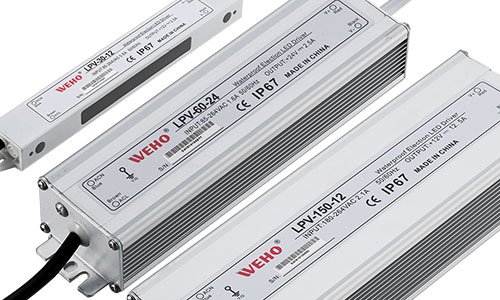
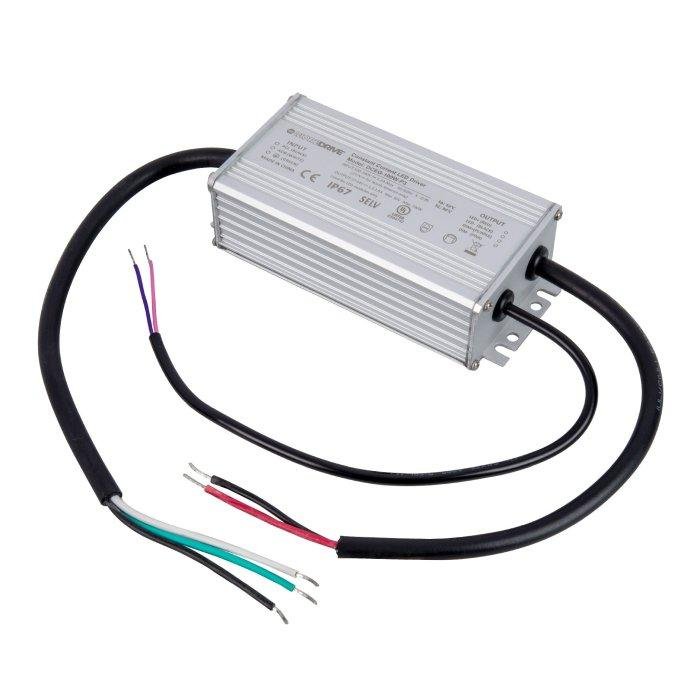
An LED driver power supply is an electronic device designed to convert incoming electrical power into a controlled output suitable for LED operation. Unlike traditional incandescent bulbs, LEDs are semiconductor devices with highly sensitive electrical characteristics. A small change in voltage can cause a disproportionately large increase in current, potentially damaging the LED and significantly shortening its lifespan.
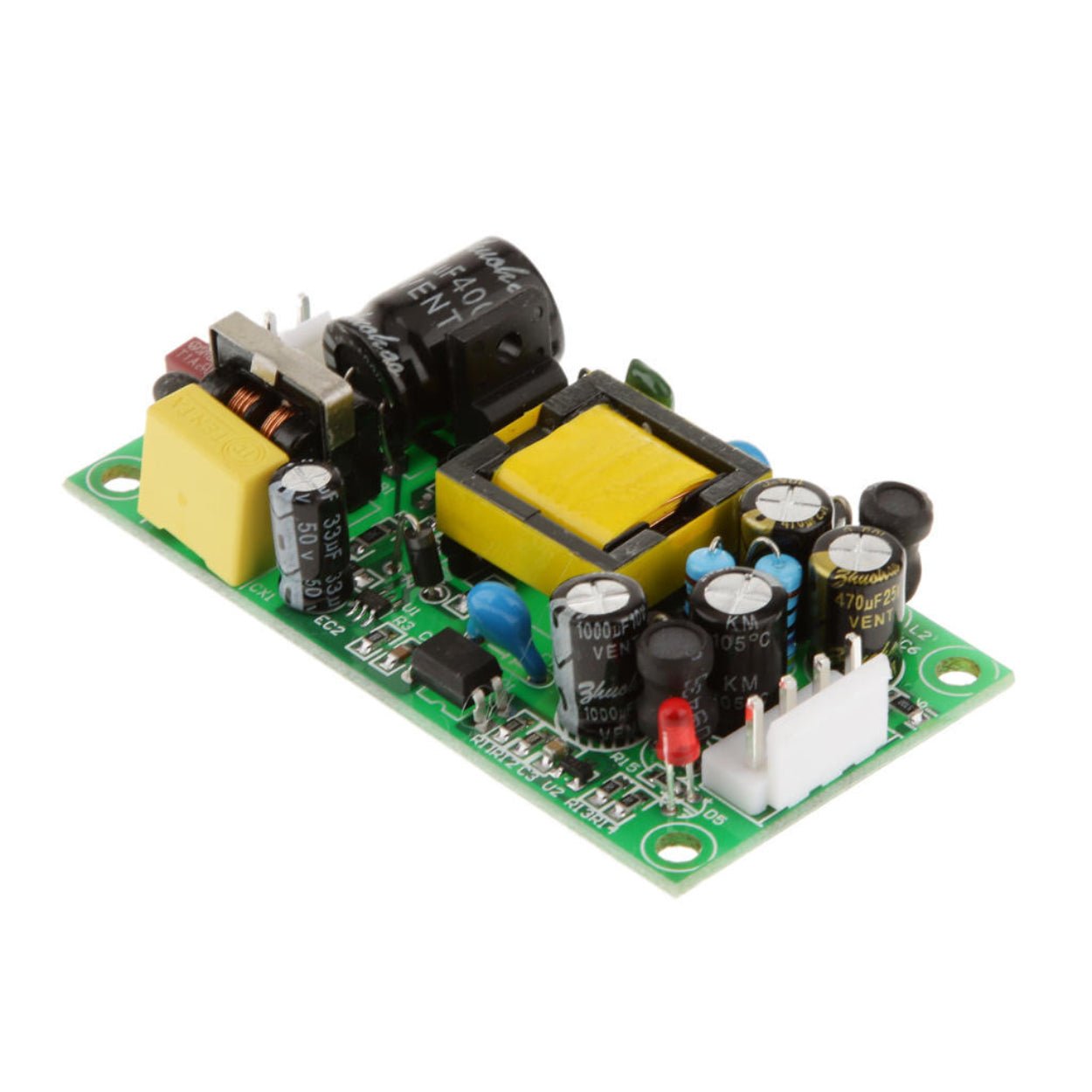
Because of this characteristic, LEDs cannot simply be connected directly to AC mains power. Instead, they require a driver that continuously regulates electrical output and maintains stable operating conditions. The driver converts incoming AC power into DC power, regulates current or voltage according to the LED load requirements, filters electrical noise, and protects the system against abnormal conditions such as surges, short circuits, and overheating.
In modern lighting systems, the driver performs far more than a simple power conversion function. Advanced drivers also support dimming, communication protocols, smart building integration, and energy management systems. As lighting systems become increasingly intelligent, the driver is evolving from a hidden electronic component into a critical part of the overall lighting infrastructure.
Why Does Driver Quality Determine Fixture Reliability?
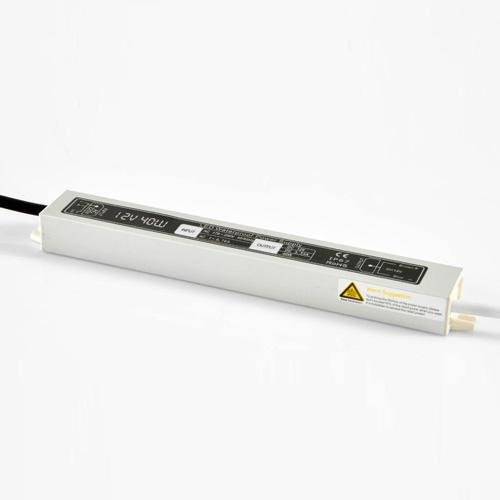
Many buyers evaluate lighting products based on lumen output, efficacy, color temperature, or the brand of LED chip used. While these factors are certainly important, they do not tell the whole story. In many practical applications, the LED driver experiences greater electrical and thermal stress than the LEDs themselves.
A driver must operate continuously under changing environmental conditions. Input voltage fluctuations, ambient temperature variations, switching transients, lightning-induced surges, and long operating hours all place stress on internal components. Electrolytic capacitors, power semiconductors, transformers, and control circuits gradually age over time. If these components are not properly designed and protected, premature driver failure becomes inevitable.
This is one reason why professional lighting manufacturers increasingly emphasize driver quality when developing commercial and industrial lighting products. A reliable driver helps maintain consistent light output, minimizes maintenance costs, and ensures that the full lifespan potential of the LED chips can actually be achieved in real-world conditions.

How Do LED Drivers Work?
To understand the importance of LED drivers, it is useful to examine the electrical behavior of LEDs themselves.
LEDs exhibit a non-linear current-voltage relationship. Once the forward voltage threshold is reached, a very small increase in voltage can result in a significant increase in current. If this current is not controlled, excessive heat generation can occur, leading to thermal runaway and eventual failure.
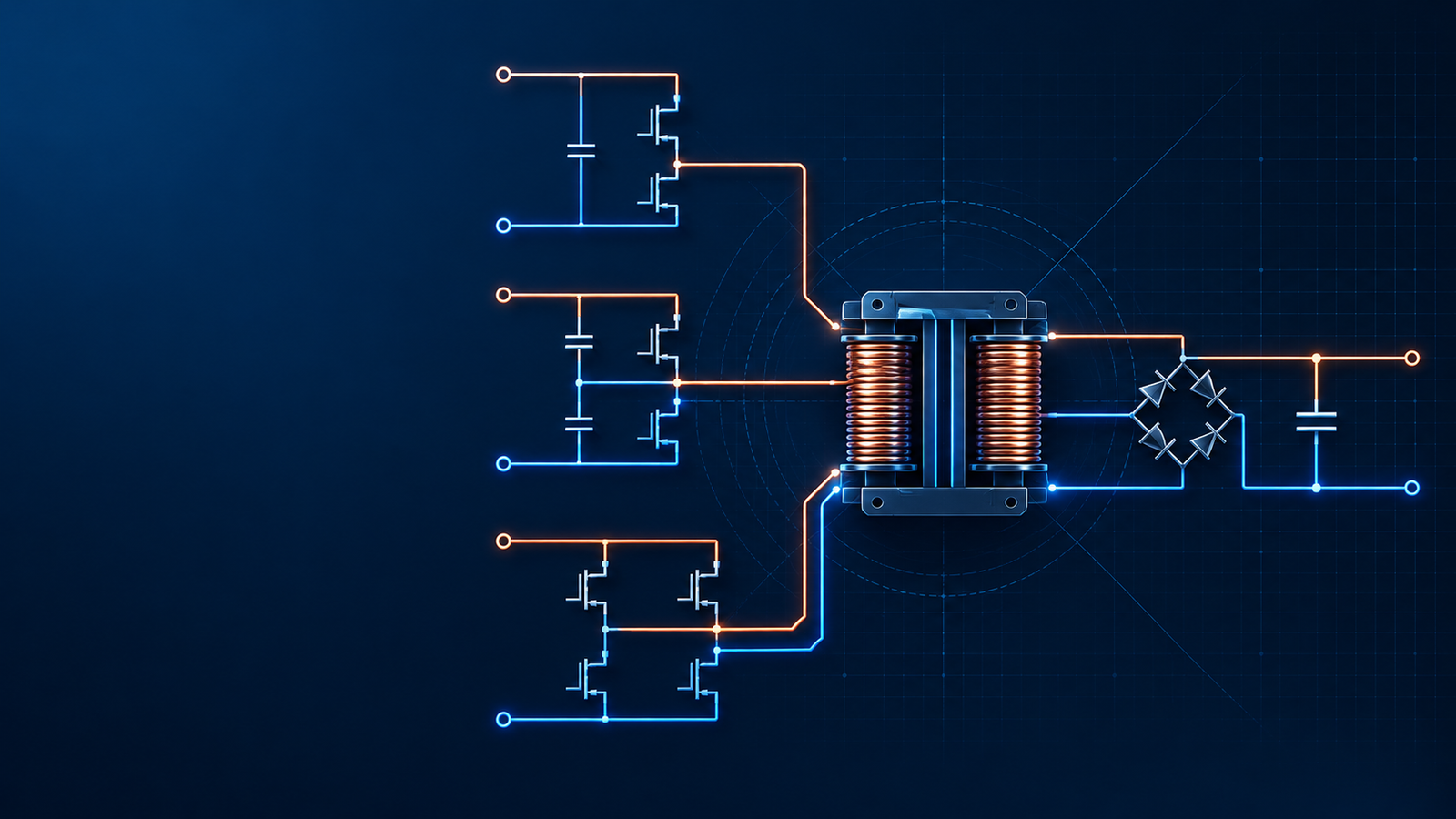
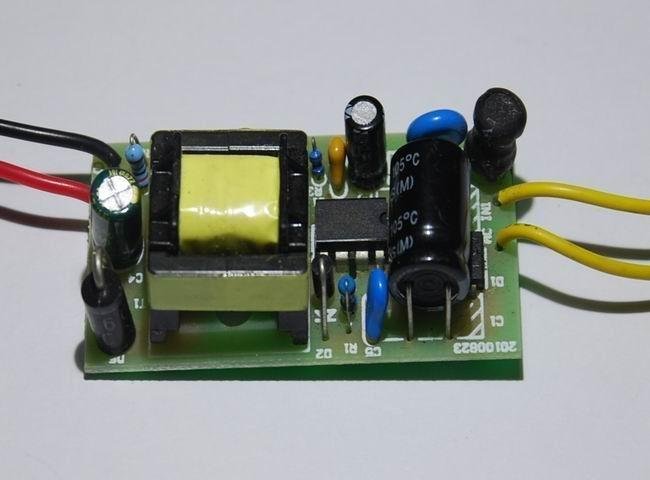
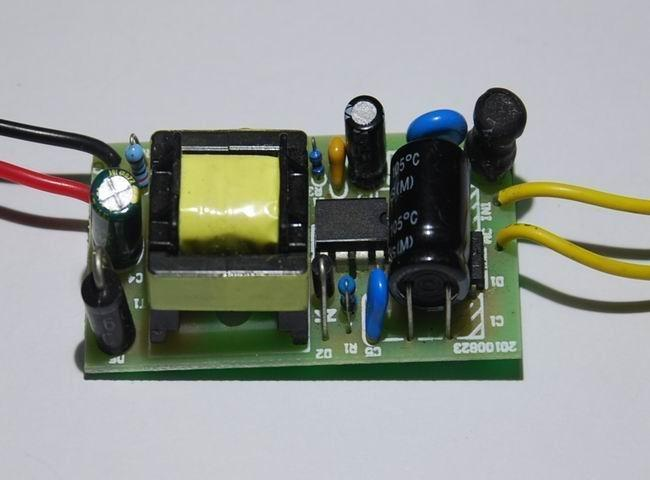
A modern LED driver continuously monitors and regulates output conditions. The driver receives incoming power, rectifies and filters it, processes it through a high-frequency switching stage, and delivers precisely controlled output to the LED load.
By maintaining stable operating conditions regardless of input fluctuations or environmental changes, the driver ensures that the LEDs operate within their specified limits. This stability directly affects light quality, efficiency, thermal performance, and long-term reliability.
One important parameter is ripple current. Excessive ripple can cause visible flicker, reduced light quality, and increased stress on LED components. For this reason, premium LED drivers are designed to minimize output ripple while maintaining high conversion efficiency.
Constant Current vs. Constant Voltage LED Drivers
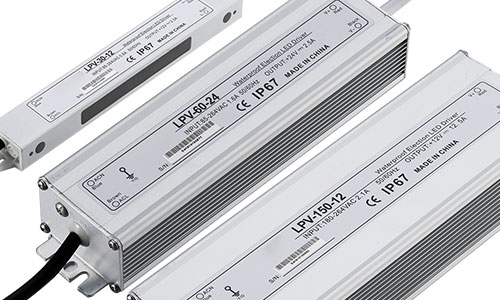
One of the most important decisions in LED system design is choosing between a constant current driver and a constant voltage driver. While both technologies are widely used, they are designed for different applications and operating principles.
| Feature | Constant Current Driver | Constant Voltage Driver |
|---|---|---|
| Output Regulation | Fixed Current | Fixed Voltage |
| Typical Output | 350mA, 700mA, 1050mA | 12V, 24V, 48V |
| Typical Applications | High-Power LED Modules | LED Strips |
| Protection Level | High | Moderate |
| Industrial Lighting | Excellent | Limited |
| Street Lighting | Preferred | Rare |
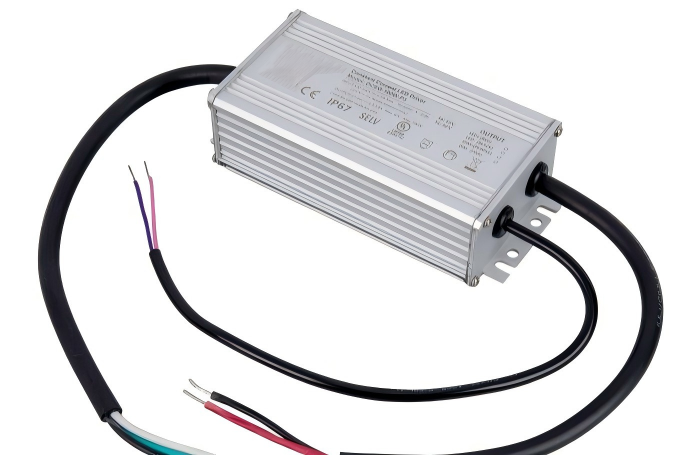
Constant current drivers are commonly used in professional lighting applications such as streetlights, floodlights, high-bay luminaires, and industrial fixtures. By maintaining a fixed current regardless of LED voltage variations, these drivers provide superior protection and performance consistency.
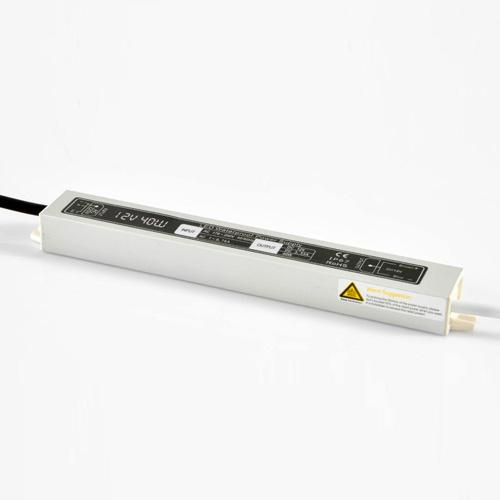
Constant voltage drivers, on the other hand, are widely used for LED strips, decorative lighting, signage, and architectural applications. In these systems, the LED assemblies already incorporate current-limiting components, allowing the driver to focus on maintaining a stable voltage output.
For most commercial and industrial lighting projects, constant current solutions remain the preferred choice due to their ability to optimize LED performance and longevity.
What Makes a High-Quality LED Driver?
The performance of an LED driver cannot be evaluated solely by its wattage rating. Two drivers with identical power ratings may exhibit dramatically different reliability, efficiency, and lifespan.
One of the most important characteristics is conversion efficiency. Any power not delivered to the LED load is converted into heat. Excessive heat not only wastes energy but also accelerates component aging and reduces system reliability.
| Driver Efficiency | Heat Loss per 100W Input |
|---|---|
| 80% | 20W |
| 85% | 15W |
| 90% | 10W |
| 95% | 5W |
As efficiency increases, less energy is wasted and internal temperatures remain lower. This directly contributes to longer operating life and improved reliability.
Another critical parameter is power factor. A low power factor increases current demand on electrical infrastructure and can contribute to harmonic distortion within the power grid.
| Application | Recommended Power Factor |
|---|---|
| Residential Lighting | >0.7 |
| Commercial Lighting | >0.9 |
| Industrial Lighting | >0.95 |
| Infrastructure Projects | >0.95 |
Professional-grade LED drivers should also incorporate comprehensive protection features, including over-voltage protection, over-current protection, short-circuit protection, surge protection, and thermal shutdown mechanisms. These protections help prevent catastrophic failures and improve system safety.
Why Is Dimming Becoming Essential?
As buildings become smarter and energy management becomes increasingly important, dimming functionality is no longer viewed as a premium feature. Instead, it is rapidly becoming a standard requirement.
Modern LED drivers support a wide range of dimming technologies, including 0-10V, PWM, DALI, DMX, Zigbee, Bluetooth Mesh, and various wireless control systems. These technologies allow lighting systems to respond dynamically to occupancy, daylight availability, user preferences, and energy-saving strategies.
Beyond energy savings, dimming also improves occupant comfort and extends system lifespan by reducing operating stress during periods when full brightness is unnecessary.
As smart building technologies continue to expand, future LED drivers will increasingly integrate communication capabilities, diagnostics, and cloud-based monitoring functions.
The Future of LED Driver Technology
The next generation of LED drivers will be defined by intelligence, efficiency, and connectivity. Manufacturers are pushing conversion efficiencies beyond 95% while simultaneously reducing size and improving thermal performance.
Wireless communication technologies such as Bluetooth Mesh, Zigbee, Matter, and Wi-Fi are enabling drivers to become active participants in broader building automation ecosystems. Future drivers will not only power LEDs but also collect operational data, predict failures, optimize energy consumption, and communicate with centralized management systems.
Predictive maintenance capabilities are particularly promising. Rather than waiting for failures to occur, intelligent drivers will be capable of identifying component degradation before it becomes critical, reducing downtime and maintenance costs.
For manufacturers like SIPURUI, this evolution presents significant opportunities. By combining expertise in switching power supplies with emerging smart control technologies, modern LED driver platforms can deliver both exceptional power conversion performance and advanced system intelligence.
Conclusion
The LED chip may be the visible component that produces light, but the LED driver is ultimately responsible for ensuring that the lighting system operates efficiently, safely, and reliably throughout its service life. From current regulation and power conversion to thermal management and intelligent control, the driver influences nearly every aspect of system performance.
As LED lighting applications continue to expand across commercial, industrial, architectural, and smart infrastructure projects, the importance of selecting a high-quality driver cannot be overstated. Investing in a reliable LED driver is not simply a matter of powering an LED; it is an investment in long-term performance, reduced maintenance costs, and overall project success.
For organizations seeking dependable power solutions, understanding LED driver technology is the first step toward building lighting systems that truly deliver on the promise of modern LED illumination.
Buyer Checklist
- Confirm input and output voltage before model selection.
- Check wattage, load margin and operating temperature.
- Review installation space, airflow and protection requirements.
- Share project quantity and application details for quotation support.