
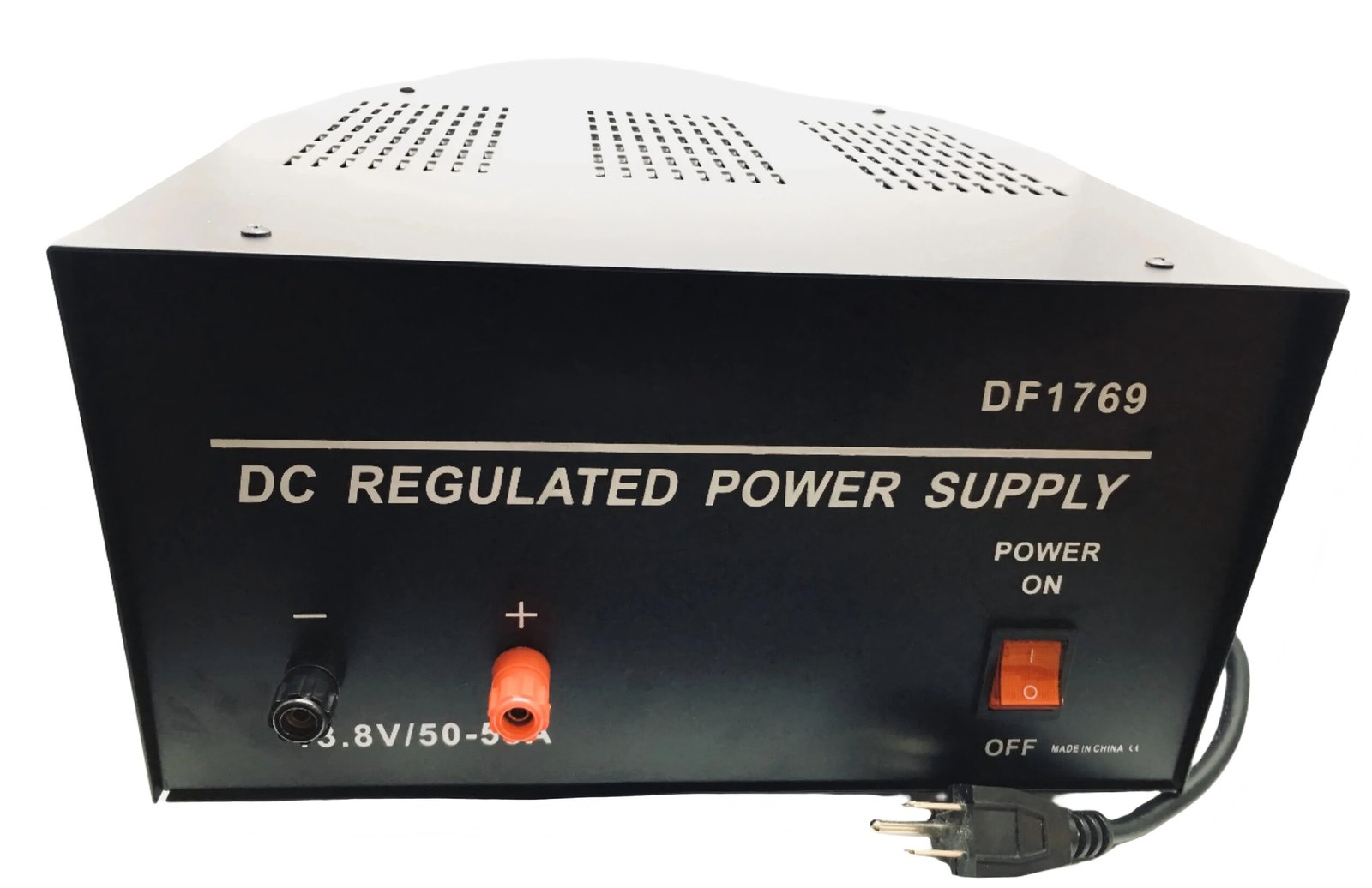
In modern electronics and industrial systems, power stability is no longer a luxury—it is a requirement. Yet many engineers and buyers still face a fundamental question: should you choose a regulated or unregulated power supply?
At first glance, both types may appear similar. They convert and deliver power to your devices, and in some cases, they may even share similar voltage ratings. However, the difference between them can determine whether your system operates reliably—or fails prematurely.
So what exactly separates these two types of power supplies? And more importantly, which one is right for your application?
What Does a Power Supply Really Do—and Why Does Stability Matter?
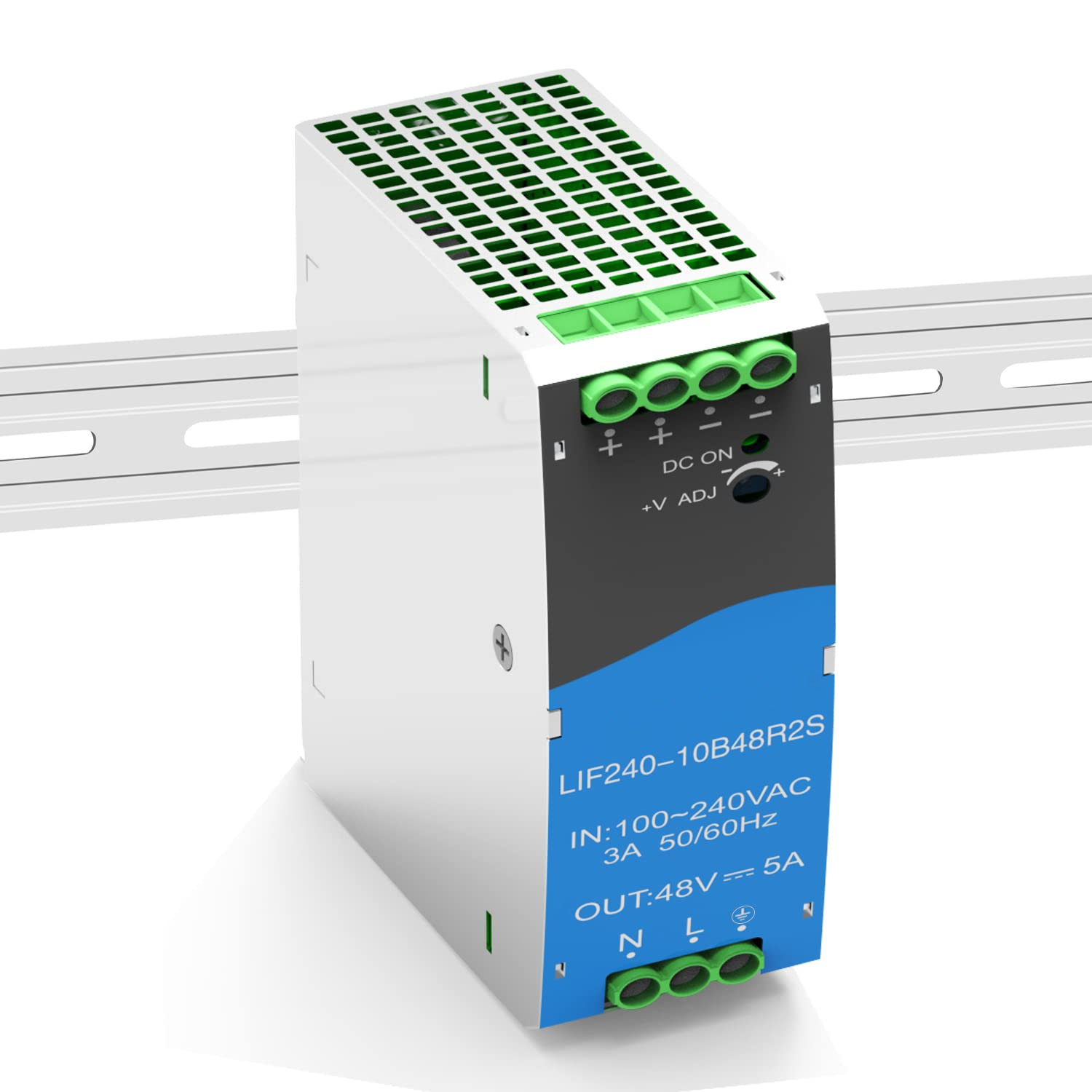
A power supply is far more than just an energy converter. It acts as the foundation of any electrical system, responsible for transforming input power—typically AC from the grid—into a stable DC output that your equipment can safely use.
However, real-world electrical environments are rarely stable. Input voltage can fluctuate due to grid instability, load changes, or environmental conditions. Without proper regulation, these fluctuations pass directly to your devices, potentially causing:
·Erratic system behavior
·Overheating or component stress
·Reduced lifespan of electronics
·Unexpected system shutdowns
This is where the distinction between regulated and unregulated power supplies becomes critical.
Regulated vs Unregulated Power Supply: What’s the Core Difference?
At its core, the difference lies in one key factor: output voltage consistency.
| Feature | Regulated Power Supply | Unregulated Power Supply |
| Output Voltage | Constant and stable | Varies with load/input |
| Circuit Design | Includes voltage regulation | Basic rectification only |
| Protection | Built-in protection circuits | Minimal or none |
| Precision | High | Low |
| Reliability | High | Moderate to low |
| Cost | Higher | Lower |
A regulated power supply actively maintains a fixed output voltage, regardless of input or load variations. An unregulated power supply does not—it simply outputs whatever voltage results from the input conditions.
This seemingly small difference has a major impact on performance, safety, and application suitability.
How Does a Regulated Power Supply Actually Work?

A regulated power supply uses a feedback control system to continuously monitor its output voltage. If the output deviates from the target value, the system automatically adjusts itself to compensate.
In modern designs—especially switching power supplies (SMPS)—this is achieved through:
·PWM (Pulse Width Modulation) control
·High-frequency switching transistors
·Feedback loops with reference voltage
·Protection circuits (OVP, OCP, SCP)
For example, SIPURUI switching power supplies are designed with high-efficiency PWM controllers and precision feedback circuits, ensuring stable output even under fluctuating industrial loads.
This level of control allows regulated power supplies to deliver:
·Tight voltage tolerance (typically ±1–2%)
·Fast transient response
·High efficiency (up to 90%+ in modern SMPS designs)
What Happens Inside an Unregulated Power Supply?
Unlike regulated designs, unregulated power supplies operate without feedback control. Their structure is straightforward:
·Transformer (voltage step-down)
·Rectifier (AC to DC conversion)
·Filter capacitor (basic smoothing)
Because there is no regulation stage, the output voltage depends entirely on:
·Input voltage level
·Load current
This means the output can vary significantly. For instance, a nominal 24V unregulated supply might deliver over 30V at no load and drop below 20V under heavy load.
While this behavior is acceptable in some applications, it can be problematic—or even dangerous—in systems requiring precision.
Where Do These Differences Matter Most?
The importance of regulation becomes clear when examining real-world applications.
| Application Type | Recommended Power Supply | Reason |
| Industrial Automation (PLC, CNC) | Regulated (SMPS) | Requires stable control signals |
| Communication Equipment | Regulated | Prevents signal distortion |
| Medical Devices | Regulated (Linear/SMPS) | High precision and safety |
| Motors / Solenoids | Unregulated acceptable | Tolerates voltage variation |
| LED Systems (basic) | Unregulated (with driver) | Non-critical voltage |
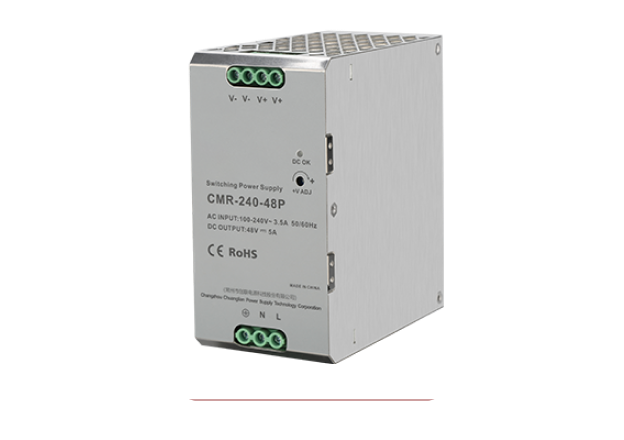
In industrial environments, regulated switching power supplies—such as SIPURUI DIN rail or enclosed SMPS series—are widely preferred due to their reliability and compact design.
Are Regulated Power Supplies Always Better?
This is a common question—and the answer is nuanced.
Regulated power supplies offer clear advantages in terms of performance and protection. However, they come with trade-offs in cost, complexity, and sometimes size.
Unregulated power supplies, while less precise, can still be effective in applications where voltage variation does not significantly impact performance.
The real question is not which one is “better,” but rather:
How sensitive is your application to voltage fluctuations?
If your system includes microcontrollers, sensors, or communication modules, regulation is essential. If it involves simple electromechanical components, unregulated may suffice.
Linear vs Switching Regulated Power Supply: Which One Should You Choose?
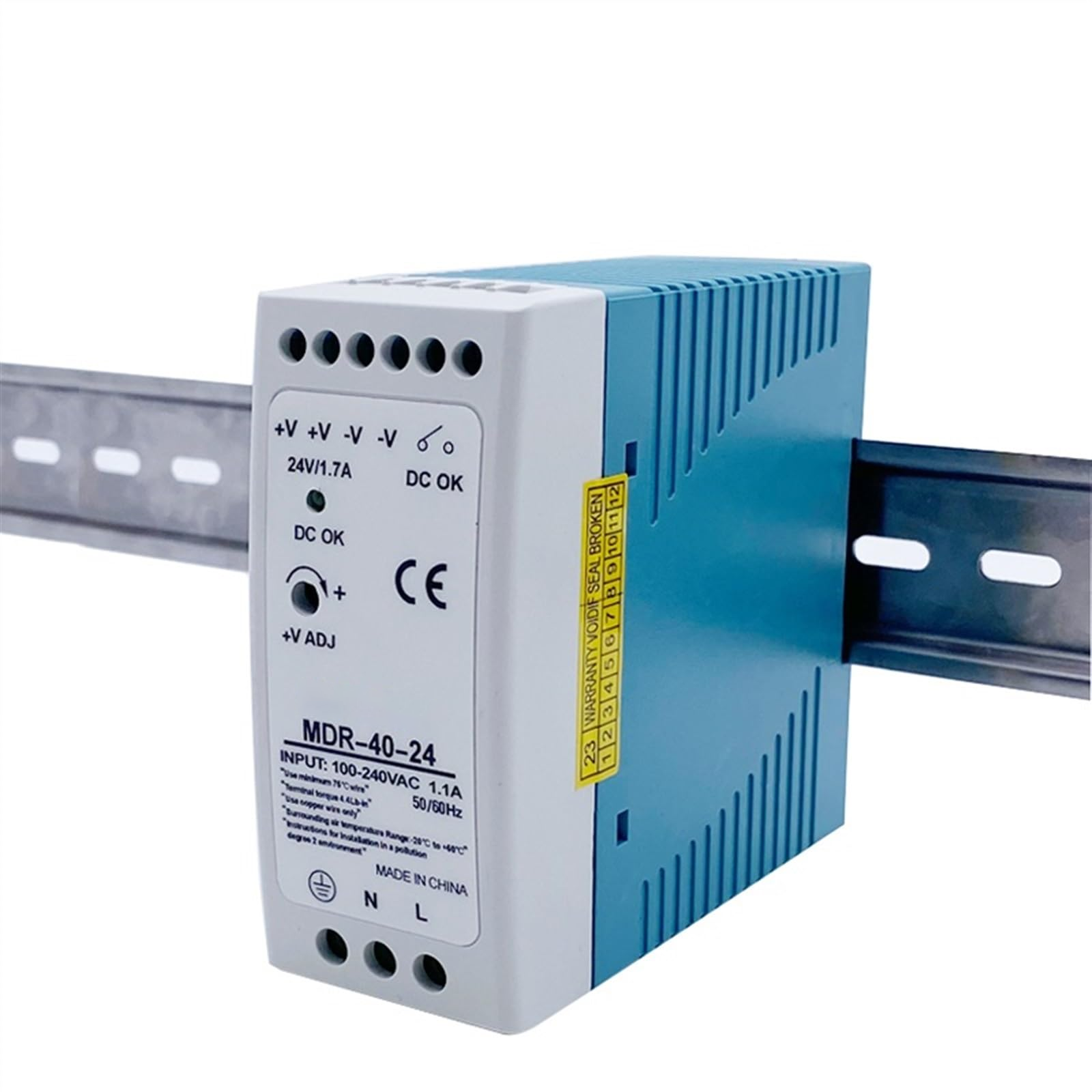
Even within regulated power supplies, there are two main technologies: linear and switching.
| Feature | Linear Power Supply | Switching Power Supply (SMPS) |
| Efficiency | Low (30–60%) | High (80–95%) |
| Size | Large | Compact |
| Noise | Very low | Moderate (filtered) |
| Heat | High | Low |
| Applications | Labs, audio | Industrial, automation |
Today, switching power supplies dominate the market due to their efficiency and compact form factor. SIPURUI’s SMPS product lines, including enclosed and DIN rail series, are designed specifically for industrial and automation environments where space, efficiency, and reliability are critical.
How Can You Tell if a Power Supply is Regulated?
Identifying whether a power supply is regulated can be done through several practical methods.
First, reviewing the product datasheet is the most reliable approach. Manufacturers typically specify voltage regulation performance, ripple, and tolerance.
Second, observing output behavior under load can provide insight. A regulated power supply maintains a consistent voltage, while an unregulated one shows noticeable variation.
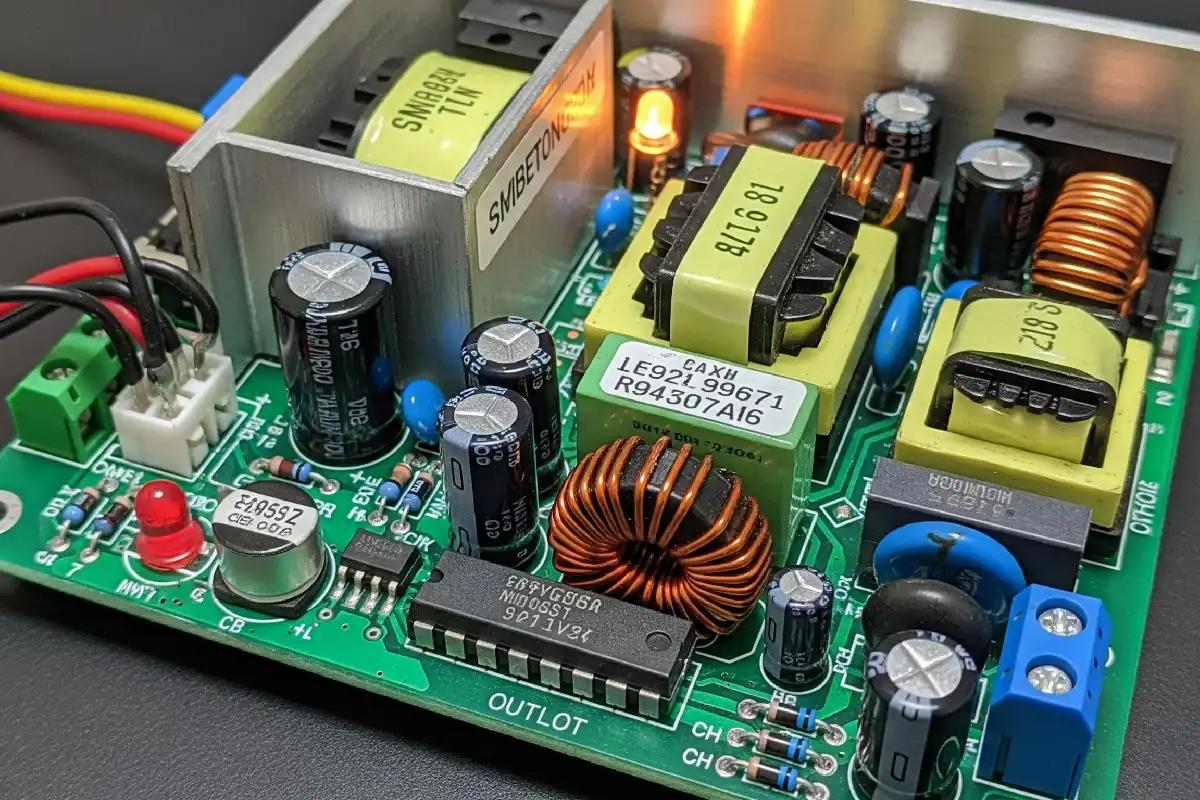
Finally, examining internal design—if accessible—can reveal the presence of control ICs and feedback circuits, which are hallmarks of regulated designs.
How to Choose the Right Power Supply for Your Application?
Selecting the correct power supply requires balancing performance, cost, and system requirements.
| Selection Factor | Recommendation |
| Sensitive electronics | Choose regulated SMPS |
| Budget constraints | Consider unregulated |
| Industrial environment | Use regulated (DIN rail / enclosed) |
| Space limitation | Use switching power supply |
| High precision requirement | Consider linear or high-end SMPS |
For most modern applications, regulated switching power supplies—such as SIPURUI’s industrial SMPS series—offer the best combination of performance, efficiency, and reliability.
Why Switching Power Supplies Are Becoming the Industry Standard
The shift toward switching power supplies is driven by several key factors:
·Increasing demand for energy efficiency
·Compact system design requirements
·Growth of automation and smart systems
·Need for reliable, stable power under variable conditions
SIPURUI has aligned its product development with these trends, offering a wide range of switching power supplies designed for industrial, commercial, and OEM applications. These include:
·DIN rail power supplies for automation systems
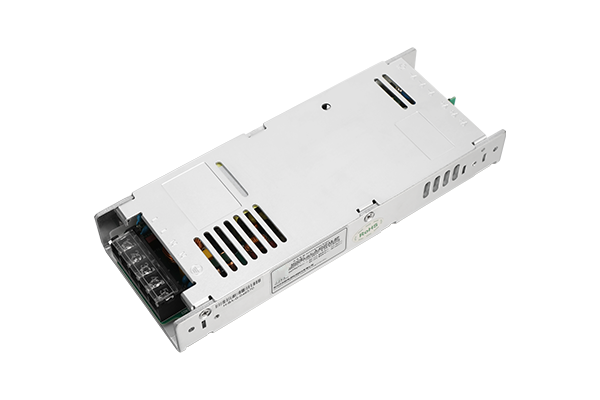
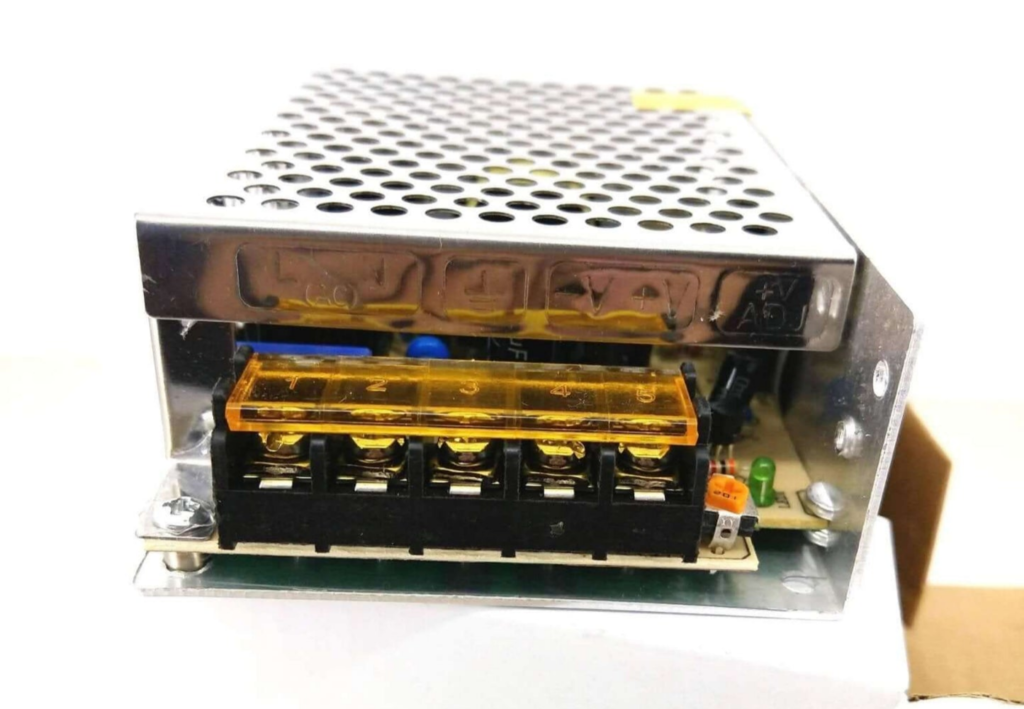
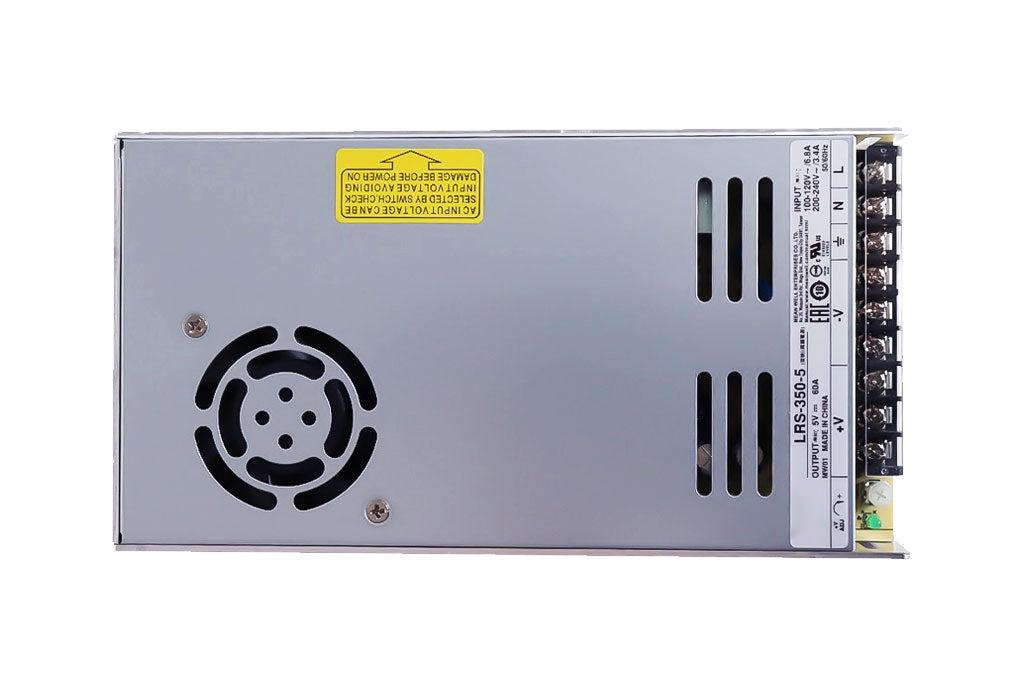
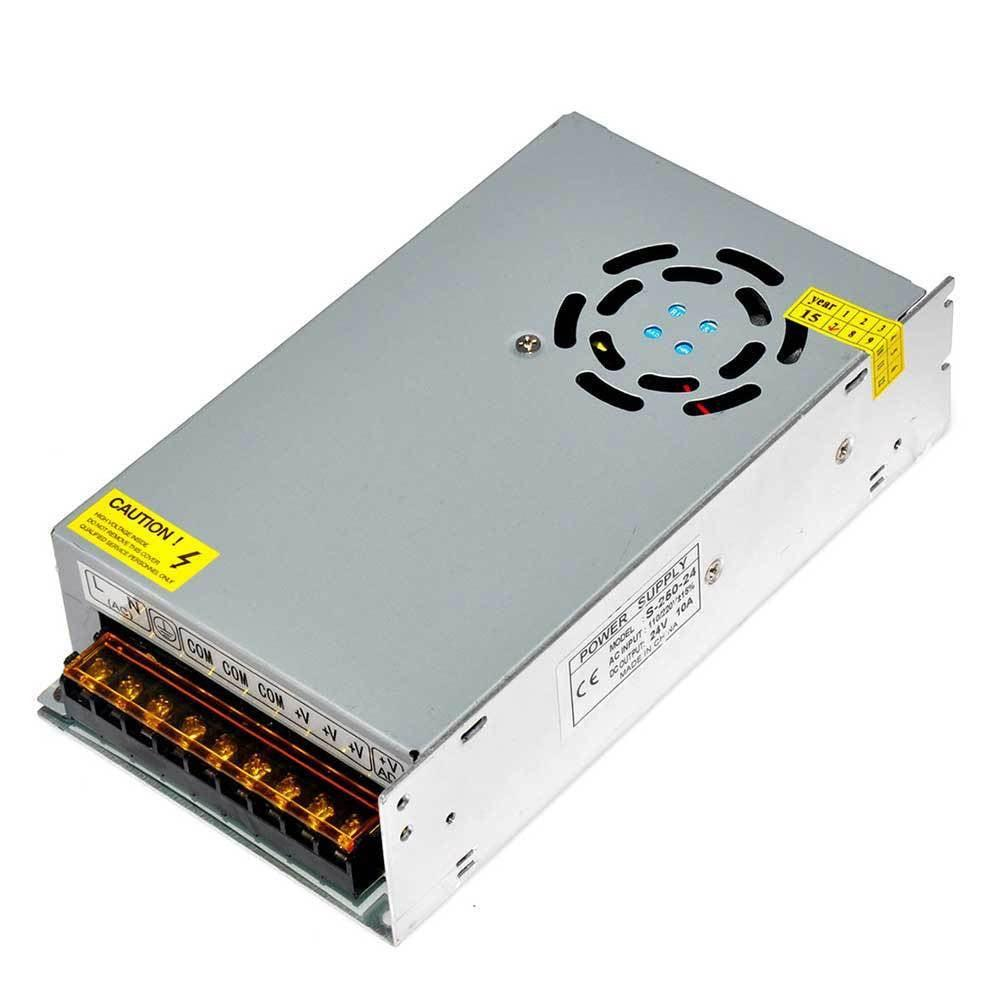
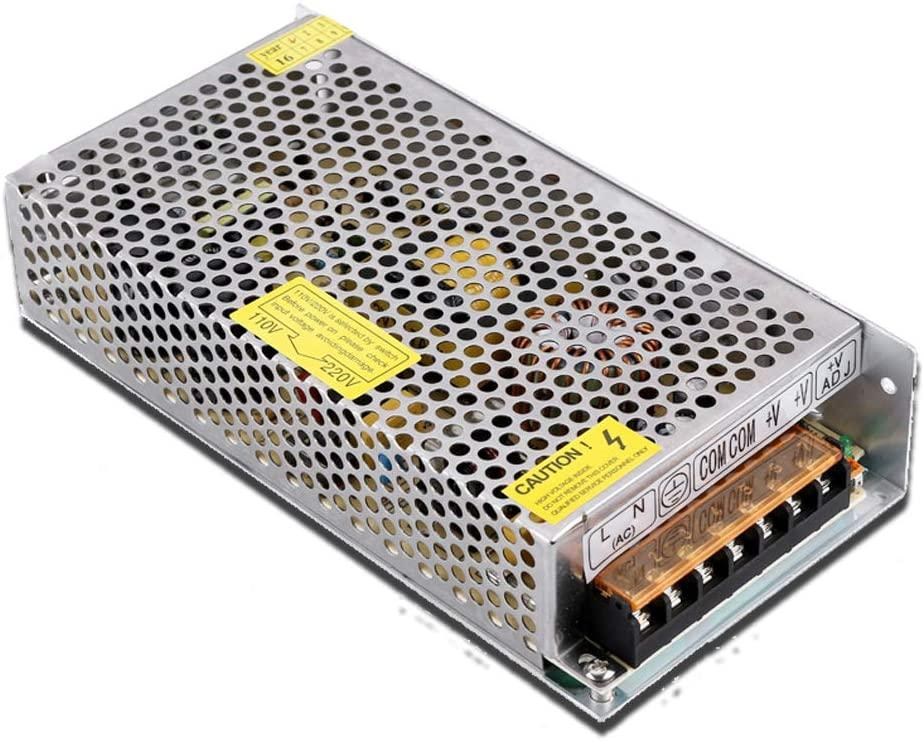
·Enclosed SMPS for industrial equipment
·LED driver power supplies
·Custom solutions for specialized applications

Final Thoughts: Which Power Supply Should You Choose?
Choosing between a regulated and unregulated power supply ultimately comes down to understanding your system’s tolerance for voltage variation.
If your application depends on precision, stability, and long-term reliability, a regulated power supply is not just the better option—it is the necessary one. In contrast, unregulated power supplies remain useful in simple, cost-sensitive applications where performance demands are lower.
As electronic systems continue to evolve, the importance of stable and efficient power delivery will only increase. Investing in the right power supply today can prevent costly failures tomorrow.
If you are evaluating options for your next project, SIPURUI offers a range of high-performance switching power supplies designed to meet the demands of modern industry.